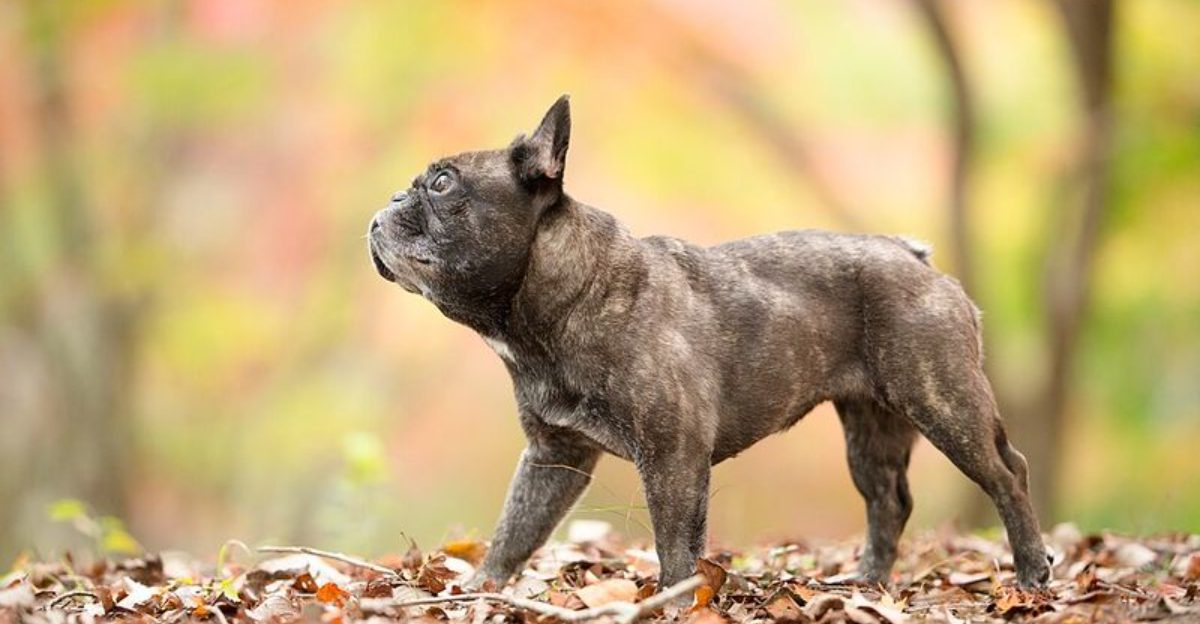
A good house dog is not always the smallest dog in the room. Some large breeds are calm, quiet, and happy to nap after a short walk.
Energy level, training, grooming, and personality matter more than inches or pounds. These breeds may change how you think about indoor living with dogs.
Greyhound
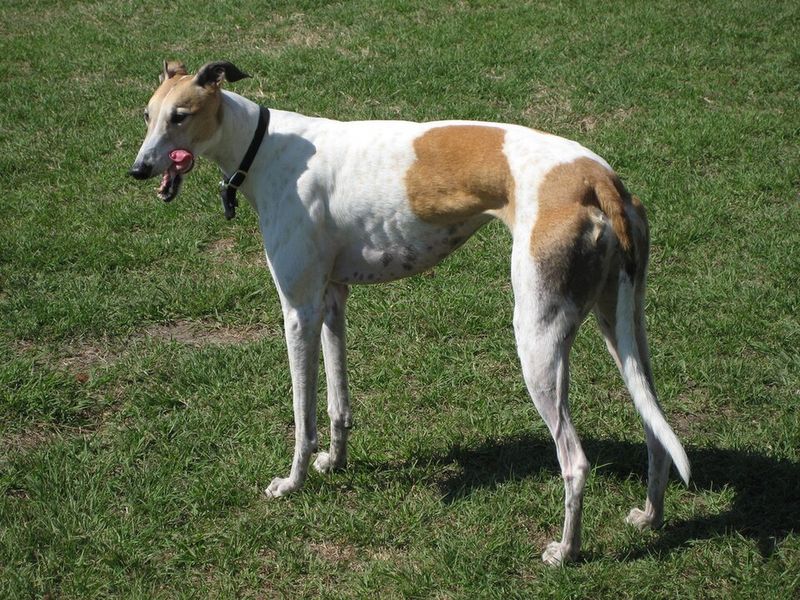
Built like a race car but often acting like a couch pillow, the Greyhound surprises many first-time owners. After a brisk walk or short run in a safe area, it usually enjoys long, quiet naps indoors.
Its thin coat needs little grooming, though soft bedding helps protect bony joints. Greyhounds can be sensitive, so calm voices and patient training work best.
In apartments, they often do well if their daily exercise needs are met consistently.
Great Dane
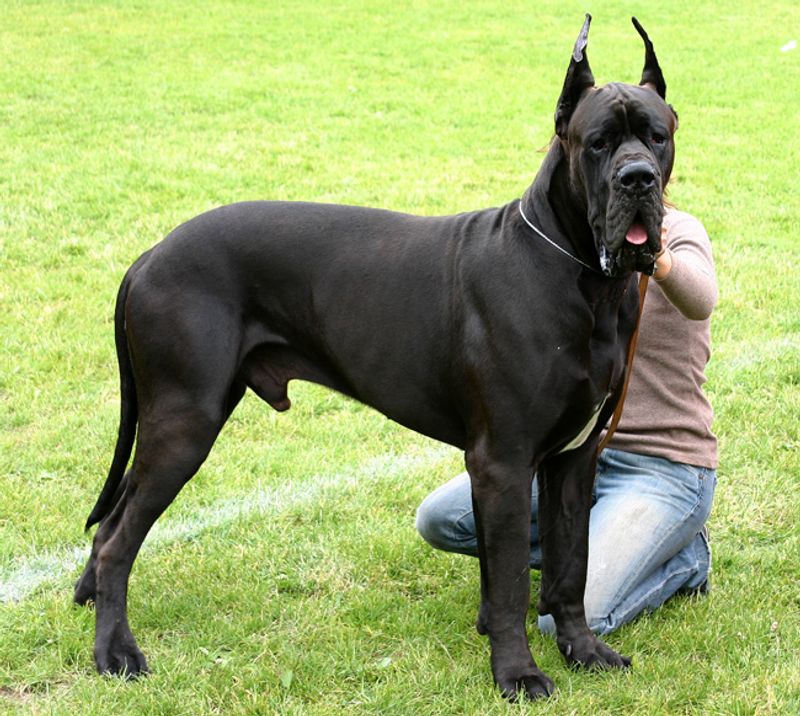
Few dogs can block a hallway like a Great Dane, yet many are surprisingly peaceful indoors. Nicknamed the Apollo of dogs, this giant breed often prefers lounging near its people over racing around the house.
Space still matters because tails and paws can clear coffee tables fast. Short walks, basic manners, and a roomy bed make life smoother.
Because they grow quickly, owners should watch diet, joints, and stairs, especially during puppyhood.
Whippet
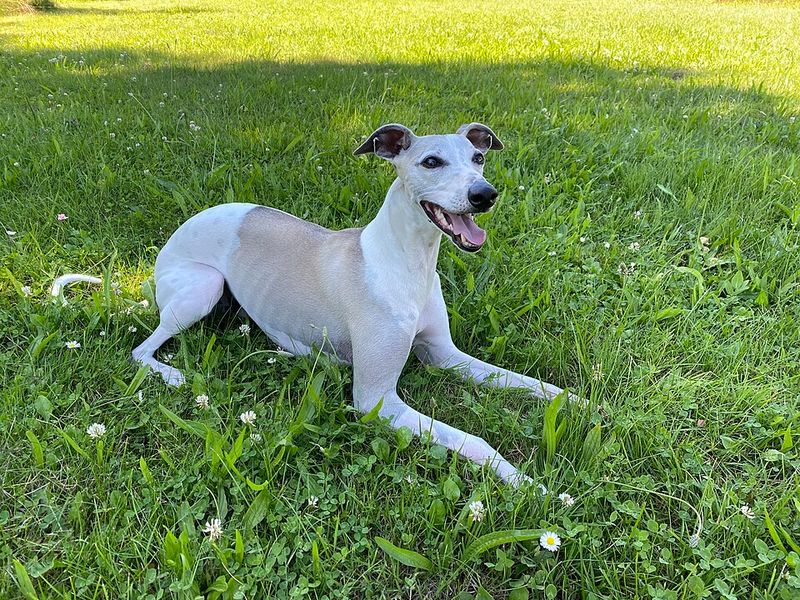
A Whippet may sprint like the wind outside, then melt into a blanket indoors. Families who want a quiet, tidy dog often enjoy this breed’s soft manners and neat, short coat.
Daily walks and a chance to stretch its legs are important, but marathon activity is not usually needed. Whippets dislike cold weather, so sweaters are useful in winter.
Secure fences matter too, because a passing squirrel can switch on that speedy chase instinct.
Basset Hound
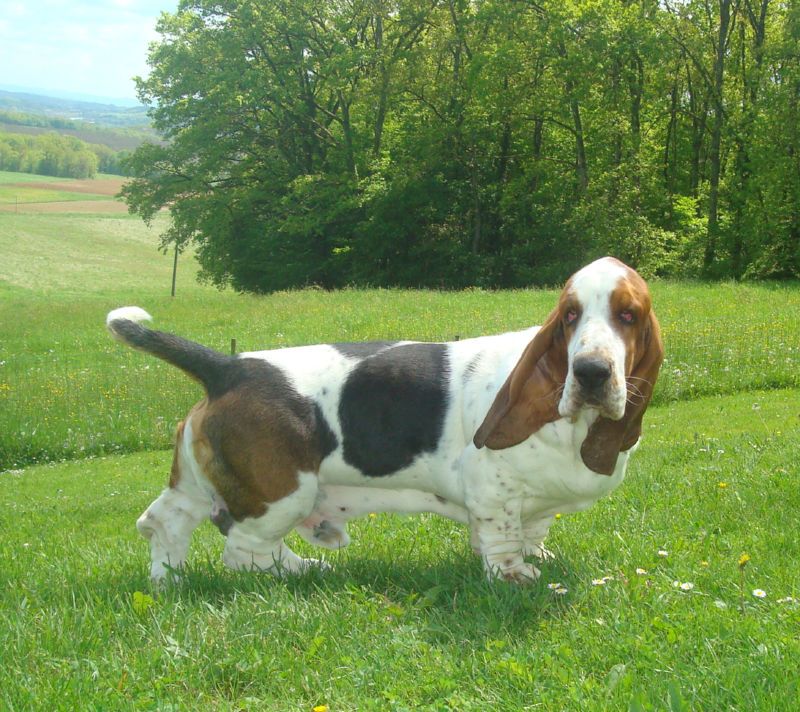
Those long ears and sleepy eyes tell the truth, the Basset Hound loves a slow day. Originally bred to follow scent trails, it still enjoys sniffing every leaf on a walk.
Inside, many Bassets are low-key and content to rest near the action. Owners should manage weight, since extra pounds strain their long backs and short legs.
Ears need regular cleaning, and training may require snacks, patience, and a sense of humor.
Bullmastiff
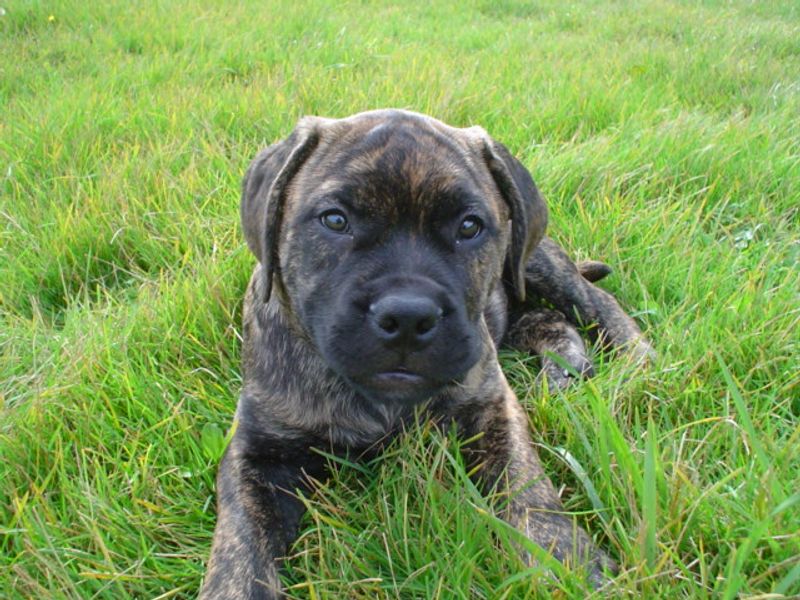
With a serious face and a soft spot for family, the Bullmastiff can be a calm indoor guardian. This breed was once used to help protect large estates, but at home it often chooses steady watchfulness over busy movement.
Short walks, early social practice, and polite leash skills are key because strength comes naturally. Drool towels may become part of your decor.
A Bullmastiff needs firm, kind guidance and cool resting spots during warm weather.
Cavalier King Charles Spaniel
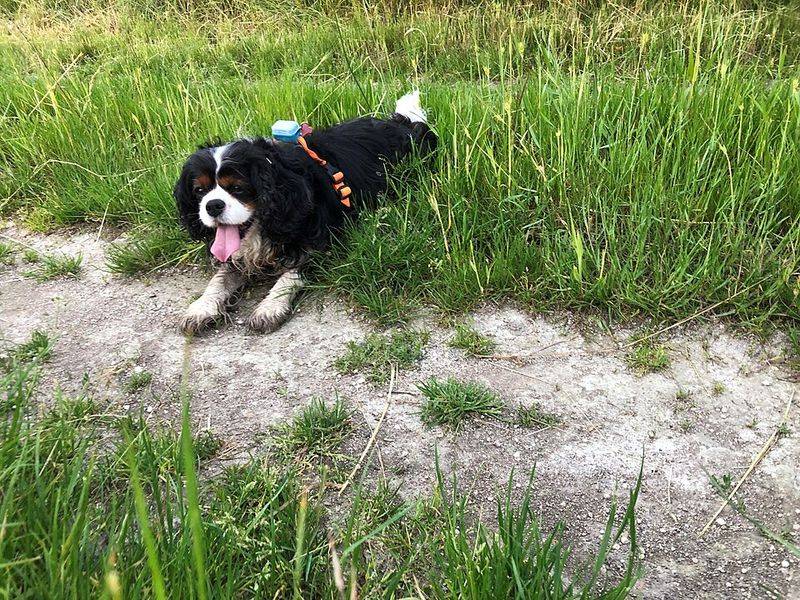
Royal name, lap-sized sweetness, and big round eyes make the Cavalier King Charles Spaniel hard to ignore. This breed often fits indoor life because it wants closeness more than constant action.
A daily walk and playtime keep it cheerful, while brushing helps prevent tangles in those silky ears. Cavaliers are friendly, so they may enjoy visitors and gentle children.
Owners should choose careful breeders and keep up with vet checks, especially for heart health.
Shih Tzu
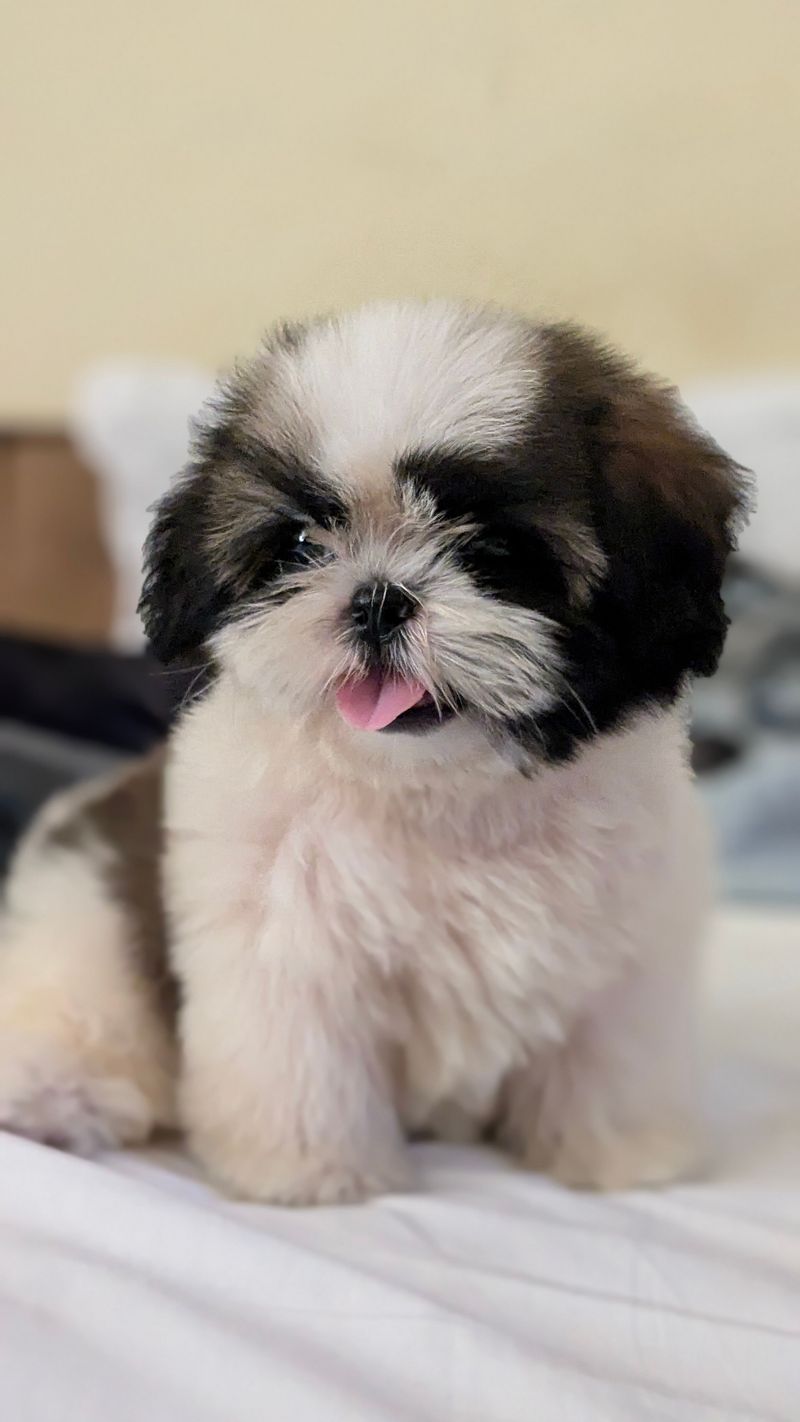
Bred to warm laps in Chinese palaces, the Shih Tzu still takes indoor comfort seriously. It usually prefers short play sessions, soft beds, and staying close to favorite people.
Small size helps, but its real house-dog strength is a relaxed routine. Grooming is the main job, whether you keep the coat long or clipped short.
Because the face is flat, avoid hard exercise in heat. Gentle training works well when praise and tiny treats are involved.
Boston Terrier
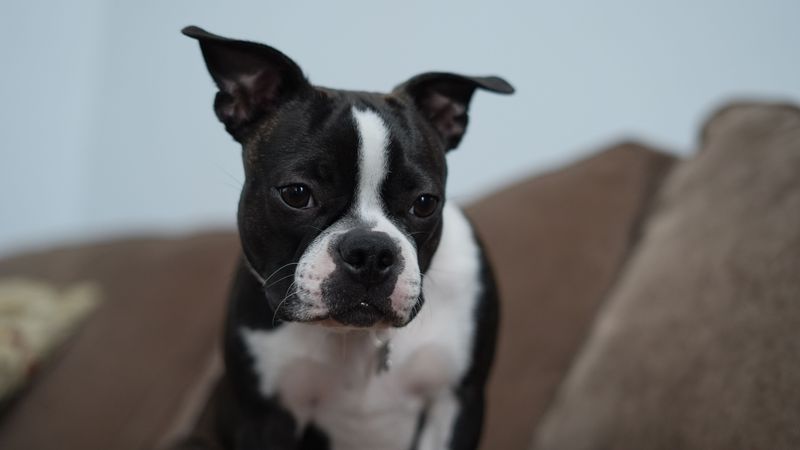
The Boston Terrier looks dressed for dinner in its tuxedo coat, but it is usually ready for living room fun. Many enjoy quick games, silly zooms, then a good rest beside their owner.
Its compact body suits smaller homes, and the short coat is easy to maintain. Watch for overheating, since flat-faced dogs can struggle in hot or humid weather.
Training should stay upbeat and clear. Puzzle toys help keep that clever, comic mind busy indoors.
Pug
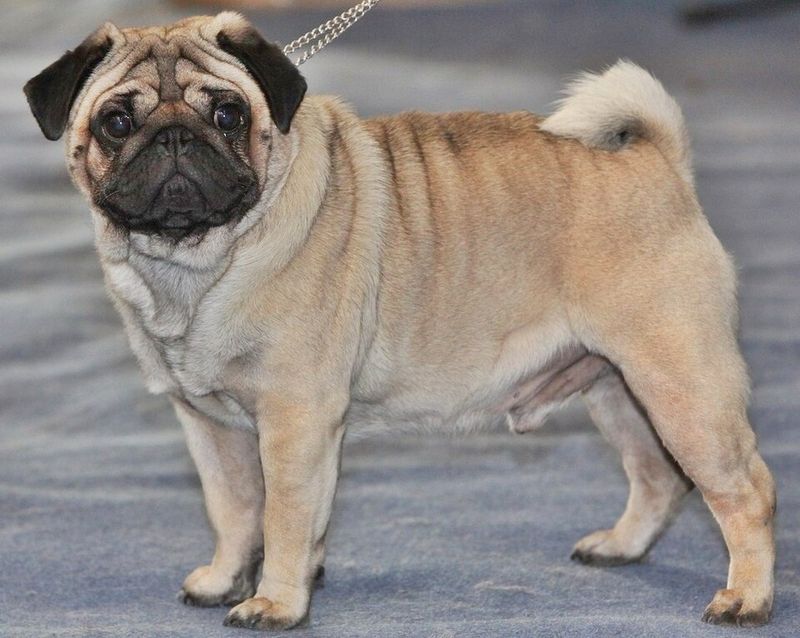
A Pug can turn an ordinary Tuesday into a comedy show with one snort and a head tilt. This charming little dog often loves indoor life because people, pillows, and snacks are all close by.
Regular short walks help control weight, which is very important for breathing and joints. Keep exercise gentle during heat.
Wrinkle cleaning and nail care should be routine. Pugs thrive when owners set food limits but still offer plenty of affection and play.
French Bulldog
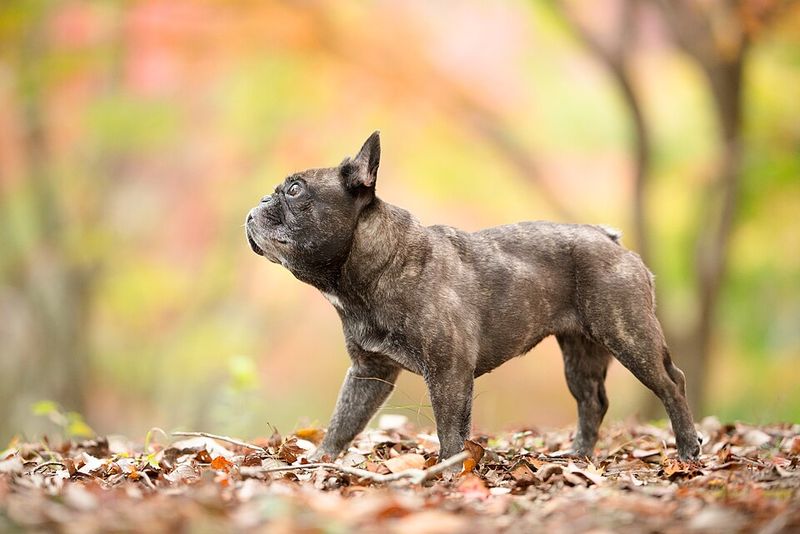
Bat ears, chunky paws, and a bold little attitude give the French Bulldog huge personality in a small package. City owners often like this breed because it does not need long runs to feel satisfied.
Short strolls, indoor games, and careful temperature control usually fit best. Frenchies can be stubborn in a funny way, so make training feel like a game.
Because breathing issues are common, avoid heavy exercise and choose a trusted veterinarian for regular care.
English Bulldog
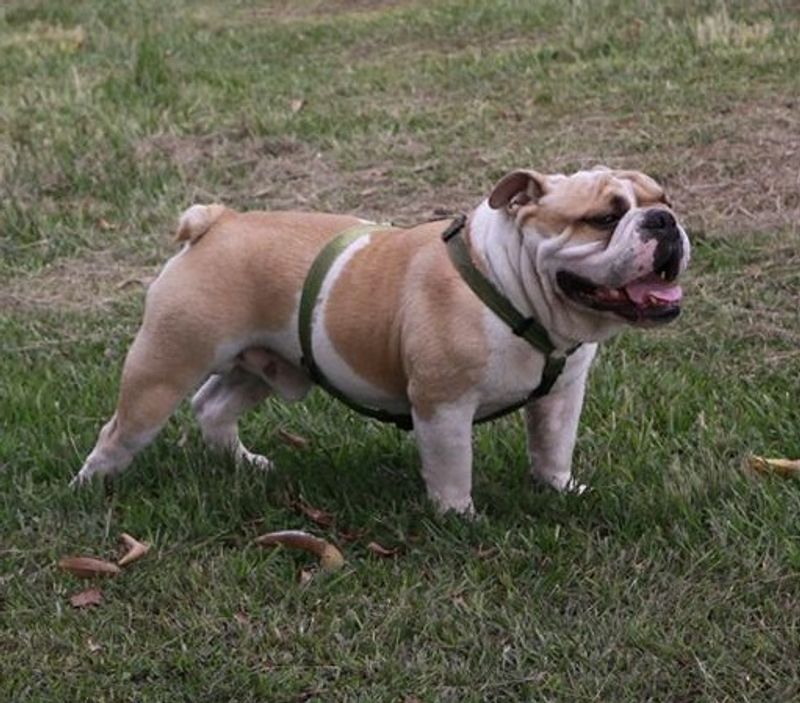
An English Bulldog often treats the living room like a personal lounge, complete with snoring soundtrack. Its sturdy body may look athletic, but most prefer slow walks and plenty of downtime.
Indoor life suits them when homes stay cool and routines stay steady. Skin folds need cleaning, and weight control is a must because extra pounds make breathing harder.
Use ramps for furniture if jumping is tough. Kind, steady rules help this lovable clown behave well.