
A gentle dog is not a boring dog. Many calm breeds are alert, loyal, and ready to help when their family needs them.
Their steady mood can make a home feel safer, softer, and more peaceful. These dogs show that quiet confidence can be just as powerful as high energy.
Rough Collie
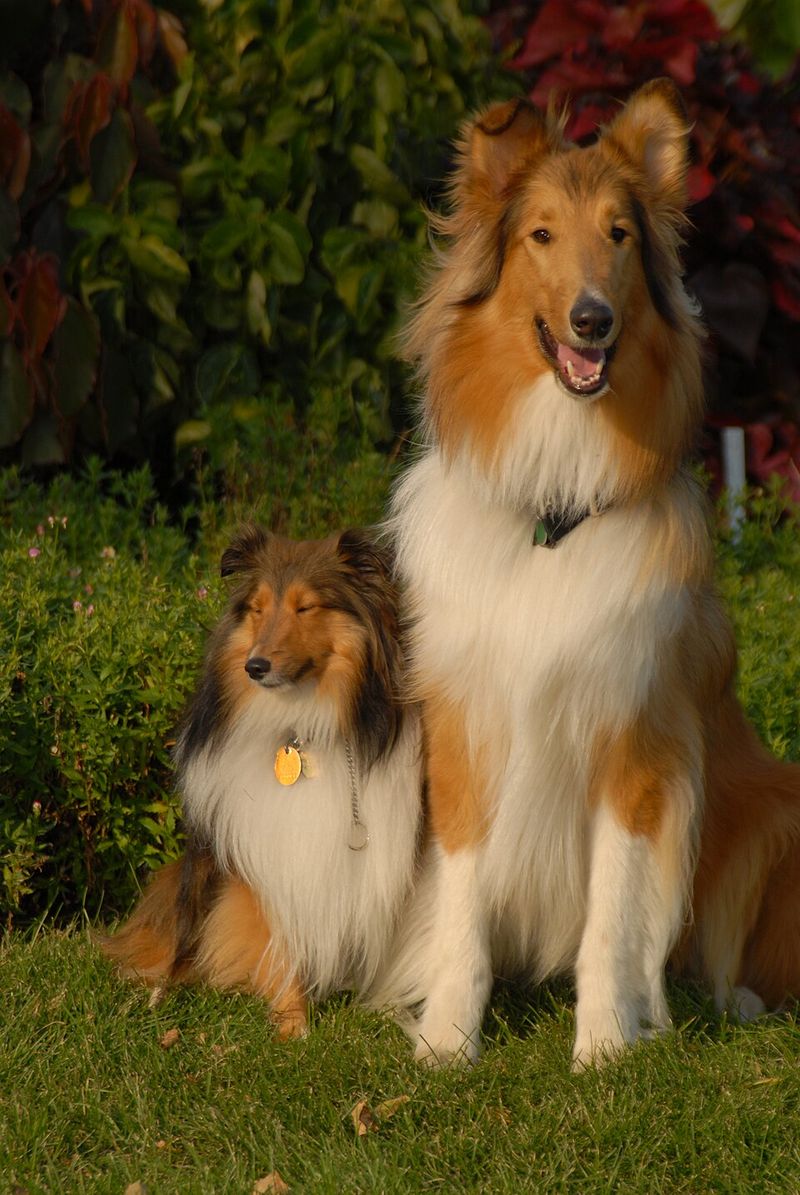
With eyes that seem to understand every mood, the Rough Collie brings a quiet kind of leadership into family life. Made famous by Lassie, this breed often notices small changes, like a child crying or a door left open.
Daily walks, brushing, and kind training keep that smart mind busy. At home, a Collie does best when included in routines, not ignored.
Calm praise works better than harsh words.
Bernese Mountain Dog
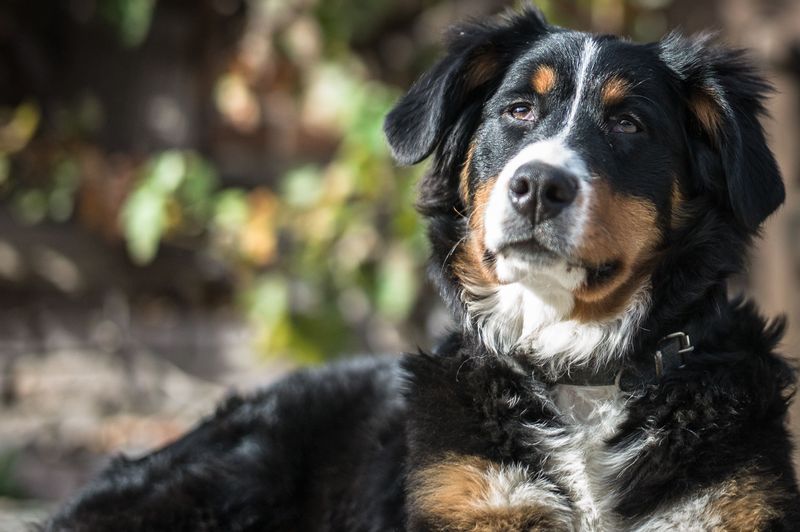
A Bernese Mountain Dog can look like a walking blanket with a heartbeat. Bred in Switzerland to pull carts and help on farms, this big dog usually carries itself with patient strength.
Because of its size, early leash manners matter. Short training sessions, cool resting spots, and slow introductions to guests help it shine.
Families should expect some drool and shedding, but also a steady friend who loves being nearby.
Great Dane
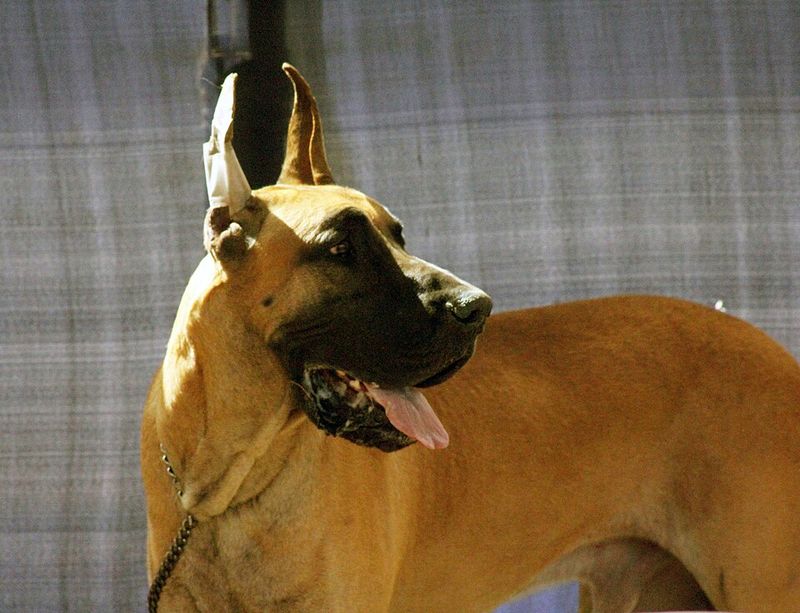
Imagine a dog tall enough to rest its chin on the counter, yet polite enough to wait for permission. The Great Dane often surprises people with its soft, watchful manner.
Apartment life can work if daily walks and room to stretch are provided. Teach no jumping early, because even happy greetings can knock someone over.
A raised bed, simple commands, and calm visitors help this giant feel secure without becoming pushy.
Golden Retriever
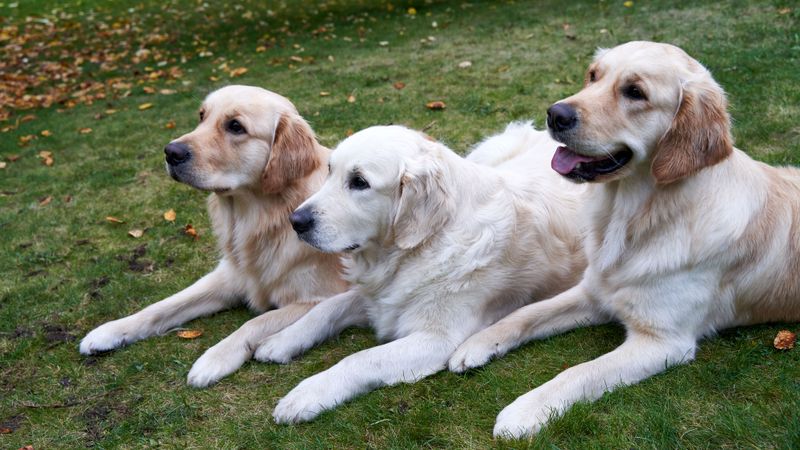
Golden Retrievers often greet life like everyone is already a friend. That sunny outlook does not mean they are wild all day, especially when their exercise needs are met.
Fetch, scent games, and basic obedience turn their energy into good choices. They respond well to cheerful teaching and clear limits.
Keep food off counters, since many Goldens love snacks. With structure, their kindness becomes a warm rhythm in the home.
English Setter
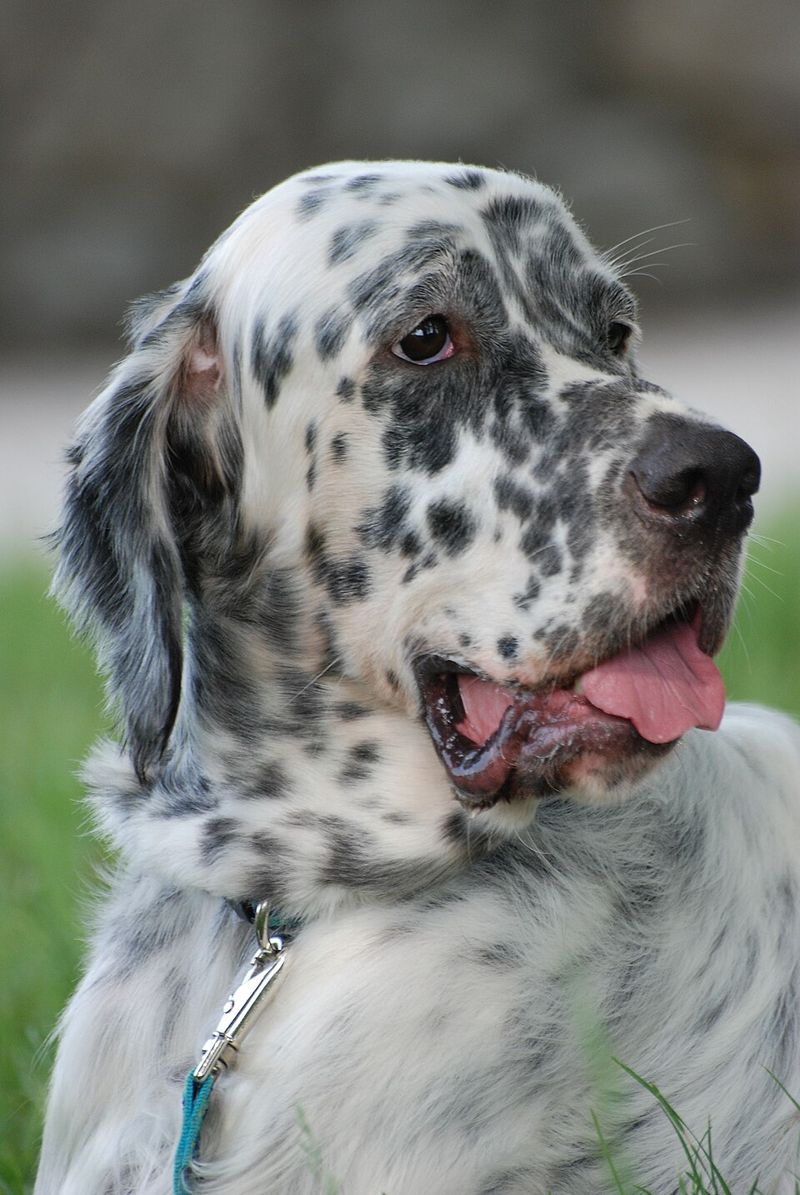
There is something almost old-fashioned about an English Setter stretched in a patch of sunlight. Originally bred to find birds, it can move with grace outside and settle sweetly indoors.
A fenced yard or long walk helps satisfy its curious nose. Gentle correction is key, because this breed can be sensitive.
Brush the feathered coat often, especially behind the ears. Give it affection, and it usually answers with soft loyalty.
Standard Poodle
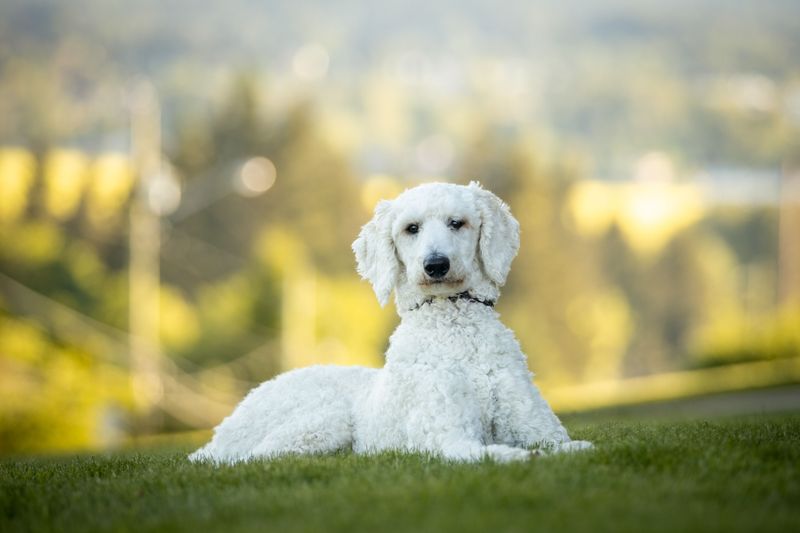
Do not let the fancy haircut fool you, the Standard Poodle is clever, athletic, and deeply tuned in. Many learn household rules quickly, then act like polite little managers.
Poodles need mental work, not just a soft bed. Try puzzle toys, trick training, or calm walks with sniff breaks.
Regular grooming is part of the deal. When treated with respect, this breed brings bright, steady company without filling the house with chaos.
Bullmastiff
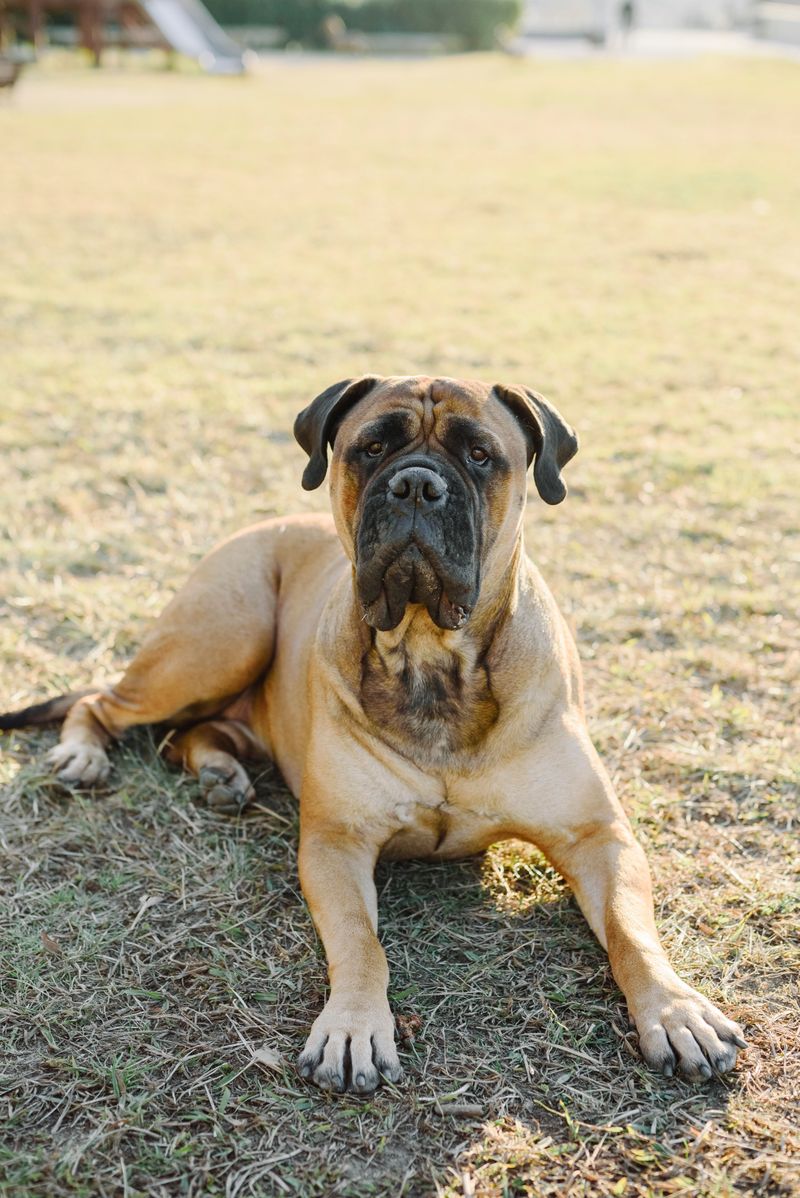
A Bullmastiff may say more with one steady look than some dogs say with twenty barks. Developed in England to guard estates, it was meant to be brave without being reckless.
Socialization should start young, using calm meetings with people, sounds, and places. Heavy exercise is not needed, but daily movement keeps joints healthy.
Teach waiting at doors and polite greetings. Its quiet watchfulness can make a house feel grounded.
Cavalier King Charles Spaniel
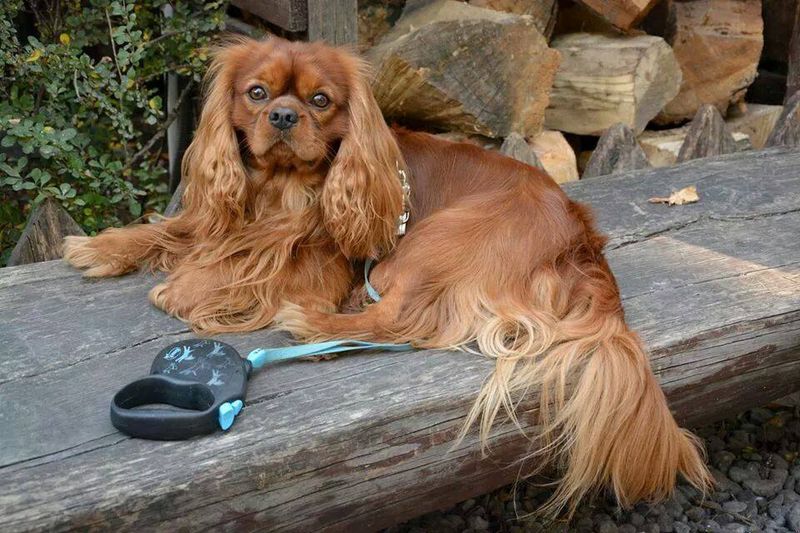
Small paws, huge heart, that is the Cavalier King Charles Spaniel in many homes. This breed was long loved as a lap dog, and it still enjoys being close to its people.
Short walks, gentle play, and cozy rest usually fit it well. Watch its weight, since extra pounds can strain a small body.
Because Cavaliers crave company, they are happiest with kind attention, steady routines, and a soft place beside you.
Irish Wolfhound
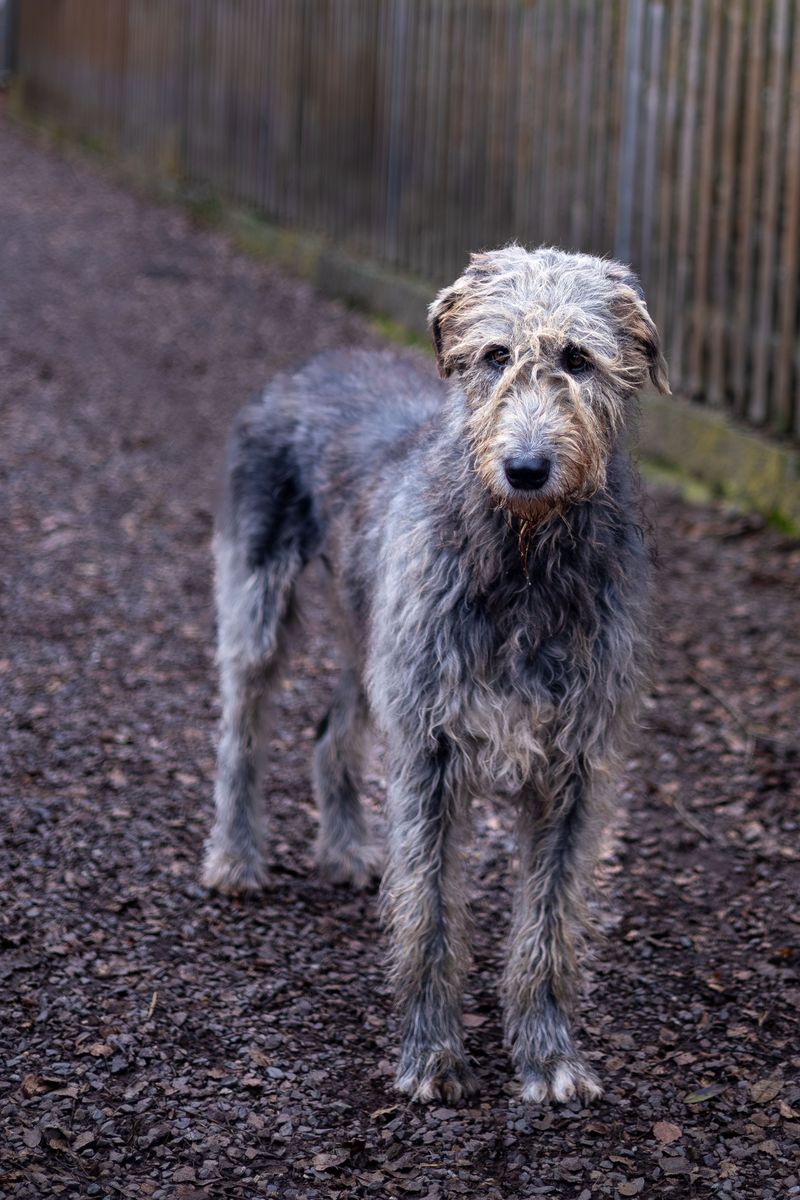
An Irish Wolfhound can fill a doorway and still move like a quiet shadow. Once used for hunting wolves, it now tends to be a calm, thoughtful housemate.
Puppies grow fast, so careful feeding and gentle exercise are important. Adult dogs enjoy space, soft bedding, and peaceful walks.
They are not usually sharp guard dogs, but their size alone makes people pause. Handle them with patience, and they often repay it with dignity.
Labrador Retriever
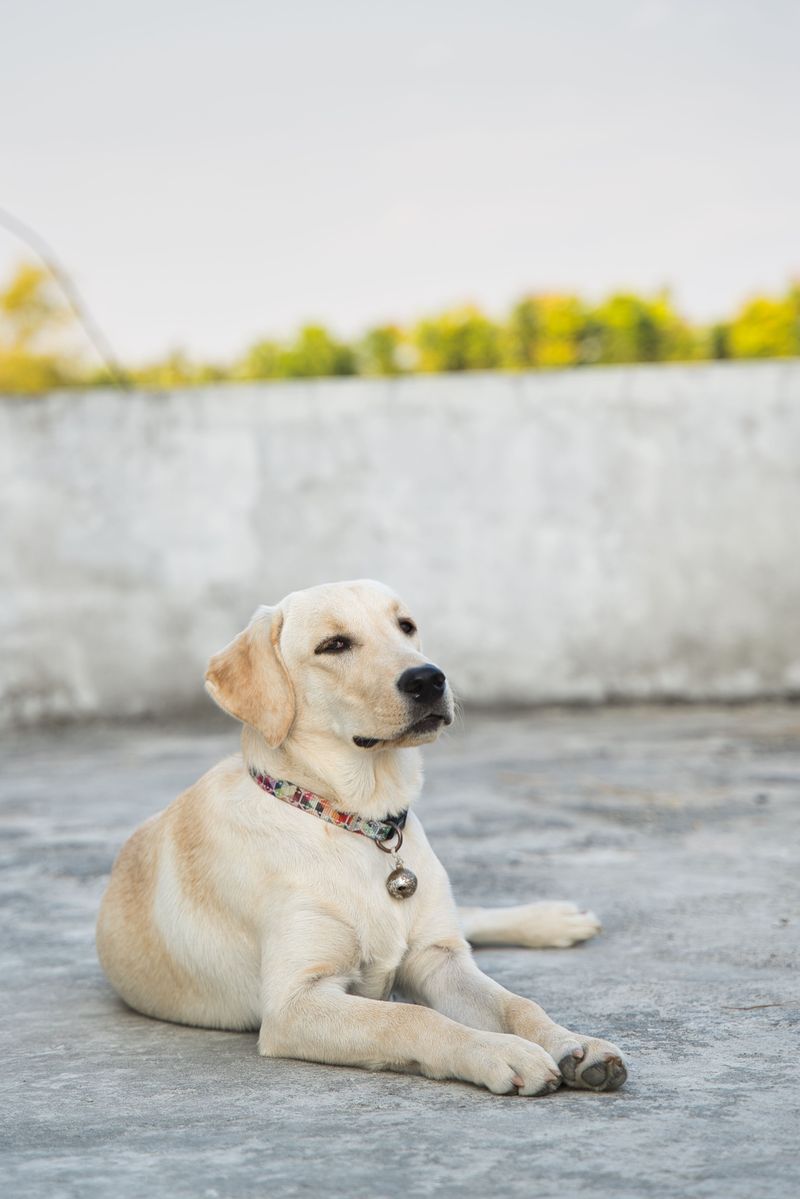
Labs can be goofy one minute and wonderfully steady the next. Their working background as retrievers gives them a love of activity, people, and learning.
A calm Labrador is usually a well-exercised Labrador. Swimming, fetching, and training games help burn energy in healthy ways.
Keep meals measured, because many Labs act hungry even after dinner. With clear rules and plenty of affection, their cheerful confidence becomes a daily comfort for busy homes.