Dogs need more than fetch to stay happy. Puzzle toys use their brains, build patience, and reduce boredom that can lead to chewing or barking.
When you match the right challenge to the right breed, you unlock amazing focus and problem-solving. Watch how these clever pups turn curiosity into calm, confident energy.
Border Collie – The Brainy Strategist
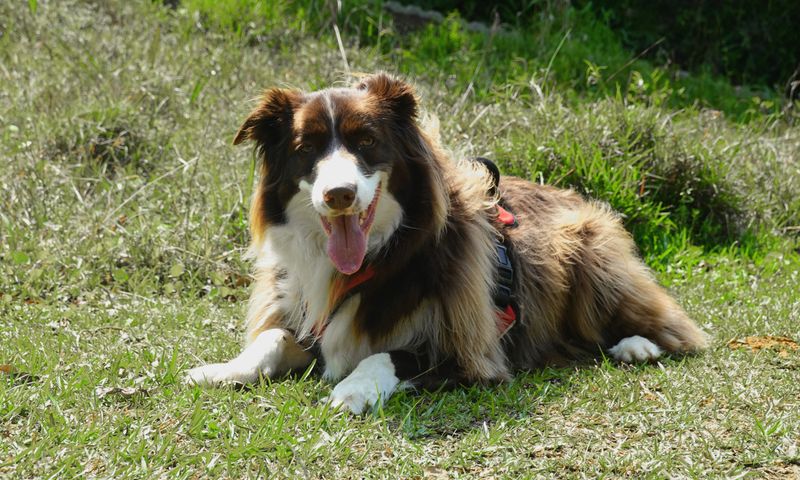
Give a Border Collie a puzzle, and you will see gears turning. They notice tiny details, like how a slider moves or where a scent is strongest.
Start with a maze feeder, then graduate to puzzles with levers and hidden drawers.
Short bursts of five to ten minutes keep frustration low and thinking sharp. Rotate games weekly to prevent boredom.
Pair puzzle time with calm praise, not hype, to help this high-energy genius settle after the mental workout.
Poodle – The Graceful Problem Solver
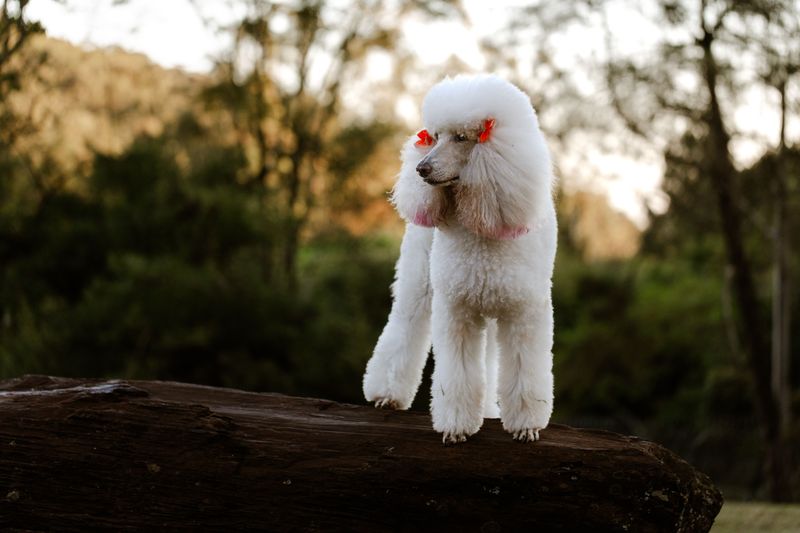
With quick wits and tidy manners, the Poodle thrives on puzzles that reward careful moves. Choose toys that require nose taps, paw presses, or color-shape matching lids.
Their gentle touch suits quieter mechanisms that click or slide.
For extra fun, tuck low-sodium broth ice cubes into a rolling dispenser. Mix in training cues like sit, wait, and touch during play.
This turns puzzle time into a classy brain-and-body routine that keeps your Poodle confident and calm.
Australian Shepherd – The Clever Controller
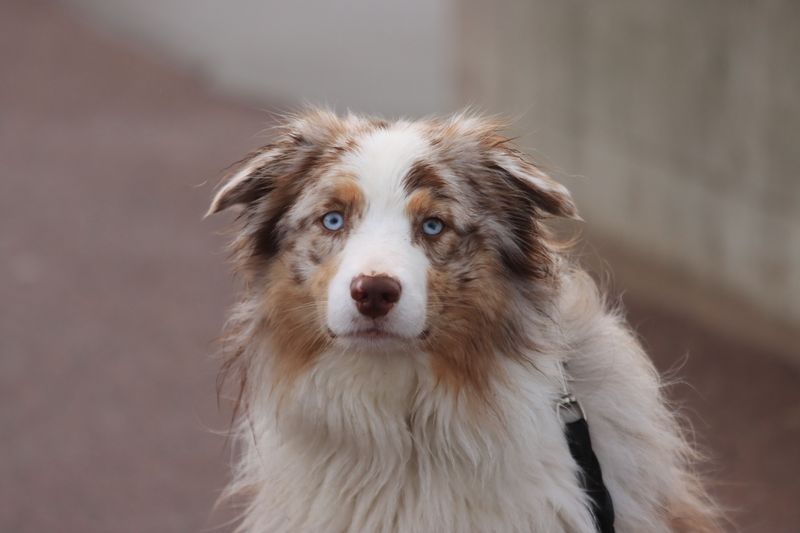
Herding instincts make Aussies love puzzles with moving parts. Spinners, flip lids, and track sliders match their need to direct and control.
Begin with easy rotations, then stack challenges by adding timed releases or two-step unlocks.
Channel excitement with a short walk first, then offer the puzzle when the mind is ready. Swap high-value treats for kibble to manage calories.
Expect bright eyes, fast learning, and that proud little head tilt when they crack the code.
Miniature Schnauzer – The Curious Tinkerer
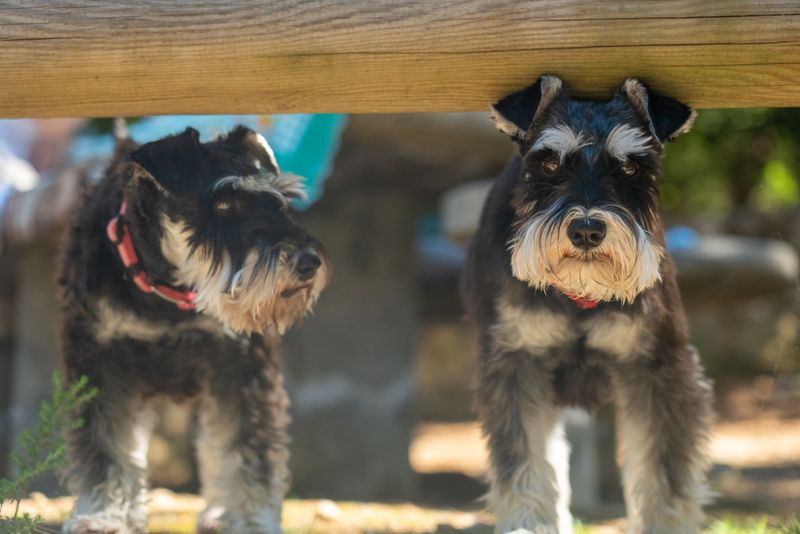
Always nosy in the best way, Miniature Schnauzers enjoy puzzles with tabs, ropes, and tiny drawers. Their neat beards get busy investigating every scent and seam.
Start with rope-pull boxes that reveal small snacks, then introduce two-stage latches.
Keep sessions playful and short to match their lively spark. A soft tug toy between rounds resets focus.
You will see confident problem-solving, less barking from boredom, and a cheerful trot once the last secret compartment opens.
Shetland Sheepdog – The Gentle Planner
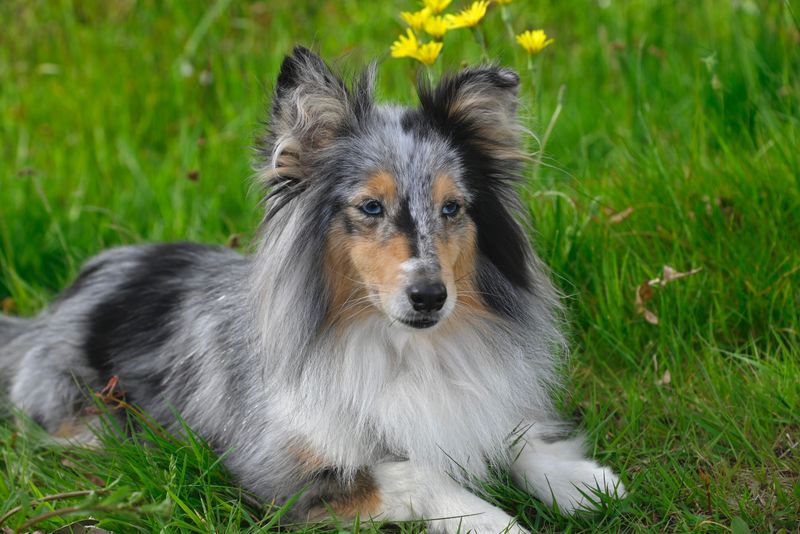
Soft-spoken but sharp, the Sheltie does best with quiet, precise puzzles. Slide-and-lift boards suit their careful style and love of routine.
Teach a pattern, like slide-left then lift, and watch how quickly they remember steps.
Use small, healthy treats to avoid tummy troubles. If nerves show, sit nearby and speak softly.
Confidence grows with each win. Over time, your Sheltie will approach new challenges with calm focus and that famous, polite enthusiasm.
Papillon – The Pocket-Sized Detective
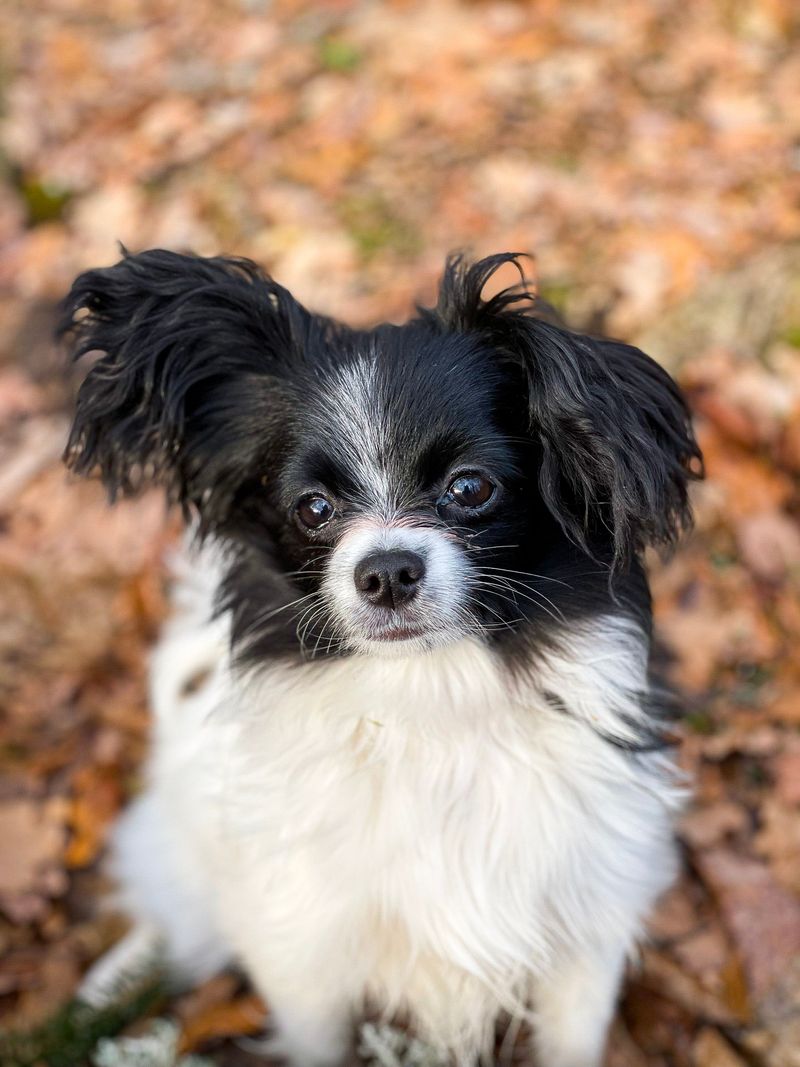
Big ears, big brains. Papillons shine with small-format puzzles that fit petite snouts.
Try mini sliders, tiny flip lids, or rolled towel scent games placed at nose level. Their quick steps and careful nudges are perfect for delicate mechanisms.
Because their stomachs are small, use part of their meal as the reward. Rotate easy and moderate tasks to build confidence.
Expect prancing, tail flags, and a proud look that says, case closed.
Australian Cattle Dog – The Tenacious Codebreaker
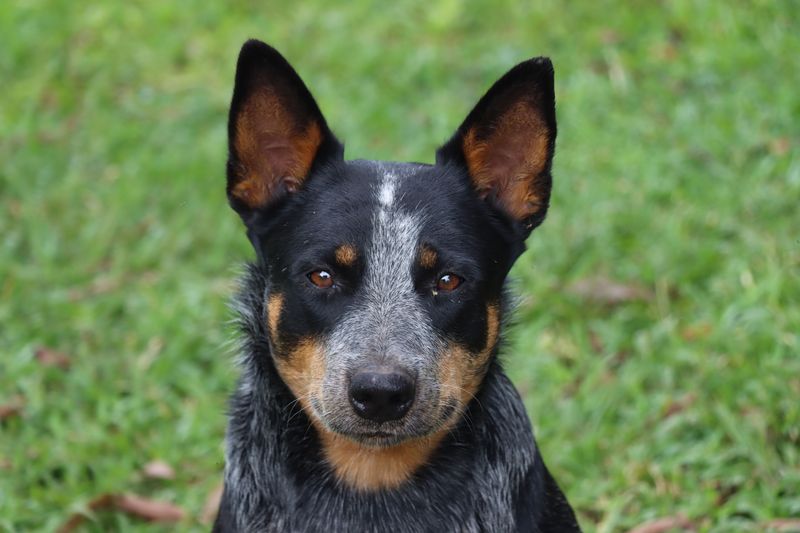
Tough and determined, Cattle Dogs need sturdy puzzles that can handle power. Choose heavy-duty sliders, rubber treat mazes, or lock-and-key styles with multiple pieces.
Mix scent trails leading to the start to engage their tracking side.
Set a time limit, then let them finish the last step for a rewarding win. Durable materials prevent chewing from ending the game early.
You will see gritty focus give way to satisfied calm once the puzzle pays off.
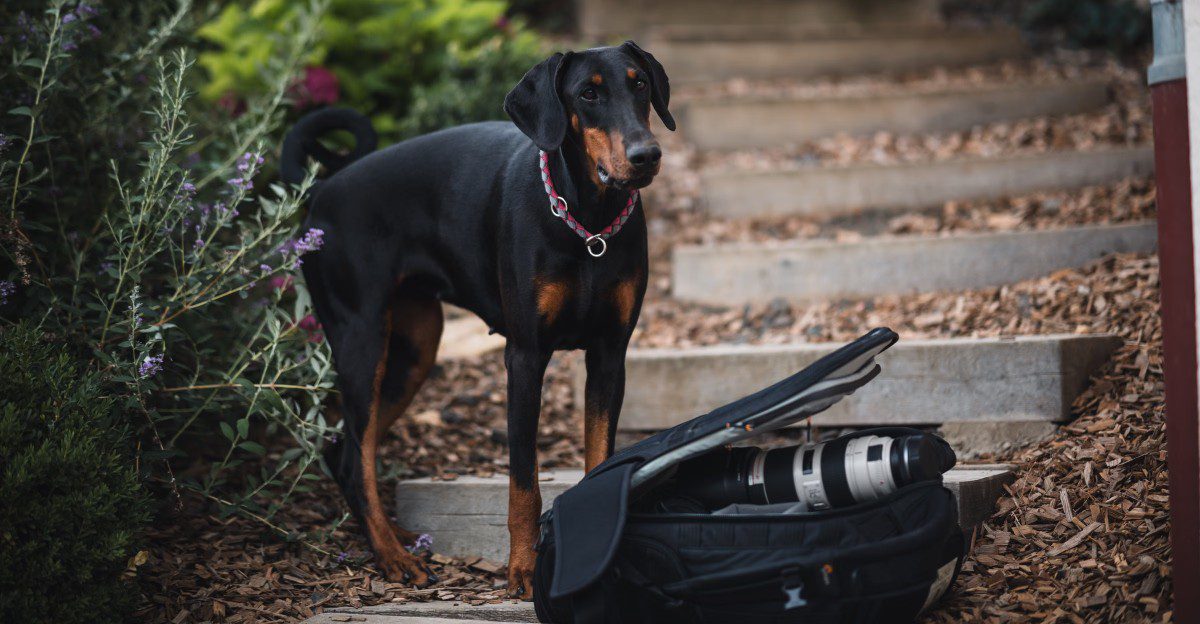
Doberman Pinscher – The Cool Analyst
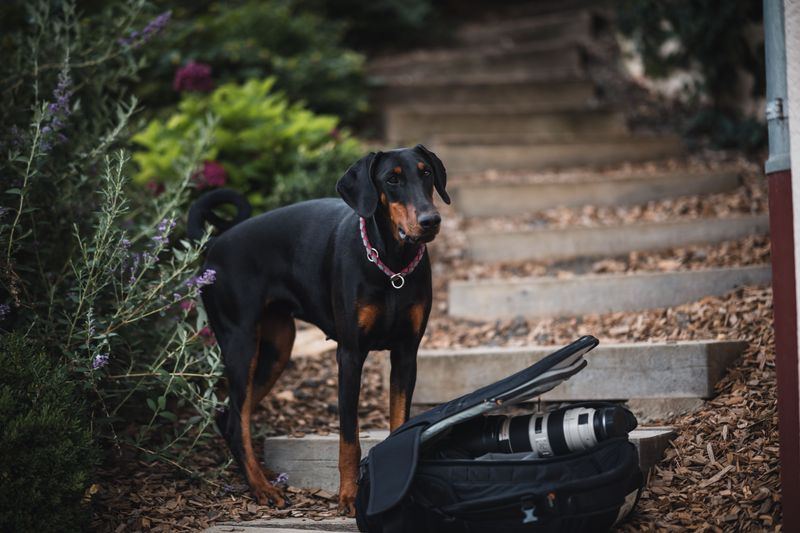
Elegant and thoughtful, Dobermans appreciate puzzles that reward precision. Lever towers, push-button dispensers, and sequence boards match their measured style.
Begin with single-lever releases, then chain two or three actions for a bigger payoff.
Use quiet praise and steady breathing to keep the vibe relaxed. A short scent search between rounds prevents overfocusing.
When the final treat drops, you will notice a proud, composed posture that says mission accomplished.
German Shepherd – The Tactical Thinker
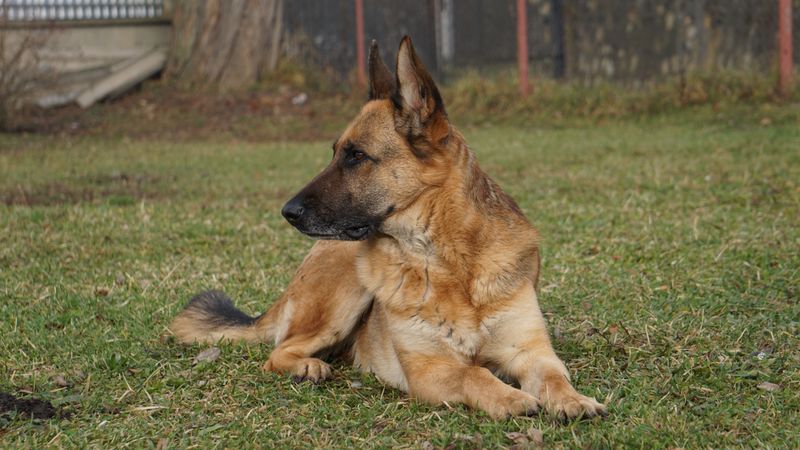
Structure and challenge bring out the best in German Shepherds. Use puzzles with clear steps, like open 1, slide 2, rotate 3.
Pair each step with a cue to build a routine that feels like a mission.
Short training bursts, then a puzzle, make learning stick. Include low-sodium jerky bits to keep motivation high.
When the sequence clicks, expect focused eyes, steady breathing, and a calm lie-down that lasts long after the puzzle ends.
Jack Russell Terrier – The Zippy Sleuth
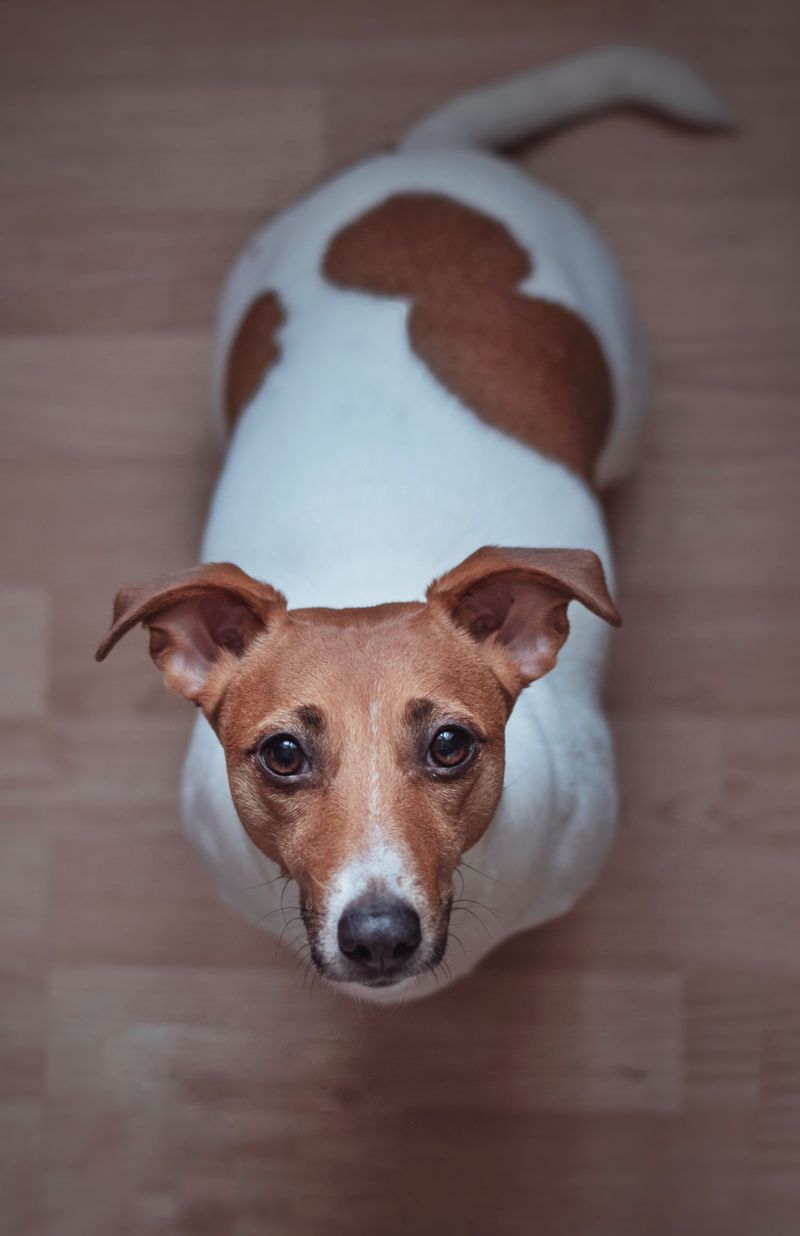
Fast paws and a faster mind make Jack Russells perfect for scent-first puzzles. Start with a snuffle mat to burn off jitters, then switch to a small box with twist tops.
Alternating tasks keeps that spark focused, not frantic.
Use tiny rewards to manage calories and extend play. When energy spikes, ask for a quick sit before the next clue.
You will see joy, control, and a proud tail once the treasure appears.
English Springer Spaniel – The Cheerful Forager
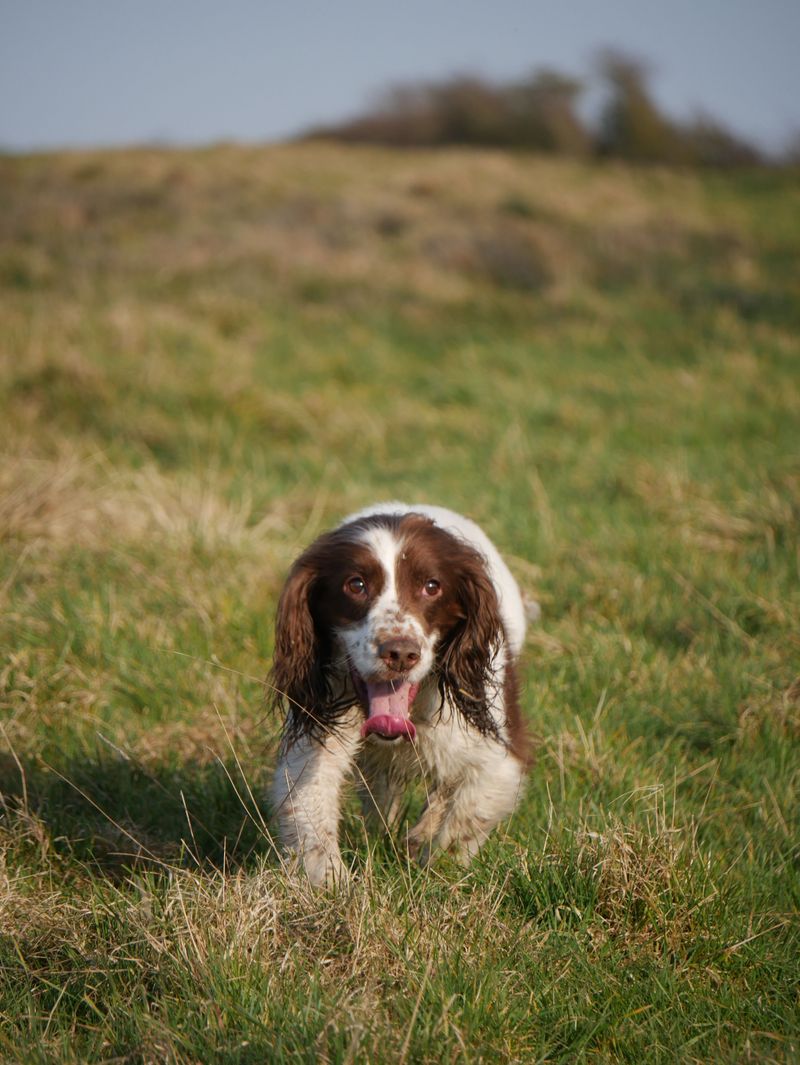
Born to search, Springers love nose-forward challenges. A muffin-tin puzzle with tennis balls is a perfect start.
Add scent variations like parsley or cinnamon nearby to strengthen discrimination. Their waggy enthusiasm pairs well with quick wins.
Keep treats light and use meal portions to fuel the hunt. After a few rounds, graduate to flip boards with scent vents.
Expect happy sniffs, prancing paws, and a cozy nap after that last ball moves.
Pembroke Welsh Corgi – The Low-Rider Logic Whiz
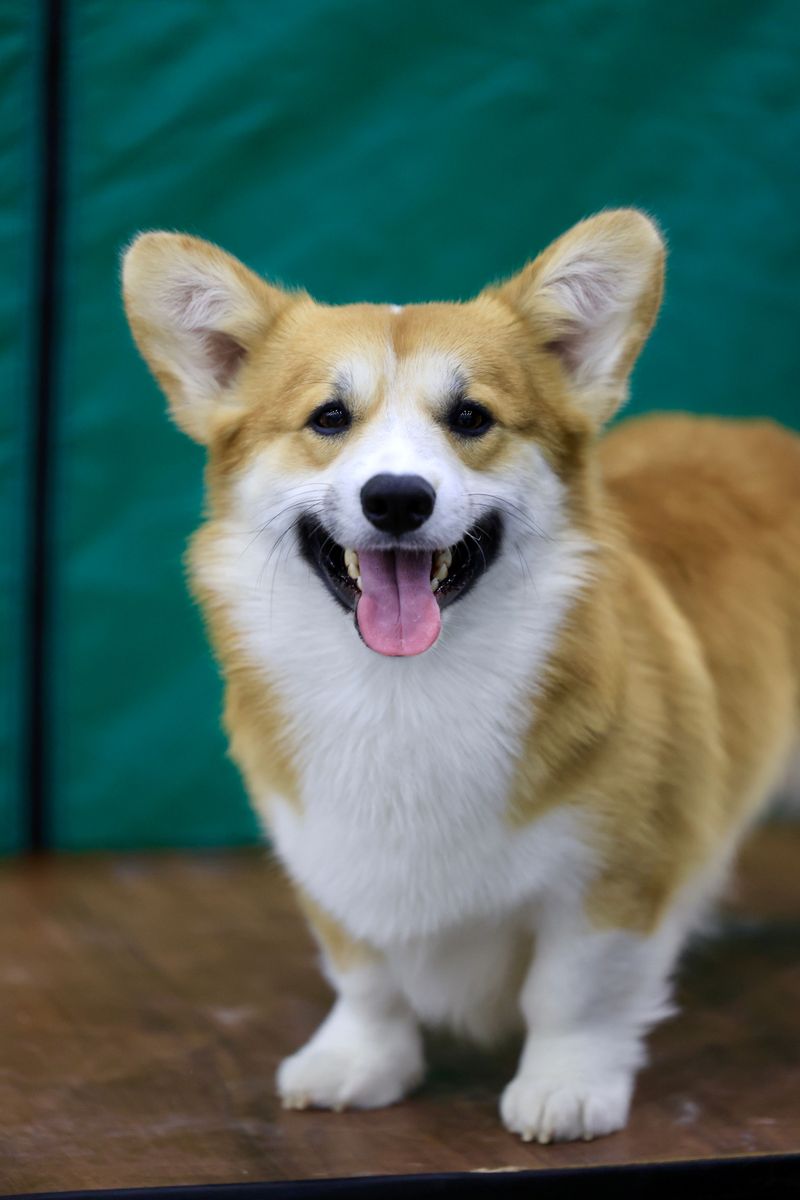
Short legs, big ideas. Corgis do best with low-height puzzles that respect their build.
Pick floor-level drawers, rolling treat eggs, and short maze feeders. Keep the angle gentle so neck and back stay happy while they solve.
Mix in a few obedience cues to slow the pace. Small, crunchy rewards help prevent gulping.
Watch that grin appear as each drawer opens, followed by a satisfied flop and a triumphant little tail wiggle.