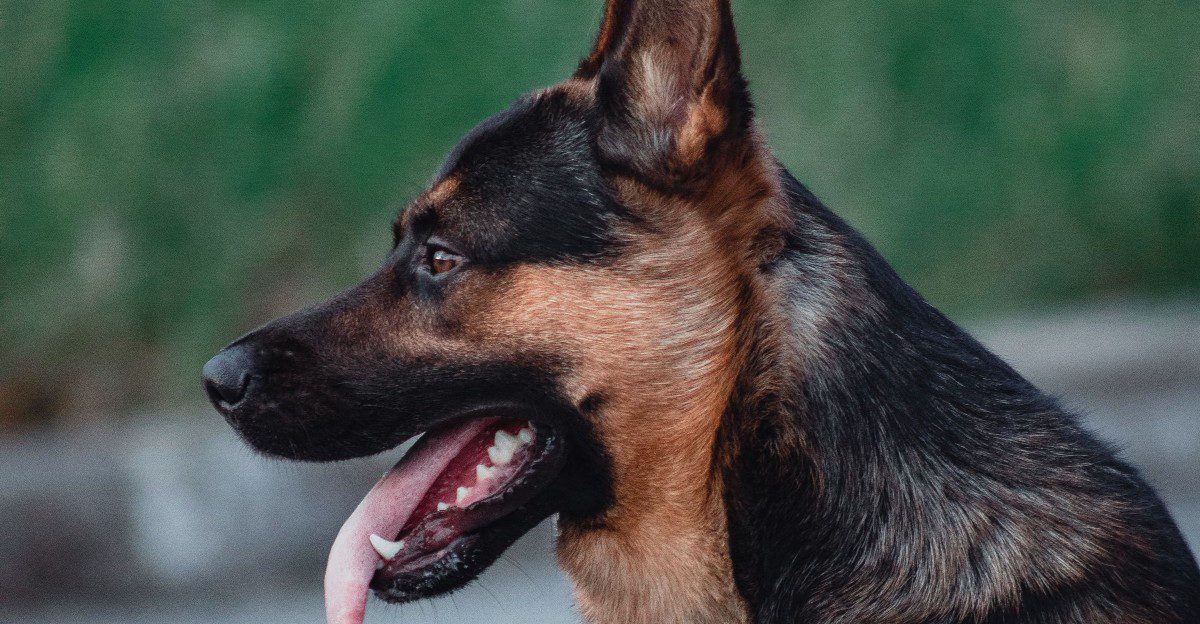
Dogs use sounds to share how they feel, and growling is one way they speak. It can be a helpful warning that says they feel worried, crowded, or unsure.
When we listen, we can keep everyone safe and help the dog relax. These breeds show how a growl can guide better choices from humans.
German Shepherd – the focused sentinel
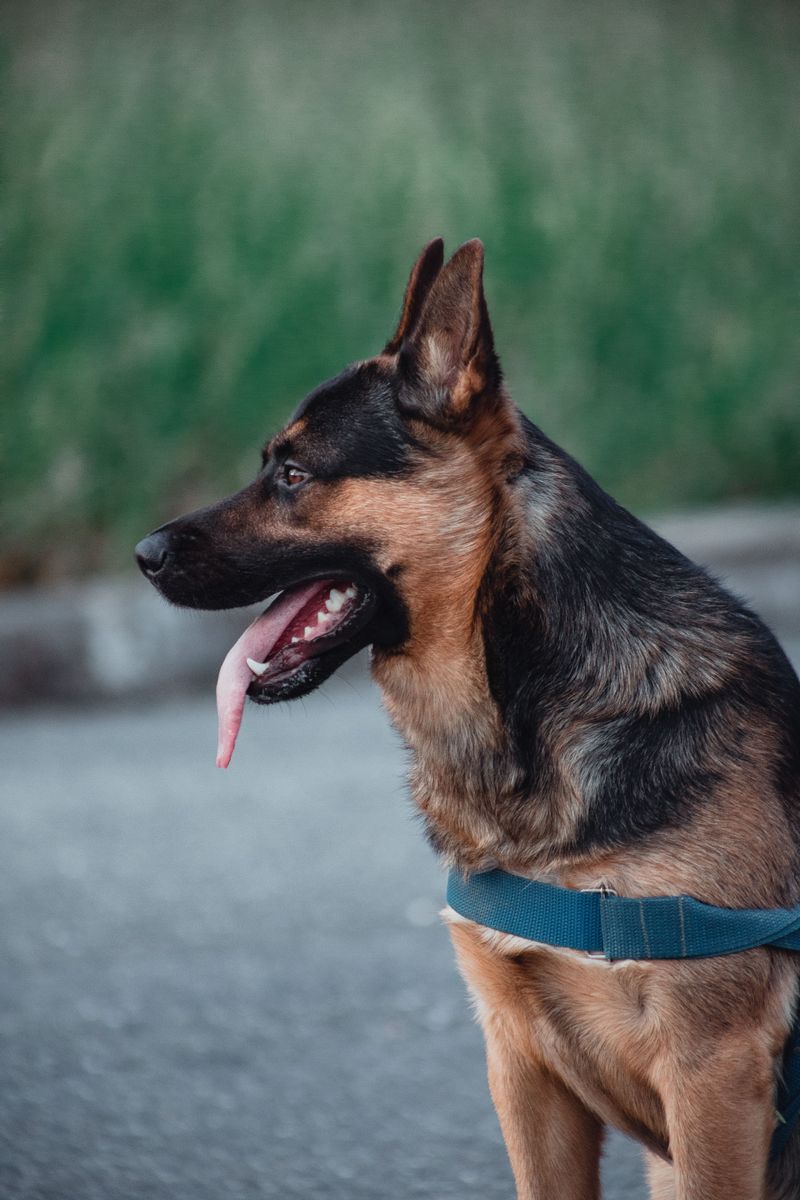
With a head tilt and a low rumble, a German Shepherd often says please slow down. Many are sharp problem solvers, so growling can mean I need space to think or I am unsure.
Pause your hand, turn your body sideways, and let the dog sniff. Place treats on the ground for calm behavior, then guide to a mat or quiet room.
Training tip, pair a soft say hello cue with a treat, so the warning becomes a bridge to manners.
Rottweiler – the steady guardian
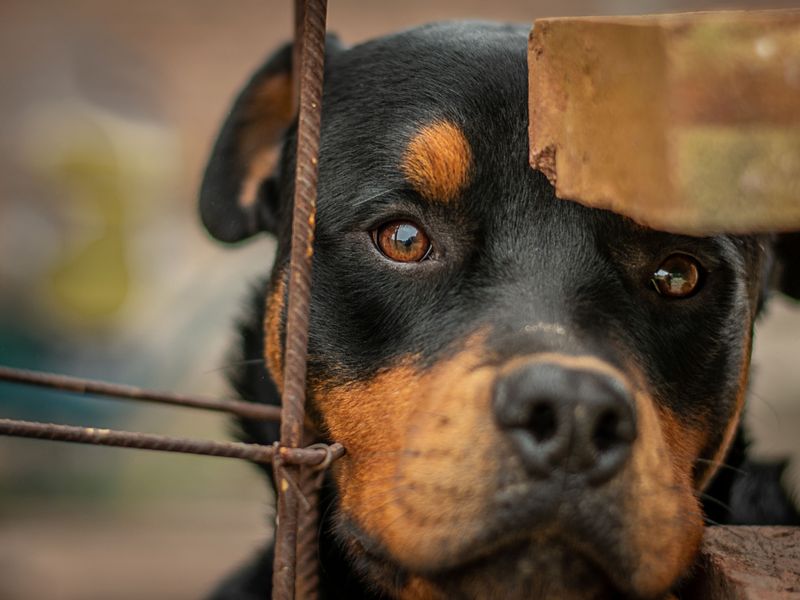
Neighbors walk past the fence and a Rottweiler hums a warning note. That sound often says I am on duty.
Guard instincts run deep, so the message is usually about distance, not aggression.
Step back a bit, thank the dog for the alert, and mark quiet with a treat. Offer a sturdy chew to redirect that energy.
Fun fact, early Rottweilers helped drive cattle, so boundary talk is natural, and your calm leadership helps shape polite habits.
Chihuahua – the tiny truth teller
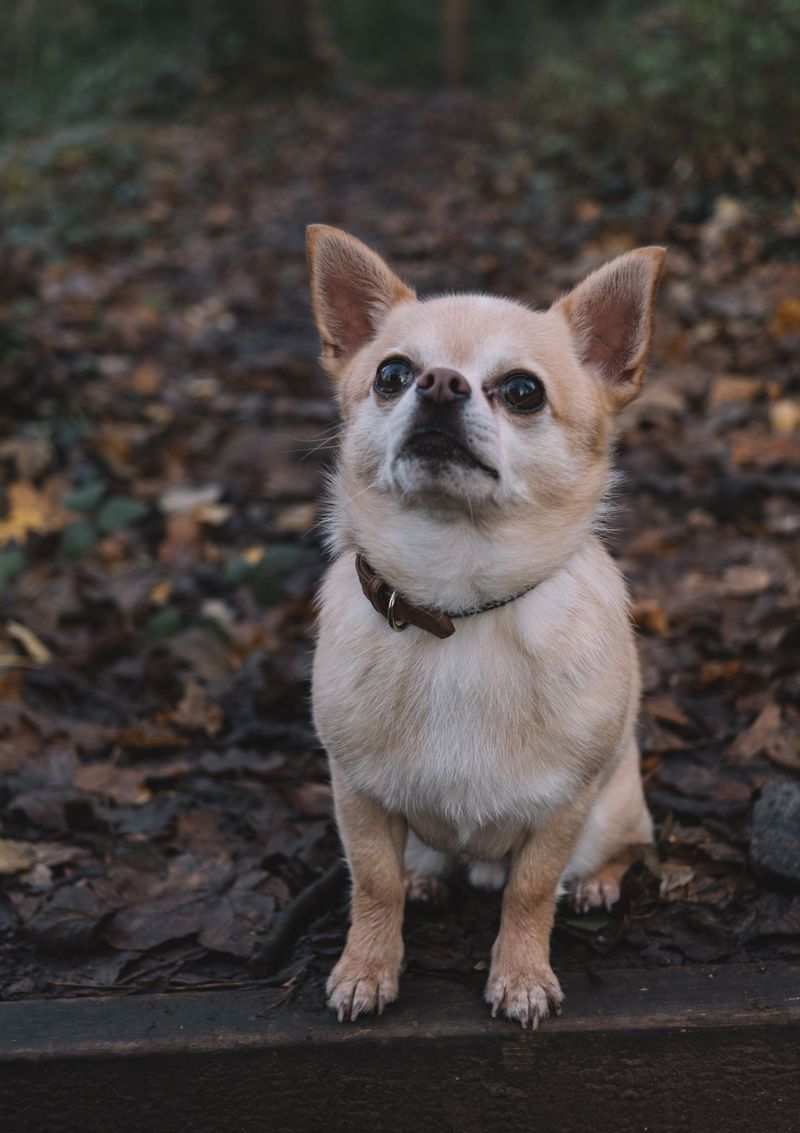
Big feelings in a small frame can sound sharp. A Chihuahua may growl when hands swoop in too fast or when feet feel too close.
The message is simple, please slow your approach.
Try inviting instead of reaching. Sit sideways, pat the cushion, and let the dog come to you.
Toss a tiny treat to the floor to reward brave steps. With predictable routines, that cautious rumble often turns into curious tail wags and relaxed shoulders.
Dachshund – the thoughtful burrower
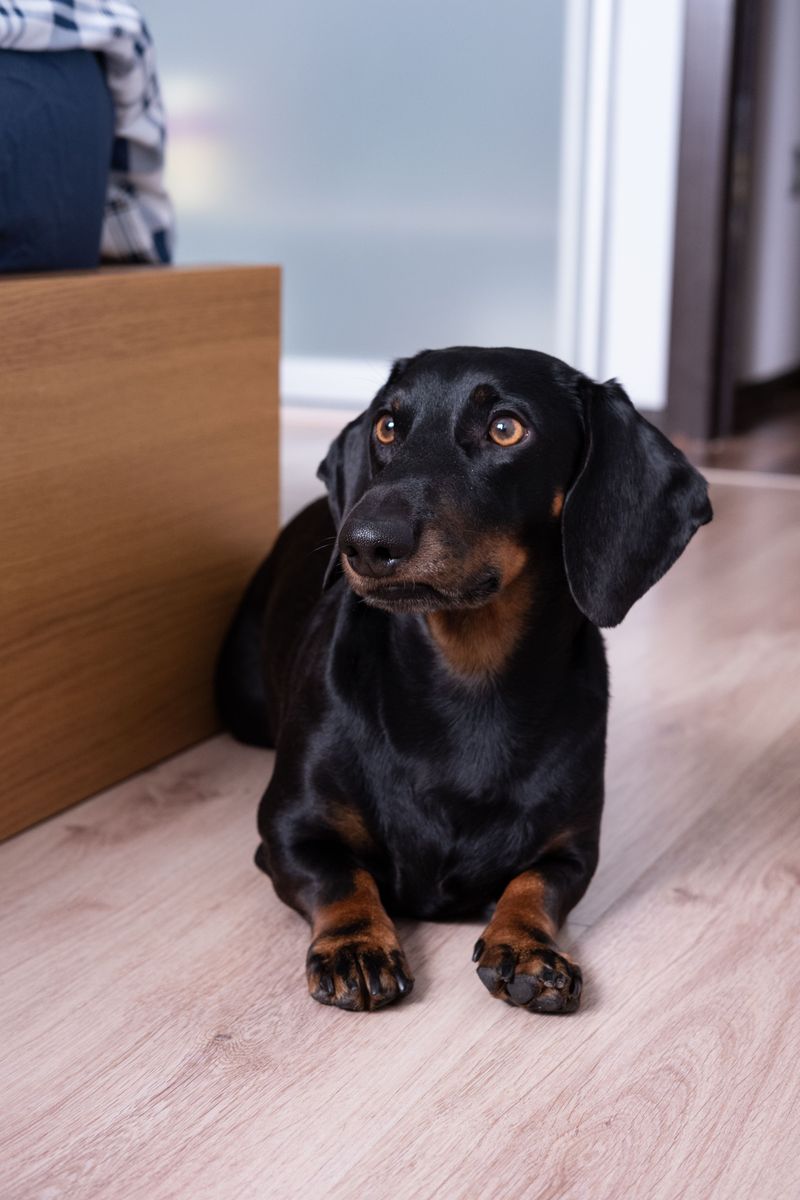
Peek under a blanket and you might hear a Dachshund grumble. Burrowers like their cozy spaces, and growling can mean my den is private or I am guarding my treasure.
Trade rather than take. Toss a high-value treat a few feet away, then calmly pick up the toy.
Teach drop with simple swaps so trust grows. Provide a safe hideaway bed where the dog is not disturbed, and you will hear fewer complaints and see more confidence.
Jack Russell Terrier – the quick alarm
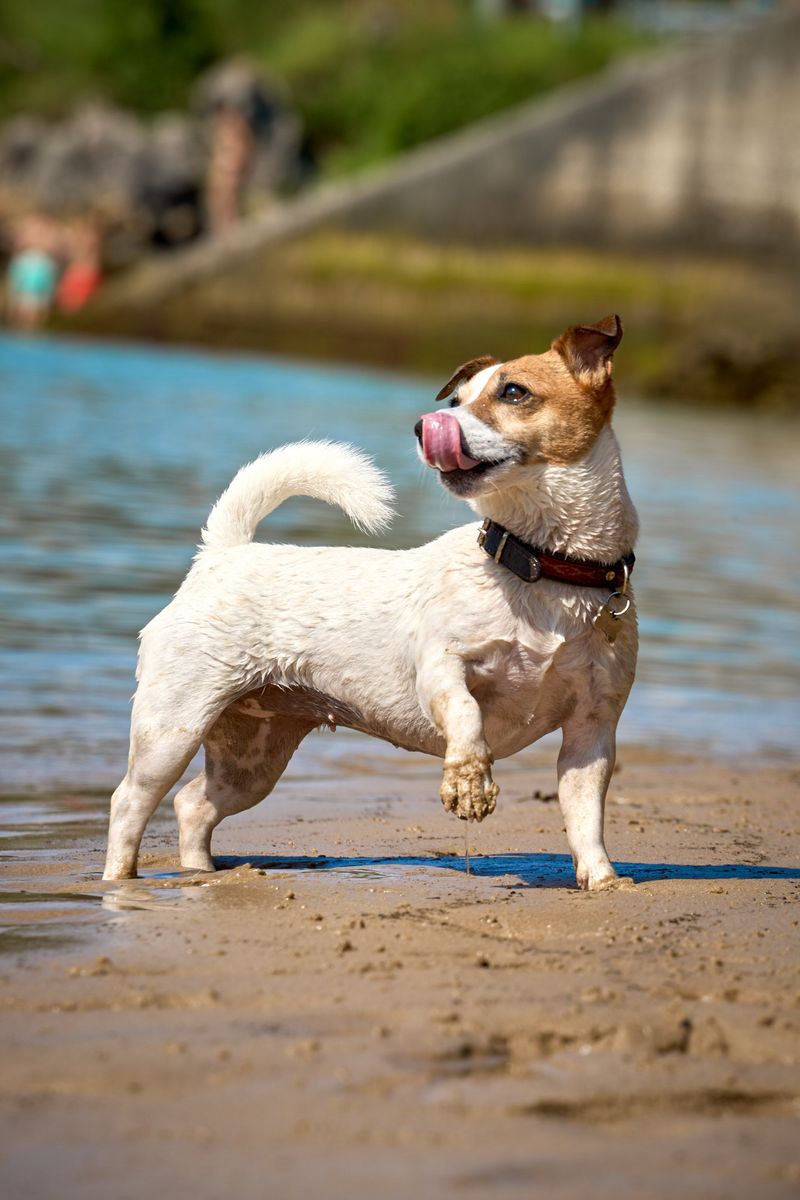
Wheels zip by and the terrier speaks up. A Jack Russell often growls at sudden movement or noise.
That sound flags a fast-changing scene that needs space or guidance.
Create distance first, then feed a steady stream of tiny treats as the skateboard passes. Teach look at that to flip worry into a game of spotting and earning.
Short sniff walks and puzzle toys help drain that brainy energy, reducing surprise alarms and keeping things cheerful.
Akita – the calm communicator
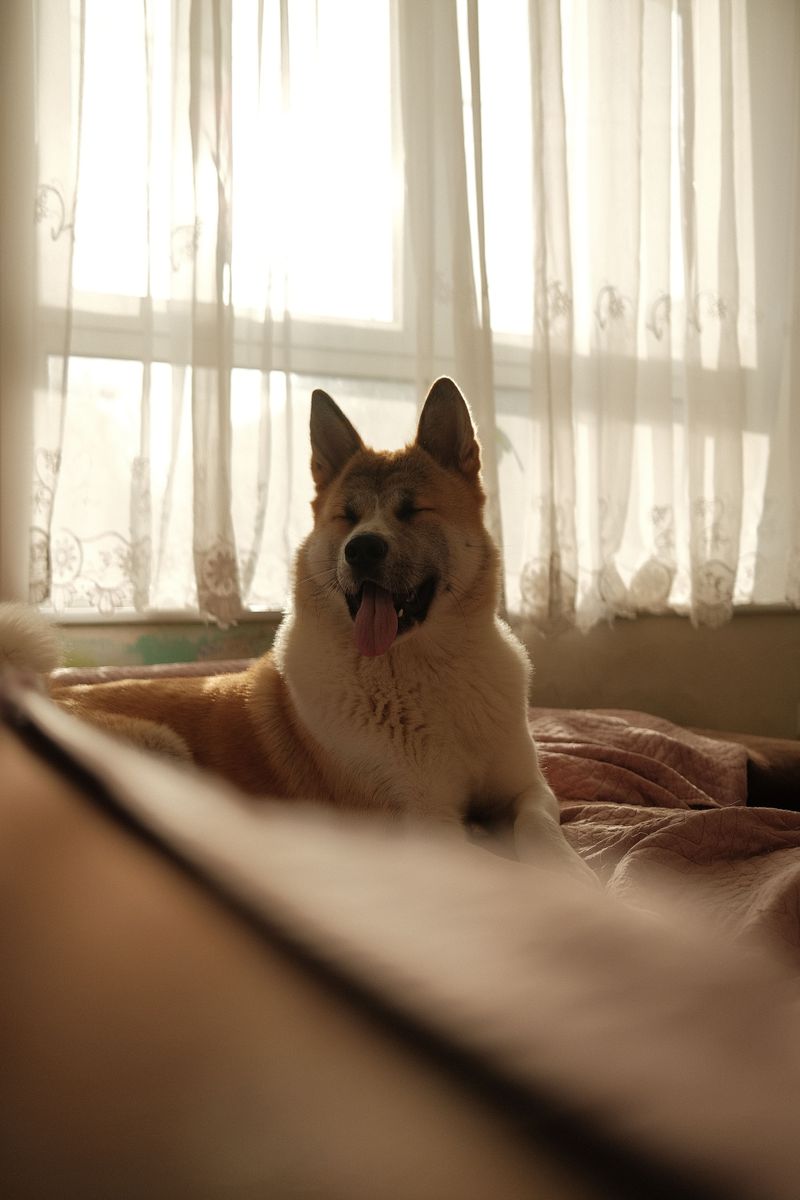
Silence is an Akita skill, so when a growl appears, it matters. Often it says I value my space with strangers.
The signal is usually measured, not dramatic.
Stand tall, turn slightly, and guide with a hand target to move past pressure. Reinforce calm with slow, steady praise and a meaty treat.
Keep greetings short and optional. History note, Akitas once guarded homes in snowy regions, so respectful distance works beautifully for their confident style.
Cane Corso – the respectful bouncer
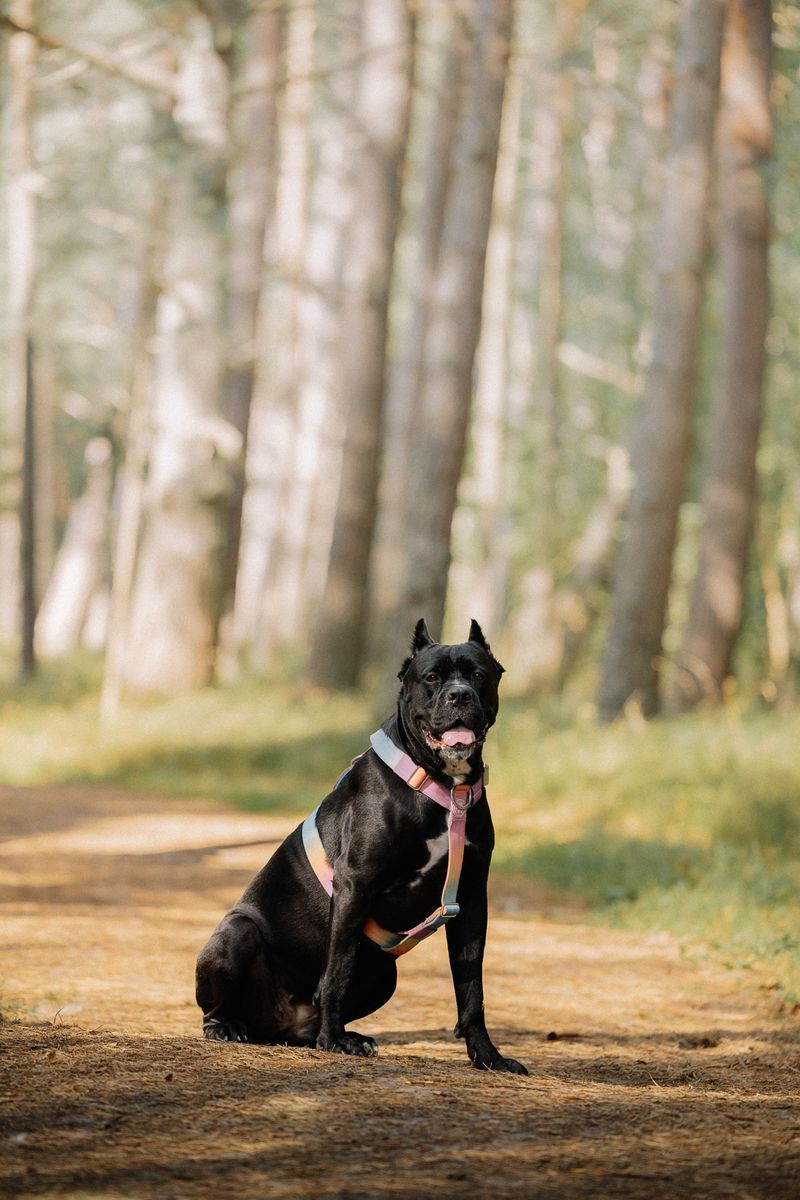
Doorbells ring and a Cane Corso may rumble like a professional bouncer. That voice often means I am managing the threshold.
It is a job announcement, not a fight plan.
Thank the alert, then cue go to mat with a clear hand signal. Pay with a tasty chew once parked.
Rehearse calm door routines with a friend, starting easy and building difficulty. Consistent patterns tell your guardian the rules, and the warning transforms into orderly welcome duty.
Miniature Schnauzer – the bright commentator
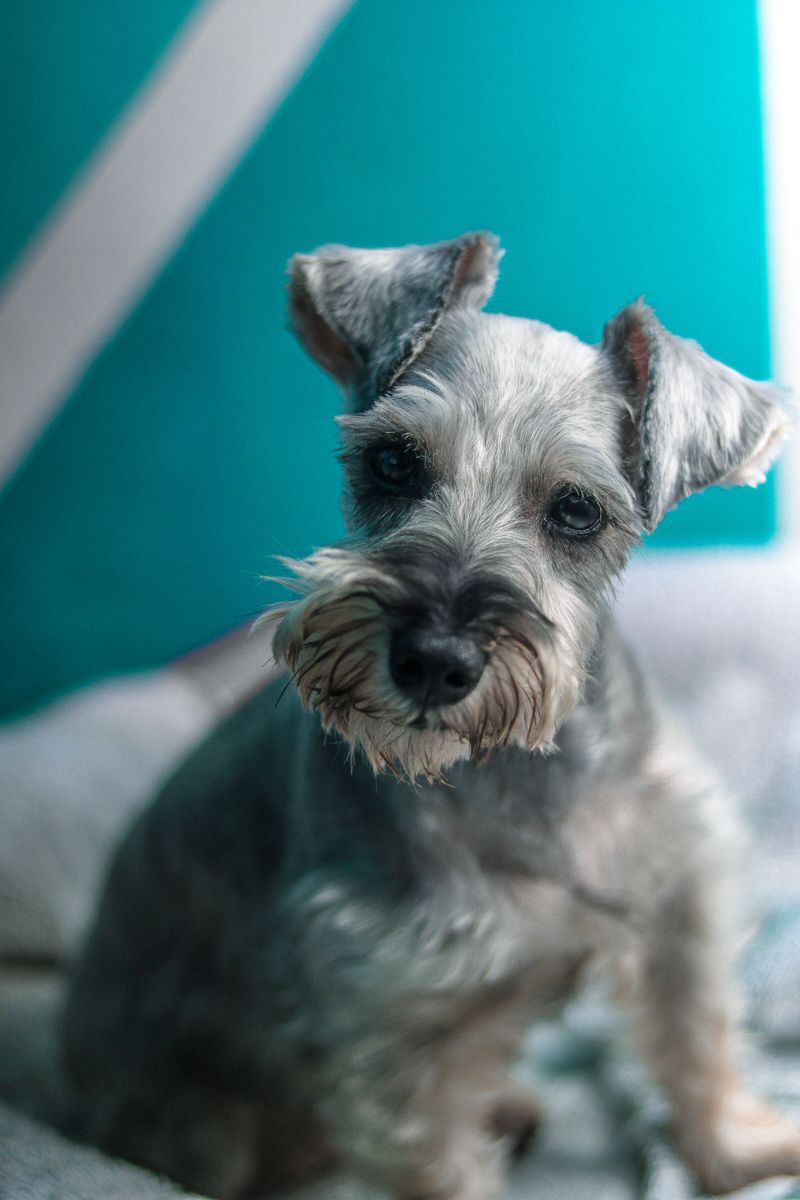
Smart and chatty, a Miniature Schnauzer might growl during grooming practice. The comment often translates to I am not ready yet.
Pressure around paws can feel strange.
Break tasks into tiny steps. Touch the paw, treat.
Hold the clipper near, treat. Build slowly until calm returns.
Try a chin rest behavior so the dog controls the session. Short, sweet reps beat long battles.
Soon, that worried sound fades as the routine becomes predictable and full of wins.
Chow Chow – the dignified skeptic
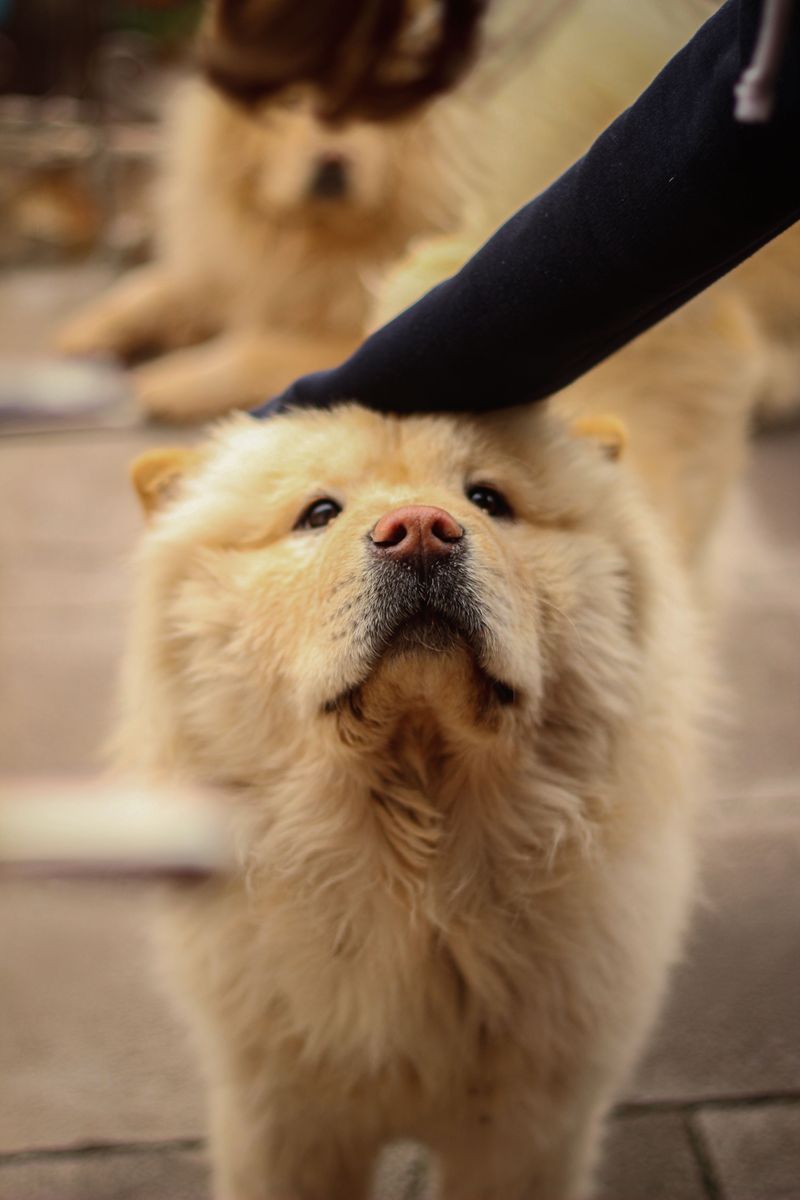
A Chow Chow often prefers polite distance. A low growl may say that greeting feels too close for my taste.
Their style is thoughtful and reserved.
Offer room to choose. Walk a gentle arc, avoid head-on pressure, and reward eye contact with soft words and a treat.
Keep petting brief and ask for consent by pausing. Curious fact, the breed’s blue-black tongue matches its cool, composed vibe, and clear choices help that calm nature shine.
Shiba Inu – the independent thinker
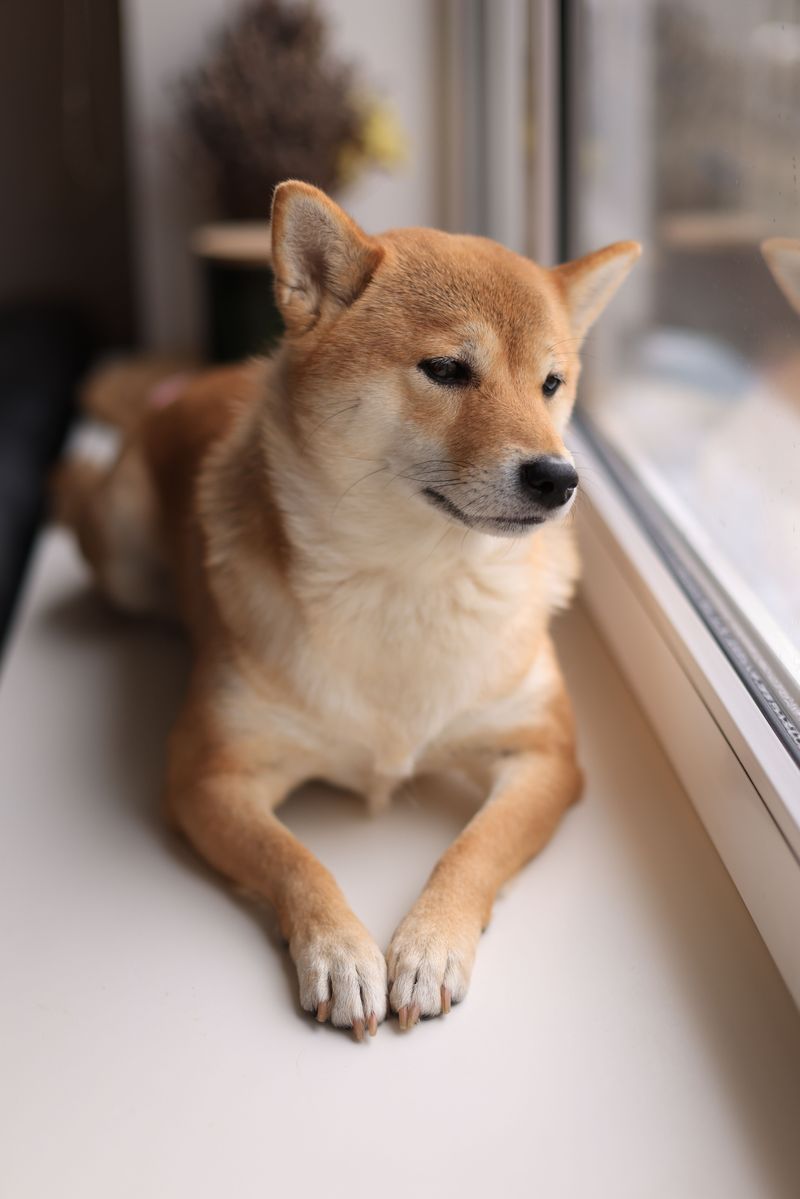
Independent minds like the Shiba’s do not love grabby greetings. A quick growl may simply say I choose when to meet.
That clear boundary can prevent nips.
Coach friends to crouch sideways, avoid staring, and let the dog sniff first. Reward any step toward calm curiosity.
Use a lightweight harness and practice go say hi as an optional cue, never a demand. Respect turns that tiny warning into easy confidence during walks and elevator rides.
Scottish Terrier – the stout negotiator
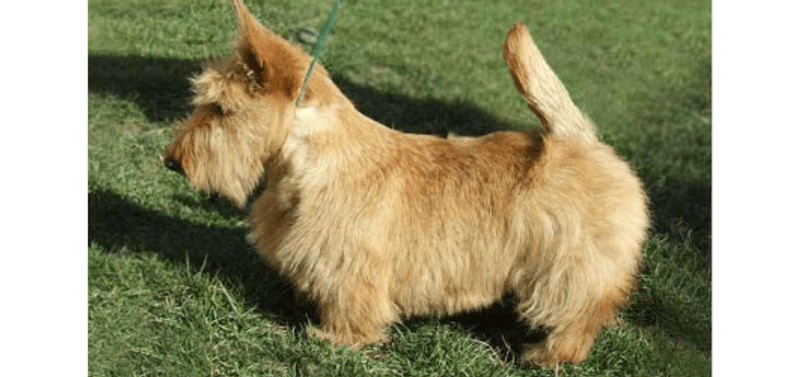
Short legs, firm opinions. A Scottish Terrier may growl over a chewy prize.
That sound usually means I worry you will steal it.
Turn it into a trade game. Toss a better treat away from the bone, pick up the item while the dog snacks, then give it back sometimes.
This builds trust and breaks the take-it fear cycle. Add drop to a cheerful cue so sharing becomes a safe routine.
Great Pyrenees – the night watch
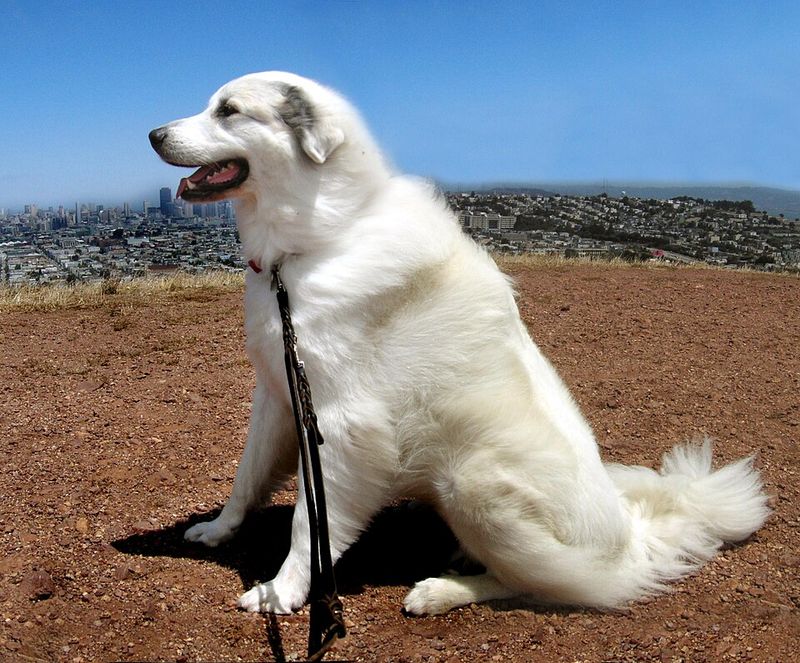
When shadows stretch, a Great Pyrenees may send a deep growl into the dark. It often signals I am patrolling.
Livestock guardian roots run strong.
Use a long line and a porch station to manage night shifts. Reward check-ins, and cue quiet after a brief alert.
White-noise machines can reduce triggers. History nugget, these dogs worked mountain nights protecting flocks, so gentle structure helps balance instinct with neighborhood peace.