
Some dogs bark at the mail carrier and then wag their tails, while others quietly step between you and a stranger and stay there. That difference is not an accident, because many breeds were shaped over centuries to watch over homes, flocks, and people.
Knowing which breeds carry strong guarding instincts helps families pick a dog that fits their life and understand behavior they might otherwise misread. Here are 10 breeds with deep protective roots, plus what those instincts look like in an ordinary household.
Rottweiler
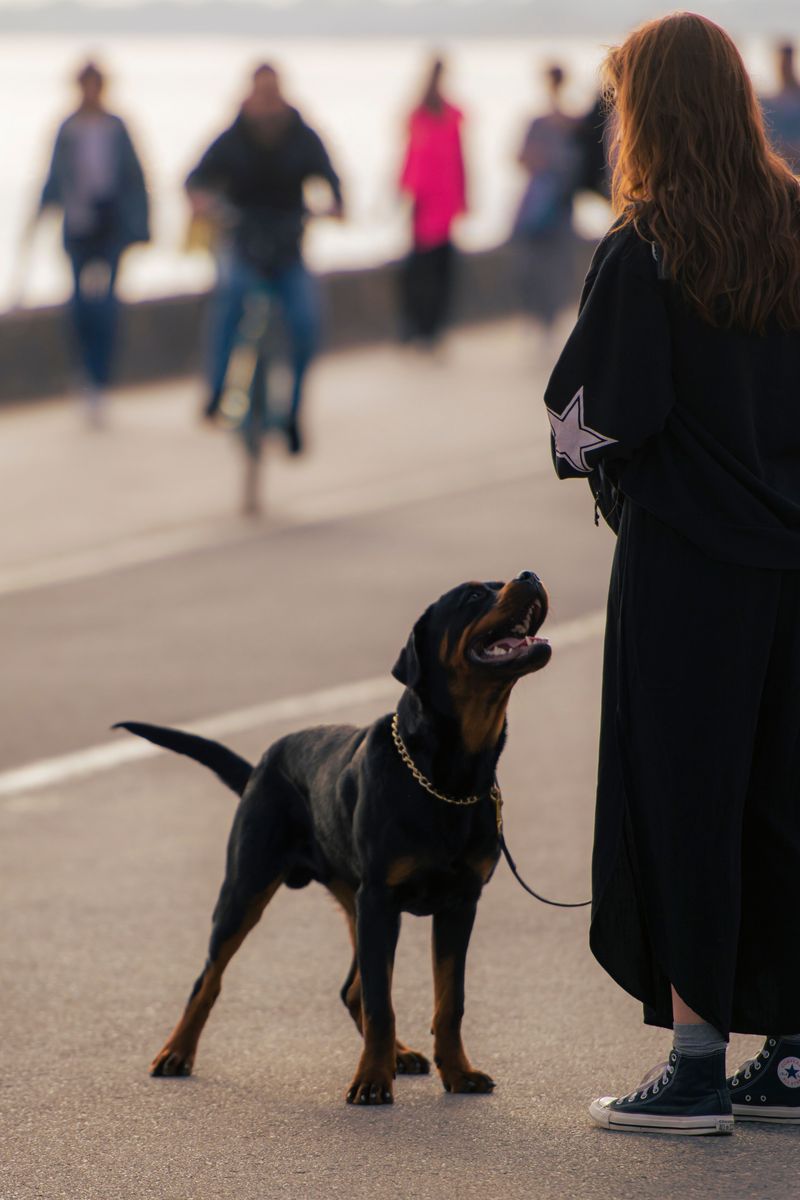
Long before they guarded front doors, Rottweilers walked beside Roman-era cattle drives and later worked in the German market town of Rottweil, driving livestock and protecting butchers’ money pouches. That blend of herding and guarding still shows up today.
Many Rottweilers are calm and even goofy with their own people, then noticeably more watchful when someone new arrives. The AKC describes the breed as confident and aloof with strangers, which often looks like a steady stare rather than frantic barking.
Their size and strength mean early socialization matters a great deal. A well-raised Rottweiler can learn that guests are welcome, while still keeping one eye on the driveway.
Doberman Pinscher
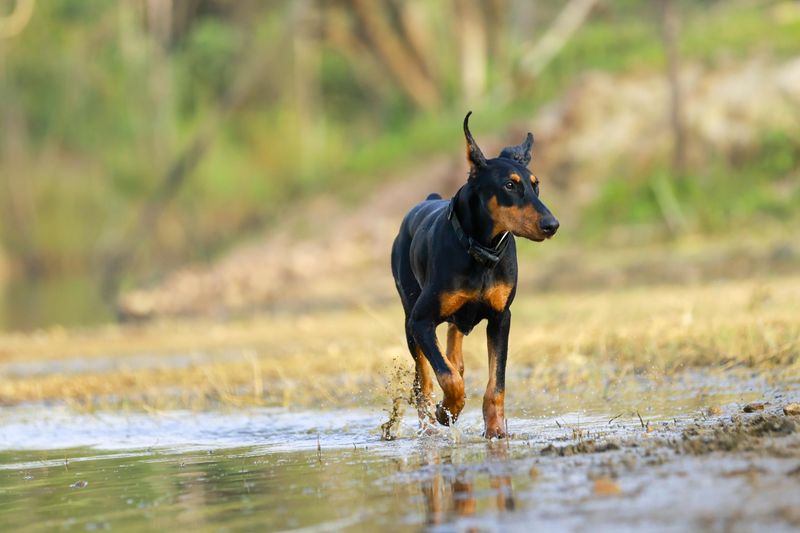
A tax collector created this breed. Karl Friedrich Louis Dobermann, working in Germany in the late 1800s, wanted a dog that could protect him on his rounds, and he got one.
Modern Dobermans tend to be far more affectionate than their old reputation suggests. Many owners describe them as velcro dogs that follow family members from room to room, which is part of what makes them such attentive watchdogs.
That close attachment has a flip side. Dobermans often struggle with long hours alone and may need plenty of exercise and mental work to stay settled.
Their sharp minds respond well to reward-based training, and they can learn house rules quickly.
Bullmastiff
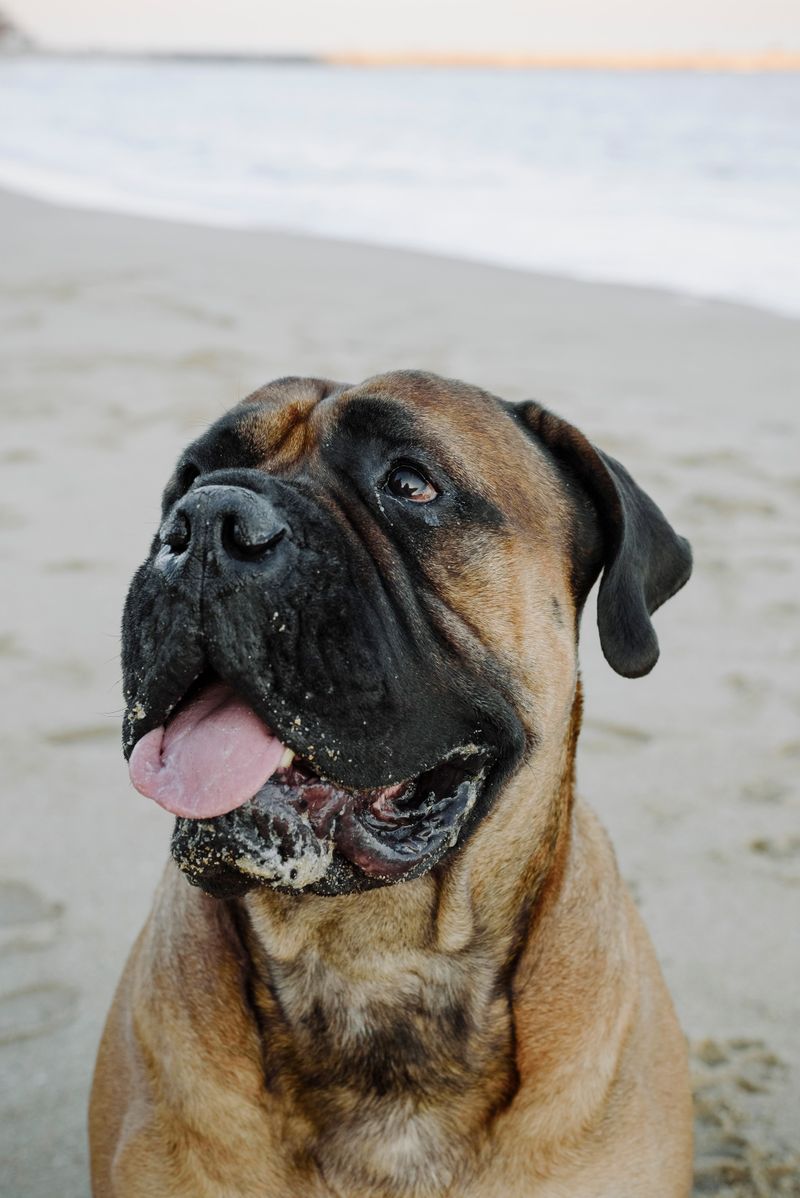
Gamekeepers on English estates in the 1800s had a poaching problem, so they crossed Bulldogs and Mastiffs to create a silent partner. The Bullmastiff was meant to track intruders quietly, knock them down, and hold them without mauling.
That history explains a trait many owners notice right away: these dogs are usually not big barkers. A Bullmastiff may simply stand up, move toward the door, and wait, which can be more convincing than any amount of noise.
At home, many are mellow couch companions who snore loudly and drool generously. Their weight, often over 100 pounds, means leash manners should start in puppyhood, before the dog outgrows the person holding the leash.
Akita
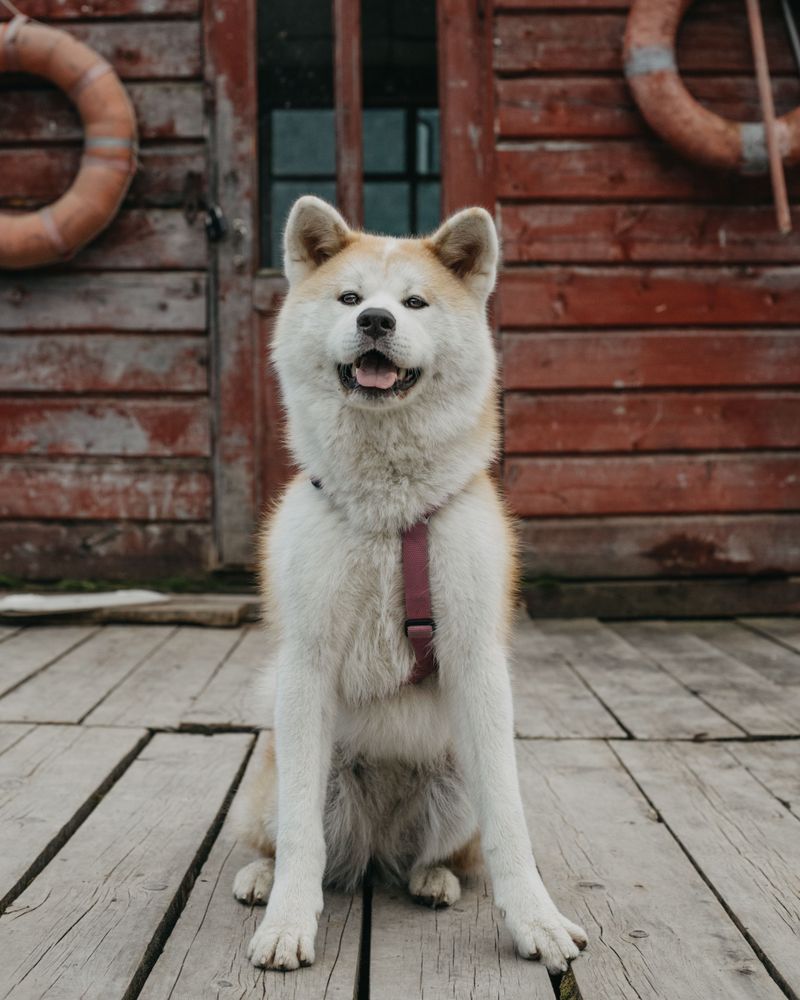
Ask an Akita owner about visitors and you may hear the word reserved. Developed in the mountains of northern Japan to hunt large game and guard property, the Akita often bonds deeply with its own household and treats outsiders with cool politeness at best.
The breed is famous thanks to Hachiko, the Akita who returned to a Tokyo train station for years after his owner’s death. That story captures the devotion many Akitas show their families.
Akitas can also be intolerant of other dogs, especially of the same sex, so multi-dog homes need careful planning. Experienced owners who value a quiet, dignified guardian often find the breed deeply rewarding.
Great Pyrenees
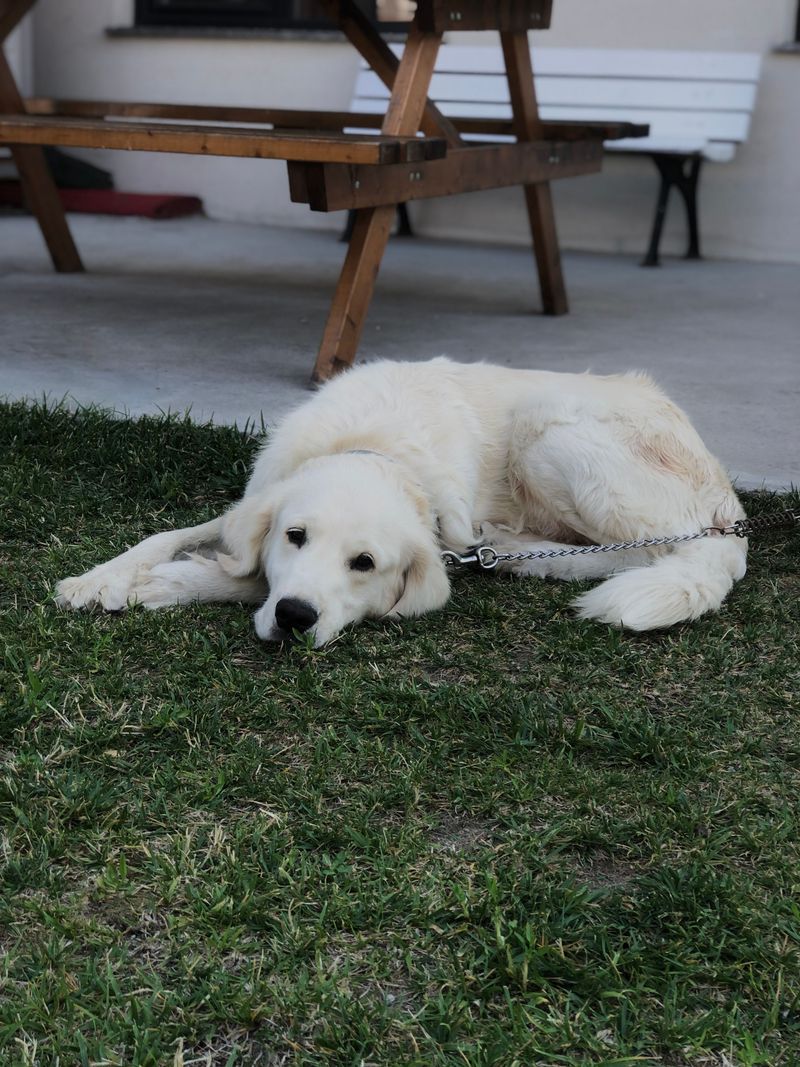
Night barking is the trait that surprises new Great Pyrenees owners most. Bred to guard sheep on French and Spanish mountainsides, these dogs were expected to patrol after dark and warn off wolves and bears, mainly by sounding off.
In a suburban backyard, that same instinct can mean barking at raccoons, distant dogs, or a rustling bush at 2 a.m. Neighbors may notice.
Pyrs were also bred to make decisions on their own, far from any shepherd. That independence makes them gentle and patient with family but notoriously selective about coming when called.
A secure fence is not optional, since many will happily expand their territory if given the chance.
Boxer
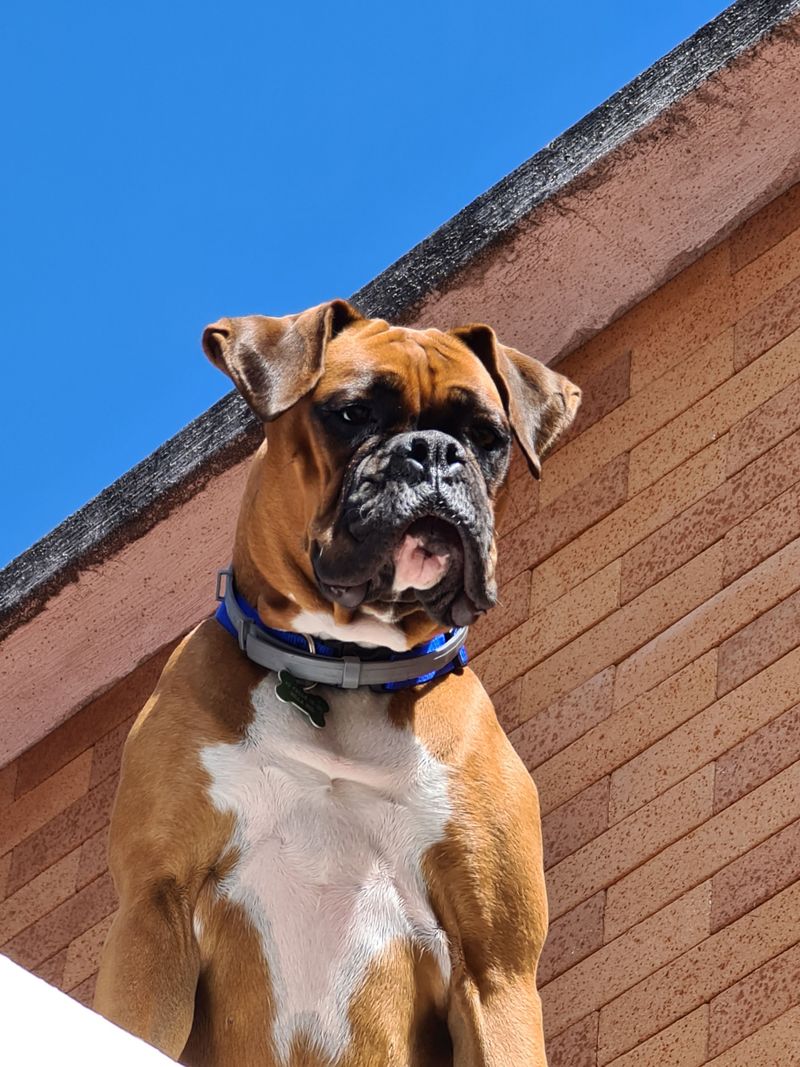
Clownish is a word that comes up often with Boxers, and for good reason. They bounce, wiggle, and play well into adulthood.
Yet the breed descends from German hunting dogs and was later used as a police and military dog, and that alertness never fully left.
Many Boxers act as watchdogs who announce visitors and keep a curious, careful eye on anyone new. With kids, they are often playful and patient, which is part of why they rank among popular family breeds.
The catch is energy. A bored Boxer may invent its own fun, so daily exercise and games help channel that enthusiasm.
Their short muzzle also means hot weather calls for extra caution.
Belgian Malinois
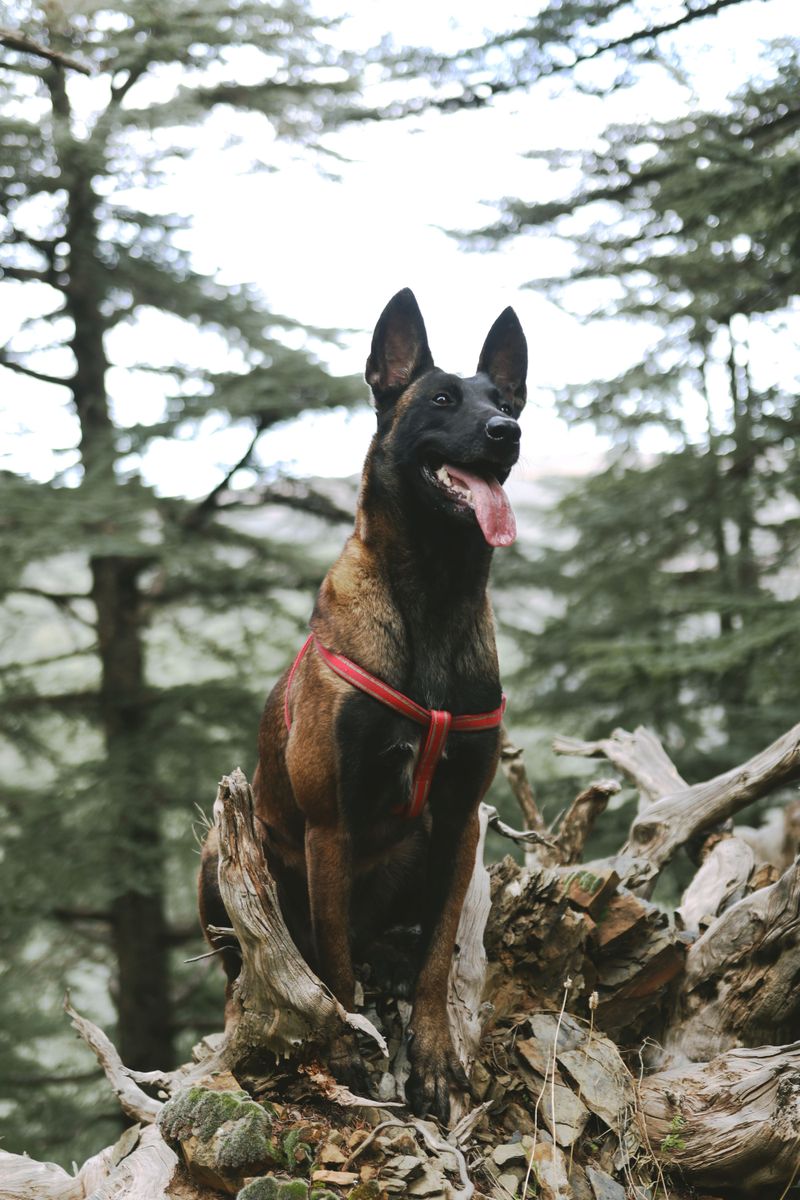
Police departments and military units around the world rely on the Belgian Malinois, and that tells you something about its drive. Originally a Belgian herding dog, it has an intense work ethic and quick reactions that make it a standout in protection sports.
Here is the honest part: that same intensity can overwhelm a typical household. A Malinois without a job may pace, chew, spin, or herd family members.
For active owners who enjoy daily training, the payoff can be remarkable. The breed often forms a tight bond with its handler and learns fast through rewards.
For casual dog owners, a less demanding breed is usually a better fit.
Cane Corso
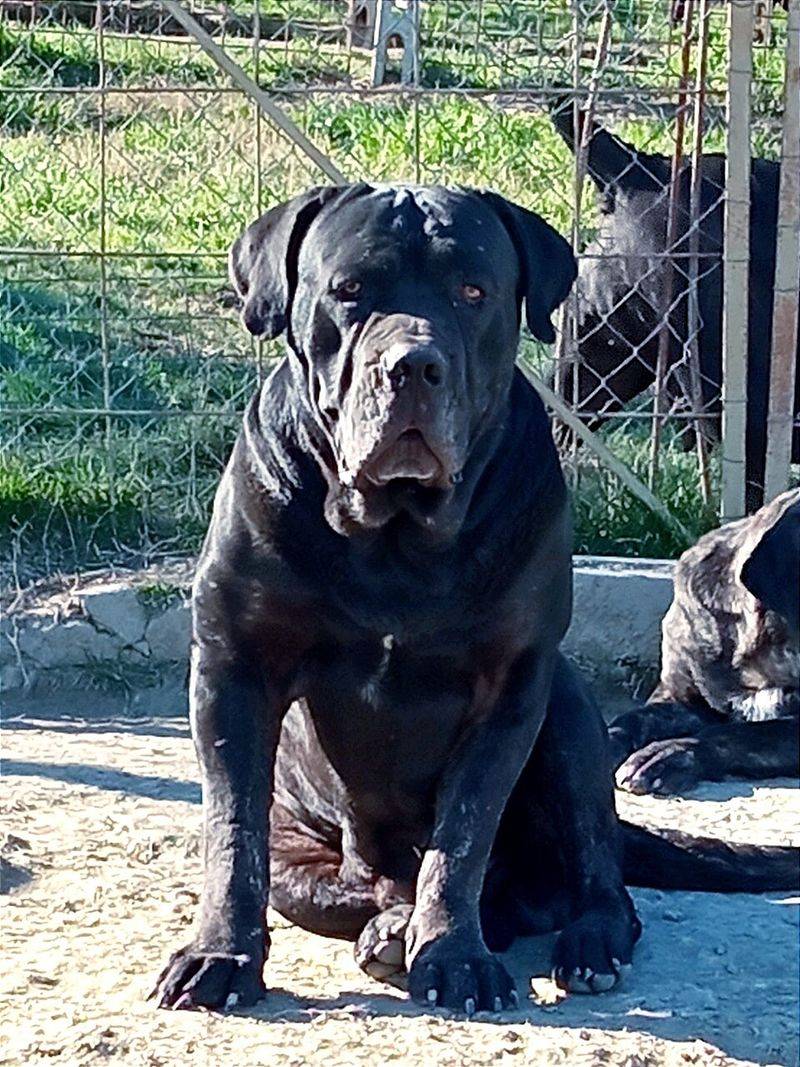
Italian farmers once counted on the Cane Corso to guard property, hunt wild boar, and help manage livestock. The name loosely translates to bodyguard dog, and the breed’s watchful temperament fits it.
Corsos tend to be affectionate and even sensitive with their families while staying wary of strangers. They often read situations carefully before reacting.
Because of their power and protective nature, this is a breed for experienced owners committed to early, ongoing socialization. Puppy classes, calm exposure to visitors, and consistent rules help a Corso grow into a confident guardian rather than a suspicious one.
Giant Schnauzer
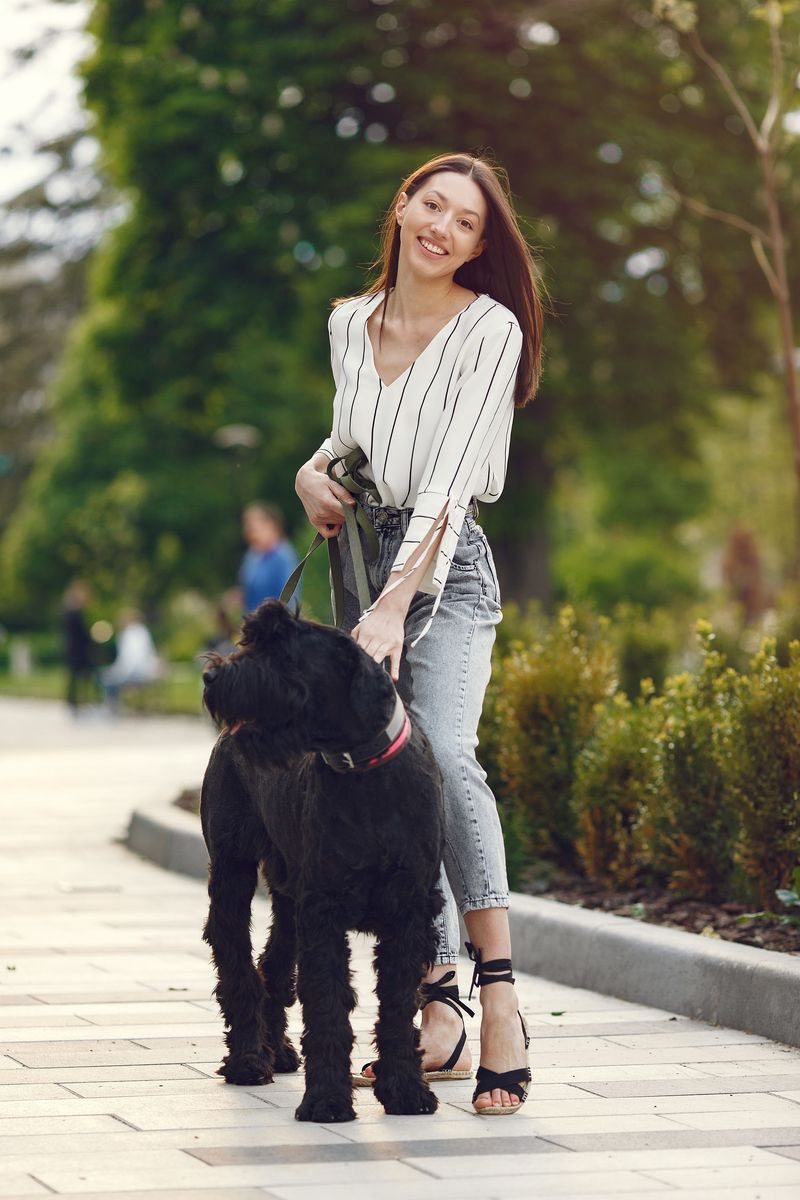
Picture a Miniature Schnauzer’s beard and eyebrows on a dog that can top 25 inches at the shoulder. The Giant Schnauzer started as a Bavarian cattle drover and later guarded breweries, butcher shops, and stockyards.
That background produced a dog that is territorial, bold, and very aware of its surroundings. Many Giants bark to alert and stay suspicious of unfamiliar people until properly introduced.
They are also extremely energetic and bright, which can turn mischievous without enough outlets. Their wiry coat needs regular grooming and stripping or clipping, a commitment owners sometimes underestimate.
Anatolian Shepherd
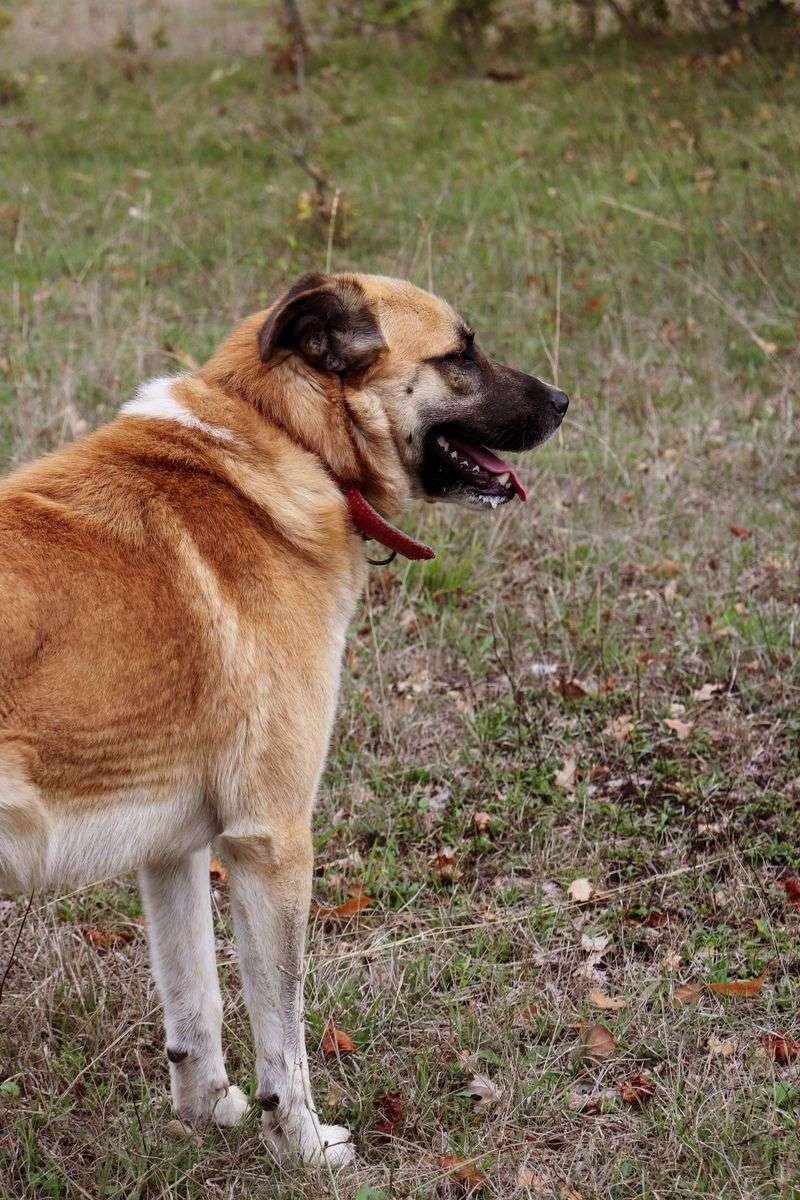
Cheetah conservation in Namibia has an unusual ally. Programs there have placed Anatolian Shepherds with farmers to protect goats, reducing conflicts that once led to cheetahs being shot.
The breed comes from Turkey, where it has guarded flocks for thousands of years. Anatolians tend to be calm, observant, and independent, choosing when a threat deserves action.
In family life, that can mean a dog who treats children and pets as its flock but is cautious with outsiders. They need space, firm fencing, and an owner who understands that obedience is not their first instinct.