
Ever hear someone say he only does it at home and shrug it off like it is nothing? Territorial behavior can look small in the moment, but it often adds up to stress for you, your guests, and your dog.
When we normalize it, we miss chances to help our dogs feel safer and behave better. Let us walk through common red flags you might be downplaying and what they really signal.
Barking at hallway sounds then escalating
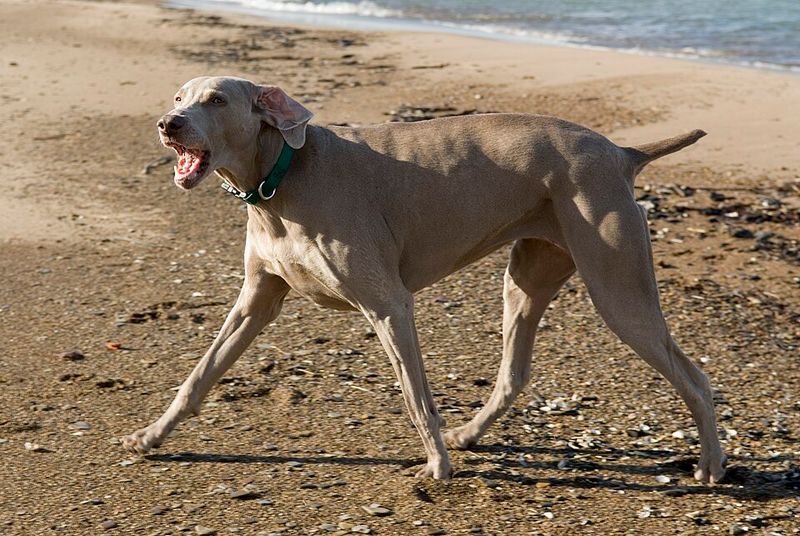
It starts as a sharp bark at a faint hallway sound, then ramps up fast. Your dog scans, paces, and rechecks the door or walls, heart pounding like there is a real intruder.
You might hush or praise quiet, but the cycle restarts with the next creak.
This pattern often grows because the trigger never fully appears, so your dog rehearses vigilance. Over time, arousal spikes quicker and recovery takes longer.
Management helps: white noise, rugs to mute footsteps, and blocking sightlines.
Training matters too. Pair sounds with scatter feeding, cue a station mat, and reward calm sniffing.
If escalation persists, consult a qualified trainer or vet to rule out pain and support behavior meds when appropriate.
Rushing the door/window and not recovering
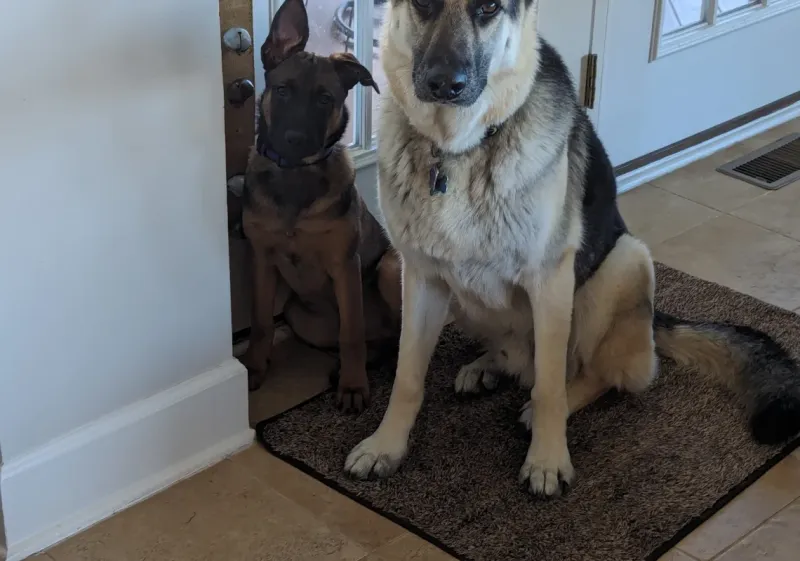
When a delivery truck passes, your dog rockets to the door or window and stays locked on. Even after the noise fades, breathing stays fast, ears forward, and the body quivers.
Recovery is tough because the threat seems to come and go unpredictably.
Think of it like practicing panic. Each rehearsal makes future rushing likelier and longer.
Add film on windows, move furniture to create distance, and use baby gates to set controlled boundaries.
Train an emergency scatter cue and a deep reinforcement history for mat settles. Reward turning away and slow exhalations.
For chronic cases, collaborate with a professional to create a desensitization plan and consider adjuncts like calming aids, pheromones, or medication under veterinary guidance.
Following guests closely and shadowing

Your dog shadows guests like a security detail, nose near calves, eyes tracking every move. It looks polite, but the tension shows in a tight mouth and stiff tail.
The goal is control, not friendship, and it can flip to barking if startled.
Create space proactively. Park a comfy station across the room with chews and a visual barrier.
Use leashed decompression walks before visitors arrive to reduce baseline arousal.
Coach guests to ignore, not reach out. Reinforce check ins with you, not monitoring them.
Practice short, scripted exposures where the dog earns rewards for glancing at guests then returning to the station, building trust that you handle the situation.
Blocking passageways (hall, stairs)
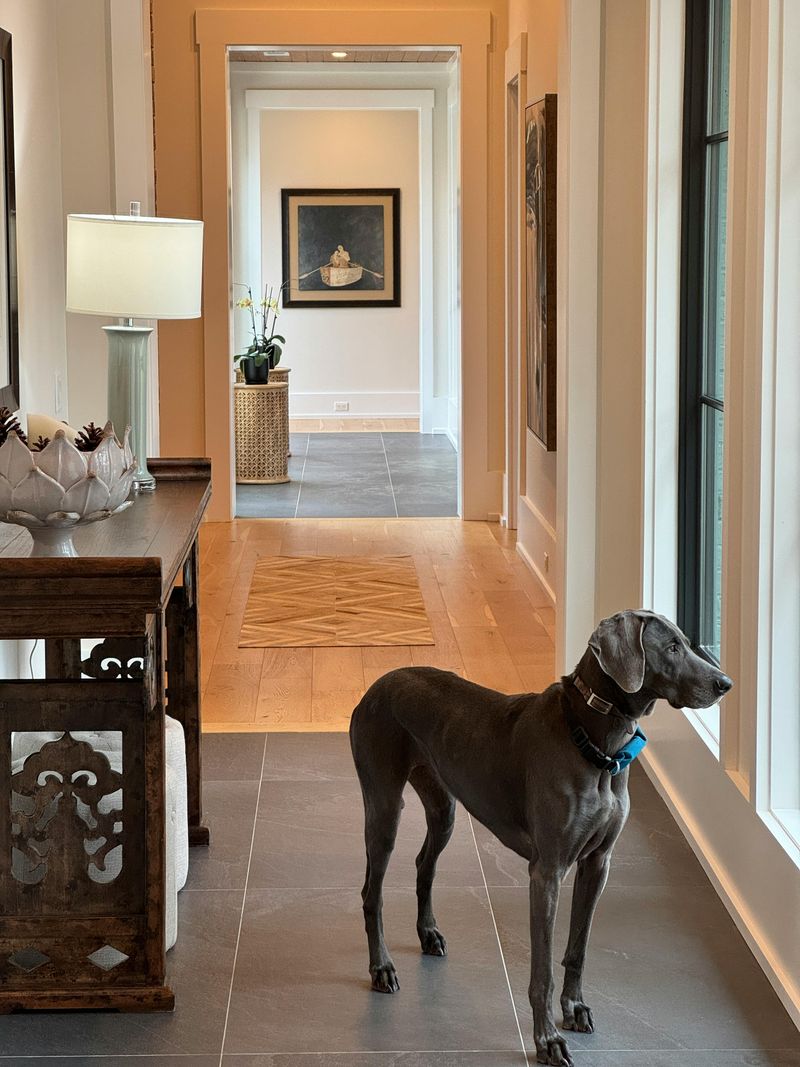
Planting in a hallway or across stairs is not random lounging. It is body language that says this route is mine.
You might notice subtle weight shifts if someone tries to pass, or a still, watchful face.
Do not step over or squeeze by, which can escalate guarding. Instead, invite movement with a cue, toss a treat behind the dog, and reinforce yielding.
Set up baby gates to prevent hallway stakeouts during high traffic times.
Teach a go to mat and release words so access feels predictable. Reward voluntary clearing of paths daily.
With practice, your dog learns that stepping aside brings good things and that you manage traffic, not them.
Growling when someone stands up or moves

That low growl when someone stands is communication, not defiance. Your dog is signaling discomfort as the environment shifts.
If punished, the warning may disappear and be replaced by a snap later.
Honor the message. Increase distance before guests stand, scatter feed as a movement buffer, and pre cue transitions so your dog is not surprised.
Practice stand up, sit down reps at low intensity with generous reinforcement.
Check for pain that makes sudden motion feel threatening. Teach an alternate behavior like go to bed when people rise.
Over time, your dog learns movement predicts predictable, safe outcomes, not unpredictable threats.
Stiff posture when visitors enter
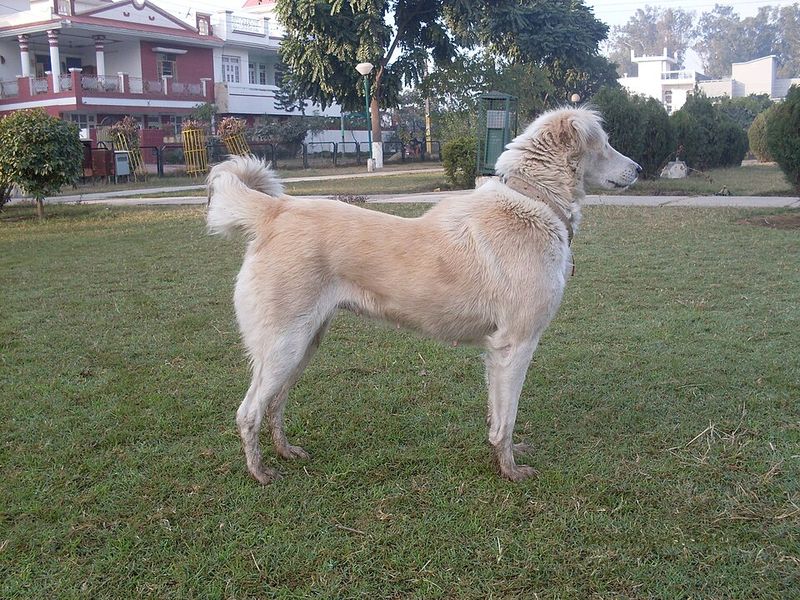
Freezing tall and stiff at the threshold screams uncertainty. The dog is gathering data and bracing for impact.
If someone leans in or reaches, it can tip into barking or lunging.
Make arrivals boring. Park the leash before the knock, sprinkle treats away from the door, and let visitors in without approaching the dog.
Create a predictable script every time so there are no surprises.
Train a station behind a gate and reward soft bodies: blinking, turning away, relaxed tails. Practice doorbell recordings paired with easy sniffing games.
As confidence grows, stiffness melts into curiosity instead of confrontation.
Sniffing then suddenly backing up and barking
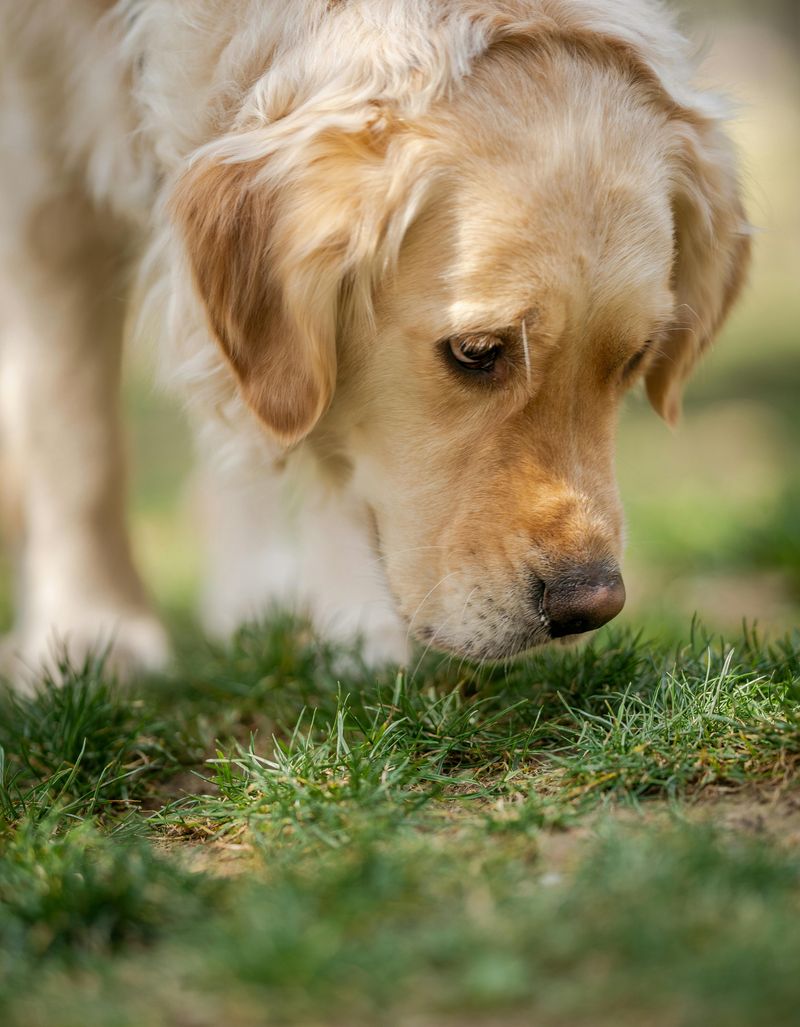
The close sniff seems friendly until it flips to a startled bark. That lunge in, then retreat, means curiosity battling caution.
The dog overcommits, hits a tolerance wall, and self corrects with noise.
Skip hand offers. Let the dog sniff clothing indirectly while the person ignores them.
Reinforce brief look then return to handler reps, building confidence at a safer distance.
Use treat and retreat games: toss snacks behind the dog after they notice the guest, encouraging voluntary disengagement. Track body language carefully and cap duration.
Small, successful exposures beat one long, shaky interaction every time.
Nipping at heels or pant legs
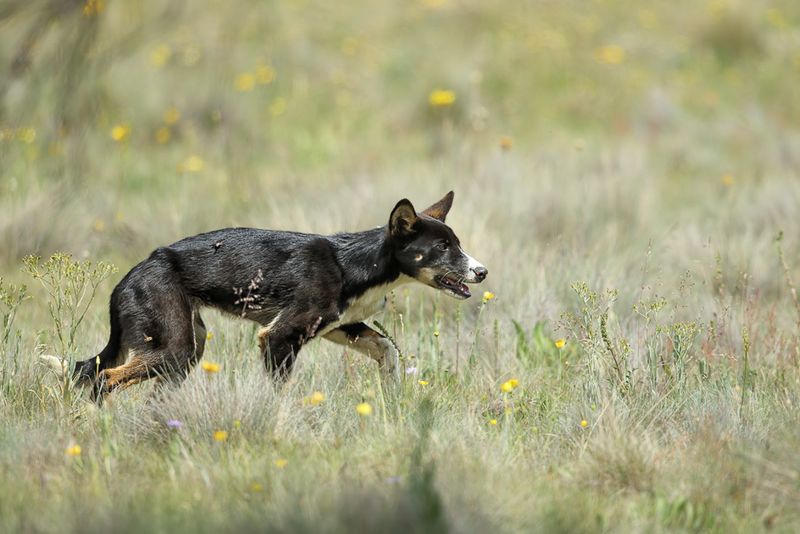
Heel nipping is not playful when guests move. It is a herding flavored attempt to control traffic, often fueled by stress.
The behavior can escalate fast if chased or yelled at.
Pre plan movement. Park the dog behind a gate before people stand.
Reinforce stationary behaviors like place while humans walk past, and use chew enrichments for busy mouths.
Interrupt early with a pattern game like hand target to move away. Avoid loose robes or flowing fabrics that tempt grabbing.
If incidents persist, seek professional support to design a stepwise plan and rule out pain or frustration from insufficient exercise.
Mounting guests or household members
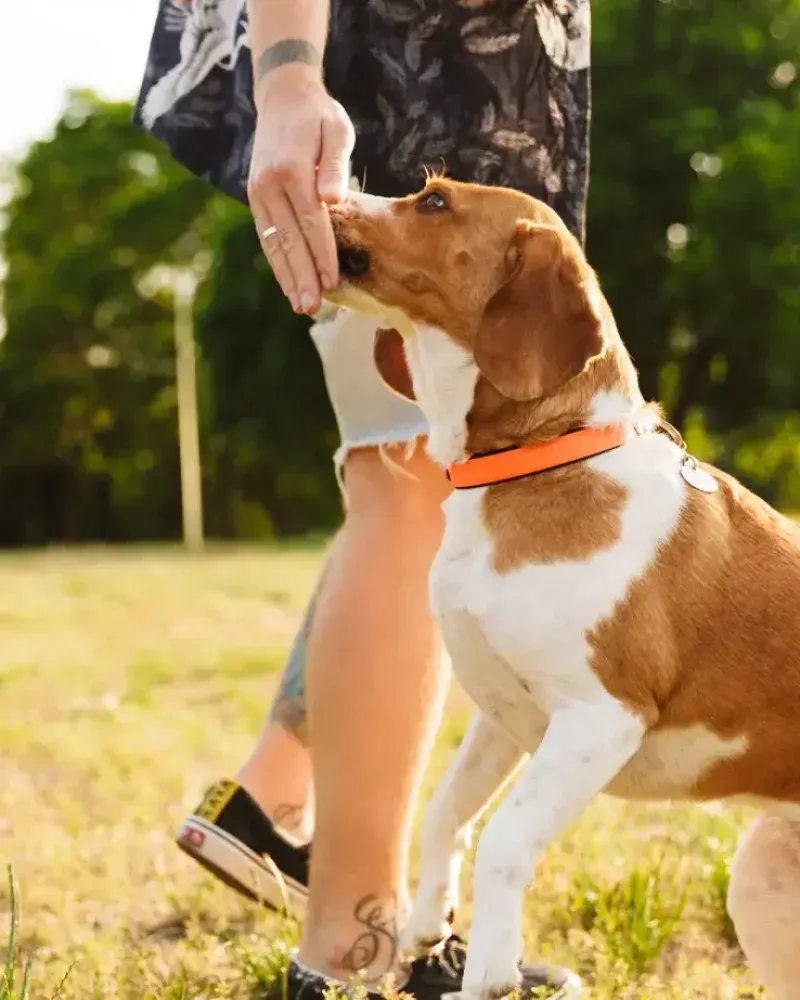
Mounting during visits is not just silliness. Stress, arousal, and lack of impulse control collide, and the dog grabs the nearest outlet.
Guests laugh it off, but the dog is signaling overwhelm.
Address arousal first. Provide sniffy decompression before company, cut sugar high toys, and teach a strong off and settle sequence.
Keep a drag line on for calm redirection without chasing.
Reinforce alternative behaviors that use the body differently: chin rest, down stays, and lick mats. Give short, successful guest exposures and frequent breaks behind a gate.
Over time, the message shifts from chaos to calm choices that earn reinforcement.
Resource guarding couches/beds
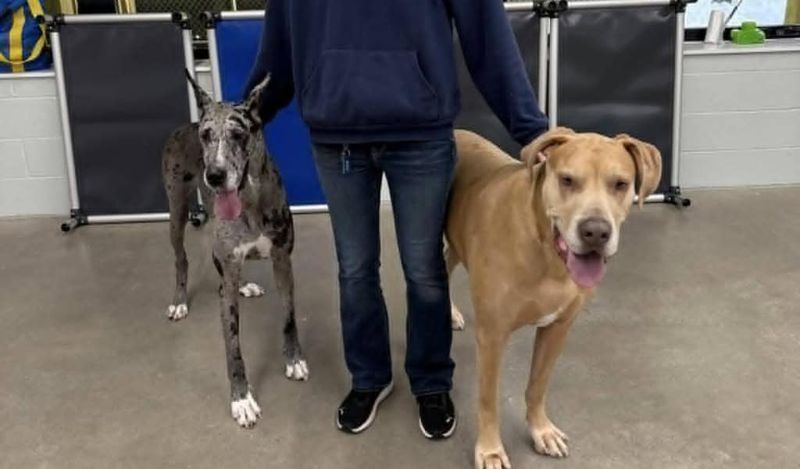
Guarding sofas and beds is about valuable space, not dominance myths. The dog warns with stillness, a hard stare, or growling as someone nears.
Punishing that warning is risky and erodes trust.
Change the picture. Give clear rules about access, use leashes to guide off gently, and trade up with treats for yielding the spot.
Provide alternative comfy stations that regularly pay well.
Practice approach and retreat with consent. Say off, reward four paws on the floor, then invite back up on cue sometimes.
Predictability plus reinforcement turns shared spaces into cooperative routines rather than contested zones.
Refusing to take treats when a guest is present
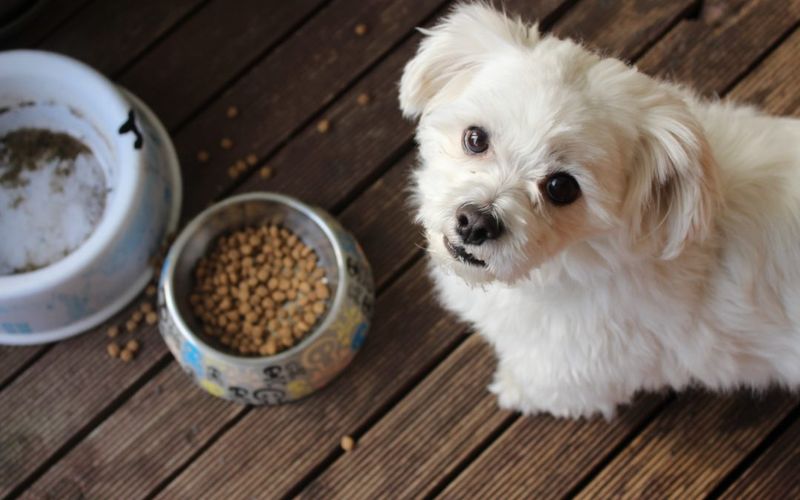
When a usually treat motivated dog refuses food near a guest, arousal or fear is likely high. Digestion and eating pause when survival feels uncertain.
Forcing treats closer can backfire and increase pressure.
Lower criteria. Increase distance, let the dog choose a safe station, and use scatter feeding far from the guest.
Aim for tongue flicks and softer eyes before asking for any behaviors.
Track thresholds with easy metrics: will your dog sniff the floor, take water, or lie down? Those green lights mean you can inch closer next session.
If appetite stays suppressed, pause and rebuild confidence in smaller steps.
Marking/urinating more when people visit
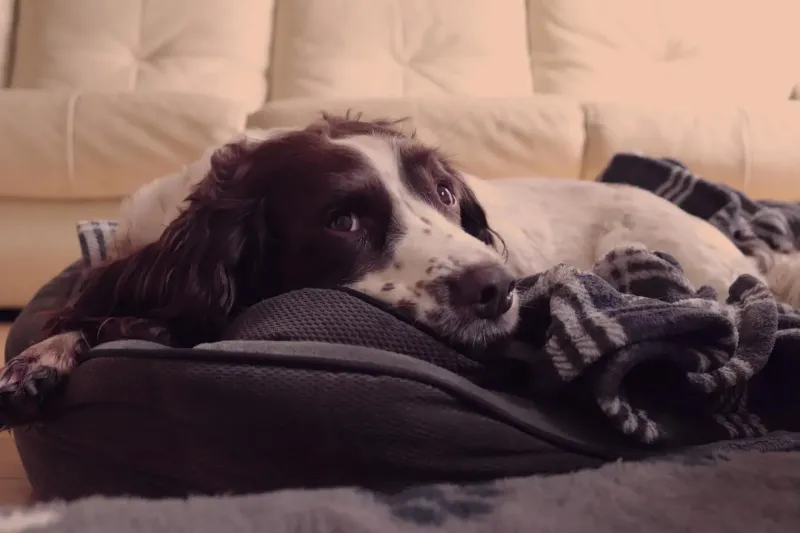
Visitors can spike marking indoors, especially near doorways, bags, or coats. It is a territorial stress response, not spite.
The scent adds a familiar signature to a suddenly busy landscape.
Manage first. Supervise on leash, block key zones, and take frequent potty breaks before and during visits.
Clean thoroughly with an enzymatic cleaner to erase targets.
Rebuild predictability with short, low key exposures and calm activities like sniffing or gentle chewing behind a gate. Reinforce pottying outside heavily during guest arrivals.
If the pattern persists, check for urinary issues with your vet while continuing behavior support.