
Small dogs have big smiles, but their tiny mouths can crowd teeth and trap plaque. Poor dental health can cause pain, bad breath, and even problems with the heart and kidneys.
The good news is that daily care makes a huge difference. Let’s look at which little breeds need extra attention and how you can help.
Yorkshire Terrier

Big attitude fits in that tiny mouth, and crowded teeth come with it. Yorkies often keep baby teeth too long, which traps food and plaque.
Regular brushing, a small toothbrush, and dental chews help a lot.
Book a vet check at one year to pull stubborn baby teeth. Feed kibble sized for toy dogs, and add water additives to fight bacteria.
With gentle training, brushing becomes a routine that keeps breath fresher and gums healthy.
Chihuahua
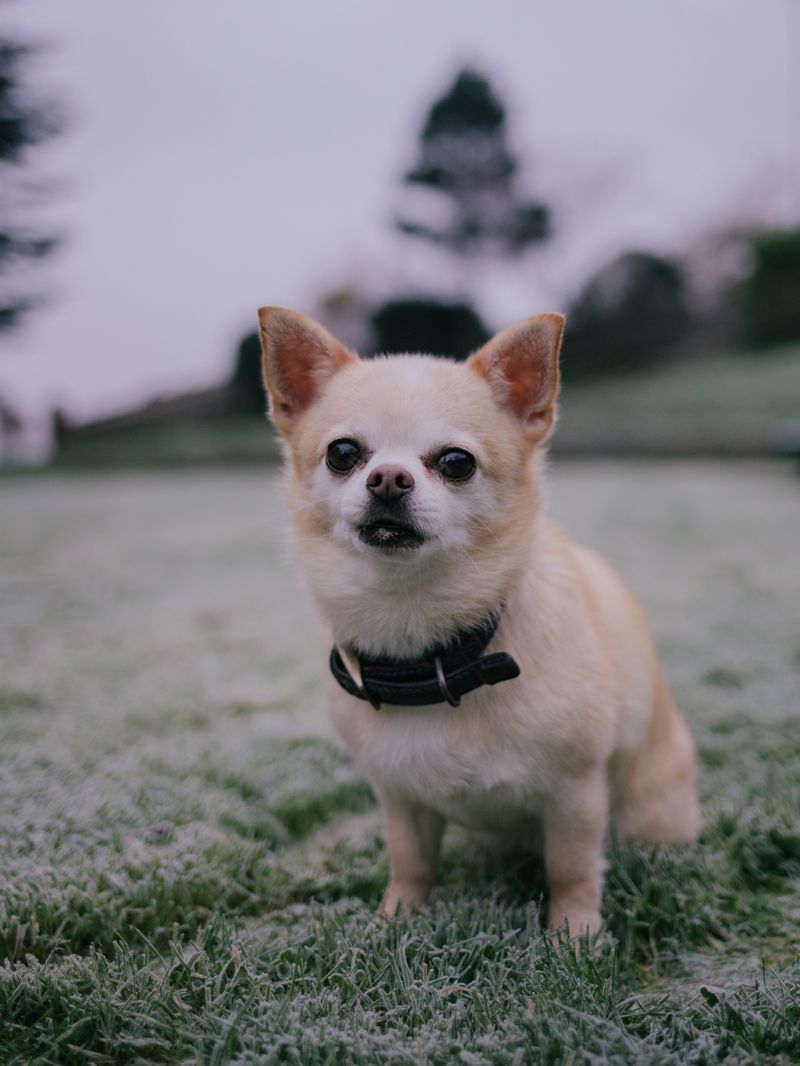
Tiny jaws meet big dental risk in this pocket pal. Chihuahuas often have narrow muzzles and crowded incisors, so tartar builds fast.
Start brushing early with flavored gel, and teach a chin rest to make handling calm and easy.
Because low blood sugar can happen, keep sessions short and friendly. Schedule cleanings as your vet recommends, and choose chews safe for tiny mouths.
Fresh water and crunchy kibble support cleaner teeth each day at home.
Toy Poodle
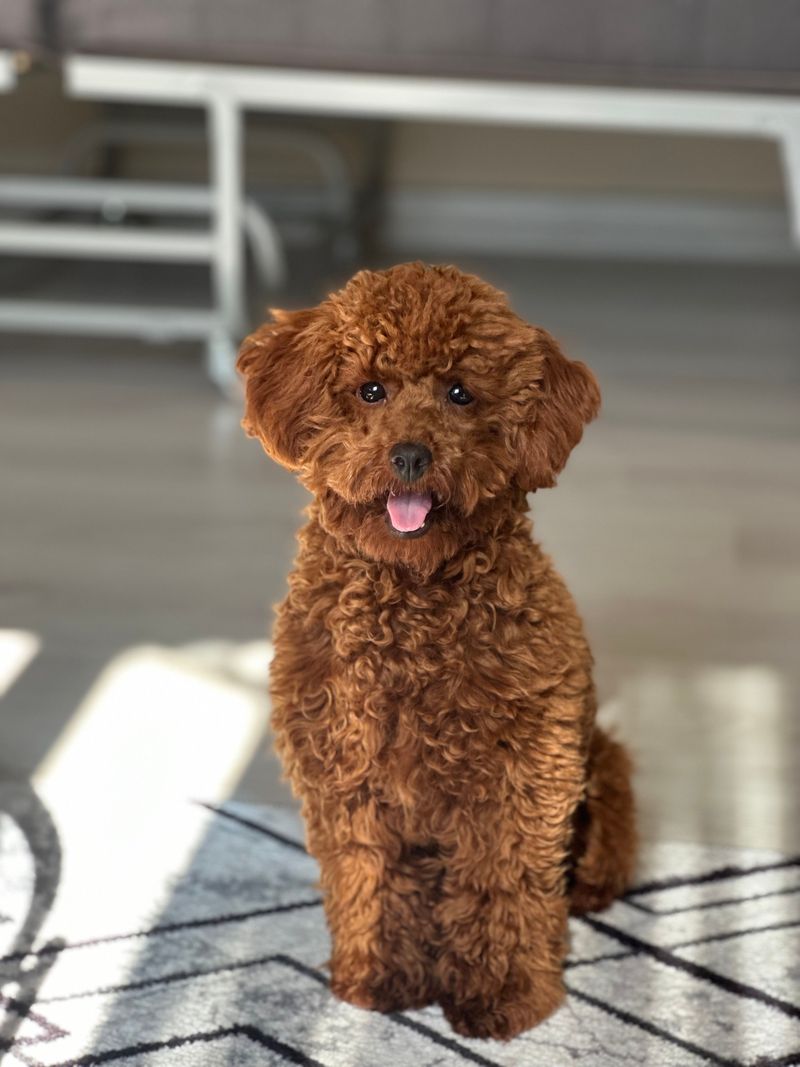
Smart brains mean smart habits, including tooth care. Toy Poodles often develop plaque along the gumline, and gingivitis can sneak up.
Use rewards, touch the muzzle gently, and build from finger rubs to soft bristle brushing. Most do well brushing daily.
Trimmed faces collect less food after meals. Choose a vet dentist if you notice red gums or a sour smell.
Puzzle feeders and firm rubber chews plus a steady brushing plan keep teeth strong.
Maltese
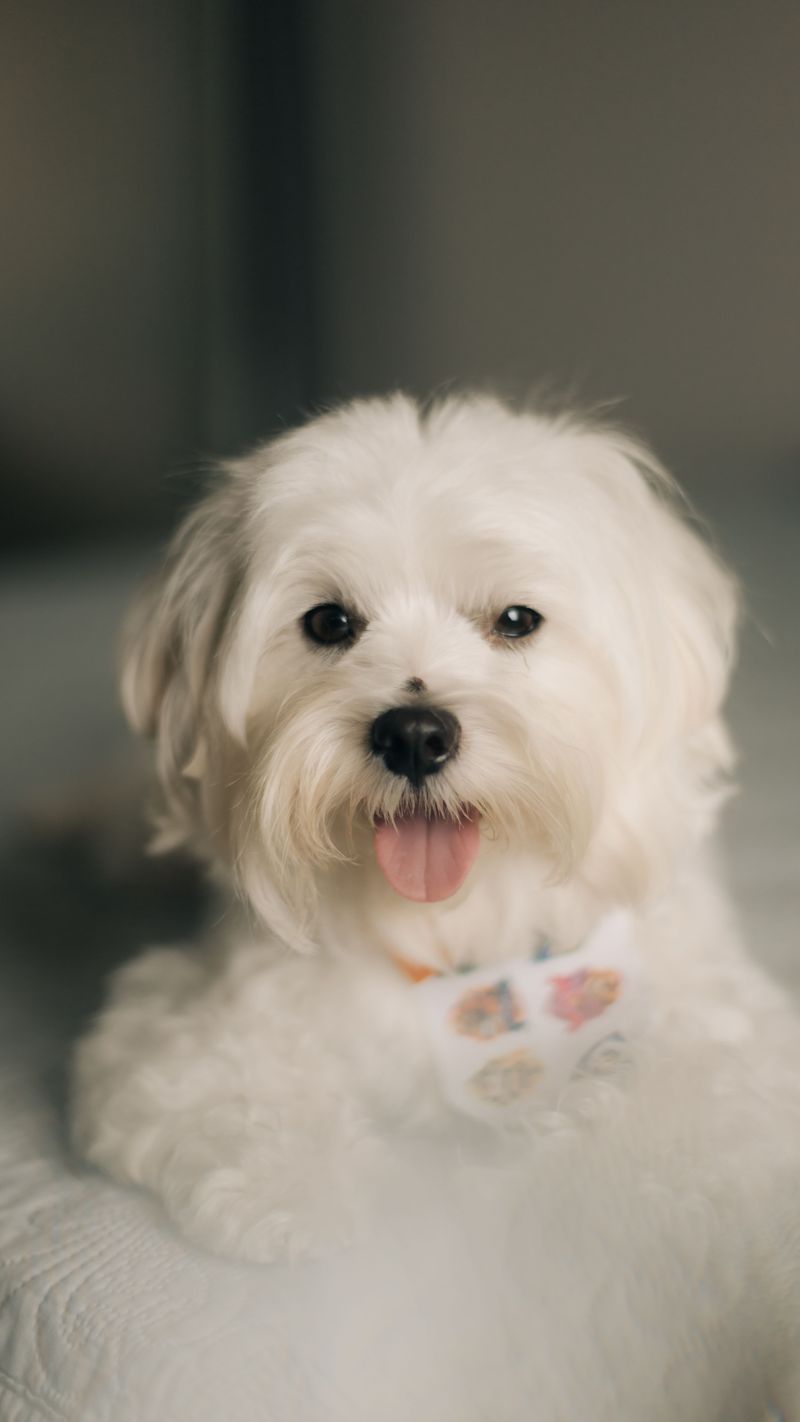
Snow white coats do not hide doggie breath. Maltese often get tear staining, and similar moisture can bother gums if plaque grows.
Wipe the mouth corners after meals, then brush with enzymes that break down film while being gentle on tiny mouths.
Because silky hair mats easily, keep lip fur clipped to stop food from sticking. Ask your vet about dental sealants and safe chew sizes.
Make bedtime brushing calm, quick, and cozy for you.
Papillon
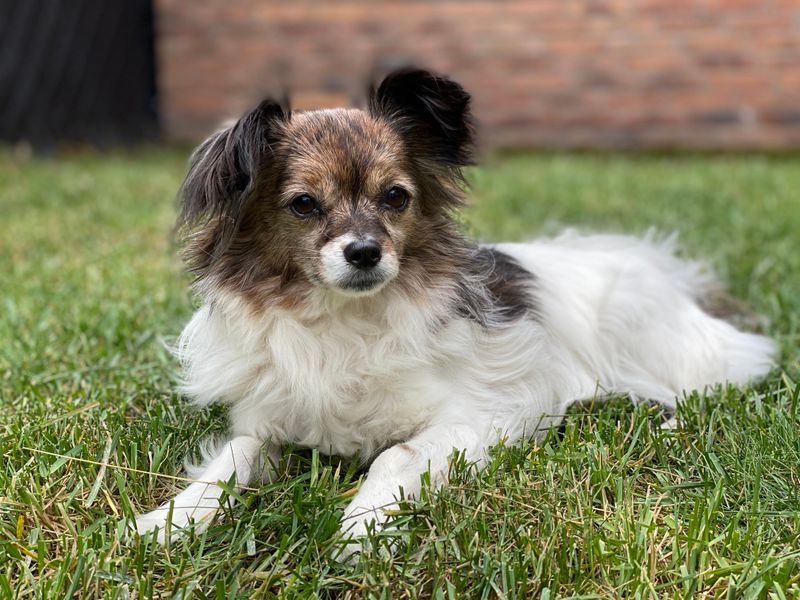
Butterfly ears may steal the show while plaque quietly settles in back. Papillons have fine muzzles where tartar hides between tiny molars.
Rotate angles while brushing so bristles reach creases, and follow meals with a drink of water to rinse away bits.
Agility stars by nature, they enjoy games that pair sits with gentle mouth touches. Try a weekly dental wipe for the stubborn spots you miss.
Favoring one side signals trouble, schedule a check.
Pomeranian
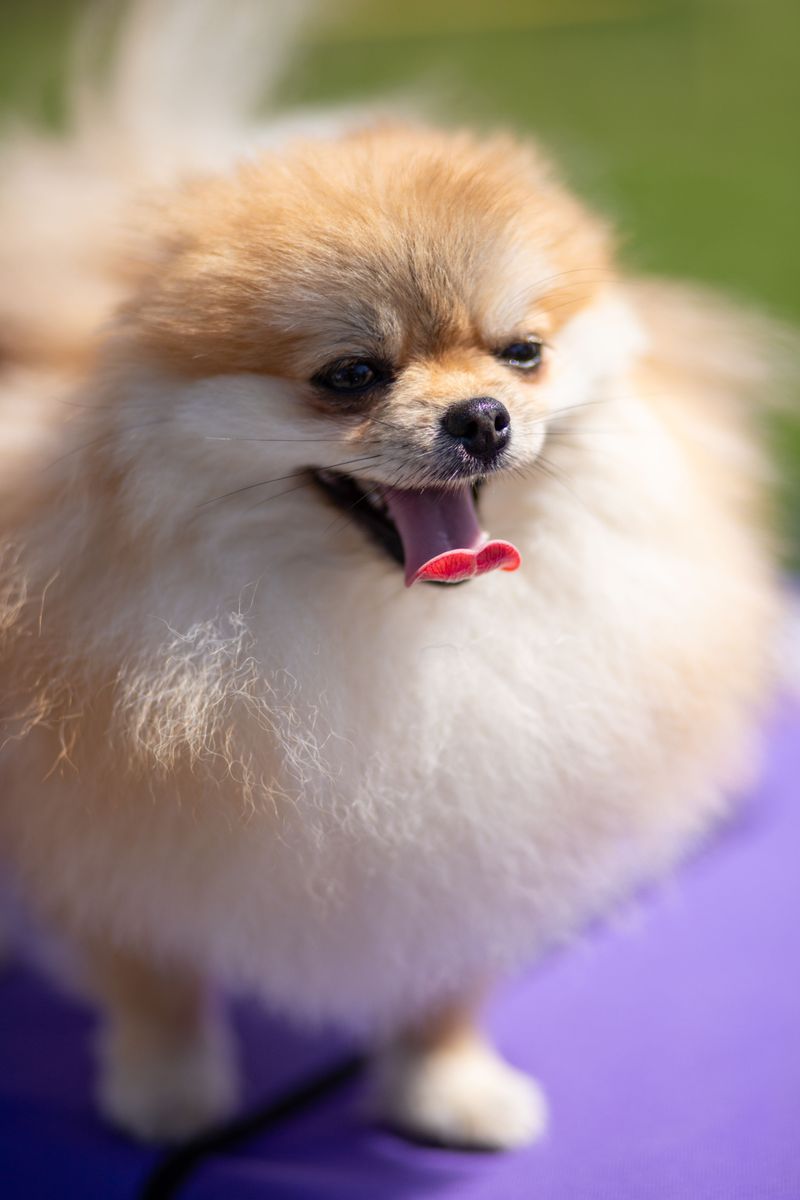
A cloud of fluff surrounds a smile that needs care. Pomeranians are prone to early tooth loss if plaque and infection start.
Keep treats small, choose low calorie dental chews, and brush with slow circles so the gumline stays happy.
Because they can be cautious, make brushing a calm, nightly ritual. Stand on a non slip mat so your pup feels secure.
Ask your vet about baseline dental X-rays in adulthood to track roots health.
Italian Greyhound
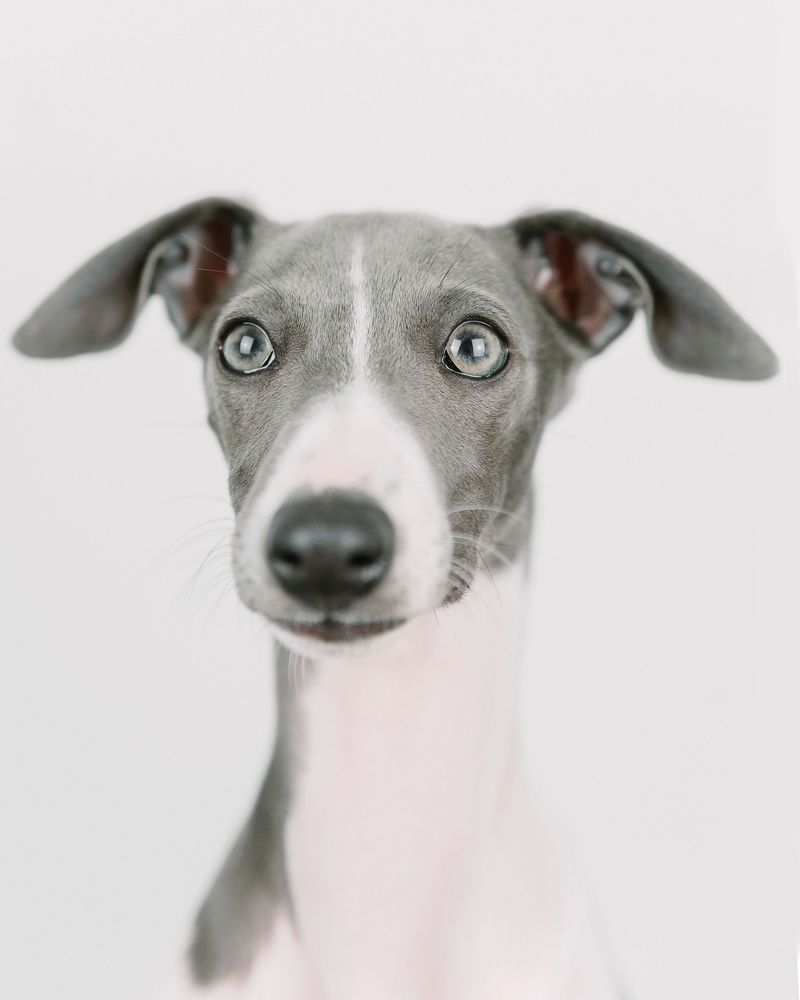
Delicate bones and long legs come with slim jaws that crowd teeth. Italian Greyhounds often face gum recession if plaque sits untouched.
Gentle angles matter, so tilt the brush and sweep upward, then reward with quiet cuddles and a calm voice.
Because their skin is thin, avoid harsh tug toys that could loosen teeth. Schedule regular dental checks, and ask about probiotic rinses.
A warmed toothbrush and blanket underfoot create a routine your sprinter trusts.
Russian Toy
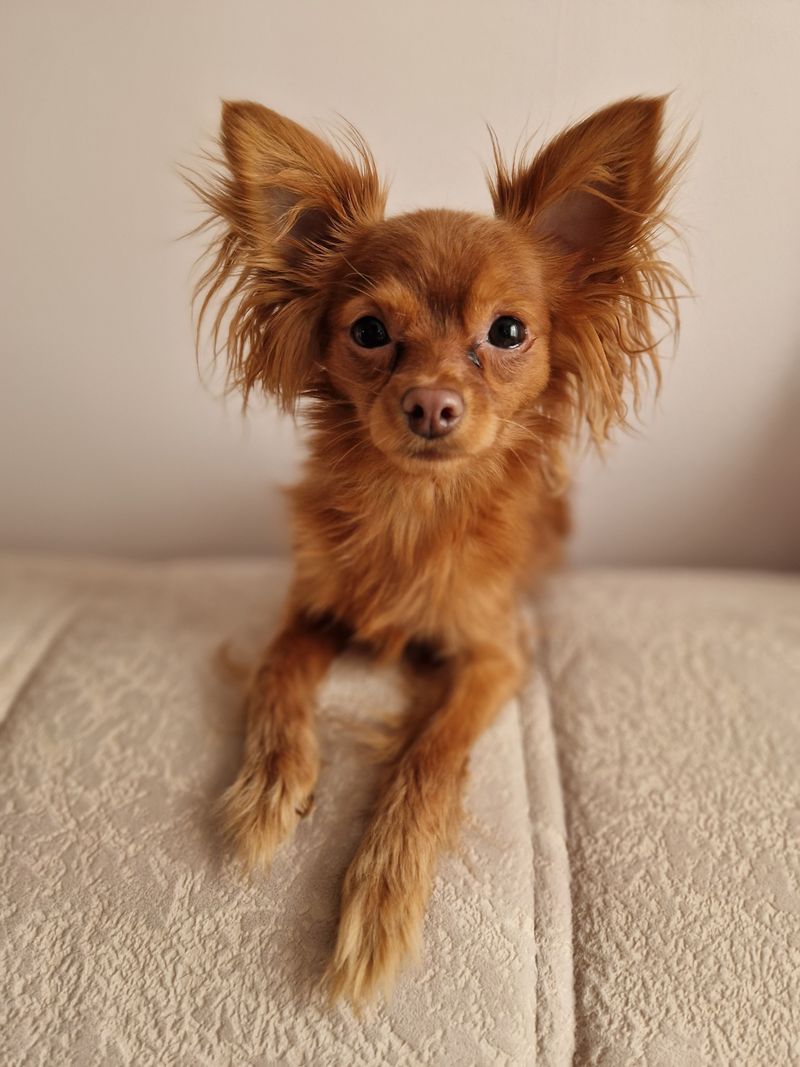
Featherlight and lively, this rare companion has a petite mouth that traps debris. Russian Toys may keep baby teeth, creating snug gaps where plaque thrives.
Early spay or neuter visits are a good time to discuss extractions and start a steady brushing habit.
Because they bond closely, use a quiet voice and slow hands. Choose a tiny soft brush head or try a finger brush.
Short sessions, water after meals, and vet approved chews help.
Miniature Pinscher
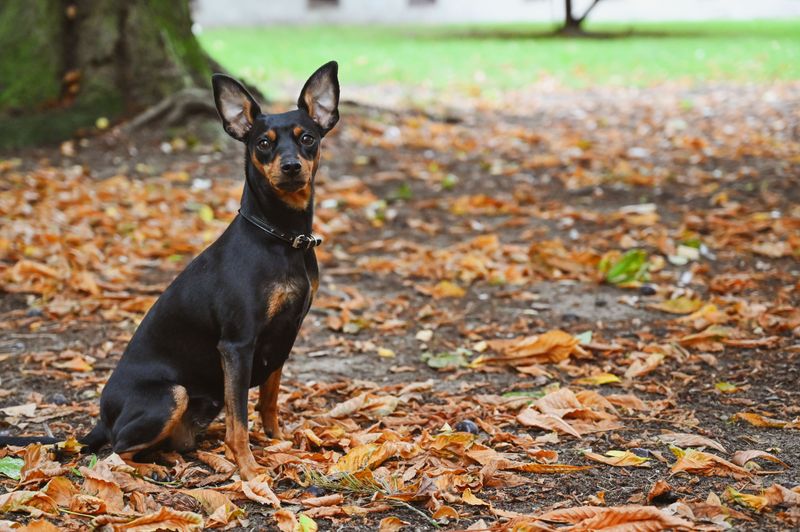
Bold steps tap across the floor, but small teeth still need backup. Miniature Pinschers can build tartar fast at the gumline.
Begin with lip lifts and gentle touches, then add paste and soft circles so your confident buddy learns brushing is just another trick.
Because energy runs high, end with a quick game. Pick kibble that crunches cleanly instead of turning to powder.
Regular vet cleanings plus home care protect that bright, mischievous grin daily.
Brussels Griffon
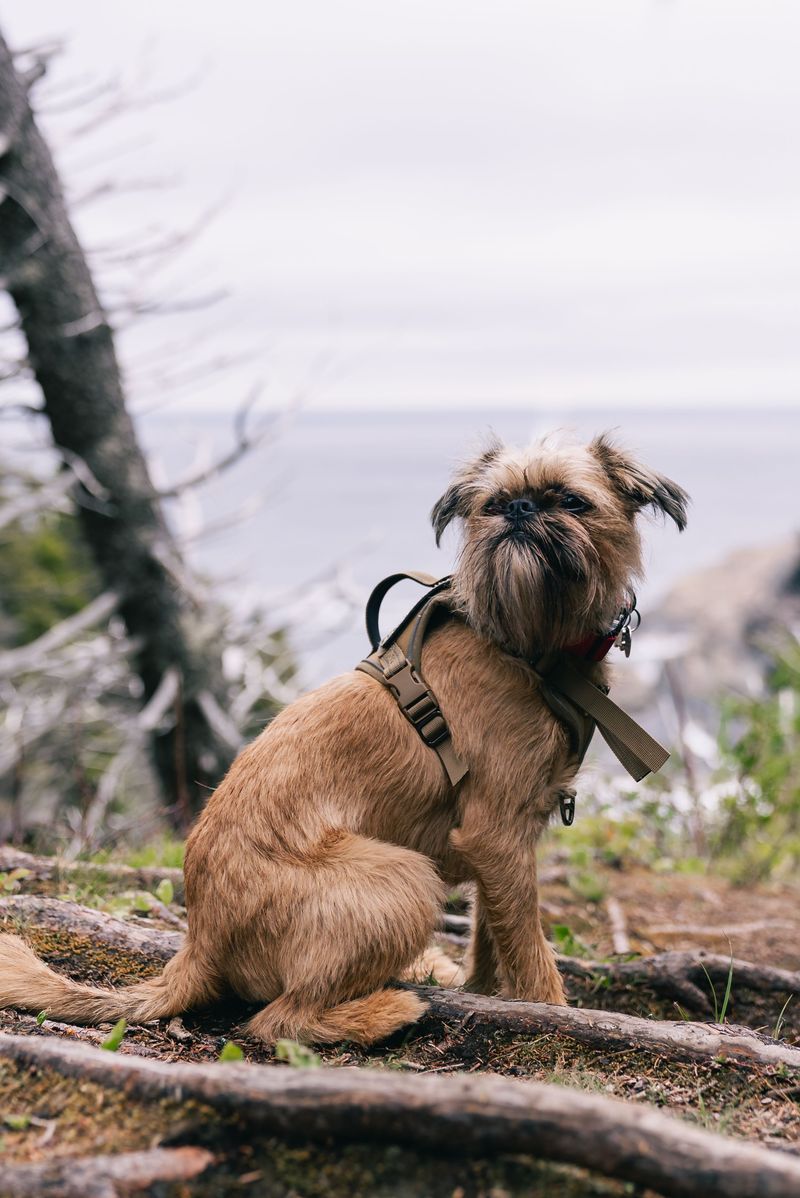
Big eyes and a bearded grin make everyone smile, until plaque steals the show. Brussels Griffons often have underbites that trap crumbs.
Wipe the beard after meals, use toothpaste with enzymes, and brush from multiple angles to reach the sneaky spaces near the lips.
Because they love company, turn brushing into a chatty moment on the couch. Keep sessions short to avoid fussing.
Ask your vet about polishing and gentle water additives for freshness daily.
Havanese
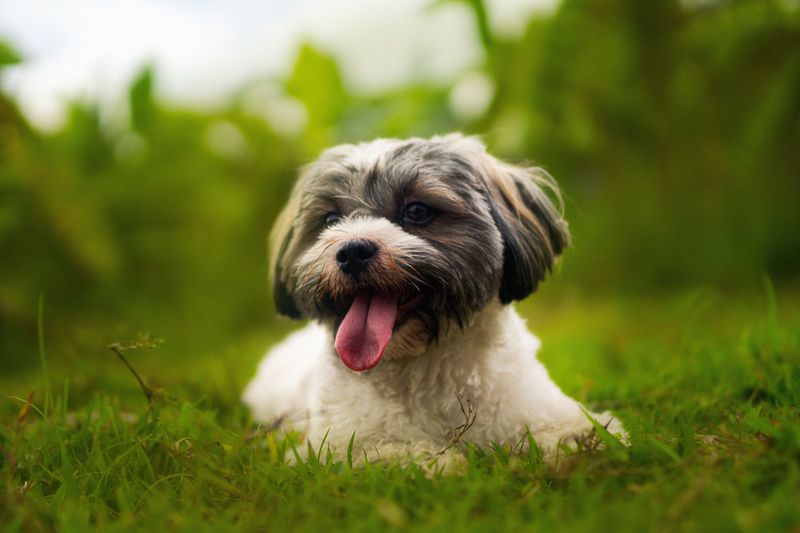
Sunny attitudes meet sensitive gums in this Cuban charmer. Havanese can build plaque along tight premolars, and baby teeth may linger.
Start with a finger brush, smear on tasty paste, and practice short sessions after playtime when your pup feels relaxed and happy.
Travel friendly by design, they do well with a small tooth kit. Pack wipes, a soft brush, and a tiny tube of paste.
Plan regular vet cleanings and celebrate progress with praise.