
If you have ever said he’s just being stubborn, this guide will change your mind. Dogs speak volumes with subtle signals most people miss until a situation escalates.
Learning to read these quiet warnings helps prevent bites, builds trust, and makes training kinder and faster. Once you see the patterns, you cannot unsee them, and your dog will thank you for listening.
Freezing mid-step
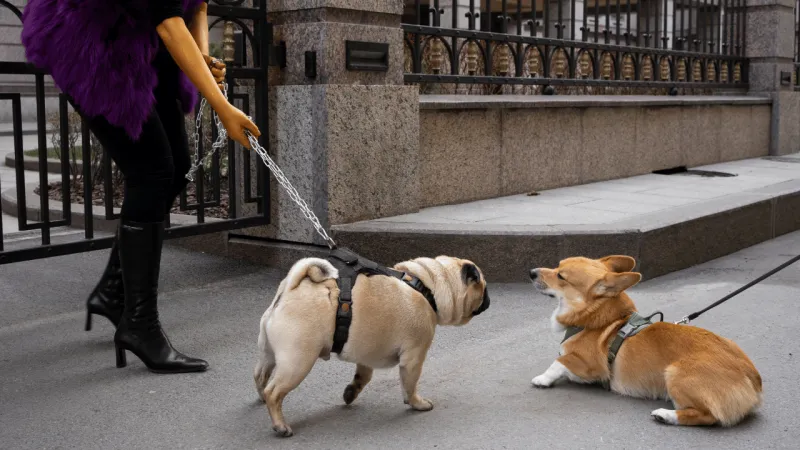
Freezing mid-step is the canine pause button, not stubbornness. When a dog locks their body and suspends movement, they are processing pressure or anticipating something uncomfortable.
Think of it like a traffic light turning yellow, giving you a chance to slow down.
If you push forward, a freeze can flip to a snap or frantic escape. Instead, soften your posture, step sideways, and invite space.
Let the dog choose to move when ready.
Pair the release with calm reassurance, a sniff break, or a predictable cue. Over time, you teach that pausing is safe and respected.
Respect the freeze, and you reduce conflict.
Turning the head away during contact
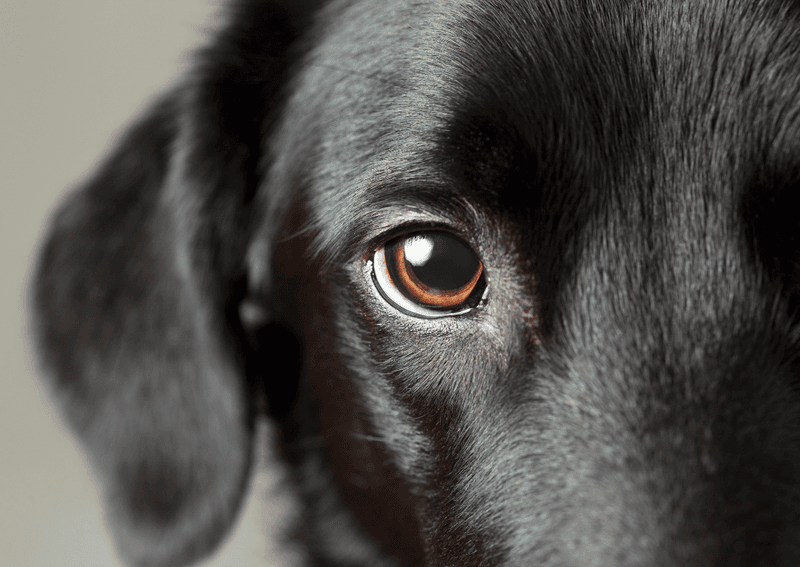
Turning the head away during contact is a polite request for space, not defiance. Dogs use this cutoff signal to dial down social intensity.
You might be hugging too tightly, leaning over, or petting a sensitive spot.
When you see the head turn, pause your hands and see if the dog leans back in. If not, offer a break or scratch a different, consent-friendly area like the chest.
Respecting choice builds trust.
Children miss this sign often, so coach them to pause and ask. A simple count of three while petting helps.
If the dog re-engages, great. If not, that no is communication worth honoring.
Lip licking when no food is present
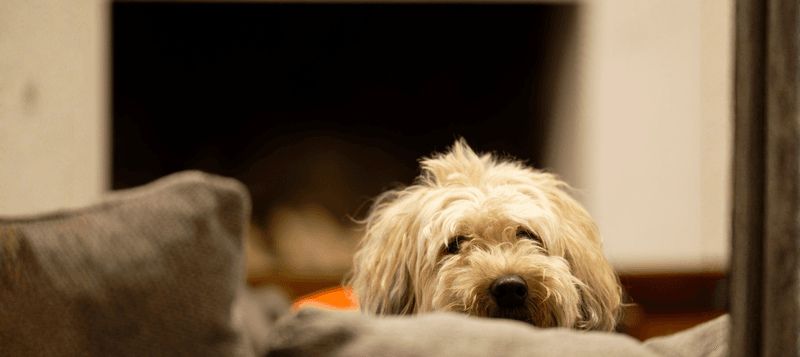
Rapid lip licks with no food around are stress flicks, not sass. They show rising social pressure or uncertainty.
You will notice them during greetings, nail trims, or while a camera points straight on.
Count the licks within a short window. A cluster suggests your dog needs space or a slower approach.
Turn your body, soften eye contact, and let the dog sniff to decompress.
Pair handling with tiny steps and high-value reinforcement. Mark and reward calm check-ins rather than looming over.
When the licking slows, you know you are back within their comfort zone.
Yawning in tense moments
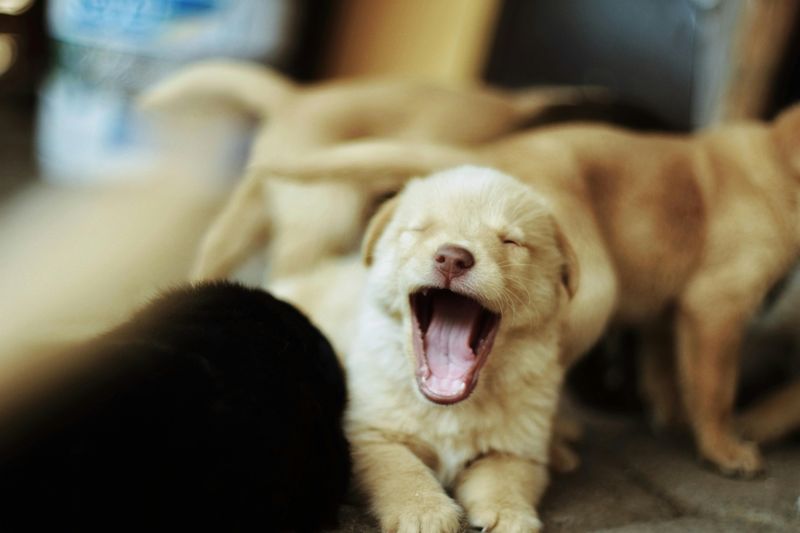
Yawning outside sleepy times is a displacement behavior, not boredom. Dogs yawn to self-soothe when tension rises, like at the vet, during training pressure, or around unfamiliar people.
It helps reset arousal.
When you notice a sudden yawn, reduce demands. Lower criteria, take a sniff walk, or switch to easy wins.
Soft voices and curved approaches help your dog feel safer.
Track patterns: repeated yawns during a specific exercise mean you are rushing. Break tasks into smaller slices and pay generously for voluntary participation.
Respect the yawn, and learning speeds up because your dog stays under threshold.
Whale eye (showing whites of eyes)
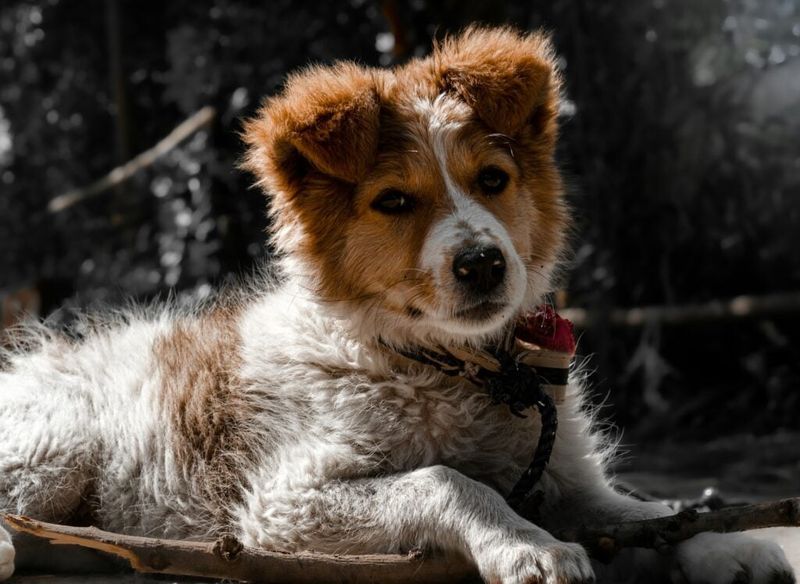
Whale eye appears when the dog averts the head but keeps eyes locked, flashing the whites. It is a classic early-warning sign that someone is too close or too intense.
You often see it during hugs or when a resource is guarded.
Back off a step and reduce frontal pressure. Ask the dog to move off the spot with a known cue and reward generously.
Avoid reaching over the head or cornering.
Teach trades and mat relax behaviors to lower guarding risks. Photograph moments later and you will notice the whites vanish as comfort returns.
The goal is not dominance, it is safety and choice.
Ears pinned back with a still face
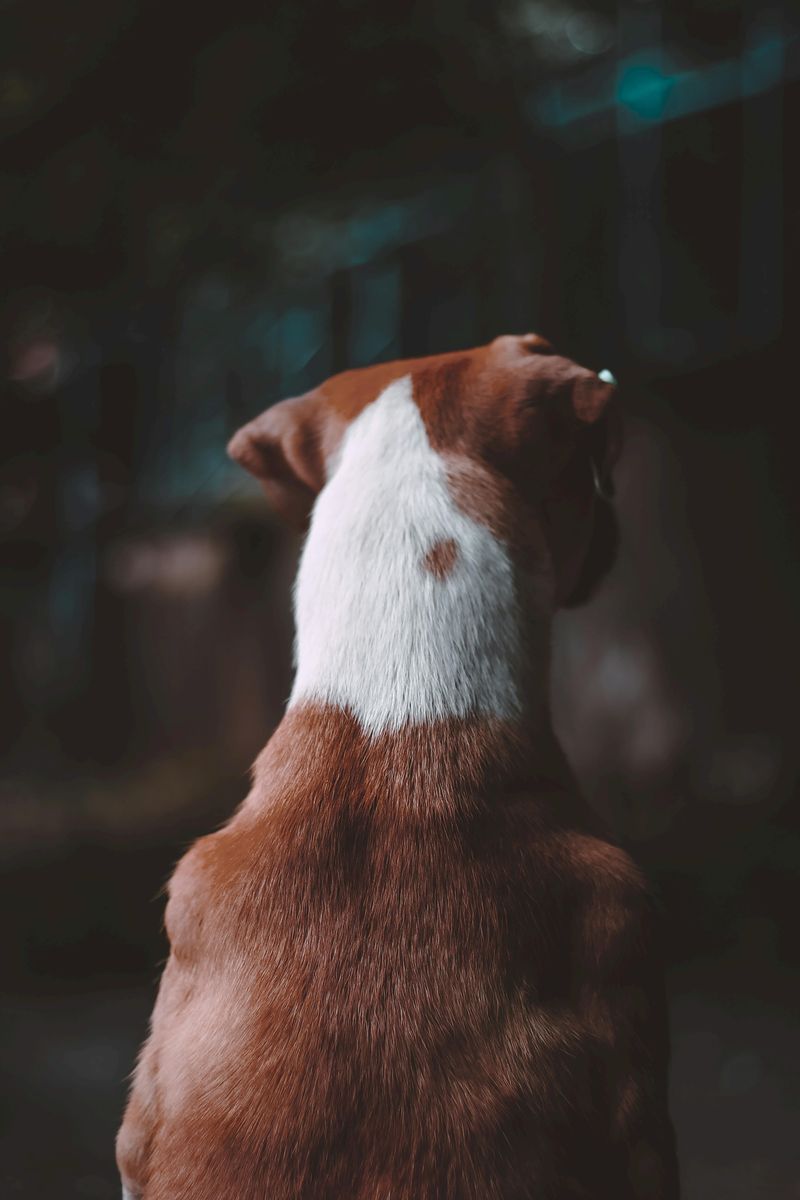
Ears pinned back with a still face read like a silent alarm. Many people assume shame or guilt, but dogs show this under stress, uncertainty, or pain.
The stillness is information, not misbehavior.
Check the rest of the body: tight jaw, low tail, and shallow breaths confirm tension. Give space, avoid scolding tones, and invite movement with gentle arcs.
A simple scatter of treats can loosen posture.
If this look appears with handling or certain movements, consider discomfort and talk to your vet. Pair all touch with consent cues.
Over time, pinned ears soften when experiences predict safety and choice.
Closed mouth + tight corners of lips
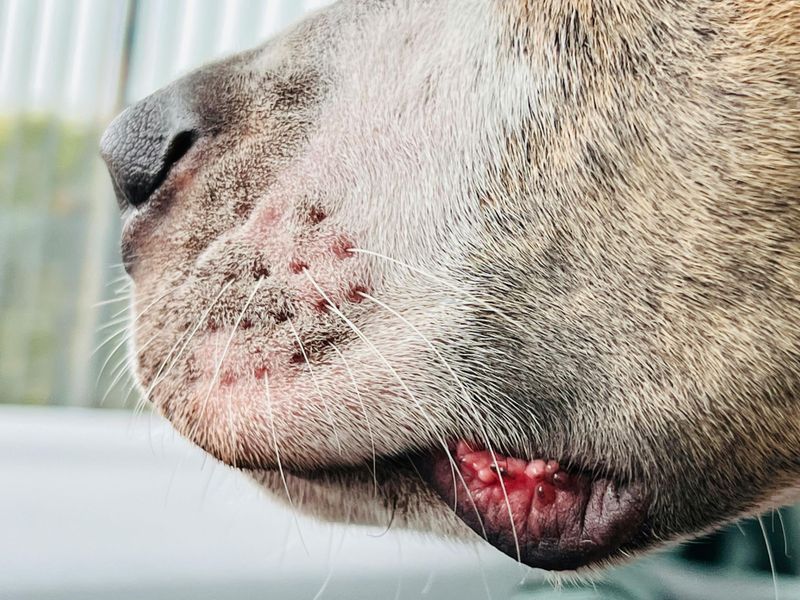
A suddenly closed mouth with tight lip corners signals rising tension. Watch for the commissures pulling back like strings.
This often shows up right before a growl or when a stranger reaches in fast.
Interrupt the moment kindly. Create distance, change angles, and slow everything down.
Give the dog a chance to choose contact rather than absorbing it.
Capture relaxed mouth moments with reinforcement so the face tells you when to proceed. If the tight mouth persists, audit the environment for triggers.
Respect that face message early and you will rarely see the louder ones.
Slow tail wag with a stiff body
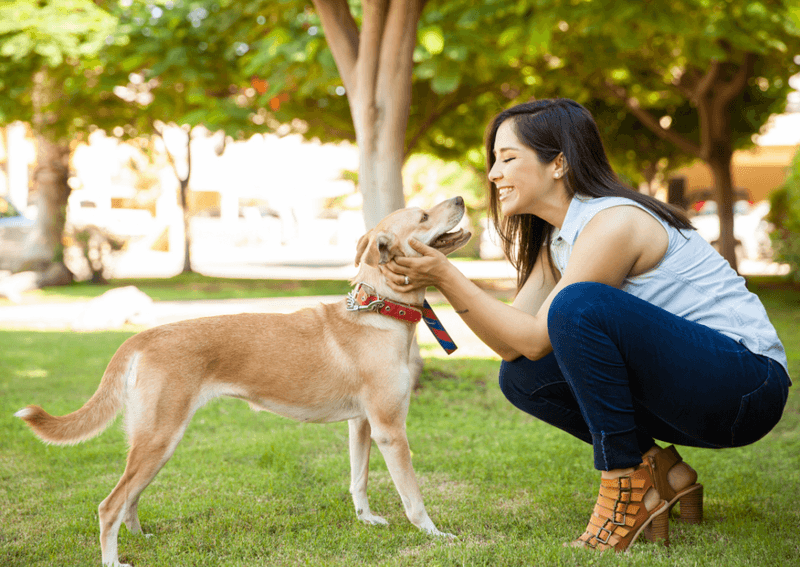
A tail wag is not always happy. A slow, level wag paired with a stiff body reads like a metronome of uncertainty.
The dog is gathering data and could swing friendly or defensive based on what happens next.
Check the whole picture. Soft curves and loose hips mean social, while statue-still limbs mean caution.
Reduce intensity, avoid looming, and invite the dog to approach on their terms.
Teach hand-targets to give a clear, low-pressure way to say yes. If the body stays stiff, add space and let time work.
The best choice is patience, not pressure.
Sudden sniffing the ground to avoid interaction
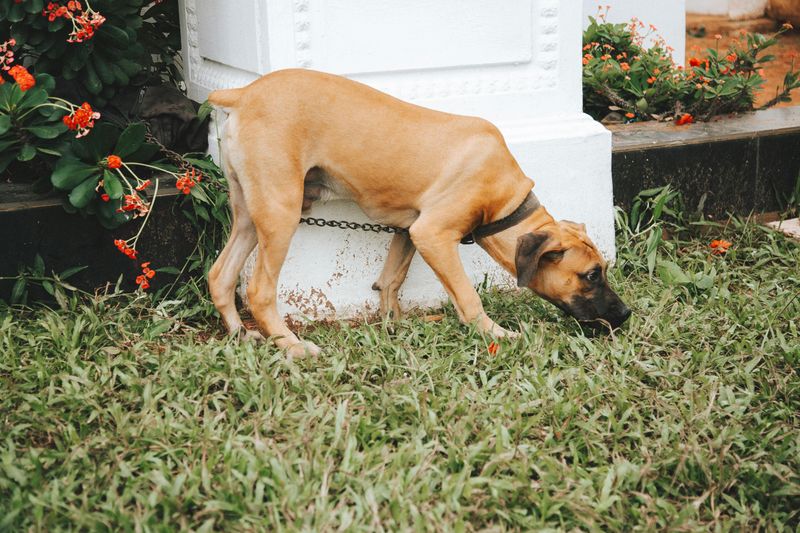
Sudden sniffing can be a social exit, not a scent emergency. Dogs divert to the ground to diffuse tension, like checking a phone during awkward conversation.
It buys time and space.
Do not yank the leash or cheerlead closer. Pause, arc away, and let the dog finish the ritual.
Often they will re-engage when the pressure drops.
Reinforce calm check-ins after the sniff. Over time, your dog learns you notice these polite requests and respond helpfully.
That partnership prevents escalations because small signals are honored early.
Paw lift with a tense posture
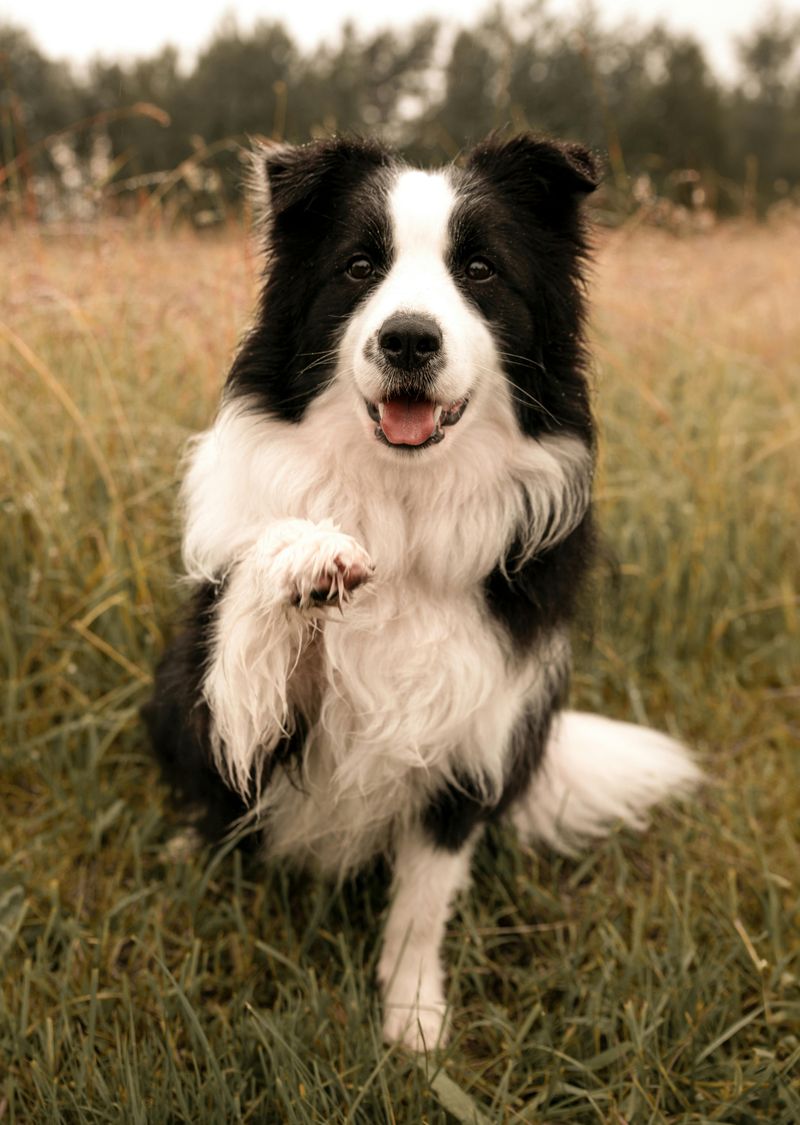
A lifted paw can mean curiosity, but with a tense body it often marks conflict. The dog is frozen between approach and retreat.
You will see tight muscles, narrow eyes, and shallow breathing alongside the paw.
Relieve the decision load. Step diagonally away, loosen the leash, and let the dog gather information safely.
Reward orientation changes and voluntary movement.
If the paw lift repeats in certain contexts, investigate pain or equipment discomfort. Adjust gear fit and check nails.
When tension drops, the paw settles and choices become easier.
Leaning away while being petted
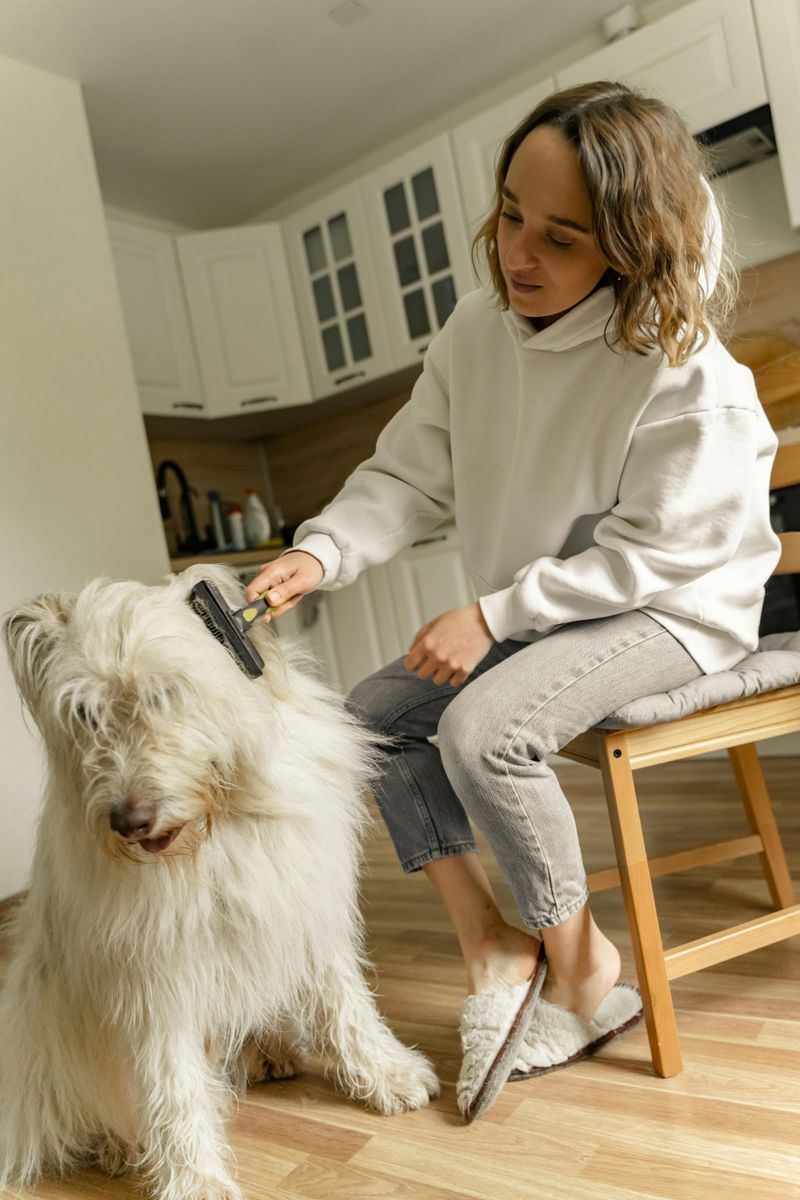
Leaning away during petting says this is too much right now. It is not rudeness.
Many dogs tolerate contact they do not enjoy, then explode later when ignored.
Try a consent test: stop petting and see if the dog nudges back within two seconds. If not, thank them for the feedback and pause.
Offer scratches in less intense areas or invite a game instead.
Teach family members to notice lean-backs, especially with kids. Respecting no today earns a solid yes tomorrow.
Consent creates safer, happier cuddles.
Shaking off right after someone touches them
A dry shake-off is a reset, not attitude. After touch, restraint, or social tension, dogs shake to discharge stress.
You might see it after a hug, vet exam, or intense greeting.
When the shake happens, give a beat of space and offer a simple sniff or easy cue. Praise the return to neutral.
It means your dog is trying to regulate.
If shake-offs stack up, your sessions are too heavy. Slice the task smaller, add breaks, and finish on success.
You will get smoother handling with fewer flare-ups.
Panting indoors with a hard stare
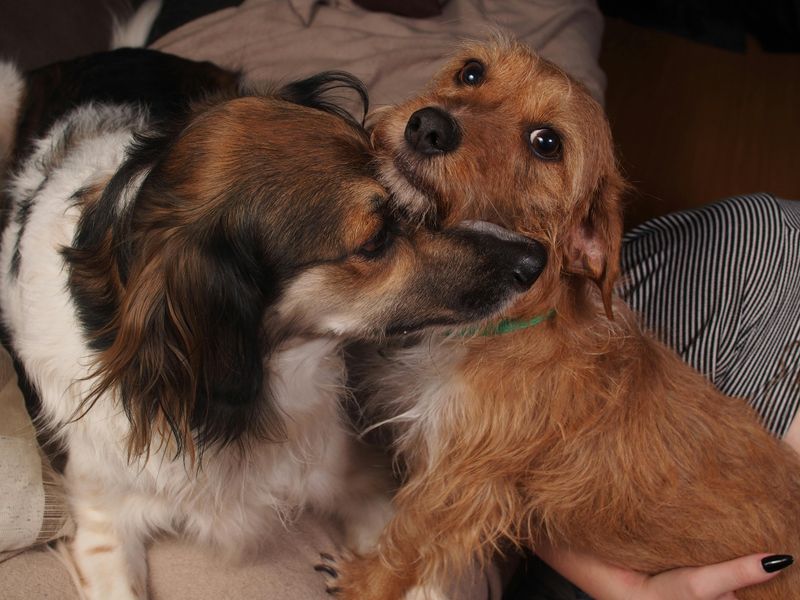
Panting indoors without heat or exercise can flag stress, especially paired with a hard stare. The face looks tight, eyes unblinking, and breaths short.
Many people call this stubborn, but it is discomfort rising.
First, rule out pain and medical issues. Then reduce triggers: noise, crowding, or confrontation.
Offer a safe station with water, chew, and distance.
Teach pattern games that predict good outcomes when scary things appear. When eyes soften and panting eases, you know arousal dropped.
Pressure will not fix this, but choice and safety will.
Refusing treats they normally love
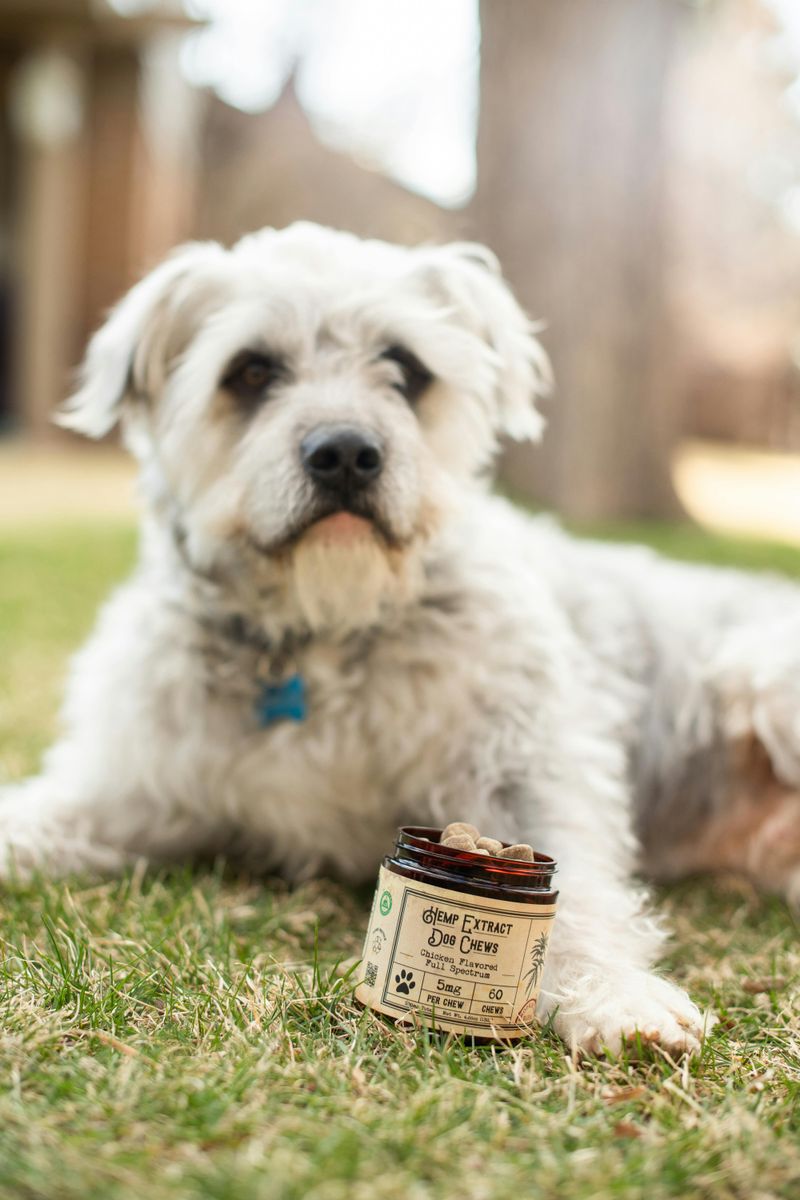
Skipping a favorite treat screams over-threshold, not pickiness. Digestion and appetite shut down when stress surges.
If food fails, your dog needs space or simpler tasks.
Step back several difficulty levels. Increase distance from triggers, switch to sniffing, or end the session.
When arousal drops, interest in food returns like a switch flipping.
Track this in a training journal to spot patterns. If refusal persists at home, consult your vet for pain or nausea.
Listening here prevents meltdowns because you adjust before frustration boils.
Slow, hesitant “glued to the floor” walking
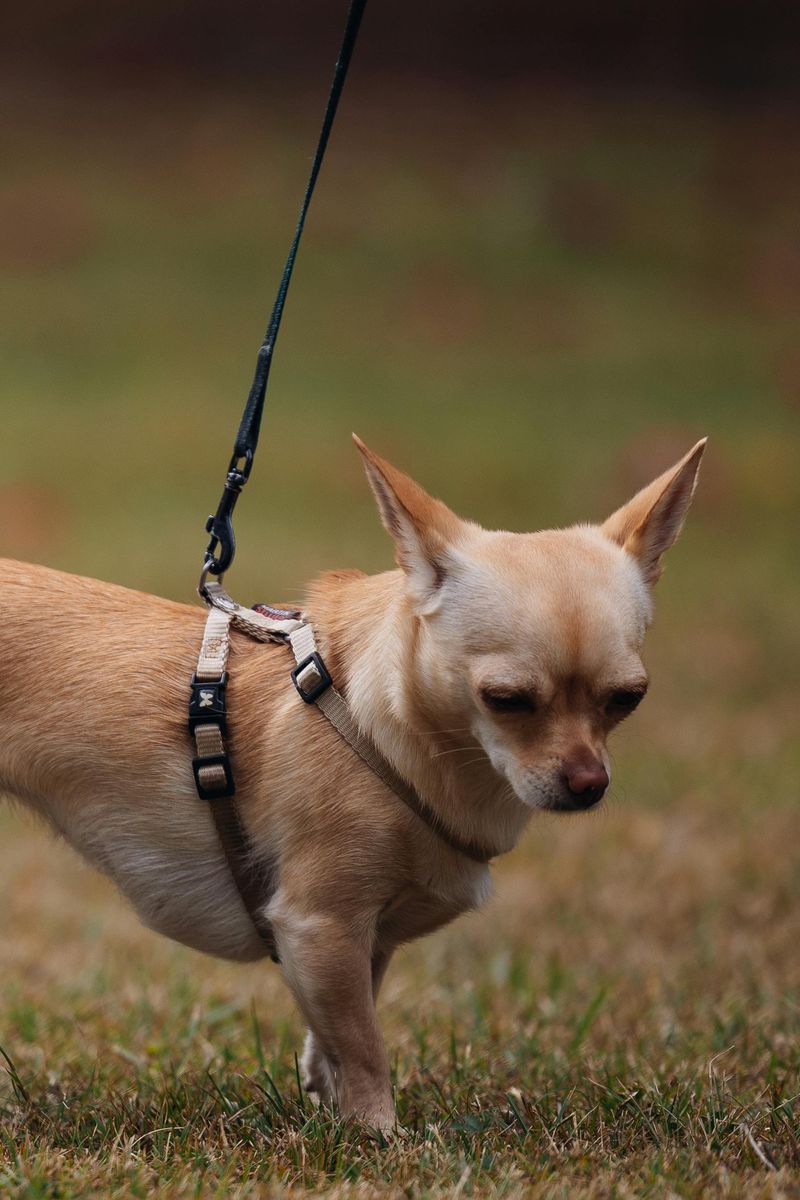
That sticky, hesitant shuffle is not stubbornness. It is caution under pressure.
Floors may feel slippery, the hallway might predict something scary, or the environment is simply overwhelming.
Trade dragging for choice. Use a happy trail of treats, a non-slip runner, or a confident canine buddy to model movement.
Keep your leash loose and your voice soft.
Mark tiny steps and celebrate progress. Break the route into checkpoints with rest stops.
With safety and control, momentum returns and the sticky paws unglue themselves.