
Hot spots can seem like they appear out of nowhere, but there are patterns hiding in plain sight. Certain breeds practically light up the moment heat, humidity, and moisture collide.
If you have one of these dogs, knowing their triggers can save you late night vet visits. Let’s break down who is most at risk and how you can keep that summer itch from spiraling.
Golden Retriever
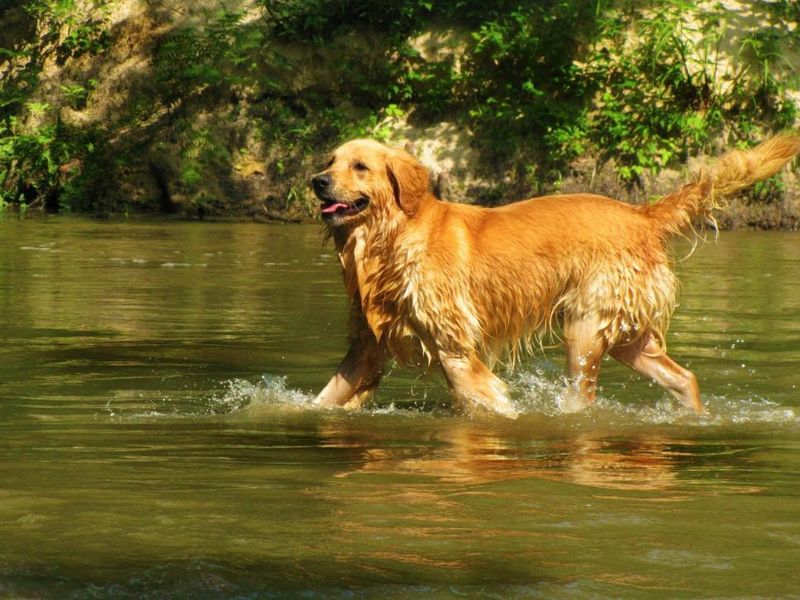
Golden Retrievers are walking sunshine, but their plush double coats trap heat and moisture. Add a lake day or sprinklers, and you have the perfect recipe for hot spots.
Under the ear flaps and along the neck collar line are common trouble zones.
Dry thoroughly after every swim, and brush out loose undercoat so air can flow. Keep collars snug but not damp for long periods.
If allergies flare, quick relief wipes and an omega supplement can help soothe the skin.
At the first sign of licking or a warm, smelly patch, clip the area and clean with a vet approved antiseptic. Use a cone if needed to stop the cycle.
Quick action prevents a tiny irritation from exploding.
Labrador Retriever
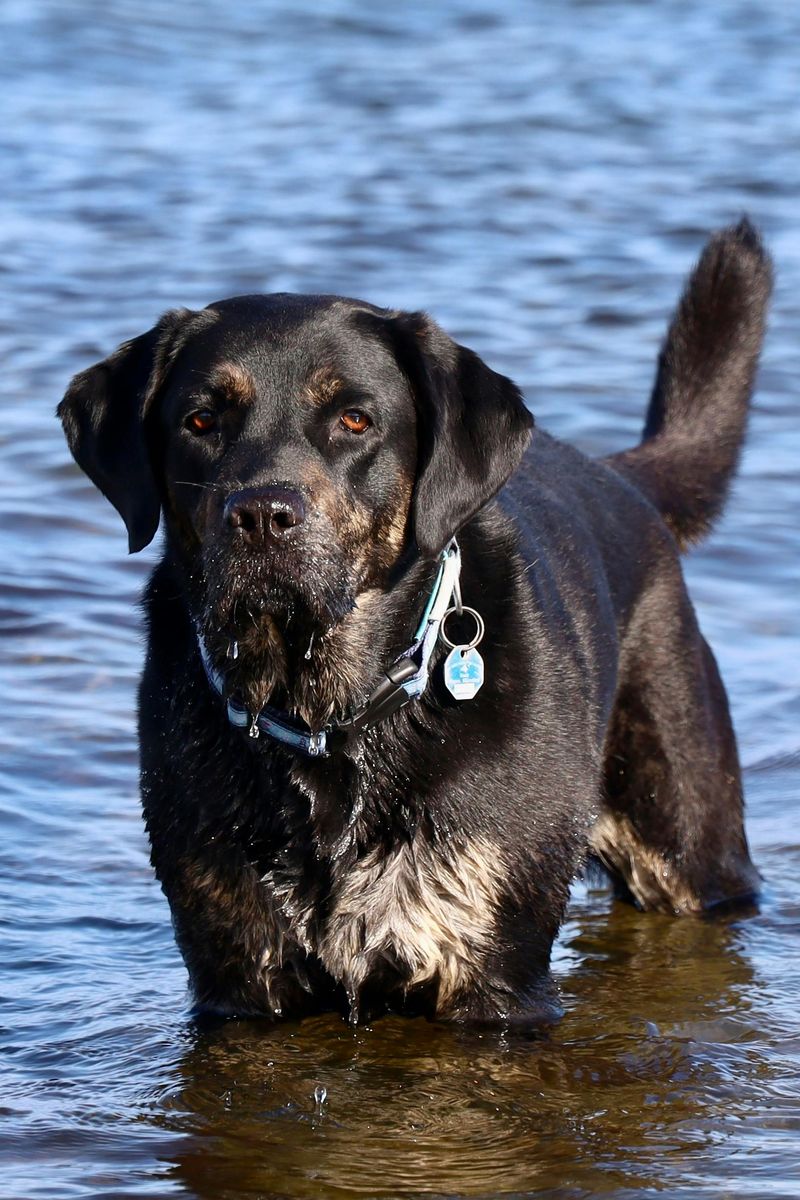
Labs love water, and water loves to linger in their dense coats. That lingering moisture warms up under summer sun and turns tiny nicks or flea bites into hot spots.
The chest, rump, and cheeks are high risk after swimming sessions.
Build a post swim routine: rinse, towel, then blow dry on cool until the skin feels dry. Check for fleas or pollen buildup that keep the itch cycle going.
A breathable harness instead of a thick collar can reduce friction.
Teach a leave it command for obsessive licking. If a spot appears, trim, clean, and apply a vet guided topical.
You will catch issues early by running hands through the coat daily and trusting your nose for that yeasty smell.
Newfoundland
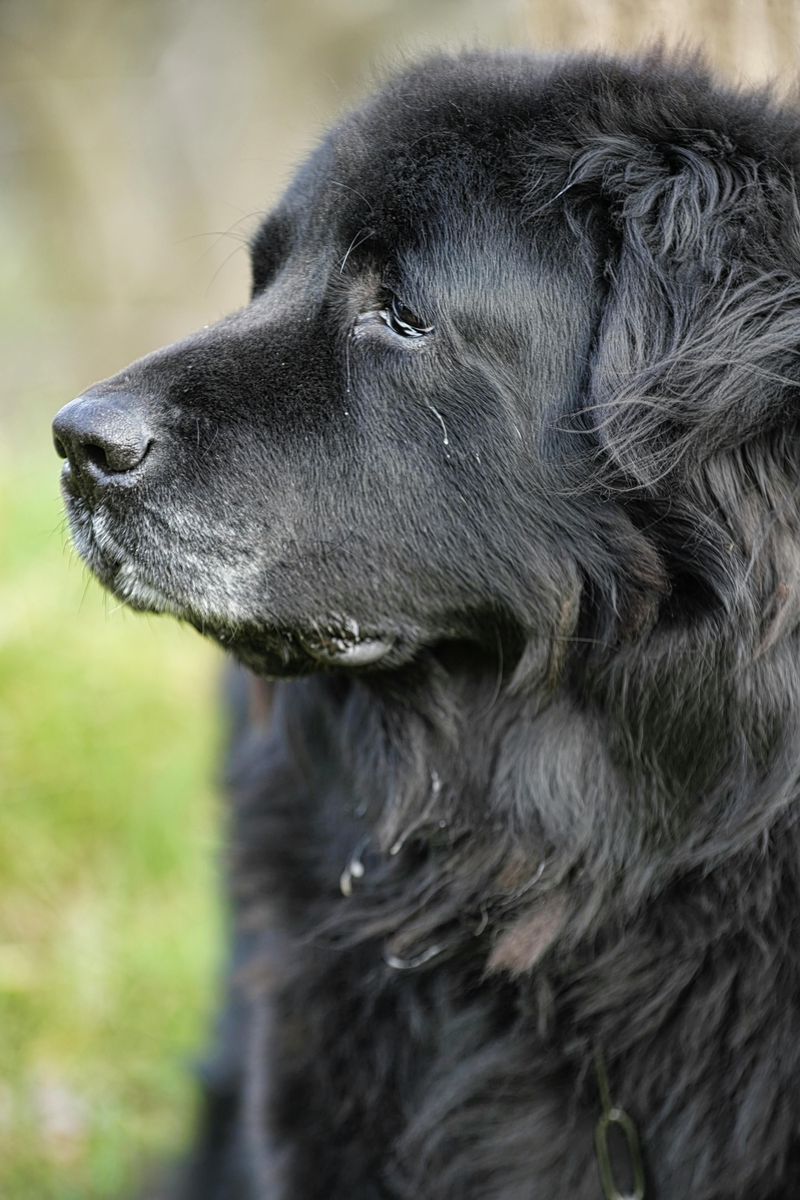
Newfoundlands are magnificent swimmers with coats built for cold water, not humid heat. In summer, that insulation traps dampness against skin creases and creates fast forming hot spots.
Look under the mane, thighs, and tail base where airflow is poor.
Schedule regular undercoat removal and use a high velocity dryer after bathing. Keep them shaded, and limit midday exercise.
A cooling mat and strategic fans help in sticky weather.
If a patch turns red and weepy, clip generously so air reaches the skin, then cleanse with chlorhexidine per vet advice. Follow with an e collar to block licking.
Consistent grooming is your best defense, along with careful drying after any water adventure.
Bernese Mountain Dog
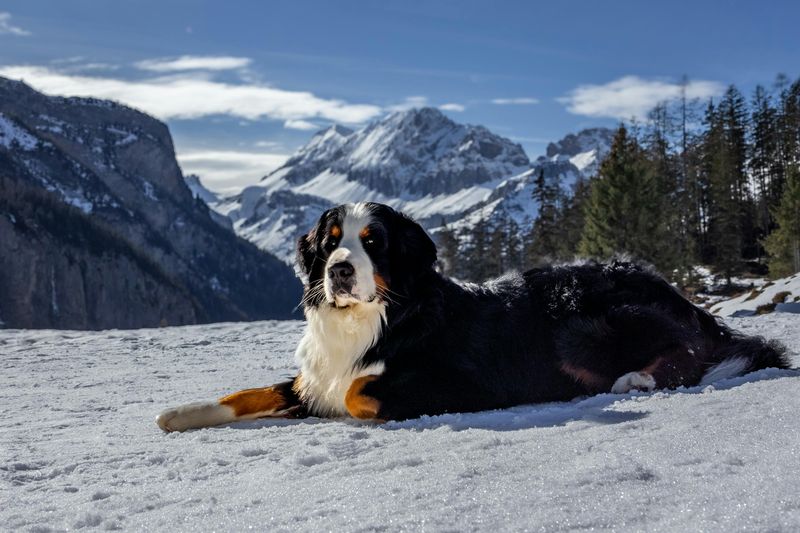
Berners wear a luxurious, heavy coat that shines in cool weather but struggles in heat. When humidity rises, sweatless skin plus dense fur equals trapped moisture and inflammation.
Hot spots commonly pop along the neck ruff, hips, and behind the ears.
Brush out dead undercoat twice weekly through summer. Keep hikes early or late, then cool down with shade and water.
After any rain or creek splash, dry to the skin, not just the surface.
Watch for lip licking, head shaking, or sudden chewing. At first sign, trim the area wide, cleanse, and contact your vet if it spreads.
Omega 3s and a balanced diet support skin resilience, while a lightweight collar reduces friction that fuels flare ups.
Great Pyrenees
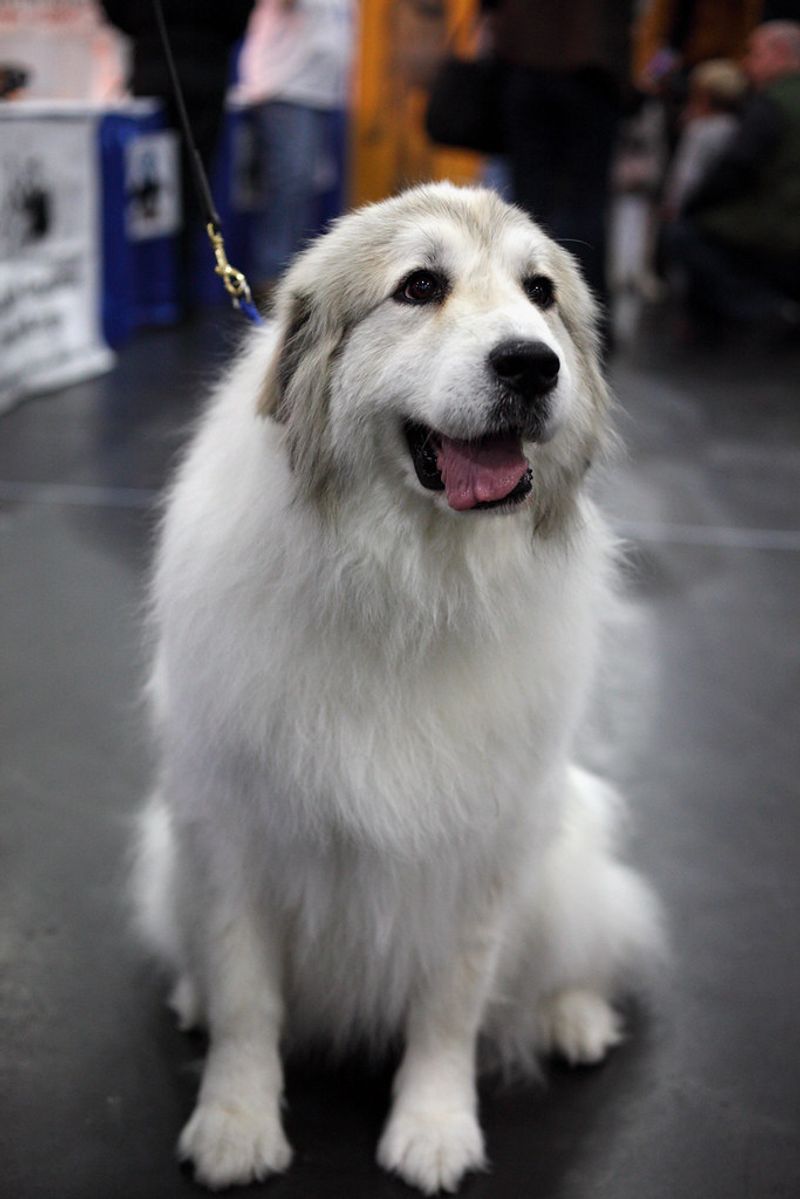
Great Pyrenees have fluffy, weather proof coats that hold heat like a blanket. In muggy weather, that blanket becomes a greenhouse for bacteria when moisture sneaks in.
The tail base, neck, and rear legs often host sudden, angry hot spots.
Keep fur clean, dry, and detangled so air can circulate. Use a long pin brush and undercoat rake to gently thin bulk.
Avoid heavy collars or matted feathering that traps sweat and drool.
Check daily after evening walks. If you feel a warm, sticky patch, clip and disinfect promptly, then block licking.
Consider allergy management with your vet, since seasonal triggers can start the itch that spirals. Consistency with grooming and cooling breaks will save summer sanity.
Rough Collie
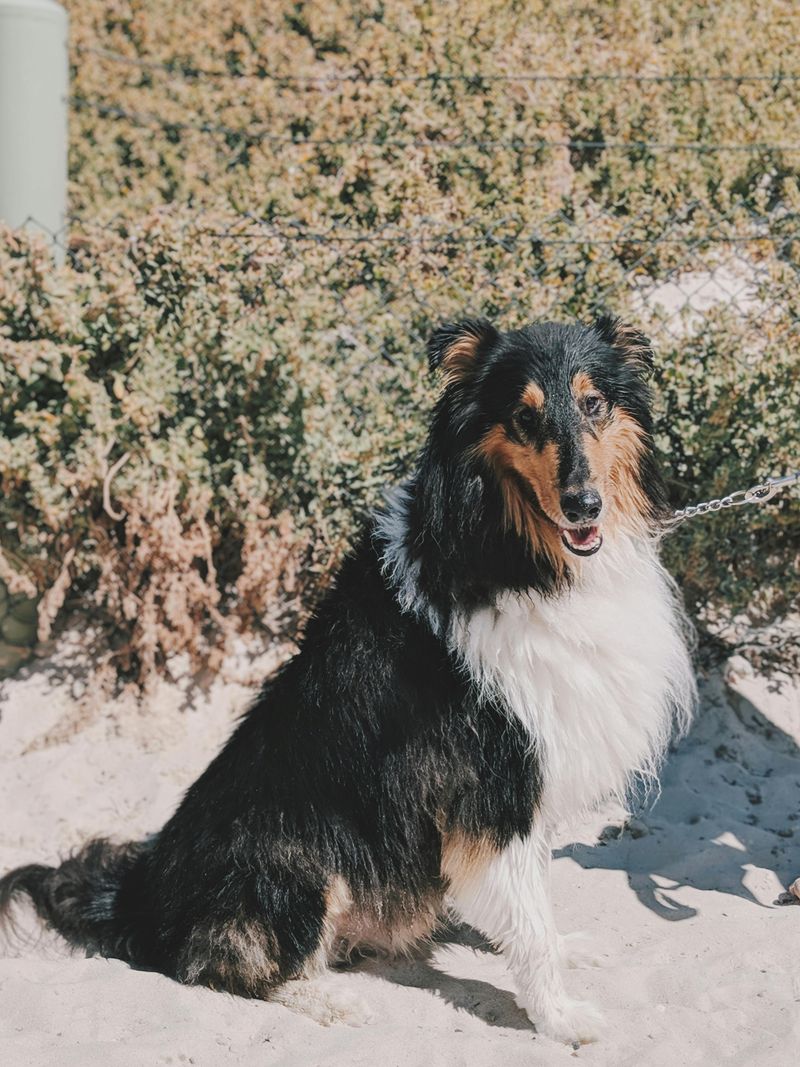
Rough Collies carry a glamorous double coat that hides skin drama until it is suddenly severe. Warm weather plus trapped undercoat near the ears and collar line invites hot spots.
Add pollen or fleas, and licking turns a small itch into a wet mess.
Commit to weekly line brushing so air can find the skin. Keep the neck trimmed slightly shorter for summer comfort.
Use cool blow drying after baths to remove deep dampness.
Train a gentle chin rest so you can inspect easily. At first ooze, clip the area and clean with your vet’s recommended solution.
If sensitivity to products is a concern, patch test first. Preventive grooming and quick action keep that luxurious coat beautiful and healthy.
Shetland Sheepdog
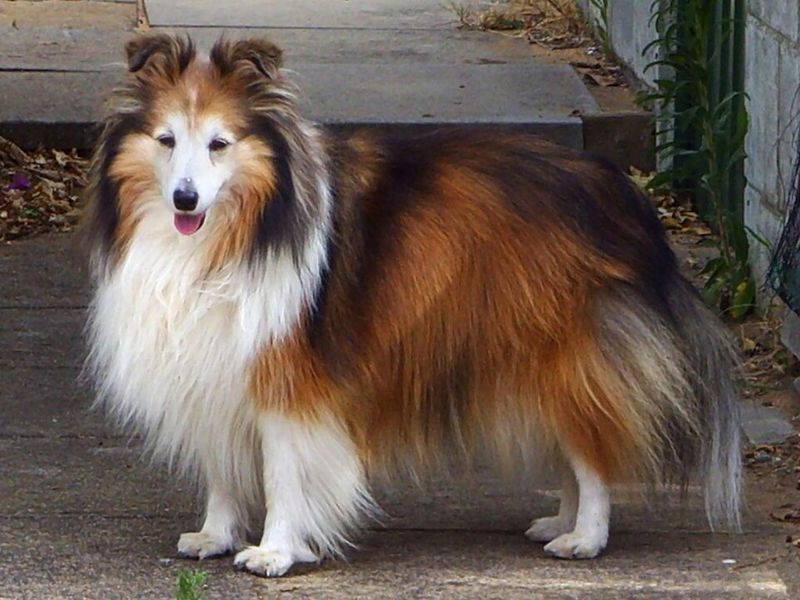
Shelties have dense ruffs and plush pants that trap humidity close to the skin. In summer, moisture plus friction from collars or harnesses sparks hot spots, especially behind ears and along the chest.
Their sensitive skin can react quickly to fleas or grass.
Brush lightly but thoroughly, focusing on line brushing the ruff. Keep gear clean and dry, rotating collars so dampness does not linger.
After walks through wet grass, towel dry and check for burrs or bites.
If a hot patch appears, trim hair wide so air reaches it, then cleanse and protect from licking. Ask your vet about anti itch strategies and omega support.
A steady routine of drying, grooming, and allergy control will keep summer comfortable.
Cocker Spaniel
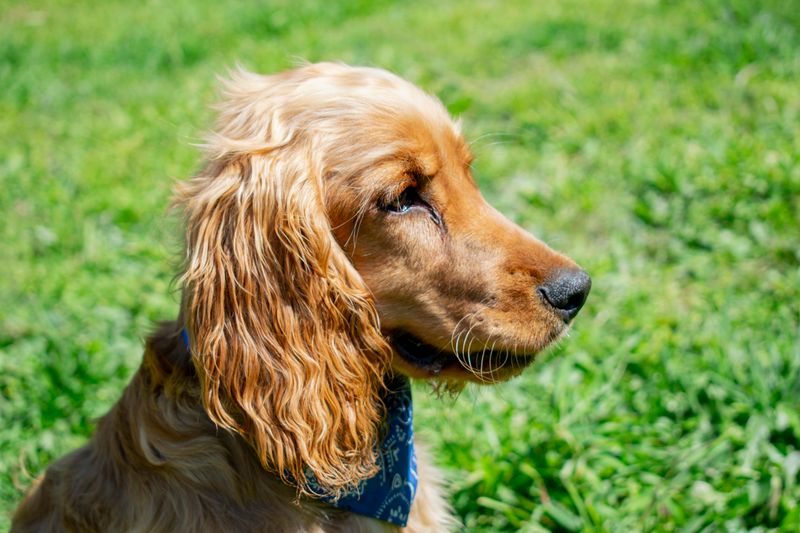
Cockers have silky, heavy ears that trap warmth and moisture, creating hot spots under the flaps and along the neck. Ear infections often kickstart licking and scratching that spirals.
In summer, even a quick garden play can leave damp fur smoldering.
Dry ears thoroughly after bathing and swimming. Keep the neck coat tidy and switch to a breathable collar.
Regularly check for yeast smell or redness and treat early with vet guidance.
Brush daily during humid stretches, and use a drying aid on problem zones. At the first sticky, painful patch, clip, clean, and stop licking with a cone.
Consistent ear care is your secret weapon. Manage allergens and fleas so the itch never gets momentum.
English Springer Spaniel
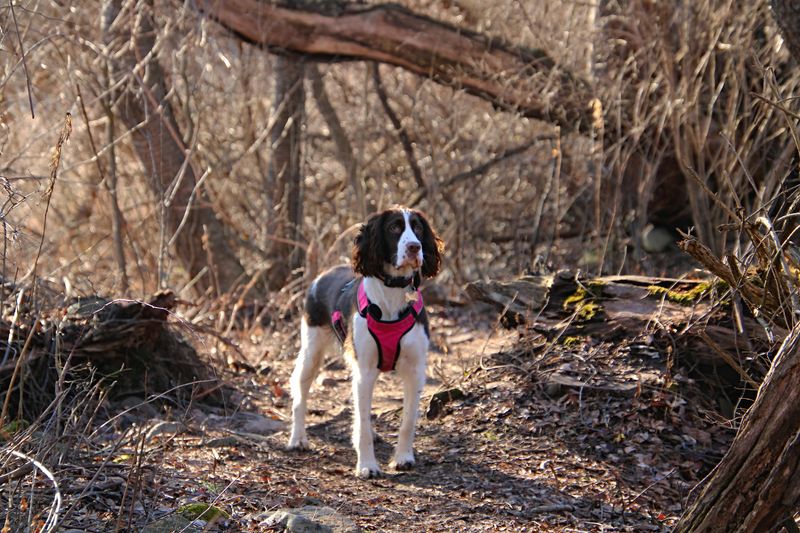
Springers are enthusiastic swimmers and brush busters, which means damp feathers and micro abrasions. That combination ignites hot spots along the chest, armpits, and hindquarters.
Summer humidity seals the deal, especially after a long day in cover.
Rinse off lake water, towel, then blow dry on cool until the skin is genuinely dry. Keep feathers trimmed to prevent matting.
Use a sport harness that breathes and dries quickly.
Do fingertip checks for heat, smell, or tacky moisture each evening. If you catch a lesion early, trim wide, disinfect, and call your vet if pain or spreading appears.
A flea and tick plan plus omega support helps skin stay calm. Consistent post adventure grooming prevents meltdowns.
Portuguese Water Dog
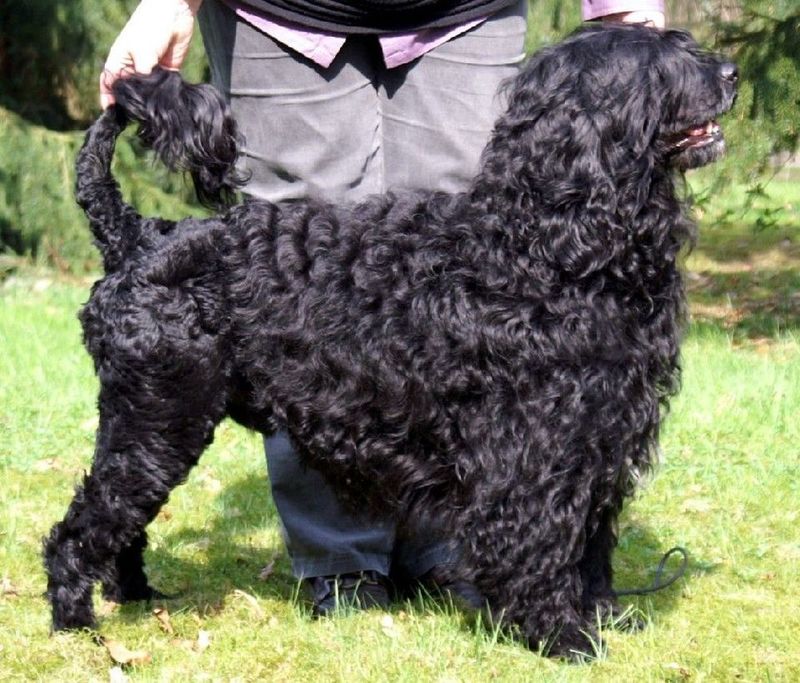
Porties live for water, and their curly coats grab moisture like Velcro. Curls compress against warm skin and create low airflow pockets where hot spots spark.
The neck under a wet collar and the tail base deserve special attention after swims.
Rinse out salt or lake water, then towel and blow dry on cool until curls are fluffy and dry to the skin. Keep a sport collar that dries fast.
Regular combing prevents tight mats that trap heat.
If licking starts, part the curls and inspect immediately. Trim and clean any hot patches and block access with a cone.
Rotate rest days between water sessions. Balanced diet, omegas, and allergy control will keep that athletic coat happy all summer.
Spanish Water Dog
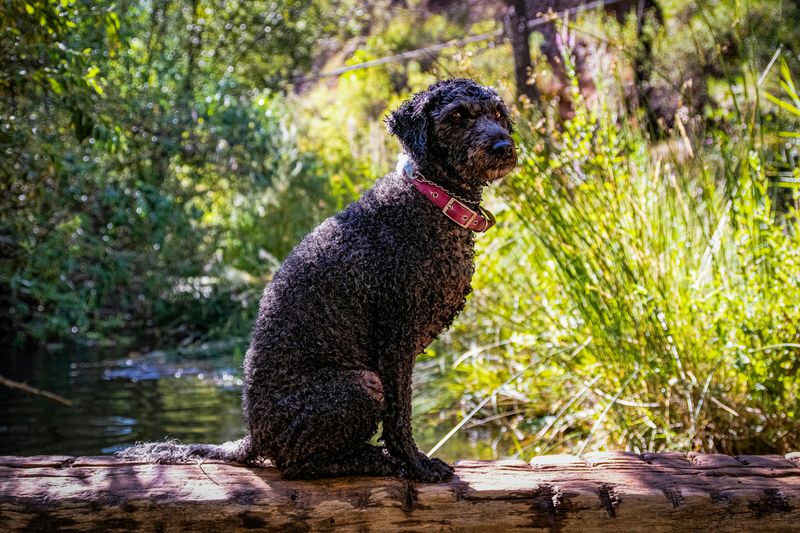
Spanish Water Dogs wear cords that naturally hold shape, but those cords can trap moisture in summer. After a swim, water hides deep and warms against the skin, accelerating hot spots.
The neck, armpits, and flanks are frequent victims when cords mat together.
Rinse, squeeze out water from cords, and air dry thoroughly with fans. Avoid brushing that breaks texture, but separate cords gently to improve airflow.
Keep gear light and quick drying.
Check for salt, pollen, or sand that irritates. If a lesion appears, carefully trim the area open, clean with vet approved solution, and restrict licking.
Plan water days with full drying time afterward. Good cord maintenance and allergy control make summer adventures smooth.
Standard Poodle
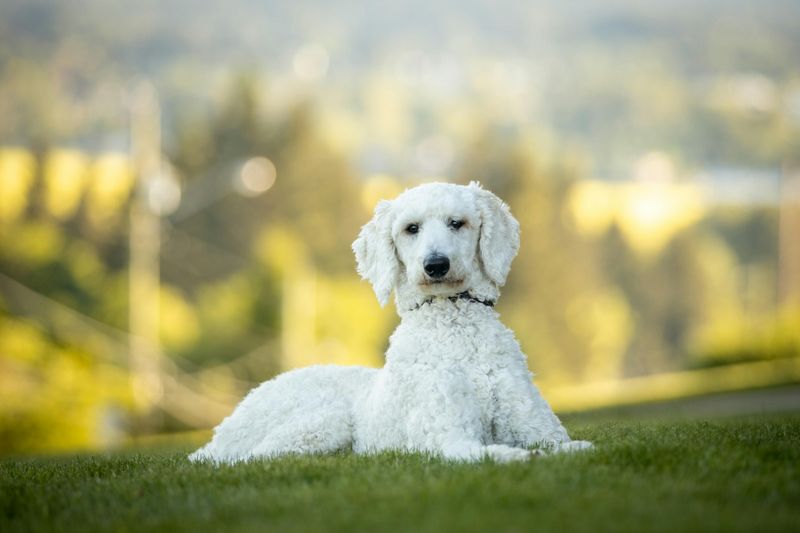
Standard Poodles have hair, not fur, but dense curls still trap moisture and heat. Summer play plus a damp coat invites hot spots, especially under harness straps and around the tail base.
Allergies can add fuel, turning a small itch into a wet lesion.
Choose a practical summer trim that allows airflow without sacrificing style. Rinse after swimming, then dry to the skin on cool.
Keep skin healthy with regular grooming and balanced nutrition.
At the first sign of licking, part curls and inspect. Clip and clean early, and use a cone if necessary.
Rotate harnesses and wash them often. With consistent drying habits and quick responses, you can keep that elegant athlete comfortable all season long.