
You have probably heard that some dogs are hypoallergenic, but the truth is more complicated. No breed is 100 percent allergen free, and the debate gets heated fast.
Still, certain breeds may help reduce sneezing and itching with the right grooming and home routine. Let’s fact check the most argued about pups so you can decide what actually works for you.
Lagotto Romagnolo
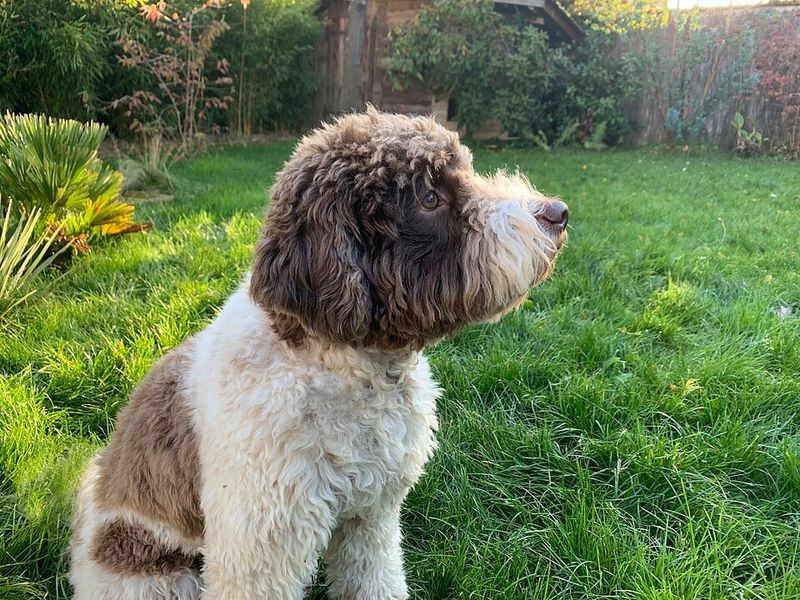
The Lagotto Romagnolo wears tight curls that trap dander close to the skin, which can reduce shedding around your home. People often call them hypoallergenic, but that label is more marketing than science.
Allergies come mainly from saliva and skin proteins, not just fur.
If you brush weekly and schedule regular trims, you may see fewer allergens floating around. Bathing every month helps, but overdoing it can dry the skin and increase flakes.
Consider a HEPA purifier and washable covers where your dog naps.
Energy wise, this breed loves problem solving and scent games. Mental work plus daily walks keep stress and scratching lower.
Meet a Lagotto first to test reactions, then plan a grooming routine you can keep.
Barbet dog
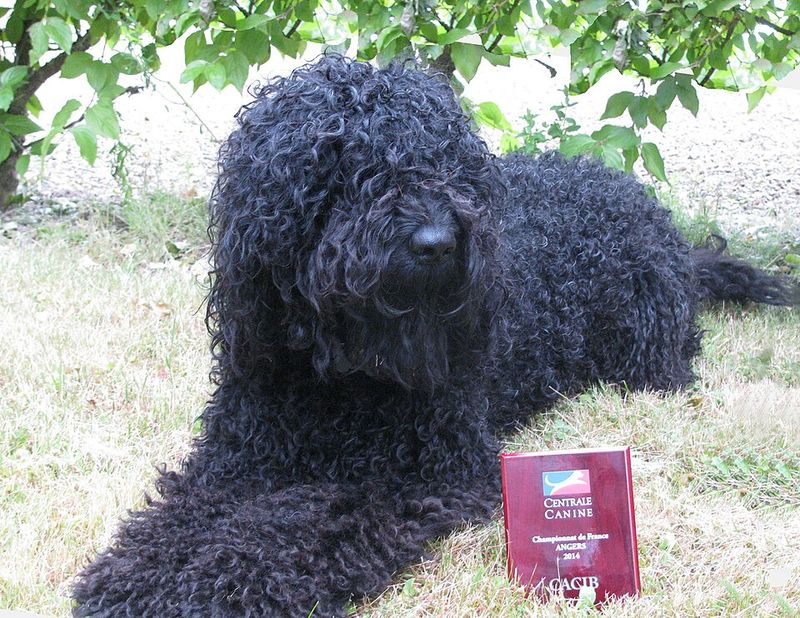
The Barbet has a shaggy, wool like coat that seems friendly to allergy sufferers because loose hair often stays in the curls. Still, no dog is truly hypoallergenic, and protein exposure varies by person.
Saliva on toys, beds, and hands is a big trigger.
Consistent brushing prevents mats that trap dander and dust. Professional grooming every six to eight weeks can reduce airborne allergens.
Keep the muzzle clean after drinking, and wipe paws after walks to limit pollen carry in.
Exercise needs are moderate, with a playful, water loving vibe. Hydration and a balanced diet support healthy skin and fewer flakes.
Spend time with an adult Barbet before committing, then track symptoms to see if this breed fits your home.
Portuguese Water Dog
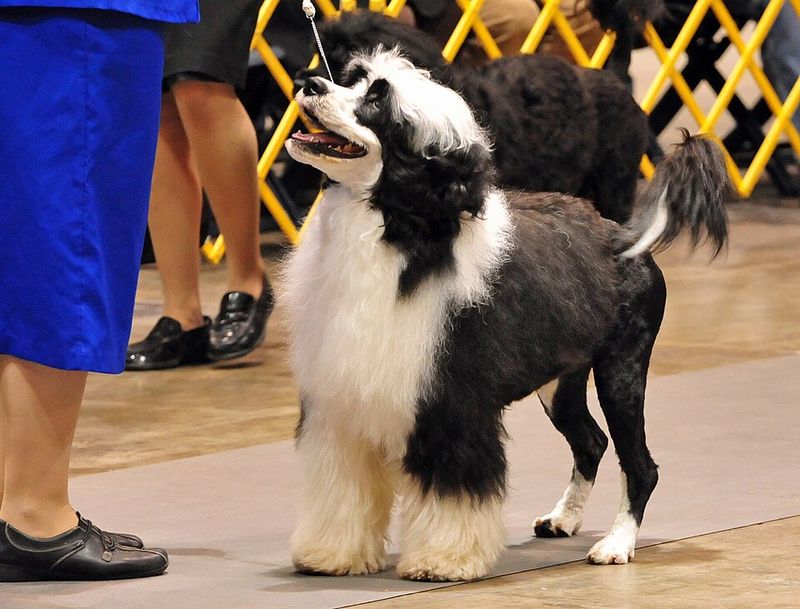
Portuguese Water Dogs are often praised as hypoallergenic thanks to tight curls and minimal shedding. The truth is more nuanced, since allergen load depends on grooming, saliva exposure, and cleaning habits.
Many families report fewer symptoms, but not none.
Plan on frequent brushing, regular trims, and ear care after swims. A microfiber towel by the door helps remove moisture that can carry dander.
HEPA filtration and frequent vacuuming with a sealed system go a long way.
This is an energetic, clever worker that thrives with training games and water retrieving. Mental enrichment reduces stress scratching and dry skin.
Meet one in person, rub the coat, then wait a day to gauge reactions before you decide.
Spanish Water Dog
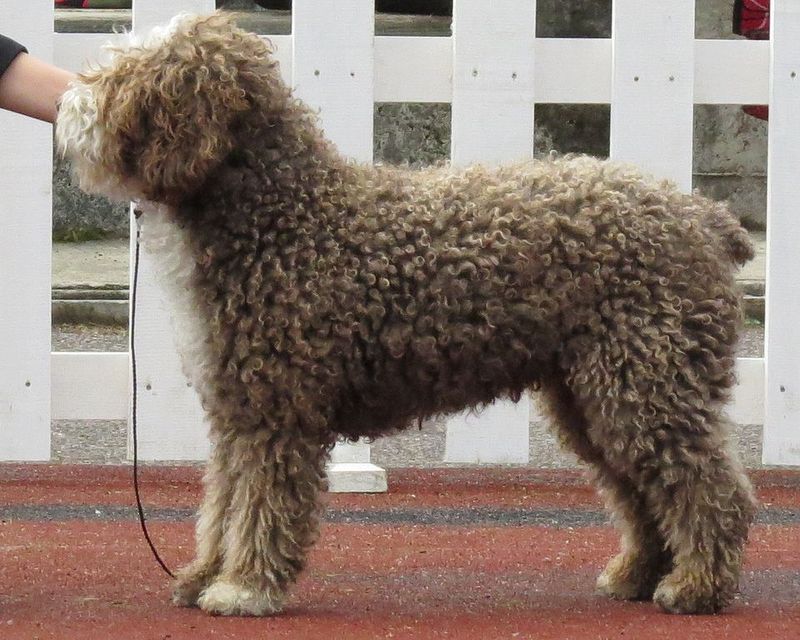
The Spanish Water Dog grows a curly coat that can be allowed to form cords. People sometimes assume cords equal fewer allergens, but it is not automatic.
Dander still exists, and saliva proteins stick to fur and furniture.
Cording requires careful maintenance and drying after swims to prevent odor and skin issues. Gentle rinses and occasional professional help keep things balanced.
Vacuum often, wash bedding weekly, and consider allergy covers for couches.
High energy and herding instincts need outlets through training and fetch. Good skin health comes from steady exercise, omega rich food, and routine grooming.
Always test your reactions around an adult Spanish Water Dog to see whether your symptoms remain manageable.
Irish Water Spaniel
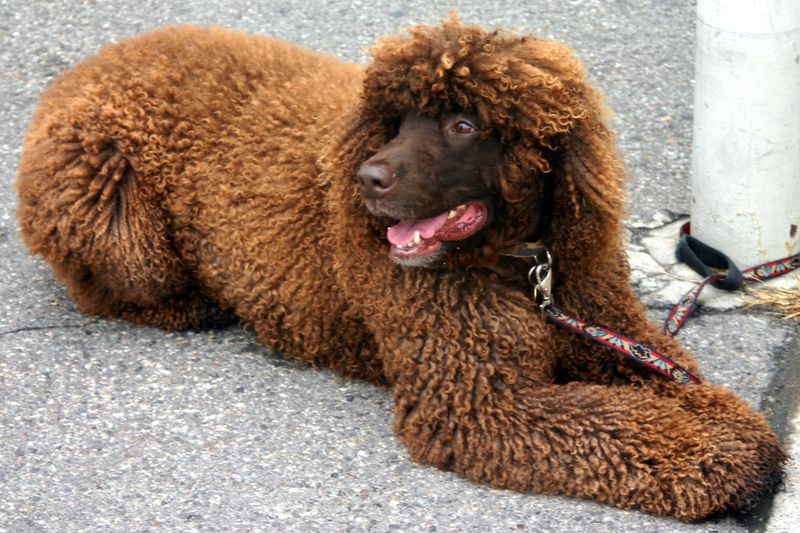
The Irish Water Spaniel has tight curls and a sleek tail, often touted as low shedding. That helps reduce loose hair, but allergens ride on skin flakes and saliva.
Expect improvement for some people, not a cure for everyone.
Weekly brushing, professional trims, and ear checks after swims are essential. A gentle shampoo schedule prevents dryness that can increase dander.
Keep a lint roller and washable throws on high traffic furniture.
This clownish athlete craves mental work and water play. Provide puzzle toys and daily training to maintain calm skin and coat.
Meet the breed at events, handle the coat, then monitor symptoms over 24 hours to decide if it truly suits your allergies.
Bichon Frise
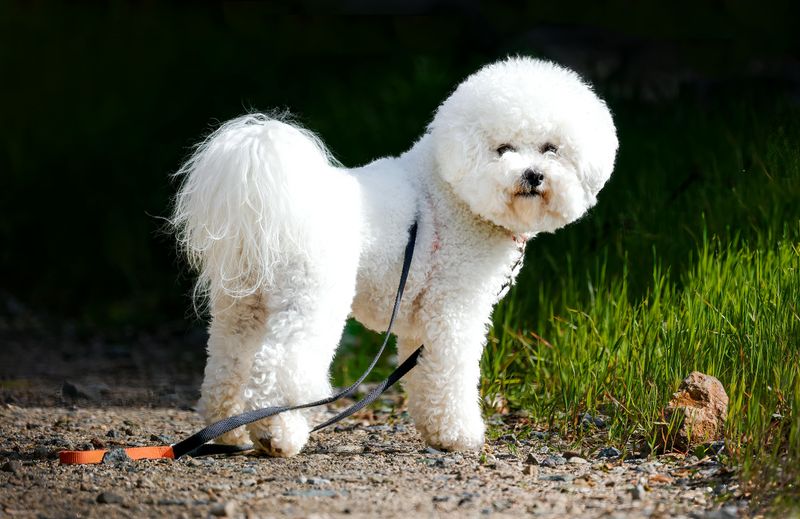
The Bichon Frise is celebrated for minimal shedding, which can help keep floors cleaner. Still, allergy triggers come from microscopic proteins, not fur alone.
Regular bathing and brushing reduce dander transfer to couches, clothes, and beds.
Schedule grooming every four to six weeks, and brush the cottony coat to prevent mats. Use fragrance free products to avoid skin irritation that increases flakes.
Keep the face clean to minimize tear staining and saliva buildup.
Personality is cheerful and adaptable for apartments. Short play sessions and daily walks meet needs without overwhelming you.
Always test time with an adult Bichon, then track sneezes, itchiness, and congestion to judge whether your environment manages allergens effectively.
Maltese
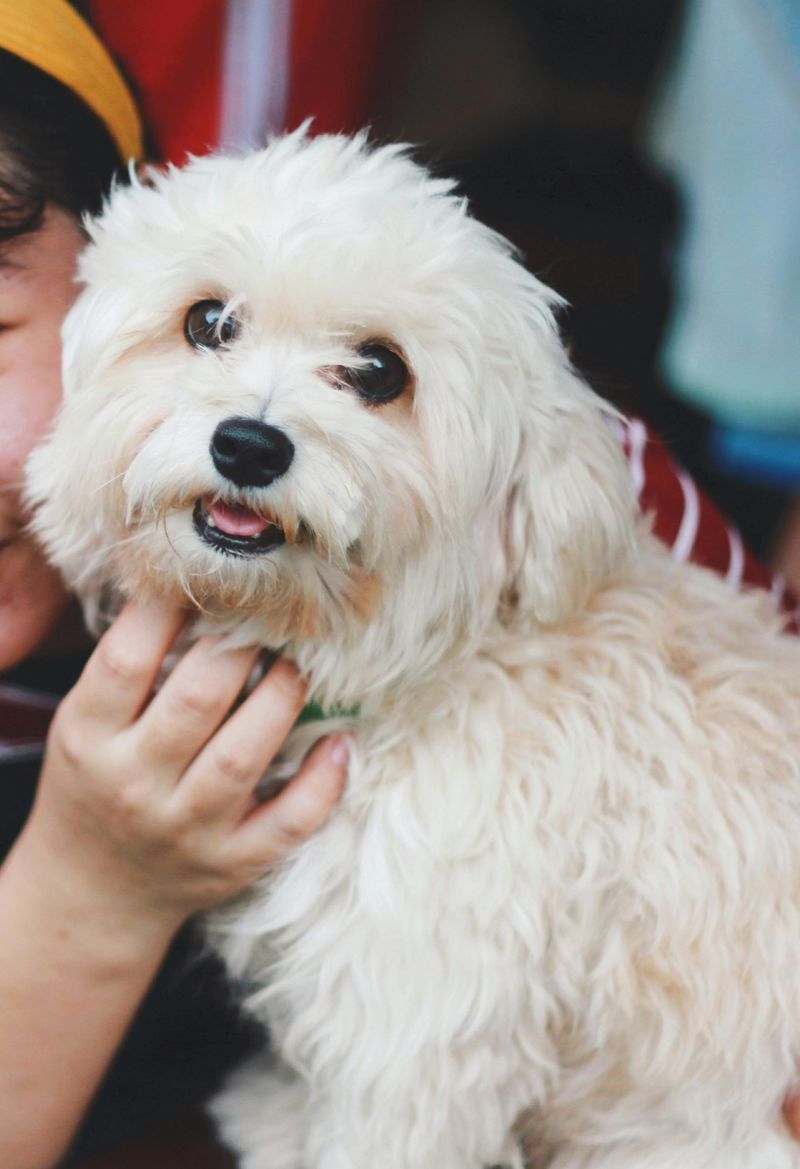
The Maltese has hair rather than typical fur, shedding very lightly. That can reduce visible mess, yet allergens still appear in saliva and skin debris.
Regular face wiping and tooth care are surprisingly helpful for sensitive owners.
Frequent brushing prevents tangles and mats that trap dust and pollen. Choose a puppy cut if you prefer easier upkeep and fewer areas for allergens to cling.
Bathe gently and dry fully to protect skin health.
Temperament is affectionate and lively indoors. Daily strolls and training games keep stress low, which supports a balanced coat.
Before committing, spend a few hours with an adult Maltese, then monitor your reactions the next day to make an informed decision.
Havanese

Havanese coats are silky and often kept in a manageable puppy cut. Many families report fewer symptoms with this breed, but it is not universally hypoallergenic.
Dander control comes from steady grooming and home cleaning, not magic genetics.
Brush several times a week, bathe regularly, and trim around eyes and mouth. Wash bedding often and run a HEPA purifier where your dog sleeps.
A grooming wipe after walks helps remove pollen that could bother you.
These social companions thrive on attention and training. Short daily sessions keep them confident and less prone to stress scratching.
Arrange meet and greets before adoption, and track any sneezing or skin reactions to see if Havanese life fits.
Coton de Tulear
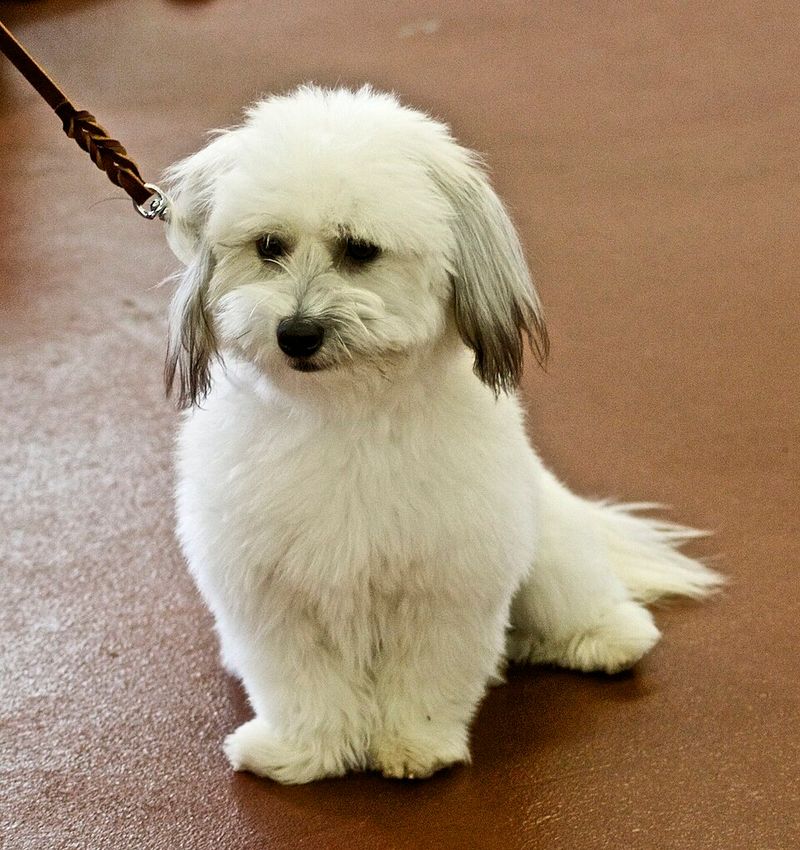
The Coton de Tulear has a soft, cottony coat that sheds lightly when maintained. People often believe that equals hypoallergenic, yet individual sensitivity varies.
Saliva on toys, blankets, and hands can still spark symptoms.
Daily brushing prevents tangles that trap dust and pollen. Gentle baths and careful drying support skin health and reduce dander.
Keep a vacuum with a HEPA filter, and consider washable slipcovers where your dog lounges.
Temperament is affectionate and clownish, perfect for close companionship. Provide short walks and indoor games to meet needs without overtaxing you.
Always schedule extended time with an adult Coton, then review symptoms the following day to evaluate fit honestly and realistically.
Bolognese
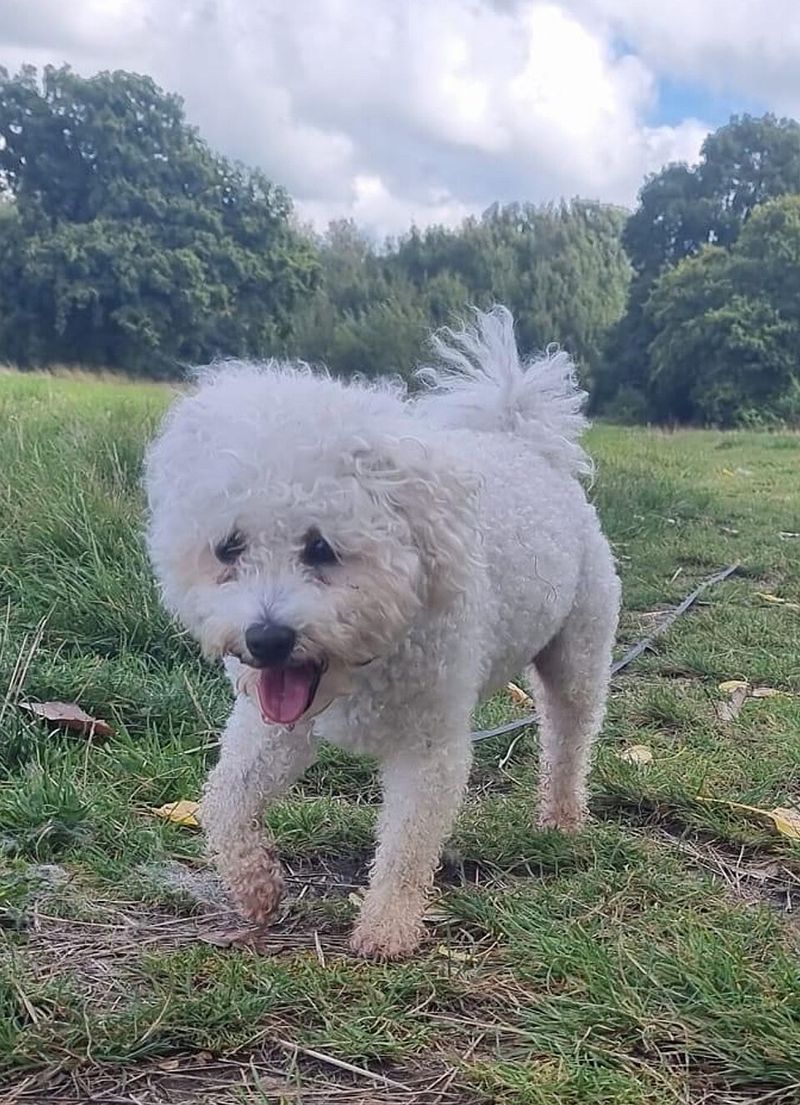
The Bolognese sports a fluffy, low shedding coat that often stays close to the body. Less hair in the air can help, but allergens still come from skin and saliva.
If you are sensitive, manage the environment as much as the coat.
Consistent brushing, periodic trims, and balanced nutrition maintain healthy skin. Wash bedding weekly and wipe the dog after outdoor play to reduce pollen.
A small HEPA purifier near the crate or bed adds another layer of control.
Calm, loyal, and people focused, this breed fits apartment life well. Training games and short walks meet activity needs.
Visit an adult Bolognese, interact closely, then wait a full day to measure whether your reactions remain comfortable enough.
Lowchen
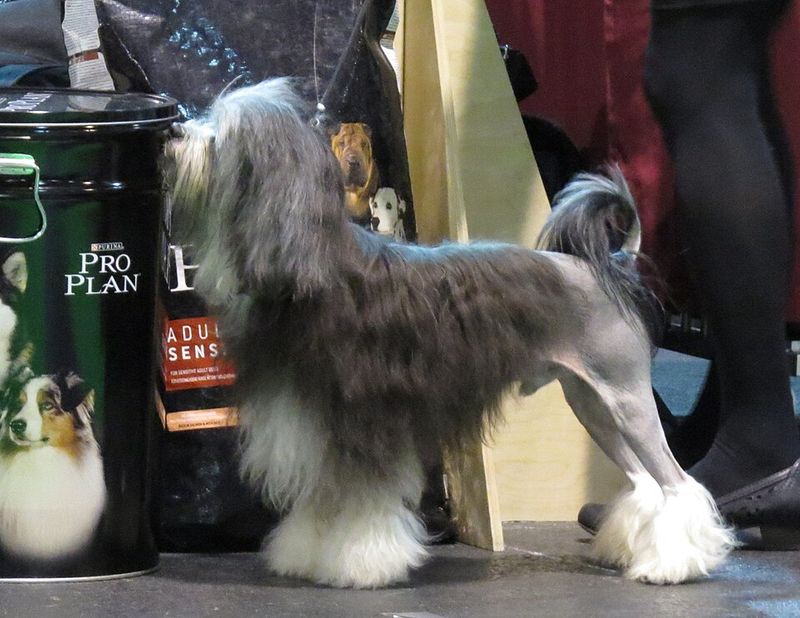
The Lowchen, or Little Lion Dog, is often groomed in a lion trim that reduces loose hair. Shedding is modest, which some allergy sensitive people appreciate.
Still, proteins in saliva and dander are the real culprits.
Brush several times a week and plan regular professional grooming. Keep chew toys washable, and rotate clean blankets to limit buildup.
Good skin comes from a balanced diet rich in omega fats and steady hydration.
Temperament is upbeat and people oriented, excelling with positive training. Short, fun sessions reduce stress that can worsen skin flakes.
Meet a Lowchen in person, handle the coat, and monitor symptoms the next day to judge whether this breed matches your tolerance.
Xoloitzcuintli
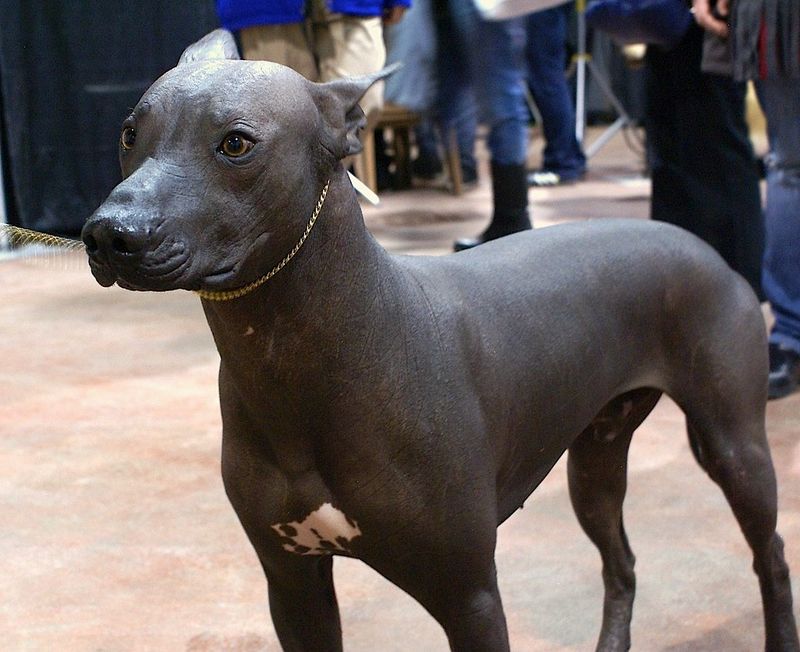
The Xoloitzcuintli comes in hairless and coated varieties. Hairless seems ideal for allergies, but skin still sheds microscopic cells and carries saliva.
Many people do better, yet reactions can remain depending on sensitivity and cleaning habits.
Daily skin care matters: gentle wipes, sunscreen outdoors, and moisturizing to prevent flakes. For coated Xolos, light brushing controls dander.
Keep bedding clean and consider HEPA filtration in rooms where you relax together.
This ancient, calm companion thrives with consistent routines. Moderate exercise and enrichment toys prevent anxiety that might trigger scratching.
Spend time around both hairless and coated Xolos to compare symptoms, then pick what your skin and sinuses truly tolerate.
Peruvian Inca Orchid
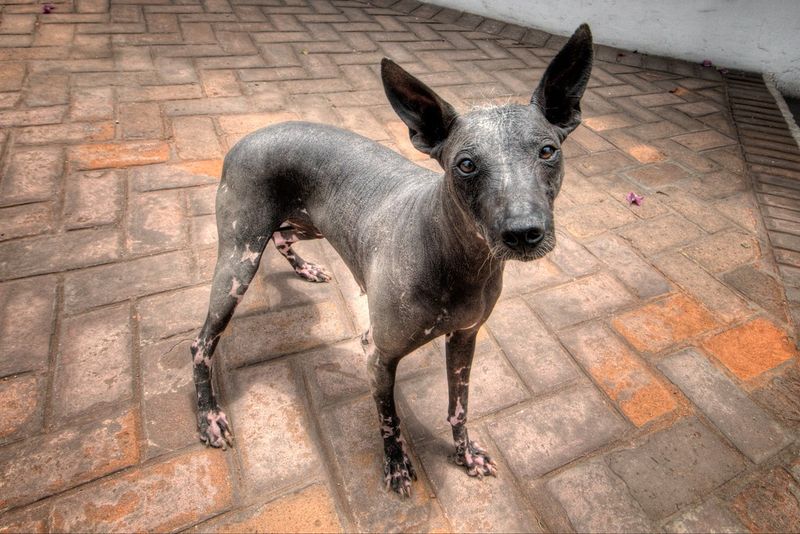
The Peruvian Inca Orchid, especially the hairless type, is frequently labeled hypoallergenic. Reduced fur can help, but skin still releases proteins that cause reactions.
Individual sensitivity rules the day, not marketing claims.
Gentle skin care is essential: moisturize, protect from sun, and avoid harsh shampoos. For coated varieties, brush lightly and bathe as needed.
Keep sleeping areas clean, and run a HEPA purifier where you spend the most time.
This elegant athlete needs thoughtful socialization and steady exercise. Calm routines support skin health and reduce flakes.
Before choosing, visit a breeder or rescue, interact for an hour, and then check your symptoms over 24 hours to decide realistically.