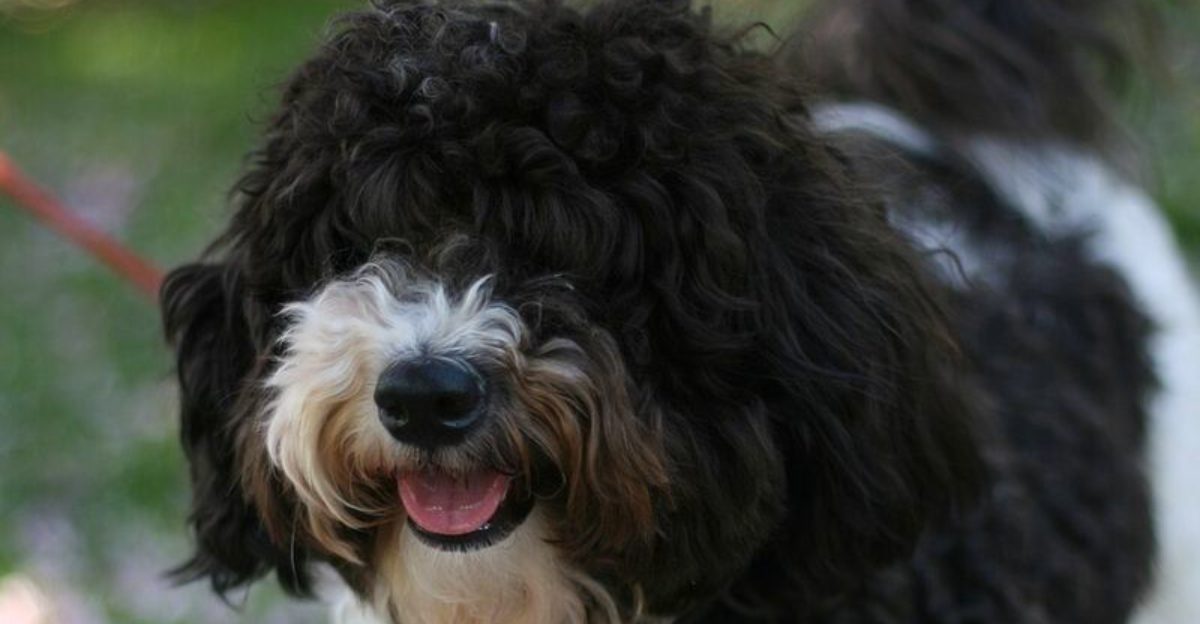
Life can change fast, from moving homes to welcoming a new baby. Some dogs adjust more easily than others and bring calm during the chaos.
Knowing which breeds roll with change can make your plans smoother and less stressful. Here are smart, friendly choices that often stay steady when everything else shifts.
Havanese
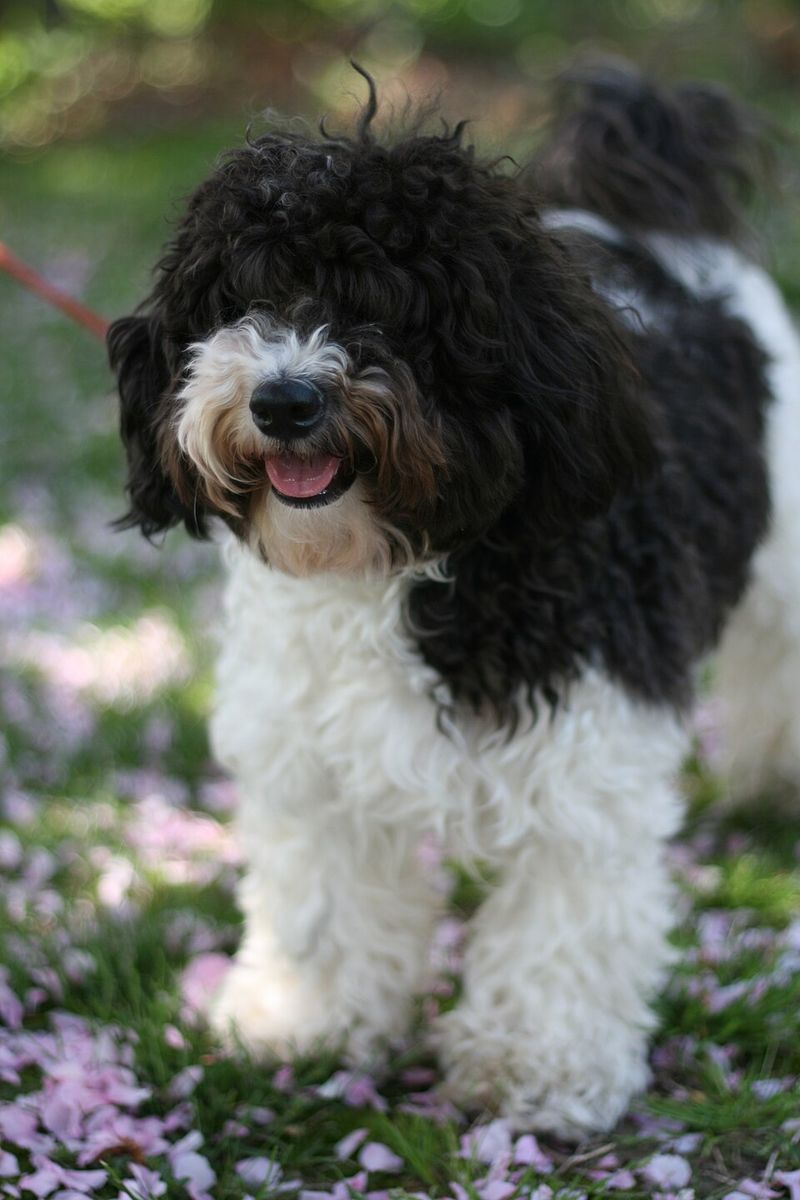
Like a tiny mood booster, the Havanese reads the room and settles in. Apartment today, house tomorrow, they just want to be near their people and learn the new routine.
Their small size makes travel and housing changes easier, and they handle moderate noise well.
Daily play and short training sessions help them feel secure. A snuggly bed placed in a quiet corner becomes their anchor.
Bonus fact: they once lived in Cuban cities, so bustle rarely rattles them.
Labrador Retriever
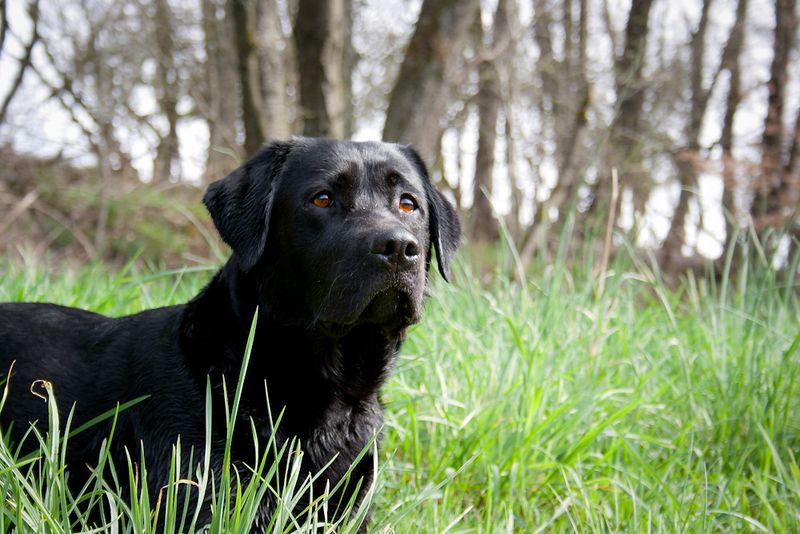
Big change on the calendar? Labs meet it with a tail wag and hopeful eyes.
Their steady temperament and love of games help families bond in new places. Long walks in a fresh neighborhood quickly build a routine, which lowers stress for everyone.
Keep minds busy with fetch, scent games, and simple jobs like carrying mail. Clear training and predictable mealtimes make transitions smoother.
Fun note: many Labs excel as service dogs because they thrive on structure.
Standard Poodle
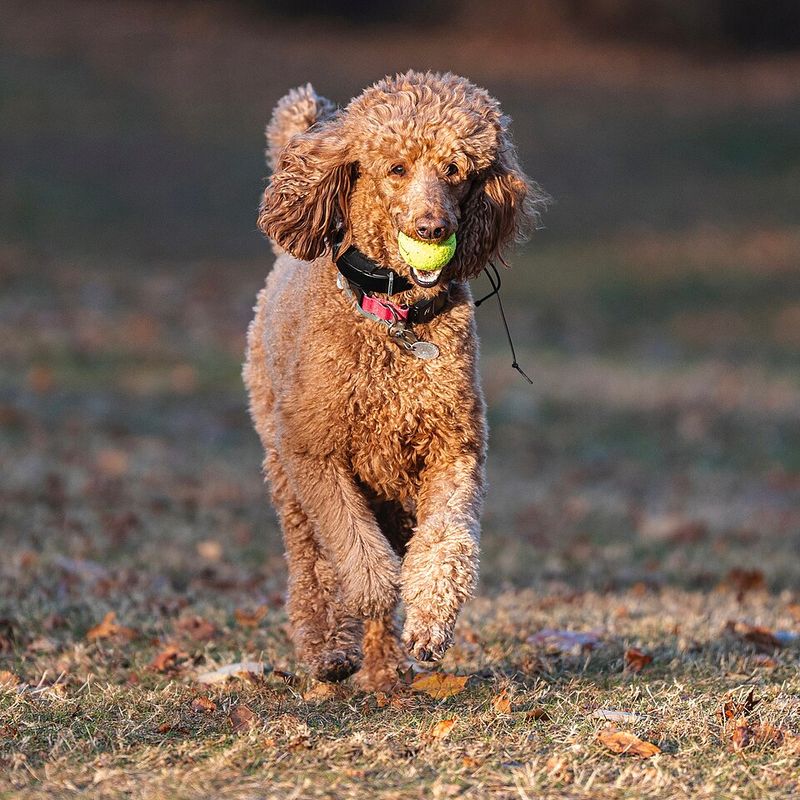
Brains and bounce in one package, the Standard Poodle treats change like a puzzle to solve. New house, new schedule, new baby sounds, they learn swiftly and keep their cool.
Hypoallergenic coats are a plus when moving to tighter spaces or sharing rooms.
Challenge them with trick training, agility, or hide-and-seek toys to channel energy. Consistent cues create comfort.
Historical tidbit: these athletes began as water retrievers, so working with people comes naturally.
Golden Retriever
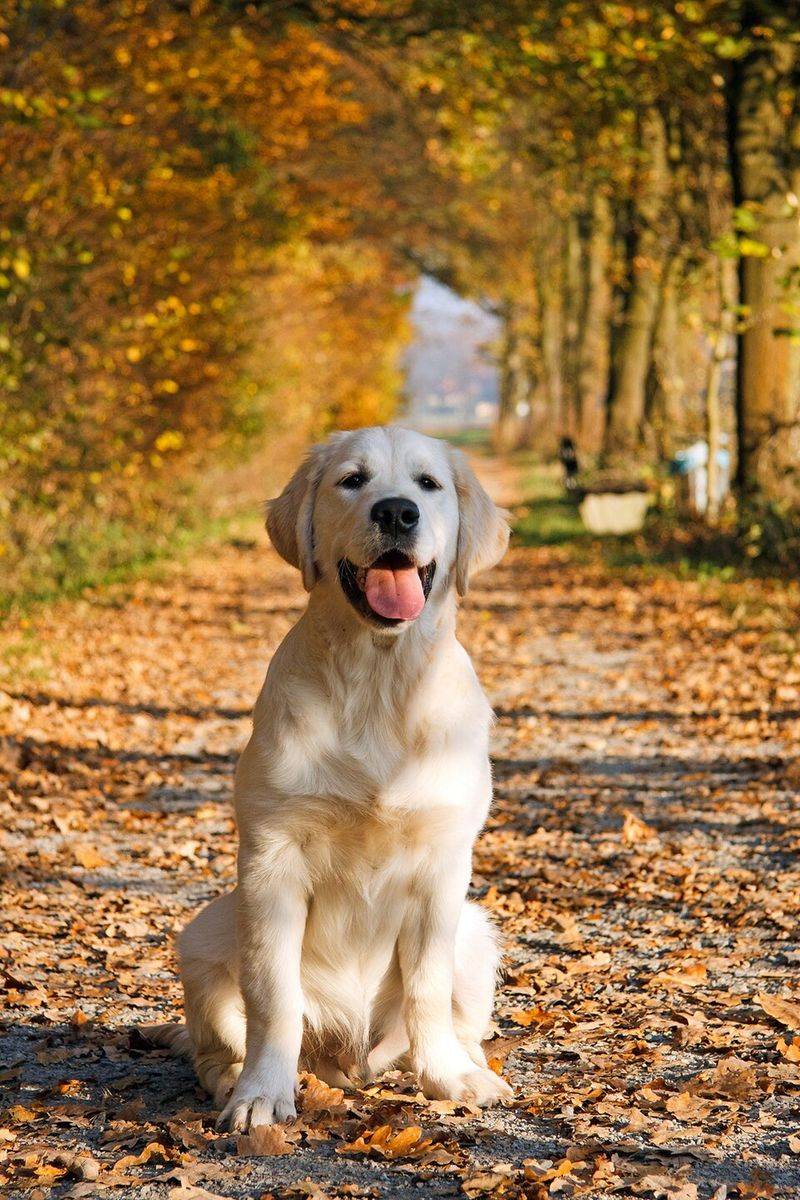
Heart-first and eager to help, Goldens make upheaval feel gentler. They read emotions well and often soothe kids during noisy, busy days.
A brisk morning walk followed by chew time helps them settle while boxes shuffle and schedules shift.
Teach simple jobs like finding dropped items or greeting guests politely. Positive reinforcement keeps confidence high.
Fun history: Goldens were bred for patience in the Scottish Highlands, which explains their calm problem-solving style.
Portuguese Water Dog
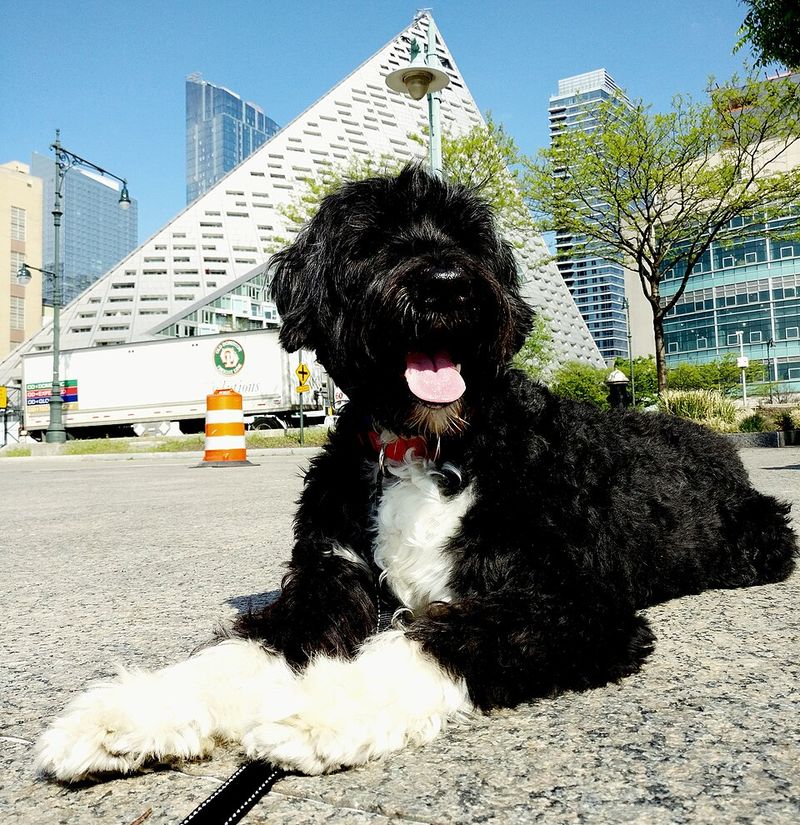
Adventure calls, and the Portuguese Water Dog answers with enthusiasm. New city, new trails, or a job change with earlier mornings, they match the pace and enjoy learning fresh routines.
Their athletic nature and eagerness to work keep minds busy and stress low.
Plan daily exercise and short training bursts, especially around water play or fetch. Clear boundaries prevent restlessness.
Maritime roots in Portugal gave them stamina and teamwork, perfect for families on the move.
Boston Terrier
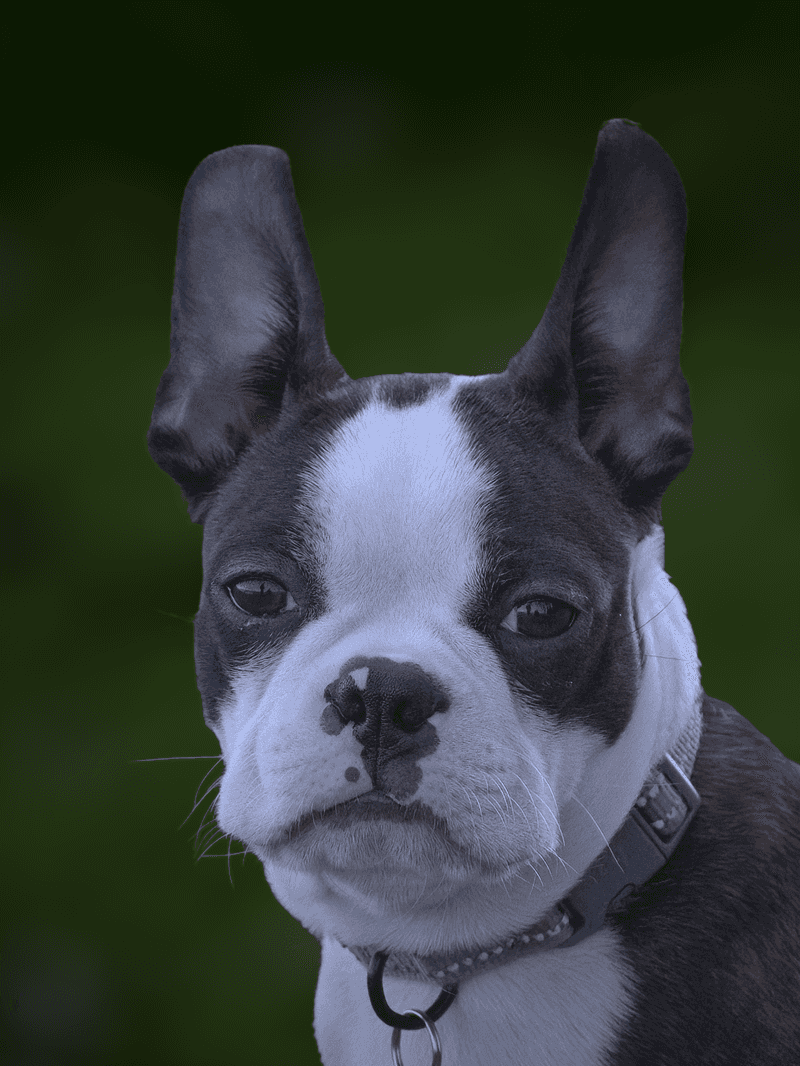
Small body, big personality, the Boston Terrier rolls with tight spaces and shifting plans. City moves, roommates, or changing work hours are easier with their upbeat charm.
They bond quickly, nap happily, and rarely overreact to typical apartment sounds.
Short play sessions and mental games curb zoomies. A comfy crate or covered bed becomes a portable safe zone.
Trivia: nicknamed the American Gentleman for their tuxedo look and polite, people-focused style.
Cavalier King Charles Spaniel
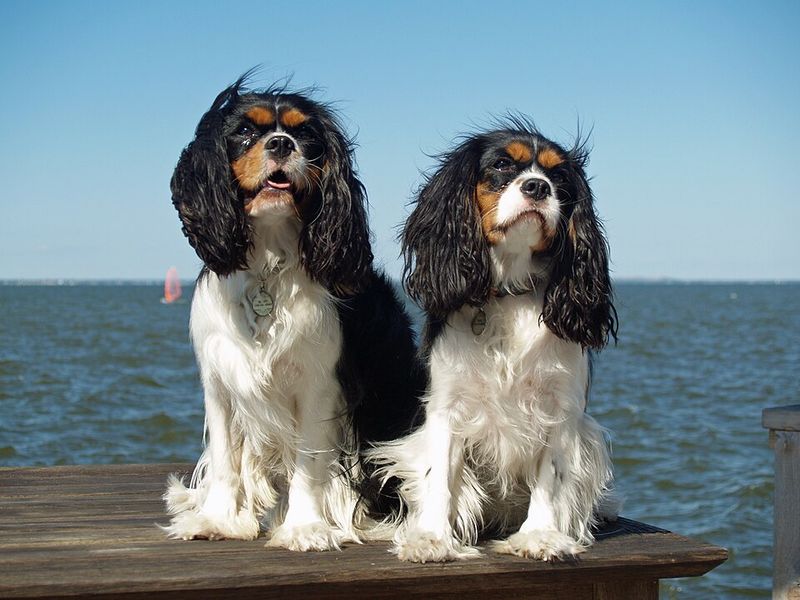
Soft eyes, softer presence, the Cavalier melts into new routines with grace. Whether you welcome a baby, care for grandparents, or change jobs, they stay close and comforting.
Moderate exercise and frequent cuddles help them feel secure when the schedule shifts.
Teach quiet settling on a mat and short, cheerful recall games. Regular grooming time doubles as bonding.
Royal connections in England gave them a lap-loving spirit perfectly suited to family changes.
Beagle
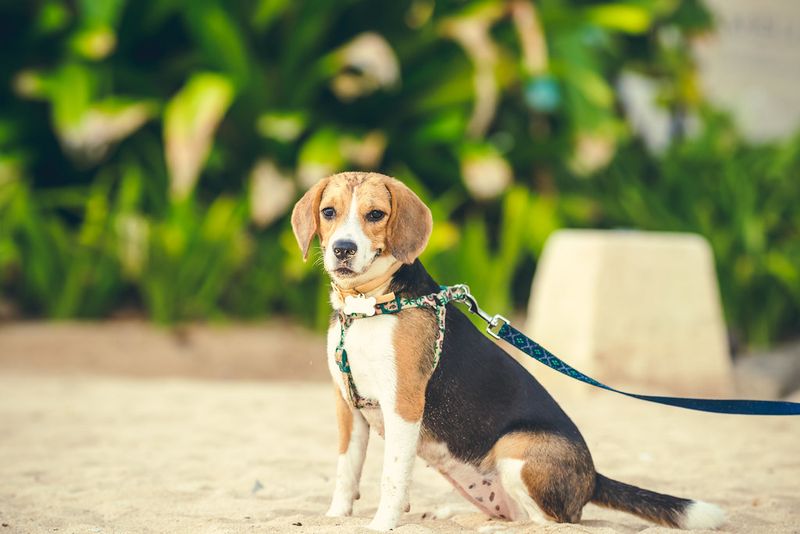
Nose first, worries later, Beagles explore new places with curious delight. Moving to a fresh neighborhood becomes a sniffing safari that drains energy and eases nerves.
They enjoy meeting people, which helps break the ice with new neighbors.
Use scent games, food puzzles, and long-line walks to channel that famous nose. Clear boundaries prevent counter surfing.
Fun fact: Beagles worked in packs, so they often adapt well to busy, social households.
Bichon Frise
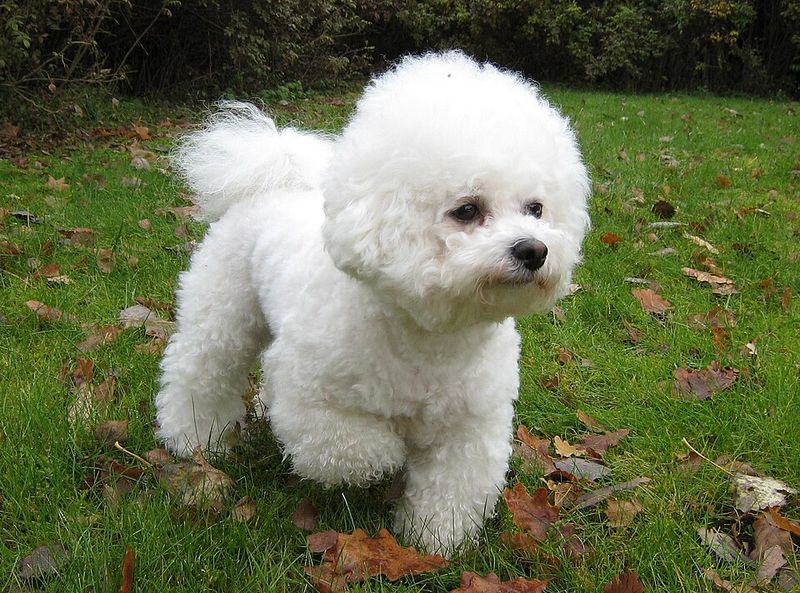
Like a little cloud of cheer, the Bichon brightens any new scene. They travel light, fit in small homes, and usually welcome guests with happy confidence.
Regular grooming and short, fun training bursts keep them focused during hectic weeks.
Set up a consistent potty schedule and reward calm behavior when visitors arrive. A soft carrier or crate adds comfort during moves.
History note: once favored by sailors and nobles, Bichons are used to changing settings.
English Springer Spaniel
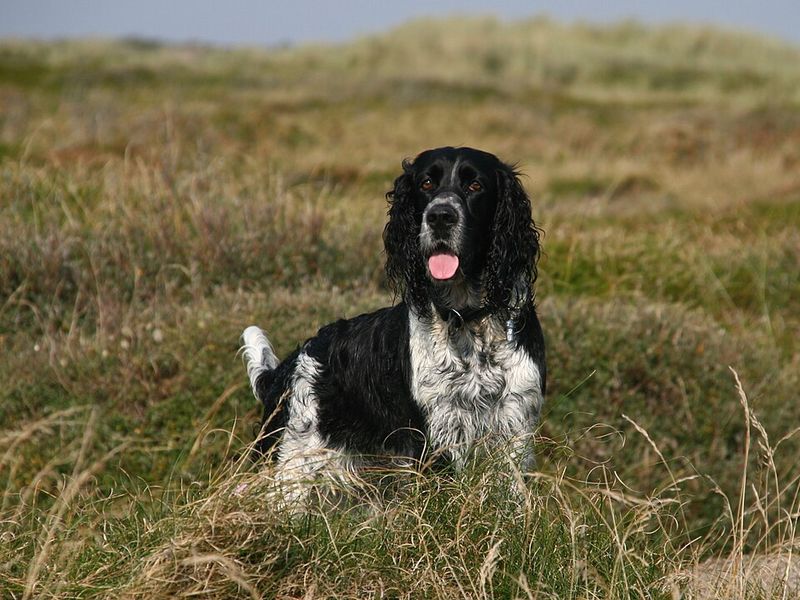
Energy with manners sums up the English Springer Spaniel. New job with earlier mornings or a bigger backyard, they respond well to structure and play.
Daily exercise, especially fetch or field games, smooths out the jitters that come with change.
Teach impulse control with sit-stays and place training. Rotate toys to keep their mind engaged.
Originating as skilled hunting partners, Springers thrive when given a purpose, making transitions feel like team projects.
Flat-Coated Retriever
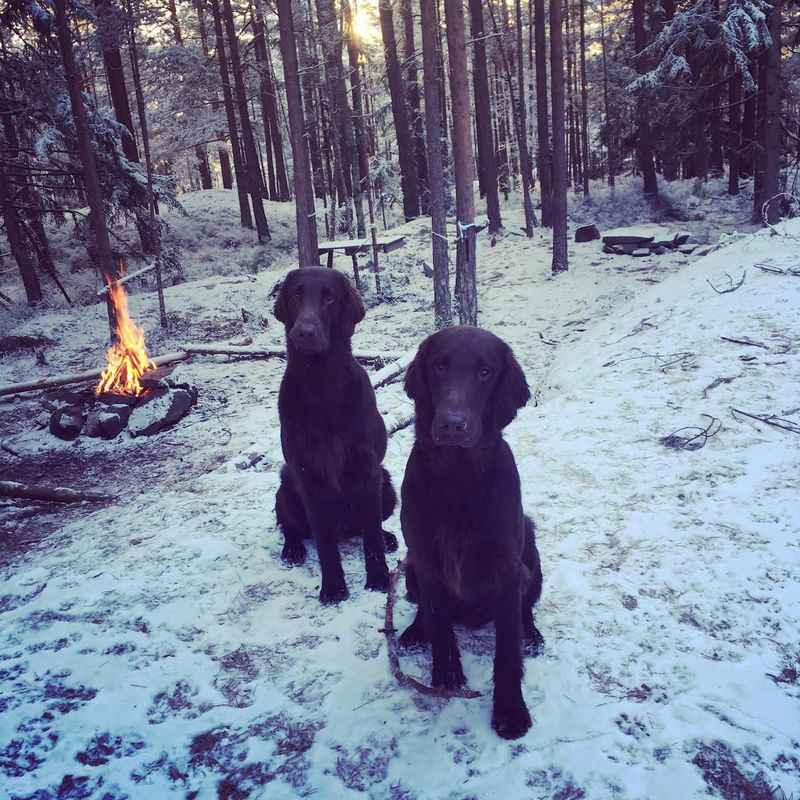
Known as the Peter Pan of retrievers, the Flat-Coat keeps spirits high when plans change. Their optimistic outlook helps families settle into unfamiliar spaces.
Long hikes, swimming, or jogging sessions provide the structure they crave and reduce restlessness.
Use upbeat training and clear boundaries to guide that enthusiasm. Food puzzles and search games satisfy eager minds.
British roots as versatile gundogs make them resilient, people-oriented partners ready to embrace the next chapter.