Some dogs take solo time in stride, but others struggle when the house falls silent. If your pup starts pacing, chewing, or hiding after too many lonely hours, you are not imagining it.
Certain breeds are especially sensitive to routine changes and lack of company. Learn how to recognize the signs and support your dog before anxiety takes root.
Labrador Retriever
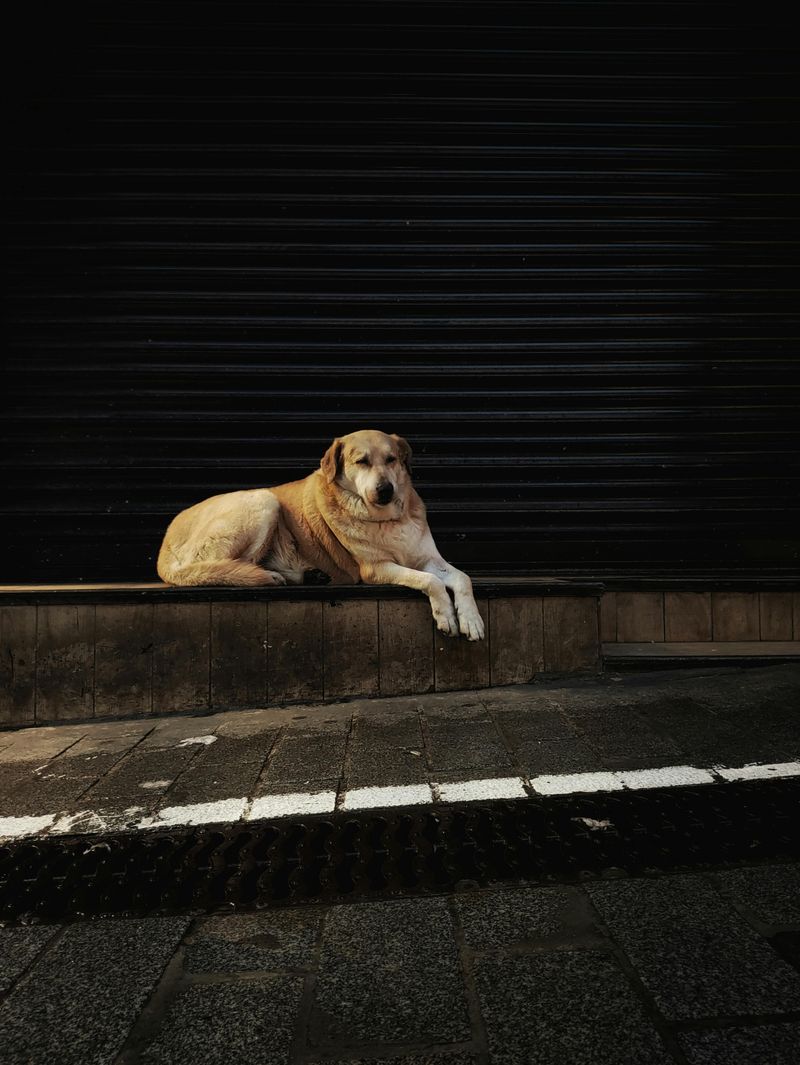
Labrador Retrievers thrive on companionship and purpose, so long stretches alone can spark pacing, whining, and destructive chewing. They are energetic, people focused dogs that crave jobs and predictable routines.
Without outlets, their big feelings can turn inward, showing up as withdrawal, overeating, or restlessness at night.
You can ease separation stress with brisk morning exercise, stuffed puzzle toys, and calm departures. Teach a solid place cue and rotate safe chews so time apart feels rewarding, not scary.
Gradually build independence with short absences, white noise, and crate or pen training if they relax there. Consistency, affection on your schedule, and enrichment walks help your Lab feel secure even when the house goes quiet inside.
Golden Retriever
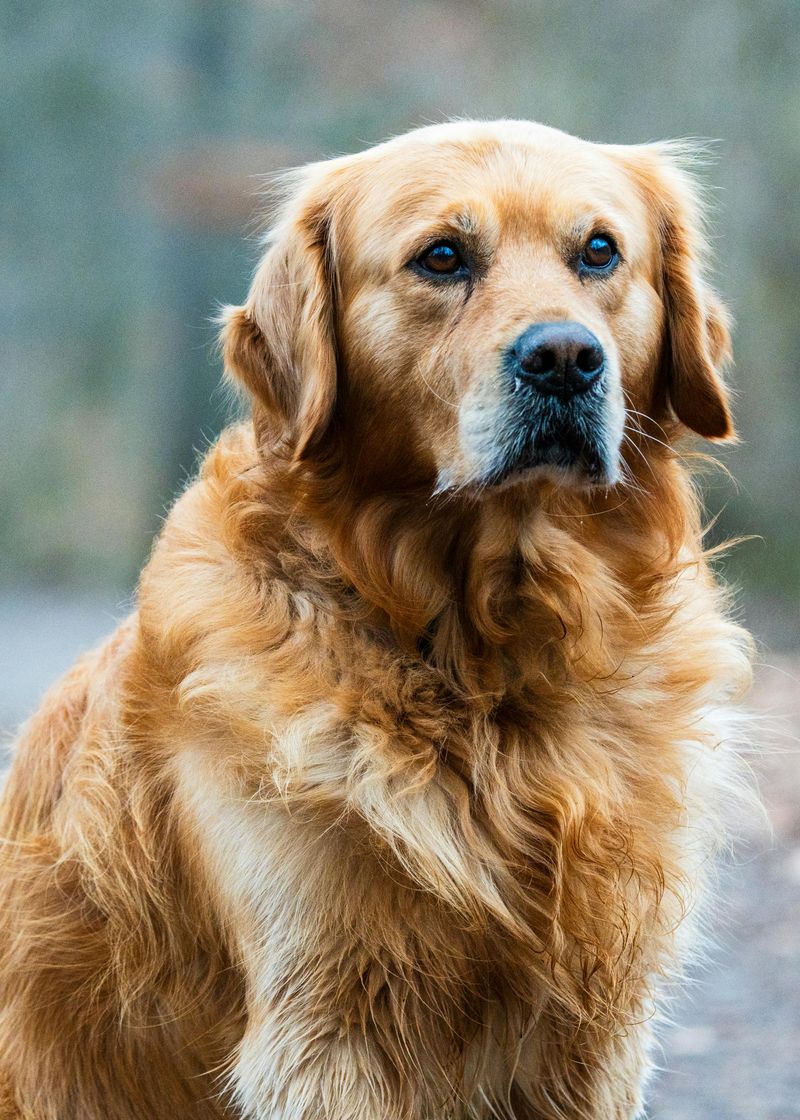
Golden Retrievers are big hearted companions that live for togetherness, so isolation can dull their shine. When left too long, you might notice shadowing, door watching, or a sad refusal to eat.
Their sensitive nature makes them quick to internalize stress, sometimes turning playful energy into quiet worry.
Help your Golden cope with structured exercise, nose work games, and stuffed Kongs that take real effort. Keep departures boring and low key, and return calmly to avoid emotional whiplash.
Practice relaxed settle sessions on a mat while you move about the home, then extend to brief, successful outings. A steady schedule, positive crate association, and regular training tune ups restore confidence and remind your soft soul they are safe.
Border Collie
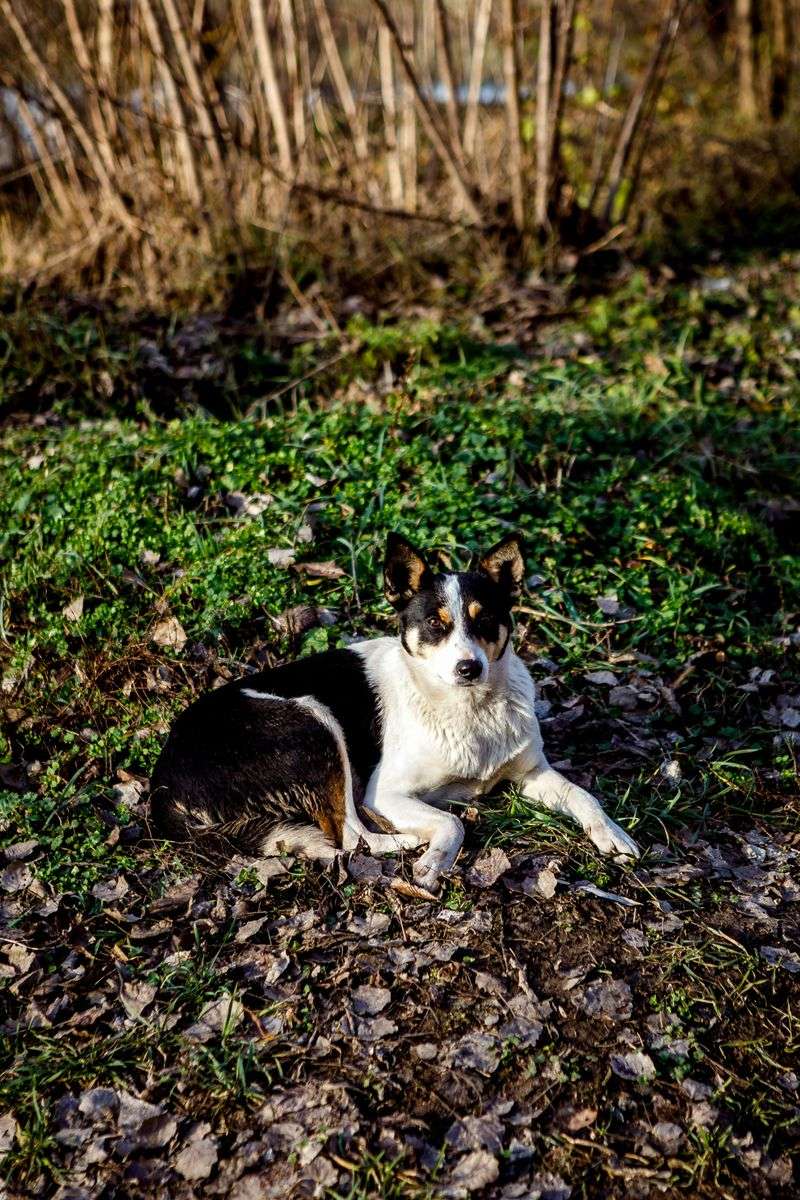
Border Collies are brilliant problem solvers with turbocharged brains, which means boredom hits hard when they are alone. Without meaningful work, they may obsess over windows, overgroom, or herd the furniture.
Their sensitivity to movement and sound can compound anxiety, creating a cycle of anticipation and frustration.
Channel that mind with scent puzzles, scatter feeding, and training drills before you go. Use predictable goodbye rituals and rotate high value chews to make solitude productive.
A cozy den space, white noise, and window film to reduce triggers can help immensely. Build duration gradually, tracking progress in a journal, and consider dog sports like treibball or agility to satisfy their purpose and soothe their intelligent heart.
German Shepherd
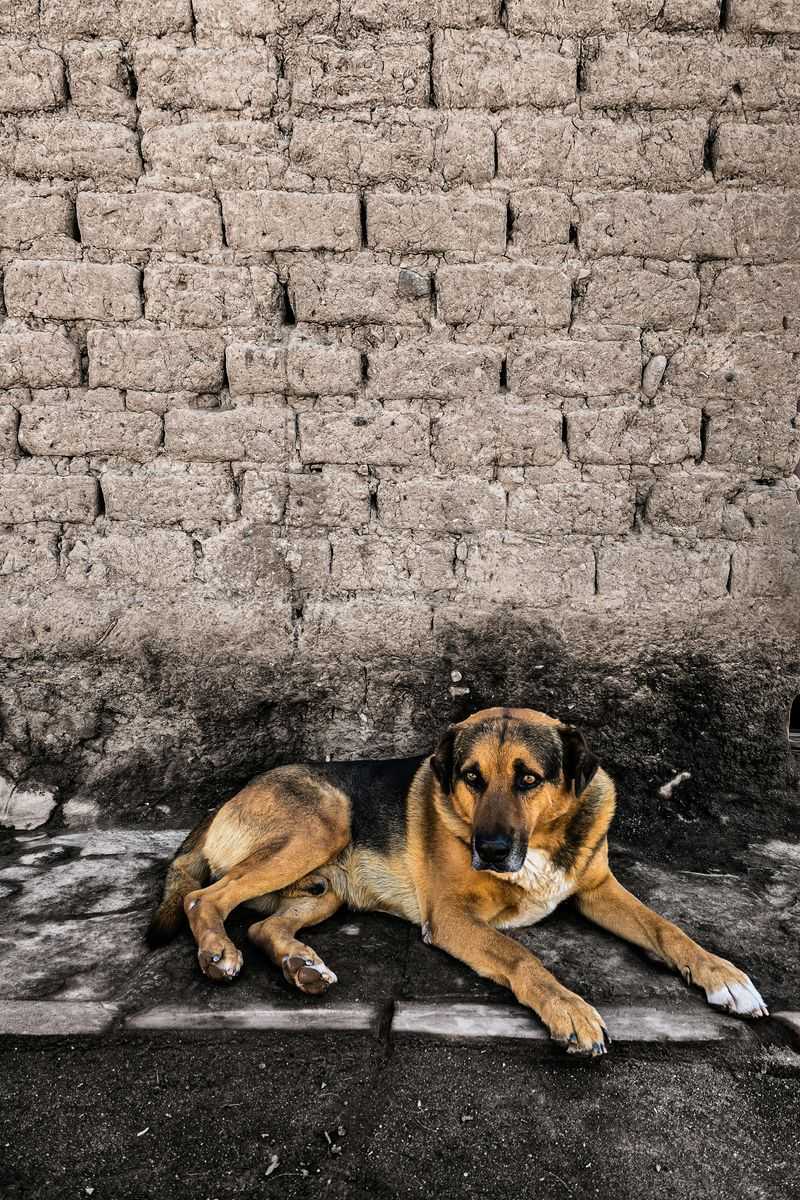
German Shepherds bond deeply and naturally guard their people, so absence can feel like a job left undone. Alone too long, they may pace hallways, vocalize, or fixate on exits.
Their powerful minds and bodies need structure, or stress can morph into reactivity or shutdown.
Prioritize morning cardio, obedience reps, and scent work to meet needs before departures. Provide a defined rest zone with a crate or bed, and teach a relax cue that predicts good things.
Keep comings and goings quiet, and offer long lasting chews to occupy their jaws. Gradual desensitization, boundary games, and predictable routines build independence, helping your Shepherd trust the process and settle while you handle life outside.
Australian Shepherd
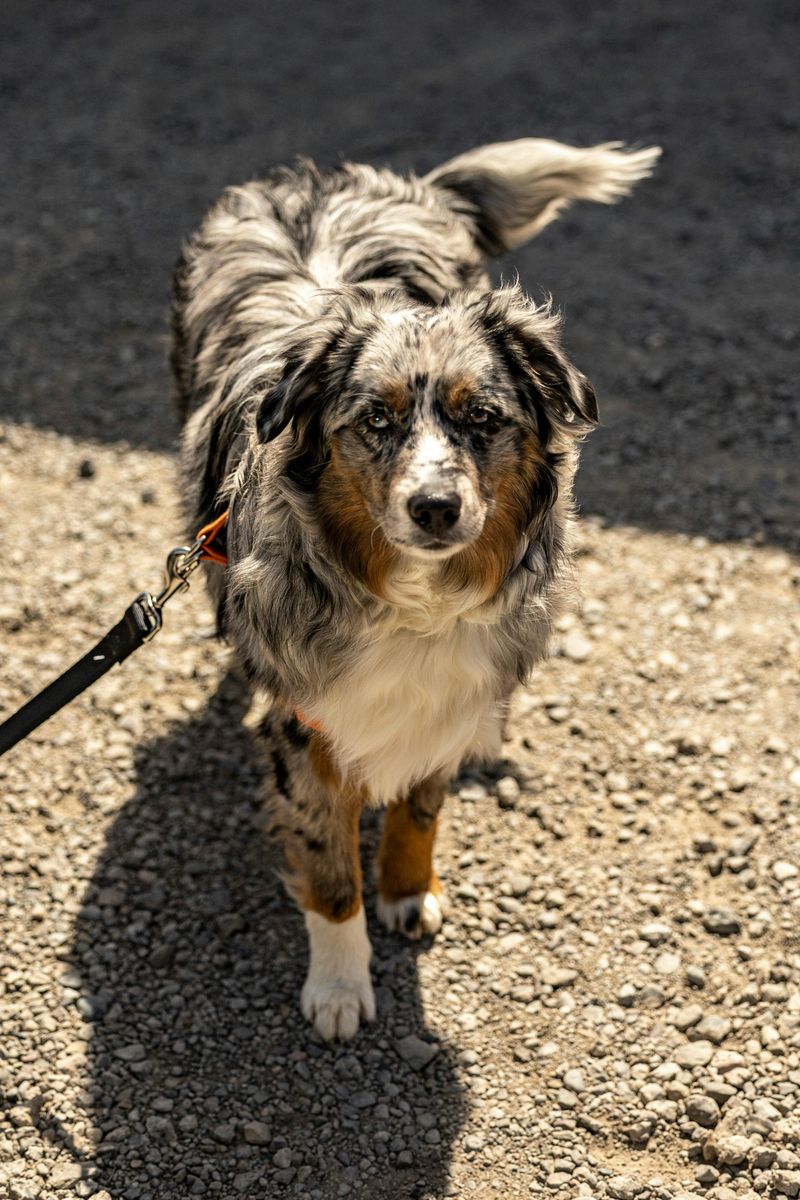
Australian Shepherds are workaholics in fluffy coats, and downtime without direction can rattle them. When left alone too often, they may spin, bark at outside noises, or guard entryways.
Their sharp minds and herding instincts crave jobs, feedback, and a rhythm that keeps stress from snowballing.
Preload the day with fetch, trick training, and sniffaris to release mental steam. Use food puzzles that take time, and reserve special chews exclusively for departures.
Teach a chill-out station with mat training, and play soothing sounds to mask triggers. Slowly increase absence durations while logging successes, and consider doggy daycare or a midday walker as backup.
Meeting their brain and body needs transforms solitude from scary to doable.
Vizsla
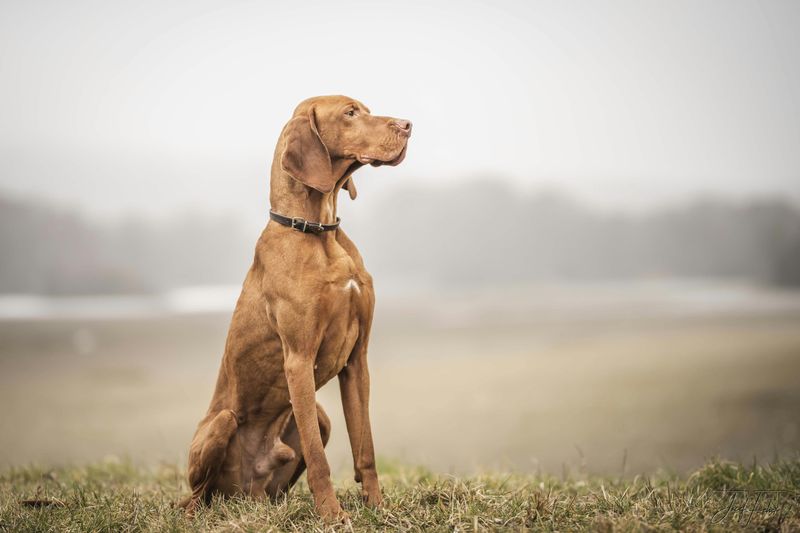
Vizslas are famously velcro dogs, shadowing their people with affectionate intensity. Too much alone time can lead to trembling, vocalizing, or frantic greeting rituals later.
Their sensitive, athletic nature thrives on closeness, clear guidance, and regular outlets for energy.
Before leaving, provide sustained exercise and calming decompression sniff walks. Make space feel safe with a denlike crate or pen, and keep blinds lowered to reduce visual triggers.
Offer stuffed lick mats and long lasting chews that encourage settling. Practice short, boring departures, gradually increasing time away as confidence grows.
Consider scent games, recall drills, and gentle massage routines to lower arousal. With predictable structure, your Vizsla can nap instead of worry while you are gone.
Italian Greyhound
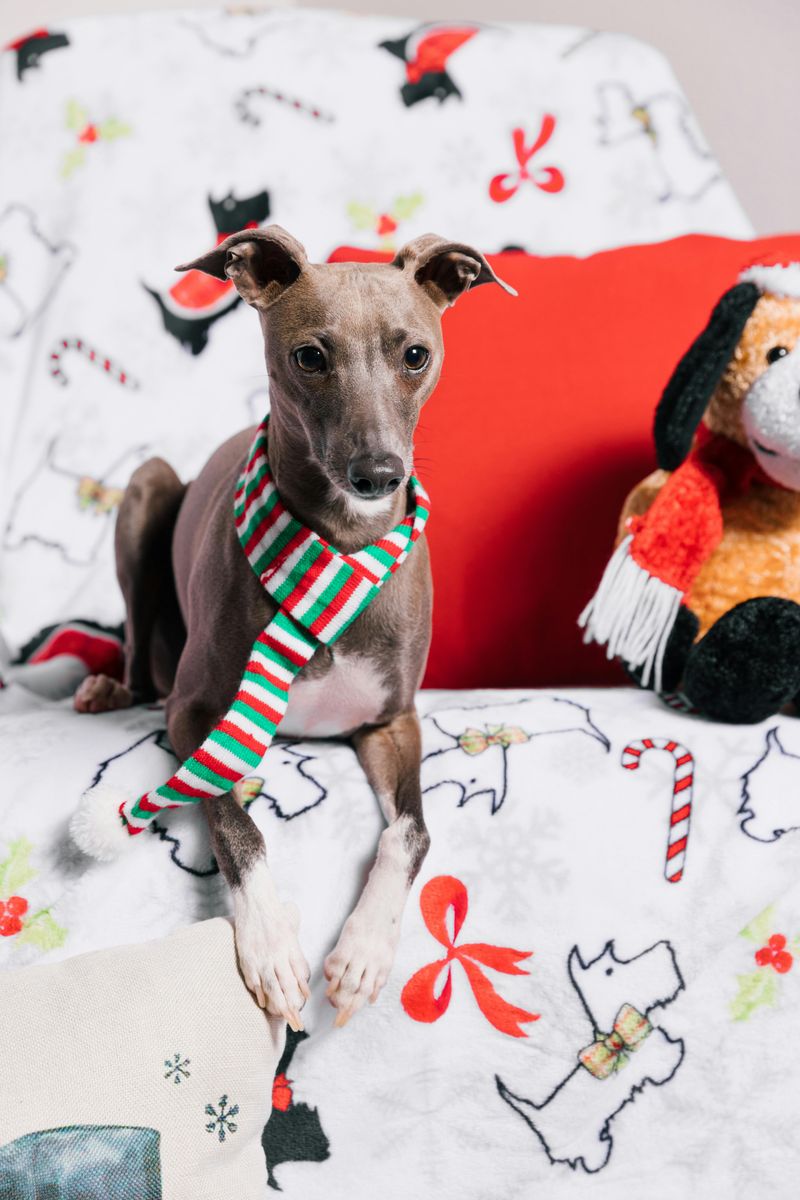
Italian Greyhounds are fragile, affectionate companions that bond tightly and feel absence keenly. Left alone frequently, they can shake, hide, or refuse food.
Their thin coats and sensitive dispositions make comfortable, secure environments especially important for emotional regulation.
Build independence gently with micro absences, returning before stress spikes. Provide warm beds, snug sweaters, and safe hides to encourage relaxation.
Lick mats, slow feeders, and soft chew options suit their delicate jaws while occupying the mind. Keep routine predictable and departures uneventful, using white noise to reduce startling sounds.
Short play bursts and careful potty schedules help prevent anxious accidents. With patience and warmth, your Iggy learns that quiet moments can be cozy, not lonely.
Cavalier King Charles Spaniel
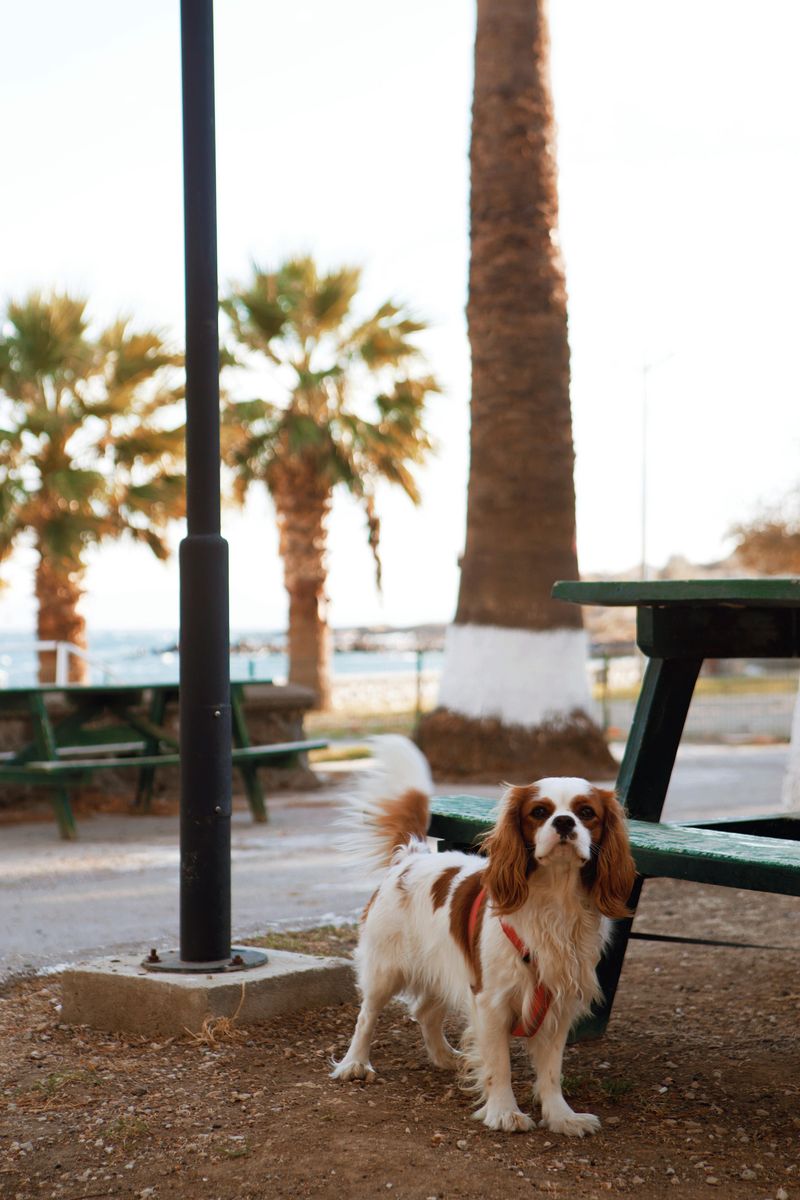
Cavaliers are tender hearted lap dogs who read emotions like open books. Prolonged solitude can trigger sadness, clinginess, or nighttime restlessness.
Their gentle temperament flourishes with steady attention, calm structure, and activities that soothe rather than overstimulate.
Schedule relaxed walks, short training games, and sniffing breaks before leaving. Create a peaceful rest nook with a covered crate or bed and a comforting scent on a blanket.
Use food puzzles that reward persistence, and keep hellos and goodbyes pleasantly neutral. Slowly stretch absence duration while tracking body language.
A pet camera can guide timing adjustments, ensuring you return before distress builds. With routine and reassurance, your Cavalier will nap contentedly while you handle errands.
Bichon Frise
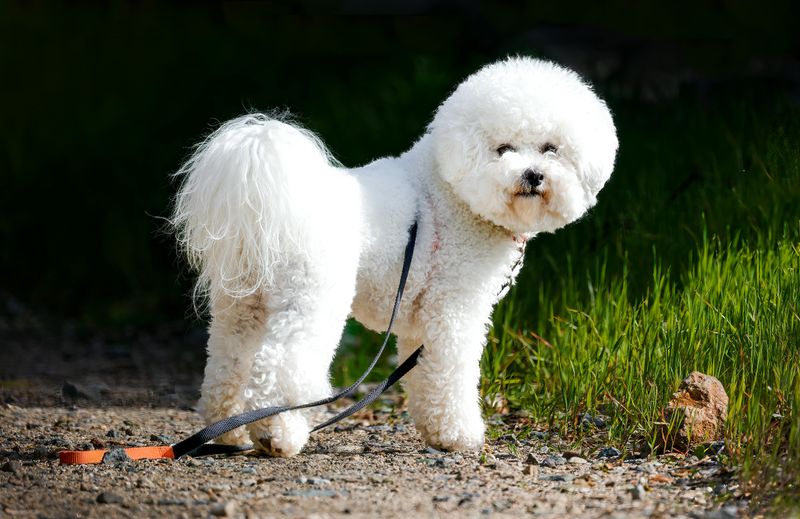
Bichon Frises are cheerful companions bred to be near people, so alone time can feel confusing. Without practice, they may bark, scratch doors, or have accidents when stressed.
Their sociable nature needs gentle independence building paired with consistent routines.
Offer predeparture play, quick training sessions, and snuffle activities to take the edge off. Establish a safe zone with comfy bedding and familiar scents, and use white noise to soften hallway sounds.
Reserve special chews and food puzzles only for your departures to build positive associations. Start with tiny absences, celebrating calm returns.
A groomed coat, comfortable temperature, and regular potty breaks support success. Over time, predictability and enrichment teach your Bichon that quiet hours are manageable.
Havanese
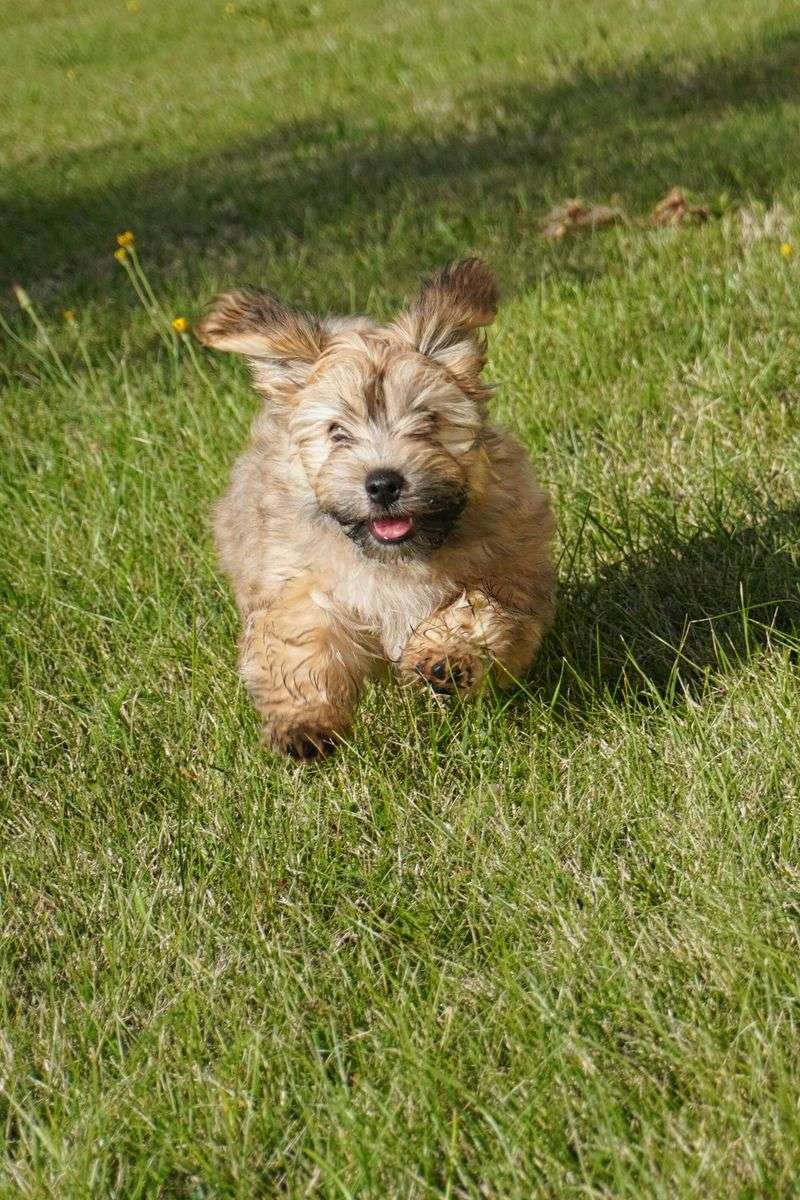
Havanese were bred as close companions, following their people from room to room. Too much solitude can spark barking, door scratching, or despondent cuddling with clothing.
Their playful spirit thrives when given structure, mental games, and calm, consistent departures.
Start with morning enrichment walks and short training bursts, then offer a stuffed Kong or lick mat before you go. Keep a quiet rest area ready, reducing visual triggers with curtains.
Practice easy, boring goodbyes and gradually increase duration only after relaxed sessions. Rotate novel chew textures to maintain interest.
A midday visit or neighbor check in can bridge longer days. With patient repetition, your Havanese learns that peaceful downtime is safe and predictable.
Poodle
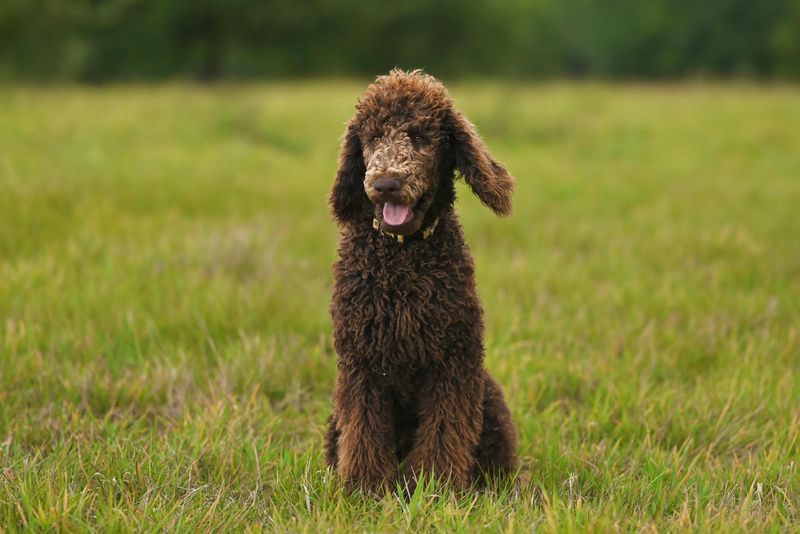
Poodles are bright, sensitive thinkers who notice patterns instantly. Repeated lonely hours can produce vocalizing, shadowing, or surprising household mischief.
Their minds and bodies both need structured outlets to keep anxiety from taking the wheel.
Front load the day with obedience, trick training, and aerobic play that ends with decompression sniffing. Provide varied puzzles, rotating scents, and textured chews for novelty.
Calm exits, neutral returns, and a practiced settle on a mat help regulate arousal. Gradually extend alone time, mixing easy wins with modest challenges to maintain confidence.
Whether Toy, Miniature, or Standard, predictability and enrichment let your Poodle rest, not ruminate, when you are away.
Jack Russell Terrier
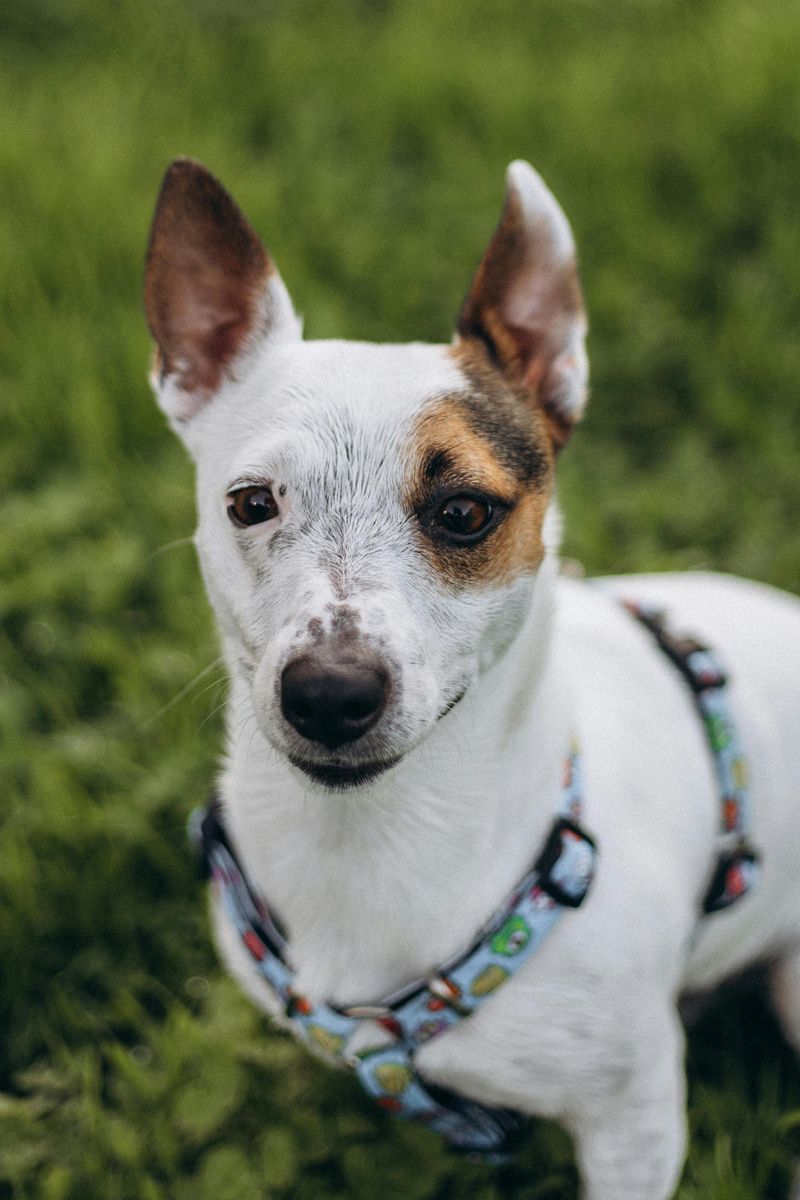
Jack Russells are dynamite in small packages, and idle time can explode into barking or demolition. Their hunting drive and sharp mind crave outlets, or frustration can masquerade as anxiety.
Left alone too long, they may patrol windows, dig beds, or shred whatever feels interesting.
Give focused jobs before leaving: scent games, flirt pole sprints, and brief training sprints. Offer tough puzzles and long chews that actually challenge them.
Block visual triggers, add white noise, and set a clear rest spot to cue off duty time. Progress absences slowly, logging wins, and consider a midday adventure to drain steam.
With structure and meaningful work, your Jack learns solitude can be a satisfying mission.
Cocker Spaniel
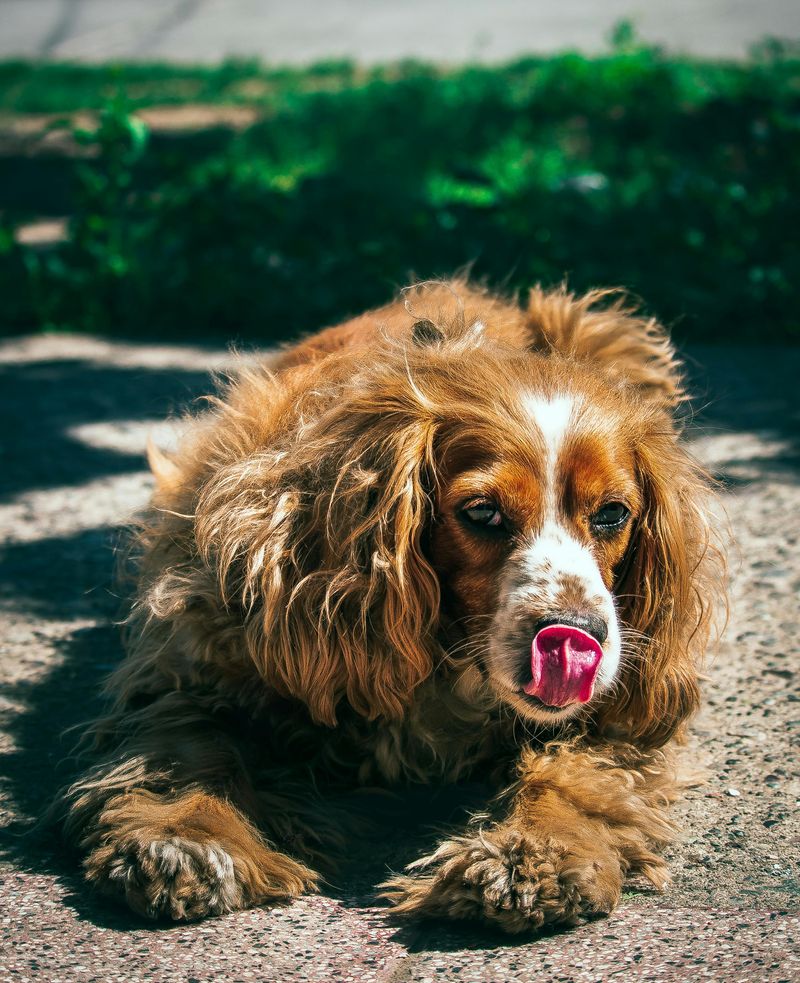
Cocker Spaniels are affectionate, sensitive companions who tune into your emotions. When left alone frequently, they may whine, pace, or hide with favorite toys.
Their gentle hearts benefit from predictable schedules, soft reassurance, and activities that soothe rather than excite.
Walk first, then practice brief mat settles while you move about, slowly adding distance and doors. Provide lick mats, food puzzles, and plush chews for comforting occupation.
Keep departures low key and returns calm, preventing dramatic spikes. A covered crate or cozy corner can become a reliable retreat.
Track progress with a camera and adjust timing before stress climbs. With patience and routine, your Cocker will rest peacefully until you are back.