
Puppies can look so tiny and fluffy that it is hard to picture the big dog they will become. Some breeds change so much that you might do a double take.
Size, coat, and even posture can transform as they grow. Knowing what is coming helps you pick the right training, grooming, and activities from the start.
Great Dane
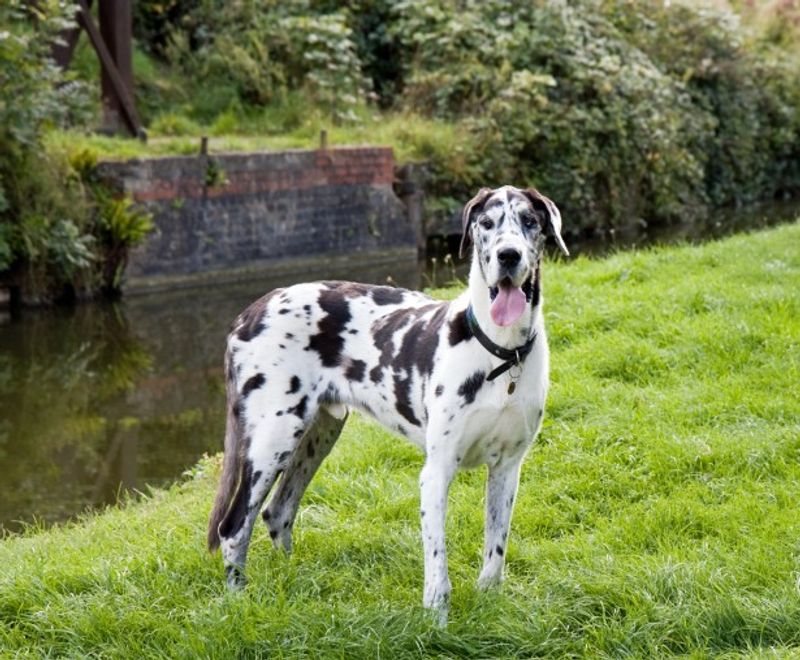
Those knobby-kneed pups look like baby giraffes, then they stretch into couch-hogging giants. Early on, teach calm greetings and no jumping, since adult size arrives fast.
Crate training helps curb zoomies during growth spurts and saves fragile furniture.
Provide joint-friendly exercise, thick bedding, and slow-growth large-breed food to protect bones. Short training bursts work best for their sensitive nature and big hearts.
Fun fact, Danes once hunted wild boar, yet today many prefer lap time.
Newfoundland
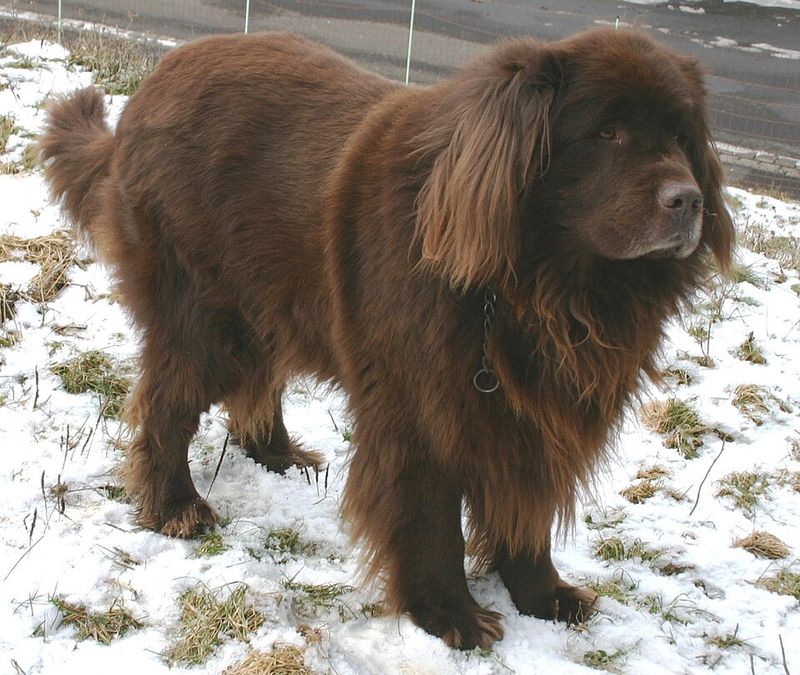
With a heart as big as its paws, the Newfoundland pup becomes a water-loving lifesaver. Early social time around pools or lakes, always on leash, builds confidence and safety.
Cool water games beat rough fetch sessions.
Their double coat needs weekly brushing, plus extra care during shedding seasons. Choose sturdy ramps for cars and teach calm exits to protect hips and elbows.
History note, Newfs hauled nets for fishermen and once famously rescued shipwrecked sailors.
Bernese Mountain Dog
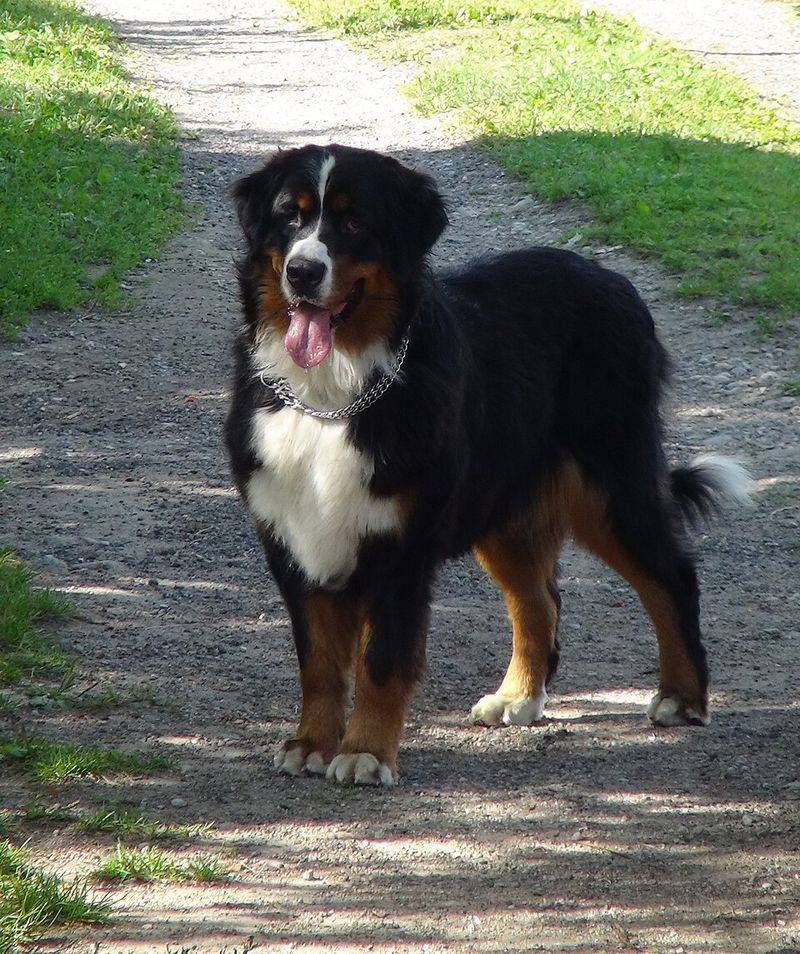
Those tricolor fluffballs grow into sturdy farm helpers with calm, watchful eyes. Plan gentle hikes on soft trails while joints develop, and keep stairs limited.
Teach polite harness skills for safe cart-style activities when mature and supervised.
Daily brushing keeps mats away, especially behind ears and under the collar. Short training games, using cheese or kibble, motivate without stressing their tender spirits.
Fun fact, Berners pulled carts in Switzerland, carrying milk and tools between villages.
Irish Wolfhound
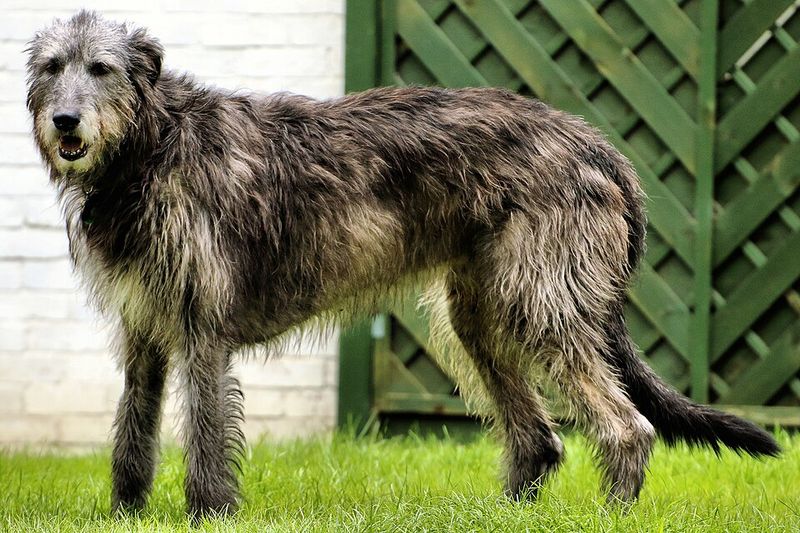
Gangly puppy legs seem endless, then suddenly you have a calm, towering roommate. Keep sprints on hold until growth plates close, and favor relaxed strolls.
Teach doorway patience and loose-leash walking to manage size indoors and out during adolescence.
Soft bedding and raised bowls help long frames stay comfortable during meals. Kind, brief training builds manners without overwhelming their thoughtful temperament.
From ancient Ireland, they hunted wolves, yet today prefer quiet couches and gentle company.
Old English Sheepdog
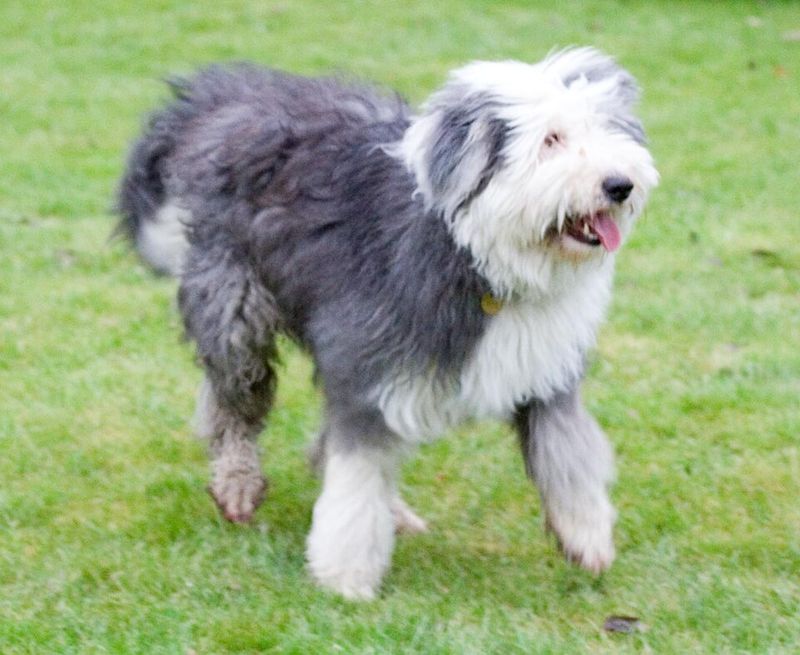
A round puff of mischief as a pup, then a shaggy, bobtailed cloud arrives. Start line-brushing early, parting the coat to skin to prevent hidden mats.
Cool, quiet grooming sessions make bonding time and trust.
Play smart herding games using toys, not ankles, to guide that busy brain. Teach a clear settle cue for visitors, since the adult coat turns heads everywhere.
History tidbit, farmers once docked tails to signal working status for tax breaks.
Bearded Collie
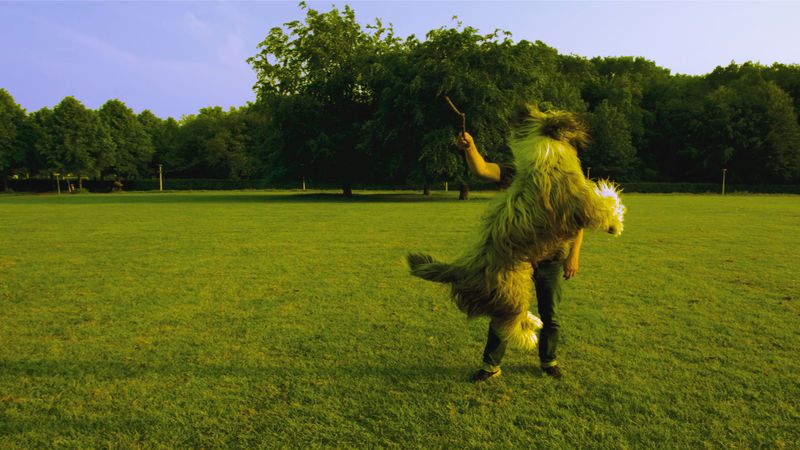
Bounce is their middle name as puppies, then they mature into breezy, bearded charmers. Channel the pogo energy with nose-work games and wind-friendly walks.
Teach impulse control at doors and gates for safe greetings during windy days.
Daily detangling under the harness prevents painful knots, especially during weather changes. Use upbeat training with plenty of movement, since they think best while trotting.
Scottish roots run deep, where Beardies swept hillsides, gathering sheep with joyful style.
Briard
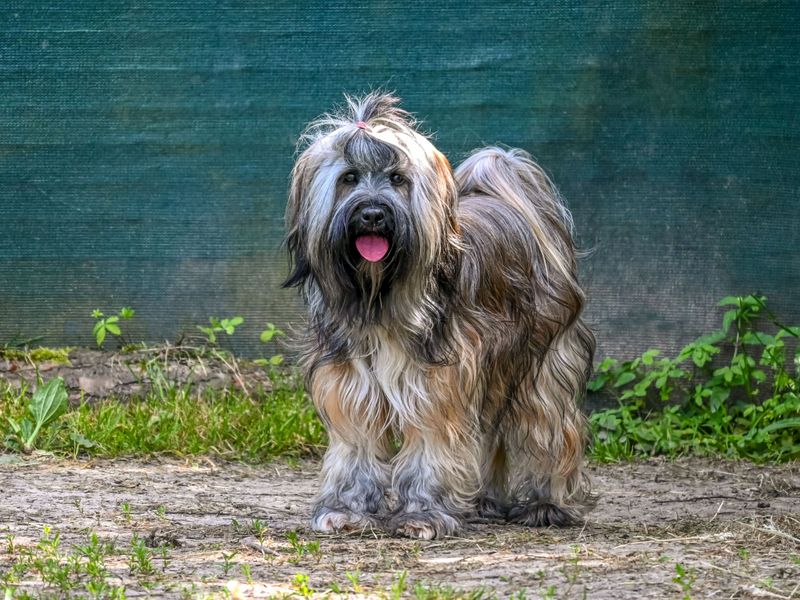
An old-soul gaze peers from a fluffy puppy, then a confident guardian emerges. Early scent games and gentle exposure to new places build stable nerves.
Light, low-impact exercise supports joints as their muscular frame develops each week.
Behind that curtain of hair, regular eye-clearing and careful combing prevent irritation. Teach boundary skills, like go to mat, so visitors feel welcome and safe.
French farms trusted Briards to guard flocks and even carry messages during war.
Komondor
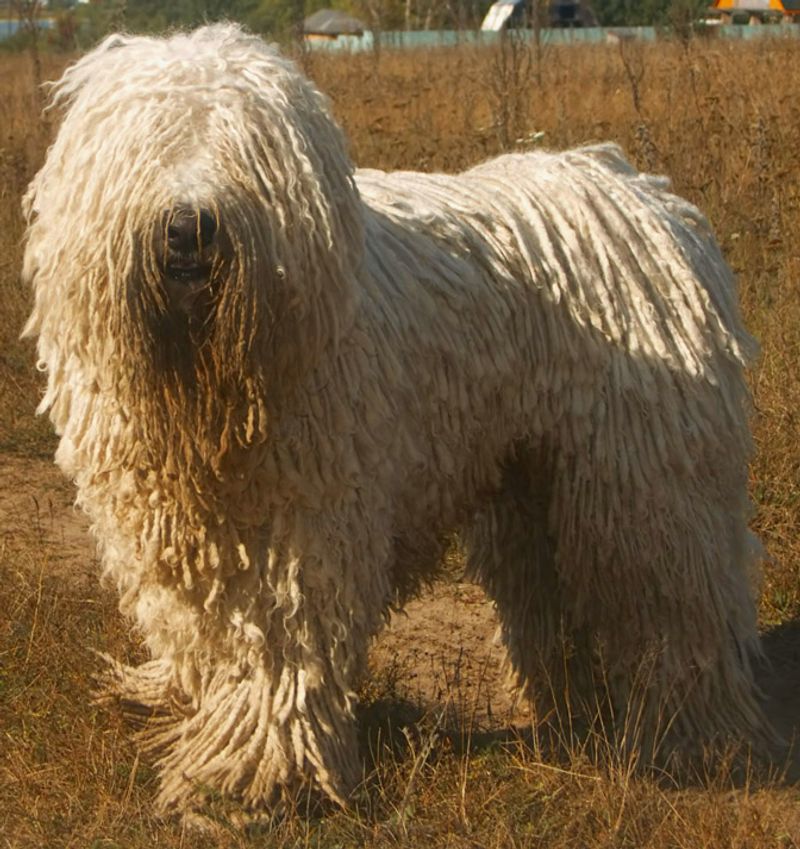
At first, a fluffy marshmallow, later a living mop with protective instincts takes charge. Cords form over time, so patient, positive handling around feet and ears matters.
Secure fencing and clear boundaries help guide strong guardian tendencies kindly during adolescence.
Introduce friendly guests often, rewarding quiet watchfulness instead of alarm barking. Bathing and drying cords require planning, airflow, and towels, so schedule grooming days.
Hungarian shepherds prized Komondorok for nighttime flock defense across open plains.
Puli
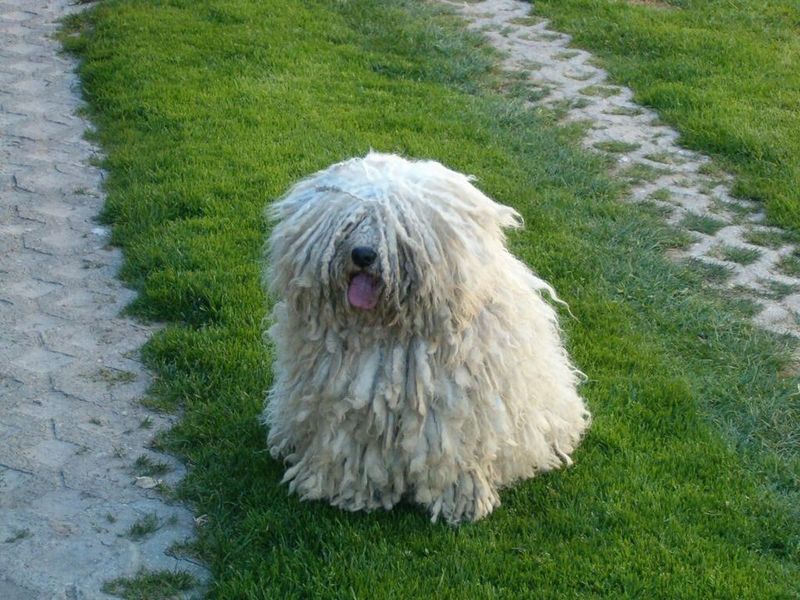
Playful, springy pups transform into compact dynamos wearing neat, rope-like cords. Shaping cords from fluff takes time, patience, and hands-on practice after baths.
Regular swims are tricky, since drying cords can take ages, so plan sunny towel time.
Agility courses and trick training suit their quick minds and light footwork. Teach a speak cue so barking becomes a game, not a habit.
Centuries ago in Hungary, Pulik managed sheep like zippy chess players on grass.
Standard Poodle
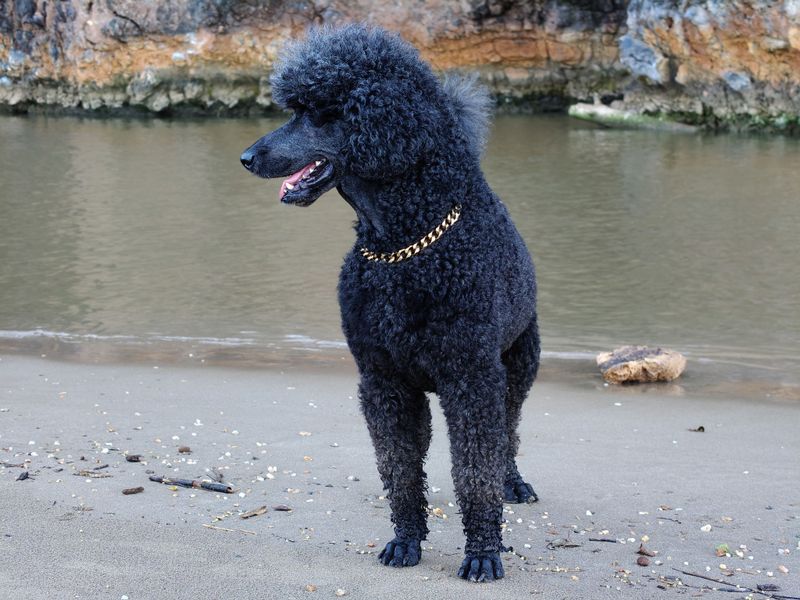
Curly teddy bears grow into athletic, graceful partners with sharp problem-solving skills. Teach retrieve games early, then expand into scent work or dock diving.
City parks and calm cafes suit well-socialized adults during rainy days and travel breaks.
Regular grooming keeps skin healthy, whether you choose a sporting trim or lamb cut. Short, clever lessons prevent boredom, and puzzles feed their lively curiosity.
Historically, Poodles assisted hunters by retrieving waterfowl, which explains the smart clips.
Tibetan Terrier
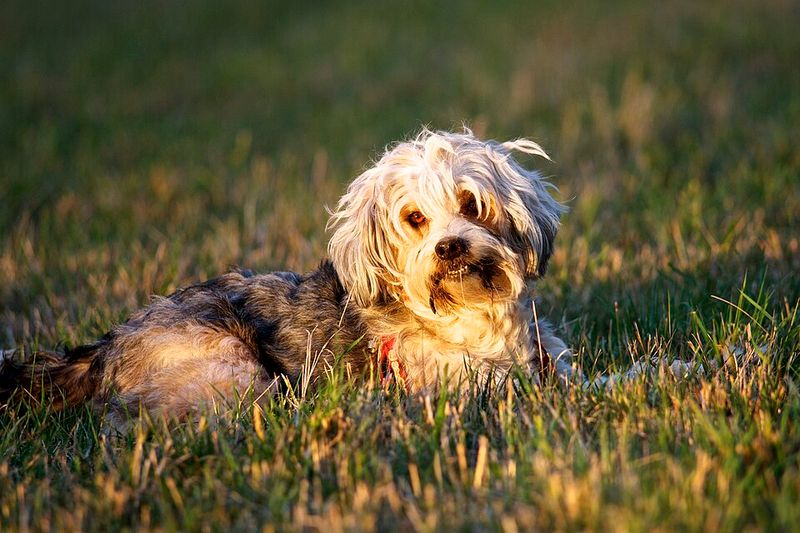
A teddy-faced puppy grows into a sturdy, medium companion with a snow-ready coat. Originally monastery dogs, they handled mountain paths and carried messages between villages.
Moderate hikes and puzzle feeders build fitness without overdoing joints during growth.
Brush in layers to the skin, and check paws for packed ice or burrs. Calm, thoughtful training suits their steady minds, while play keeps spirits bright.
Many families notice adults become cat-like indoors, then adventurous on weekend trails.