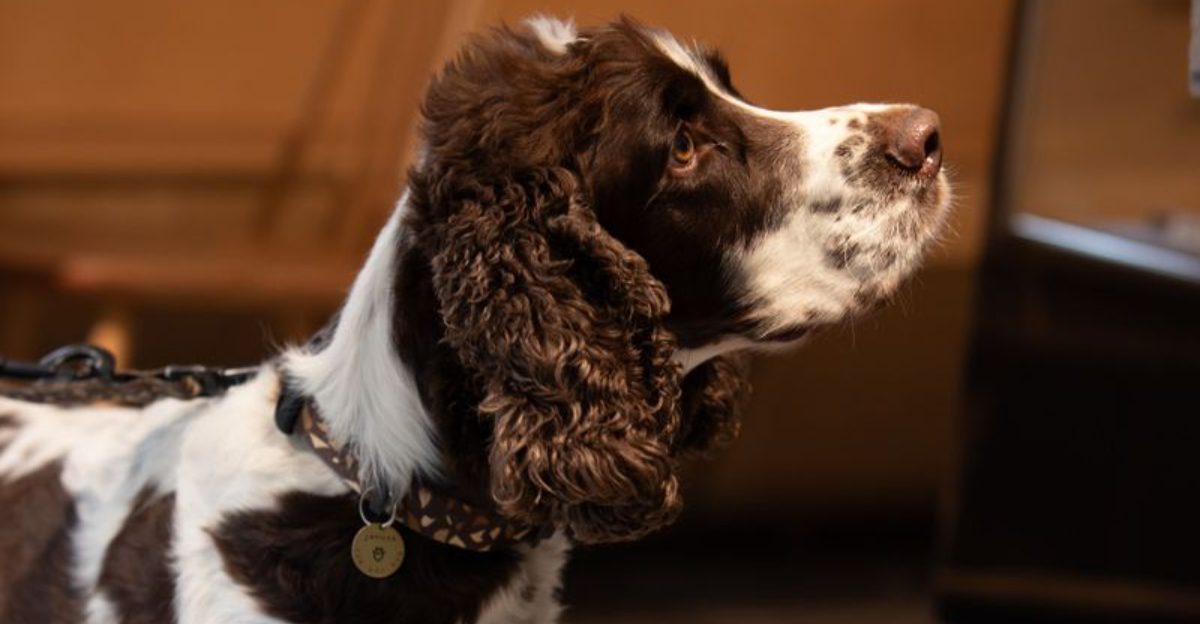
Letting your dog off-leash can feel magical, but it also asks a lot of trust and preparation. Even the smartest, sweetest breeds can get distracted by wildlife, smells, or sudden surprises.
Before you unclip the leash, know exactly what could go wrong and how to prevent it. This guide breaks down breed-specific risks so you can make safer choices on every adventure.
Golden Retriever
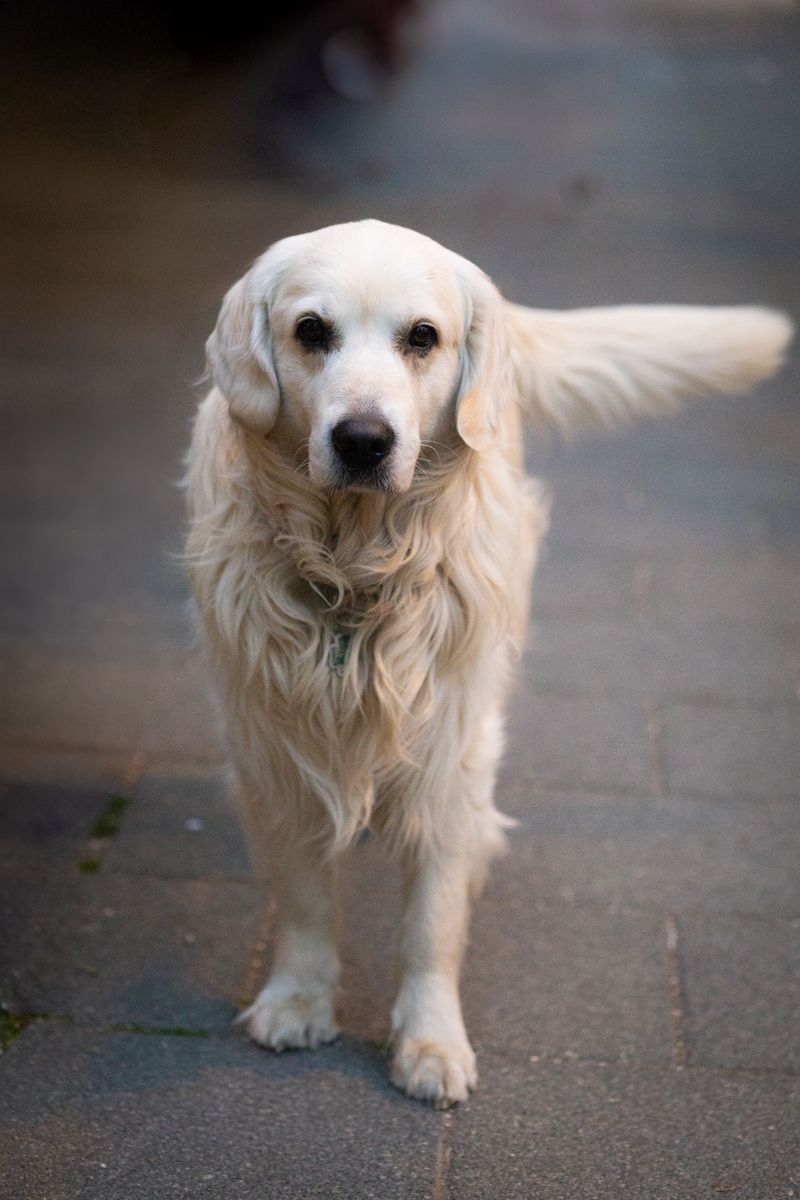
Goldens love everyone, which can mean sprinting toward strangers with joyful abandon. That social drive is adorable on leash and risky without one.
Squirrels, cyclists, and kids playing soccer can trump your cue if you have not rehearsed enough.
Build an emergency stop cue and a fast down at distance. Reinforce calmly staying near you before greeting people or dogs.
If your Golden has a soft temperament, keep sessions upbeat and brief, and avoid overwhelming scenes until reliability holds under real-life noise.
Border Collie
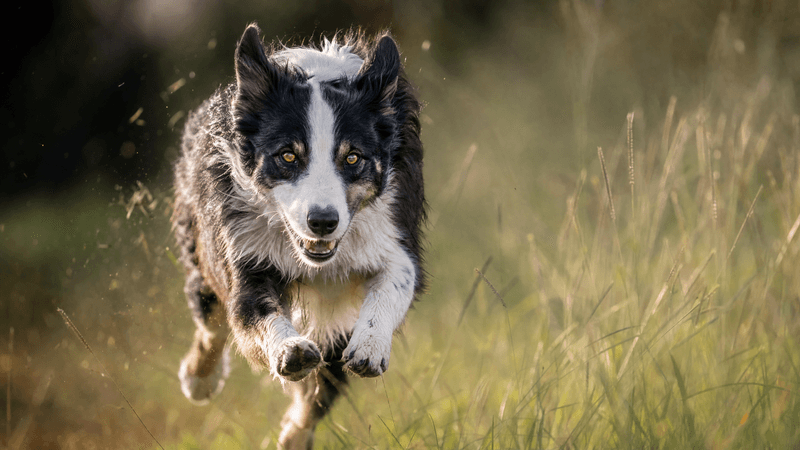
Border Collies are brilliant, but their eye for motion can hijack their brain. Joggers, bikes, or birds may trigger herding or chasing, making off-leash risky without heavy proofing.
Mental rehearsal helps, yet instinct still bites through weak training.
Channel drive into structured games near you, like tug then release to heel. Install a whistle recall and reward with meaningful work, not just cookies.
Use long lines around movement-rich trails and practice disengagement from motion so you can keep control when life speeds up.
Australian Shepherd
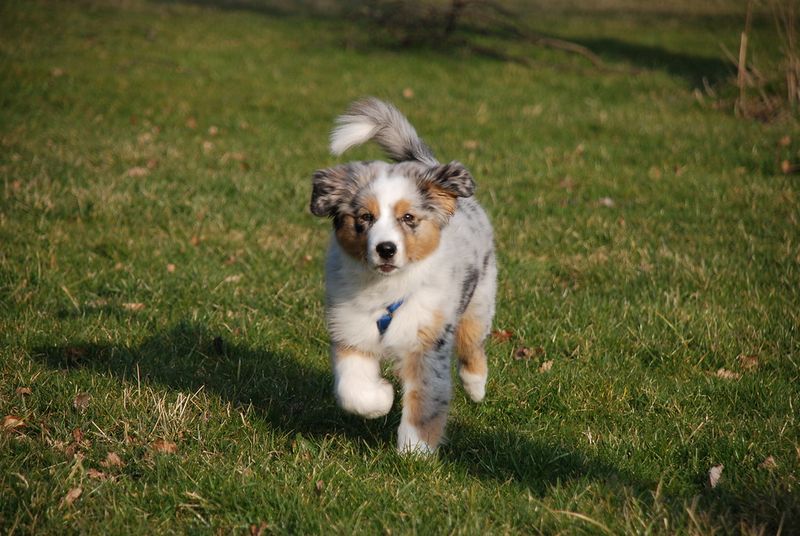
Aussies often stick close, but their guardian streak and motion focus can collide. They may circle, herd, or push people and dogs, especially when arousal spikes.
Off-leash, that can look like darting toward movement or policing other pets.
Rehearse calm heel and a release cue for free sniffing, rotating between structure and freedom. Practice impulse control with moving distractions, rewarding smooth check-ins.
If reactivity appears, step back to a long line and distance, focusing on pattern games that keep engagement high and choices thoughtful.
German Shepherd
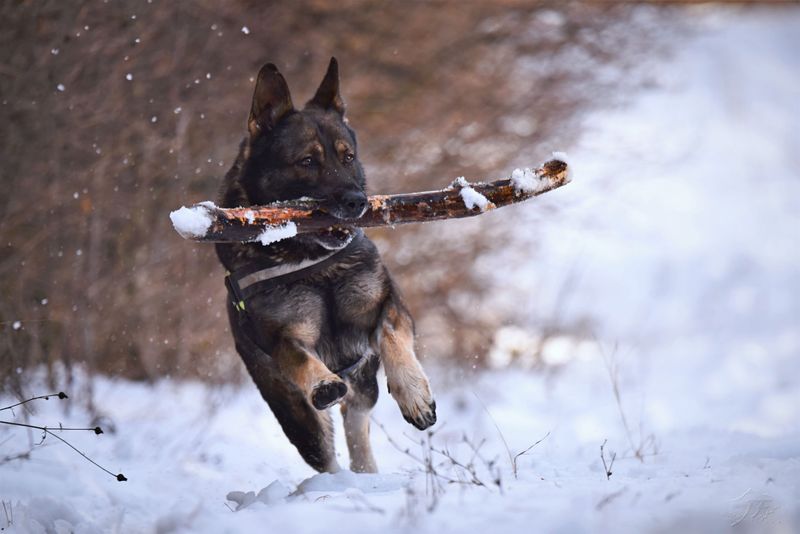
German Shepherds are loyal, yet their protective instincts can complicate off-leash fun. Sudden appearances by strangers or dogs may trigger guarding.
Strong recall matters, but so does neutral exposure to real-world surprises.
Teach a middle position between your legs for emergency management. Pair passersby with calm reinforcement so curiosity beats suspicion.
Keep a long line until your dog can pass distractions on cue, and use predictable routes while you proof neutrality, then expand to busier spaces gradually.
Standard Poodle
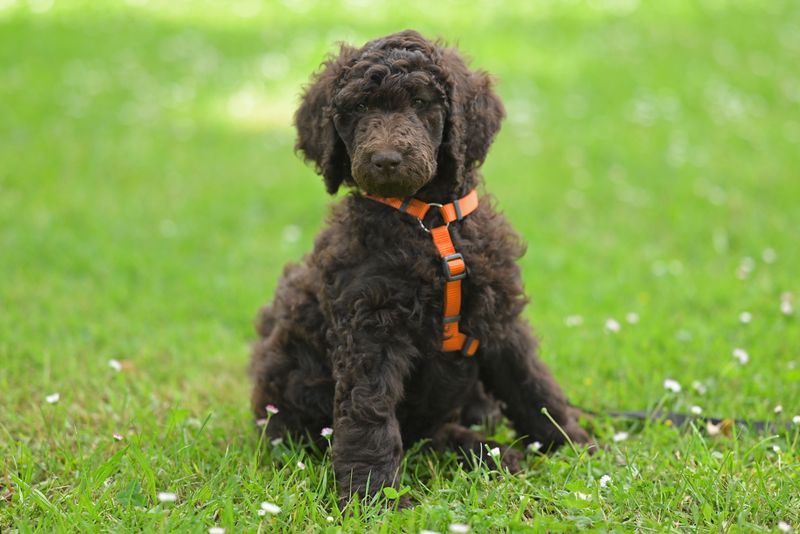
Standard Poodles are sharp and athletic, often great candidates for off-leash with training. Still, curiosity and sudden noise can interrupt listening.
Their nimble bodies make darting away effortless if you hesitate.
Build rewarding check-ins using varied reinforcers, not just food. Practice fast sits and downs at distance, then layer in park distractions.
Rotate routes so your dog learns to listen in new contexts, and use a GPS tag until your recall is boringly reliable in every place you roam.
Shetland Sheepdog
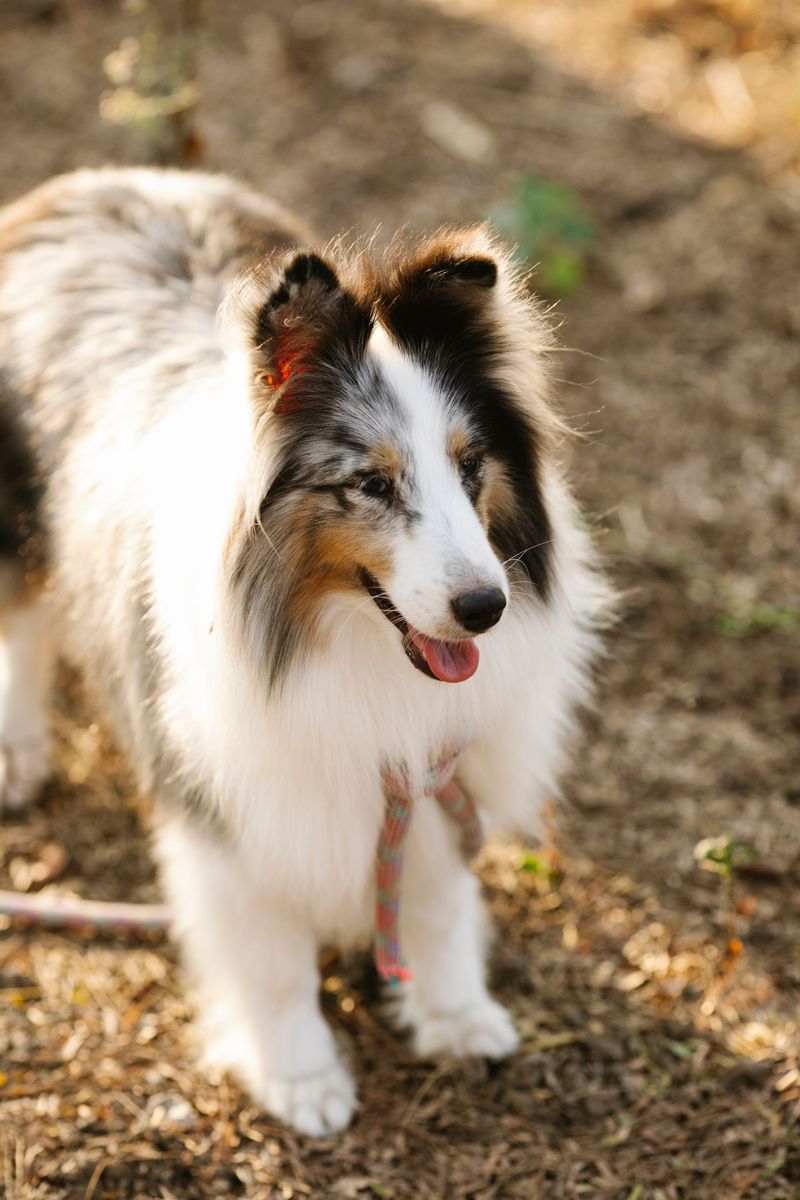
Shelties are sensitive, quick learners, and often velcro. But sound sensitivity or motion triggers can unravel confidence.
A sudden clang or sprinting kid may send them into a whirl of herding or retreat.
Prioritize noise desensitization and settle on cue. Build value for staying near you by releasing to sniff after eye contact.
Use a long line in breezy open spaces where wind amplifies sound and scent, and keep sessions short so arousal never outpaces attention.
Labrador Retriever
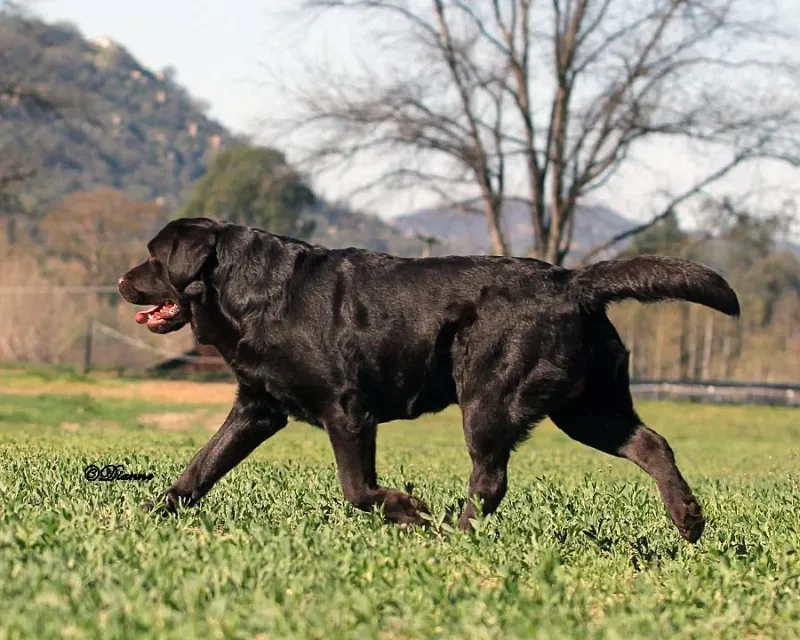
Labs are people pleasers, but that enthusiasm can make off-leash moments unpredictable. A whiff of pond water or a flying tennis ball might pull attention away from your voice.
You need a rock-solid recall that works even when ducks, joggers, and kids appear.
Practice check-ins every few steps and pay generously with food or a favorite toy. Keep swims structured with a cue to exit and a leash handy near water.
If your Lab is still maturing, proof recall around distractions and use long lines until response is instant.
Papillon
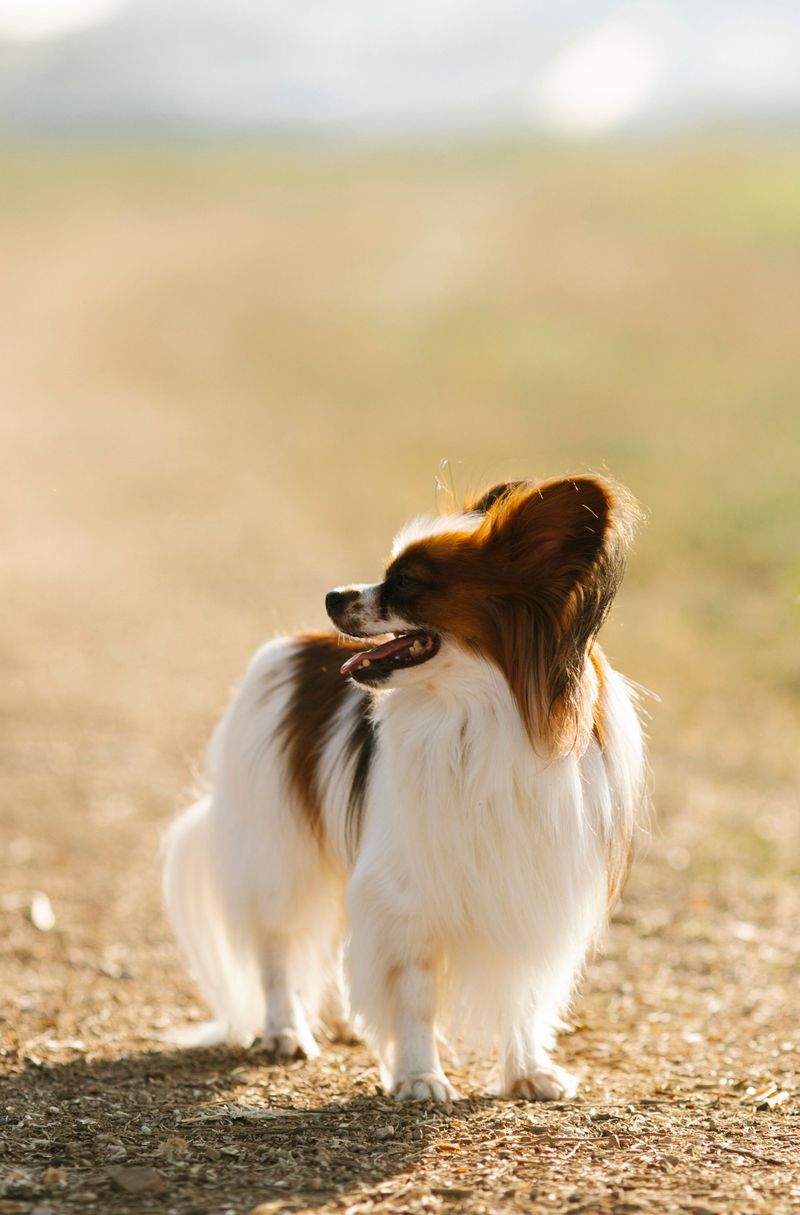
Papillons are tiny athletes with big opinions. Their agility brilliance hides the reality that small bodies can vanish fast in tall grass.
Off-leash, they can chase birds or slip through fences far easier than larger breeds.
Emphasize recall to a hand target and practice rapid scoop-ups without resistance. Reward calm linger time at your ankles before releasing to explore.
Choose safer, fenced fields while reliability grows, and consider a lightweight long line so freedom and safety can coexist without drama.
Vizsla
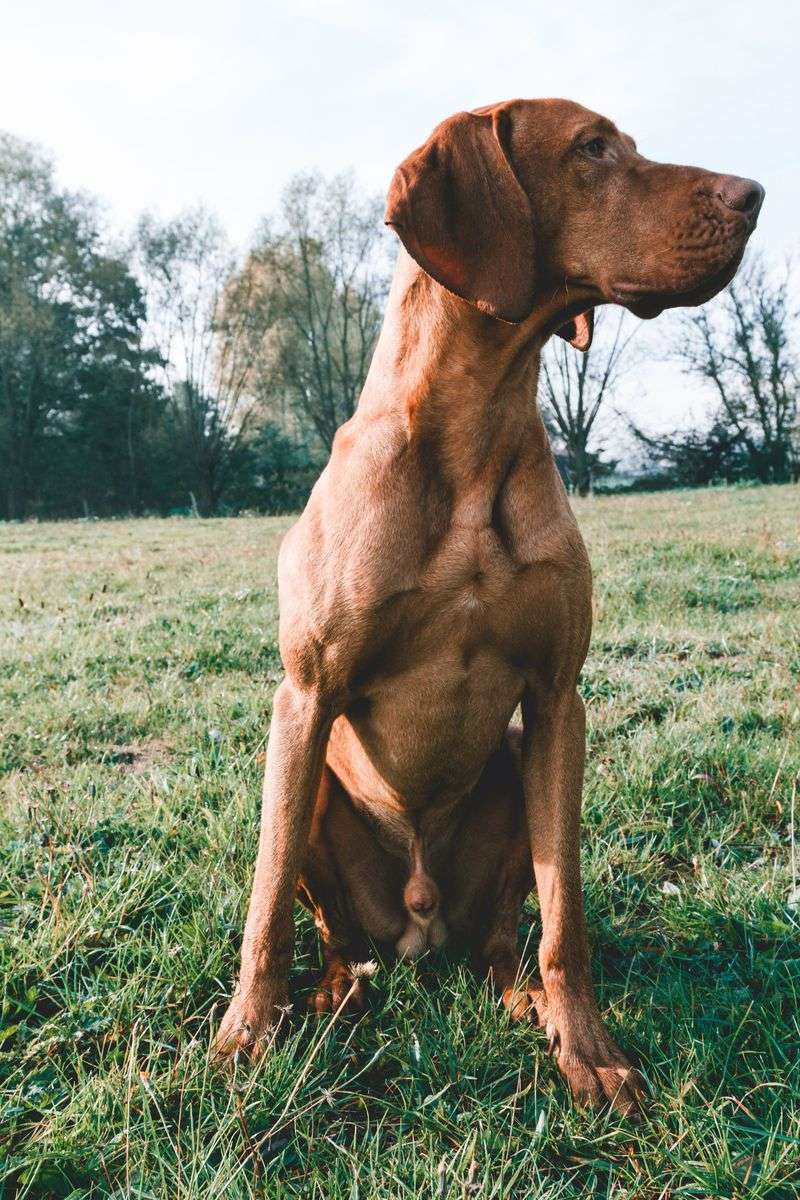
Vizslas are affectionate rockets with scent-driven curiosity. Once a nose catches a trail, distance can grow quickly.
Off-leash requires channeling energy and ensuring your voice matters more than the horizon.
Install a conditioned whistle recall paired with jackpot rewards. Cycle between high-speed fetch and calm heel breaks so arousal drops before new releases.
Use open spaces with clear sightlines and track progress with a GPS until your dog consistently boomerangs back on the first cue.
Brittany
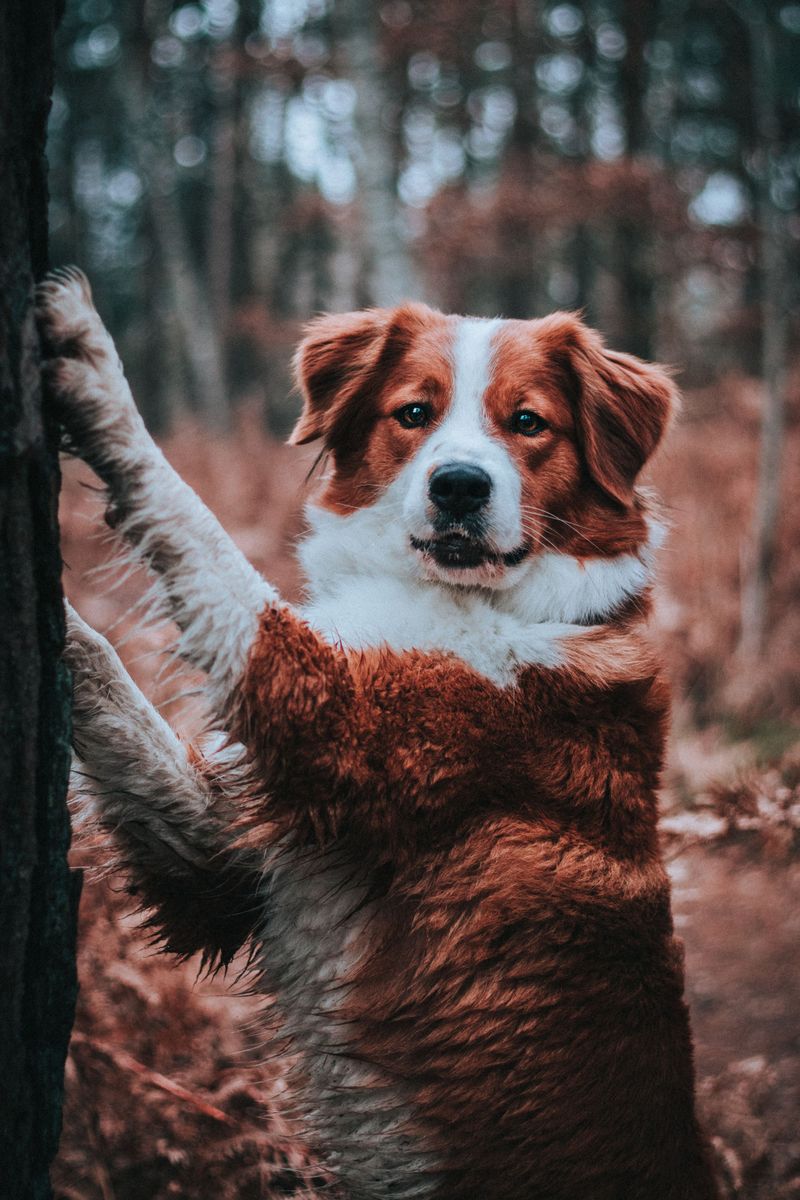
Brittanys hunt by heart, not just habit. Their range can stretch as scent pulls them far ahead.
Off-leash, you must be proactive about boundaries, visibility, and rapid engagement when the nose locks on.
Teach an automatic check-in every 50 feet with a beep or name cue. Reward with brief bird-scented toys or hunt-like games near you.
Keep a bell or beeper collar for awareness and practice down at distance before you ever trust a full release in upland terrain.
Doberman Pinscher
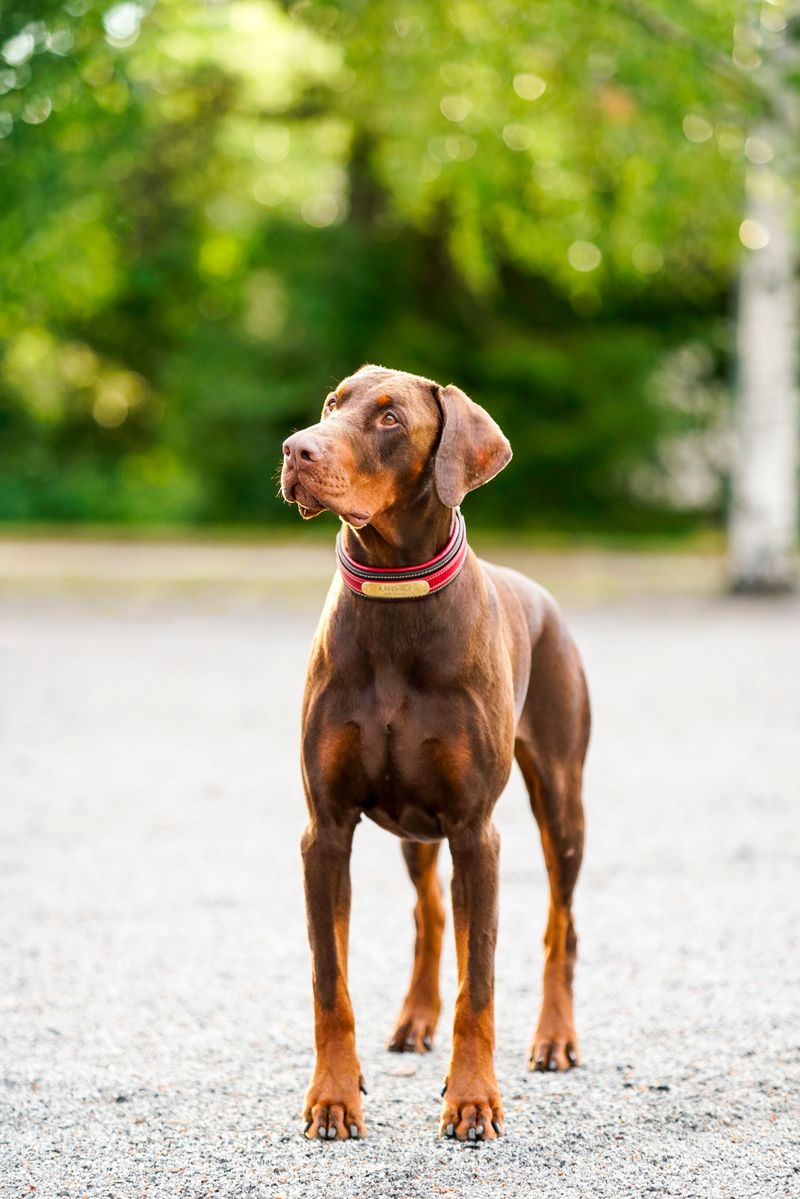
Dobermans are fast and focused, with a protective edge that needs careful steering. Off-leash, unexpected interactions can escalate if arousal spikes.
Reliability starts with neutrality around people and dogs.
Teach stationing on a mat outdoors and a strong heel that feels effortless. Reinforce calm choices when surprises appear, then release to sniff as a reward.
Keep a long line while testing environments and use predictable routines so decision making stays thoughtful, not reactive.
English Springer Spaniel
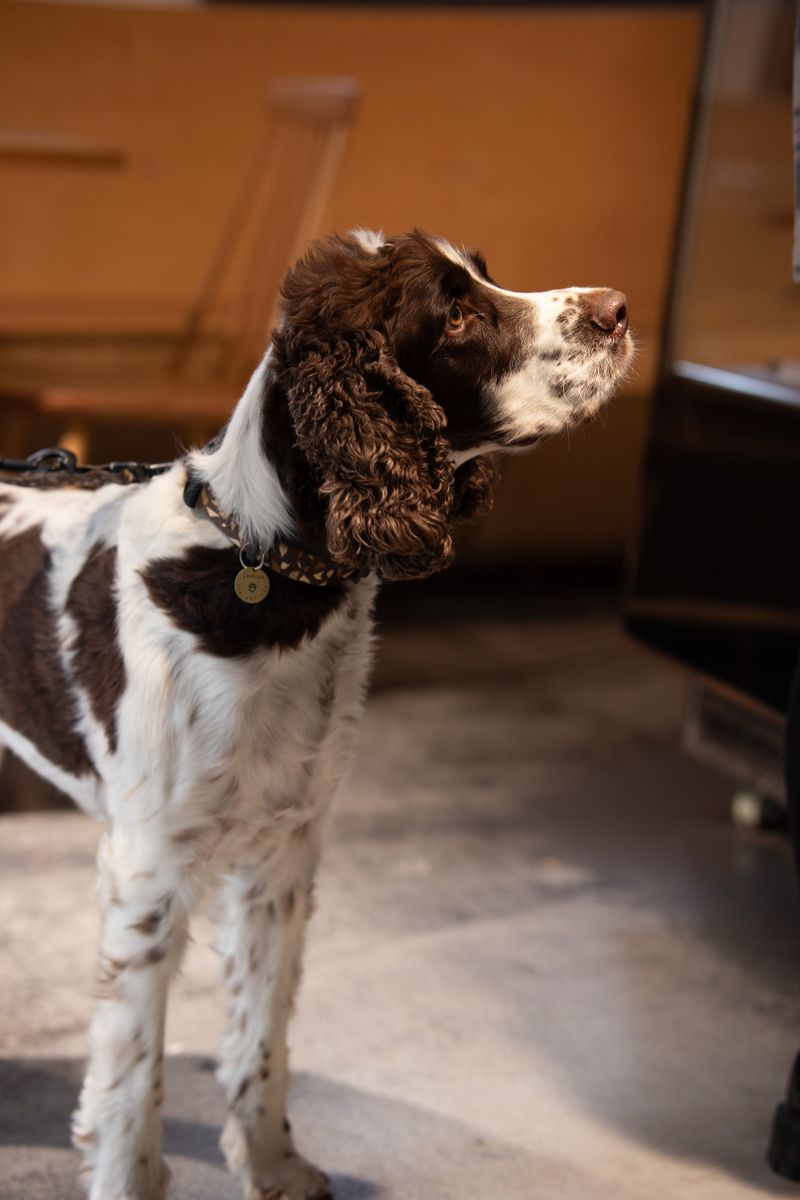
Springers delight in flushing anything that rustles. That joy can send them rocketing into brush, deaf to your call.
Off-leash, reliability hinges on building value for checking back before the next burst of fun.
Practice hunt-like games where eye contact earns a new release into cover. Use a vest for visibility and a whistle recall with massive rewards.
Rotate between quartering near you and structured heel so freedom feels earned, not automatic.
Belgian Malinois
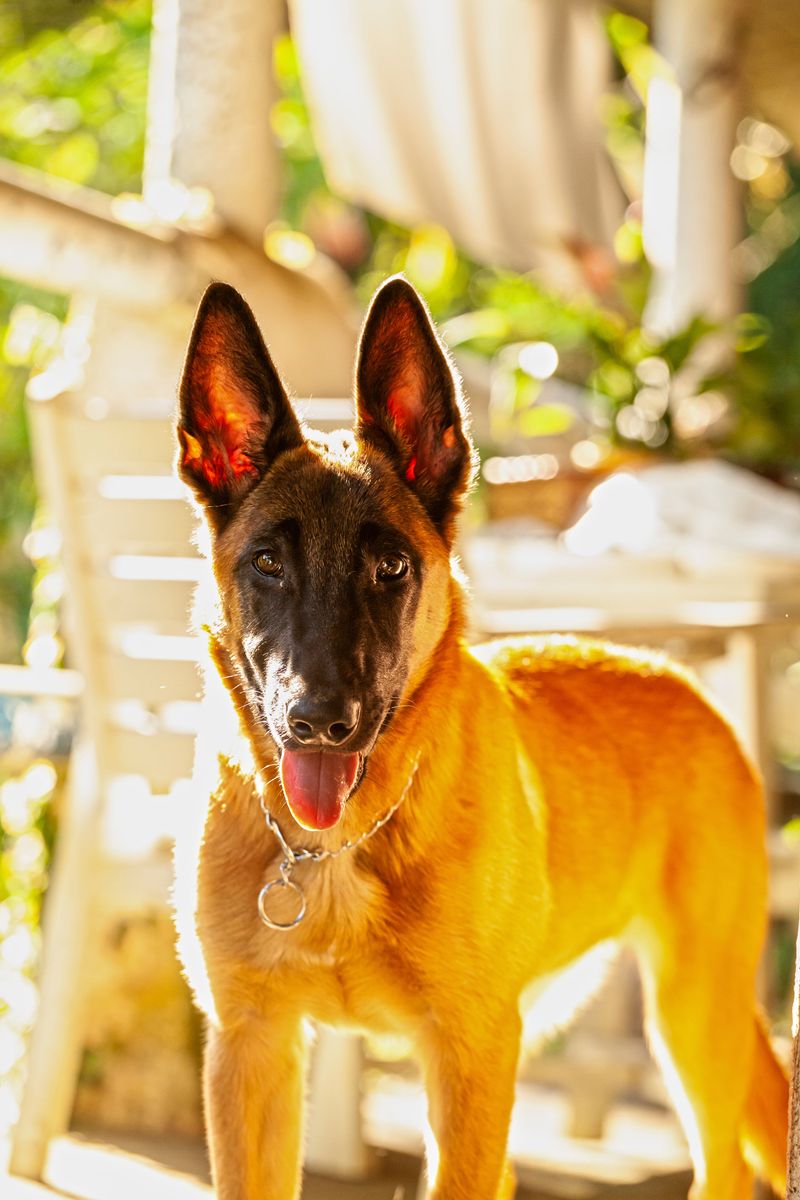
Malinois bring intensity to everything. Off-leash amplifies that drive, and small errors become fast problems.
Even with talent, they need crystal-clear boundaries and an outlet for energy that does not involve chasing life.
Use structured tug and outs, then heel, then a release to sniff, cycling arousal down. Teach a rock-solid emergency down and practice around decoys, bikes, and fast movement.
Keep a long line longer than you think, and do not skip daily brain work, because a bored Malinois invents jobs you will not love.