
Shoes keep disappearing, and your living room looks like a chew toy factory. You are not alone, and no, your dog is not out to get you.
With a few smart tweaks and consistent training, you can turn chaos into calm. Let’s fix the habit together and save your favorite sneakers for good.
Increase daily exercise
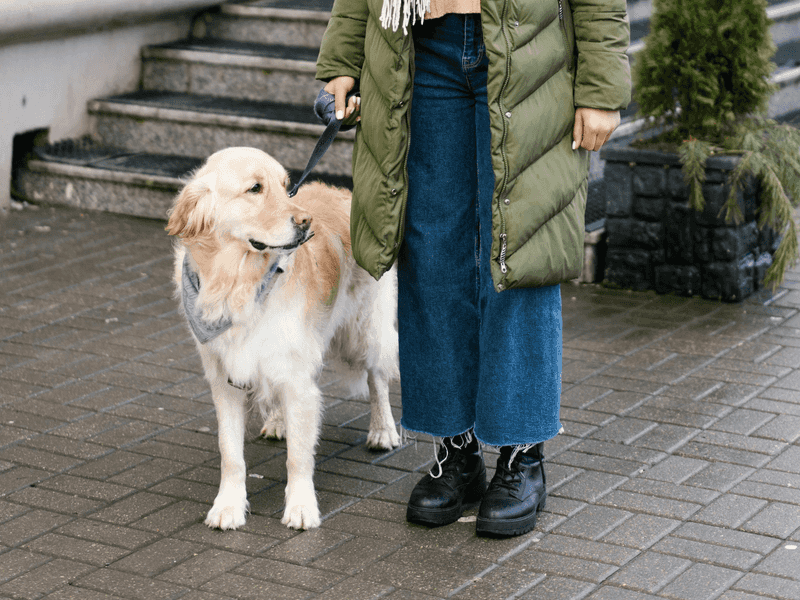
Chewing often explodes when your dog has energy to burn. Bump up walks to a brisk 30 to 45 minutes, and add sniff breaks for mental work.
Short backyard fetch or tug intervals spaced through the day can smooth out restlessness. Strength work like hill walks or gentle resistance bands can satisfy athletic breeds.
If your schedule is tight, split activity into morning and evening so your dog settles. On rainy days, use indoor scent games, puzzle feeders, or structured stair climbs.
Aim for a predictable routine that leaves your pup pleasantly tired, not wired. Track weekly minutes and note chewing incidents to see the clear cause and effect.
Consistent movement pays off by reducing frustration and building impulse control.
Provide chew-safe toys
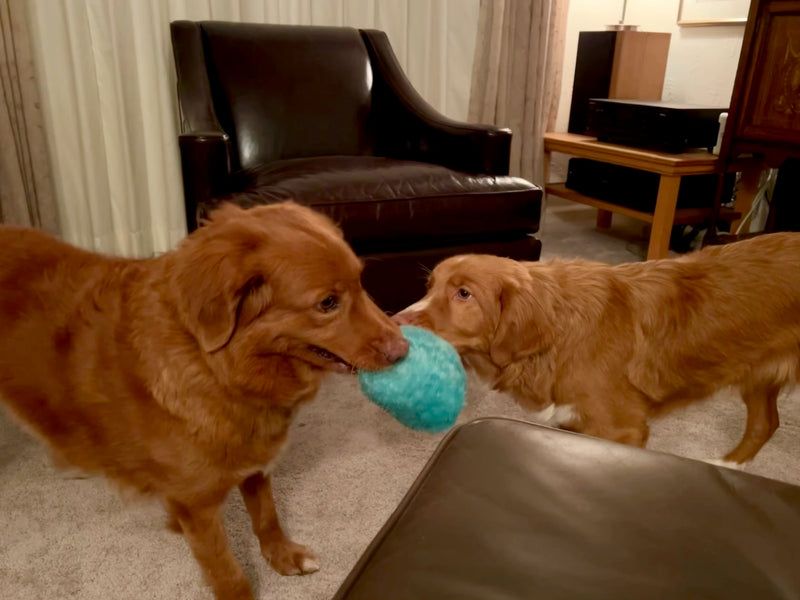
Dogs chew to relieve stress, so give them safe, satisfying outlets. Offer a variety of textures like rubber, rope, nylon, and tough fabric to match preferences.
Size toys so they cannot be swallowed and inspect daily for frayed parts. Stuff Kongs with frozen wet food or broth cubes to extend chew time.
Rotate in novelty chew options on a schedule to keep interest high. Supervise raw bones or bully sticks, and choose reputable brands with clear sourcing.
Teach a trade cue so you can swap a shoe for a better reward without conflict. When needs are met, destructive chewing usually fades into calm, focused gnawing.
That balance builds confidence and protects your floors, furniture, and sanity. Plus shoes stay safe.
Limit access to shoes
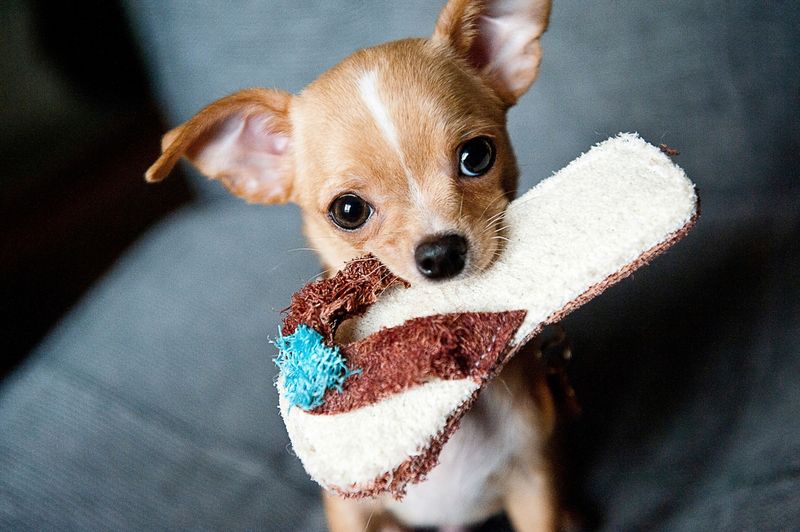
Management beats correction when temptation is strong. Place shoes in closed closets, bins with lids, or high shelving until habits improve.
Use baby gates to block entryways and an exercise pen to define safe zones. Tidy entry areas so nothing dangling invites a playful grab.
Clear rules reduce mixed signals and make good choices effortless for your dog. Pair the setup with a comfy bed, chews, and water so relaxing there feels natural.
When a mistake happens, your management plan limits damage while you reset calmly. Over time, consistent access rules become background noise and shoes stay uninteresting.
Think of it as childproofing for canines while training skills catch up. Simple barriers save progress and protect trust between you both.
Reward calm behavior

Your dog repeats what works, so pay for quiet moments you want more of. Keep treats handy and mark relaxed body language, settled paws, or a glance away from shoes.
Feed small, rapid rewards to build a strong reinforcement history for chilling out. Then stretch intervals between treats while the calm posture holds.
Layer in praise, slow petting, or a snuffle mat to deepen relaxation. When shoes appear, cue a down-stay and pay generously for choosing stillness.
Capture calm dozens of times daily so it becomes your dog’s default state. Calm dogs make fewer chewing mistakes because their arousal stays in check.
Soon shoes read like boring background scenery rather than exciting toys to attack. That shift protects everything nicely.
Avoid punishment after the fact
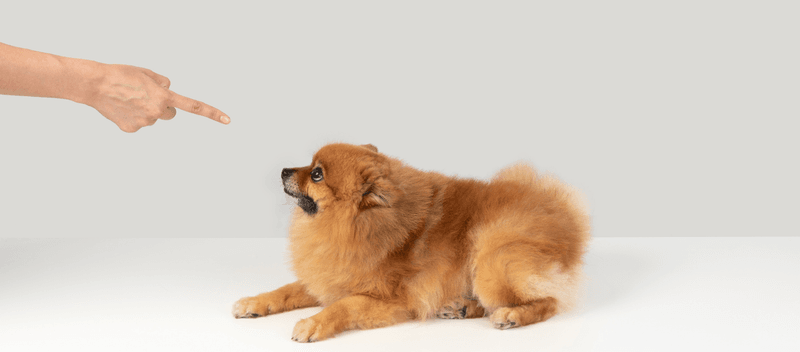
Finding shredded sneakers feels maddening, but scolding later will not teach cause and effect. Dogs link feedback to what they are doing in the moment, not past events.
Angry tones only create anxiety, which can fuel more chewing or hiding. Skip blame and switch to prevention and timely guidance instead.
If you catch it mid-chomp, interrupt calmly, trade for a toy, and redirect. Then secure shoes and set up a scenario to reward right choices.
Protecting trust keeps your dog engaged with you and willing to learn. Progress speeds up when guidance feels safe, predictable, and fair.
Remember the guilty look is stress, not proof of understanding. Teach what to do, and your shoes will thank you later, for sure.
Use crate training properly
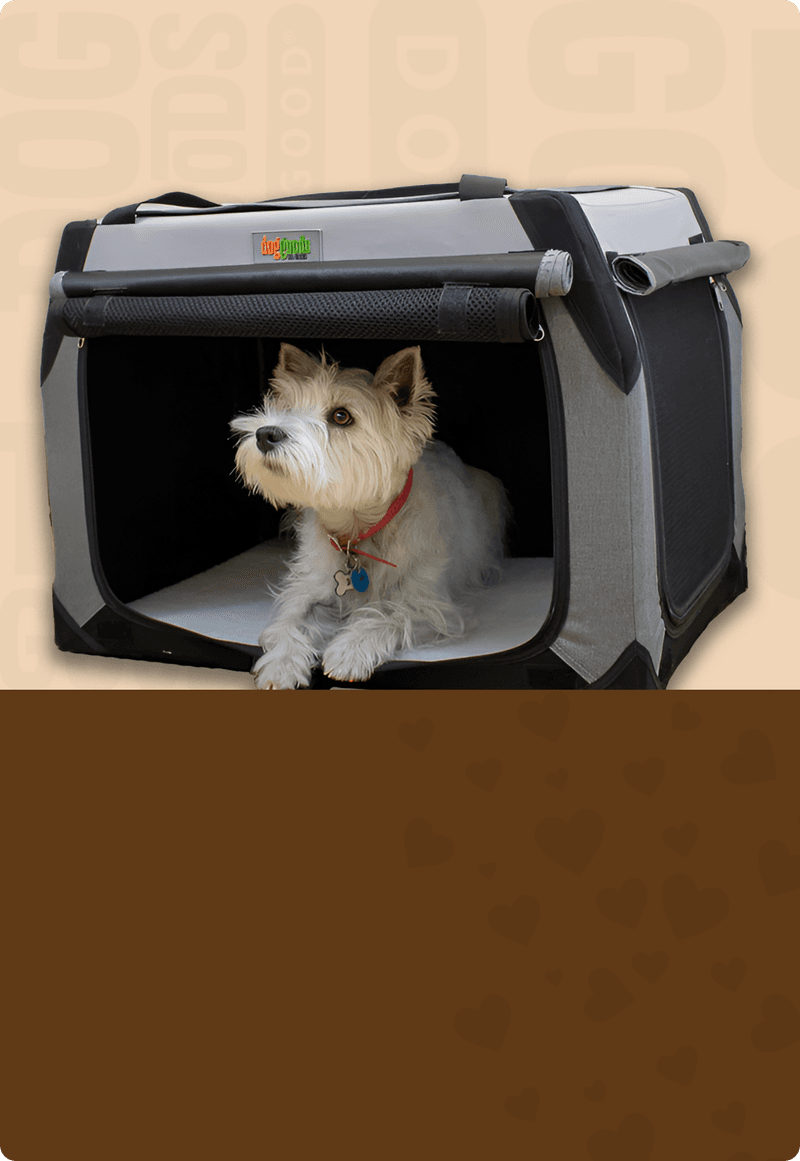
A crate can be a cozy den where shoes are never a temptation. Introduce it gradually with treats, meals, and chews so your dog chooses to enter.
Start with short doors-open sessions, then build duration with calm exits and returns. Never use the crate as punishment or stash shoes inside.
Offer a stuffed Kong or safe chew to occupy the early minutes of confinement. Step away briefly, come back before whining starts, and gradually increase distance and time.
Use a potty break schedule and plenty of exercise to prevent pent-up frustration. Crate confidence turns chaos into restful naps and intact footwear.
Pair it with a visual cue like a light blanket to signal relaxation time. Consistency makes everything feel safe.
Rotate toys to prevent boredom
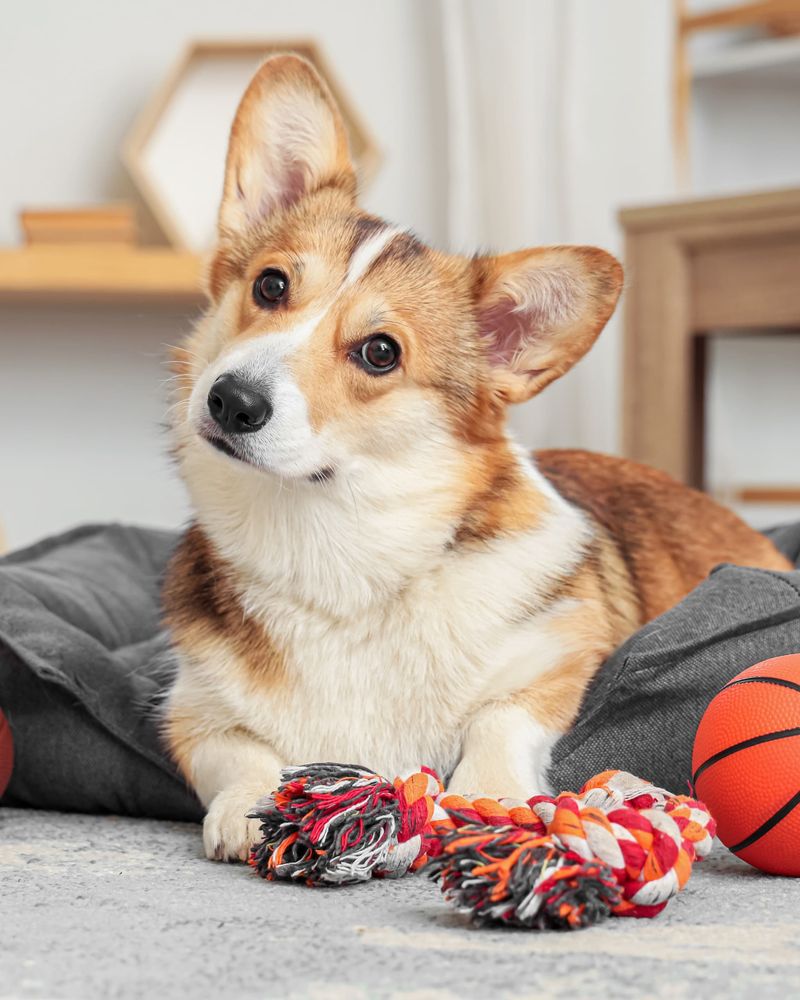
Even great toys lose sparkle when they are always available. Create two or three bins and swap them every few days to renew excitement.
Include different chewing feels, puzzle difficulty levels, and sound or scent elements. Leave one special item for supervised sessions so you control peak novelty.
Track which toys your dog favors and rotate them back before interest crashes. A little absence makes hearts fonder and jaws gentler on household goods.
Pair rotations with training games, then praise chewing the approved option. Curated variety channels natural urges without giving shoes center stage.
Less boredom means fewer scavenger missions and calmer evenings for everyone. That simple system keeps training fresh and your budget happier over time, in the end.
Practice short obedience sessions
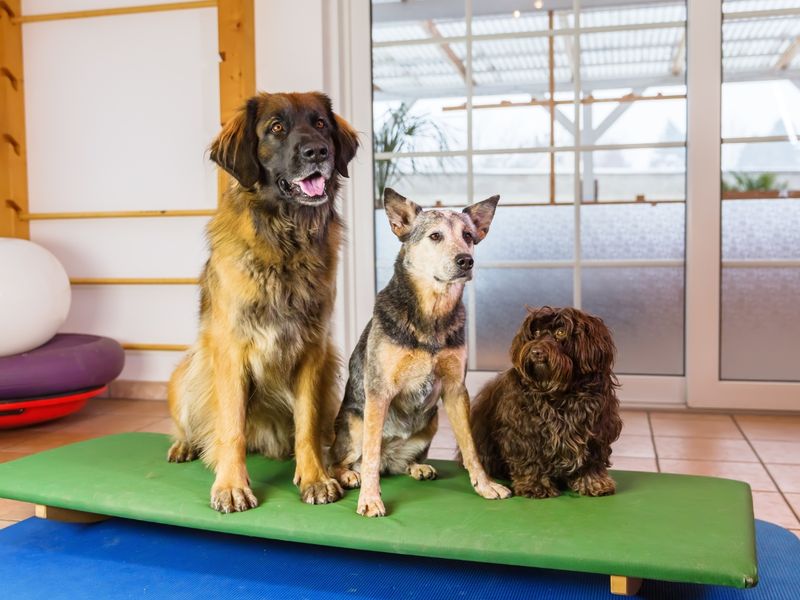
Training gives brains a workout that rivals long walks for chewing control. Run two to five minute sessions teaching sit, down, stay, leave it, and place.
Keep reps brisk, rewards tiny, and criteria clear so momentum stays positive. End before interest fades, always on a small win.
Practice near the shoe zone to build fluency around distractions. Then stage easy set ups, drop a sneaker, cue leave it, and celebrate success.
Short daily wins stack up, while mental fatigue melts the urge to mouth everything. You get a polite companion and fewer shoe funerals.
Keep sessions playful with chase cookies, fun markers, and frequent resets. That vibe grows confidence and keeps your training relationship joyful and strong, day to day.
Correct behavior immediately and calmly
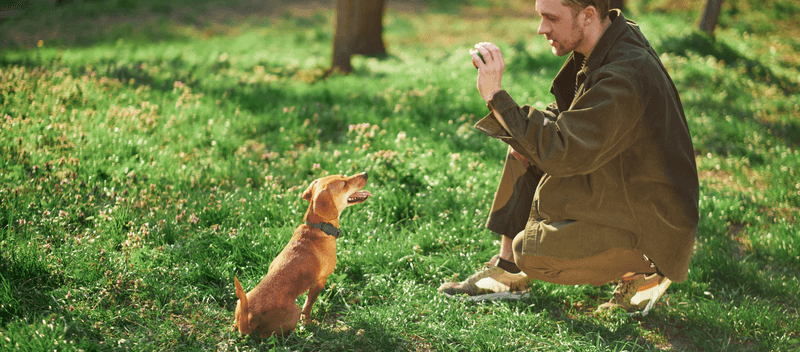
Timing is your superpower when a shoe enters the picture. Interrupt softly with a cheerful uh uh, then guide toward a chew toy.
Avoid yelling or chasing, which can turn it into a fun game. Mark the moment your dog disengages and pay quickly.
If needed, attach a lightweight house leash to steer gently without grabbing collars. Consistency teaches that shoes never lead to play, but toys always do.
End with praise and a reset in a shoe free area. Calm corrections lower arousal and prevent spirals into chaos.
Practice this flow during set ups so you feel smooth under pressure. Repetition builds muscle memory for both of you and keeps mistakes rare, even when excitement runs suddenly high outside.
Keep a consistent routine

Predictability reduces anxiety and gives chewing urges fewer chaotic openings. Feed, walk, train, and rest around the same windows each day.
Log potty breaks, exercise minutes, and calm rewards to spot patterns quickly. Your dog learns when fun happens and when downtime arrives.
Routines make it easier to notice triggers like deliveries, visitors, or long meetings. Prepare with exercise and chews before hot times and promise extra rest after.
Post a simple schedule on the fridge so everyone follows the same plan. Consistency turns training into culture, and shoes stop being targets.
Small daily habits stack into lifelong manners you barely have to think about. That steady groove keeps progress rolling forward and setbacks minimal, for a happier home together.