
That soft slurping sound at night, the one coming from your dog’s bed, can drive you a little crazy. A bit of paw licking is normal grooming, but nonstop licking usually means something is bothering your dog.
The cause is often hiding in plain sight, like the lawn, the floor cleaner, or even plain boredom. Here are eight common triggers worth checking before the licking turns into sore, red paws.
Environmental Allergies
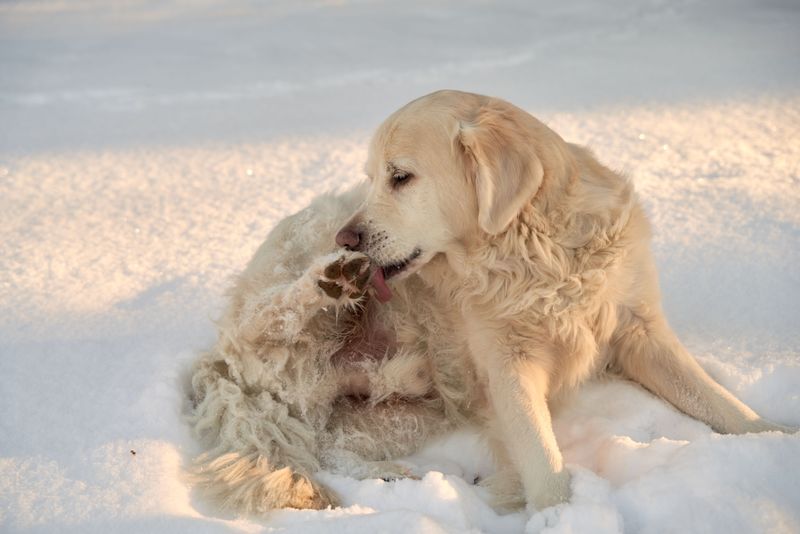
Spring and fall tend to bring a spike in paw licking, and that timing is a clue. Pollen, grass, mold spores, and dust mites are among the most common causes of itchy skin in dogs, a condition vets call atopic dermatitis.
Unlike people, who mostly sneeze, allergic dogs usually itch. The paws, belly, armpits, and ears are classic hot spots.
You might notice reddish-brown staining on light-colored fur between the toes, which comes from saliva.
Wiping paws with a damp cloth after walks can remove some allergens. If the itching keeps coming back each season, a vet can talk through options like prescription anti-itch medications or allergy testing.
Food Allergies
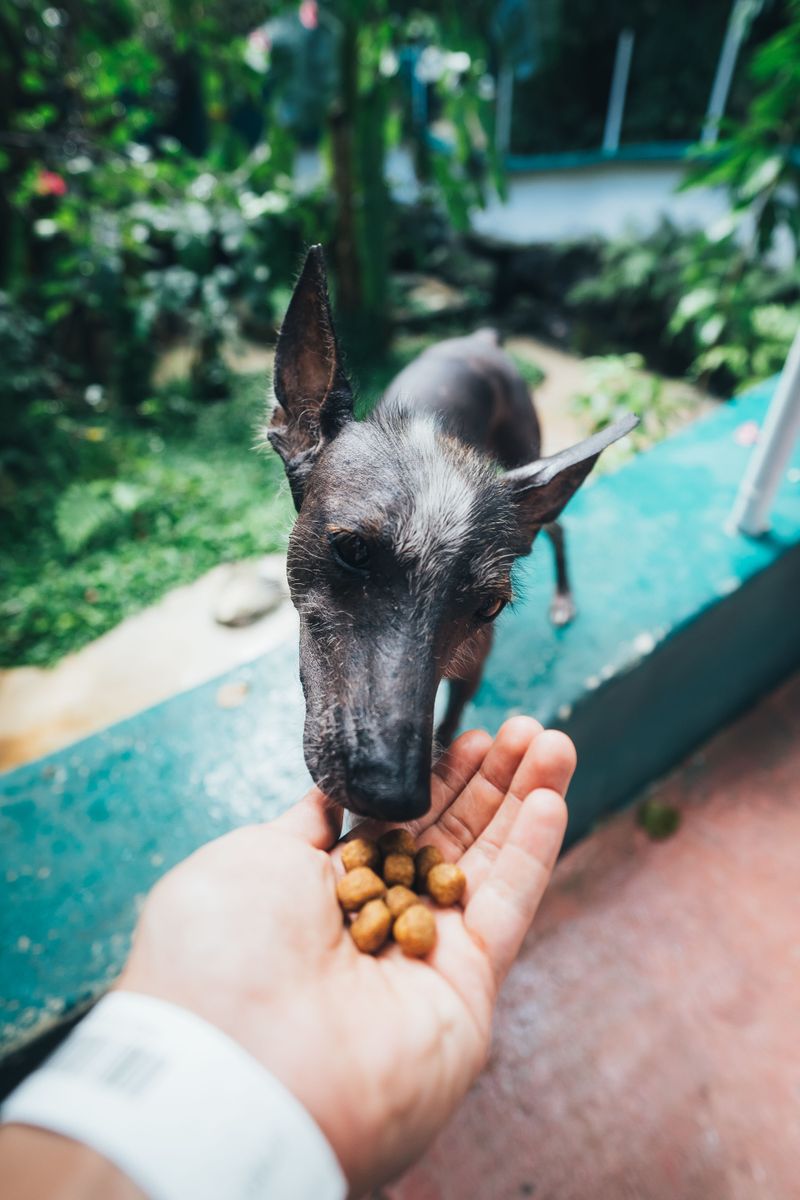
Year-round itching that never seems to take a break points in a different direction. Food allergies are less common than environmental ones, but they can cause itchy paws, ear infections, and skin problems in any season.
The usual suspects are proteins, not grains. Beef, dairy, chicken, and wheat show up often in veterinary research on canine food reactions.
There’s no reliable quick test at home. The gold standard is an elimination diet, typically eight weeks or more on a novel or hydrolyzed protein food chosen with your vet.
Treats and table scraps count too, so the whole household has to play along.
Fleas and Mites
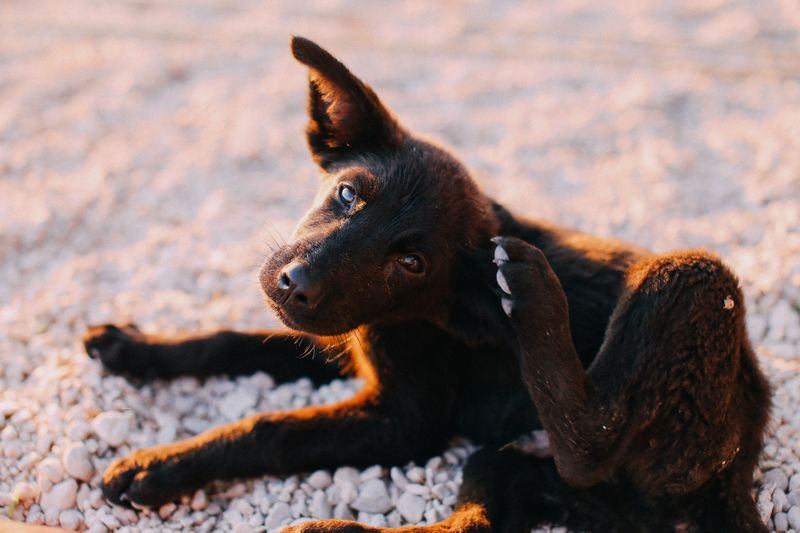
Fleas don’t just camp out on the back and tail. One bite can set off a whole-body itch in a flea-allergic dog, and the paws often take the brunt of the scratching and chewing.
Mites are another sneaky culprit. Demodex and sarcoptic mange mites can affect the feet, leaving skin flaky, red, or with patchy hair loss.
A flea comb run along the lower back can reveal flea dirt, which looks like tiny black specks that turn reddish when dabbed on wet paper. Mites usually need a vet’s skin scraping to confirm.
Consistent parasite prevention is one of the easiest triggers to rule out.
Yeast and Bacterial Infections
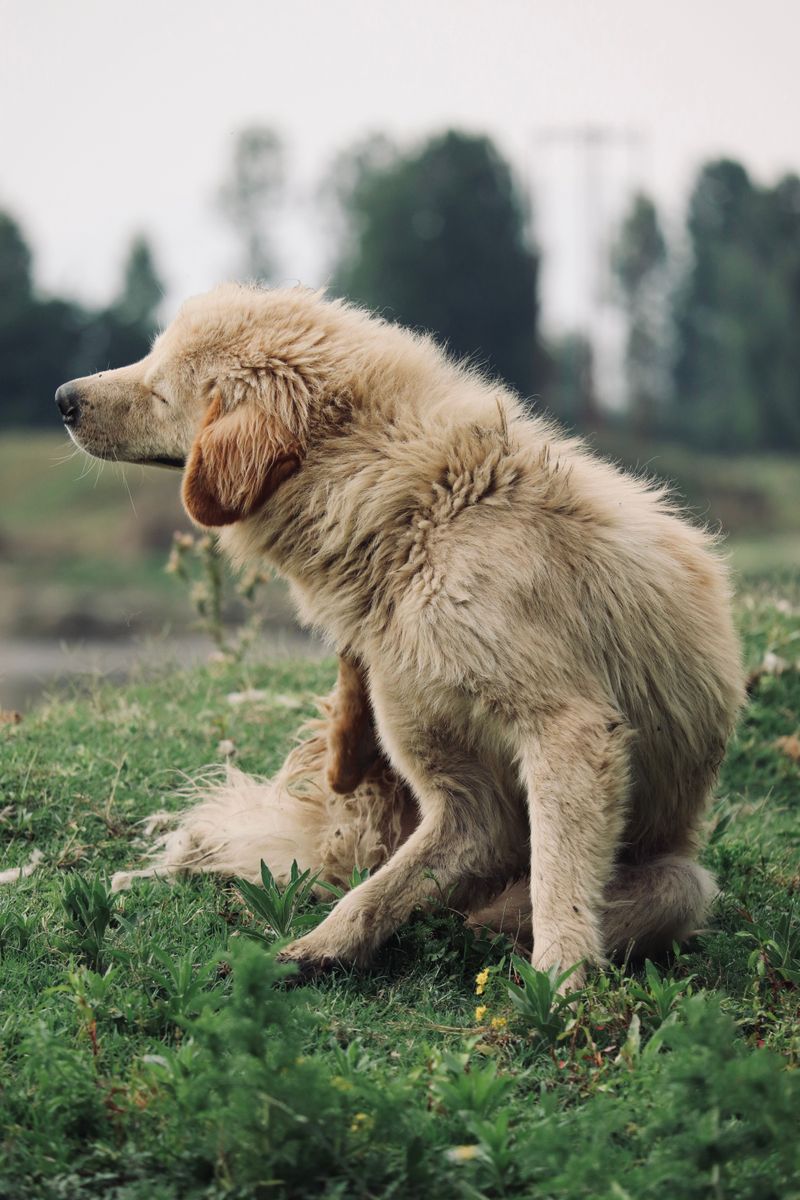
Some owners notice it with their nose first. A paw that smells like corn chips or old bread can be a sign of yeast overgrowth, often from a fungus called Malassezia.
Here’s the tricky part. Constant licking keeps the skin between the toes warm and damp, which helps yeast and bacteria thrive, and those infections make the itching worse.
It becomes a loop that feeds itself.
Greasy residue, redness, swelling, or discharge all deserve a vet visit. Infections usually need proper treatment, and they often point back to an underlying cause like allergies.
Boredom and Anxiety
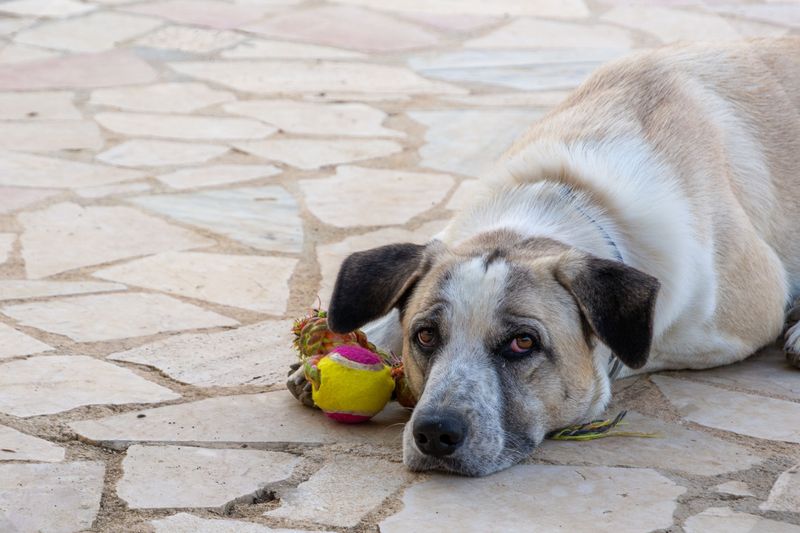
Not every lick starts with an itch. Dogs left alone for long stretches, or dogs without enough mental work, sometimes lick simply because it feels soothing.
Repetitive licking can also show up alongside separation anxiety or stress from changes like a move. In some cases it leads to acral lick dermatitis, a stubborn sore usually on the lower leg.
Watch when the licking happens. If it ramps up when you leave or on quiet afternoons, try puzzle feeders, sniff walks, and short training games.
Persistent anxiety may need help from a vet or certified behavior professional.
Dry or Cracked Paw Pads
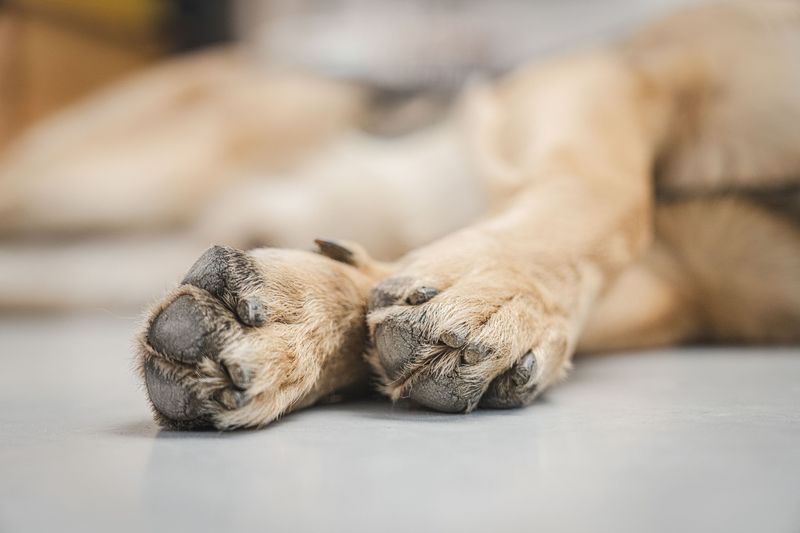
Winter is rough on feet. Cold air, indoor heating, and icy sidewalks can leave pads dry and cracked, and dogs may lick to soothe the tightness.
Summer brings its own risks. Hot pavement can burn pads quickly, so a quick five-second test with the back of your hand is a smart habit.
A vet-approved paw balm can help with mild dryness. Deep cracks that bleed or don’t heal should be checked, since they can let infection in.
Pain or Injury
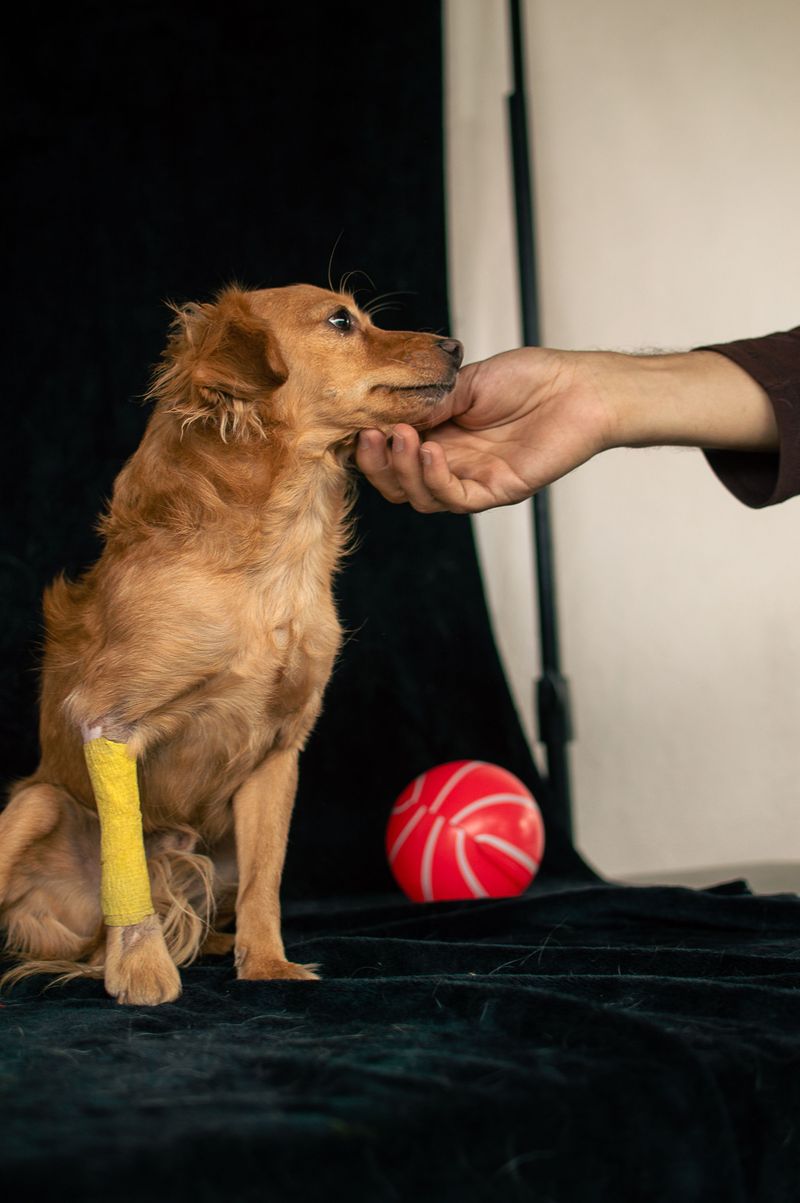
Sudden licking focused on one foot is a different story from all-over itchiness. That pattern often signals something physical, like a splinter, grass awn, torn nail, cut, or sting.
Grass awns, those arrow-shaped seed heads, are especially sneaky because they can burrow into skin between the toes. Limping or a swollen bump are clues.
Licking can also be how a dog responds to deeper pain, such as arthritis in the toe joints or wrist. Older dogs who lick the same spot again and again may be dealing with joint discomfort worth discussing with a vet.
Household Chemicals and De-Icers

Your freshly mopped floor might be part of the problem. Strong cleaners, lawn treatments, and road de-icing salts can irritate sensitive paws.
Dogs then lick that residue off, which can upset the stomach too. Some de-icers and lawn products can be harmful if swallowed in larger amounts.
Rinsing or wiping paws after winter walks or time on treated lawns makes a real difference. Letting floors dry fully and choosing pet-safe cleaners and ice melts can quietly solve a mystery that’s been going on for weeks.
Paw licking usually has a reason, and working through these triggers one at a time often reveals it. When the licking is intense or causes redness, swelling, or limping, your vet is the best next stop.