
Dogs communicate in many ways, and nighttime barking is one of them. When the sun goes down, new sounds and sights can trigger your pup’s voice.
Instead of getting frustrated, try to understand what your dog is noticing or feeling. A few smart changes can bring quieter nights for everyone.
Increased activity from wildlife outside

Owls hoot, raccoons rustle, and your dog becomes the neighborhood night guard. That sudden bark might be a natural response to tiny feet and fluttering wings outside the fence.
Try a late-evening potty walk to release energy before wildlife wakes up. Close curtains, use white noise, and supervise yard time after dusk.
Motion-activated lights can scare off critters, and a scent barrier, like citrus peels or safe deterrent sprays, may help around decks and trash cans.
Unfamiliar nighttime sounds
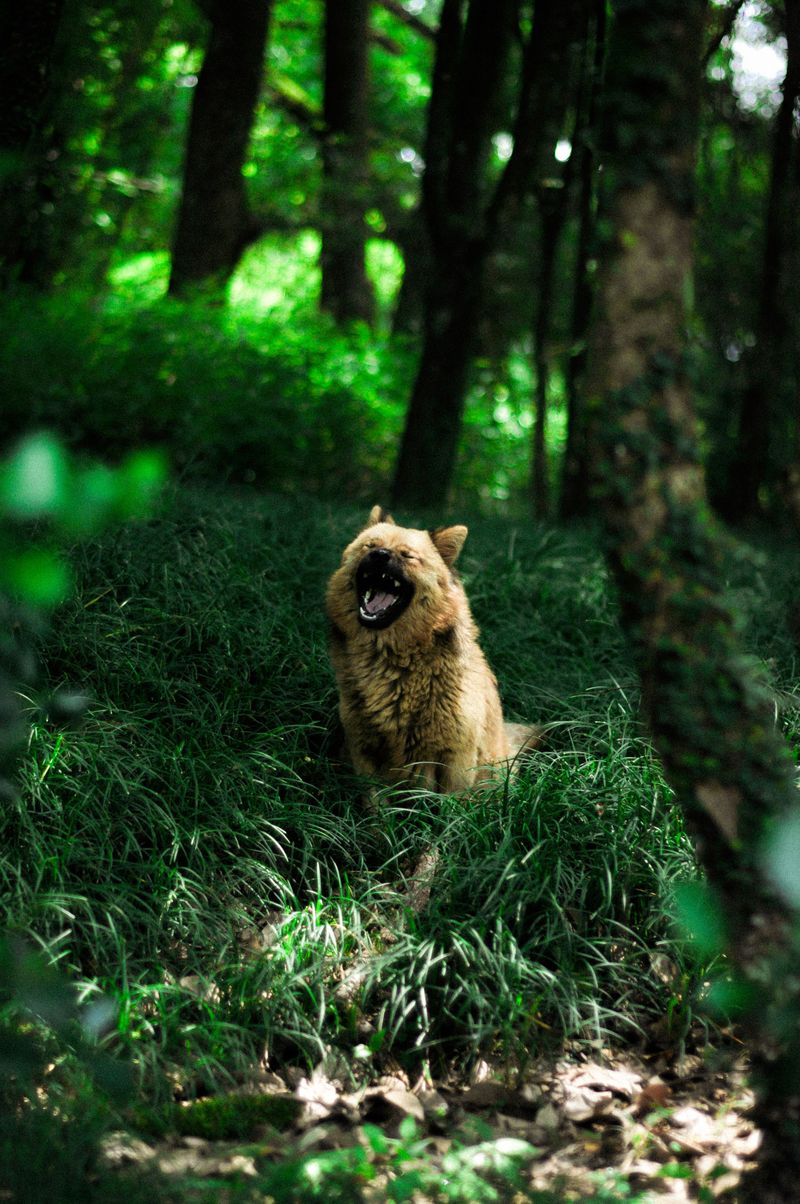
From humming heating units to distant trains, the night soundtrack can puzzle sensitive ears. Your dog may bark to file a report on every beep, buzz, and clank.
Help by introducing those noises at a low volume during the day while giving treats. Close windows, add rugs, and quiet loose tags on collars.
A calming playlist, paired with a stuffed food toy, can reframe sounds as background music instead of alarms.
People or animals passing the house
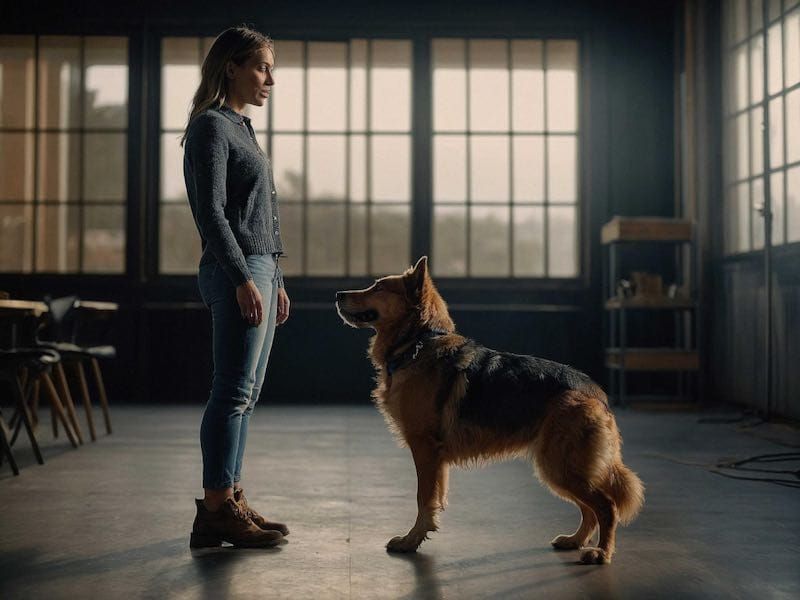
Think of your dog as the night shift window monitor. Footsteps on the sidewalk or a cat tiptoeing along the fence can set off a warning routine.
Block visual triggers with frosted film or closed blinds in busy rooms. Create a quiet zone away from windows, then reward calm behavior when passersby appear.
If you have a yard, a privacy screen and predictable potty breaks reduce patrol duty and keep bedtime peaceful.
Territorial behavior becomes more noticeable
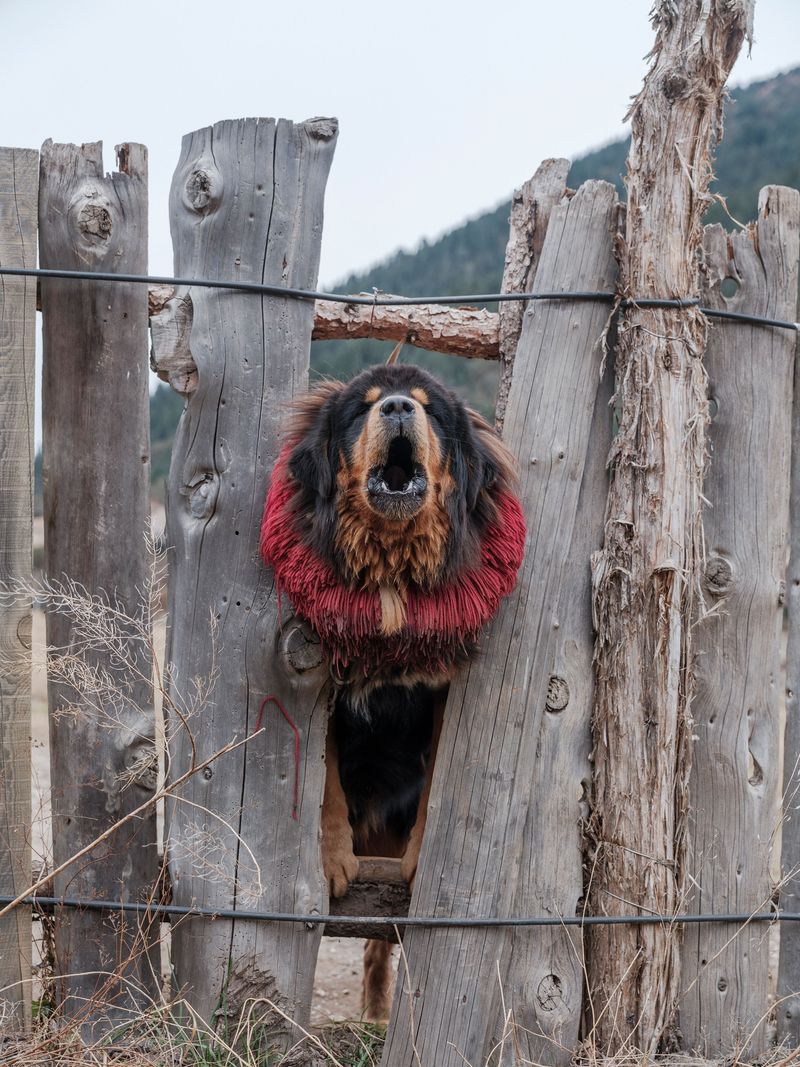
Some pups feel braver after sunset, like the porch suddenly belongs to them alone. Extra confidence can sound like bold, repetitive barking at shadows and corners.
Channel that pride into a job you control. Teach a place command near your bed, reward quiet checks, and release with a cue.
Short scent games before lights-out satisfy the need to patrol while keeping you in charge of when guarding starts and stops.
Boredom after a quiet evening

Movie night for you can feel like a long yawn for your pup. After hours of lying around, pent-up energy often pops out as nighttime barking.
Plan a pre-bed mini workout. Ten minutes of tug, a few fetch sprints in the hall, and a puzzle feeder can empty the battery just enough.
Keep it fun but not wild, then finish with a sniffy bathroom break and water check to prevent wake-up calls.
Alerting to movement owners don’t notice

While you scroll your phone, your dog might catch a tiny shadow slide across the wall. Their bark can be the flashlight pointing out motion you missed.
Do a quick sweep. Check doors, windows, and cameras if you have them, then thank your dog with a calm word.
After the check, use a consistent phrase like all safe, guide them to a mat, and reward silence so they learn the alert has an off switch.
Anxiety when the household settles down
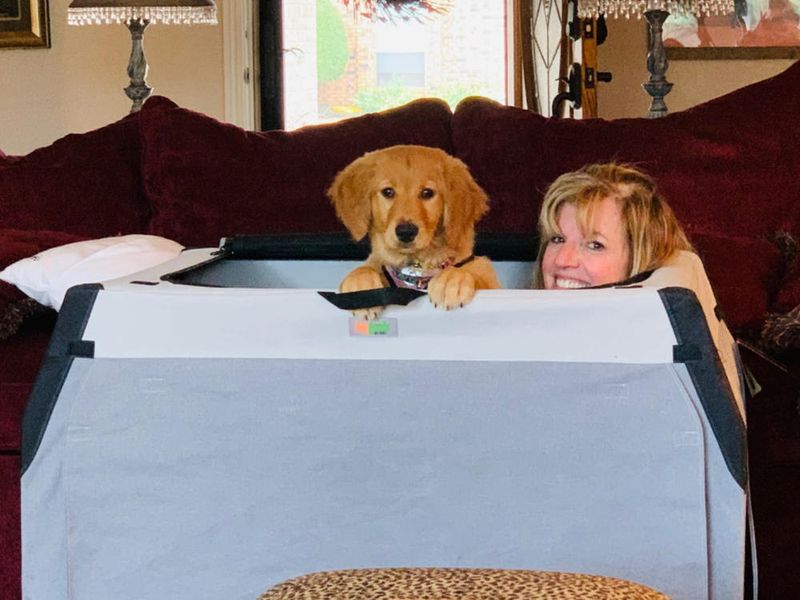
Some dogs get nervous when the house suddenly goes quiet. The silence makes every creak feel big, and barking becomes a way to ask for company.
Build a bedtime routine that feels safe. Low lights, a chewy treat, and a favorite blanket can signal that everything is okay.
Consider a crate or bedside pen if they like cozy spaces, and add a gentle fan or soft music to smooth the edges of the night.
Insufficient daytime mental stimulation
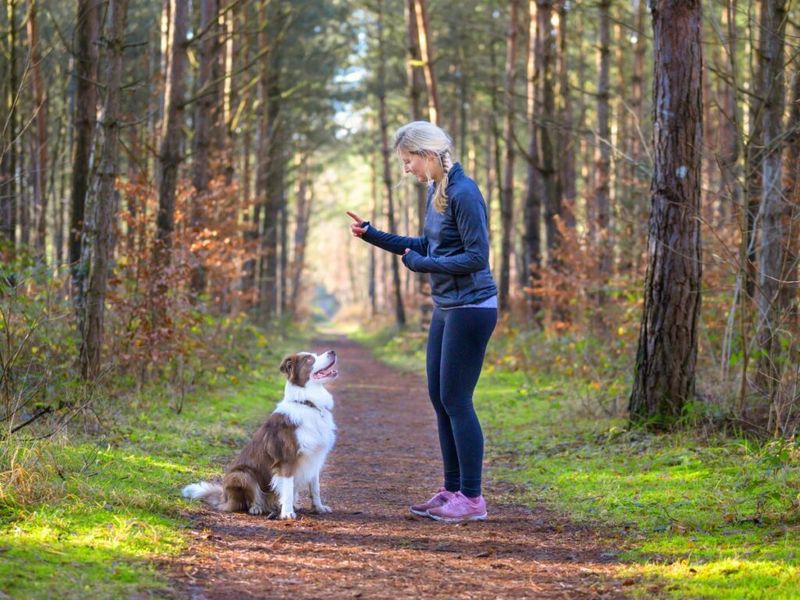
A tired brain sleeps deeper than a tired body. Dogs who nap all day but never problem solve may wake after dark ready to chat about nothing.
Sprinkle mini lessons into daylight hours. Five-minute training bursts, nose-work searches for kibble, and simple shaping games build focus and confidence.
Rotate toys so novelty stays fresh, and save the hardest puzzle for evening while you brush teeth. That mental workout often flips the off switch later.
Changes in routine or environment

A moved couch, a visiting cousin, or a new shift at work can ripple through your dog’s night. Barking becomes the comment box for every change.
Stability helps. Keep bedtime at the same hour, feed on schedule, and keep favorite sleeping spots consistent.
Offer a scent anchor, like a worn T-shirt in their bed, when traveling or hosting guests. Gentle practice sessions with the new layout during daylight lessen surprises after dark.
Medical discomfort that’s more noticeable at night

Pain often feels louder in quiet hours. Stiff joints, itchy skin, or stomach upset can make a dog restless, vocal, and unable to settle.
Look for clues like paw licking, pacing, or sudden night accidents. Keep a log, adjust evening meals, and schedule a vet exam if patterns persist.
A supportive bed, gentle massage, and safe supplements recommended by your veterinarian can ease nights and reduce barky protests linked to discomfort.