
If your leash feels like a tow rope, you are not alone. Some dogs are literally built to haul, and they love every second of it.
Understanding why they pull helps you direct that power into something safe, fun, and satisfying. Let’s explore the breeds born to move and how you can channel their engine into great adventures.
Siberian Husky
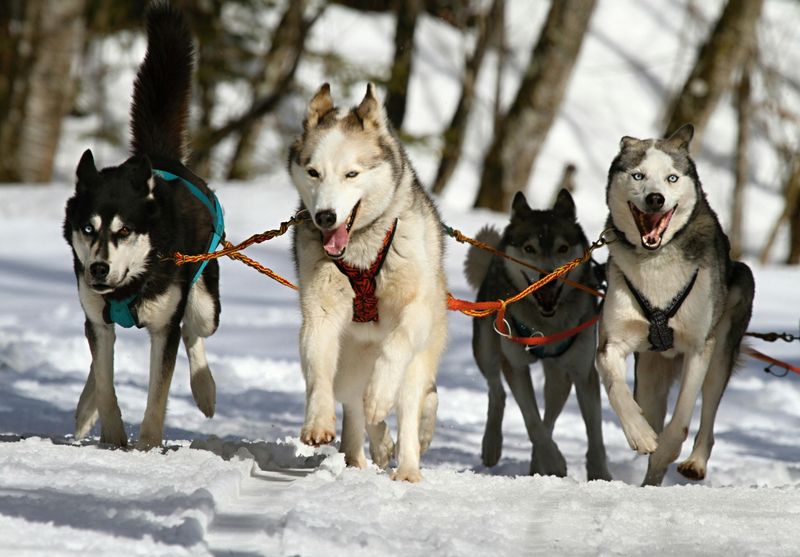
The Siberian Husky is a compact, endurance driven sled dog that treats distance like a playground. Expect turbo level enthusiasm, quick feet, and a mind that scans for motion and freedom.
If your Husky pulls, that is genetic programming meeting opportunity.
Lean into structured outlets like canicross, bikejoring, or urban mushing with a proper x back or short y harness. Use a bungee line to protect joints and teach a steady pace.
You will still need impulse control games and focused heel work.
Mental workouts matter as much as miles. Rotate scent puzzles, flirt pole sessions, and recall drills to balance excitement.
When given a job, the pulling becomes purposeful, safer, and far more enjoyable for both of you.
Alaskan Malamute
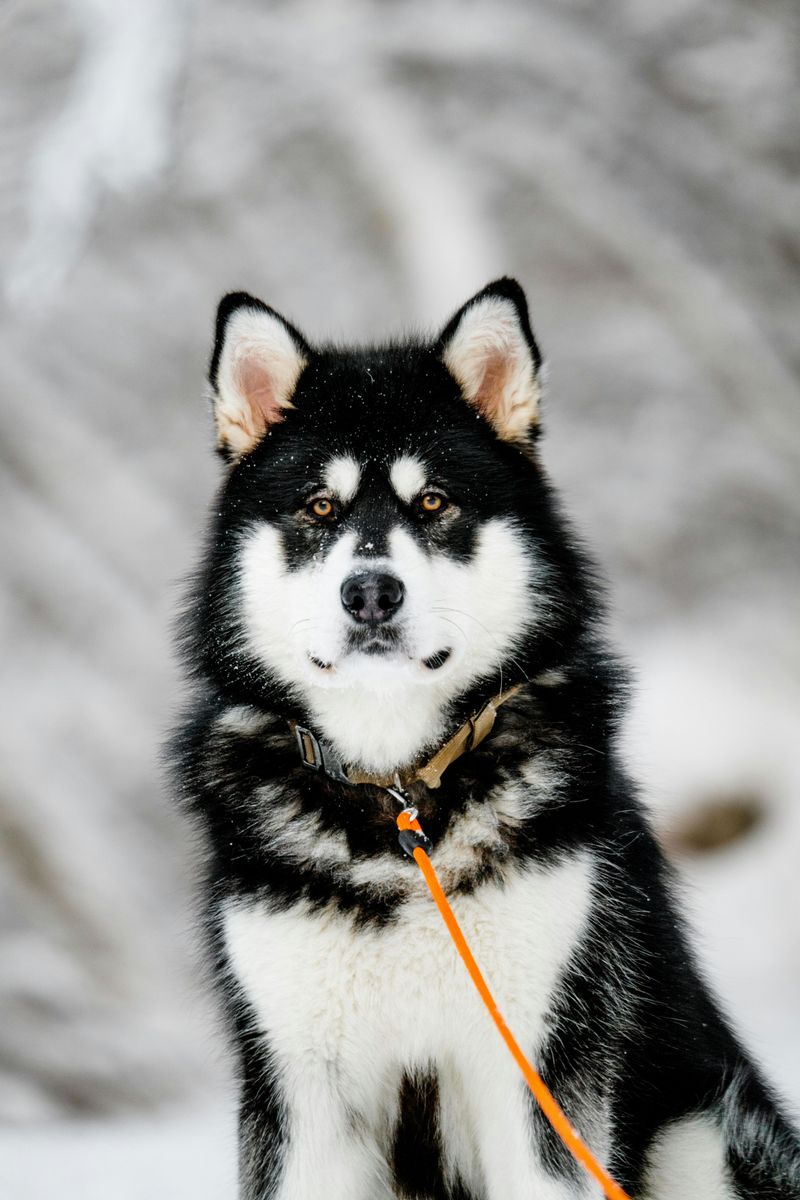
The Alaskan Malamute is a freight hauler with a heart of gold and a tank of stamina. They are heavier than Huskies and designed for steady pull rather than sprinting.
If your Mal pulls, it is history whispering in every step.
Start with foundational leash manners and teach cues like easy and whoa using high value food. A back clip walking harness for casual strolls, and a pulling harness for work, keeps expectations clear.
Weighted drags and sledding practice satisfy their need to move.
Build strength responsibly with age appropriate loads and traction surfaces. Cross training with hill walks and core exercises helps joints.
Consistent boundaries, calm routines, and brain games turn that power into teamwork you can trust.
Samoyed
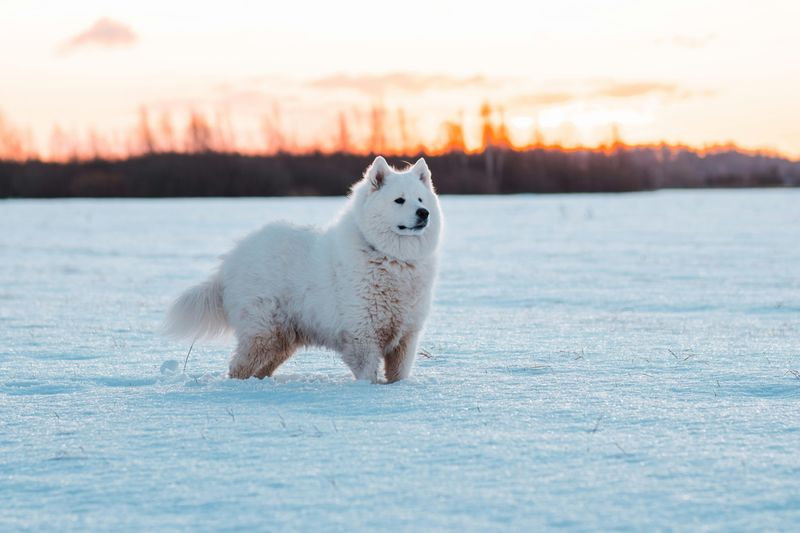
The Samoyed blends beauty with brawn, originally helping reindeer herders and hauling supplies. That signature smile hides a determined worker who loves to go, go, go.
If your Sammy drags you forward, channel it instead of fighting.
Introduce structured pulling sports with clear start and stop cues. A comfortable, well fitted harness and a bungee line make sessions smooth.
Pair movement with brief focus breaks so excitement does not overwhelm listening skills.
Daily brushing pairs nicely with decompression walks, keeping coat and mind clear. Add nosework, rally foundation, and handler focus games to strengthen connection.
When the job feels like a game, your Samoyed shows stunning reliability while keeping that trademark sparkle.
Greenland Dog
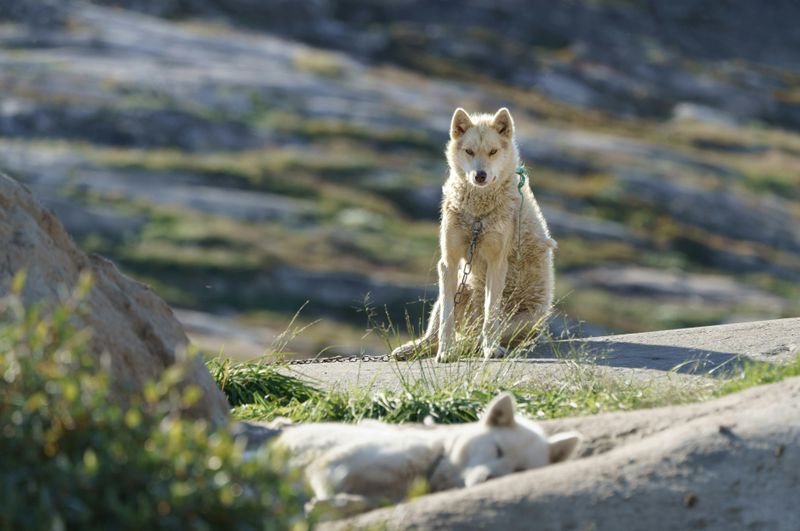
The Greenland Dog is pure Arctic grit, bred for serious expeditions and survival grade teamwork. Expect independence, stamina, and a deep drive to pull into wind and weather.
Without outlets, that engine becomes a daily tug of war.
Teach reliable start, line out, and on by cues using calm repetition. Use a sturdy pulling harness, long line, and strong carabiners for safety.
Keep sessions short at first, rewarding rhythm and steady pressure rather than frantic speed.
Layer in skijoring or canicross once foundations stick. Provide decompression hikes where sniffing is encouraged on a long line.
With clear jobs and predictable structure, this rugged partner offers steadfast power and surprising tenderness at home.
Chinook
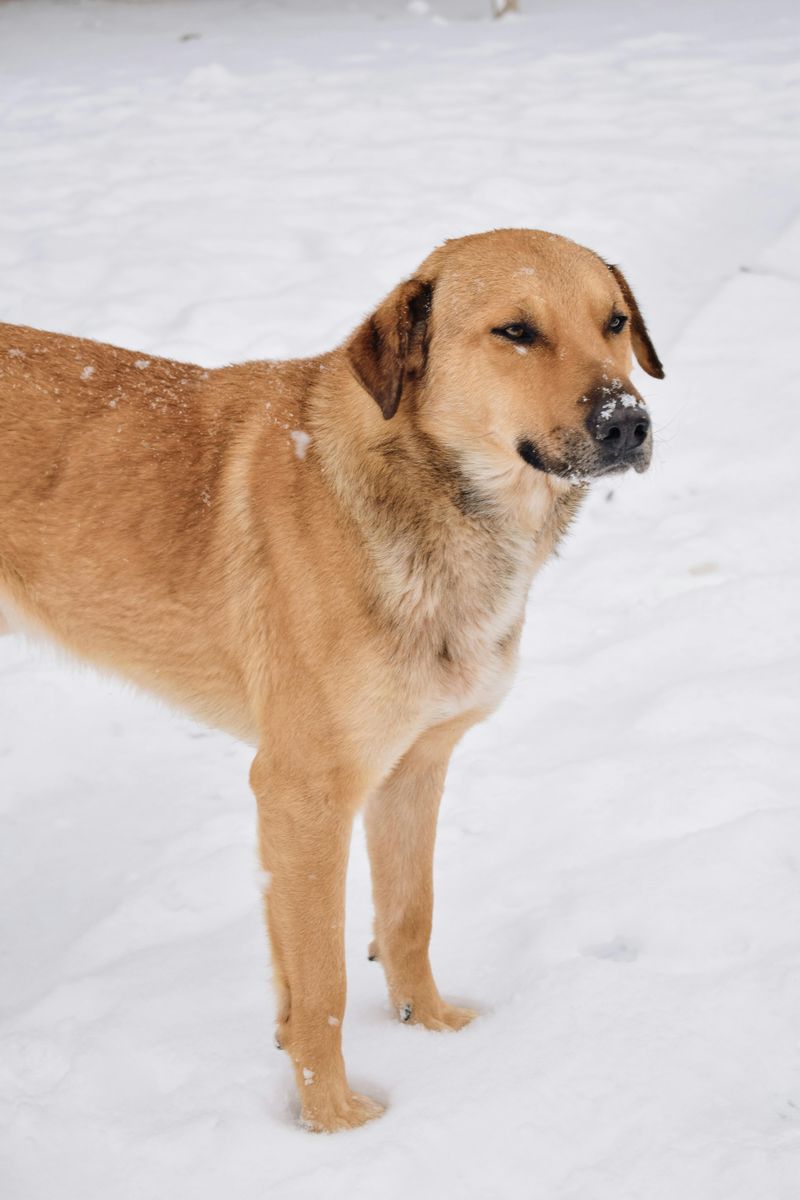
The Chinook is a rare American sled breed known for steady pull and cooperative temperament. Moderate speed, great endurance, and people focus make training approachable.
If your Chinook surges, it is an invitation to give that energy a lane.
Build a routine with warmups, short intervals, and cool downs. Use a bungee line and clear pulling cues to separate work from casual walks.
Reinforce calm stands and controlled starts so excitement does not explode.
Cross train with hiking, drag work under supervision, and core stability exercises. Brain games keep this thoughtful dog engaged between workouts.
With predictable structure and kind boundaries, you will enjoy smooth teamwork and a partner eager to move with you.
American Eskimo Dog
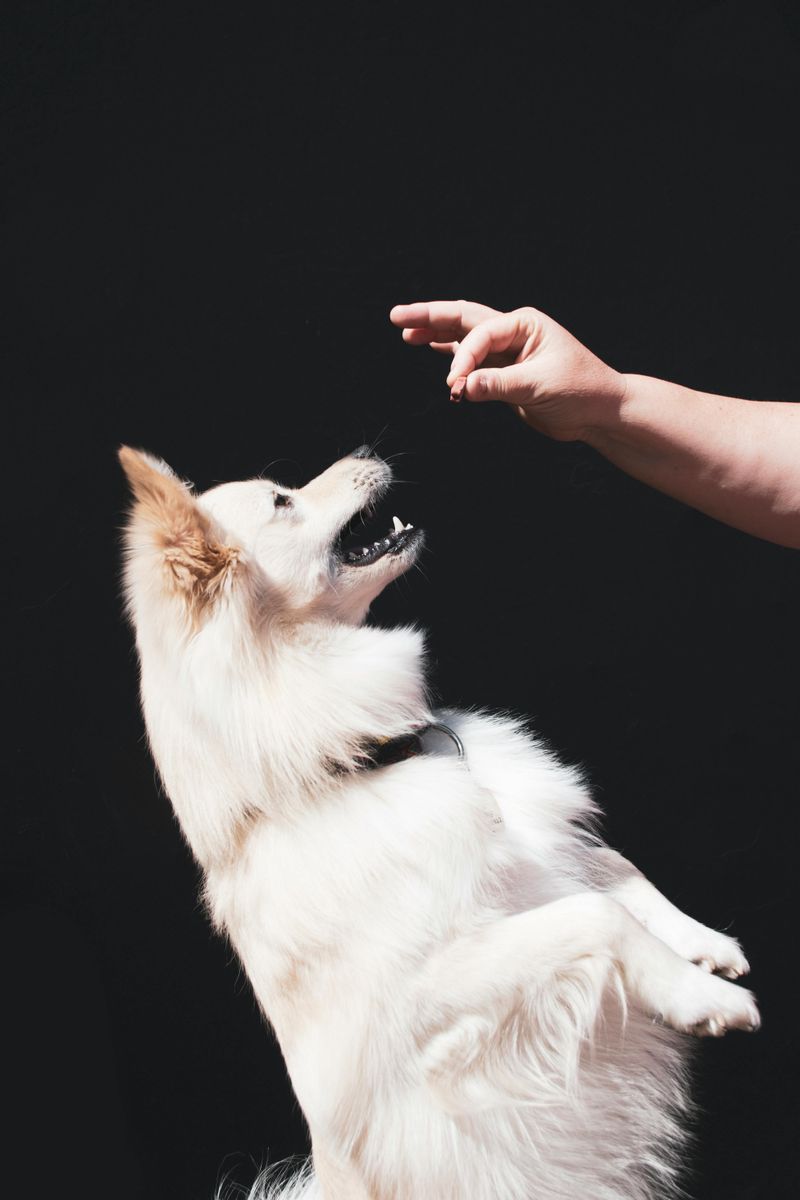
The American Eskimo Dog is lively, clever, and surprisingly athletic despite its fluffy, showy coat. While not a traditional sled dog, many love fast movement and will pull for the thrill.
Redirect that zest into structured games and light sport.
Teach heel and release cues so your dog knows when pulling is allowed. Short canicross style jogs or scooter practice at low intensity can satisfy urges.
Keep sessions brief to match size and build confidence.
Mental work pays huge dividends with this bright breed. Add trick training, platform games, and scent boxes between outings.
With consistency and fun, your Eskie learns to switch between polite strolls and joyful, controlled bursts of speed.
German Shepherd Dog
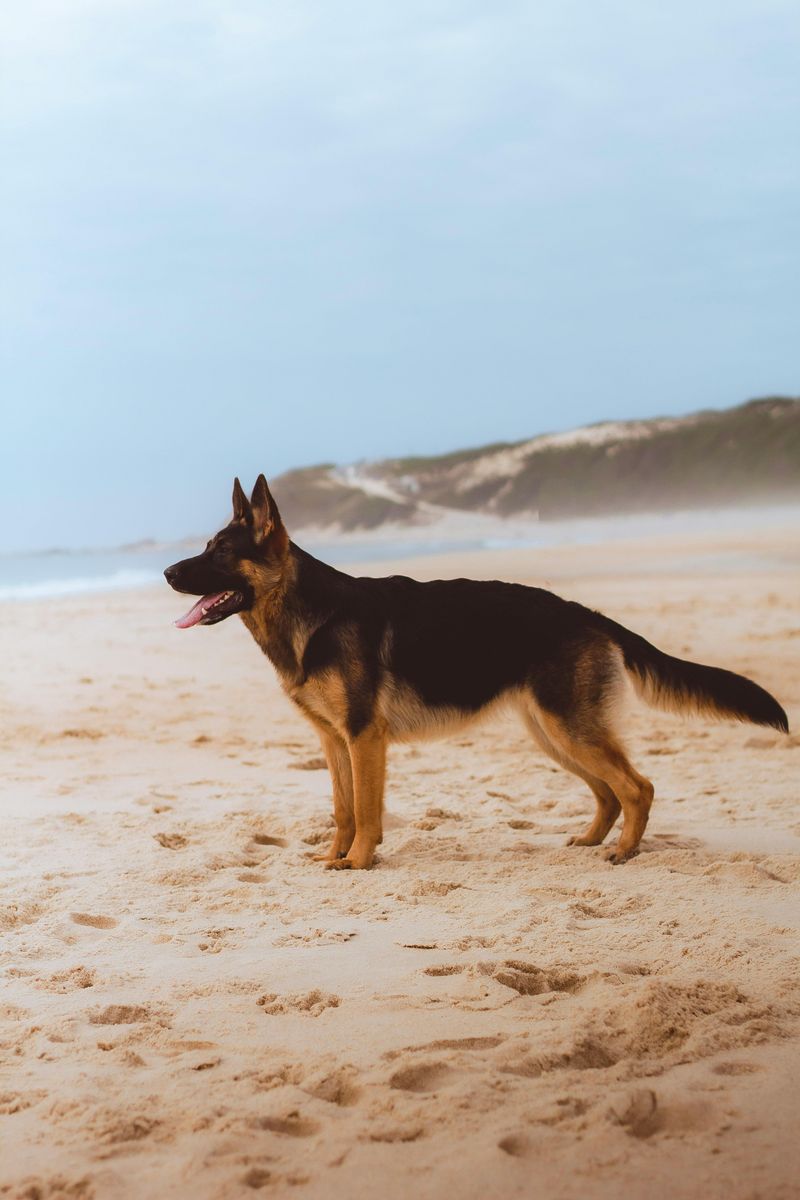
The German Shepherd Dog is powerful, intelligent, and driven to work with clarity and purpose. Pulling often shows up as forward focus mixed with excitement.
Channel it through jobs that reward precision as well as motion.
Teach engagement with pattern games and marker training. Use a front attach harness for loose leash practice and a dedicated pulling setup for sport.
Alternate speed intervals with obedience positions to build on off switches.
Strengthen the core with cavaletti, lateral steps, and hill work to protect joints. Add tracking or scent work to meet their investigative needs.
Balanced routines transform raw drive into clean, responsive movement you will actually enjoy controlling.
Rottweiler
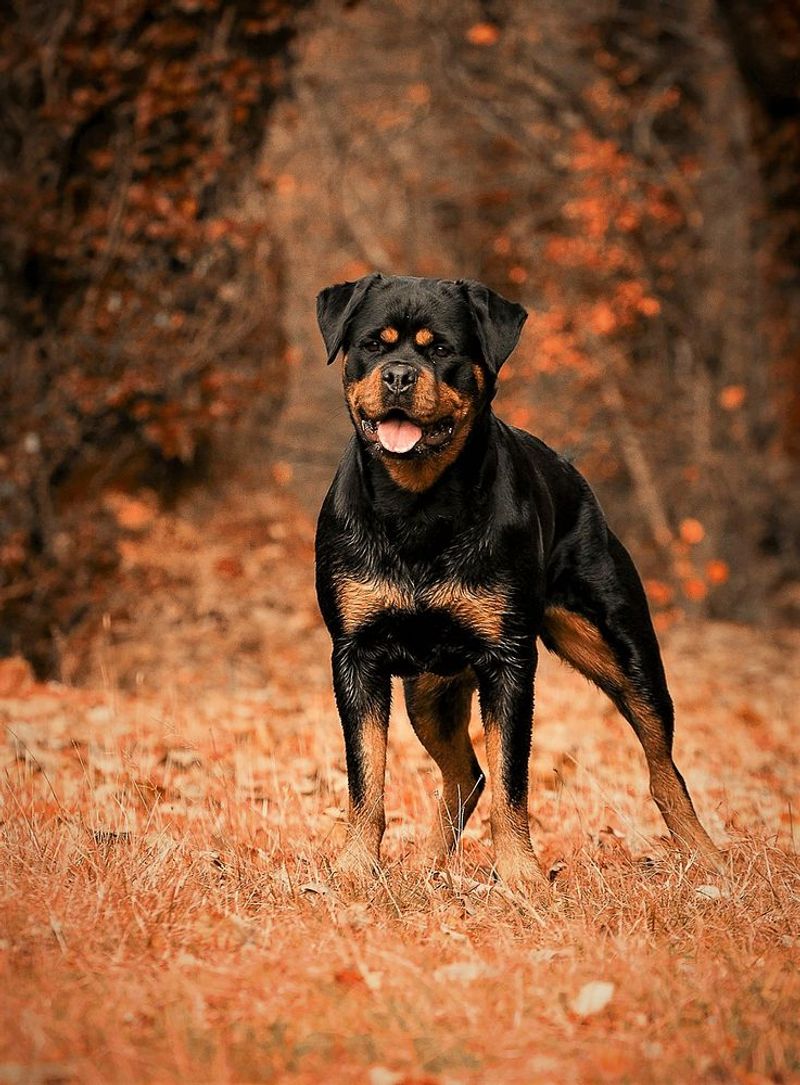
The Rottweiler brings serious muscle and surprising agility, which can translate into freight train pulling. Clear rules and structured outlets prevent power from becoming chaos.
When you define jobs, this breed delivers focus and reliability.
Begin with loose leash foundations and impulse control around triggers. Use a strong, padded harness and bungee line for controlled pulling sessions.
Keep sessions short with precise start and stop cues to avoid bracing contests.
Condition wisely using resistance walks on soft ground and gentle hill repeats. Mix in obedience, scent games, and rear end awareness for balance.
With respectful boundaries and consistent practice, your Rottie moves like an athlete and listens like a teammate.
Bernese Mountain Dog
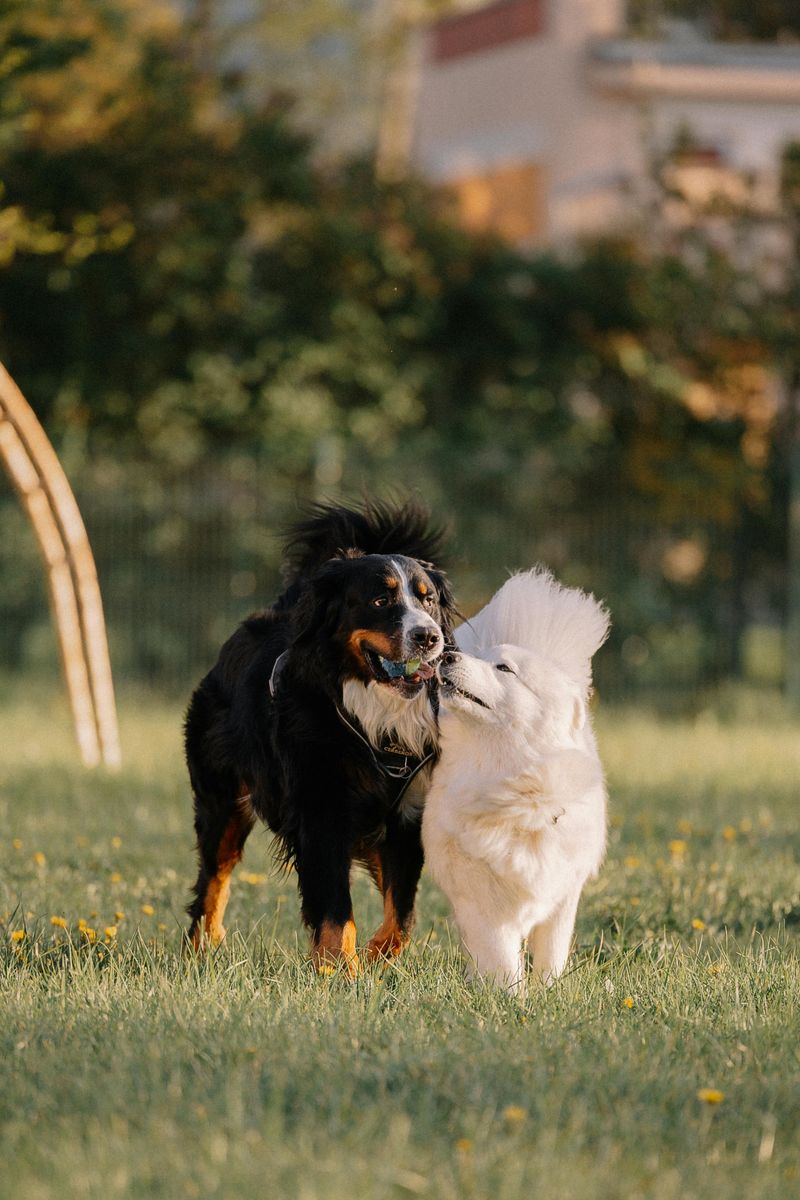
The Bernese Mountain Dog is a classic draft worker, bred to pull carts through Swiss farm lanes. Their gentle nature pairs with a steady, dependable pull.
If your Berner leans into the leash, give that strength a carting outlet.
Start with fit checks, padding, and short, empty cart sessions. Teach stand, back, and whoa before adding light loads.
Keep strides slow to protect joints and support with core and shoulder conditioning.
They thrive on connection, so keep training warm and encouraging. Add scent hikes and easy hill walks for variety.
With patient guidance, your Berner becomes a graceful partner who trades random tugging for purposeful, heartwarming teamwork.
Great Pyrenees
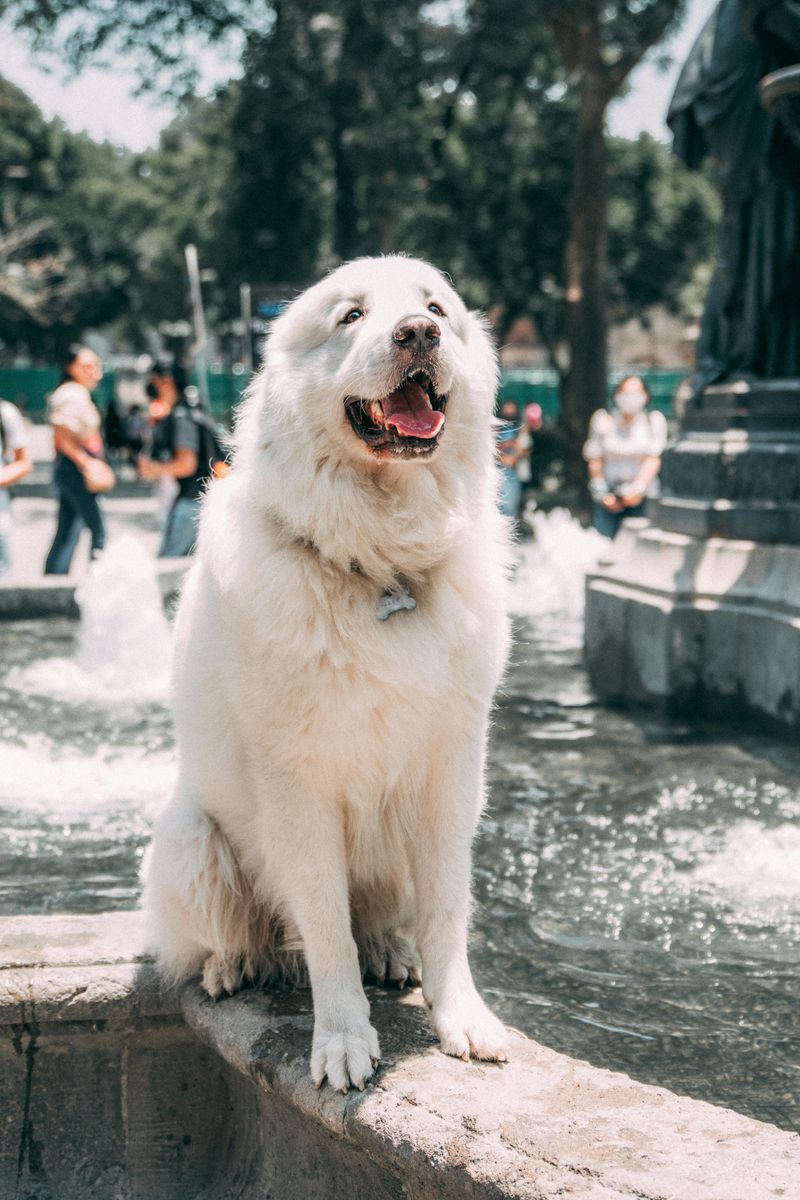
The Great Pyrenees is a guardian first, but that big frame can pull like a tractor when motivation hits. Independence and environmental awareness drive decisions, so training must be crystal clear.
The goal is cooperative movement, not constant restraint.
Use calm, consistent leash routines with predictable routes. Reward quiet check ins and teach pressure release so they understand slack.
For pulling outlets, try slow carting or weighted drags under professional guidance.
Guardians need decompression and choice. Provide long line pasture walks with plenty of sniffing and distance from triggers.
With patient structure and respectful space, your Pyr learns to move with you, channeling that strength in thoughtful, controlled ways.