
Metallic smelling dog breath can be a surprising red flag, and some breeds are more at risk than others. That coppery scent may point to bleeding gums, hidden ulcers, or even systemic issues you should not ignore.
Knowing which pups need closer dental care helps you act sooner and spare them pain. Let’s zero in on the breeds that deserve extra attention and what you can do today.
Yorkshire Terrier
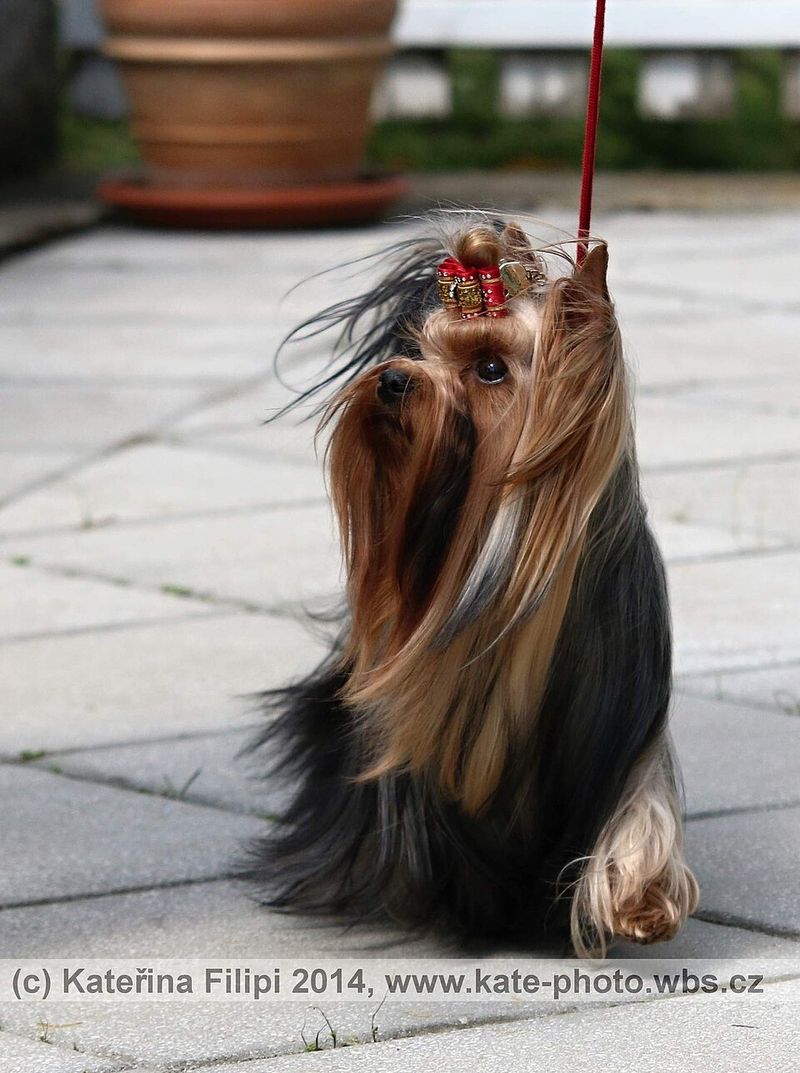
Yorkshire Terriers are tiny dynamos with big personalities, but their mouths can be trouble spots. If you notice a metallic smell, it may signal bleeding gums, tooth resorption, or a brewing infection.
Toys accumulate plaque fast because crowded teeth trap food, and Yorkies are famous for tartar.
Schedule dental checks twice yearly, brush daily with enzymatic paste, and consider water additives approved by your vet. If breath shifts suddenly to coppery, check the gums for ulcers and monitor for nosebleeds or vomiting.
Prompt cleanings, dental chews sized properly, and soft diets during flare ups can spare painful extractions later. Ask about baseline bloodwork to rule out anemia, kidney strain, or clotting issues when metallic odors persist over several consecutive days.
Chihuahua

Chihuahuas pack plenty of charm, yet their tiny jaws often crowd teeth and invite periodontal problems. A metallic breath note can hint at gum bleeding, oral ulcers, or a loose tooth scraping soft tissue.
Because many prefer soft food, plaque builds faster and traps bacteria under the gumline.
Get comfortable lifting lips, sniffing gently, and looking for red lines along the teeth. Daily brushing, finger wipes, and veterinary cleanings timed early can save these tiny roots.
If breath turns coppery suddenly, limit chew toys, switch to wet meals, and book an exam. Your vet may check clotting, platelets, or nasal sources, since swallowed blood also gives a metallic scent.
Persistent changes deserve images, cultures, and pain control during healing plans.
Maltese

Maltese coats look angelic, but their mouths can hide tartar, retained baby teeth, and inflamed gums. A metallic breath smell often points to active bleeding or ulcerated tissue from chronic periodontitis.
Tear staining sometimes clues you to oral bacteria, since nasal and oral passages meet closely.
Set a routine you can maintain: brush nightly, offer approved chews, and schedule professional cleanings early. If the odor turns coppery, check lip folds, tongue edges, and the gumline for raw spots.
Ask your vet about pain relief, antibiotics when indicated, and dental X rays to find hidden roots. Bloodwork can screen for anemia, kidney shifts, or clotting problems that also make breath smell metallic.
During flares, choose soft textures and rest irritated mouths.
Dachshund

Dachshunds love to chew, yet long muzzles and deep grooves can hide plaque and bleeding gums. A metallic scent may follow if a cracked tooth or gum injury exposes blood while bacteria flourish.
Back teeth take a beating from tug toys and bones, creating tiny cuts you might miss.
Lift lips weekly, smell gently, and feel along the gumline for heat or swelling. If breath turns coppery, switch to softer chews, rest the mouth, and schedule an exam.
Professional cleanings, dental X rays, and pain control prevent small injuries from becoming abscesses. Ask about bloodwork when metal odors persist, since kidney disease or clotting issues can mimic oral problems.
During recovery, feed moist food and avoid fetch that strains jaws.
Shih Tzu

Shih Tzus have adorable smush faces, but those short muzzles crowd teeth and trap debris. A metallic breath smell can mean bleeding gums, palate irritation, or an ulcer hiding behind lip folds.
Their hair also mats around mouths, keeping moisture and bacteria tucked against tender tissue.
Part the hair daily, check for redness, and brush with a tiny soft bristle brush. If you smell copper, pause hard chews, use rinses your vet recommends, and book a cleaning.
Dental X rays find roots causing pain, while antibiotics or pain meds support healing when indicated. Chronic metallic odors also warrant bloodwork, clotting checks, and kidney screening to rule out systemic triggers.
During flares, offer soft meals and gentle cuddles instead of fetch.
Pomeranian

Pomeranians are fluffy charmers, yet their tiny mouths and narrow jaws invite dental crowding and bleeding. A metallic smell could signal irritated gums, an injured palate from chewing, or a cracked tooth.
Thick fur around lips can trap drool, food particles, and bacteria against sensitive tissue.
Comb mouth fur daily, lift the lips, and peek for redness or tiny punctures. Brush with enzymatic paste, use dental wipes when rushed, and schedule regular vet cleanings.
If breath turns coppery, rest chewing, choose soft food, and call your veterinarian promptly. Persistent metallic odors deserve blood tests for anemia, kidney values, and clotting function alongside oral exams.
Pain control, antibiotics when needed, and follow up checks keep tiny mouths comfortable through tough recoveries.
Toy Poodle

Toy Poodles are clever and delicate, with narrow jaws that crowd teeth and seed gum disease. A metallic breath note can signal bleeding pockets, resorbing roots, or ulcers hidden along the tongue.
Because they age gracefully, problems can smolder quietly until the smell grabs your attention.
Brush nightly, use thin chews that bend, and book early X rays to map trouble spots. If breath shifts to copper, pause fetch and tug, feed soft meals, and schedule an exam.
Request clotting screens and kidney checks if odors persist, since blood tastes metallic when swallowed. Comfort helps healing, so add pain relief as prescribed and quiet rest between short walks.
Rechecks confirm progress and keep tiny smiles bright for years to come.
Cavalier King Charles Spaniel

Cavalier King Charles Spaniels are sweet companions, yet their gentle mouths still battle tartar and gum inflammation. A metallic smell can indicate bleeding from periodontitis, oral ulcers, or even a cracked carnassial tooth.
Heart concerns are common in this breed, so breath changes deserve quick attention and context.
Brush consistently, use vetted chews, and schedule professional cleanings before severe pockets form. If coppery breath appears, rest the mouth, offer soft meals, and see your vet soon.
Ask about bloodwork to check clotting, kidneys, and overall health, especially alongside coughing or fatigue. Oral pain can reduce appetite, so track weight, hydration, and energy while healing progresses.
Follow ups, pain control, and gentle home care help protect that famously sunny Cavalier smile.
Pug

Pugs are clownish and lovable, but short muzzles crowd teeth and trap drool against the gums. A metallic breath scent usually signals active bleeding, irritated folds, or an ulcer rubbed by a tooth.
Heat and snoring can dry tissues, making tiny cracks more likely after chewing.
Clean facial folds daily, brush with gentle paste, and schedule regular dental cleanings. If the breath turns coppery, switch to soft food, pause fetch, and call your vet.
Bloodwork for anemia and kidney shifts helps when odors persist, since swallowed blood tastes metallic. Ask about dental X rays to spot hidden roots, fractures, or cysts behind stubborn pain.
Short, calm walks and cuddles keep spirits steady while sore mouths mend at a comfortable pace.
French Bulldog

French Bulldogs are delightful companions, but brachycephalic mouths crowd teeth and inflame delicate gums. A metallic odor can warn of bleeding from folds, ulcers on the palate, or cracked teeth.
Heavy chewing on hard toys often worsens tiny cuts that leak blood into drool.
Inspect daily, use soft chews, and plan professional cleanings before disease deepens. If breath smells like pennies, rest the mouth, feed soft meals, and see your vet promptly.
Ask about bloodwork, clotting screens, and kidney values when metallic odors linger despite good care. Pain control, topical rinses, and antibiotics when indicated help heal ulcers and protect comfort.
Quiet play, short walks, and cool rooms support recovery while sensitive mouths settle at your pup’s preferred relaxed pace.