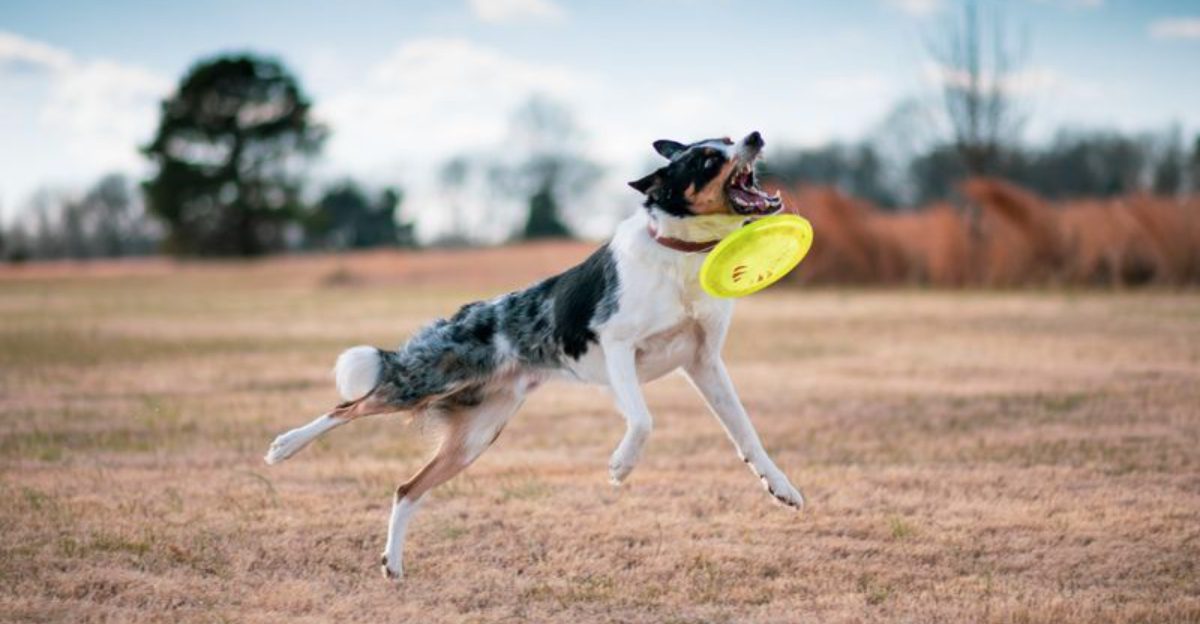
Life does not always run on time, and that can be tough on certain dogs. Some breeds are very smart, sensitive, or full of energy, so sudden changes can make them anxious or bored.
With the right plan, they can still feel safe and happy, even when your day looks different. Here are thoughtful tips to help you support them when plans shift.
Border Collie
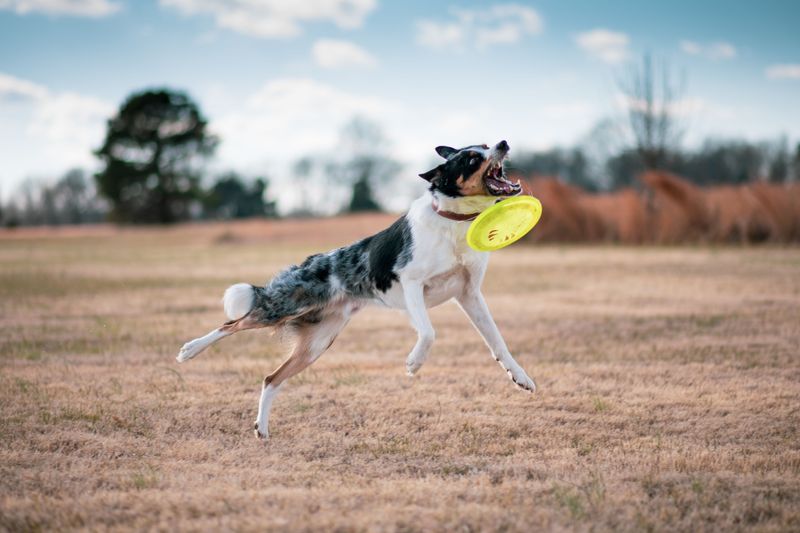
With a mind always buzzing, the Border Collie notices every cue you miss. Sudden late nights can leave them restless or inventing their own jobs, like herding kids or shadows.
Give structure where you can, such as a quick morning puzzle and a sunset frisbee session. When plans fall apart, rotate flirt pole play, scatter feeding, and brief trick training.
A crate den, white noise, and a dog walker on backup help them stay calm.
Belgian Malinois
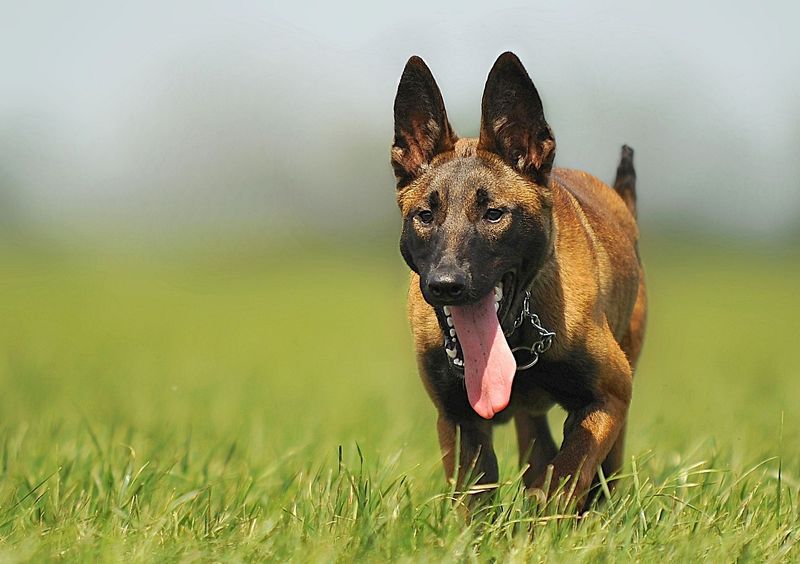
Born to work, the Belgian Malinois thrives on purpose and clarity. Unplanned absences can spark pacing, chewing, or over-guarding at windows.
Build a daily anchor, even on chaotic days: brisk obedience drills, tug with rules, and scent games. Hire a trainer or walker who understands impulse control.
Use chew stations, frozen Kongs, and a cot place cue to teach off-switch time. Clear boundaries, steady outlets, and calm reunions reduce stress when your calendar flips suddenly.
Australian Cattle Dog

Farm-smart and gritty, the Australian Cattle Dog hates boredom. When your shift runs long, they may invent parkour across furniture or nip heels during excitement.
Plan micro-workouts: five-minute heel practice, fetch with drop, and hide-and-seek with treats. A sturdy chew, snuffle mat, and backyard flirt pole burn steam fast.
Teach a solid settle on a mat, then reward quiet. If nights change often, share a schedule with a sitter so potty breaks and play happen.
Vizsla
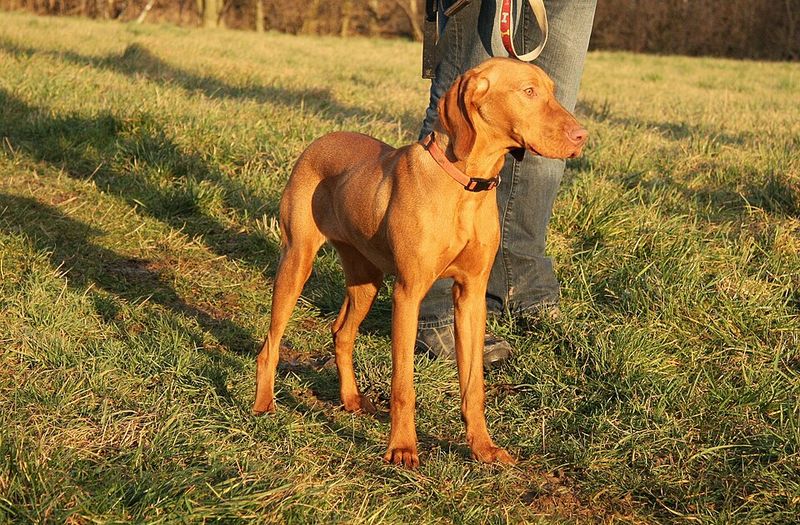
Nicknamed the velcro dog, the Vizsla craves closeness. Sudden gaps in attention can lead to whining or shadowing you from room to room.
Keep touch points short but frequent: a sniffy walk, ten recalls, then cuddle time. Interactive feeders, soft blankets carrying your scent, and window film to limit triggers can help.
Arrange playdates with trusted nearby dogs. When returning late, greet calmly, then offer a guided run or nosework so energy drains without chaos.
Weimaraner

Sleek and sensitive, the Weimaraner reads your mood like a headline. Irregular hours often raise separation anxiety, which can show up as door scratching or loud protests.
Create predictability through rituals: a pre-departure chew, a goodbye cue, and music. Practice short absences, then lengthen them.
Arrange help on busy weeks. Tracking games, swimming, and structured fetch satisfy their hunter brain, so downtime feels earned.
Skip greetings, and you will see steadier behavior even when plans slide.
Havanese
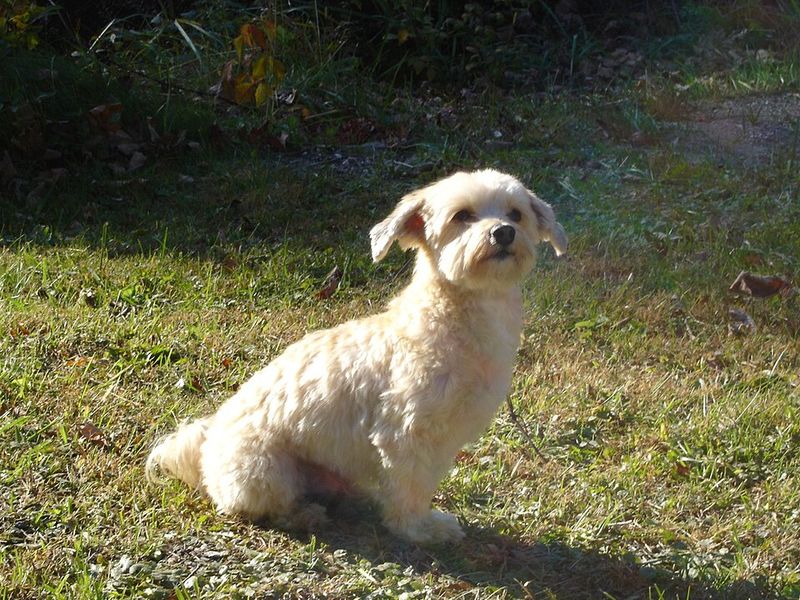
City-friendly and cheerful, the Havanese often sticks close like a tiny shadow. Schedule swings may bring clinginess or barking at hallway sounds.
Think gentle routines: scatter a few treats before you leave, turn on radio, and offer a cozy crate with a safe chew. Short training bursts keep confidence high.
A neighbor visit or daycare day once a week eases loneliness. Keep returns low-key, then enjoy a playful hallway sprint or sniffing game to reconnect.
Cavalier King Charles Spaniel

With soulful eyes, the Cavalier lives for companionship. Long, unpredictable workdays can leave them droopy or glued to your ankles.
Build comfort through predictability cues: a stuffed Kong, curtain closed, and a calm phrase before you go. Gentle walks, massage, and food puzzles soothe worry.
Ask a trusted teen or neighbor to visit when meetings pile up. Keep grooming sessions short and sweet, turning them into bonding time when you finally land on the couch.
English Cocker Spaniel
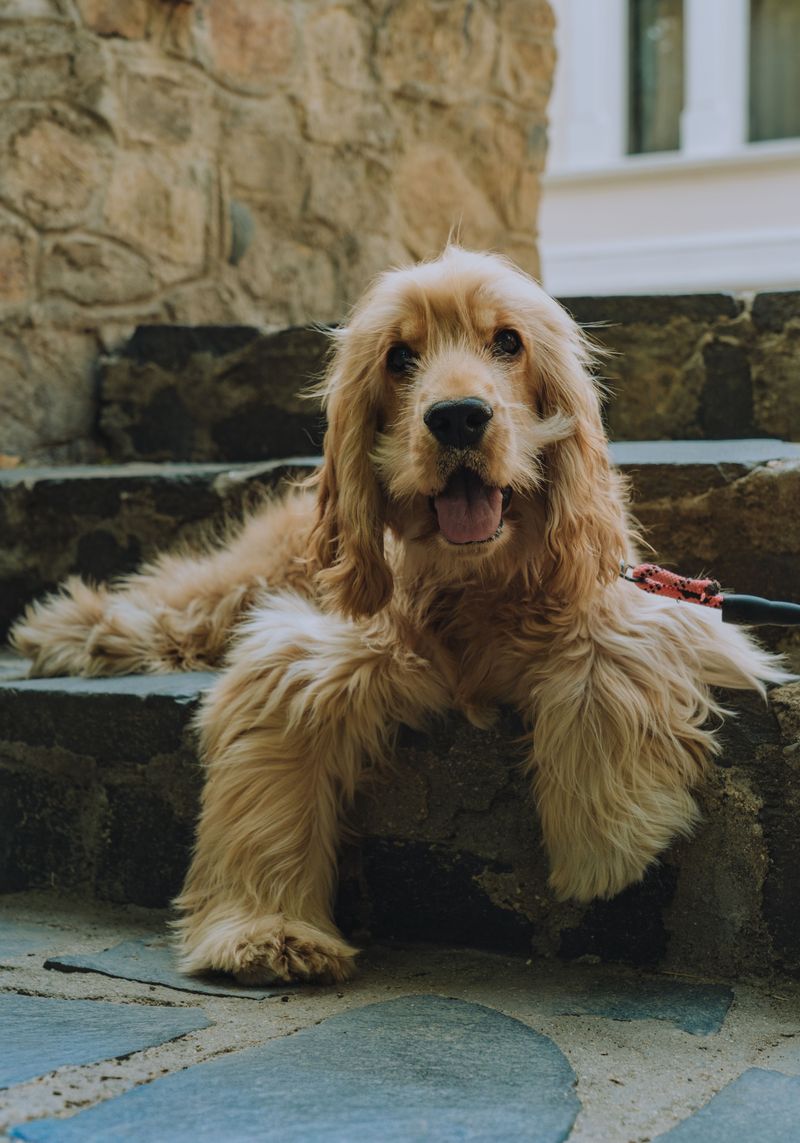
Always ready for a romp, the English Cocker brings sunshine to rainy plans. When routines wobble, they may bark at birds or swipe socks for attention.
Channel that sparkle into jobs: retrieve named toys, find hidden teabags, and practice sits at doors. A flirt pole or woodland sniffari trims energy.
Schedule quick brushing and ear checks as mini rituals. If overtime hits, arrange a midday walk and leave a frozen lick mat to stretch patience.
Standard Poodle
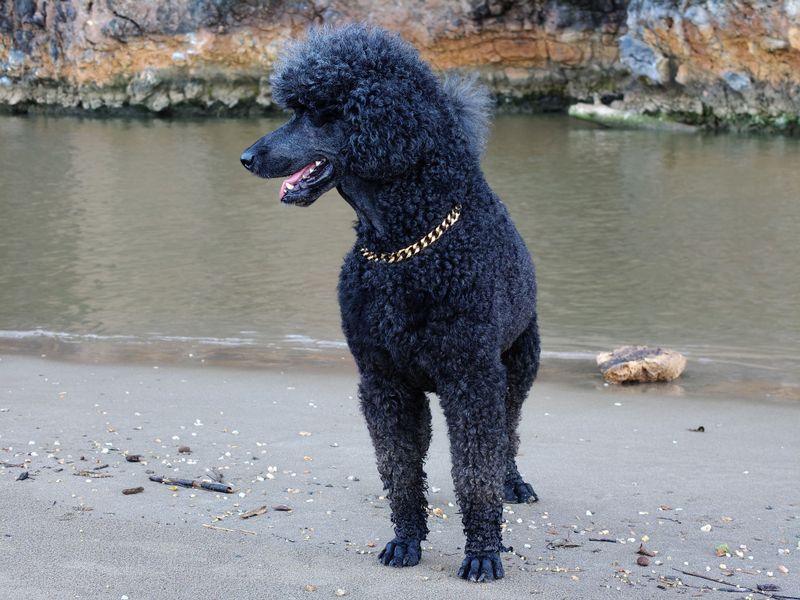
Brains and bounce come standard with the Standard Poodle. Unpredictable days can lead to mischief, like counter surfing or shredding cardboard.
Offer brainy outlets: shaping games, place training, and learning object names. Rotate textures for enrichment bins and try weekly swimming if available.
Grooming time doubles as a calming ritual. When calendars go wild, hire a walker for a trot, then serve a stuffed Toppl or homemade pupsicle so they relax while you catch up.
Papillon
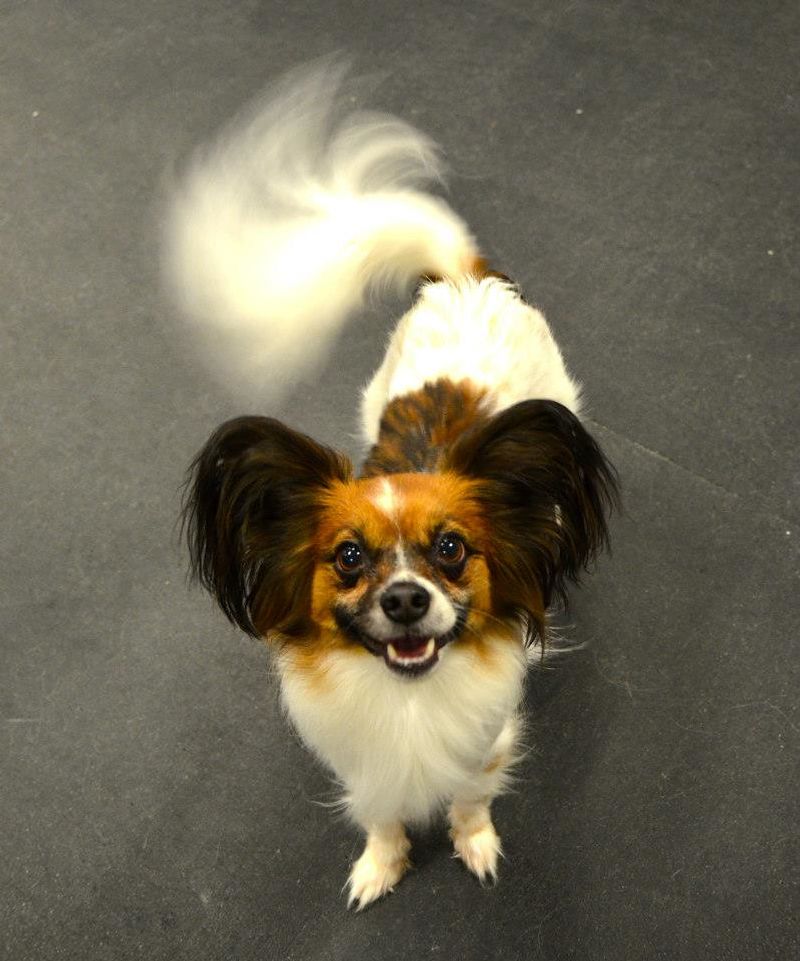
Ears like little sails, the Papillon is always listening for you. Changes in routine may spark alert barking or zoomies at bedtime.
Train a quiet cue and reward calm glances. Engage the mind with tiny obstacle courses, perch work, and scent games using tea leaves or kibble.
A soft carrier or pen can become a safe retreat. If you plan late nights, ask a friend for an afternoon visit and leave a snuffle mat ready.
Shetland Sheepdog
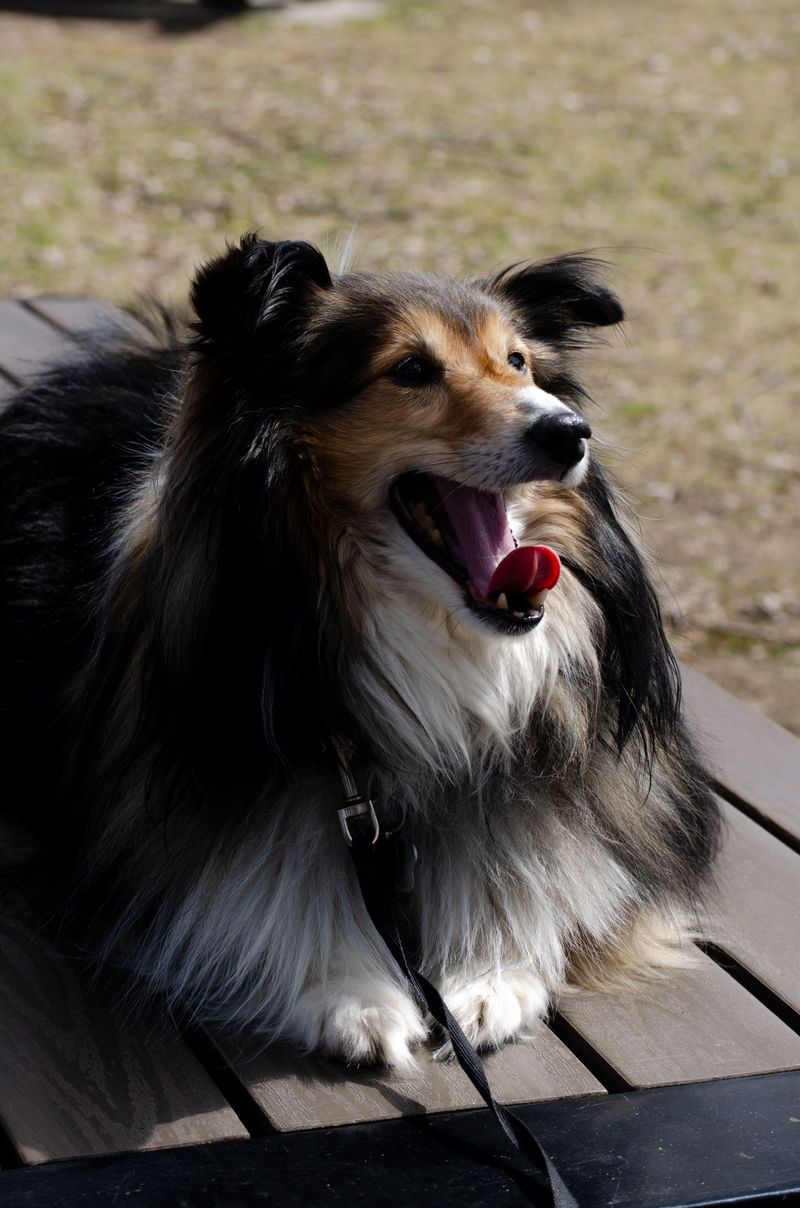
Always on neighborhood watch, the Shetland Sheepdog is alert and thoughtful. When schedules swing, nervous barking or circling can appear.
Teach pattern games like 1-2-3 walking and hand targets to keep focus. Daily sniff walks, even short ones, help them process the world.
Close curtains during busy hours and use recorded street sounds at low volume to desensitize gently. Line up a herding-ball session or agility class weekly so their brain stays satisfied despite surprises.
Brittany

Birdy by nature, the Brittany springs into action at the slightest rustle. A shifting timetable can leave extra energy with nowhere to go.
Make movement a habit: sunrise fetch, lunchtime sniffing, and evening recall drills. On crunch days, trade duration for intensity with hill sprints or rally exercises.
Use long lines in fields to practice control without stifling spirit. Arrange a standing walker on big project weeks, and leave a frozen broth toy to unwind.