
Many smart dogs understand new skills fast, yet they sometimes prefer doing things their own way. Guiding them to choose teamwork takes patience, timing, and rewards they truly love.
When training matches their natural drives, cooperation becomes easier and more fun. Here are practical ideas for popular independent breeds so your plan and their plan can meet in the middle.
Siberian Husky
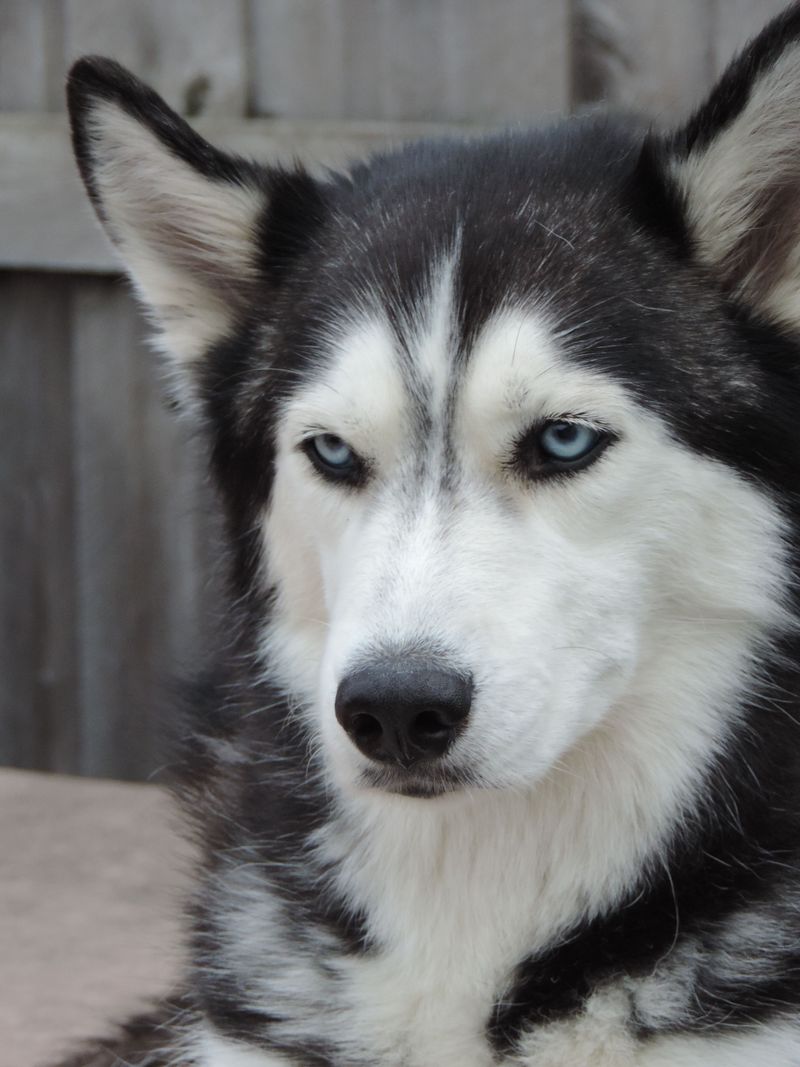
With eyes that seem to argue back, the Siberian Husky loves to test a plan. They understand cues fast, then ask, what is in it for me?
Trade power for partnership. Use high-value rewards, quick games, and choices like sit or down to build buy-in, and keep sessions short so their engine stays cool.
End on a win and give a job, such as carrying a soft backpack, to satisfy their purpose on long walks.
Shiba Inu
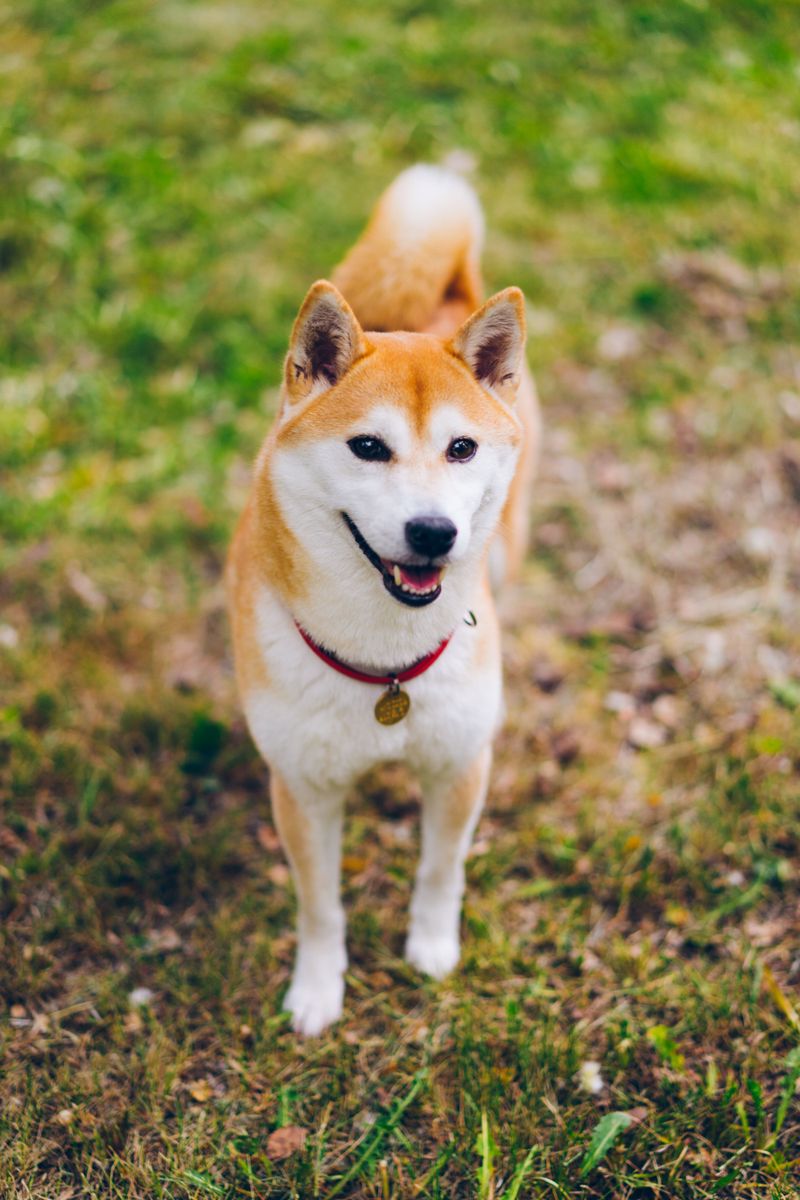
Small fox look, big opinions, that is the Shiba Inu’s style. They pick up patterns quickly, yet they prefer negotiating terms like a tiny lawyer.
Make cooperation feel like their idea. Offer a choice between two correct actions, reward promptly with tasty bits, and keep a calm voice during the famous Shiba scream moments.
Short, cheerful sessions beat long drills every time. Teach a hand target to redirect choices and finish sessions politely every time.
Akita
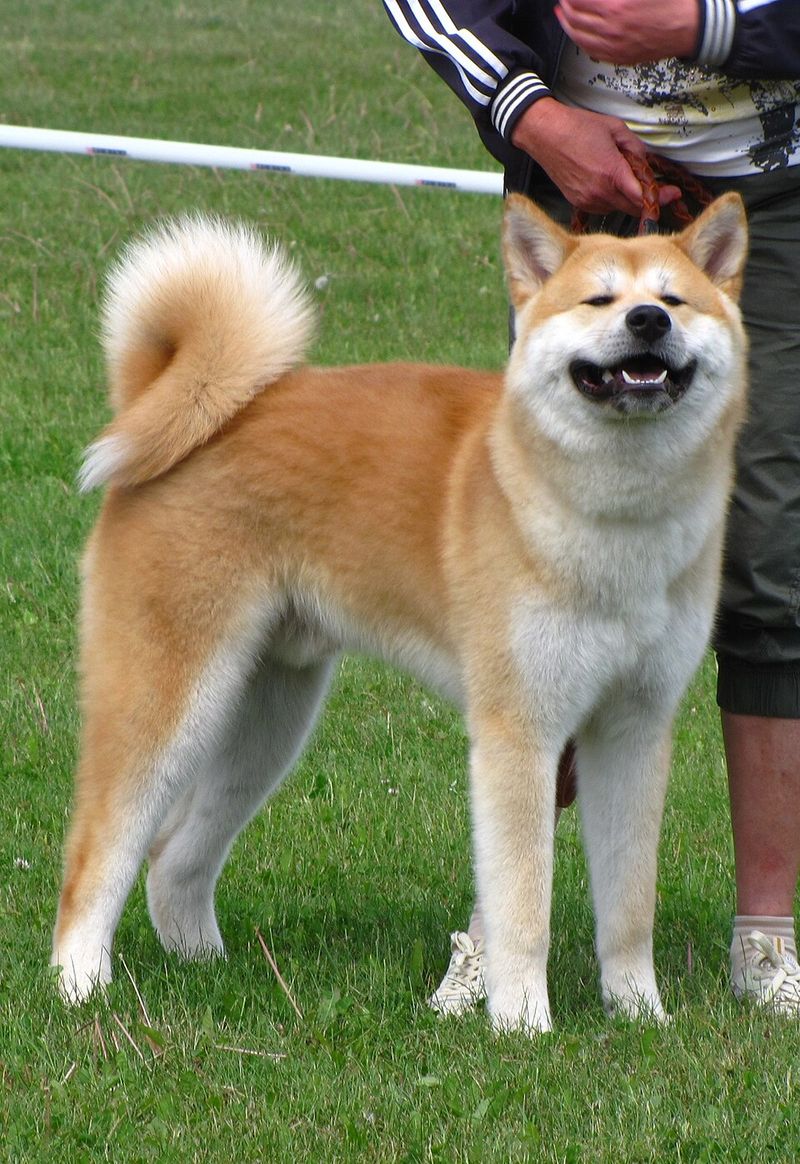
Silent, thoughtful, and proud, the Akita watches everything before acting. They learn cues swiftly but follow leaders who earn respect through consistency.
Set firm, fair rules. Use calm body language, clear boundaries around doors and guests, and valuable rewards for cooperation, like fresh chicken or a favorite tug toy.
Practice neutral greetings and polite leash walking to channel that guardian mindset. End sessions early when focus fades, so tomorrow brings even better effort and enthusiasm.
Beagle
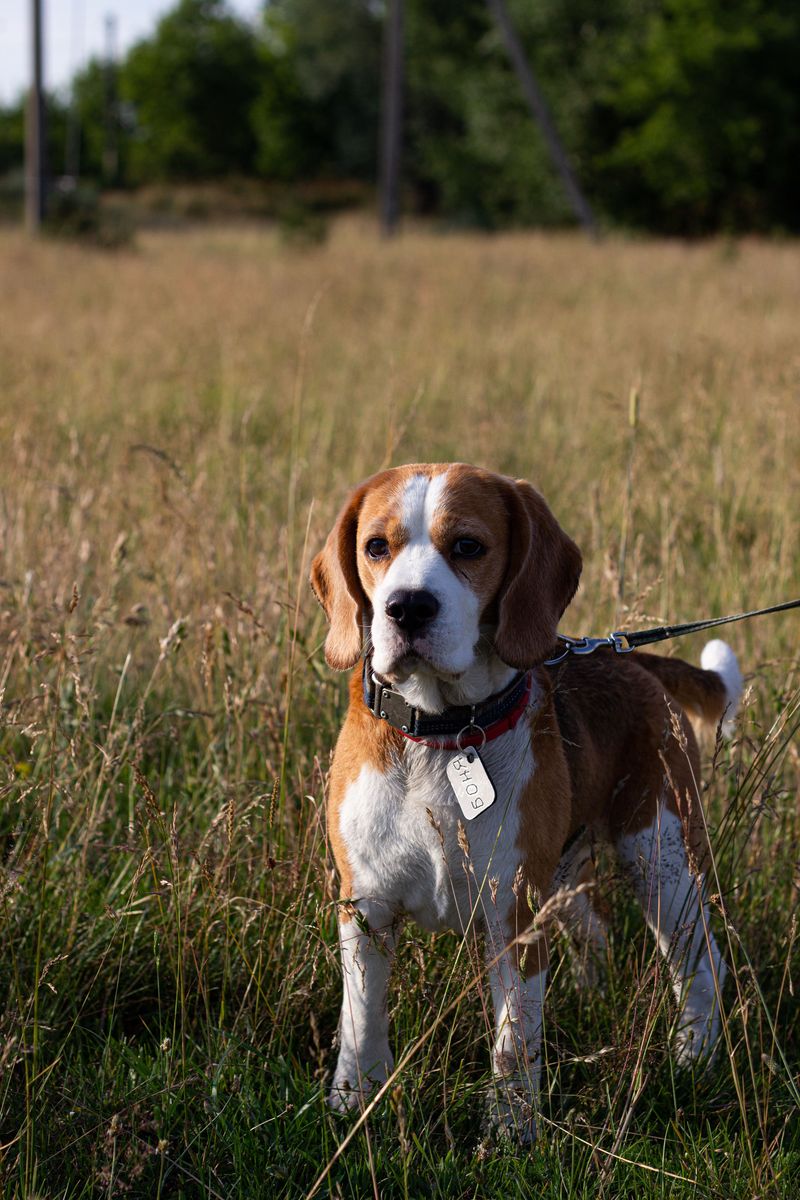
A nose switches on, and the Beagle’s brain sings adventure. They grasp rules fast, yet scent can vote against you mid-walk.
Pay with what they value most, sniff time. Use find-it games, treat scatters, and long-line freedom as rewards for coming when called and checking in often.
Teach a whistle recall that always means jackpots and ten seconds of scenting. Practice near low-distraction smells first, then graduate to parks and windy days for reliable choices.
Dachshund
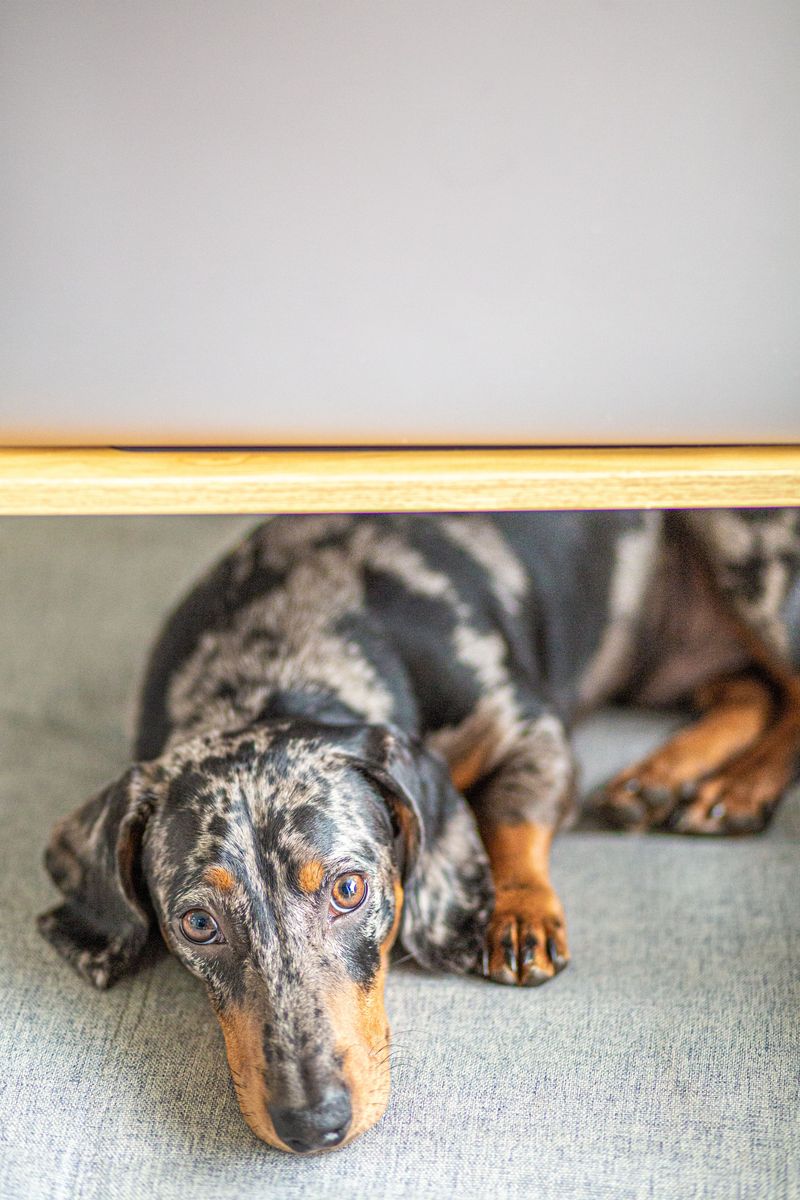
Short legs, giant bravery, the Dachshund was built for bold digs. They learn puzzles quickly, but independence shows when chasing fun under furniture.
Turn cooperation into a game. Set up tunnel crawls, balance pods, and nose work in boxes, rewarding check-ins with tiny treats before the next adventure opens.
Teach a strong drop cue with trades, like tug for cheese, to prevent guarding. Keep sessions brief, end happy, and let them sniff souvenirs outside.
Alaskan Malamute
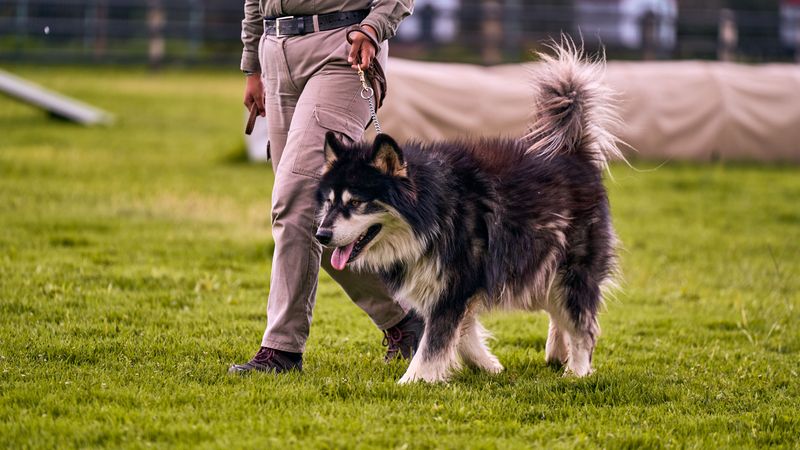
Built to haul, the Alaskan Malamute carries opinions as strong as its shoulders. Quick learners, they still prefer a mission over repetitive drills.
Work with that drive. Create sled-pulling simulations with a safe harness, weight-drag games, and hiking tasks, then use those activities as rewards for recalls, waits, and calm passes.
Cold-weather puzzles and chew time help settle big energy after success. Teach impulse control at gates and car doors to strengthen steady choices daily.
Chow Chow
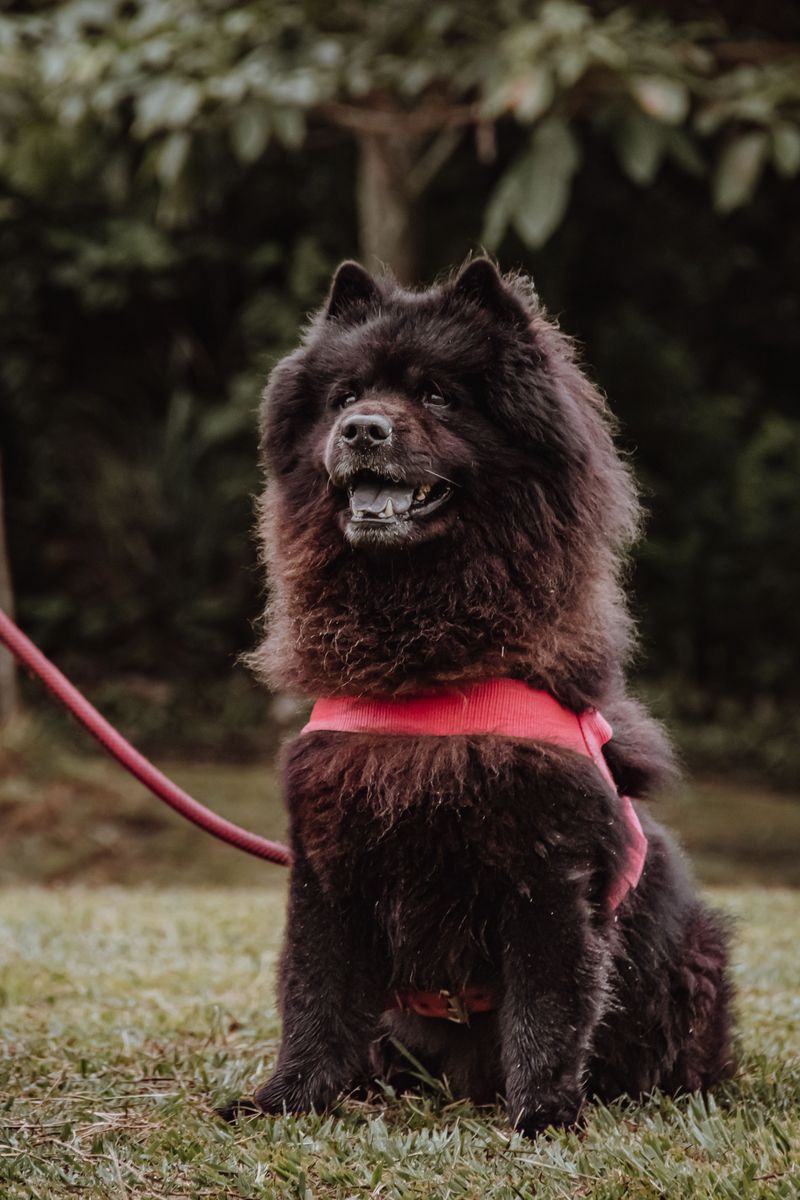
Dignity first, the Chow Chow prefers space and thoughtful handling. They learn cues fast when trust feels solid and pressure stays low.
Build rituals that predict comfort. Use gentle touch consent, reward eye contact, and practice calm stationing on a mat, then ask for sits and stays within that bubble of safety.
Short grooming sessions with snacks can transform brush time into agreement. Avoid face-to-face pressure, and let them choose approach to new guests gradually.
Jack Russell Terrier
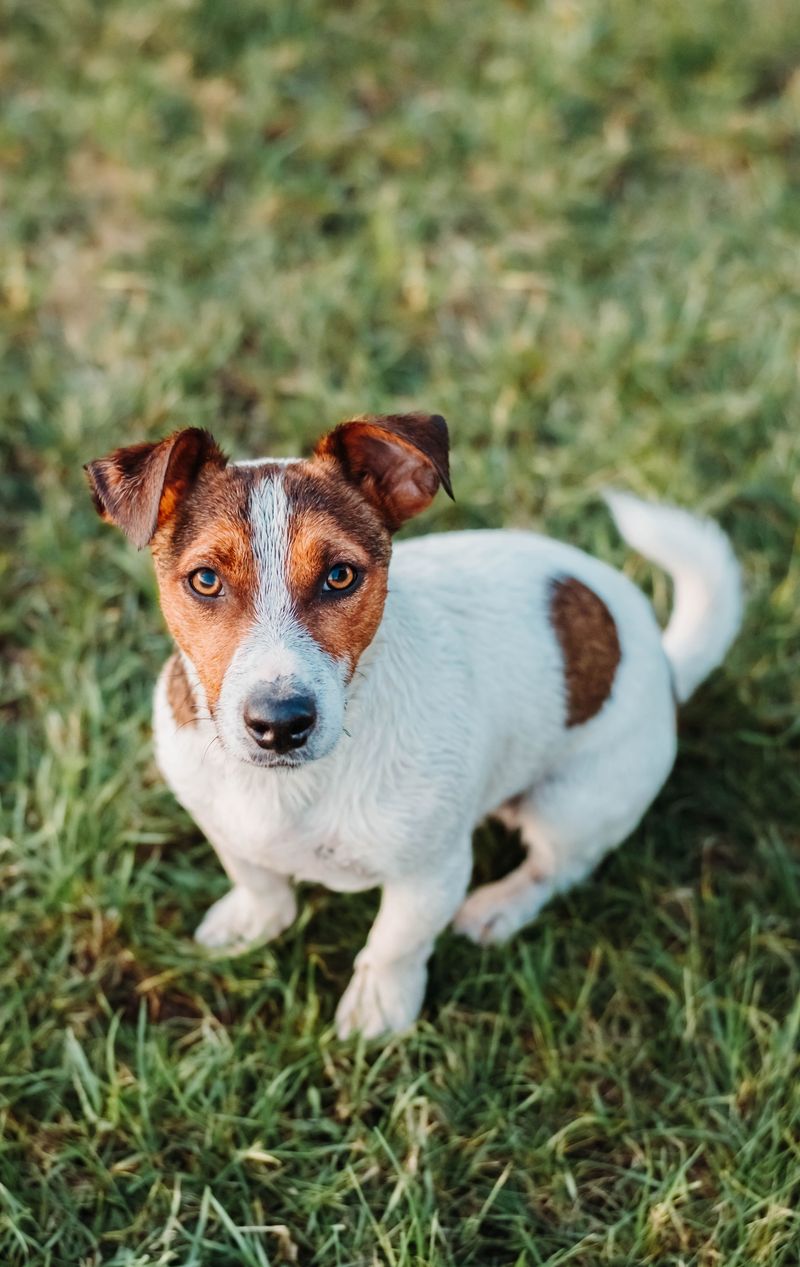
Like a spark in sneakers, the Jack Russell Terrier springs into action. Learning is instant, but cooperation grows when jobs are exciting and clear.
Make training a chase for brains. Try trick ladders, fetch to hand, and scent-hunt courses, then swap in obedience between rounds, paying with a fast restart cue.
Use a drag line outdoors to channel blast-off moments into recalls. Daily puzzle feeders and calm settle games teach an off switch at home.
Scottish Terrier
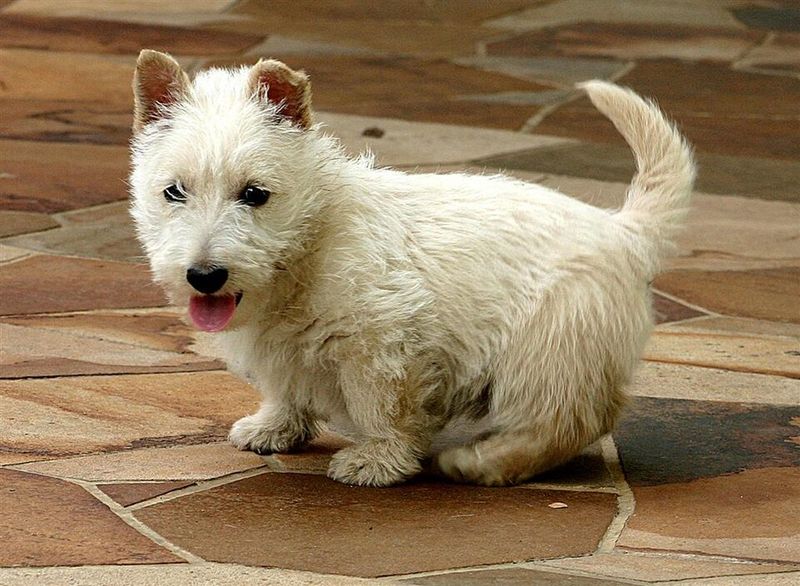
Sturdy and witty, the Scottish Terrier brings a detective’s focus to every yard. They catch on quickly, yet independence shows as confident self-direction.
Lean into that clever streak. Teach trick chains like spin, bow, and perch, then ask for leash manners between tricks, rewarding with another riddle to solve.
Use calm exposure to small animals to prevent fiery fence debates. Short sniff walks and firm routines help channel independence without dulling spirit during busy days.
Great Pyrenees
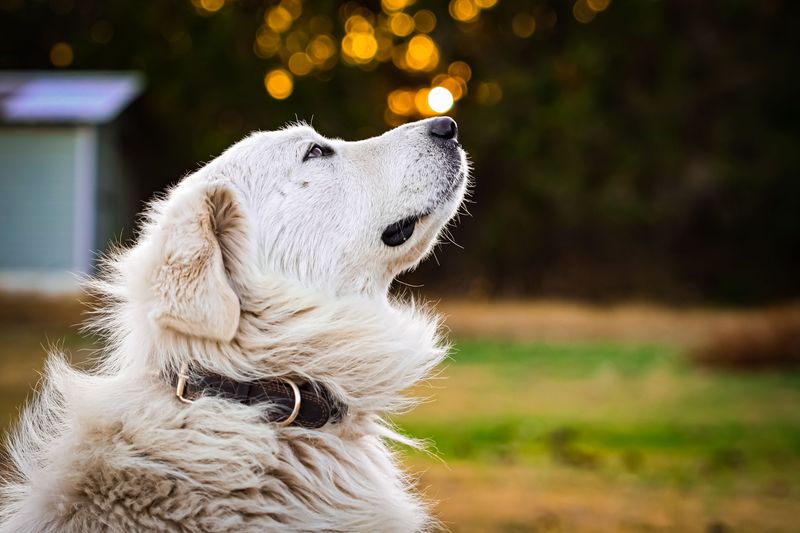
Night-shift thinker, the Great Pyrenees was bred to make solo choices. They learn rules, but they also weigh risks like a quiet strategist.
Create clarity that feels fair. Guarding instincts soften when you teach boundary walks, quiet on cue, and supervised yard time, rewarding with calm praise and chances to observe.
Plan low-key sessions at dusk when their focus naturally rises. Pair recalls with roasted chicken, and practice check-ins during slow, moonlit neighborhood strolls nightly.