
Invisible fence tech is everywhere right now, but not every dog reads the rulebook. Some breeds are curious, clever, and driven enough to push those limits just to see what happens.
If you are considering a virtual boundary, knowing which pups tend to test it can save you stress and keep your dog safer. Let’s explore the breeds most likely to challenge the beep and keep you one step ahead.
Belgian Sheepdog (Groenendael)
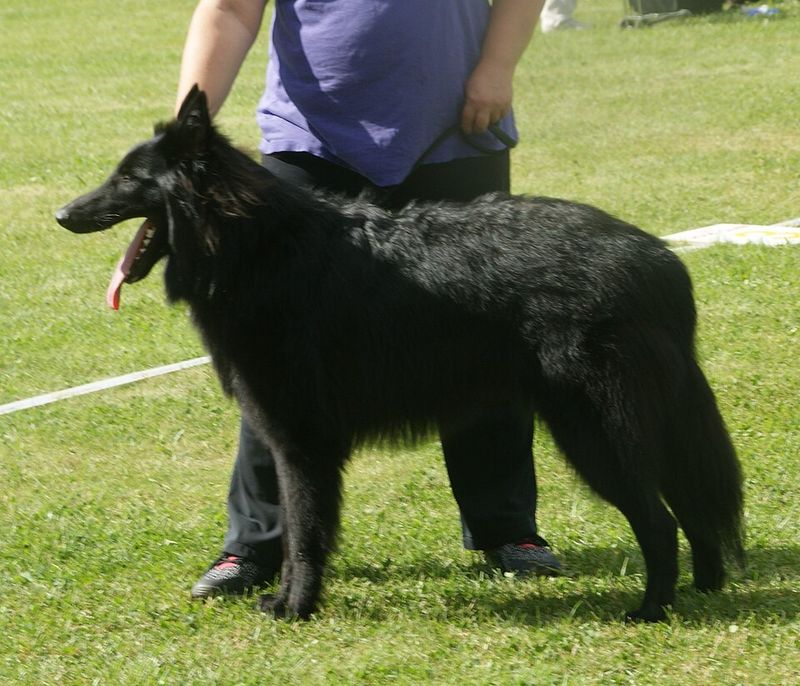
Brilliant and intense, the Belgian Sheepdog lives to work and problem solve. With high drive and laser focus, this breed easily notices subtle gaps in training or timing.
If a deer bolts or a bike whirs past, that quick brain may test the line before you can blink.
You will want structured routines, boundary games, and clear reinforcement. Rotate rewards, add impulse control drills, and practice recalls under distraction.
Invisible fence tech helps, but only with careful conditioning and frequent refreshers.
Daily mental work matters as much as long walks. Use scent puzzles, directional cues, and calm downs after exciting play.
When needs are met, the Groenendael respects limits better, and you feel confident letting them enjoy the yard.
Beauceron
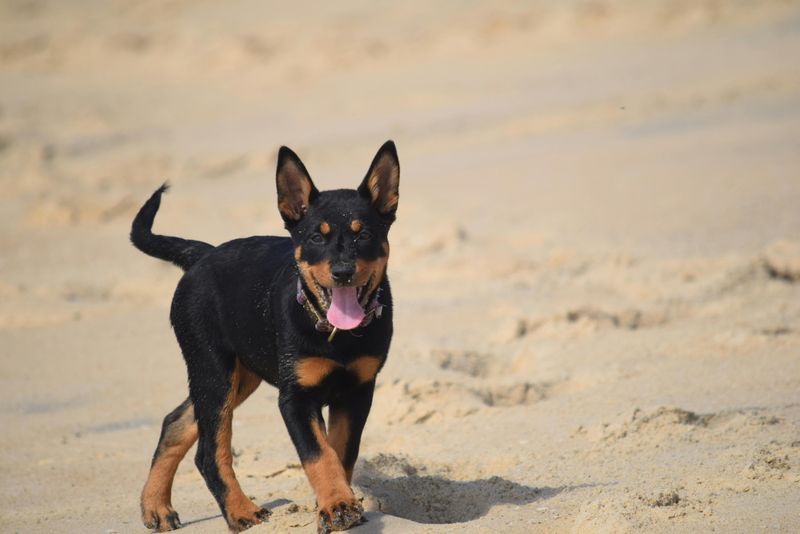
The Beauceron is smart, stoic, and stunningly observant. This breed picks up patterns fast and may notice exactly when you slack on supervision.
Strong herding instincts and a big engine make them prone to shadow cars, runners, or wildlife, nudging them to test an electronic perimeter.
Train the boundary with calm repetition and stepwise distractions. Pair the tone with a rock solid recall, then practice on a long line before any off leash time.
Keep sessions short but frequent, and praise generously for choosing to stay.
Physical workouts are vital, but mental jobs seal the deal. Try tracking games, heelwork to music, and place training near the edge.
When their brain is engaged, Beaucerons become respectful, reliable yard companions.
Bouvier des Flandres
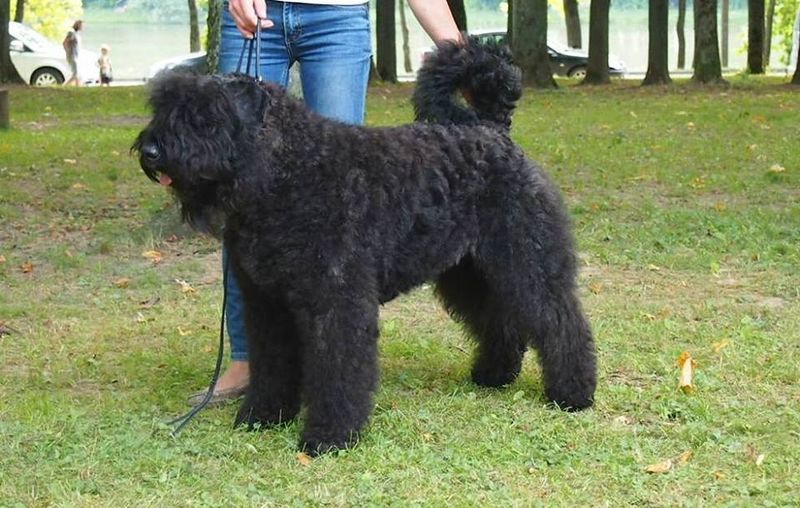
Bouviers are powerful, thoughtful workers with a quiet stubborn streak. They are protective and confident, which can translate into independent decision making at the boundary.
If the fence rules are unclear or inconsistent, a Bouvier may simply choose their own plan.
Start with slow, clear introductions to the tone and boundary line. Use calm body language and reward stillness when distractions appear outside the yard.
Reinforce returns to you as the best choice, and keep practice varied so they do not predict your routine.
Daily jobs help tremendously. Add carting exercises, nosework, and steady obedience around the perimeter.
With structure and engagement, Bouviers respect invisible limits and embrace the backyard as their safe, purposeful workspace.
Airedale Terrier
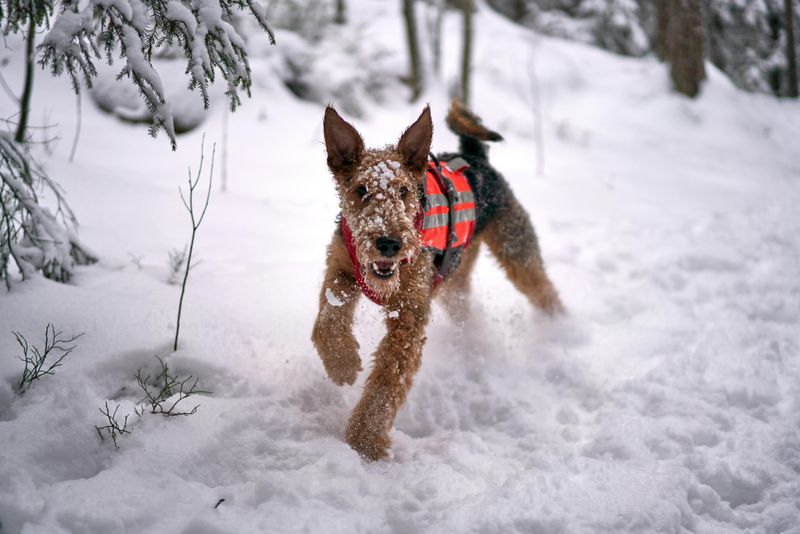
Airedales are charming problem solvers with classic terrier grit. Curiosity plus prey drive can make that boundary beep feel like a dare.
If a squirrel taunts or a scent trail tempts, an Airedale may test the line just to see what happens next.
Make the fence part of a bigger training plan. Use varied reinforcement, impulse control games, and well timed breaks to reduce frustration.
Practice staying near the edge while calm stimuli pass, then build to faster distractions with short, successful reps.
Terriers need outlets. Rotate tug, nosework, and trick training to satisfy that busy mind.
When energy is channeled and rules stay consistent, Airedales become respectful boundary pros who still keep their delightful spark.
Giant Schnauzer
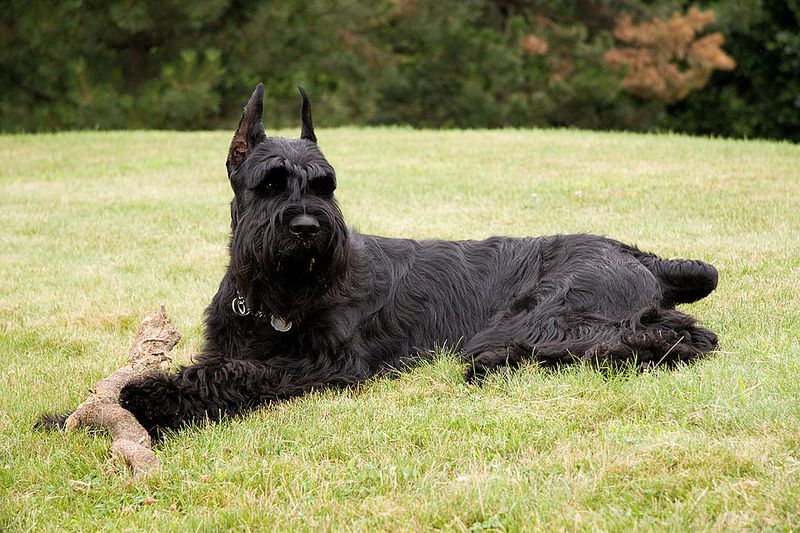
The Giant Schnauzer is intense, athletic, and incredibly smart. They thrive with jobs and structure, and they notice inconsistency immediately.
If the boundary feedback is unclear or motivation outside spikes, a Giant may push through despite knowing the rules.
Build a precise routine. Pair the tone with an automatic check in, reinforce with high value rewards, and balance drive with calm stations.
Break training into short sets, then generalize at different times and weather conditions.
Mind and body work are both essential. Mix power walks, obedience under arousal, and scent games along the perimeter.
When expectations stay firm and engaging, Giant Schnauzers treat the boundary like a professional assignment they choose to honor.
Standard Schnauzer
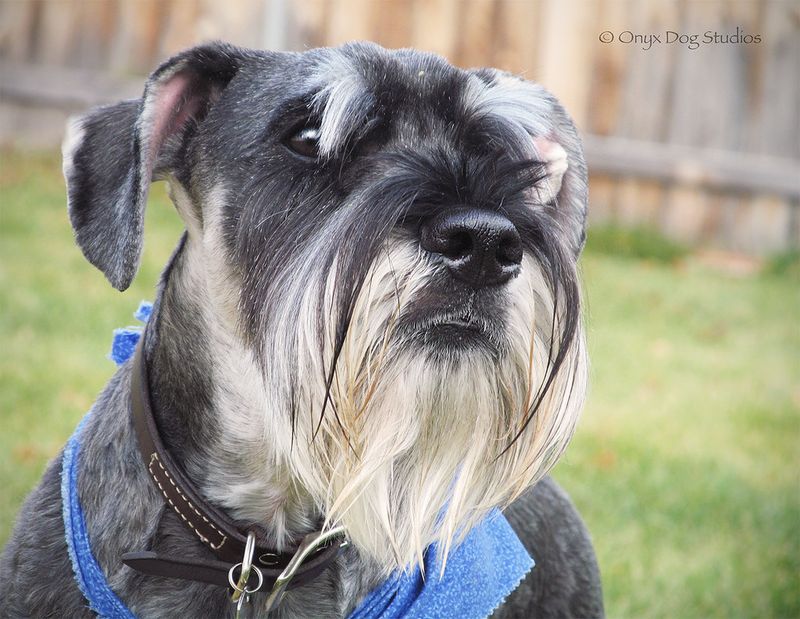
Standard Schnauzers combine lively curiosity with serious smarts. They love patterns and may map your schedule, testing edges when distraction is highest.
A passing dog, delivery truck, or fluttering bird can flip their investigative switch and challenge the boundary.
Keep training playful but precise. Use marker words, variety in rewards, and frequent resets to maintain clarity.
Introduce controlled distractions at the line and reward quick choices to step back or look to you.
Balanced activities curb restlessness. Try parkour style walks, shaping games, and calm down cues near the perimeter.
With routine and thoughtful engagement, Standard Schnauzers turn potential mischief into reliable respect for invisible yard limits.
Rhodesian Ridgeback
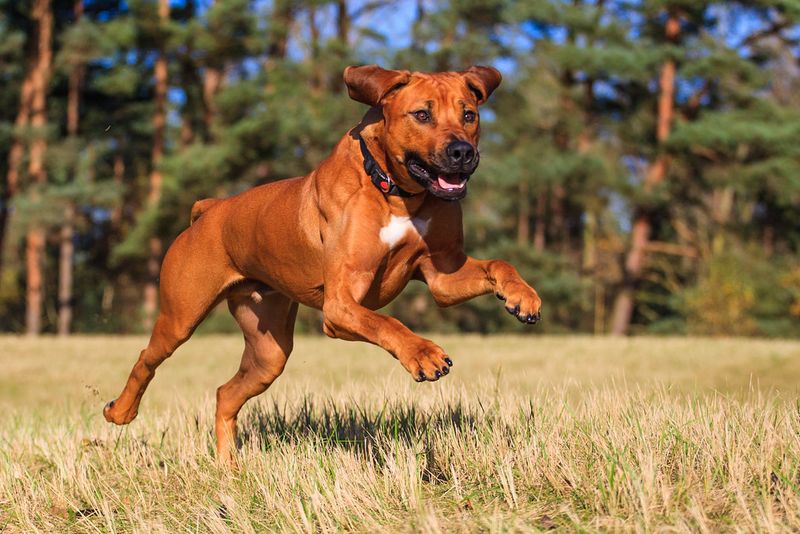
Ridgebacks are independent hunters with powerful chase instincts. If a fast moving lure appears, they may decide the reward outweighs the boundary reminder.
Their calm confidence can look cooperative until something truly exciting crosses the horizon.
Training should emphasize impulse control and rock solid recalls. Layer in boundary work with long lines, gradually increasing distractions, and generous reinforcement for choosing to stay.
Keep arousal managed with structured exercise before yard time.
Mental enrichment is key. Use scent trails that end inside the boundary, station training, and recalls from rest.
With consistent, fair rules and enough outlets, Ridgebacks respect invisible fences while preserving that noble, adventurous spirit you love.
Black Russian Terrier
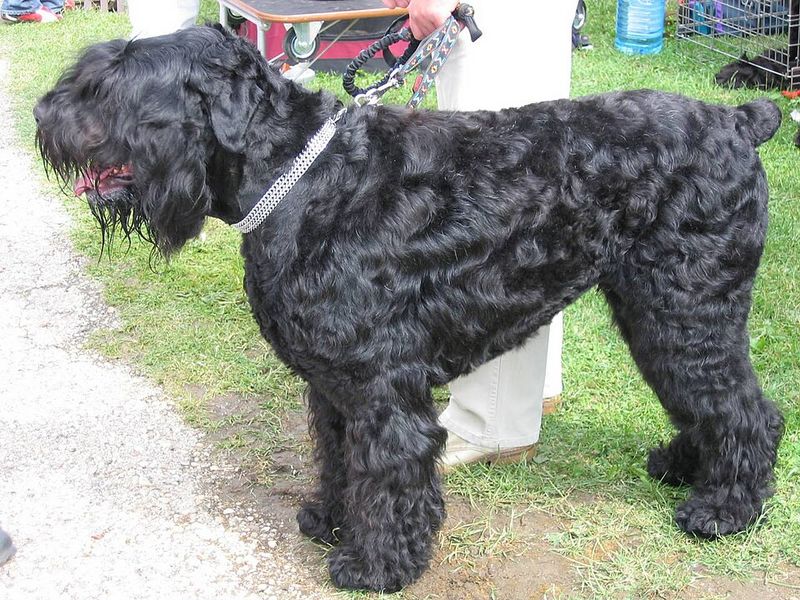
The Black Russian Terrier is steady, protective, and very intelligent. Independence can surface when decisions feel urgent, like when a stranger approaches the property edge.
Without consistent proofing, they might challenge the boundary to investigate or control the situation.
Teach a default behavior at the line, such as sitting or stepping back. Reinforce with high value rewards and praise for calm choices.
Add scenarios with friends acting as passersby so your dog rehearses staying inside when life gets interesting.
Daily structure builds reliability. Include obedience under mild stress, scent games, and place work near the boundary.
When leadership is calm and clear, Black Russian Terriers become trustworthy guardians who still respect invisible limits.
Catahoula Leopard Dog
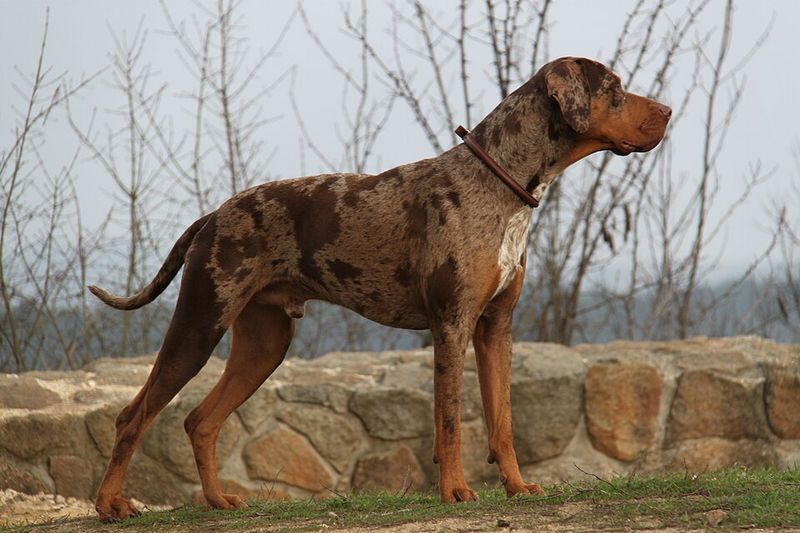
Catahoulas are agile, driven, and bred for serious tasks. Their problem solving nature and high prey drive can encourage them to explore past a virtual line, especially if tracking scent.
If the yard borders woods or fields, expect extra temptation.
Build the boundary like a game where staying pays big. Use varied rewards, random reinforcement schedules, and lots of recall puzzles back inside.
Practice after exercise so arousal is lower, and proof around livestock sounds if relevant.
They need jobs to feel satisfied. Try trailing, agility foundations, and decompression walks before yard time.
With meaningful outlets and clear training, Catahoulas respect invisible fences and still get the freedom to survey their domain responsibly.
Plott Hound
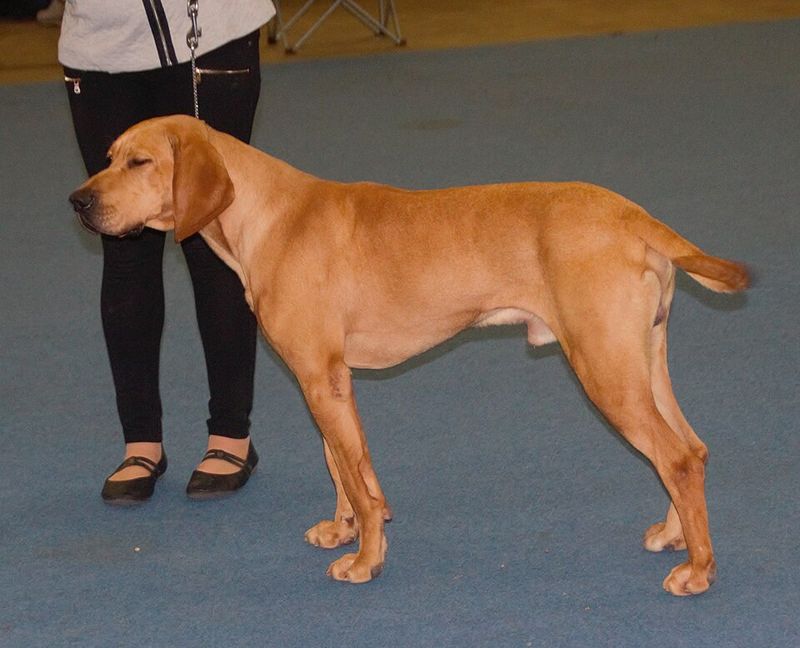
The Plott Hound lives to follow scent, which makes boundaries feel negotiable when a trail heats up. That nose can override the polite voice in their head unless training is rock solid.
Expect curiosity spikes at dawn and dusk when wildlife stirs.
Anchor the fence rules with nose friendly games that reward staying in. Scatter feeds, scent boxes, and recall jackpots inside the line.
Train after a good run so intensity is manageable, then layer in real life distractions gradually.
Consistency is essential. Keep sessions short, celebrate returns, and never punish recalls.
With fair structure and plenty of scent work inside the yard, Plott Hounds learn that staying home pays better than chasing the next story on the wind.