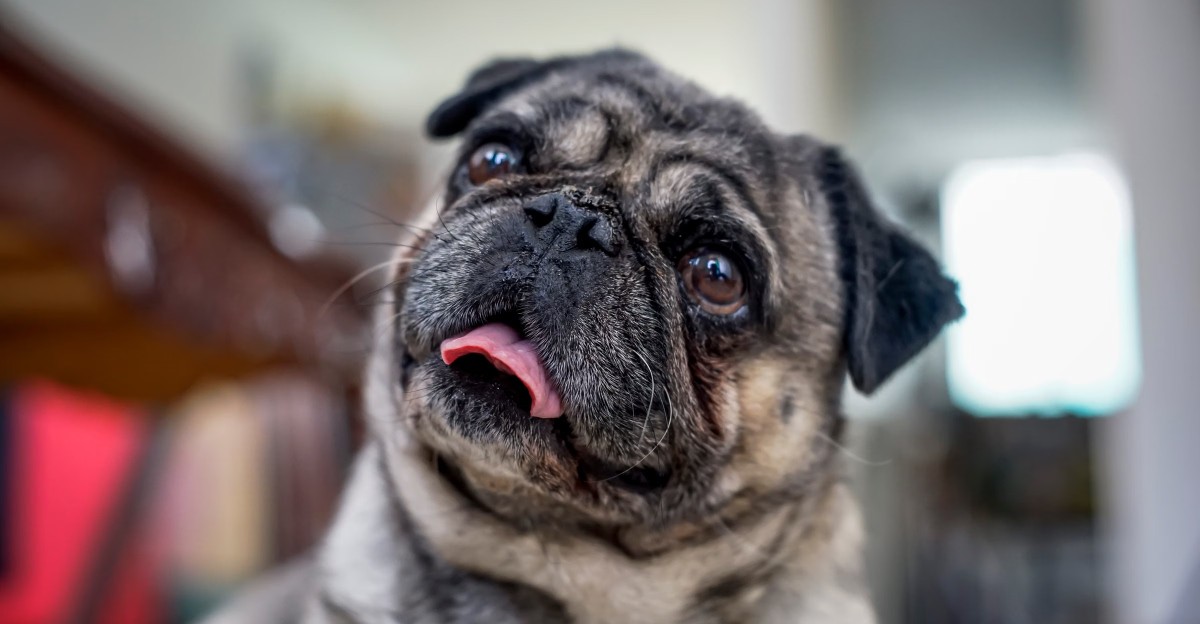
Some dogs sound like singers, sirens, or even tiny trumpets. Strange noises can be funny, but they also tell us how a dog feels.
When you understand these sounds, you can train better, prevent problems, and keep neighbors happy. Meet ten breeds known for voices that might make you look twice.
Basenji – the yodeling traditional hunter
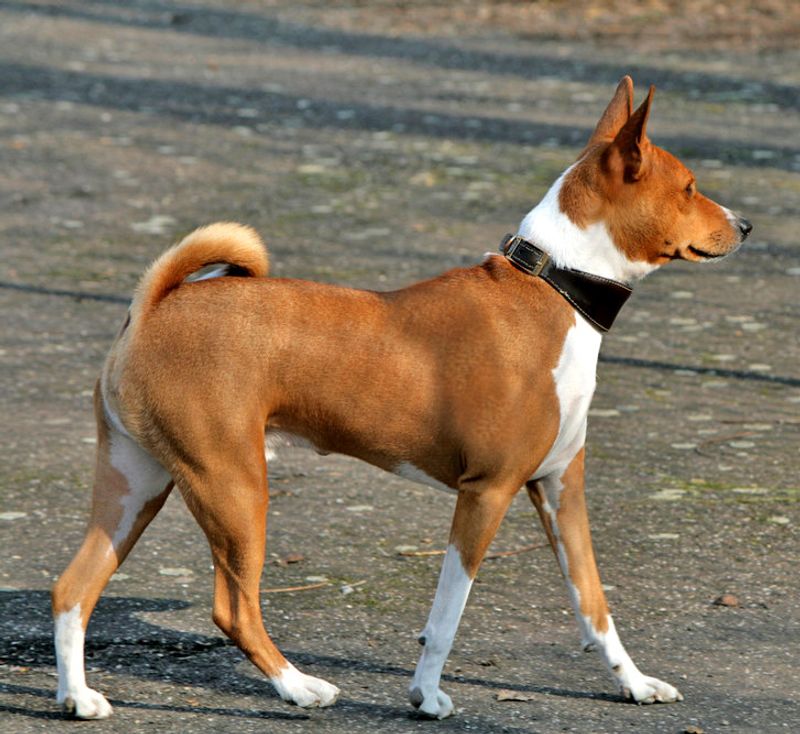
First you hear a yodel, then you notice the curly tail. The Basenji rarely barks, but it sings, chortles, and even screams when excited.
Hunters in Central Africa prized that voice because it carried through brush without scaring game.
At home, channel energy with puzzle toys and scent games, which keep the noise fun, not frantic. Record training videos, since their sounds change.
Early social time, plus daily runs, helps prevent yelling during boring afternoons.
Siberian Husky – the melodious howler
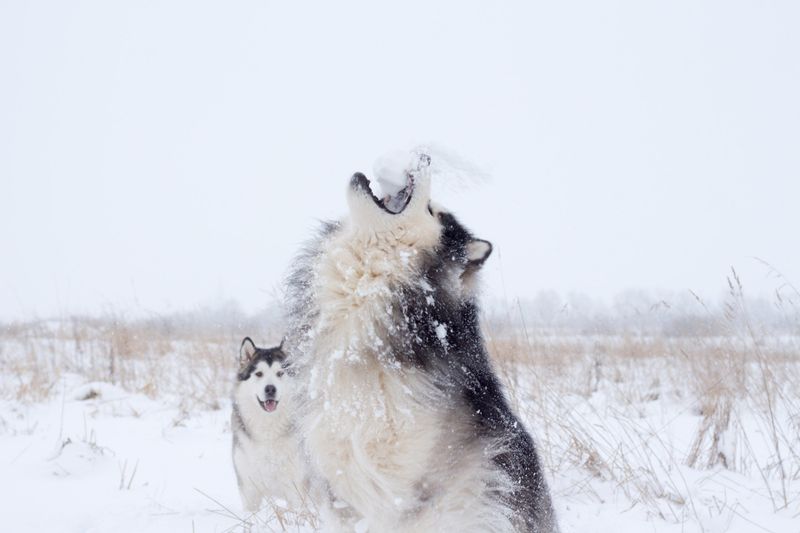
Neighbors might think a wolf choir moved in. Siberian Huskies throw howls that sound like lyrics, not alarms.
Sled dog history shaped that habit, since howling carried across snow and kept teams in contact during whiteout storms.
For apartment life, tire the voice by tiring the body. Try brisk morning walks, flirt pole play, and sniffing sessions.
Teach a cue like quiet, reward pauses, and avoid yelling, which Huskies hear as invitation to sing louder.
Alaskan Malamute – the deep woo-woo storyteller
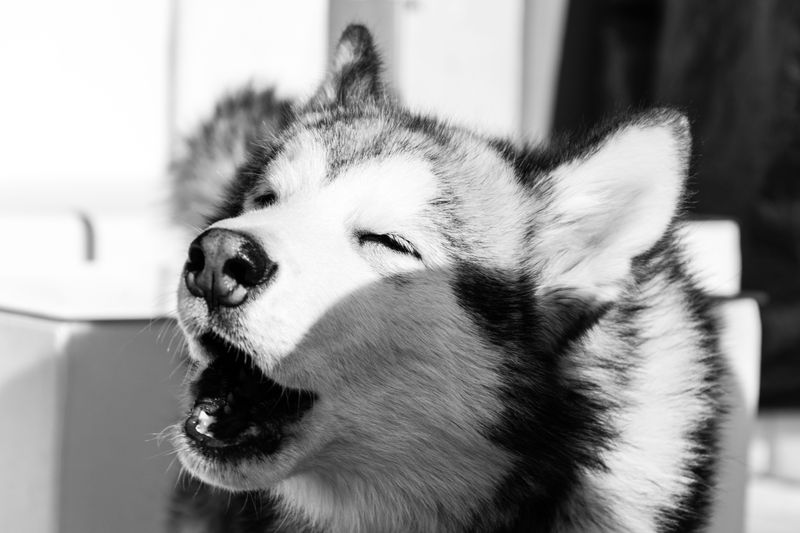
Deep, rumbling woo-woo sounds greet guests before wagging bodies do. Alaskan Malamutes talk like storytellers, sharing gruffs, trills, and howls.
Those voices once rallied freight teams across Arctic routes, where being heard meant safety, direction, and steady teamwork.
Modern owners can guide volume with structure. Plan jobs like backpack hikes or cart practice, then cool down with quiet mat time.
Praise breathing, pause play when the bass gets wild, and tell neighbors about exercise times.
Beagle – the bright baying soprano
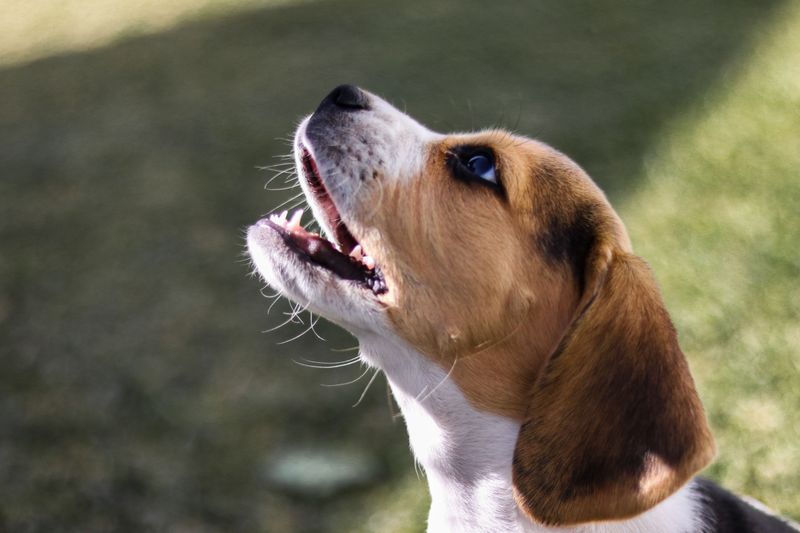
One bay from a Beagle can sound like a trumpet with paws. Bred to announce rabbit trails, the voice rings clear and bright.
Because scent rules their brain, you often hear it when a fresh smell catches wind.
Lean into nose work to channel the chorus. Hide treats, lay garden tracks, and use a long line for sniff walks.
Reward quiet at doors, add chews during deliveries, so excitement has job and reasons to shout.
Basset Hound – the rolling foghorn
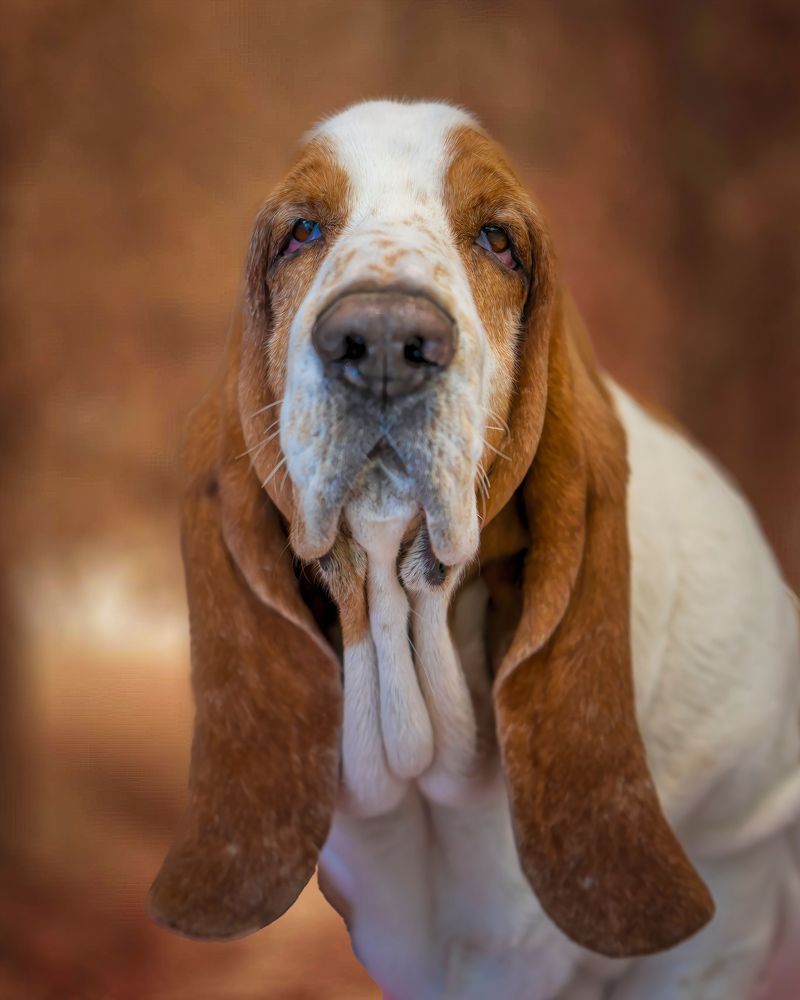
Low body, long ears, and a booming voice. Basset Hounds belt soulful bays that roll like foghorns.
Their design traps scent near the nose, so once a trail sparks, the soundtrack follows across parks and living rooms.
You can set quiet hours. Give snuffle mats after walks, freeze toys, and block windows triggering commentary.
When the bass starts, guide a sit, reward breaths, then restart activities. The hound learns music has a beginning and end.
Shiba Inu – the dramatic “Shiba scream”
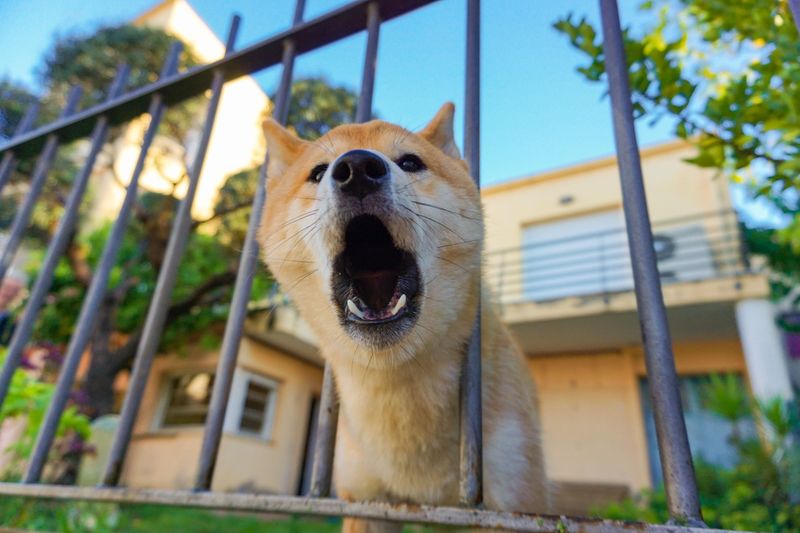
Hear a squeal and you might think a kettle exploded. Shiba Inus are famous for the Shiba scream, a sharp wail.
It shows up during nail trims, baths, or harness moments, as feelings run stronger than manners.
Plan calm routines. Use lick mats during grooming, trim a nail per day, and pair harness time with treats and breathing.
Teach touch as a game, praise when the voice softens. With patience, tasks become calm and safer.
Samoyed – the cheerful chatterbox
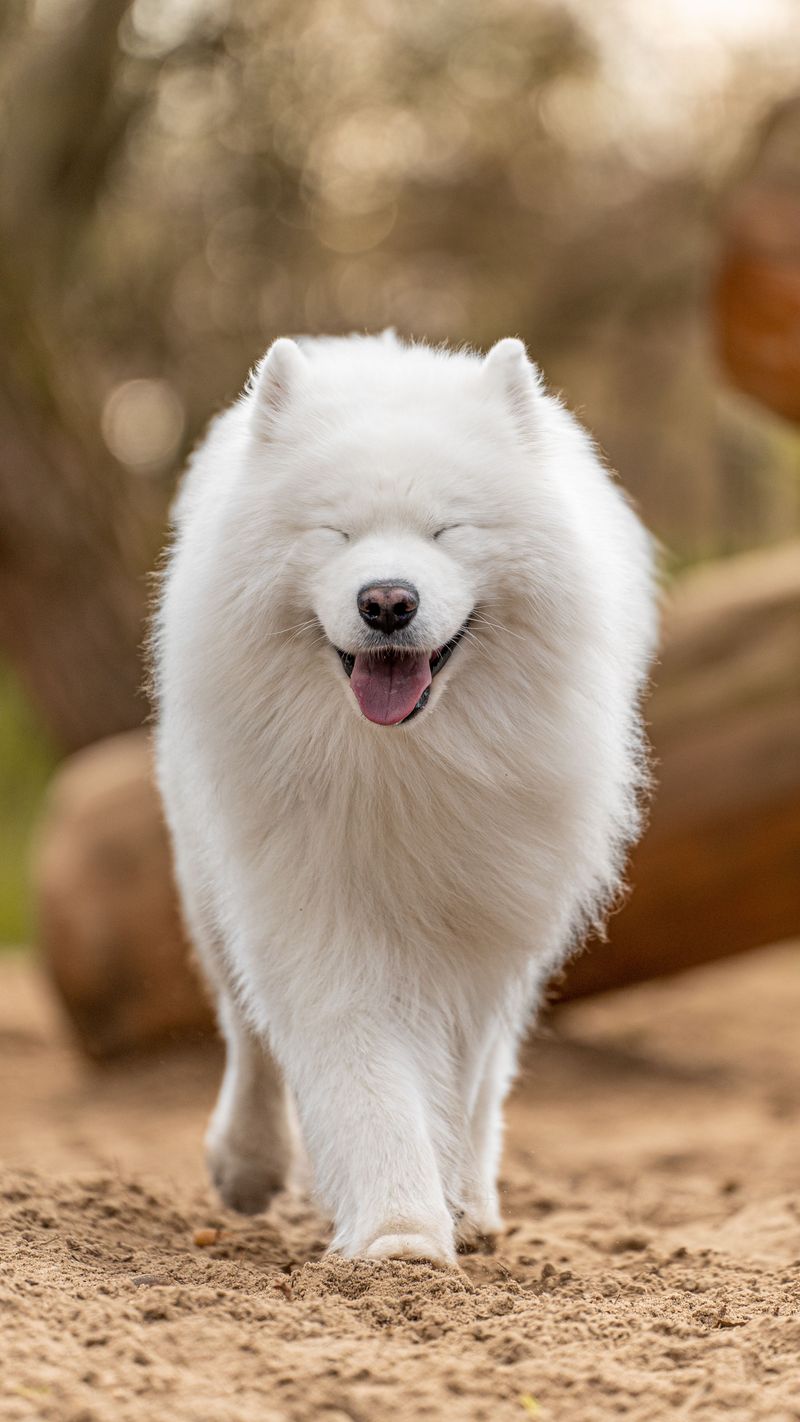
Smile first, then listen for chatty commentary. Samoyeds are known to talk with expressive whuffs, warbles, and melodic howls.
Bred to live with families in cold camps, they used sound to share alerts and sync work around sleds.
Today, plan social workouts. Try park meetups, tricks with kids, and greeting routes turn chatter into connection.
Reinforce a quiet cue at doors, offer chew breaks after visitors leave, and build settle spots. A schedule softens soundtrack.
Bloodhound – the mournful bay on a mission
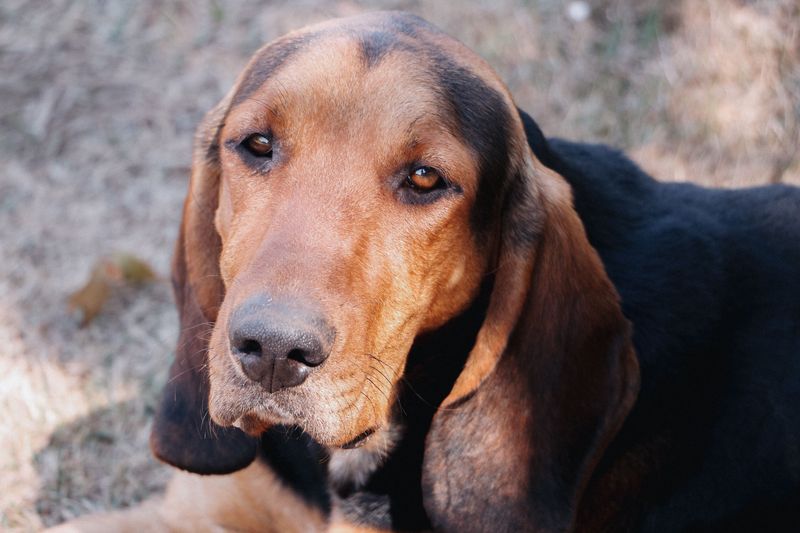
Follow your ears, not your eyes, when a Bloodhound bays. That call seems to pour from the ground.
Built for tracking, they announce discoveries as they weave trails, letting handlers know scent is strong and worth pursuing patiently.
Structure walks like missions. Use a harness with clips, practice starts and stops, give a release word before following trail.
When the bay begins, mark the find, let the dog work. Controlled freedom satisfies voice and supernose.
Pug – the comic snort machine
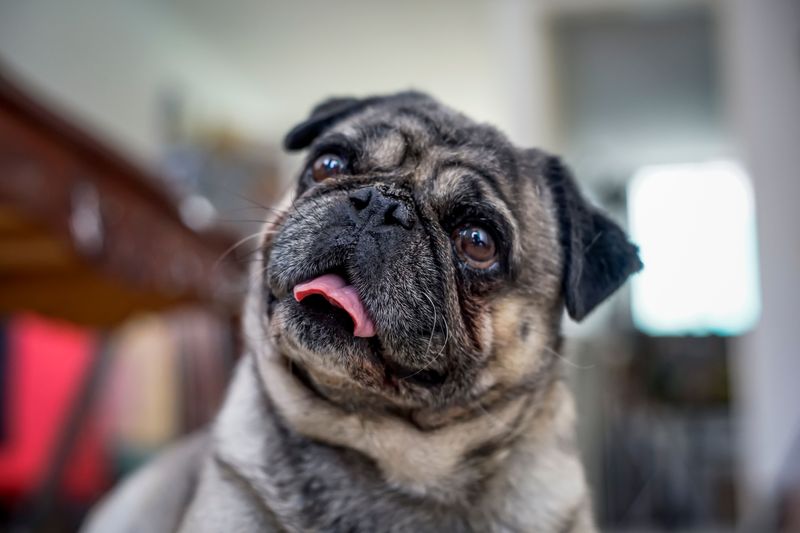
Snorts, snuffles, and grumbles turn a room into a comic sketch. Pugs vocalize through their noses because of their short muzzles.
While funny, sounds can hint at breathing effort, so watch for overheating, snores, or exercise that seems hard.
Keep airways happy. Use a vest for heat, choose a harness, and pace walks during warm afternoons.
Teach calm games indoors and rotate puzzles. If breathing changes suddenly, rest first and call the vet for guidance.
French Bulldog – the playful honk and boof
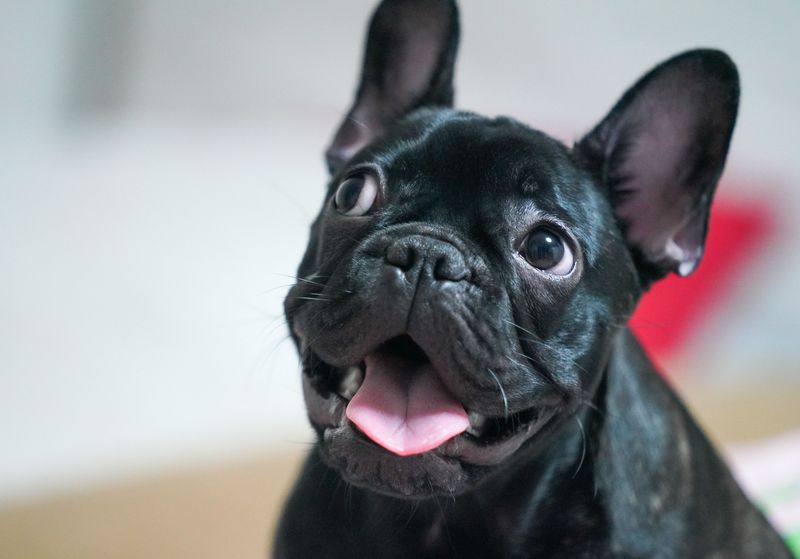
Between playful honks and boofs, a French Bulldog can sound like a clown. Short faces shape airflow, creating squeaks, snorts, and curious gargles.
Most noises are harmless, pay attention to heat, heavy panting, blue gums, or sleep looks interrupted.
Comfort starts with simple gear. Fit a Y harness, skip pulls, and schedule walks at hours.
Keep rooms ventilated, offer stations, and pick chews. When sounds spike, pause for shade and cuddles, excitement settles without strain.