
Love is powerful, but some dogs need a game plan, not just cuddles. If your pup keeps outsmarting you, it is probably a breed built for serious jobs and nonstop challenge.
The good news is that structure, training, and the right outlets can transform chaos into harmony. Let us see which breeds need more than affection to truly thrive.
Border Collie
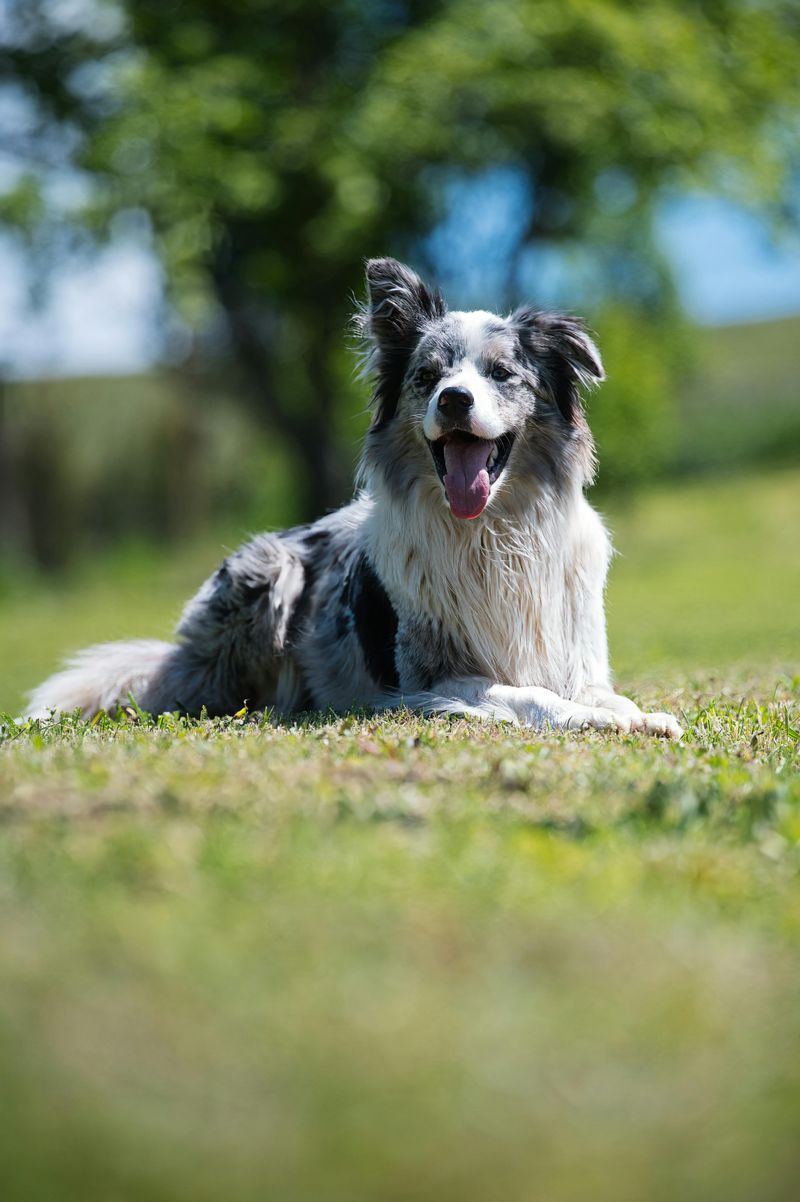
Border Collies are breathtakingly smart, which sounds dreamy until that brain starts inventing jobs you never assigned. Without structured work, they herd kids, chase bikes, and reorganize furniture with intense purpose.
You need daily mental puzzles, reliable impulse control training, and long, purposeful exercise to keep that energy cooperating.
Teach clear off switches, reinforce calm on a mat, and rotate scent games, trick chains, and fetch with rules. Short, focused training beats endless ball throws that only build adrenaline.
Give them sheep-like substitutes, like flirt poles and controlled frisbee sessions, plus decompression walks. When their mind works first, their body relaxes second, and your life finally stops spinning.
Consistency and variety turn genius into a genuinely great companion.
Belgian Malinois
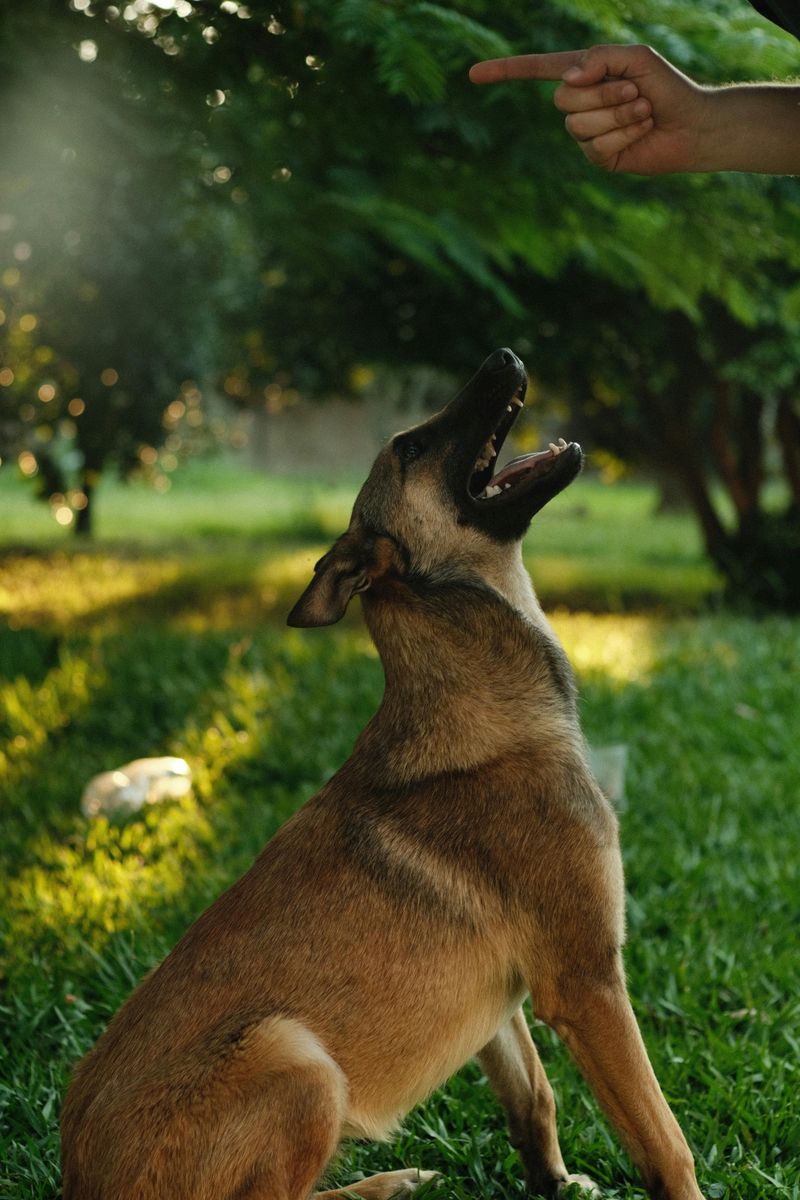
Belgian Malinois live for purpose, so boredom becomes mischief fast. These athletes thrive on structured obedience, protection-sport style games, and rock-solid engagement with you.
Without clear boundaries and a daily training plan, they might practice self-appointed security patrols, yard parkour, and mouthy chaos.
Build a dependable heel, a fast recall, and a relaxed place command that actually turns their engine down. Use tug with rules, grip targets, and short, intense training blocks followed by calm decompression.
Teach neutrality to people, dogs, and environmental triggers so they do not rehearse guarding. If you give their mind a job and their body defined work, you get brilliance.
Skip structure, and you get a furry freight train.
Siberian Husky
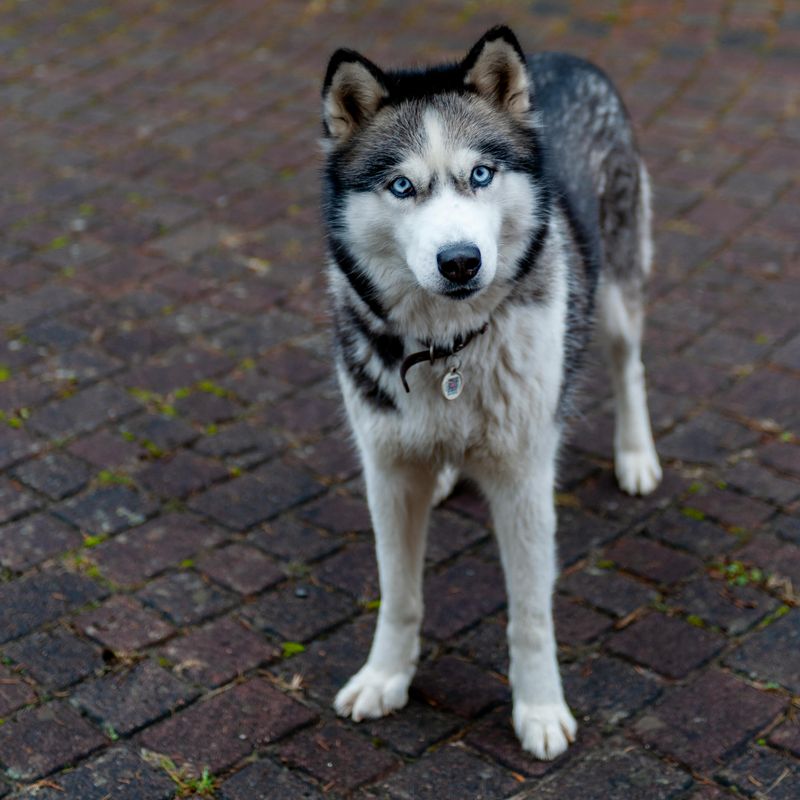
Siberian Huskies are charming escape artists with marathon stamina. They were bred to pull, run, and sing about it, so simple walks rarely touch their energy needs.
Expect stubborn independence unless you make training fun, fast, and high value.
Prioritize secure containment, long-line recalls, and structured canicross or bikejor-style outlets. Rotate food puzzles, sniffaris, and obedience bursts before adventures so the brain warms up.
Teach a rock-solid leave-it and impulse control at doors to reduce bolting. Consistency prevents selective hearing that snowballs into neighborhood tours.
If you plan their cardio and give direction, you get a social, hilarious companion. If not, you are chasing paw prints and apologies.
Jack Russell Terrier
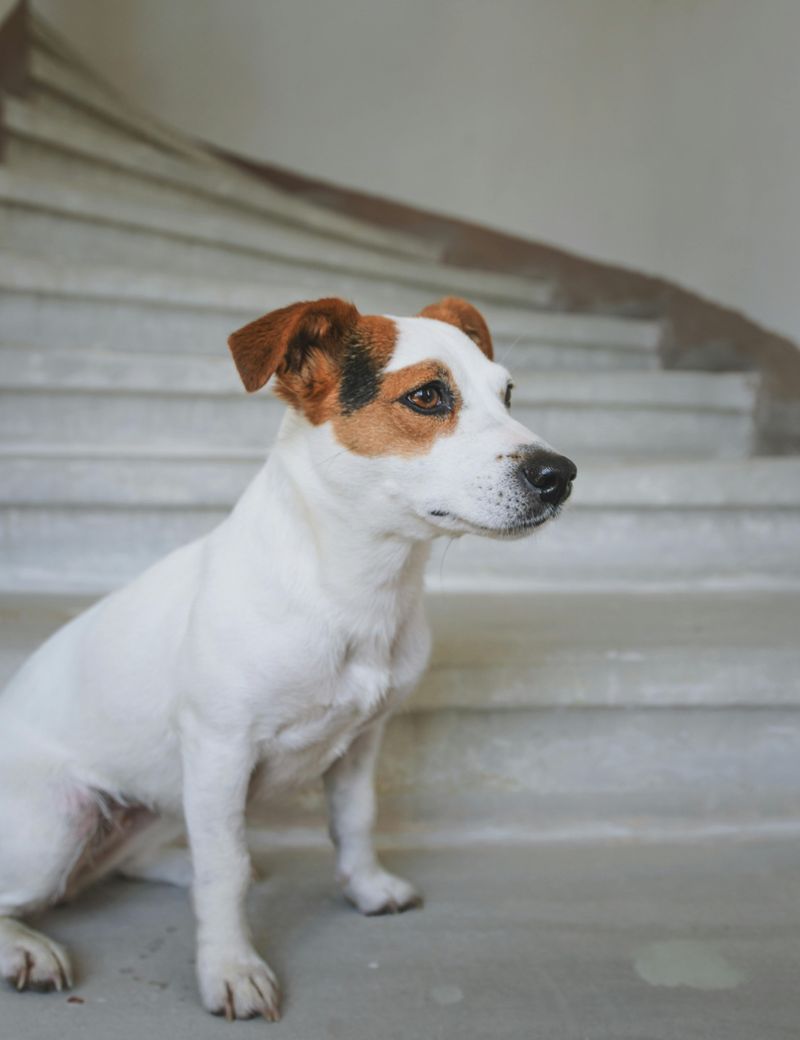
Jack Russell Terriers are tiny dynamos with a PhD in pest control. That drive becomes barking, digging, and DIY demolition when it has no outlet.
Training must be quick, playful, and specific, or they will write their own curriculum.
Channel the hunt with nosework, controlled tug, and fast trick sessions that end before they get bored. Reinforce a calm station on a mat between bursts so arousal does not spiral.
Give legal digging zones, flirt pole games with rules, and thoughtful off-switch cues. Keep boundaries consistent and rewards meaningful, and you will see brilliance.
Skip it, and the couch becomes a science experiment funded by your wallet.
Australian Shepherd
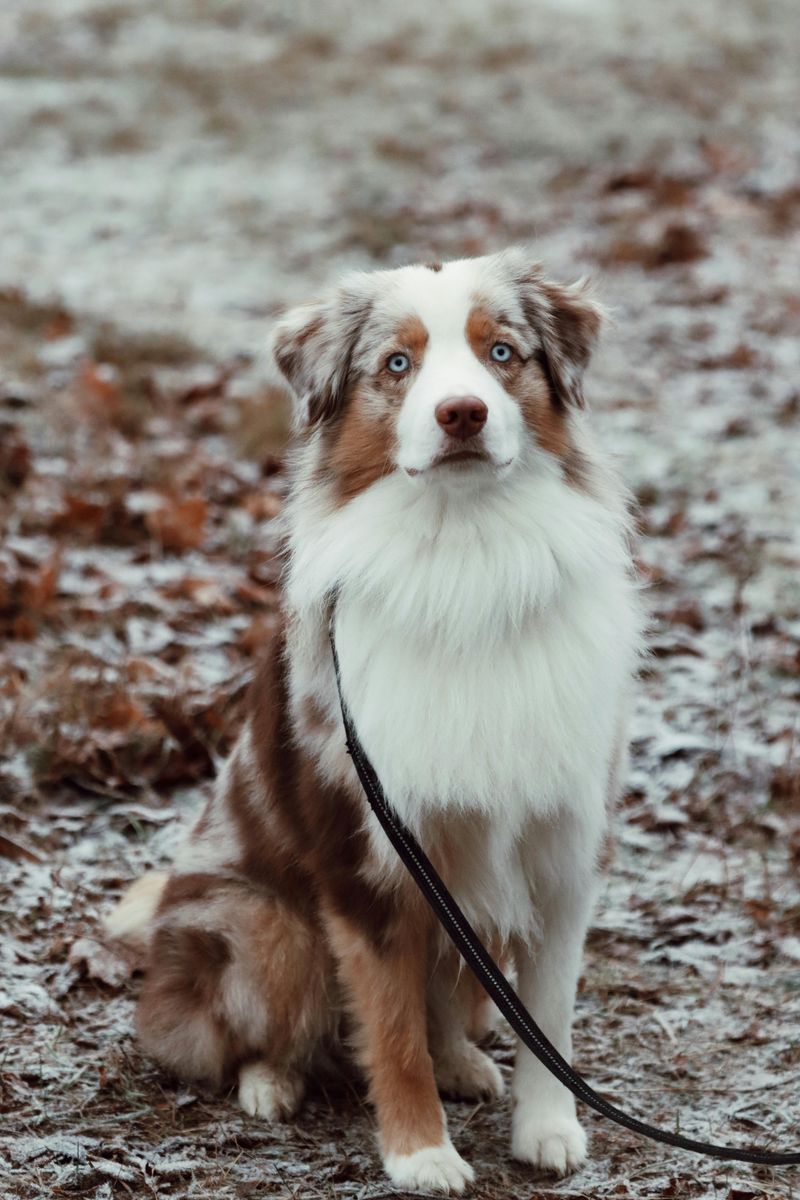
Australian Shepherds are born project managers with a side of sass. Without a job, they herd skateboarders, shadow your every move, and invent security protocols for the mail.
Mental work is nonnegotiable, and physical outlets must be thoughtful, not frantic.
Teach precision heelwork, reliable down-stays, and a decompression routine after exercise. Rotate agility foundations, shaping games, and boundary training at doors and gates.
Give them appropriate herding-like tasks, like controlled frisbee with rules and directional cues. Reinforce calm handling of visitors to avoid overzealous greetings.
When you lead with training and engagement, they become dazzling sidekicks. When you do not, you are negotiating with a furry supervisor who never clocks out.
Cane Corso
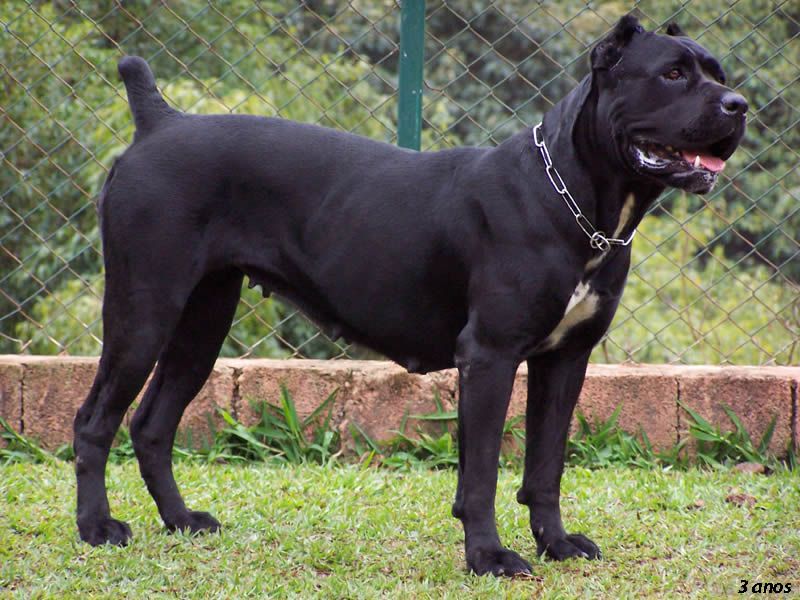
Cane Corsos are imposing, loyal guardians who need calm leadership from day one. Socialization must be strategic and steady, building neutrality rather than forced friendliness.
Their size magnifies mistakes, so impulse control and manners matter more than tricks.
Teach a relaxed place command, polite greetings, and leash skills that prioritize engagement. Pair short obedience sessions with decompression walks and predictable routines.
Protect sleep, manage thresholds, and supervise interactions with guests thoughtfully. Reward quiet choices so they do not practice territorial decisions without you.
When structure is clear, they are gentle, confident companions. Without it, their protective nature can misinterpret normal life and make big statements you never intended.
Akita
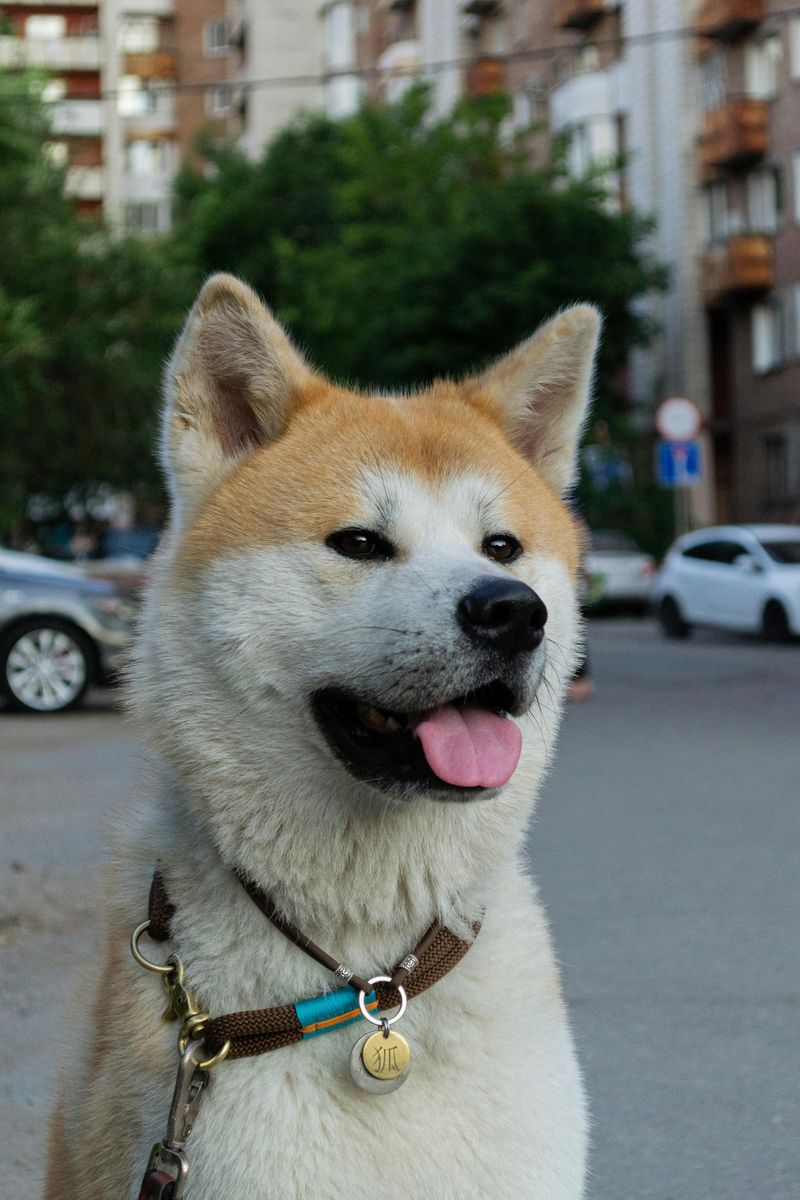
Akitas are dignified, independent thinkers with strong opinions. They do not appreciate chaotic environments or pushy dogs, and they can shut down if pressured.
Training must be clear, fair, and consistent, with respect for their personal space.
Focus on calm handling, cooperative care, and neutrality around strangers and other animals. Teach rock-solid recall on a long line, plus polite door manners and a predictable routine.
Use high-value rewards without turning training into frantic hype. Reinforce quiet choices, give decompression time, and supervise greetings thoughtfully.
When trust grows, their loyalty shines. Skip boundaries, and you risk stubbornness turning into conflict you cannot outmuscle.
Chow Chow
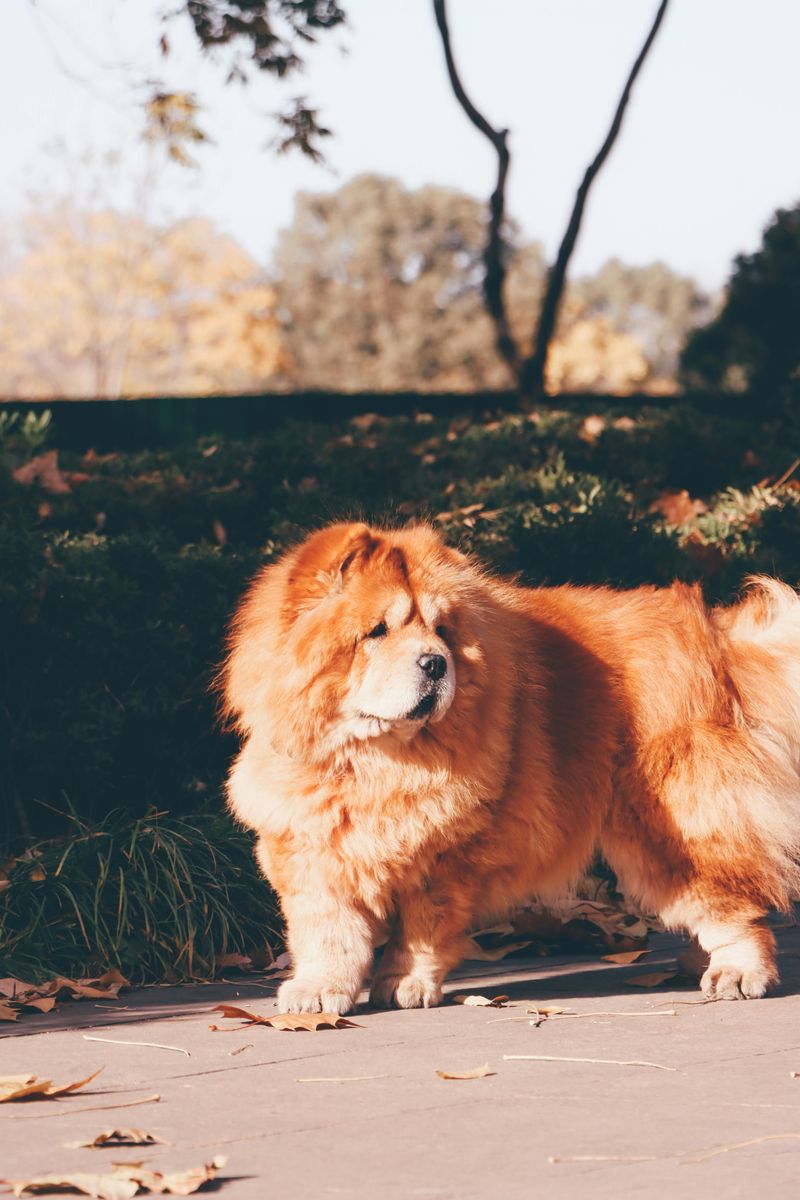
Chow Chows are aloof traditional guardians with serious opinions about personal space. They bond deeply but prefer measured introductions and predictable routines.
Heavy-handed training backfires, while patient structure builds trust.
Prioritize cooperative care for brushing, paws, and handling that respects consent cues. Teach place, leash skills, and polite visitor routines that reward quiet watchfulness.
Socialize for neutrality, not forced cuddles, using distance and choice. Keep sessions short, clear, and calm to prevent shutdowns or pushback.
When boundaries are steady, they become peaceful companions. When they feel cornered or unmanaged, you may meet resistance delivered with majestic certainty.
Dalmatian
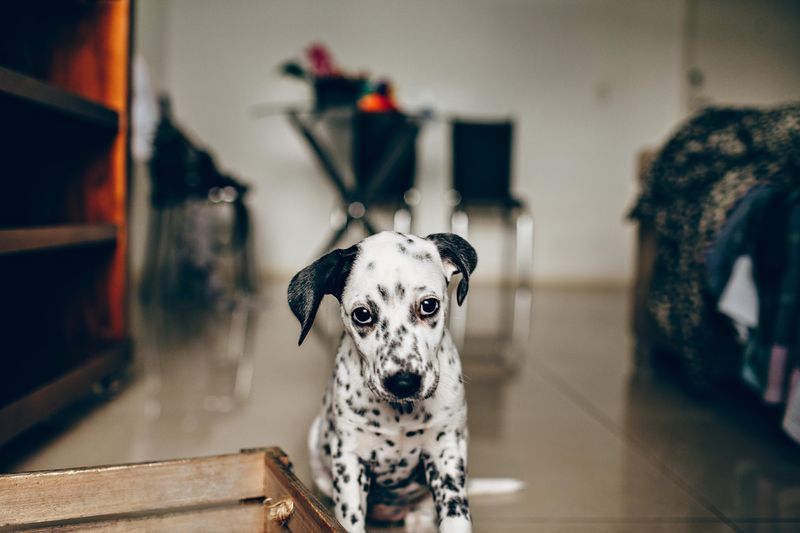
Dalmatians are athletic, sensitive, and famously energetic. Historically built to trot for miles, they need smart exercise paired with brain work.
Without structure, you get zoomies, jumping, and vocal commentary about everything.
Use interval workouts, obedience sprinkled into runs, and frequent settle breaks. Teach impulse control at doors, a reliable drop-it, and calm greetings with visitors.
Rotate puzzle feeders, tracking games, and shaping sessions to target their clever side. Consider low-purine diets and routine vet care, supporting overall well-being for better behavior.
When the plan blends movement with manners, they shine. Without it, you are living with a spotted tornado wearing sneakers.
Weimaraner
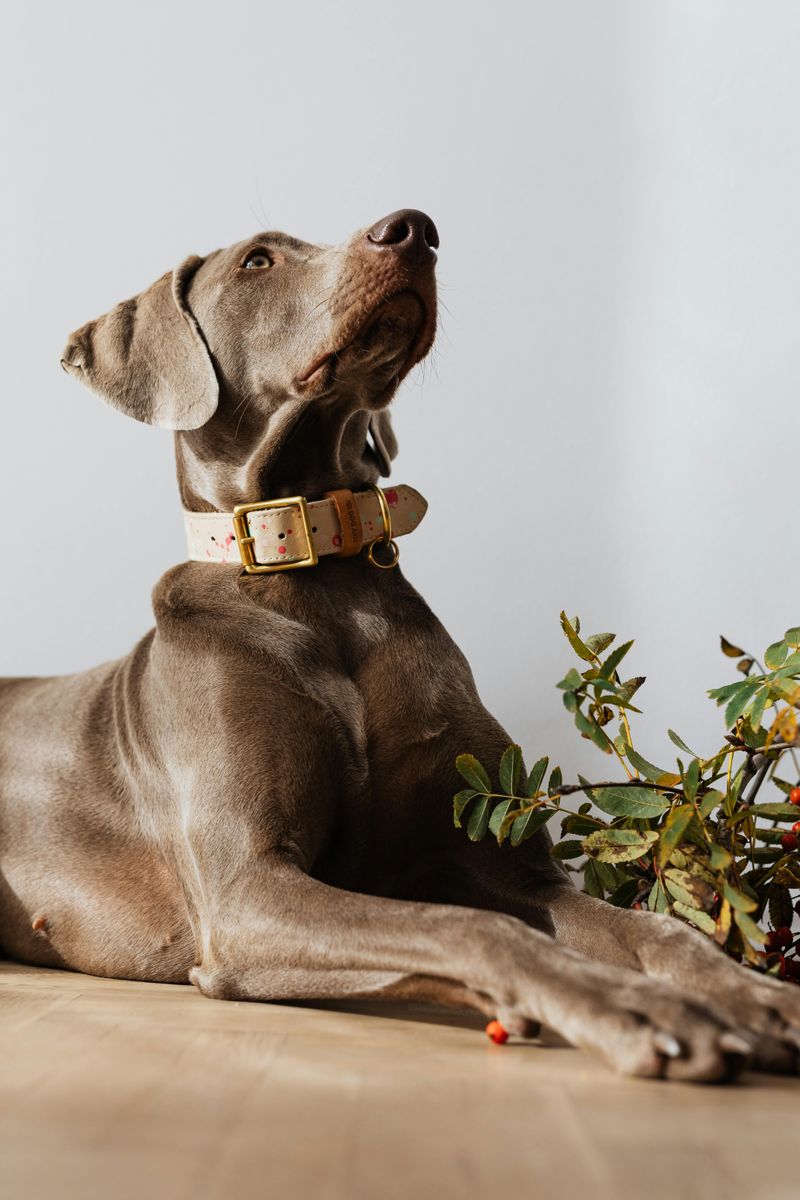
Weimaraners are velcro athletes with big feelings and bigger energy. They crave closeness, which can morph into separation struggles without training.
Physical outlets alone are not enough, because an anxious mind outruns a tired body.
Teach independence with place training, crate comfort, and calm departures. Pair structured runs with sniff-heavy decompression walks to balance arousal.
Add tracking, retrieving games, and obedience sessions that end before overstimulation. Reinforce quiet, settled behavior and reward check-ins on leash.
Keep routines predictable and enrich the environment thoughtfully. When you meet their social needs and provide jobs, they are stunning companions.
When you wing it, clinginess and chaos team up.
Basenji
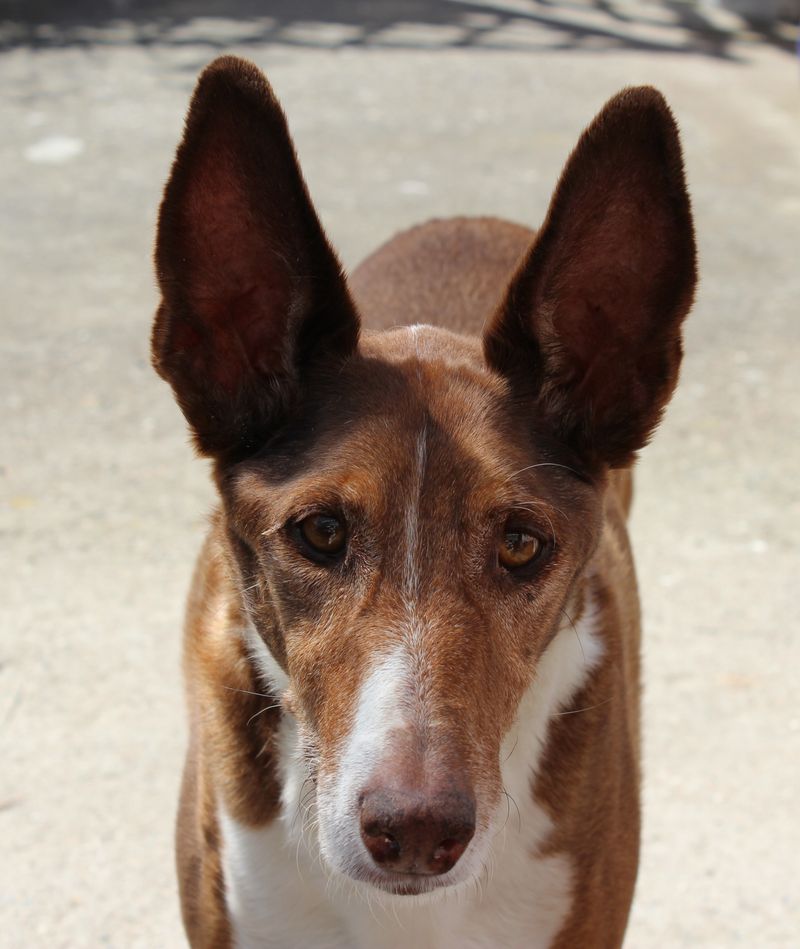
Basenjis are catlike, clever, and famously quiet, but silence does not equal simplicity. They are independent hunters with quick reflexes and selective hearing.
Traditional repetition bores them, so training must feel like a game worth winning.
Use scentwork, food puzzles, and short capture-and-reward sessions for polite behaviors. Prioritize leash skills, a strong recall on a long line, and secure yards.
Reinforce calm before doors and windows to reduce chase triggers. Keep novelty high but expectations steady, avoiding chaotic inconsistency.
When curiosity meets structure, they cooperate beautifully. If you rely on nagging or monotony, they will write their own rules in permanent marker.
Alaskan Malamute
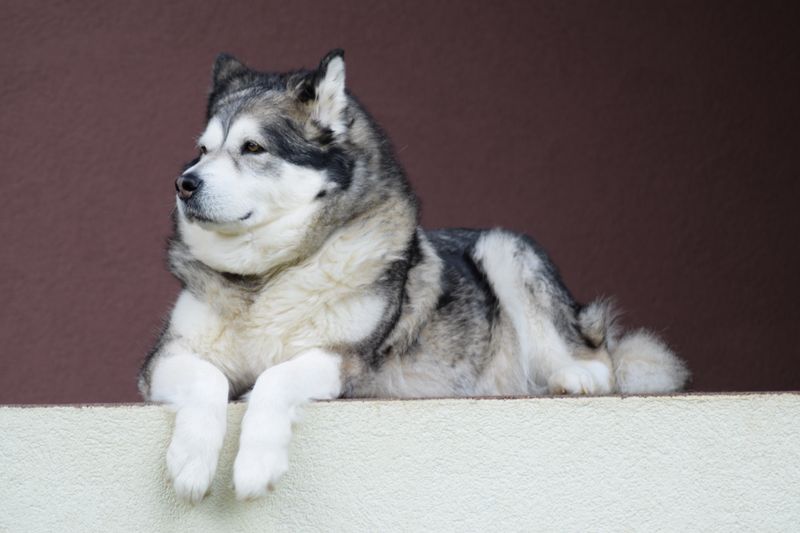
Alaskan Malamutes are powerhouse pullers with big hearts and bigger engines. Without real jobs, they excavate yards, serenade neighborhoods, and outpull every leash you own.
Training must satisfy working instincts while building impulse control.
Introduce canicross, sledding, or weight-pull under safe guidance, then follow with calm decompression. Teach loose-leash skills using engagement games, not endless restraint.
Practice door manners, recalls on a long line, and polite greetings to prevent bowling acquaintances. Rotate enrichment that uses nose and brain, not just legs.
When you respect their heritage and set rules, they are magnificent partners. Skip structure, and you are water-skiing behind a furry locomotive.
German Shepherd
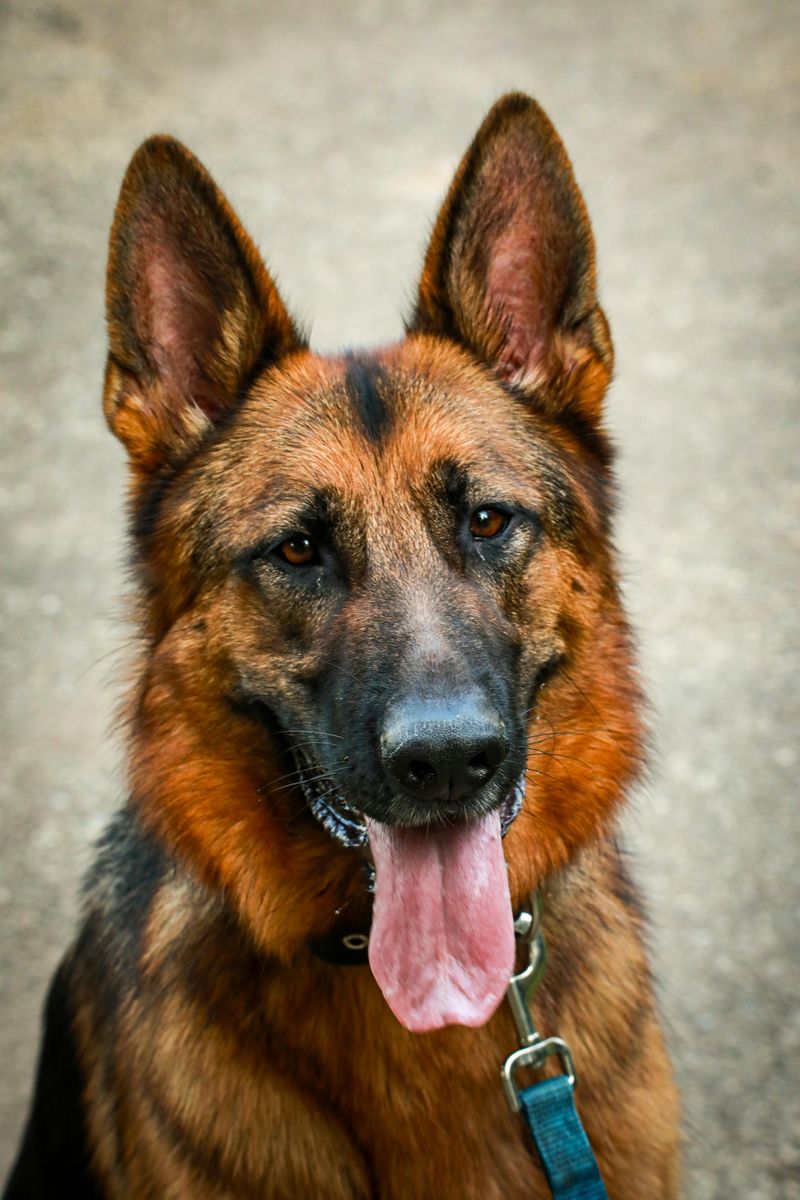
German Shepherds are versatile workers who crave clarity and confidence from you. Without structure, they may overthink, overguard, or micromanage the household.
Balanced training builds neutrality, courage, and calm between tasks.
Teach precise positions, a clean recall, and stationing skills that lower arousal. Use tracking, obedience, and controlled protection-sport style games if appropriate, emphasizing rules.
Socialize with purpose, rewarding disengagement from triggers and polite curiosity. Protect rest, provide decompression, and keep routines predictable.
When leadership is fair and consistent, they excel everywhere. Without it, their brain invents problems to solve, and they will gladly start immediately.