
Choosing between a Kangal and an Anatolian shepherd can feel like comparing twins who grew up in different towns. Both are legendary livestock guardians, but their roots, builds, and working styles tell different stories.
If you know what kind of land, lifestyle, and training approach you prefer, one will fit more naturally. Here are the key differences you should weigh before bringing one home.
Origin (Sivas region vs broader Turkey)
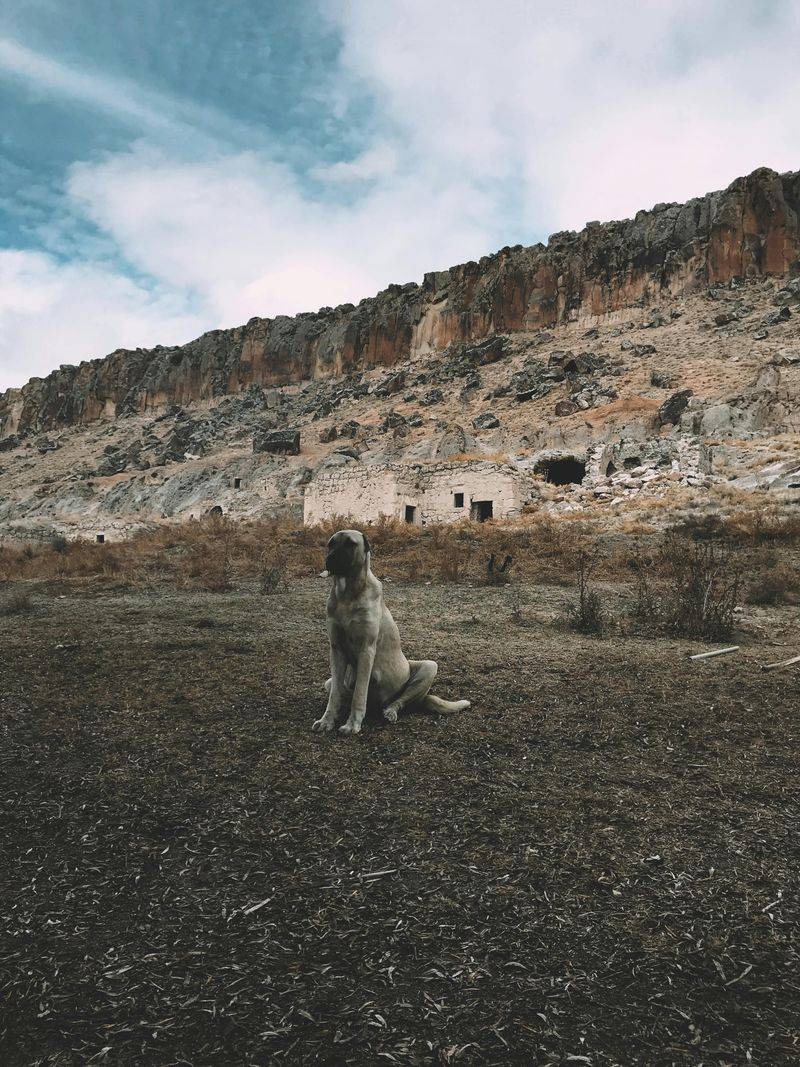
Origin tells a powerful story when comparing these guardians. The Kangal traces its roots to the Sivas region of central Turkey, where harsh winters and open steppe shaped its purpose.
That concentrated origin produced a recognizable type kept by local shepherds protecting valuable flocks. The Anatolian shepherd instead pulls from many Turkish provinces, a composite of pastoral dogs molded by different terrain and threats.
For you, this means the Kangal experience feels more consistent across lines, while Anatolians can vary with lineage. Visit Sivas and you will meet dogs strikingly alike in head, movement, and guarding intent.
Explore western or southeastern stock, and Anatolians may show different coats, sizes, and working styles. Both are authentic, but one is regional, the other an umbrella.
Size and build (leaner vs more varied structure)
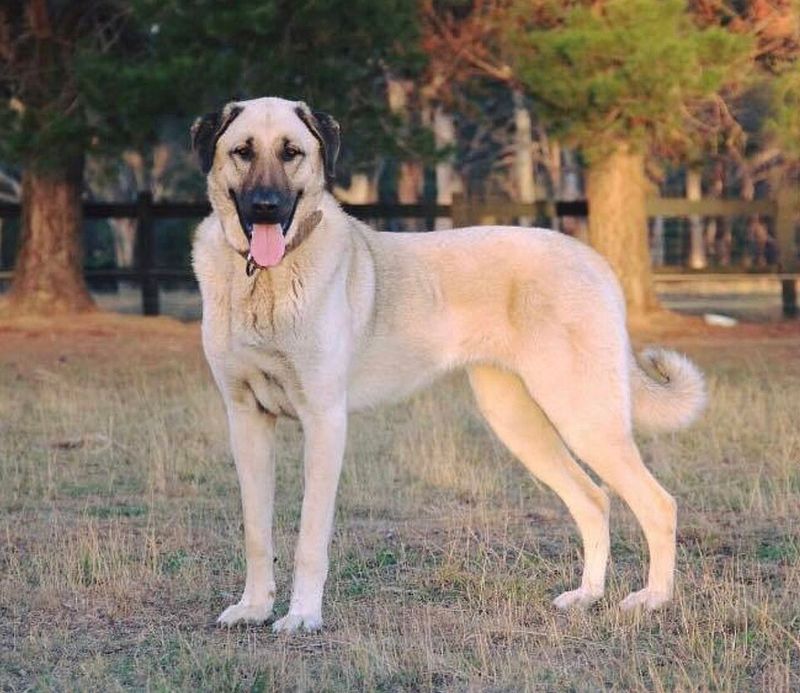
Kangals tend to be tall, athletic, and lean, built for speed and long patrols across open land. Muscling is dense yet streamlined, with a deep chest and a tucked waist that supports quick acceleration and cooling.
Heads are broad but not blocky, with balanced proportions that keep weight off the front. In motion, Kangals cover ground with elastic strides and an easy rhythm.
Anatolian shepherds show structural variety. Some lines are heavier and blockier, others rangy and moderate, reflecting many regional influences behind the umbrella term.
Expect variance in head type, chest depth, and bone, which can affect endurance and turning speed. If you want a predictable silhouette, the Kangal usually delivers.
If you prefer choice within a functional range, Anatolians provide it.
Coat type and colors (more uniform vs wider variety)
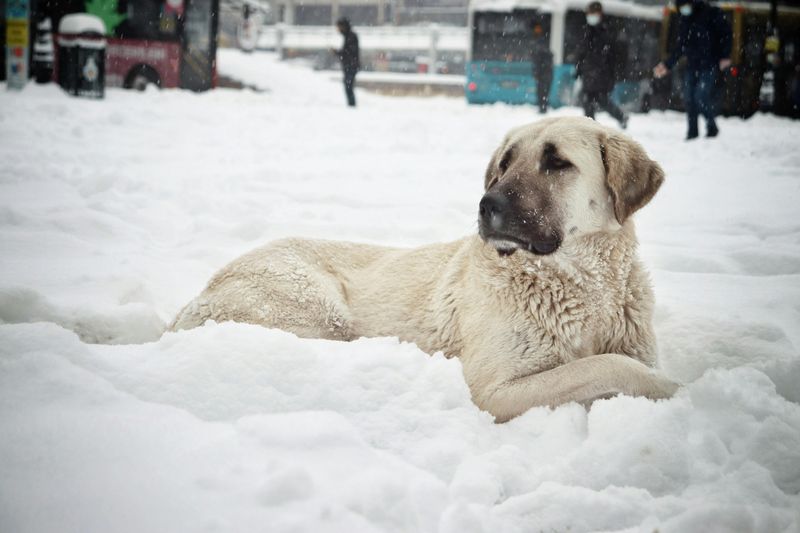
Kangal coats are notably uniform. Expect a dense double coat of short to medium length, pale fawn or dun with a clear black mask and ears.
Feathering is minimal, which keeps burrs and snow from collecting, and the texture sheds water well. Seasonal blows can be dramatic, but daily upkeep stays simple.
That consistency means you usually know what grooming, climate tolerance, and shedding patterns to expect.
Anatolian shepherds show wider variety. Expect fawn, sesame, brindle, or white, with or without masks, and coats from short to moderately feathered.
That range reflects mixed regional roots and can change heat management, snow performance, and grooming time. Some lines blow coat seasonally, others shed steadily.
Choose according to climate and housekeeping tolerance.
Temperament (more focused vs more independent)
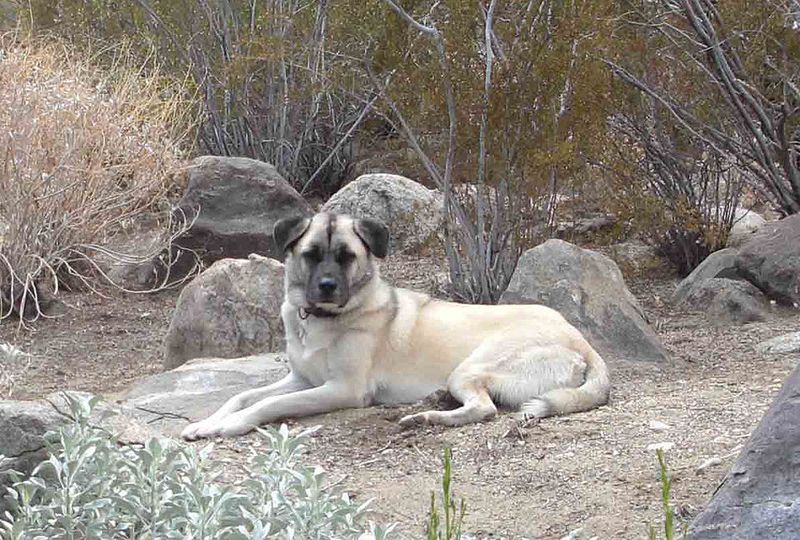
Kangals tend to lock onto their job with laser focus. When a threat appears, they move from calm observation to decisive action, then settle again once the incident passes.
Training taps into this attentiveness, especially when you keep sessions clear, purposeful, and brief. They respond to leadership that feels fair and consistent.
Anatolian shepherds carry a more independent streak. They often analyze a situation without looking back for permission, which is excellent for remote pastures but challenging in suburban life.
Expect a dog that chooses its battles and ignores fuss, yet will plant itself between danger and family when required. Training works best when framed as cooperation, not obedience drills.
You guide the goal, but they choose the route.
Guarding style (reactive vs territorial)
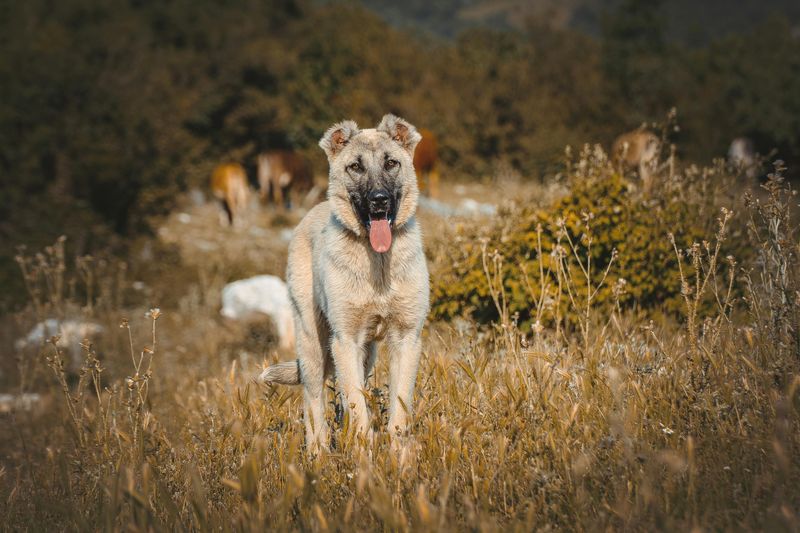
Kangals are often reactive guardians, springing quickly when movement, scent, or posture signals danger. They escalate with presence first, then voice, then physical engagement if a predator refuses to yield.
After resolving the moment, they return to calm, conserving energy for the next decision. This surge and settle rhythm suits expansive ranges with shifting threats.
It also makes them manageable if neighbors appear unexpectedly.
Anatolian shepherds tend to claim and hold territory. They work perimeter lines, stake boundaries with scent and gaze, and challenge intruders.
That style can be excellent near property lines and homesteads where clear borders exist. It also means you must manage introductions, guests, and delivery drivers thoughtfully.
With structure, the territorial instinct becomes a security system rather than a neighborhood dispute.
Speed and agility (faster vs more steady)
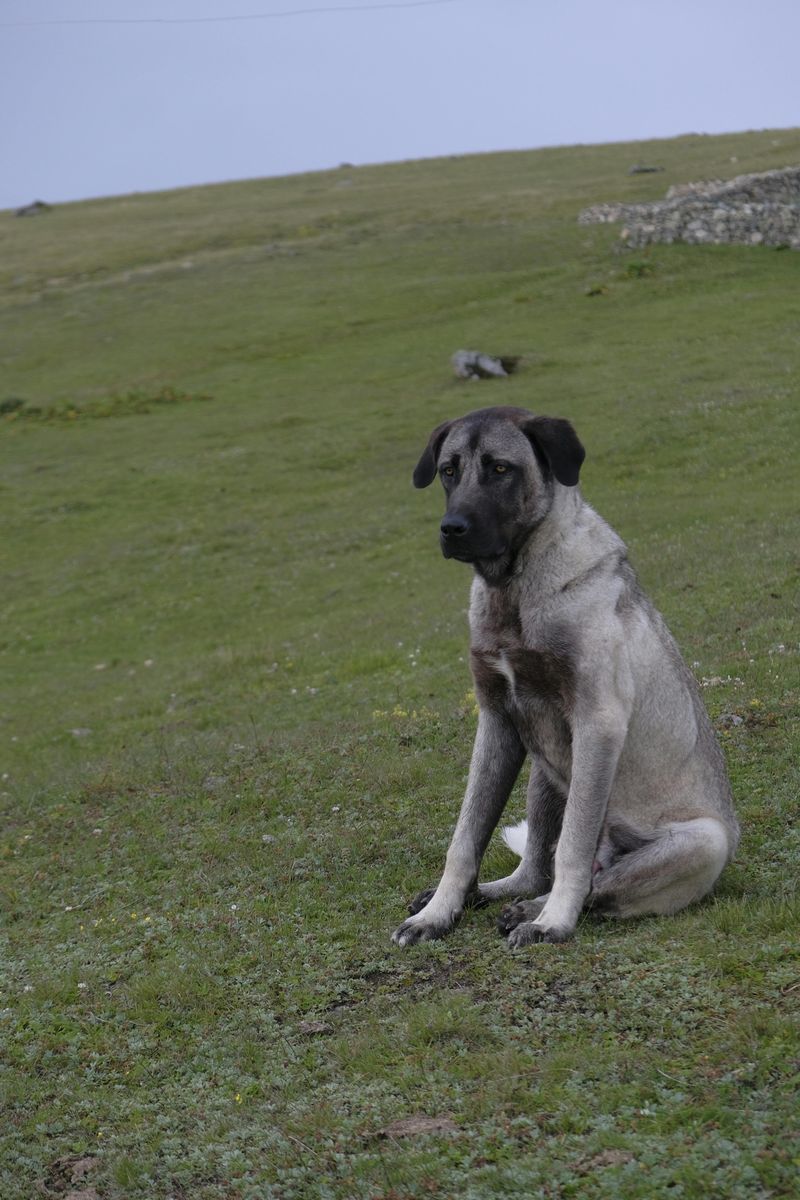
Kangals are surprisingly quick for their size. Long legs, elastic backs, and efficient lungs let them close distance on coyotes fast, then wheel back to the flock without burning out.
Their turns look catlike, with rear drive snapping them around obstacles and uneven ground. You notice a sportier vibe during play, plus a light footfall that barely marks wet soil.
Anatolian shepherds are steady striders. They can trot for hours, hold a perimeter, and meet conflict with planted power rather than flashy acceleration.
In tight spaces they feel heavier through corners, but on open ground they track like a freight train, unbothered by wind or slope. If your land rewards endurance more than sprints, this gait shines.
Think pressure, not pursuit.
Trainability (more responsive vs more stubborn)
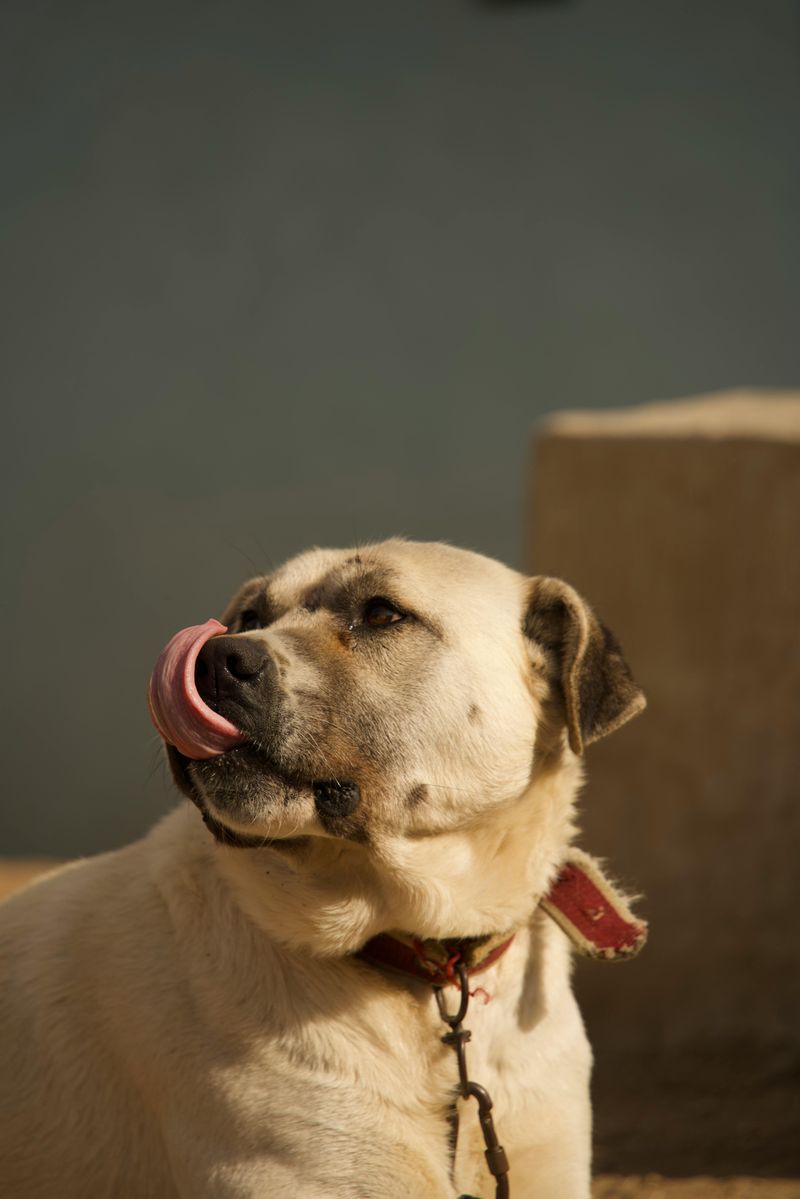
Kangals tend to be more responsive when the task is clear and relevant. Short, purposeful sessions with real work examples beat long obedience chains every time.
Reward timing matters, but so does your calm posture and fair boundaries. When you pair respect with predictable routines, they volunteer effort and learn the pattern quickly.
You are not drilling tricks so much as shaping judgment.
Anatolian shepherds are famously strong willed. They question commands that seem pointless, and they will bypass handlers who nag or repeat.
Progress improves when you set a job, demonstrate the outcome once, and then step back. Use natural consequences and generous space, plus rock solid consistency.
You are negotiating with a partner, not programming a robot, and that mindset keeps everyone successful.
Social behavior (more reserved vs more adaptable)
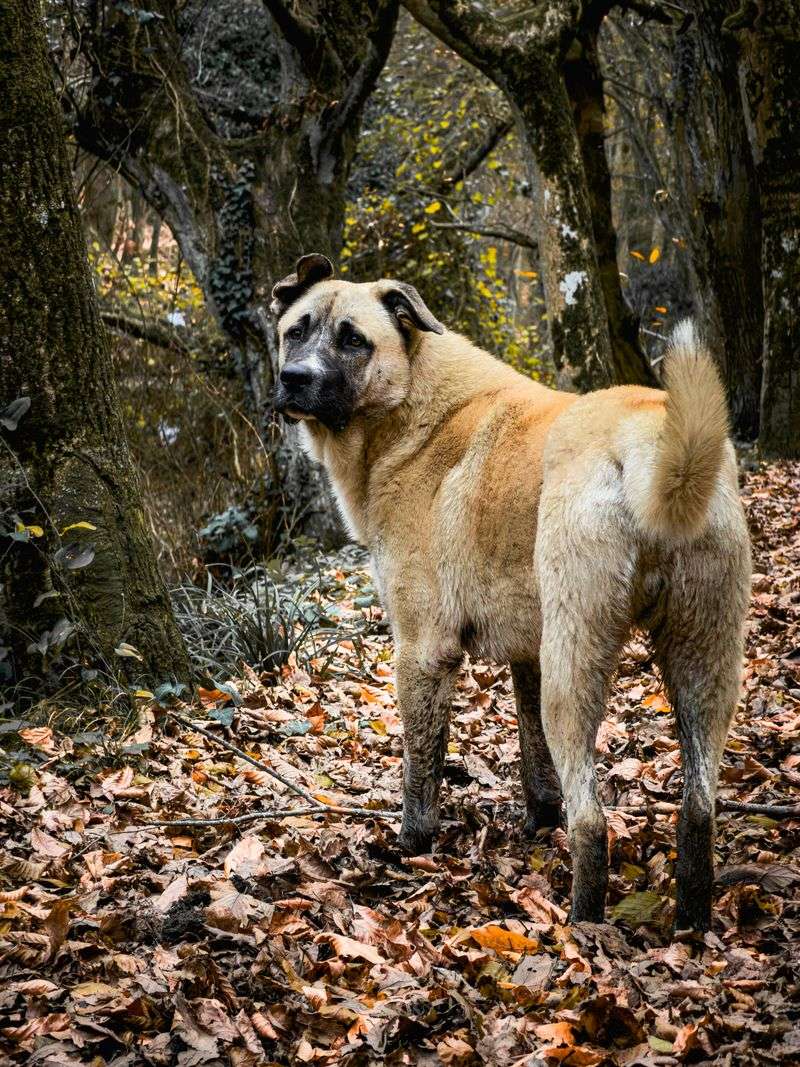
Kangals read strangers quietly and keep an emotional buffer until trust is earned. They warm to family and working teammates, but they do not crave outside attention.
In busy neighborhoods that can appear aloof or even suspicious, especially during adolescence. Clear rules for greetings and space help them feel safe.
If you value a dog that minds its business, this reserve will please you.
Anatolian shepherds are often more socially adaptable. Many accept friendly visitors once properly introduced and supervised, then return to watchful neutrality.
Early exposure to varied people, vehicles, and livestock types pays off, smoothing edges without dulling vigilance. You set the tone, and they mirror it.
Balanced socialization builds a guardian that can visit town and still guard the pasture.
Recognition and classification (distinct breed vs umbrella type)
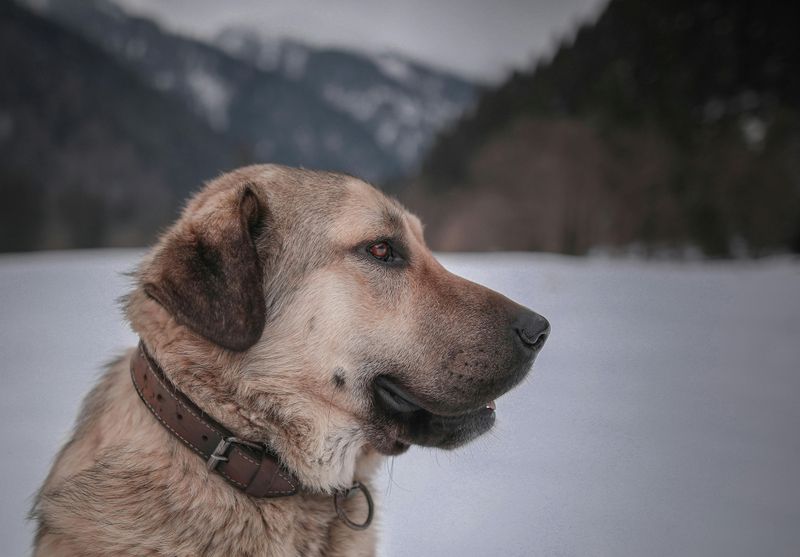
Internationally, the Kangal is increasingly recognized as a distinct Turkish breed with protected heritage. Breed clubs emphasize Sivas roots, black mask, fawn coat, and specific proportions that tie identity to function.
This recognition helps preserve consistency and discourages random mixing that blurs working ability. Papers do not make a guardian, but a clear standard gives breeders and buyers a common target.
Anatolian shepherd remains a broader classification, especially outside Turkey, gathering multiple regional types under one banner. Registries vary in how they define it, and working breeders often prioritize performance over uniform appearance.
This flexibility preserves genetic breadth and lets owners select traits for climate and predator pressure. The tradeoff is predictability, so do your homework on lineage.
Labels guide you, but function should lead.