
Some dogs learn best when their minds stay busy and curious. If the lesson feels boring or too easy, they may tune out fast.
Keeping training fresh, playful, and creative helps many smart breeds stay focused. Here are twelve dogs that thrive on variety, challenge, and fun.
Border Collie
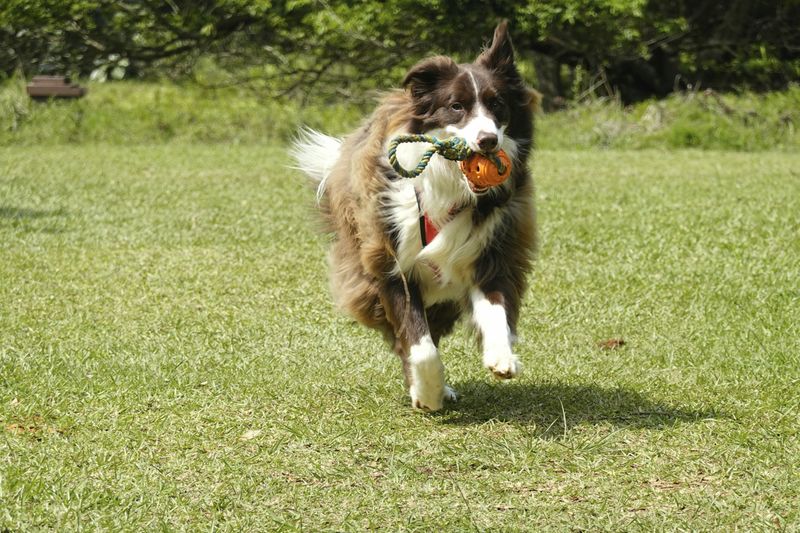
Watch a Border Collie lock onto a task and you can almost hear the gears turning. Variety keeps that powerful brain happy.
Mix scent games, agility drills, and quick obedience chains, then reward with a frisbee sprint. Short, sharp sessions work better than long lectures.
Farm work shaped their stamina and problem solving. Bring that to your yard with herding balls, platform training, and moving targets.
Rotate jobs daily so anticipation builds. A thinking dog needs something new to think about.
Standard Poodle
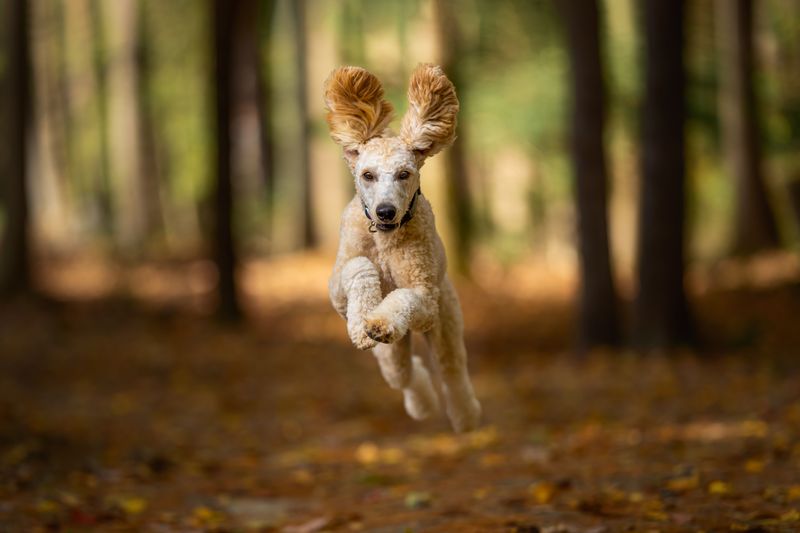
Elegant looks hide a prankster mind. Standard Poodles love puzzles, patterns, and applause.
Swap between trick chains, platform targeting, and retrieve games with soft toys. Keep treats tiny and surprising.
A sudden game of chase to a mat can be the perfect jackpot.
Water roots run deep, so add dock-style retrieves or kiddie pool searches. Teach new cues often and revisit old ones in fresh places.
When lessons feel like theater, the Poodle steals the show.
Belgian Malinois
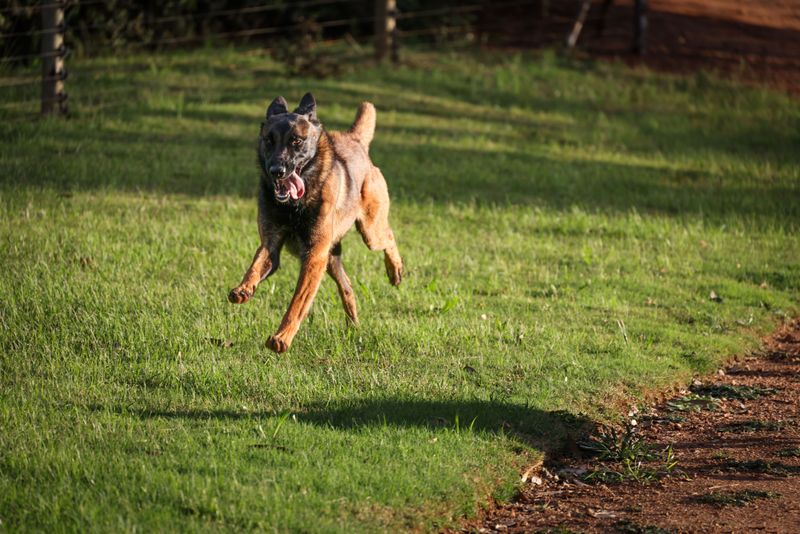
Energy like a lightning bolt, focus like a laser. The Malinois thrives when work feels real.
Alternate obedience with bite pillow targeting, spring pole bursts, and scent line-ups. Keep reps crisp, then release pressure with a tug win.
Mechanical, predictable drills can dull their edge.
Build engagement through movement. Heeling into a fast send, then a down out of motion, keeps brains buzzing.
End on success before they offer their own creative version of the plan.
Papillon
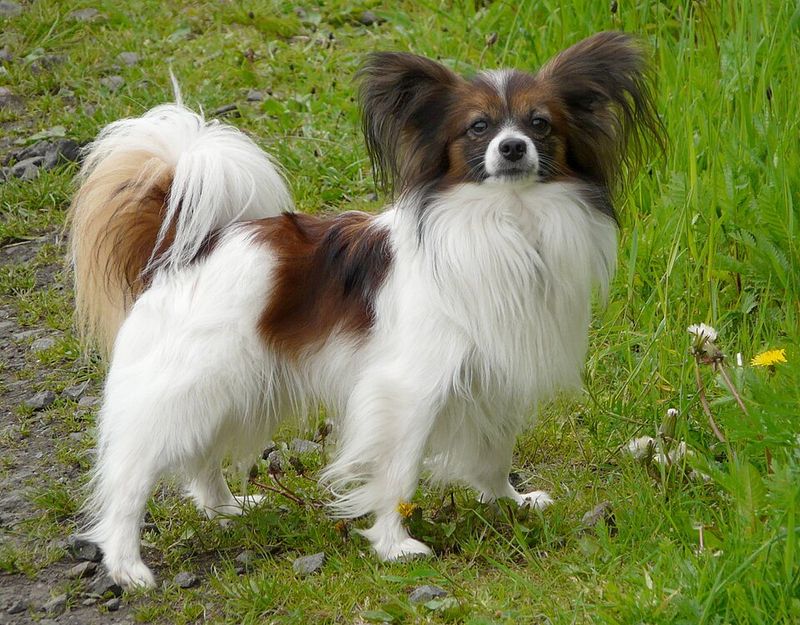
Tiny body, giant sparkle. Papillons eat up novelty, from mini agility to trick ladders.
Switch targets, props, and treat flavors to keep the enthusiasm fizzing. Two minutes of laser-focused shaping beats twenty of repeats.
Toss a cookie to reset and watch the bounce return.
Because they are quick thinkers, cue changes and signal variety matter. Teach paw targets on books, bowls, and mats.
Fresh scenery keeps the butterfly ears perked and the tail happily painting arcs.
Australian Shepherd
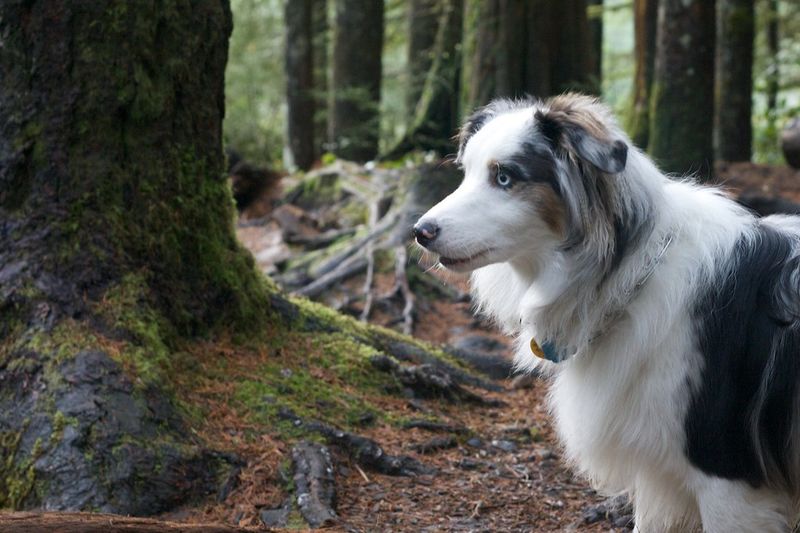
Always ready for a job, Aussies shine when lessons move. Try herding balls, cone drills, and directional cues across the yard.
Use clear markers, then a tug or frisbee as a paycheck. When repetition drags, they start inventing tasks, which can be funny or chaotic.
Change speed, surfaces, and distances. Practice a sit at gate, then a send to platform across grass, then a recall through cones.
The puzzle grows, and your teammate stays glued in.
Giant Schnauzer
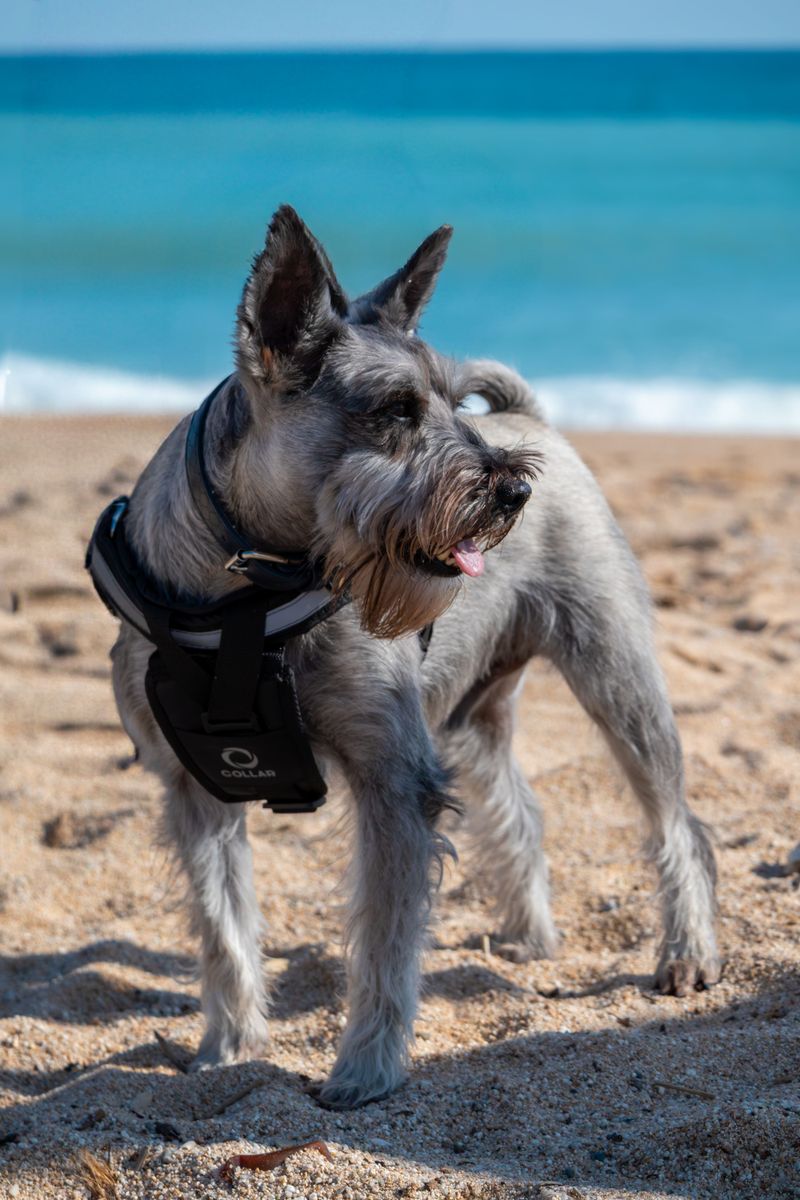
Big brain, bigger opinions. The Giant Schnauzer respects structure but craves challenge.
Blend obedience with scent boxes, urban parkour over benches, and controlled tug. Use confident handling and upbeat rewards.
If the pattern gets stale, expect negotiations from that expressive beard.
Short power sets work best. Heel down a busy sidewalk, hop onto a platform, then practice a settle while life passes by.
Rotate roles so the dog solves, then follows, then celebrates.
Portuguese Water Dog
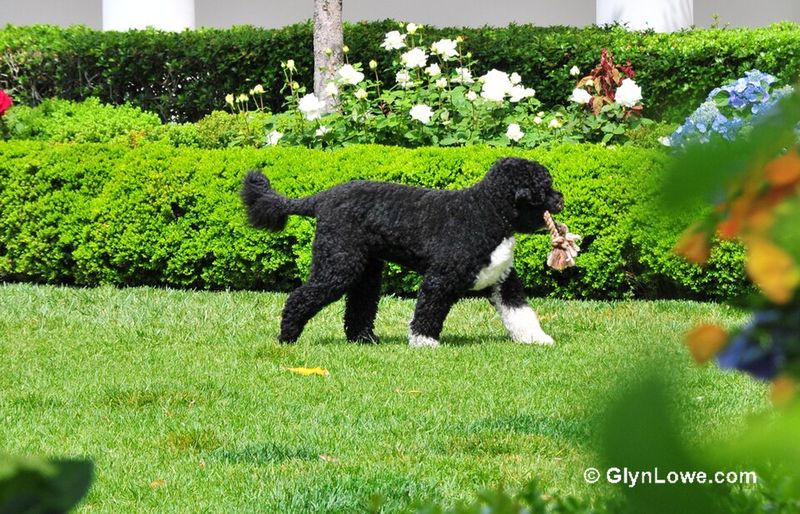
Born for splash and teamwork, Porties light up when water joins the plan. Alternate land skills with wet missions like dock retrieves and underwater scent sticks.
Land days can feature balance discs, boat-boarding practice, and gear fetch. Surprise rewards keep tails churning.
History as fisher helpers gives you a theme. Send to a floating target, call back to heel, then reset and repeat from a new angle.
Rotate cues and props to keep curiosity alive.
Miniature Schnauzer
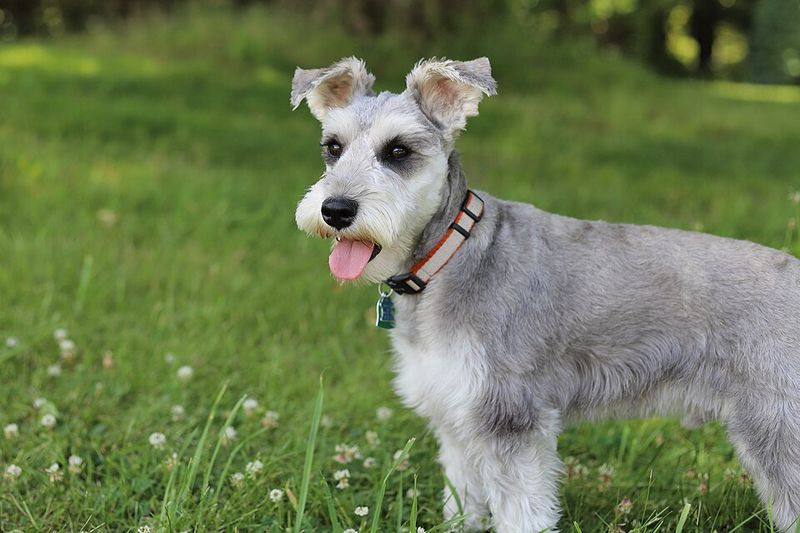
Feisty and clever, Minis enjoy detective work. Nosework searches across couches and shelves beat plain sits any day.
Keep hides moving, alter heights, and toss in a surprise jackpot. Between searches, sprinkle quick manners like sit at door or chin rest for grooming.
Terrier spice benefits from jobs that feel important. Create a mailbox delivery game or toy basket cleanup.
Rotate the mission, and that signature beard will point straight at the next clue.
Shetland Sheepdog
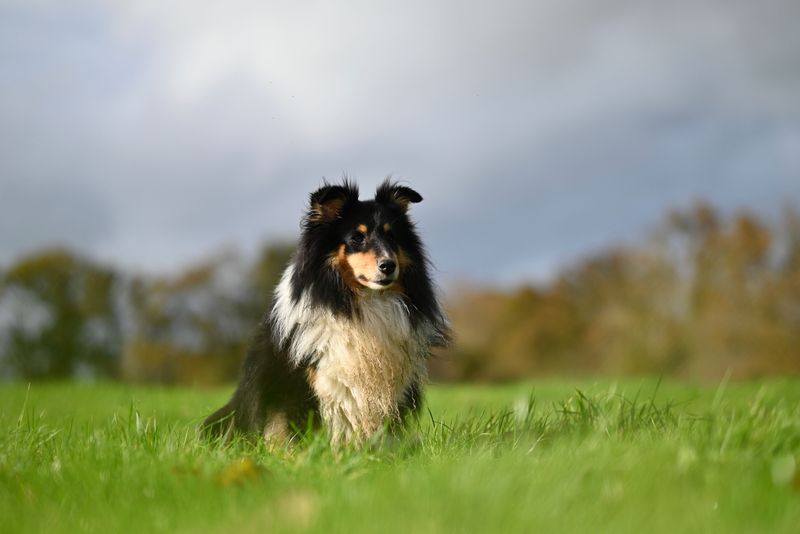
Quick feet, quicker mind. Shelties respond best to light, rhythmic sessions that change tempo.
Alternate agility weaves with perch pivots and quiet focus games. Rewards can be tiny food bits or a soft squeak.
Gentle praise soothes sensitive souls when the pattern shifts.
Because they notice everything, use that superpower. Hide a toy under a cone, send around a tree, then call to heel.
Variety keeps confidence building while preventing worry about making mistakes.
Beauceron
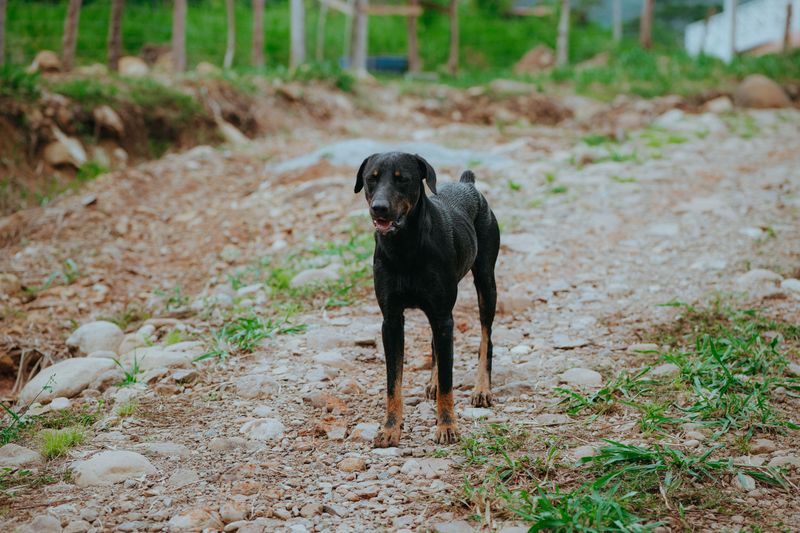
Calm power wrapped in a thoughtful gaze. Beaucerons flourish when lessons feel purposeful.
Mix tracking starts, farm lane heeling, and boundary games at gates. Pay with a gripping tug or a quick food scatter.
Predictable drills alone can dull their interest.
Rustic settings help. Practice a send to a fence post, then a down at distance, then a recall past mild distractions.
Rotate terrains and tasks so the dog reads the world and you together.
Brittany
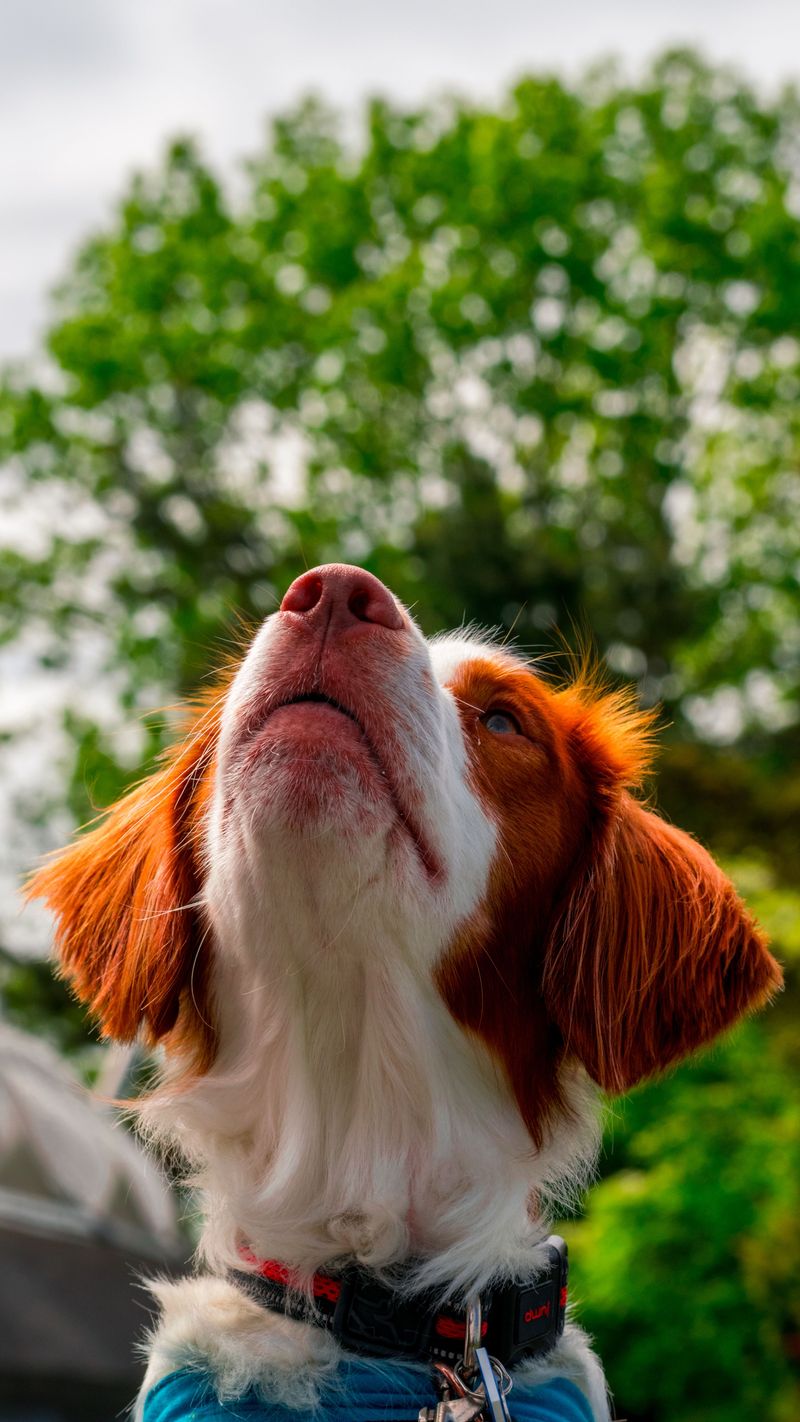
Field-born enthusiasm bursts from every stride. The Brittany learns fastest when nose and legs work together.
Alternate recall games with scent trails, then add a steady stay before a big release. Food works, but a tossed bumper can be magic.
Keep activities snappy and outdoorsy.
Introduce impulse control gently. Ask for a sit before the run, then reward with the run.
Change locations and wind directions so the dog keeps hunting for answers, not just treats.
Flat-Coated Retriever
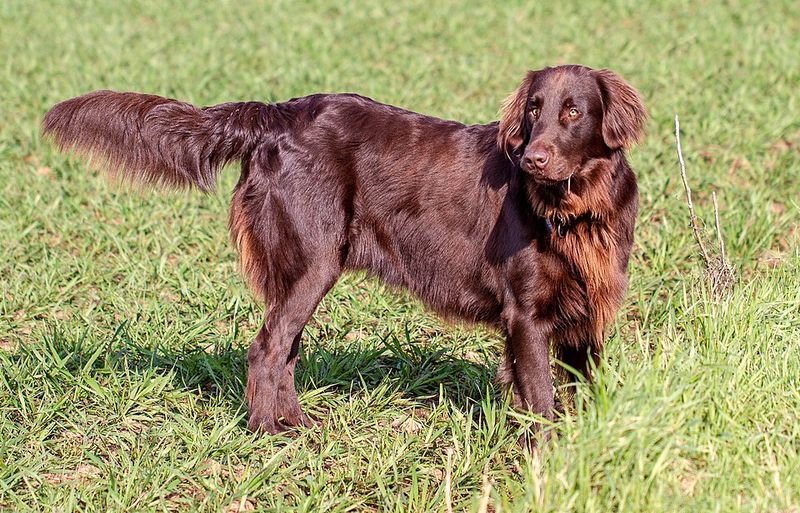
Sunshine with a tail, the Flat-Coat thrives on playful learning. Rotate retrieve marks, hidden dummies, and water entries.
Mix obedience between throws to build patience without draining joy. Use cheerful praise and varied toss distances.
Too much sameness can sap that famous grin.
History as a game bird retriever gives you rich drills. Practice memory retrieves, then a quick heel pattern, then a send to a blind.
Keep the mood lively and the surprises frequent.