
Some dogs handle quiet afternoons like champs, but others struggle the minute the door clicks shut. If you have ever returned to drool on the doormat, chewed toys, or a neighbor’s text about barking, you are not alone.
Certain breeds feel solitude more intensely, and small shifts in routine can make a huge difference. Here are 13 beloved breeds that often need extra support when home alone, plus practical ways to help them cope.
Vizsla
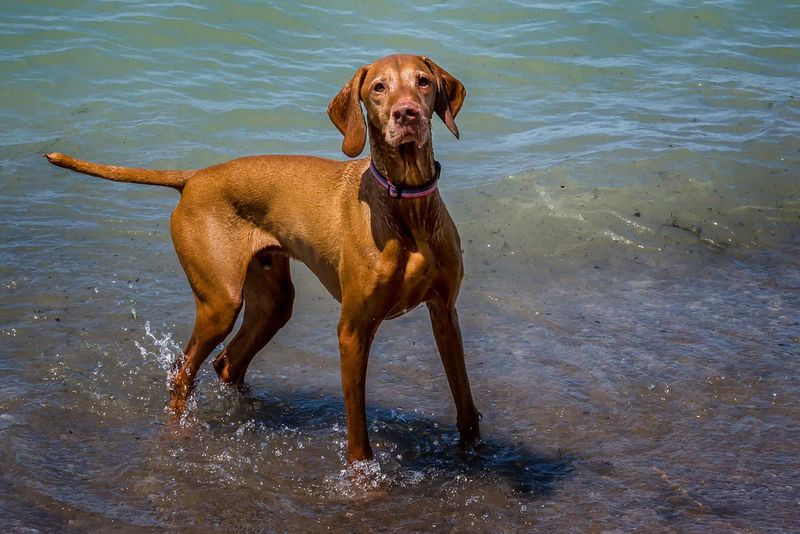
Sensitive and spirited, Vizslas crave near constant companionship. When you head out, they often shadow you to the door, worried they will miss the next adventure.
Left solo for long stretches, they can vocalize, pace, or nibble furniture, not out of spite but because their social battery drains fast.
You can soften the stress with brain work before you leave. Try a brisk sniffy walk, then a stuffed freezer safe chew and a snuffle mat to occupy that keen nose.
Gradually build alone time, use a camera, and hire a midday walker when schedules get messy, so your Velcro dog stays content. Rotate toys, close curtains, and leave calm music playing to reduce outside triggers.
Labrador Retriever
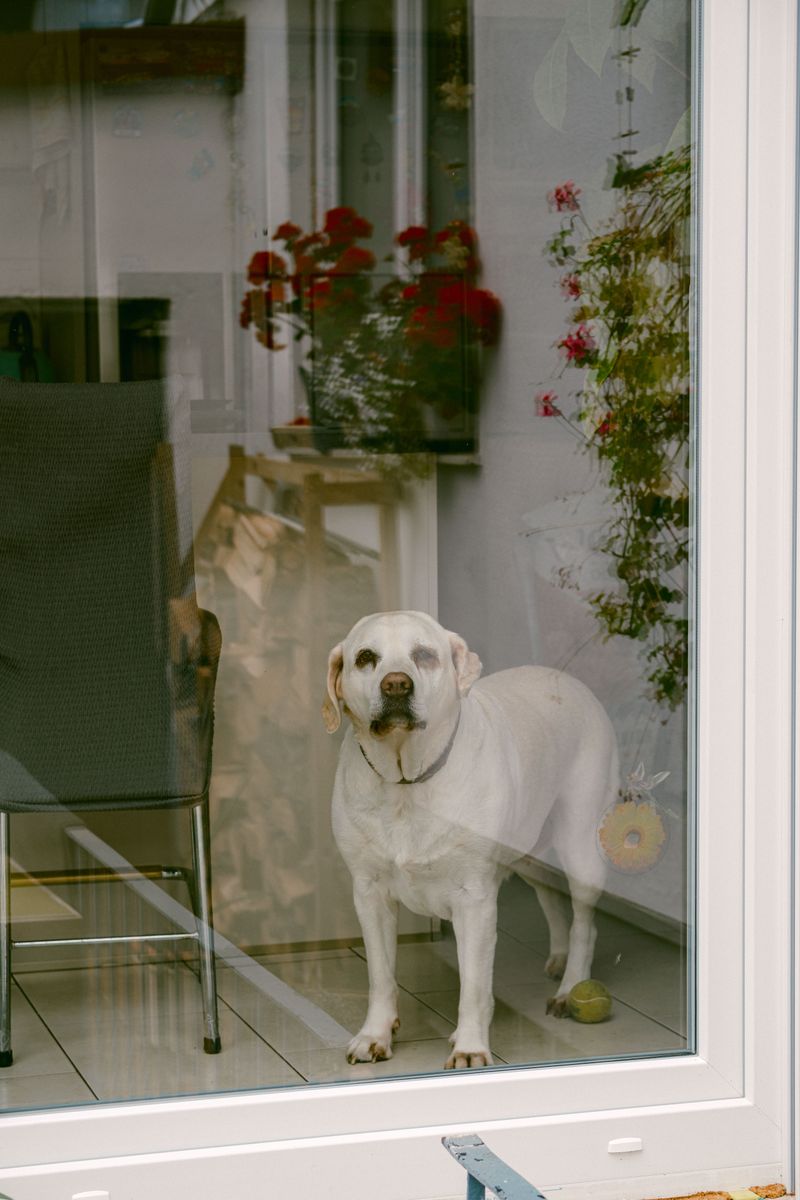
Labs love people so much that quiet houses feel strangely empty to them. When boredom and longing mix, you might see rummaging, counter surfing, or door watching that lasts for hours.
It is not mischief by nature, just a social dog struggling to self soothe without purpose.
Give your Lab jobs before goodbye. A fetch session, food puzzles, and a long lasting chew can take the edge off.
Train a go to mat routine, freeze part of breakfast, and use baby gates to limit scavenging zones. If hours stretch, arrange a neighbor visit or dog walker, keeping goodbyes low key and predictable.
Background noise like talk radio and closed blinds help reduce triggers from passing squirrels and delivery trucks.
Golden Retriever
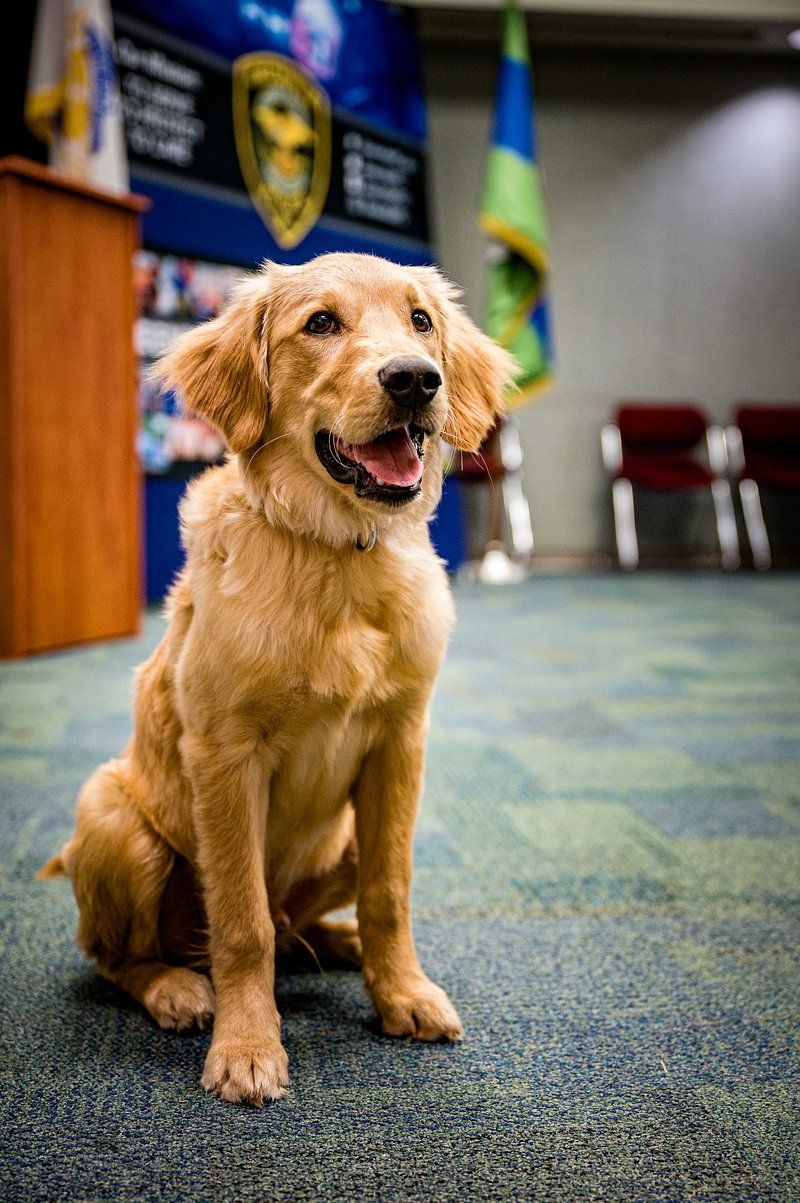
Goldens bond quickly and deeply, so silence can feel loud when you leave. Many pace between windows, collect shoes, or carry blankets as comfort objects.
Without outlets, that big heart becomes restless energy, which may show up as barking, door scratching, or enthusiastic redecorating.
Front load exercise and enrichment. Think sniff walks, hide and seek with kibble, and a sturdy lick mat to settle the nervous system.
Teach independent settle on a bed, practice short out of sight reps, and make departures boring. If long days are unavoidable, a trusted sitter provides companionship and structure that keeps your golden easygoing.
Close curtains, use white noise, and rotate puzzle toys so novelty works in your favor each week.
Cavalier King Charles Spaniel
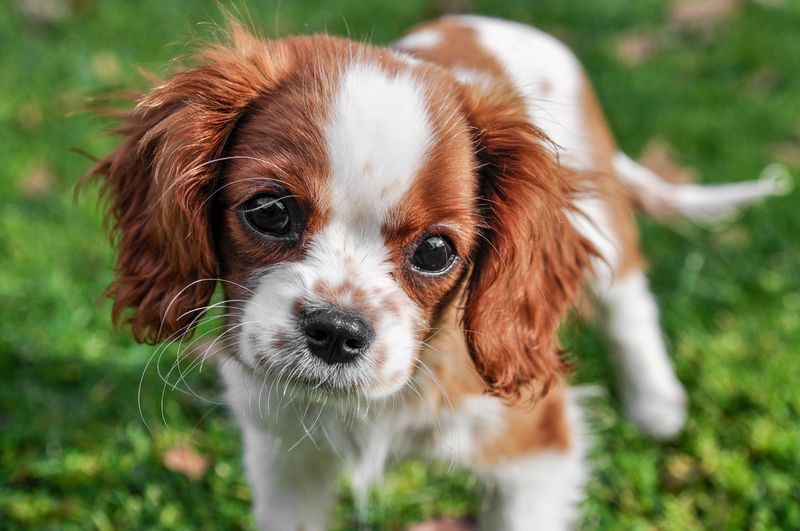
Cavaliers are affectionate shadows, happiest when a lap is nearby. Alone too long, they may whine, door scratch, or refuse food until reassurance returns.
Their gentle nature means stress shows subtly at first, like clinginess, yawning, or licking paws.
Set up cozy security rituals. Offer a worn T shirt scent, a soft crate den, and a slow feeder to encourage calm foraging.
Practice short absences, reward quiet, and avoid dramatic exits or reunions. If workdays run long, recruit a sitter or friend for midday cuddles and a sniffy stroll to reset emotions.
Window film, simple white noise, and rotating plush chews help block triggers that would otherwise spike worry. Keep routines consistent so your Cavalier predicts meals, naps, and gentle play.
Doberman Pinscher
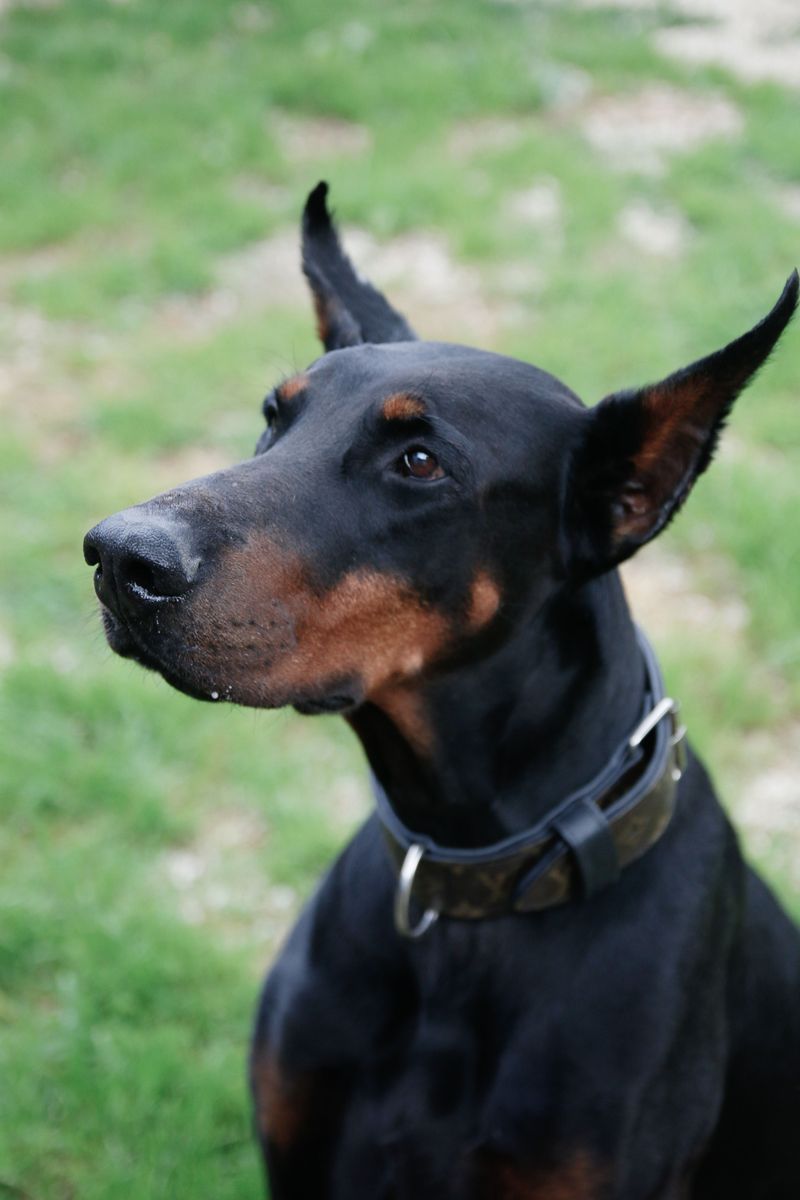
Dobermans are vigilant guardians who notice every sound. When left without a job, their sharp minds invent one, often patrolling windows or alert barking at the slightest movement.
That intensity, paired with deep attachment, can morph into stress if you are gone for long stretches.
Channel energy before leaving. Incorporate obedience games, scentwork, and a flirt pole session to satisfy body and brain.
Use window coverings, white noise, and sturdy enrichment like frozen Kongs to reduce reactivity. A trusted walker, daycare rotation, or a trained neighbor check helps maintain structure, so your Doberman relaxes rather than assumes sentinel duty all afternoon.
Practice calm departures, and gradually lengthen alone time using a camera to confirm progress and comfort.
Border Collie
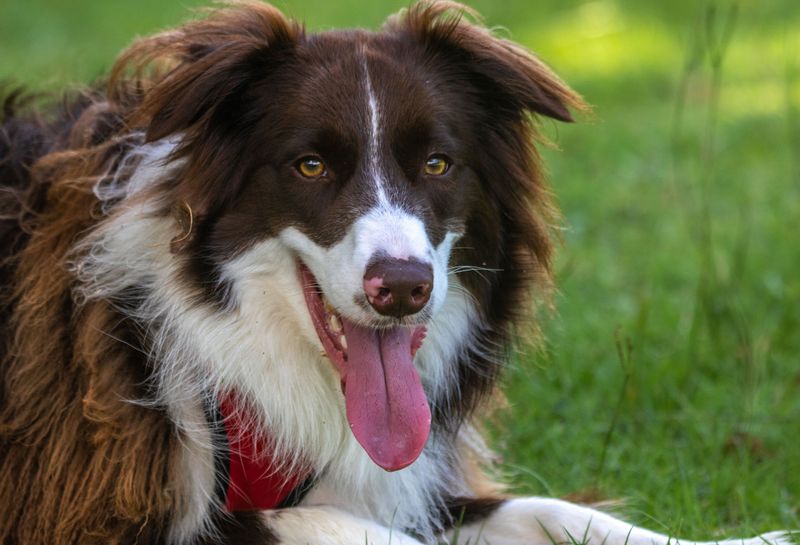
Border Collies are workaholics with laser focus. Without tasks, they often invent projects like herding shadows, rearranging shoes, or dismantling plush toys.
Long lonely hours can tip that brilliance into frustration, turning into vocalization, door scratching, or obsessive window watching.
Give real jobs before you go. Ten minutes of pattern games, scatter feeding, and a flirt pole sprint calm that buzz.
Provide puzzle feeders, cardboard shreddables, and safe chews in rotation. For extended days, add a midday training drop in or herding class weekly, so your collie’s brain stays satisfied and your furniture remains intact.
Close curtains, use white noise, and block access to street facing windows to prevent self assigned security duty every day.
Australian Shepherd
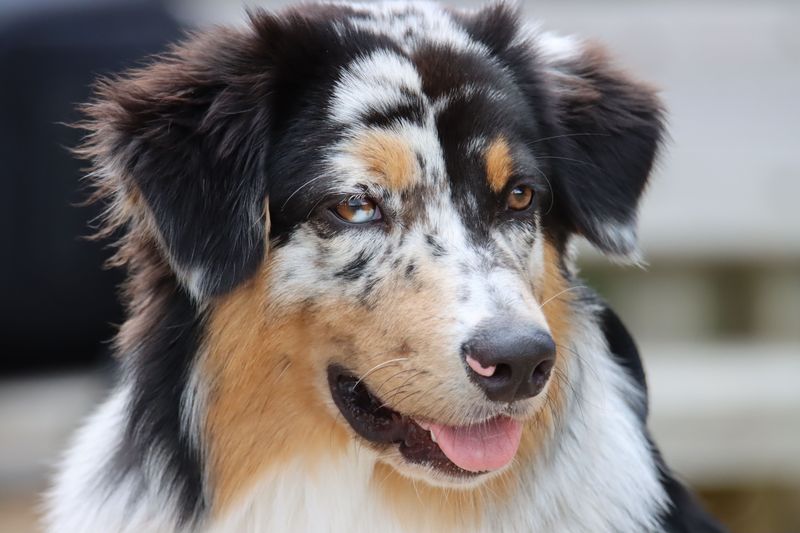
Aussies are energetic problem solvers bred for teamwork. When the team is missing, they may pace, vocalize, or collect socks as stand in livestock.
That busy brain and body need outlets or the living room becomes a project zone.
Front load movement and thinking. Try rally obedience, scent games, and a flirt pole burst before breakfast.
Leave a snuffle mat, two puzzle toys, and a frozen chew, rotating options to keep novelty high. If your schedule runs long, arrange a midday hike service or play date, and keep departures low key to avoid anticipatory arousal.
Cover windows, provide soothing music, and gate off high traffic zones so outside motion does not kickstart herding instincts inside.
German Shepherd
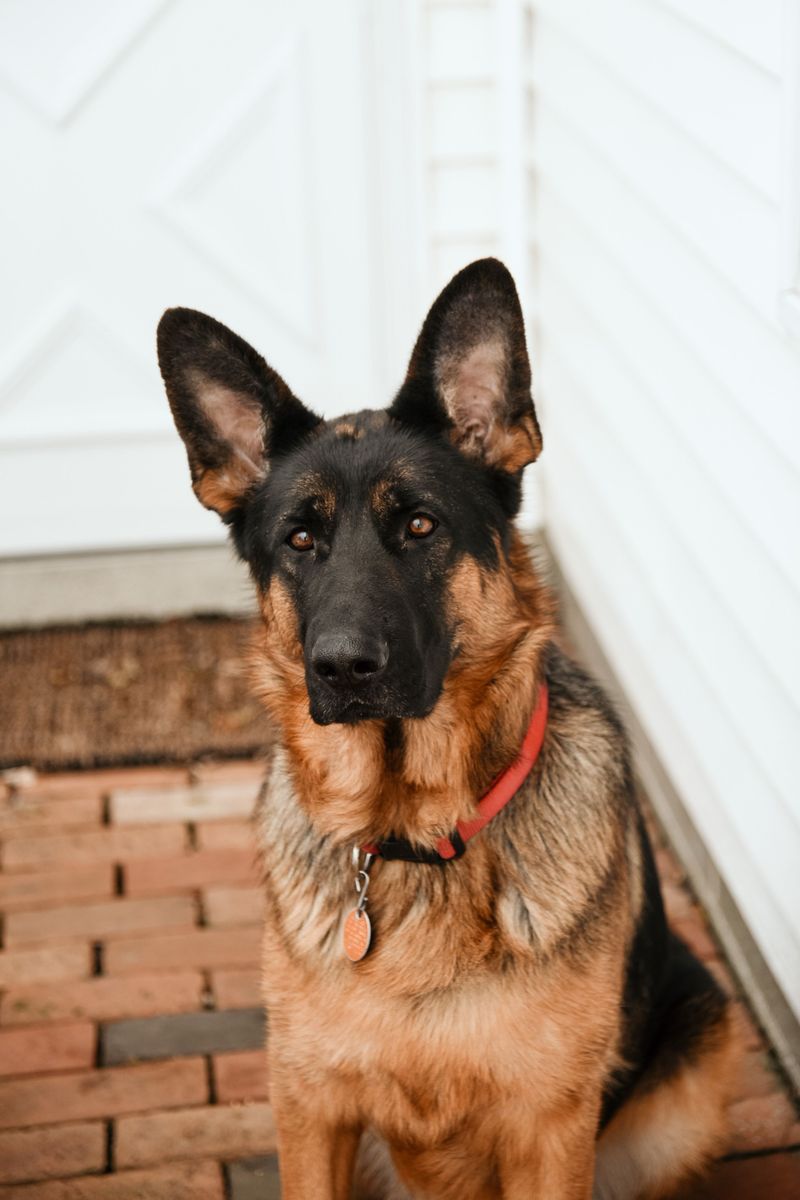
German Shepherds are loyal, alert partners built to work alongside people. Alone too long, they often patrol, bark at sounds, or stress chew because their purpose is missing.
Their sensitivity to environment means passing trucks, voices, and deliveries can spike arousal quickly.
Provide structure before exits. Obedience reps, nosework, and a flirt pole or tug session drain mental and physical energy.
Use privacy film, white noise, and durable food toys to reduce triggers. For longer stretches, coordinate a walker who practices calm manners, reinforcing neutrality so your shepherd rests instead of clocking overtime on neighborhood security.
Practice short departures with cameras, reward quiet, and keep greetings understated to avoid rewarding anxious anticipation after each return.
Italian Greyhound
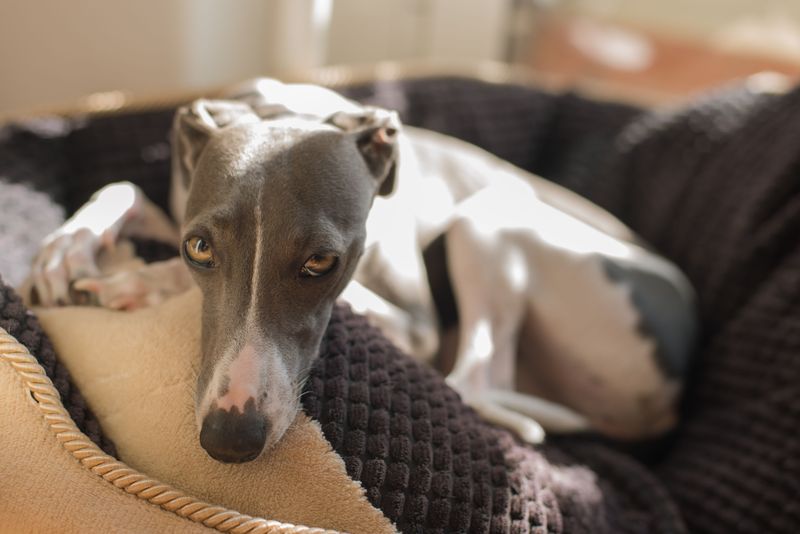
Italian Greyhounds are sensitive, slender companions who love warmth and closeness. Alone, they may shiver, burrow anxiously, or protest vocally because routine feels disrupted.
Their delicate build and big feelings make long solitary hours especially tough.
Create cozy security. Offer a heated bed set low, a soft crate with blankets, and a lick mat to release soothing endorphins.
Keep rooms draft free, draw curtains, and leave gentle music. Practice tiny departures, reward calm, and consider a midday visitor for potty breaks and cuddles, so your Iggy relaxes instead of worrying all afternoon.
Use a camera to monitor, and gradually extend alone time only when body language looks loose, settled, and sleepy. Keep departures boring, always.
Havanese
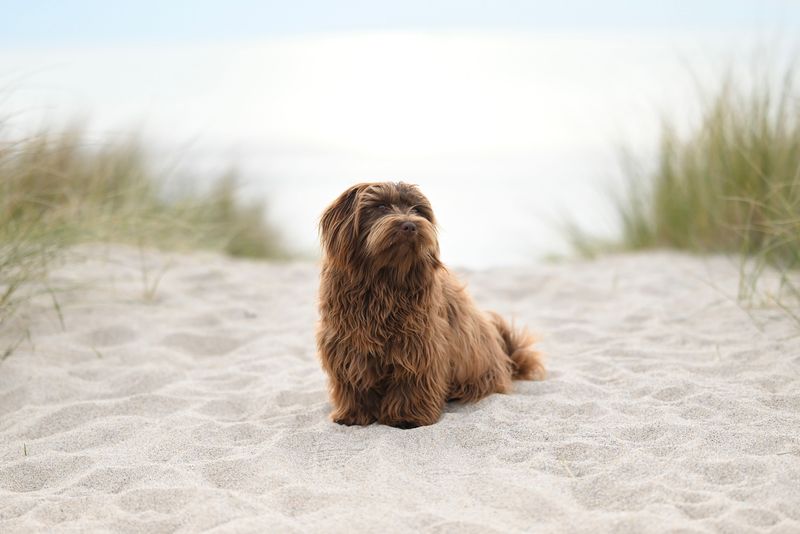
The Havanese thrives on close contact and lively households. When the bustle stops, loneliness can creep in fast, showing up as barking, door scratching, or clinginess the moment you return.
These cheerful entertainers need structure to feel secure.
Build a calm routine around departures. Offer a sniff walk, then a stuffed chew and a snuffle mat in a cozy corner.
Rotate puzzle games, close curtains, and add soft music to reduce alerts. If you will be gone long, plan a neighbor visit for play and potty, keeping greetings matter of fact to prevent overexcitement.
Practice short absences daily, reward relaxed posture, and use cameras to guide progress so confidence grows steadily. Little wins compound daily.
Maltese
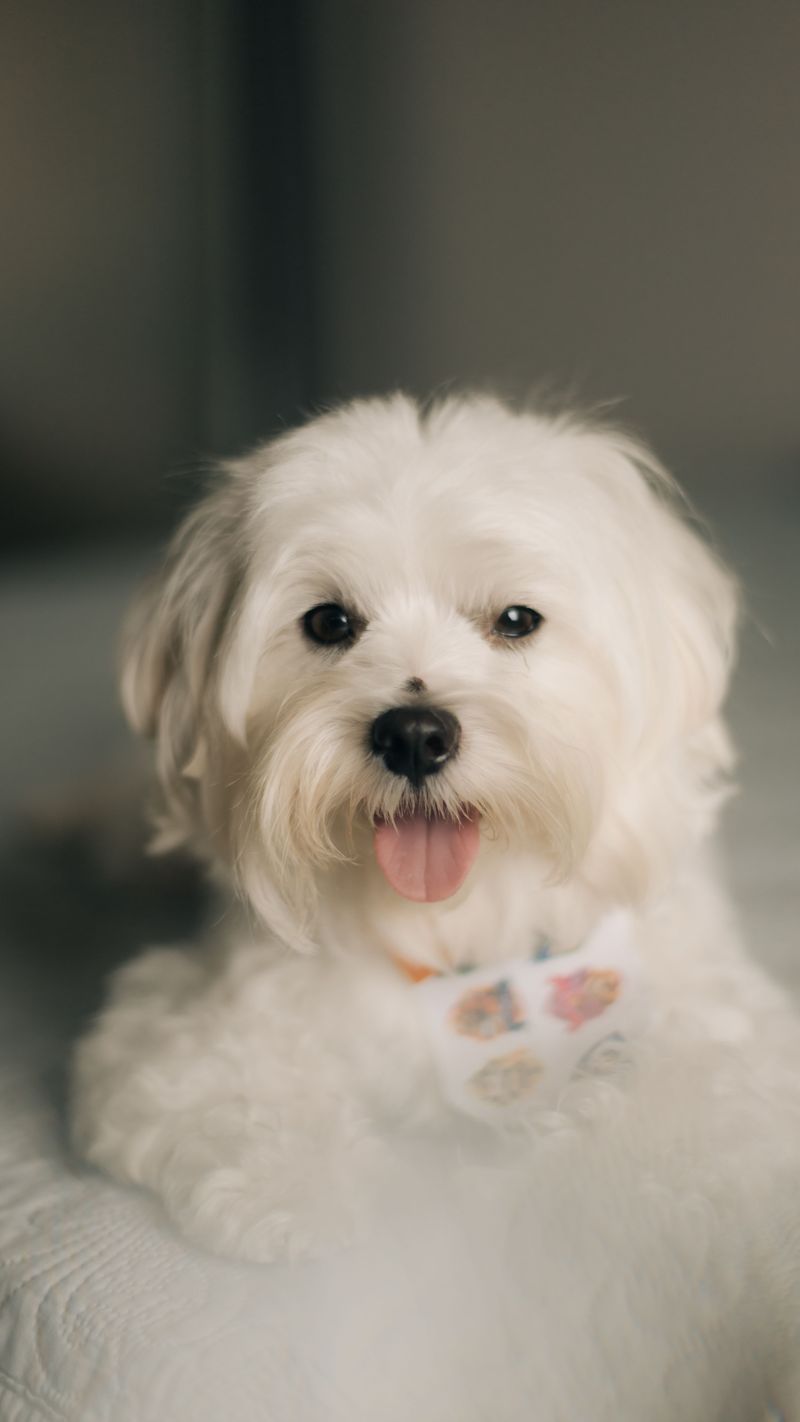
Maltese dogs are people oriented lap companions who dislike solitude. Left alone, they may bark, scratch, or refuse treats until reassurance returns.
Their small size and big attachment can make even brief separations feel huge.
Create predictability. Pair departures with a comfy bed, a food puzzle, and calm music.
Keep windows covered, reward quiet moments, and avoid high pitched goodbyes. For longer days, ask a friend to visit for cuddles and a potty break, and gradually lengthen alone time using a camera so progress stays steady and kind.
Short training games before you leave, like hand targets and sit stays, build confidence and tire the brain gently. Keep reunions calm, predictable every single time please.
Cocker Spaniel
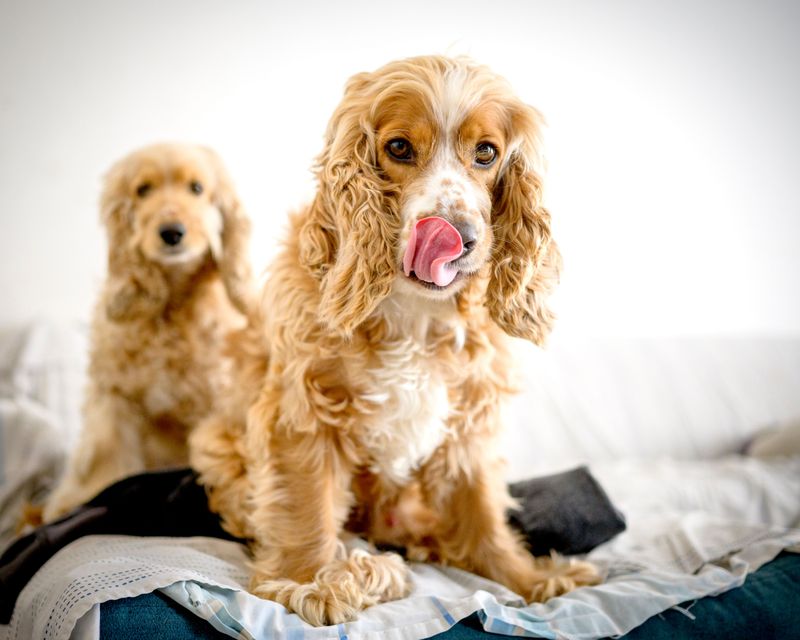
Cockers are affectionate, sensitive dogs with expressive eyes that track your every move. Alone, they may whine, chew, or pace between rooms searching for the family.
That soft temperament makes inconsistent routines feel especially unsettling.
Give outlets and certainty. A sniffy walk, scatter feeding, and a stuffed chew help shift them into rest mode.
Close curtains, add white noise, and offer a cozy crate or pen. If away for hours, schedule a midday visitor, and practice short out of sight reps so coping skills grow steadily without spiking anxiety.
Teach a go to bed cue, reward relaxed posture, and record sessions to ensure progress before increasing duration. Consistency builds trust daily, little by little always.
Bichon Frise
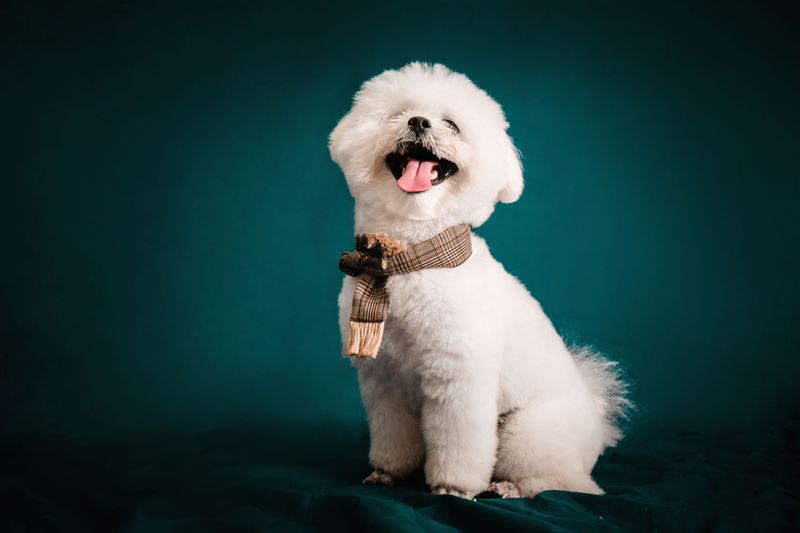
Bichons are cheerful charmers bred to be close companions. When left alone, they may bark, bounce, or shred tissues as a boredom outlet.
Their social nature means quiet apartments can feel strangely loud without you.
Create a soothing routine. Offer a brisk walk, a foraging game, and a frozen chew in a comfy pen.
Close curtains, add background audio, and rotate puzzle toys to keep curiosity engaged. If gone for hours, arrange a friendly visit, and keep greetings calm, so your Bichon learns that alone time is safe and predictable.
Practice tiny departures, reward quiet relaxation, and increase duration slowly while you watch body language on camera. Consistency and patience win in the long run.