
Leaving your dog alone should not feel like a gamble. Small mistakes can quietly build stress that erupts as barking, chewing, or accidents.
The good news is you can fix most of them with simple tweaks before you grab the keys. Here are the common pitfalls and how to avoid each one.
Leaving without enough exercise first

Your dog cannot settle if their body still buzzes with unused energy. A brisk walk, sniffy stroll, or quick game of fetch before you leave can drain stress and satisfy needs.
Aim for a mix of cardio, sniffing, and training reps so the brain tires, not just the legs.
If time is tight, use food puzzles during that pre departure window to channel focus. Short training bursts like sits, downs, and hand targets build confidence and connection.
When you finally head out, the dog feels fulfilled, naps sooner, and copes better with the quiet. Consistency matters, so plan a repeatable routine that fits weekdays and weekends, and adjust intensity for age, breed, weather, and any health limitations your veterinarian notes.
Making departures overly emotional
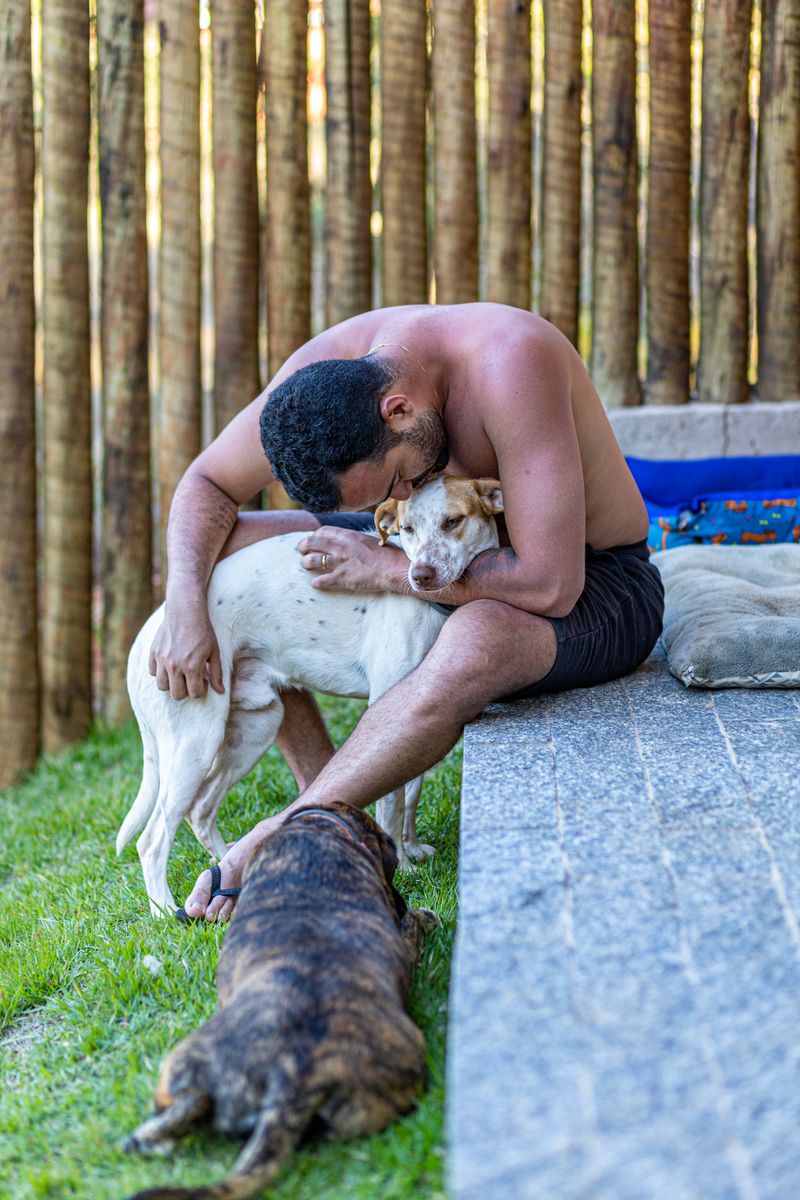
Big goodbyes can spike your dog’s arousal and make the doorway feel like a crisis. When you fuss, hug, or apologize, you signal that leaving is scary.
Instead, keep exits boring, casual, and predictable, like grabbing keys, rewarding calm, and walking out without eye contact.
Practice short fake departures to desensitize the cues. Put on shoes, jingle the leash, step outside for seconds, then return only when your dog is relaxed, not whining.
Over time, the pattern teaches that you always come back, and calm behavior makes your reentry happen faster. If emotions swell, take a breath, soften your voice, and move with purpose, because your steady energy becomes the template your dog mirrors under daily pressure at home reliably.
Giving too little mental stimulation
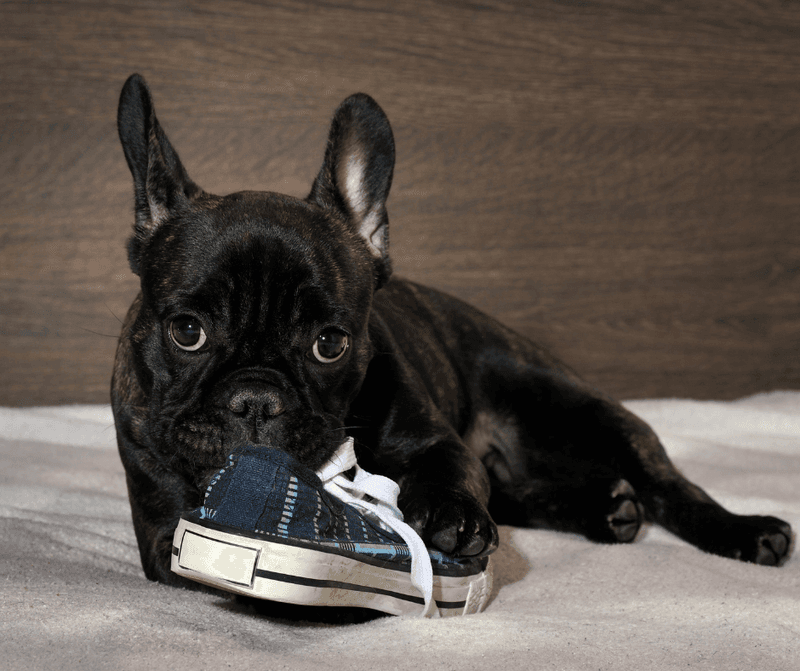
A tired brain is your best ally when you leave. Dogs crave problem solving, sniffing, and foraging, not endless zoomies.
Offer stuffed Kongs, scatter feeding, snuffle mats, or a safe chew to occupy those first hard minutes, when stress hormones and habits often take over.
Rotate activities so novelty stays high without overwhelming your dog. Freeze meals into puzzle toys to stretch time, or hide easy scent trails that lead to a jackpot.
Set clear rules about what is chewable, and supervise first sessions so you protect safety and build confident independence. Track what works in a simple notes app, then tweak difficulty, flavor, and duration until your dog finishes content, settles quickly, and actually naps through your absence comfortably.
Leaving dogs alone too long too suddenly

Jumping from constant company to long hours alone can shock even confident dogs. Without gradual practice, time crawls and coping skills crumble.
Start with tiny absences, increase a few minutes at a time, and use a camera to watch real reactions instead of guessing from chewed pillows.
Aim for many successful, boring reps that end before your dog worries. Bathroom break, treat, leave, return, then rest, repeating through the week.
If progress stalls, shorten duration, sweeten enrichment, and recruit a walker or neighbor so needs are met while you rebuild separation confidence. Plan coverage for potty schedules, youthful energy, and medical needs, because preventing panic today protects trust tomorrow and keeps training momentum moving in the right direction at home.
Ignoring separation anxiety signs
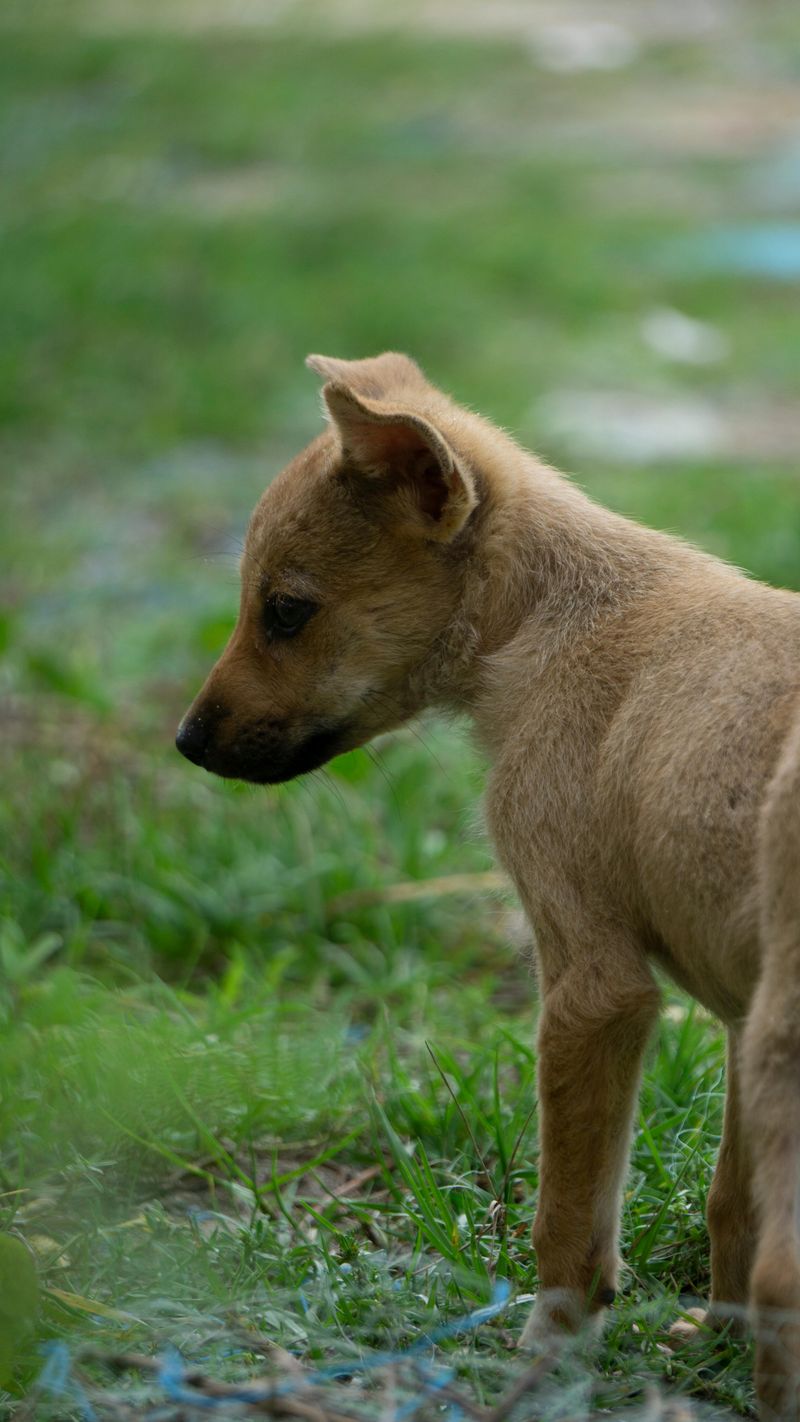
Pacing, drooling, shadowing, door scratching, and escape attempts are not spite. They are panic symptoms your dog cannot reason away.
If neighbors report barking right after you leave, or you notice sweaty paw prints and accidents, that timeline points to distress, not boredom or house training failure.
Document patterns with a camera and a simple log. Then contact your veterinarian and a qualified trainer, because medical issues and fear often intertwine.
With a tailored plan, gradual exposure, and possible medication support, your dog can learn new associations, feel safe, and relax while you are gone. Do not wait, since months of panic rehearse stronger habits, strain relationships, and increase risk of injury during frantic escapes, which makes recovery slower and more expensive.
Using punishment after destruction happens
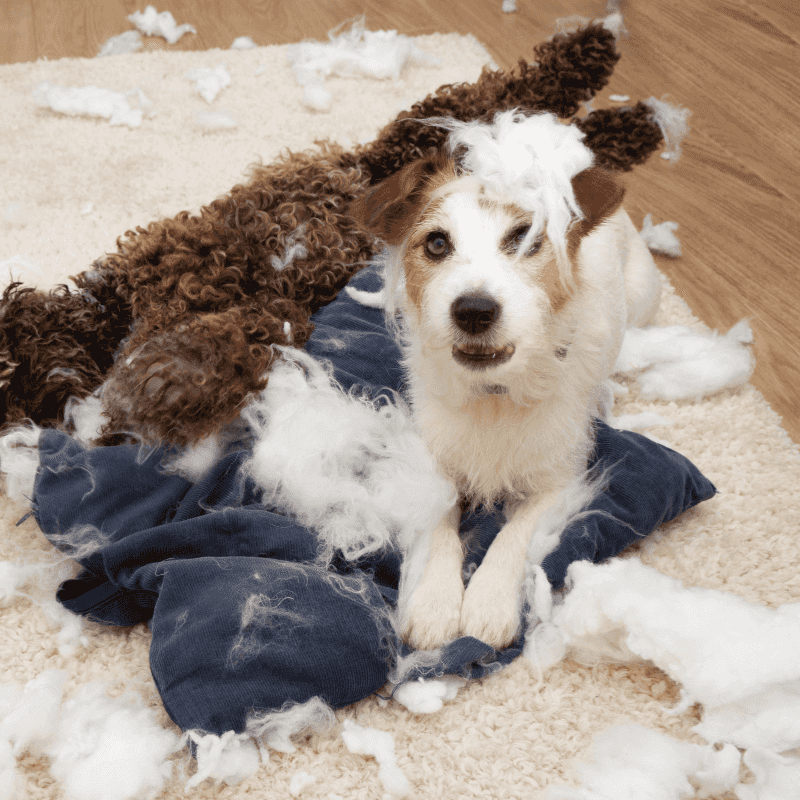
Scolding a dog for chewed shoes discovered after work only scares them about your return. Dogs connect feedback to the last seconds, not hours earlier.
That guilty look you see is appeasement, a survival strategy, not an admission of wrongdoing or a sign they understand complex timelines.
Prevent the problem instead. Manage the environment, provide appropriate chews, use gates, and crate train kindly if it suits your dog.
Reward calm, quiet behavior, and give outlets before leaving, so your dog learns what to do, not just what to avoid when stress shows up. If damage persists, film departures, adjust routines, and consult professionals, because compassionate guidance builds reliability faster than fear and protects your bond during everyday life challenges together.
Providing no safe comfort space
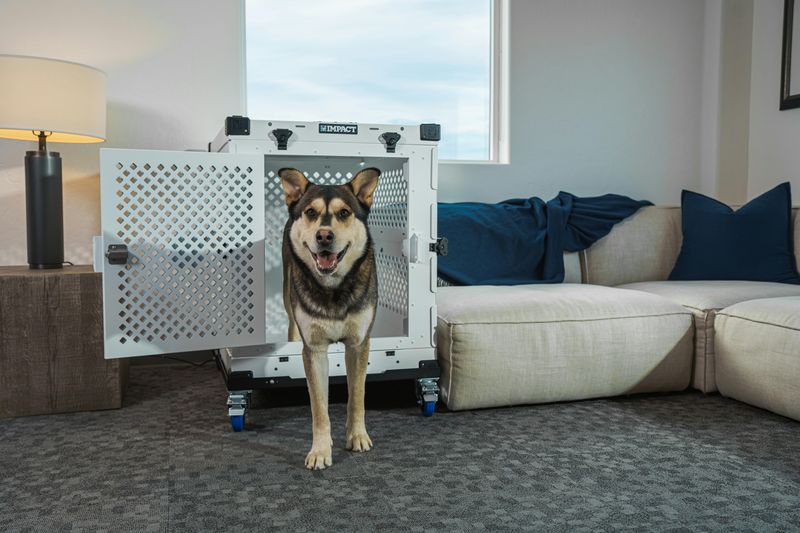
Every dog needs a predictable retreat that feels secure and cozy. A crate, pen, or bedroom can become a den if introduced slowly with treats and calm routines.
Soft bedding, water, and a familiar scent help the nervous system downshift, especially when the house suddenly turns quiet.
Place the space away from windows and heavy foot traffic to reduce triggers. Play relaxation music quietly, not loudly, and pair entry with small jackpots.
Over days, close gates briefly, reward calm, then add tiny absences so your dog associates that safe spot with resting, not lonely confinement. If crates worry you, use a roomy pen with visual barriers, choose chew safe materials, and ask a trainer to fit the setup to your dog’s unique comfort profile.
Leaving loud TV or noise constantly on
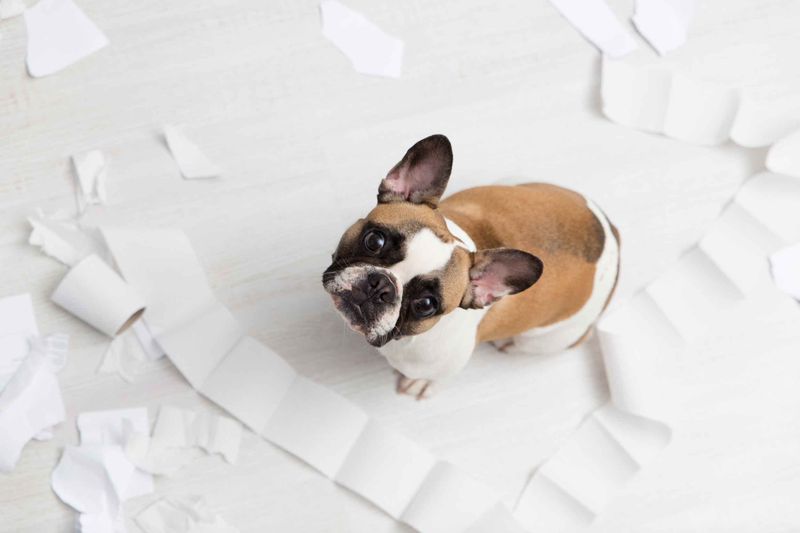
Constant noise can add stress instead of soothing it. Loud TV, talk radio, or chaotic playlists keep arousal high and block the sounds that tell dogs the home is safe.
Use soft, predictable soundscapes or white noise at low volume to muffle outside triggers without overwhelming sensitive ears.
Test options while you are home and watch your dog’s body language. Ears soft, loose jaw, and settled posture mean you picked well.
Combine gentle audio with enrichment, a comfy space, and curtains for visual barriers to create a steady background that supports napping, not restless pacing or barking. If neighbors are noisy, a fan plus soothing music often layers well, but avoid sudden commercials, sports, or news segments that spike volume and jolt sensitive listeners.
Skipping independence training early
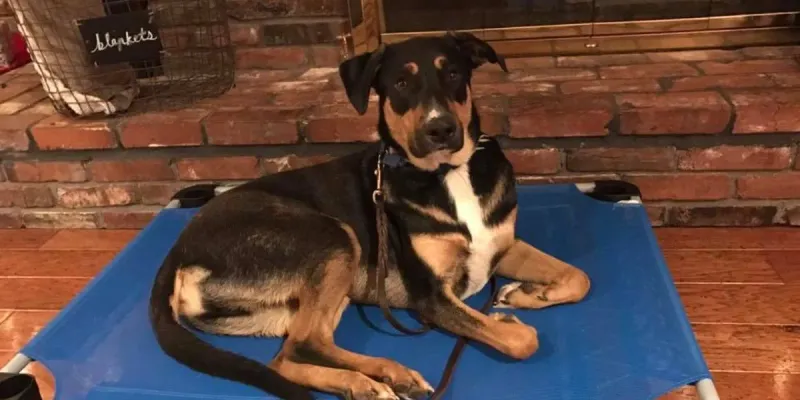
Clinginess can grow when puppies never practice short, positive separations. Baby gates, mats, and settle cues teach that being nearby without constant contact is safe.
Start with seconds while you prepare food or shower, reward relaxation, then expand gently so alone time becomes a normal household rhythm.
Balance affection with structure so your dog builds confidence, not dependence. Invite calm following, then park on a mat, and pay for quiet.
If setbacks appear, reduce difficulty, add enrichment, and ask a force free trainer for guidance, preventing patterns that later require longer, harder behavior change work. Daily micro sessions make progress simple, and you can track wins in a calendar, noticing steadier recoveries after absences and fewer attention seeking behaviors over time.