
Puppies learn fast, and what feels cute today can turn into a stubborn habit later. Some breeds pick up patterns so quickly that one small exception becomes their new normal.
Knowing which dogs are most likely to keep a puppy rule can help you guide them with calm, smart training. With the right plan, you can keep their spirit while shaping better manners.
German Shepherd – channel the herder’s drive
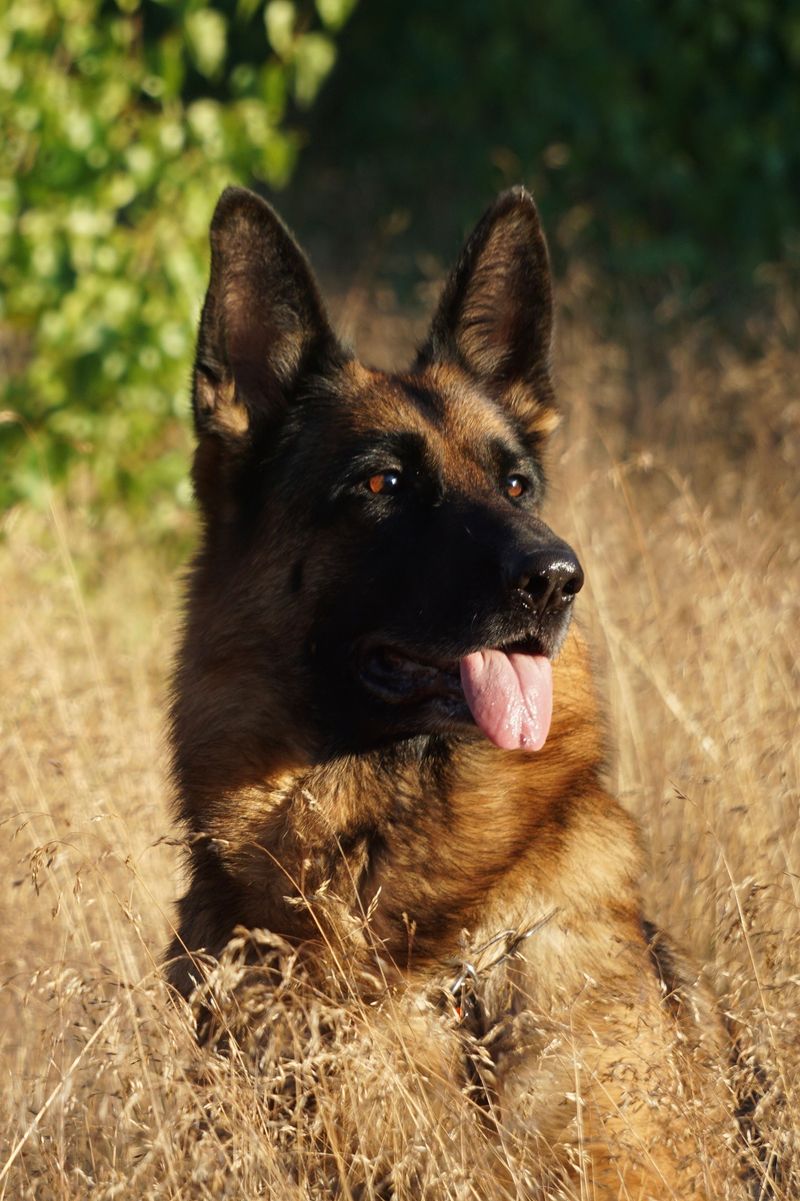
With a brain built for jobs, the German Shepherd learns patterns in a flash. If a puppy is allowed to herd kids or chase bikes, that thrilling game can turn into a lifelong mission.
Shape the rule early. Swap chasing with nose work, tug, and place training, then reward calm watching on a leash.
Daily structure, safe chew toys, and meet-ups with steady dogs help the Shepherd spend energy the right way, so the mind stays busy and the body stays polite.
Labrador Retriever – the friendly jumper
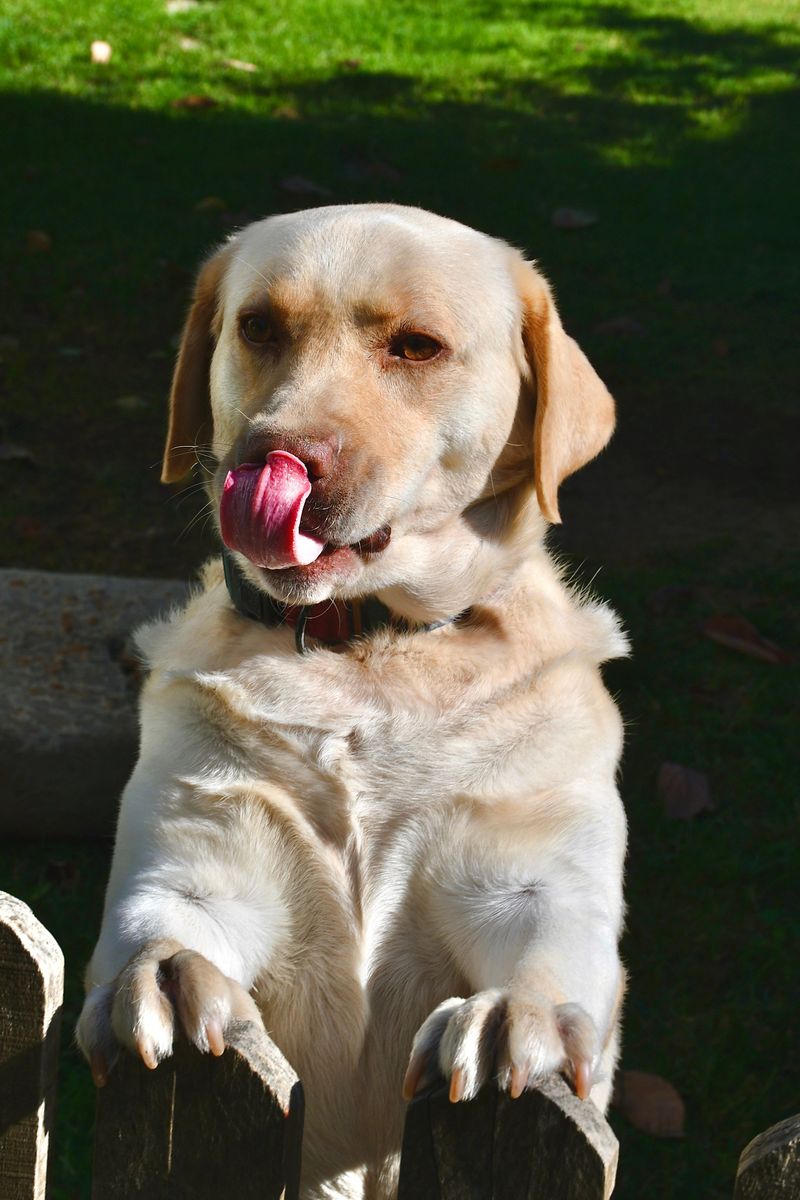
Big eyes and bigger wiggles make Labs easy to forgive for jumping up. Letting a puppy launch at visitors can teach that leaping always opens the door to attention.
Teach sit-for-greetings from day one. Ask friends to pause until paws stay on the floor, then reward generously.
Use a light leash indoors during visitor practice. Rotate fetch, food puzzles, and short walks to burn energy so manners stick.
A reliable sit becomes the magic key to what your Lab wants most, people time.
Rottweiler – gentle giant or pushy shadow
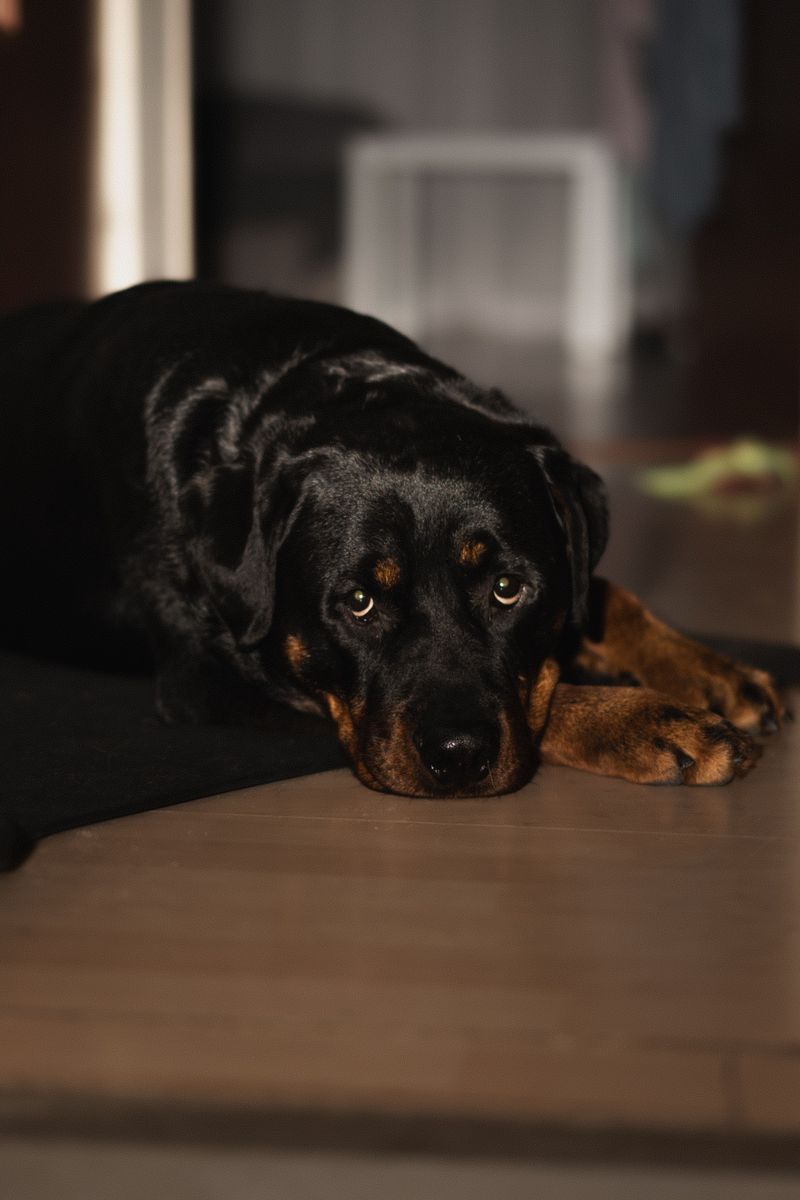
Those big paws can nudge open boundaries if you let them. A Rottweiler puppy that barges through doors or leans to claim space may grow into a pushy adult who ignores polite requests.
Practice patience games. Wait at doors, settle on a mat, trade toys on cue, and earn attention by offering a sit.
Keep sessions short and upbeat. Confident structure paired with kind praise teaches your Rottie that calm choices unlock everything, which builds trustworthy manners without squashing that steady heart.
Boxer – the clown with springs
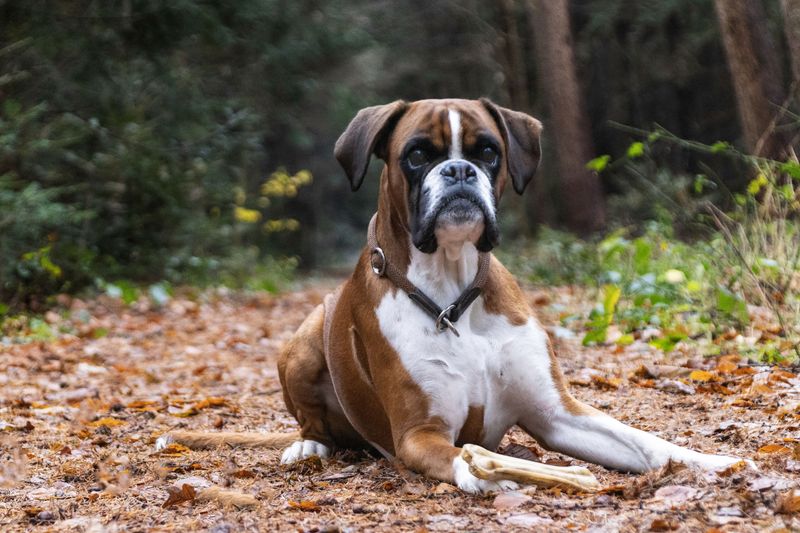
Boxers bounce like they have springs in their legs. If the puppy learns that wild zooms win the game, the adult dog may default to chaos whenever excitement rises.
Turn that joy into rules. Use short bursts of flirt-pole play, then ask for sit or down before each restart.
Practice settle on a mat after play to teach on-off switches. Invite calm greetings with neighbors.
A few seconds of quiet earn another round, helping your goofy pal manage energy without losing sparkle.
Dachshund – tiny body, bold voice
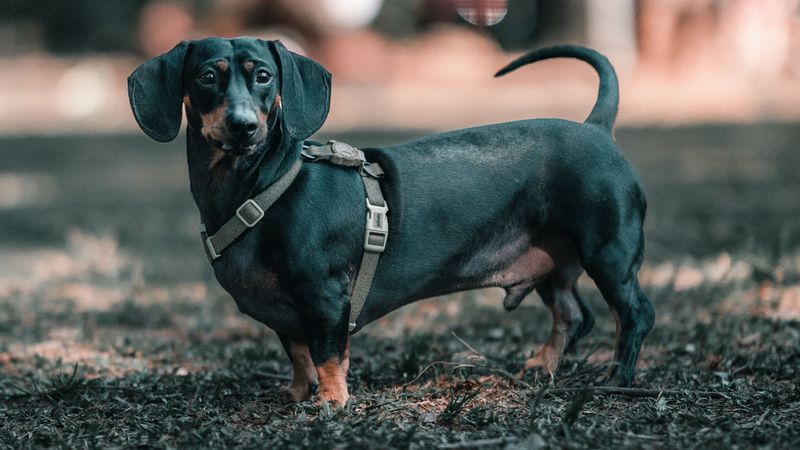
Small size, big opinions. If a young Dachshund is allowed to bark at every hallway sound, that habit can echo through adulthood and beyond.
Build quiet confidence. Pair new noises with treats before the puppy reacts, then teach a cue like go to bed for a safe spot.
Give chewables and snuffle mats to keep the nose busy when sounds pop up. Short elevator rides, gentle stair practice, and calm window time turn a noisy watchdog into a thoughtful neighbor.
Siberian Husky – master of the escape plan
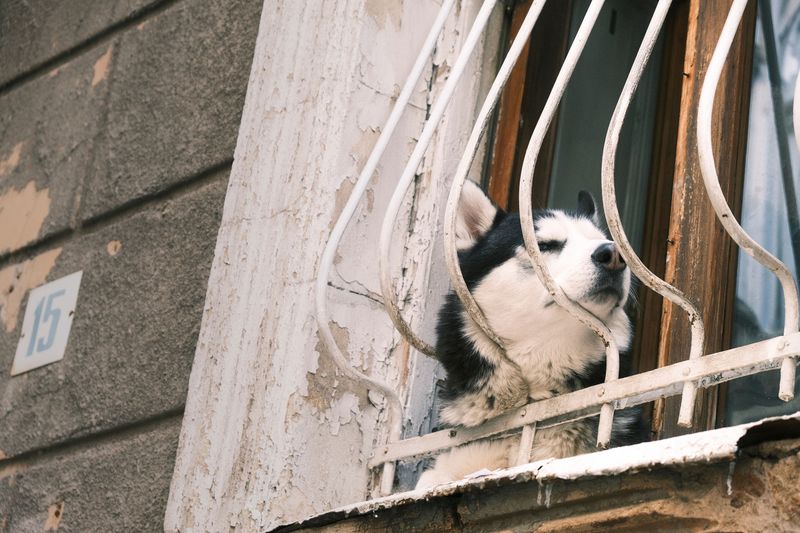
Adventure calls loudly to Huskies. If a puppy learns that bolting out doors or slipping the collar leads to fun, the habit of running off may stick for life.
Build recall like a game. Use a long line, great treats, and many short wins.
Teach wait at doors and clip into a harness before any outing. Enrich with sled pull simulations, flirt-pole sprints, and puzzle feeders.
When needs are met and recall pays richly, your snow sprite chooses you more often than the horizon.
Australian Shepherd – busy mind needs a job
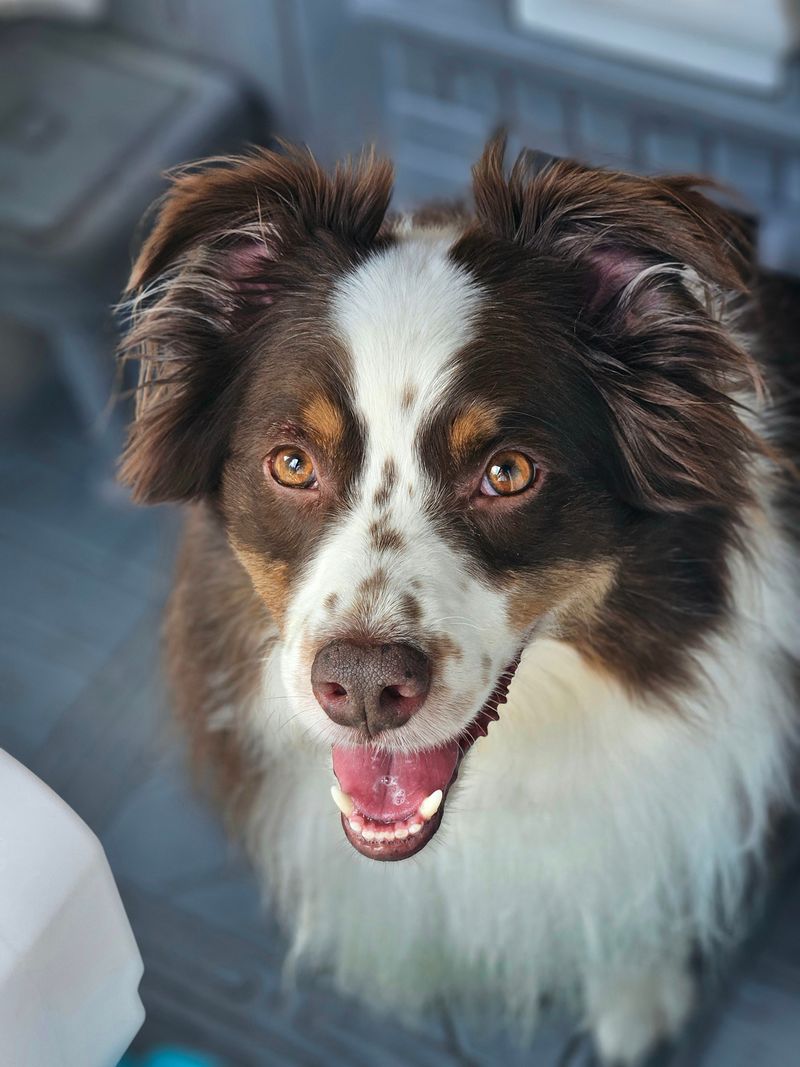
Born to think and move, Aussies quickly lock onto routines. If a puppy gets to nip heels during play, that spicy habit can tag along into adulthood.
Give clear outlets. Try hand targets, platform games, and mini agility to guide that sharp brain.
Reinforce calm around motion: reward looking at running kids while staying by your side. Daily sniff walks and trick training keep focus on you.
When the job is listening, the habit becomes teamwork instead of nipping.
Jack Russell Terrier – tiny rocket scientist
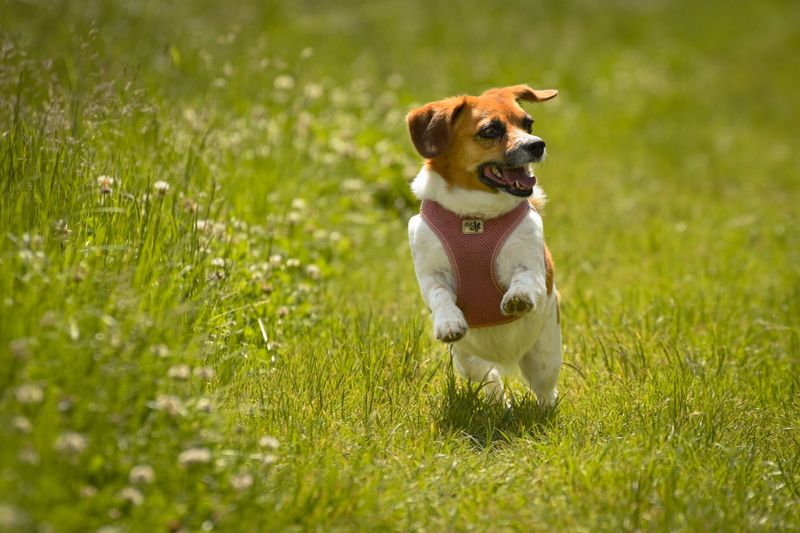
Fast legs and a faster brain make mischief feel like sport. If chasing squirrels is allowed once, a Jack Russell might schedule it daily without asking.
Trade chaos for choices. Use flirt-pole play, then ask for a sit before each chase.
Practice look at that with wildlife at a distance, paying for eye contact. Build scent games and short agility lines to drain the zoomies.
When you control the chase, your terrier learns that listening brings the fun faster than bolting.
Beagle – nose first, questions later
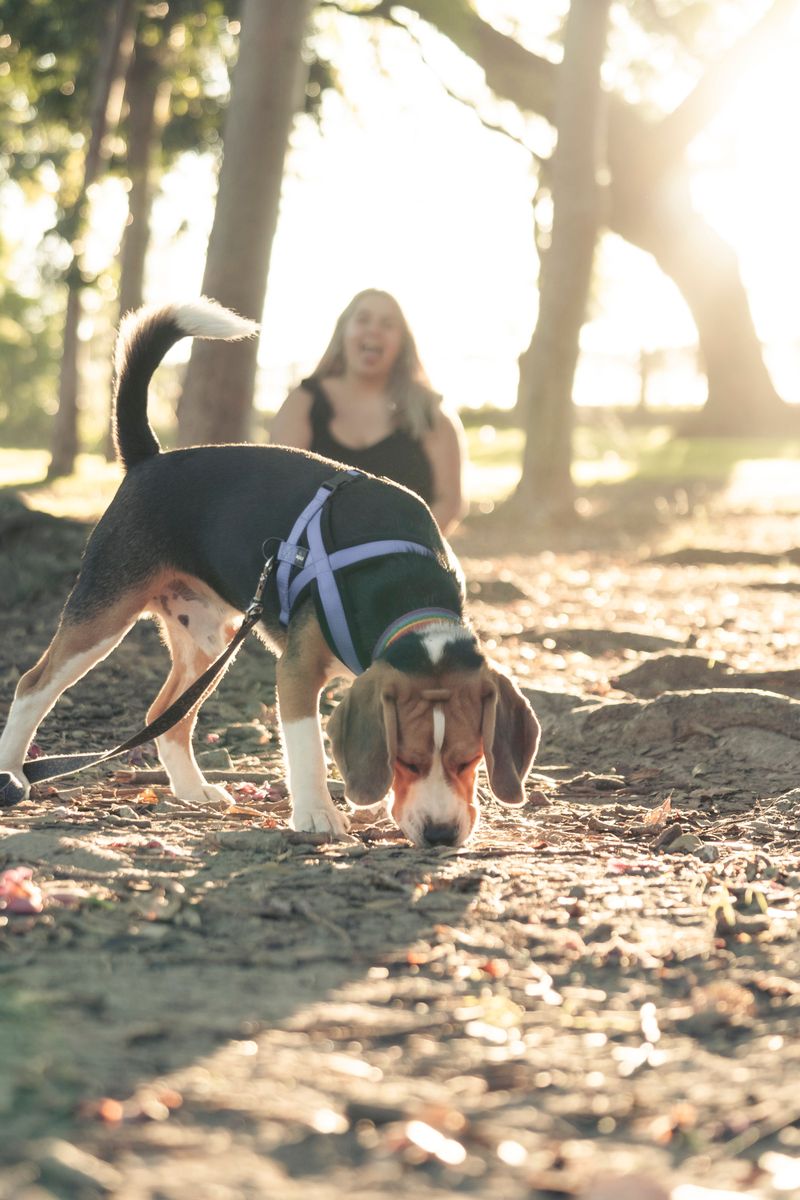
That famous nose writes the plan. If a Beagle puppy pulls to every scent and wins, you may raise an adult who tows you like a sled.
Make sniffing earn time. Use a long line and teach check-ins for access to the next patch of smells.
Practice loose-leash steps, then release to sniff as the reward. Add scatter feeding in grass and short recall games.
When the nose gets jobs through manners, your Beagle chooses teamwork over dragging.
Cane Corso – calm power starts small
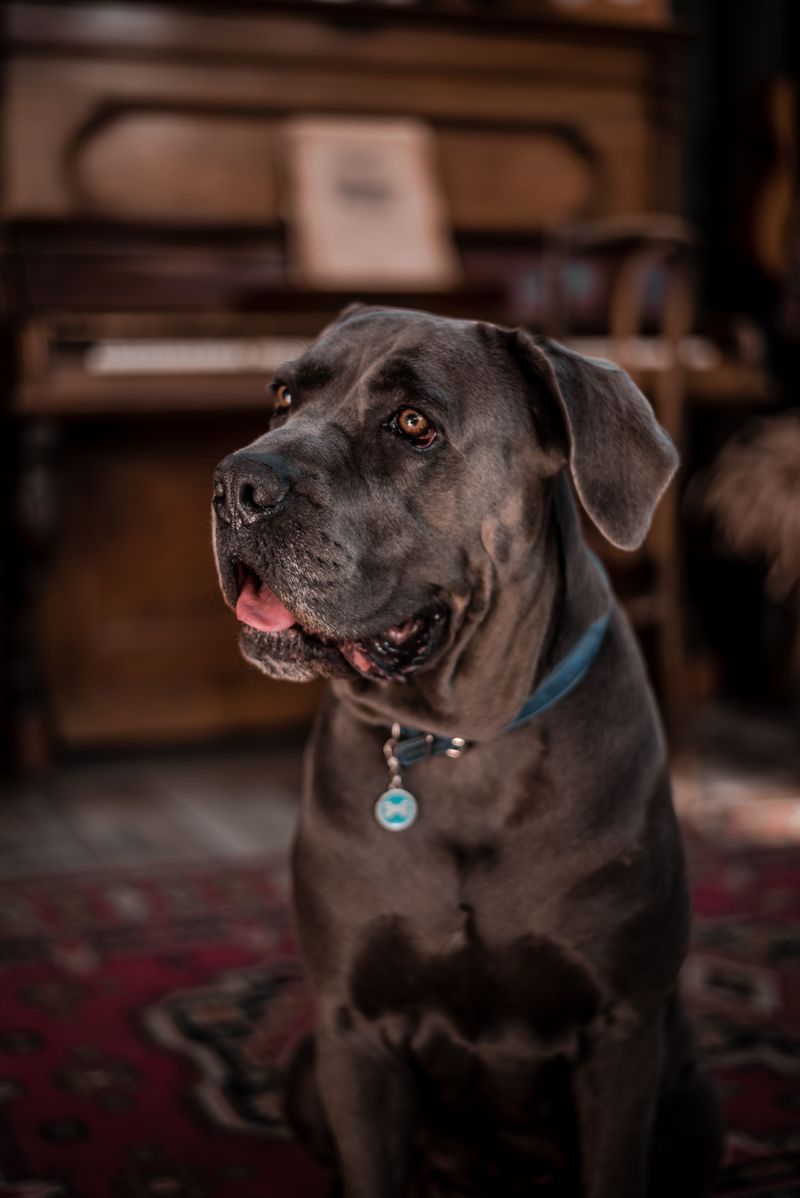
Big frame, bigger presence. If a Corso puppy learns to body-block strangers or pull toward thrills, the adult strength turns tiny slips into real problems.
Teach steady routines. Reward heel position, practice place while guests arrive, and reinforce eye contact for guidance.
Keep social exposures thoughtful, not crowded. Short, firm-fair sessions with play breaks build respect without fear.
Chew breaks and scent work relieve tension. A calm youngster becomes a polite guardian who listens first, then decides carefully.
Miniature Schnauzer – the sharp little sentinel
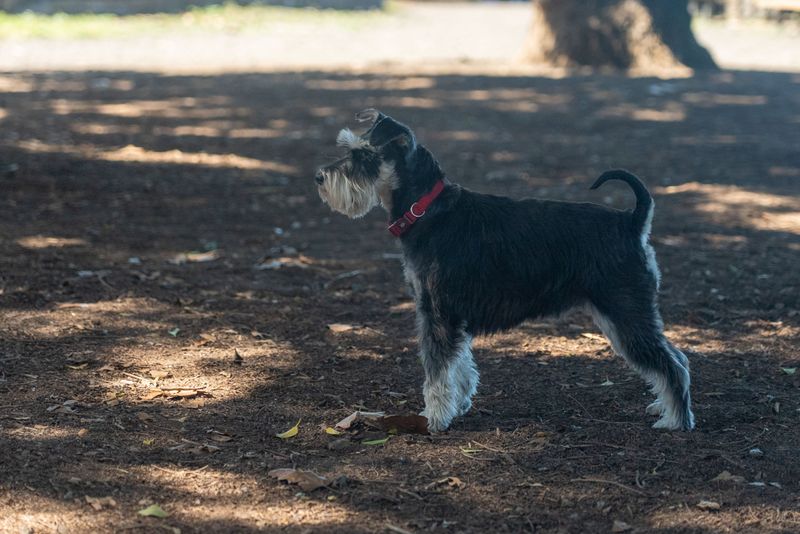
Quick to notice everything, Mini Schnauzers can turn alerts into a full-time job. If the puppy earns attention by barking at passersby, that soundtrack may never end.
Set a new script. Reward quiet watching, then cue go to bed when the doorbell rings.
Provide chew breaks, sniffy walks, and trick sessions to tire the mind. Use window film or baby gates to limit hot spots.
When calm behavior unlocks greetings and treats, your vigilant friend learns to report softly.