
Low shedding sounds dreamy until you meet the brush, comb, and grooming schedule that come with it. These coats may leave fewer tumbleweeds on your floor, but they demand time, tools, and technique to stay healthy.
If you want that fluffy, tidy look without mats, plan on consistent upkeep or a trusted groomer. Let’s dive into ten breeds that prove low shedding still needs high commitment.
Portuguese Water Dog
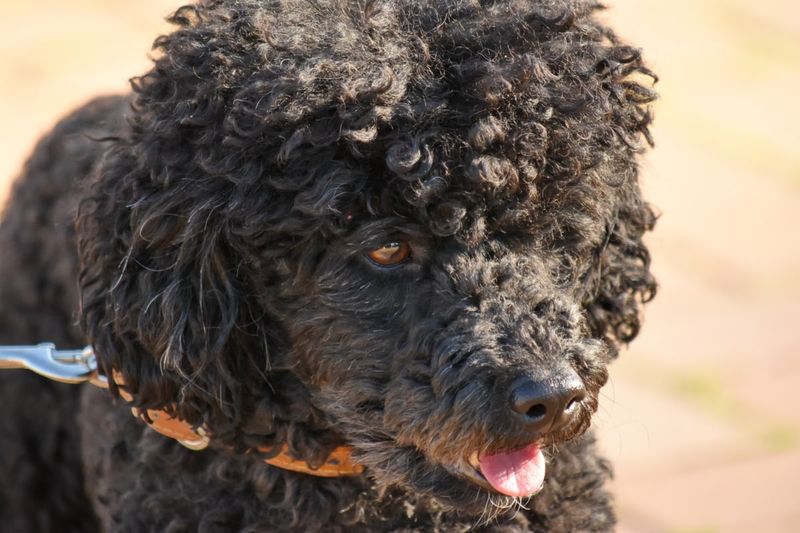
The Portuguese Water Dog hardly sheds, but the curls are a full time job. You will need frequent brushing to prevent tight mats, especially behind ears, under the collar, and around the tail.
Many owners commit to professional grooming every six to eight weeks to keep things manageable and comfortable.
Expect regular baths since these dogs love water and adventure. Their coat can be worn in a retriever trim or the traditional lion clip, both needing maintenance.
Nails, ears, and teeth are part of the routine, too. If you skip sessions, tangles harden quickly and skin cannot breathe.
With structure and consistency, you get a clean, athletic companion who looks as spirited as they feel.
Lagotto Romagnolo
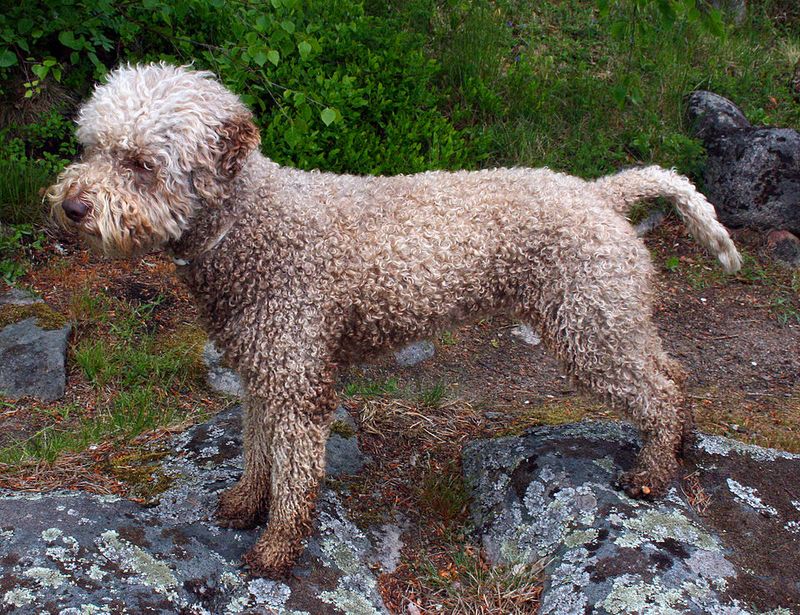
The Lagotto Romagnolo is a truffle hunting sweetheart with a dense, curly coat that traps debris fast. It barely sheds, yet matting can appear overnight if brushing slips.
You will need a slicker, metal comb, and patience to open curls without breaking them. Regular trims keep the coat breathable and your dog comfortable.
Baths should be gentle to preserve curl definition. Air drying with scrunching helps the coat set, but you still need to work through tangles.
Check armpits, cheeks, and the base of the tail weekly. Professional grooming every six to eight weeks is realistic for most families.
Keep nails short and ears clean to prevent discomfort. Low shedding, yes, but commitment is definitely required.
Barbet
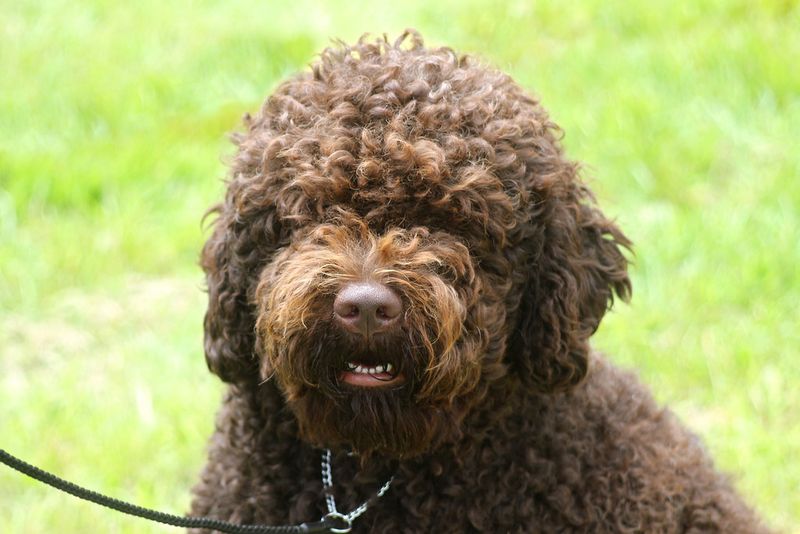
The Barbet’s shaggy curls are charming and functional, originally built for water work. Shedding is minimal, but tangles form where friction happens, like harness points and the beard.
You will brush several times a week, line combing in small sections to reach the skin. Skipping sessions creates dense mats that pull and trap moisture.
Bathing before brushing can tighten knots, so detangle first, then wash. Dry thoroughly to avoid mildew smells and hot spots.
Many owners opt for a tidy, practical trim to reduce maintenance. Expect a pro groom every six to eight weeks to reset things.
Keep an eye on ear hair and feet furnishings. With consistency, the Barbet’s coat stays soft, healthy, and delightfully tousled.
Soft Coated Wheaten Terrier
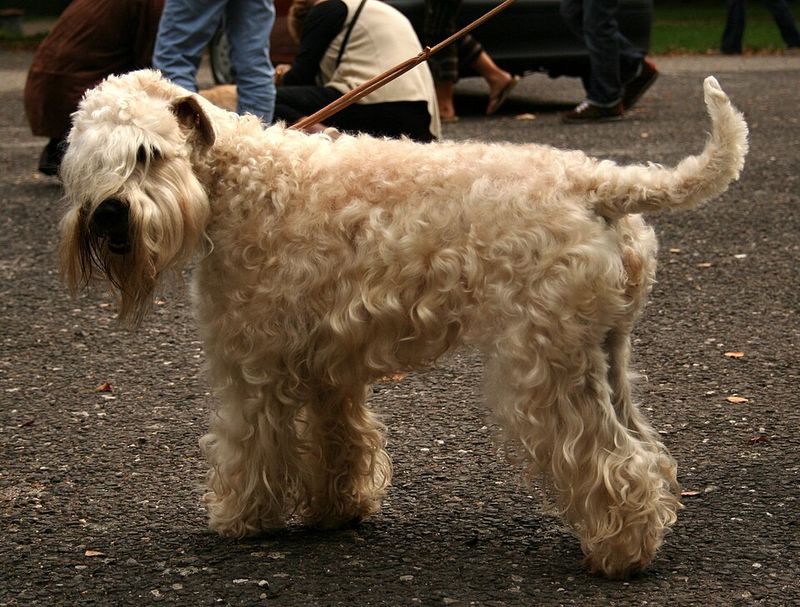
The Soft Coated Wheaten Terrier sports a silky, flowing coat that barely sheds but tangles readily. Puppy coats transition dramatically, and that change amplifies matting risk.
Daily brushing during the coat change is your friend, plus a weekly bath and blow dry to separate hair. Use a pin brush and comb to the skin.
Food residue clings to facial hair, so keep the beard clean to avoid odors. Professional grooming every four to six weeks keeps the outline neat and comfortable.
The Wheaten’s coat shows every skipped day, especially in friction zones. Trim nails, check ears, and tidy feet tops for traction.
With regular care, you get that signature bounce and shine without the heartbreak of mats.
Kerry Blue Terrier
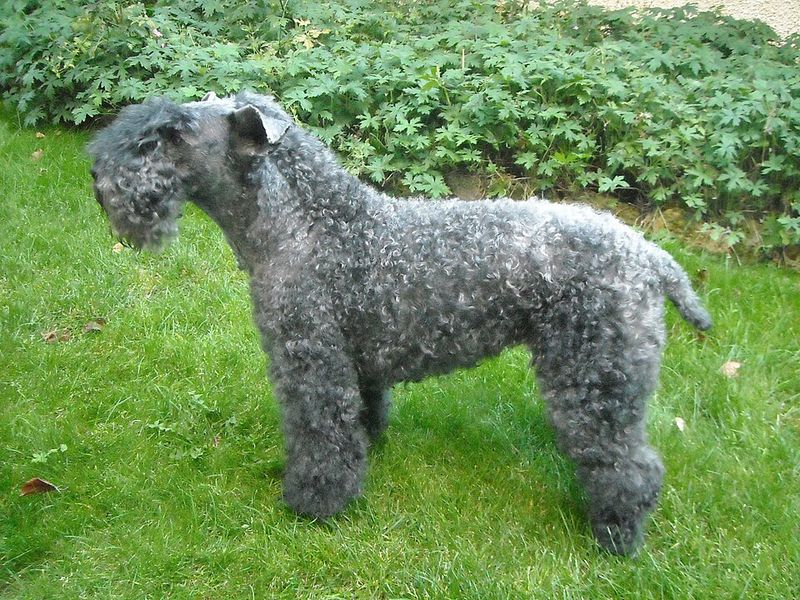
The Kerry Blue Terrier has a striking wavy coat that sheds very little, yet demands structure. Regular brushing prevents felt like mats that hide close to the skin.
You will need scissoring and clipper skills for breed styling, or a professional groomer every six weeks. The distinctive head and ear trims take careful precision.
Because the coat softens with proper care, consistency matters. Wash when dirty, then fully dry and comb through to keep waves light.
Watch for tangles on the chest and thighs. Keep nails short for balance and comfort.
With discipline, the Kerry’s blue gray sheen looks incredible year round. Low shedding, yes, but low effort is definitely not part of the package.
Bedlington Terrier
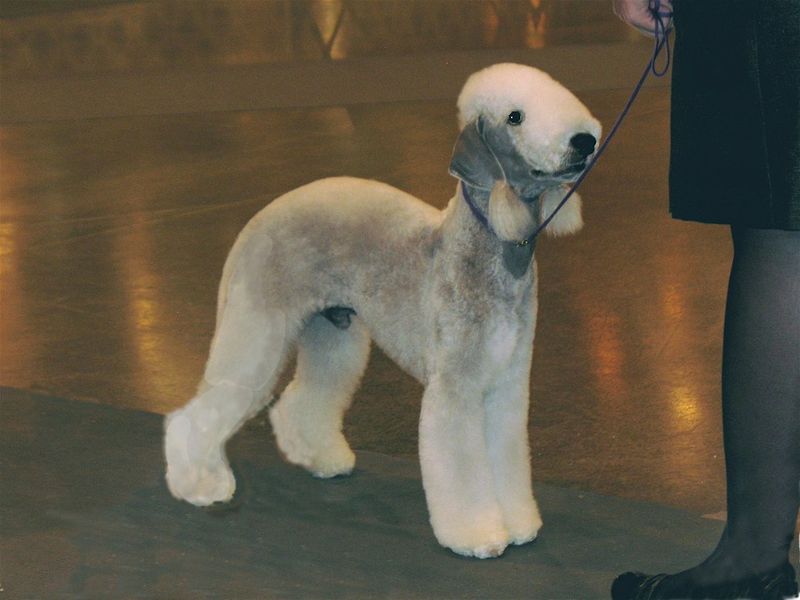
The Bedlington Terrier’s lamb like coat blends soft and crisp textures that mat quickly if ignored. Minimal shedding does not mean minimal time.
Regular brushing, careful scissoring, and a skilled hand for the topknot are essential. The coat needs lift at the roots, not just surface smoothing, to stay airy and clean.
Eyes and ears require special attention to avoid irritation from stray hairs. Wash and dry thoroughly before shaping, then comb to the skin.
Professional grooming every four to six weeks is common to maintain the iconic outline. Keep feet tidy to prevent slipping and packed debris.
Done right, the Bedlington looks elegant and athletic. Skipped sessions quickly turn that lamb look into felt.
Bichon Frise
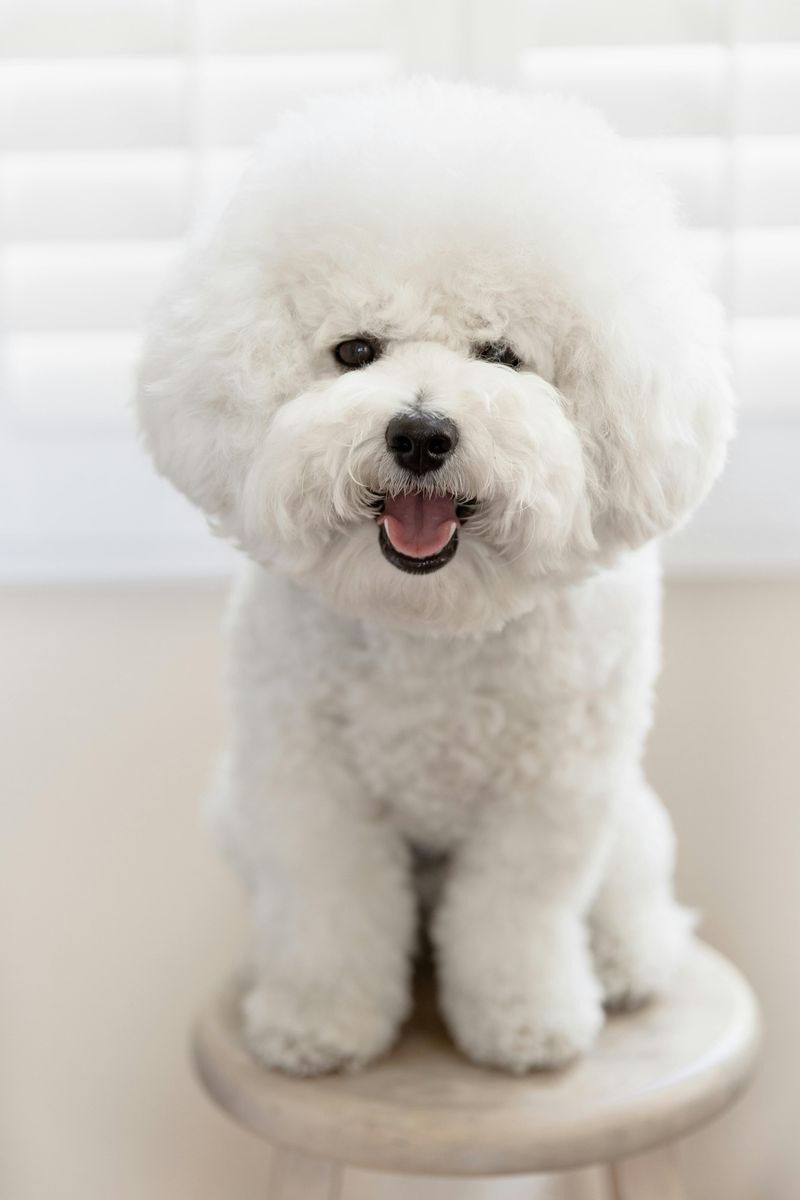
The Bichon Frise wears a plush, powder puff coat that traps hair instead of shedding it. That means mats form against the skin unless you brush and comb frequently.
Weekly baths plus blow drying with a brush out are standard to keep the coat lifted. Plan on professional grooming every four weeks for shape and hygiene.
Tear staining needs daily face care and clean water. Keep the sanitary area tidy and nails short to protect joints.
Use a slicker with gentle, patient strokes, then follow with a comb to confirm. Missed areas become tight quickly.
With routine maintenance, your Bichon looks cloud soft and stays comfortable. Skipping care invites painful tangles you will not want to meet.
Havanese
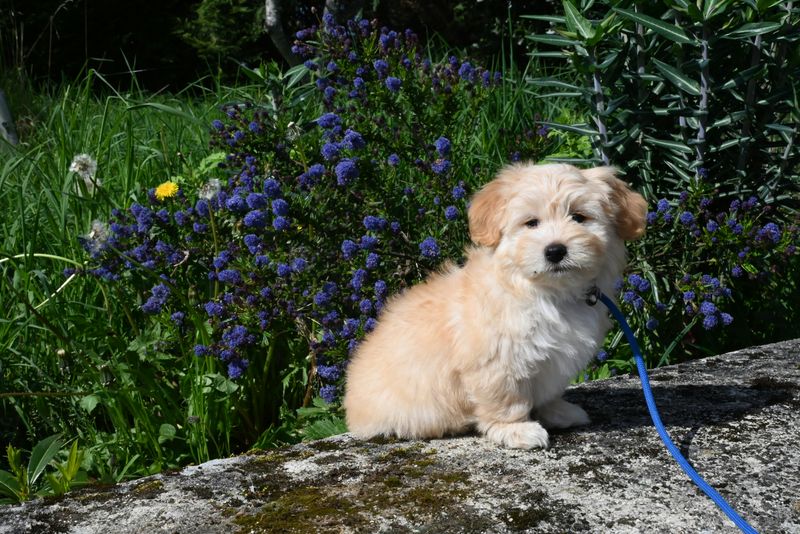
The Havanese can wear a long, silky coat or a practical puppy cut, but both still require care. Shedding is minimal, yet tangles appear fast in armpits, behind ears, and at the tail base.
Daily line brushing helps, and a weekly bath with conditioner keeps hair sliding freely. Dry fully to avoid musty odors.
Eye corners and facial hair need regular wiping to prevent buildup. Many owners choose a tidy trim every five to seven weeks for comfort and visibility.
Keep paws neat for traction and check ears for trapped moisture. Consistency beats marathon sessions every time.
With steady upkeep, the Havanese looks breezy and feels great. Neglect, however, turns that silky charm into knots.
Standard Poodle
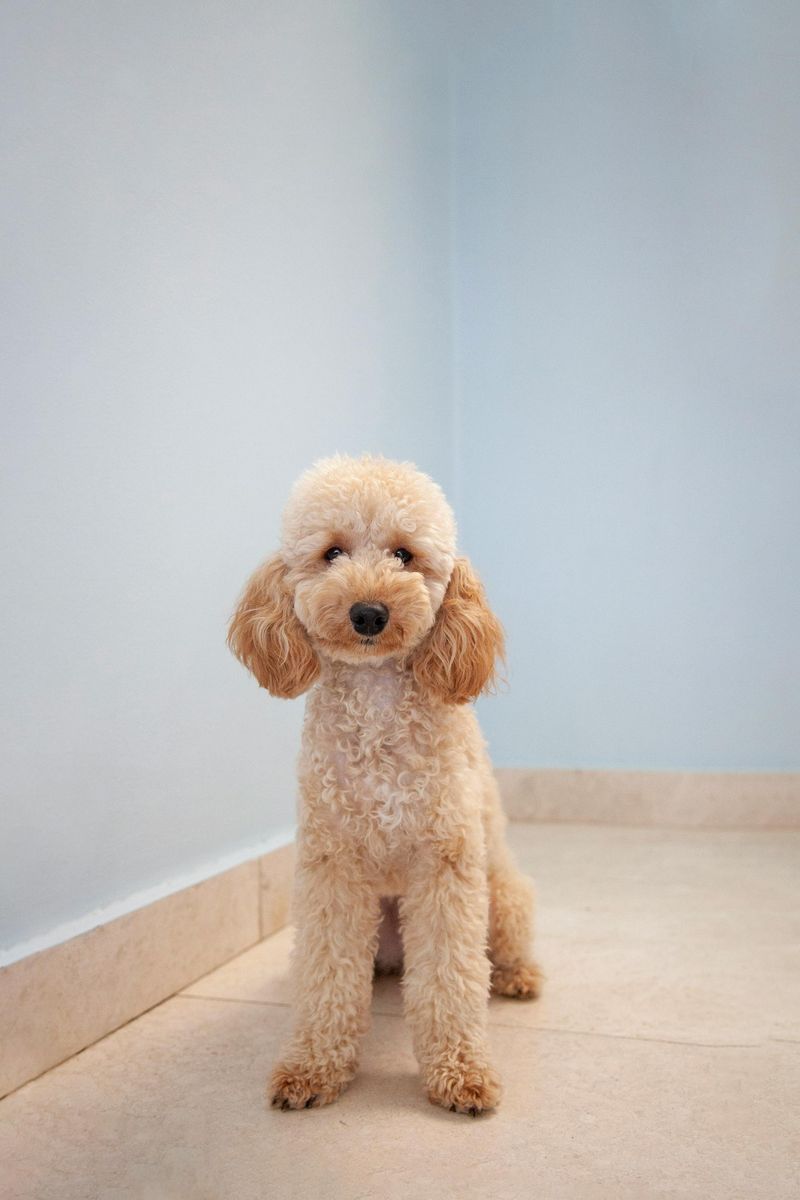
The Standard Poodle is famous for low shedding and high grooming requirements. Curls grow continuously, so there is no coasting between sessions.
You will brush several times a week, bathe regularly, and commit to a pro groom every four to six weeks. Mats hide in cuffs, ears, and tail pompons if you are not thorough.
Clipping styles vary from sporty to elaborate, but all need upkeep. Face, feet, and tail shaving requires a steady hand or a professional.
Drying while brushing lifts curls and prevents dense tangles. Ears need vigilant care to keep canals clean and comfortable.
With a routine, the coat is stunning and practical. Skip it, and knots win quickly, making grooming unpleasant for everyone.
Miniature Poodle
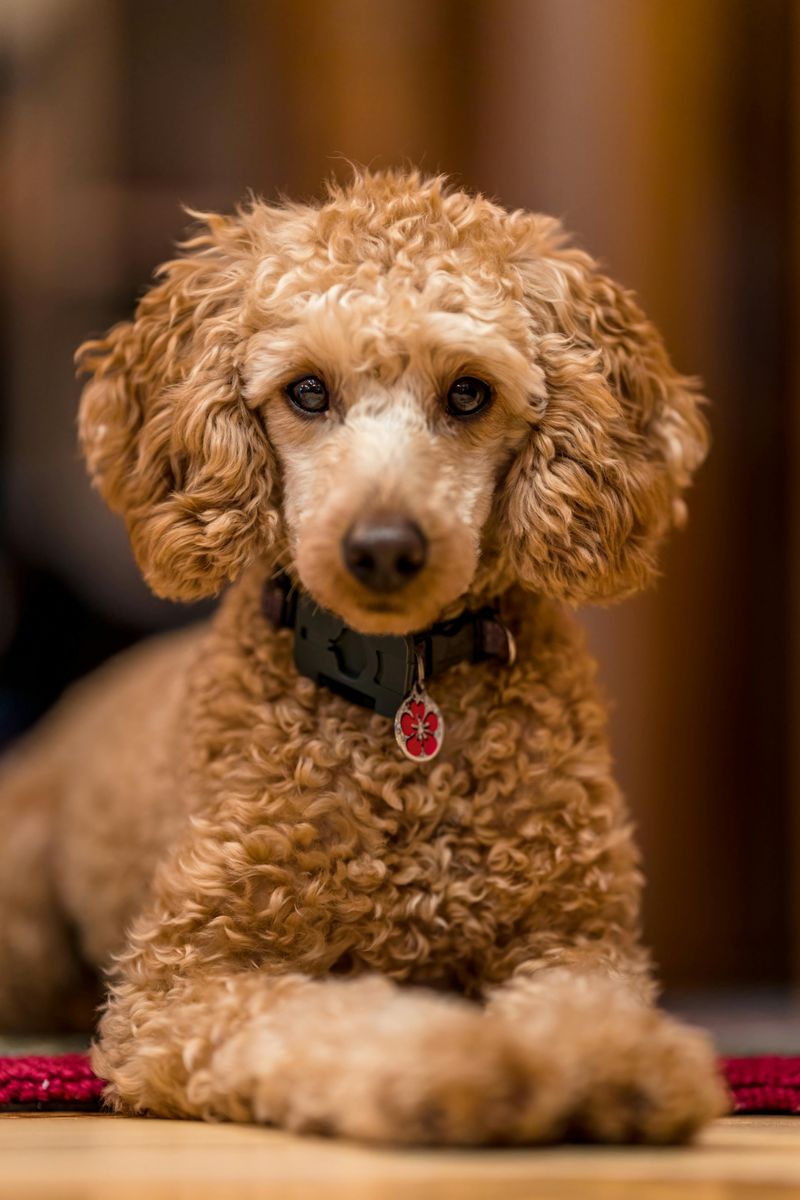
The Miniature Poodle shares the same low shedding coat as its larger cousin, with matching expectations. Hair keeps growing, so trims and brushing are non negotiable.
Plan for frequent comb outs, regular baths, and a professional groom every four to six weeks. Small size does not reduce the time if you want a polished look.
Mats gather at the collar line, behind ears, and inside legs. Dry thoroughly after bathing or swimming, brushing as you go to prevent tightening.
Face, feet, and tail work needs careful handling. Keep nails short for joint health and comfort.
With consistent care, the coat stays plush and easy to manage. Let it slide, and you will meet felted knots fast.