
Some dogs grow right alongside us, changing as our lives change too. From bouncy puppy days to calm senior years, the right breed can fit each chapter and teach us patience, kindness, and fun.
Choosing well means fewer surprises and more smiles. Here are breeds that often become even more rewarding with time.
Boxer
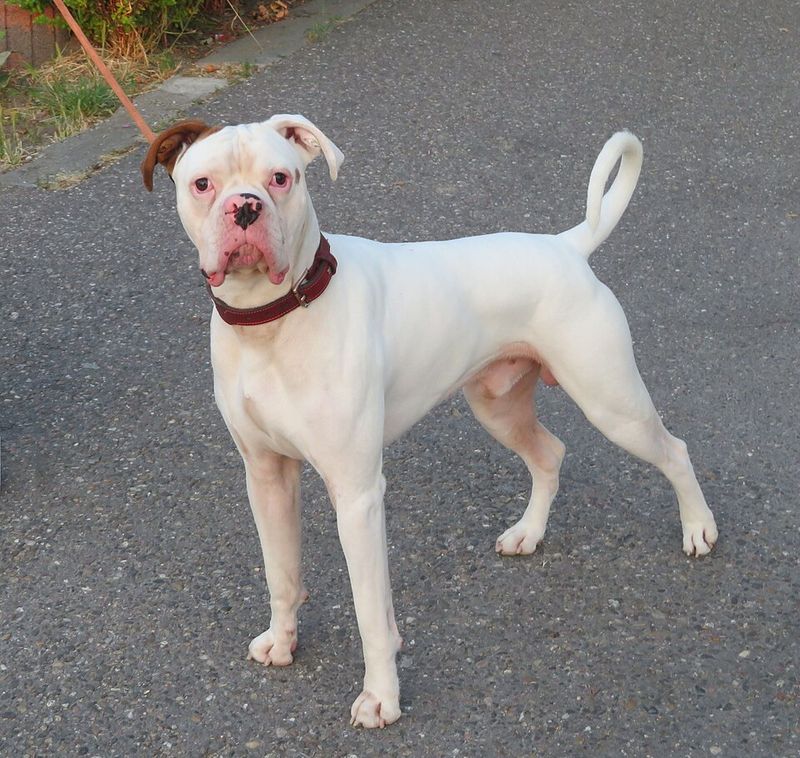
Built like an athlete with a clown’s grin, the Boxer turns daily routines into mini adventures. Puppies bounce through training, so short lessons and puzzle toys work best.
Teens need brisk walks, fetch, and calm structure to keep that bright energy focused.
By adulthood, loyalty deepens, and they tune in to your moods. Seniors slow down but still adore gentle games, scent work, and cozy family time.
Regular vet checks, joint-friendly exercise, and clear boundaries help this joyful partner shine at every stage.
Rough Collie
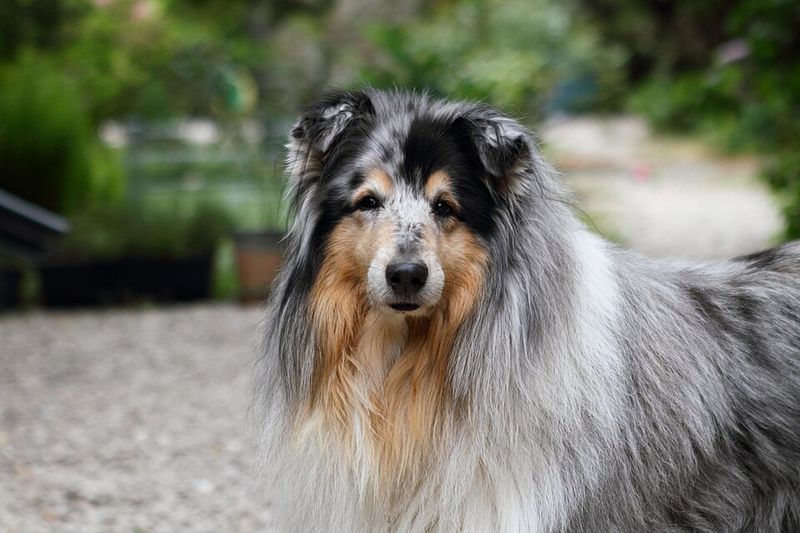
With a coat like a storybook hero’s cape, the Rough Collie brings calm focus to busy homes. Early on, teach recall and polite herding manners with treats and praise.
Quiet challenges, like nose work and simple agility, keep that keen brain satisfied.
As years pass, sensitivity becomes a strength, reading your routines and comforting on hard days. Seniors often enjoy slow meadow walks and soft brushing sessions.
Keep fur healthy with regular grooming, and protect joints with low-impact exercise and warm resting spots.
Labrador Retriever
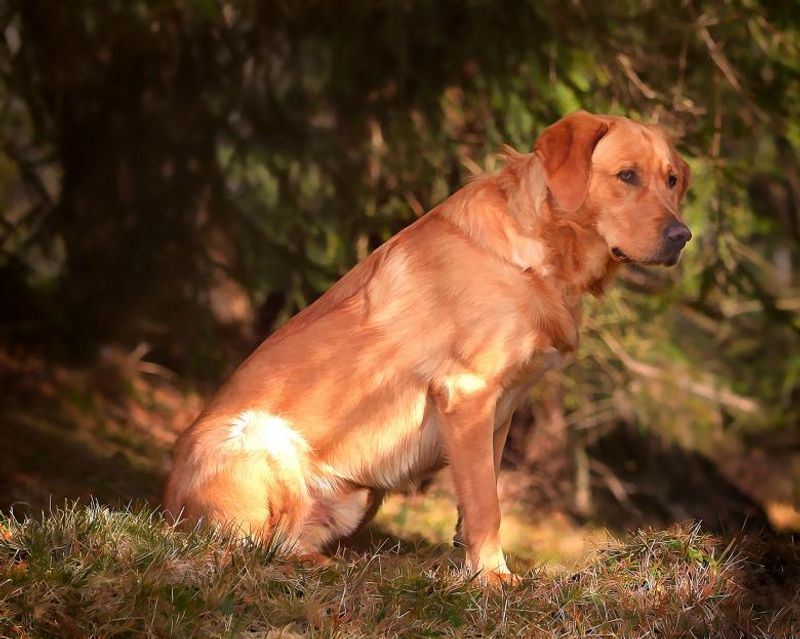
First comes the wiggle, then the heart. Young Labradors learn fast when play mixes with practice, so use short retrieves, impulse control games, and steady routines.
Chew toys and crate training save your shoes and your patience.
In adulthood, that famous eagerness becomes steady help, from hiking buddy to reading partner for kids. Seniors still love water wades and simple fetch with soft toys.
Keep weight in check, schedule swim days, and add brain games to keep curiosity glowing.
Standard Schnauzer

Those eyebrows are not just for looks. A Standard Schnauzer loves puzzles and jobs, which makes puppyhood a perfect time for clicker games, scent games, and polite greeting practice.
Firm, fair rules keep that clever streak working for you.
Over time, they become sharp household managers, noticing patterns and warning of anything odd. Later years favor steady walks, grooming rituals, and gentle tracking games.
Trim coats routinely, rotate toys to prevent boredom, and celebrate that lively, loyal wit at every age.
English Setter
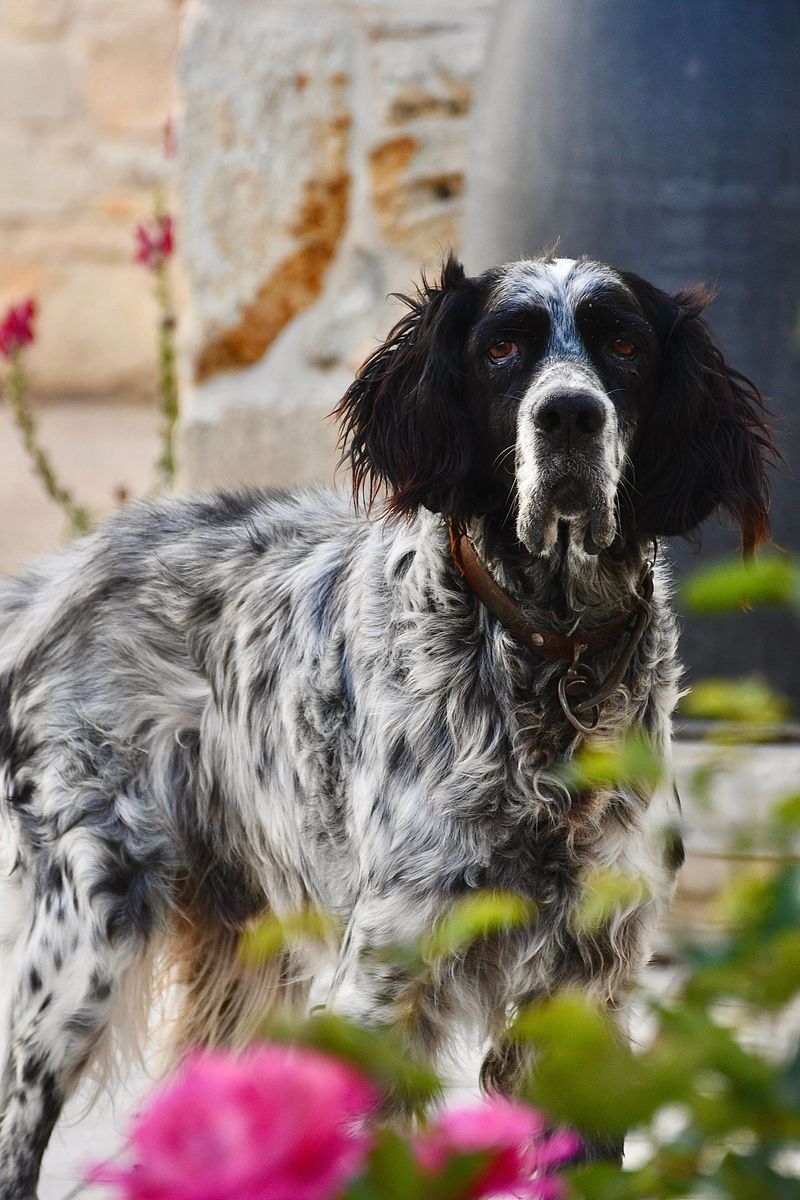
Like poetry in motion, the English Setter glides through fields with joyful grace. Puppies need gentle social time and soft-voice training, because sensitivity makes harsh methods backfire.
Early recall lessons and long-line walks build safe freedom.
Maturity brings a sweet, attentive companion who still craves scent quests and open spaces. Seniors prefer shorter rambles and comfy beds near family.
Keep feathering brushed, add low-impact games, and use calm consistency. You will see their gentle sparkle deepen year after year.
Doberman Pinscher

Precision thrills the Doberman mind. Start with clear boundaries, short obedience sessions, and controlled socialization to channel power into good habits.
Use rewards, not force, and let impulse control games shape calm confidence.
As the bond deepens, they become reliable partners for jogging, obedience trials, or nose work. Older Dobermans shine with structured routines, warm layers in cold weather, and joint-friendly surfaces.
Regular heart and thyroid checks, plus steady mental work, help maintain that dignified brilliance across the years.
Bernese Mountain Dog

Big paws, bigger heart. Young Berners thrive on calm social experiences, short hikes, and confidence-building play that avoids hard impact.
Teach loose-leash skills early, since size grows fast and enthusiasm grows faster.
Adulthood brings a steady, affectionate presence that loves cool weather and family projects. Seniors appreciate cushioned beds, slow strolls, and carting practice with tiny loads for mental joy.
Groom weekly, monitor heat, and discuss joint support with your vet. Their steady warmth often becomes the home’s quiet center.
Irish Setter
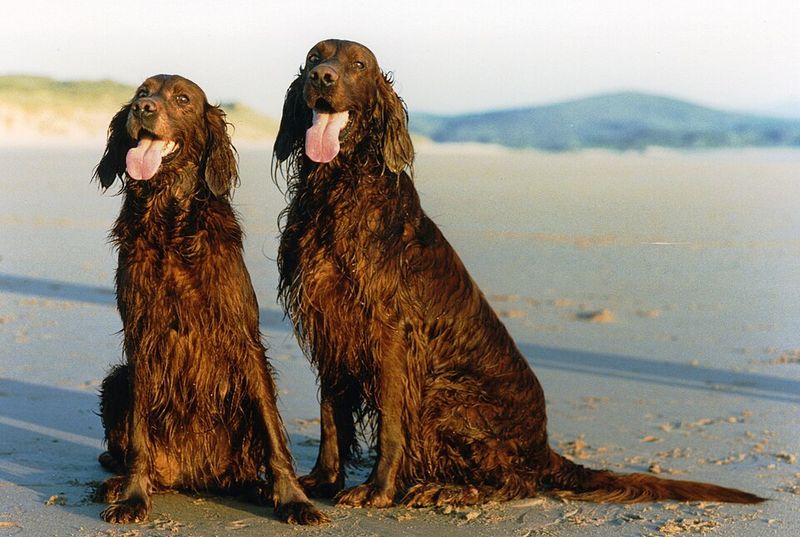
All sparkles and speed, the Irish Setter turns open space into a playground. Early training pairs best with long-line freedom, tasty rewards, and patient recall games.
Chew outlets and daily running keep mischief from bubbling over.
With maturity, elegance meets eagerness, and they settle into fun routines like canicross, tracking, or dock games. Senior years still glow with beach walks and soft stretching.
Keep coats brushed, minds busy, and expectations kind. Their sunny nature brightens even quiet, rainy afternoons.
Brittany
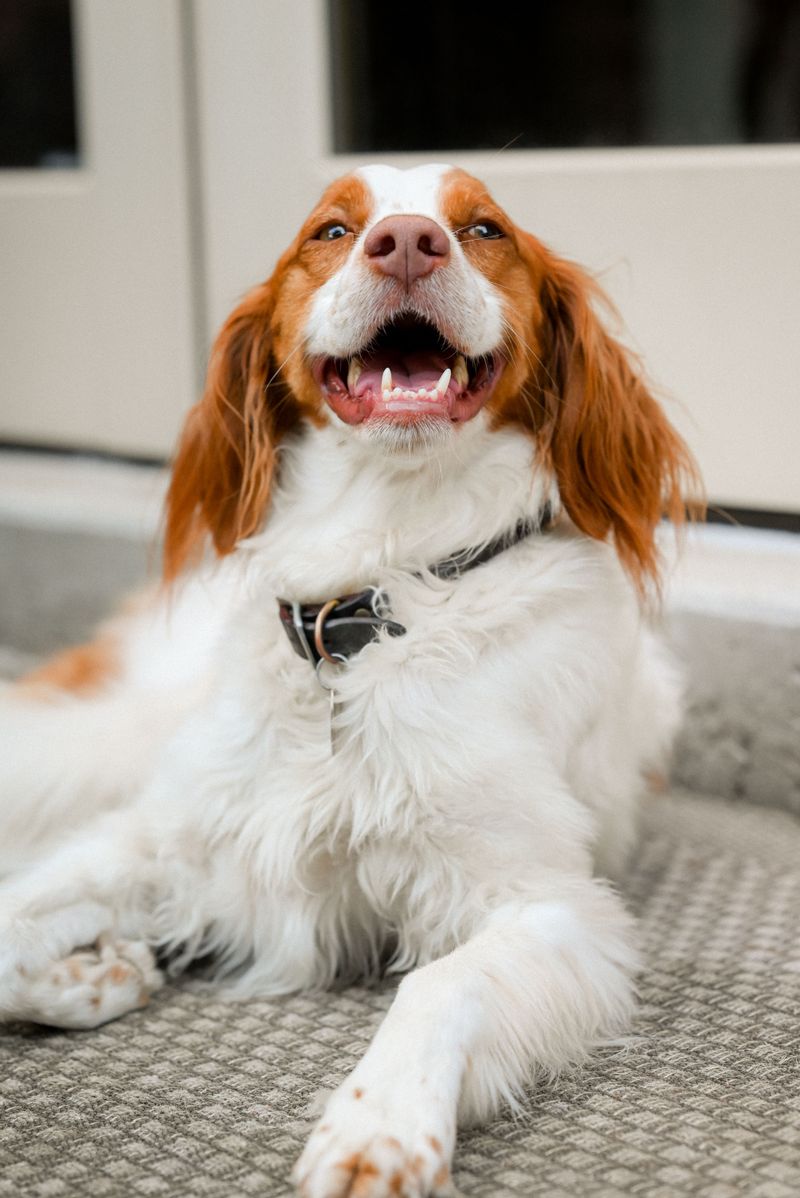
Small body, big engine. A Brittany loves purposeful play, so start with hide-and-seek toys, simple field games, and gentle bird exposure if you hunt.
City living works too with brisk walks, sniff breaks, and trick training.
As they grow, that zest becomes teamwork, whether on trails or in rally classes. Seniors enjoy short, frequent outings and cozy puzzle feeders.
Keep nails short for agile movement, mind the waistline, and celebrate curiosity. Their cheery spark makes ordinary days feel adventurous.
Rhodesian Ridgeback
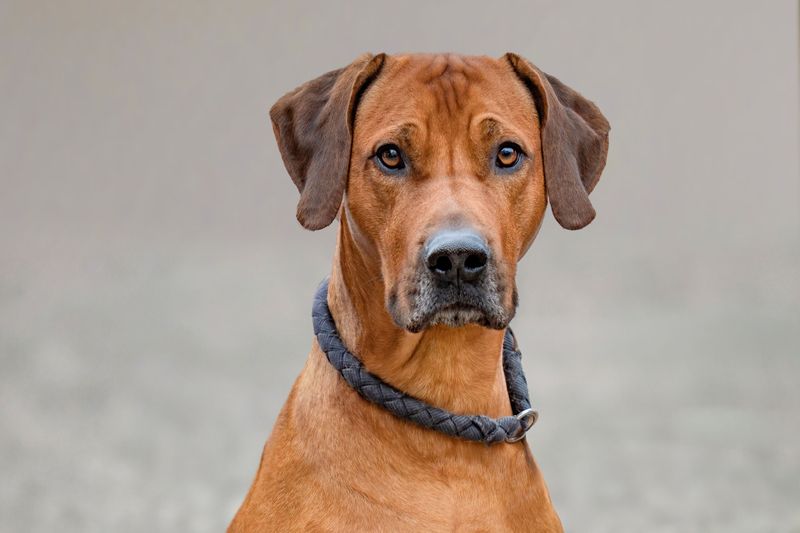
Quiet strength defines the Rhodesian Ridgeback. Begin with respectful training that rewards attention and calm, plus early recall practice using long lines in safe areas.
Daily runs or sturdy hikes help balance their athletic body and thoughtful mind.
Later, they become steady guardians of routine and space. Seniors prefer warm naps, short explorations, and gentle strength work like hill strolls.
Watch for skin and joint needs, keep social skills fresh, and offer scent puzzles. Their calm confidence deepens with time.
English Springer Spaniel
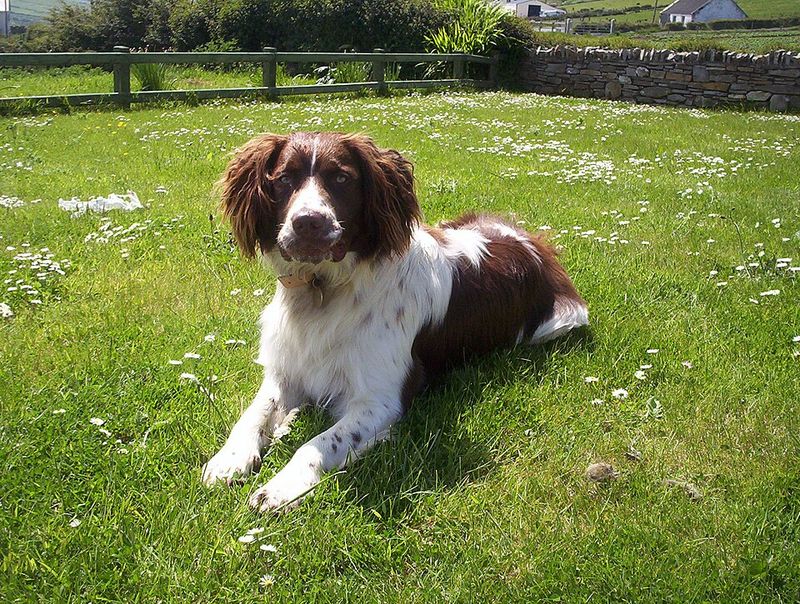
Ears that flap like flags signal fun ahead. Young Springers thrive on fetch with rules, find-it games, and polite door manners.
Early grooming practice, especially ears and paws, prevents tangles and stress later.
As years roll by, enthusiasm turns into skilled teamwork on walks, in rally, or during gentle field days. Seniors appreciate shorter adventures, soft stretching, and warm towels after wet outings.
Keep minds busy with scent boxes, rotate toys, and praise often. Their bright spirit stays wonderfully contagious.