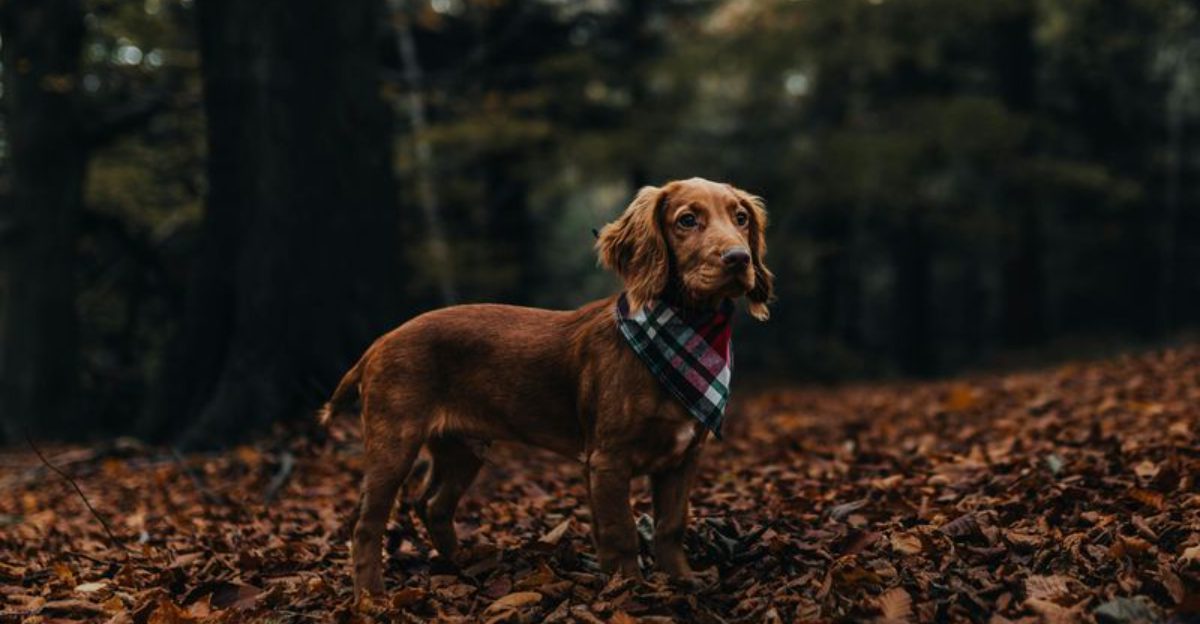
Breeds with long backs and short legs require special attention to prevent spinal issues. These unique body structures make them prone to specific health challenges. Here are 11 breeds where spine-friendly habits are crucial to ensure their well-being and comfort.
Dachshund

The Dachshund, affectionately known as the “wiener dog,” has a distinctive silhouette. Their long bodies and short legs make them prone to spinal issues.
Caring for a Dachshund involves avoiding activities that could strain their backs, such as jumping off furniture.
Regular exercise, like gentle walks, helps maintain their strength and mobility while minimizing risks.
Basset Hound
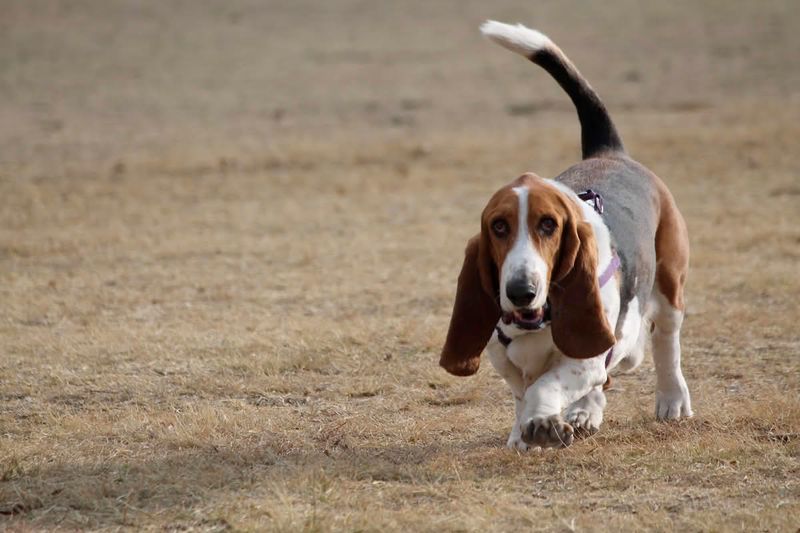
With soulful eyes and a laid-back demeanor, Basset Hounds are charming companions. Their elongated bodies require careful handling to prevent injury.
Using ramps instead of stairs and supporting their bellies when lifting are crucial for their spine health.
Regular vet check-ups help monitor any potential issues early on, ensuring a happy life.
Pembroke Welsh Corgi
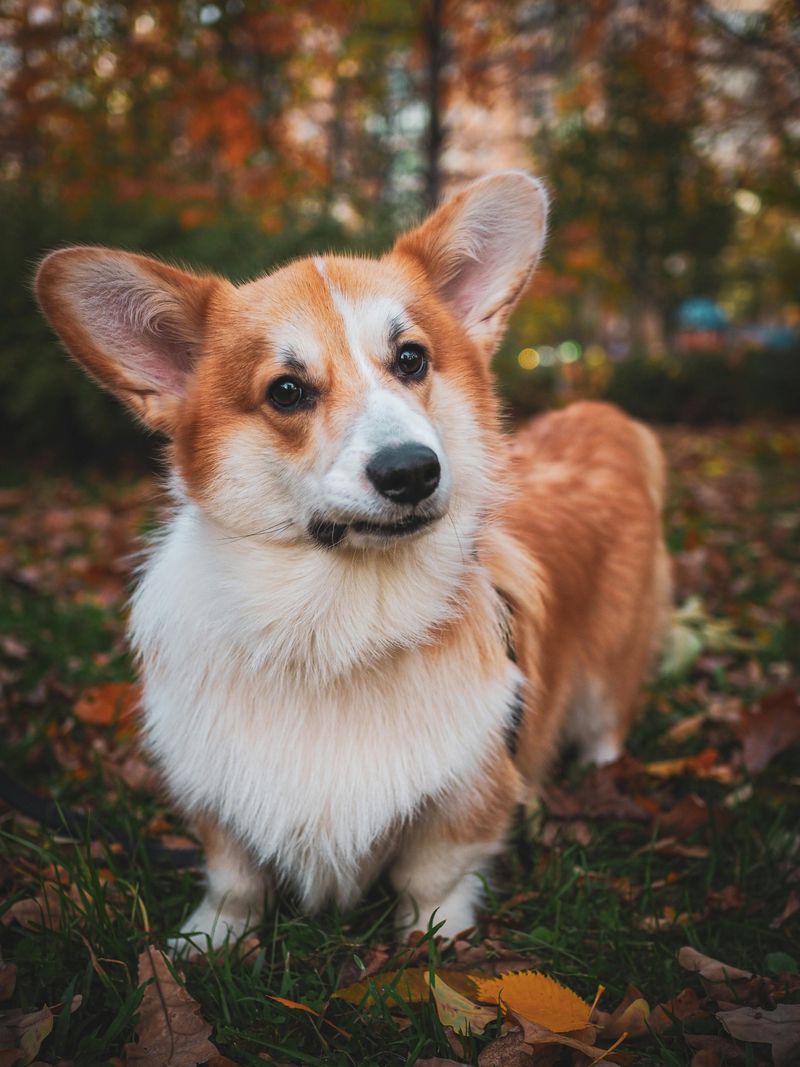
Known for their royal connections, Pembroke Welsh Corgis are lively and intelligent. Their compact bodies with short legs need special care.
Encouraging safe exercise and preventing obesity are essential to avoid putting extra stress on their spine.
This breed thrives on mental stimulation and physical activity, balancing both keeps them healthy.
Cardigan Welsh Corgi
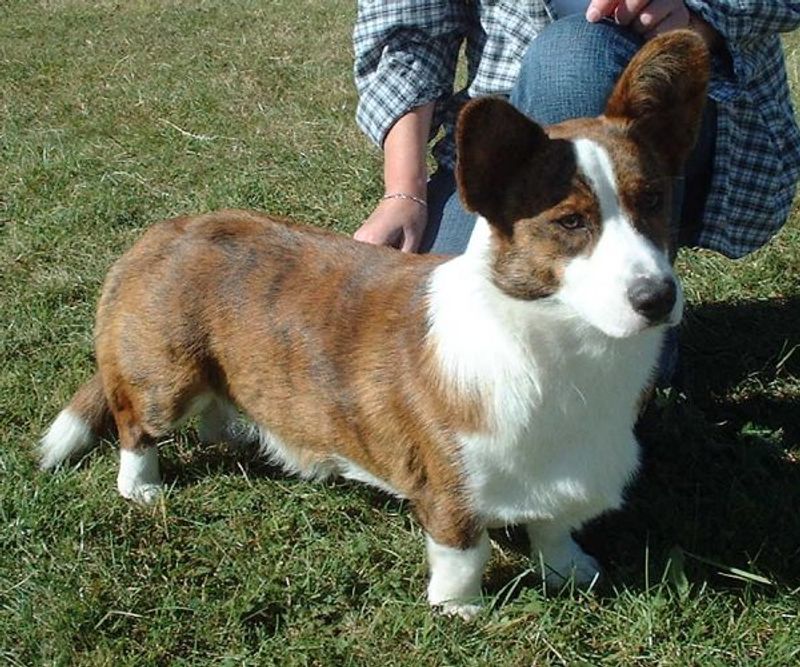
Cardigan Welsh Corgis have a sturdy build, often recognized by their bushy tails. Despite their robust nature, they require spine-friendly routines.
Training them to navigate stairs safely with ramps is beneficial. Keeping their weight in check prevents undue pressure on their backs.
A balanced lifestyle, including regular vet visits, contributes to their overall wellness.
Skye Terrier
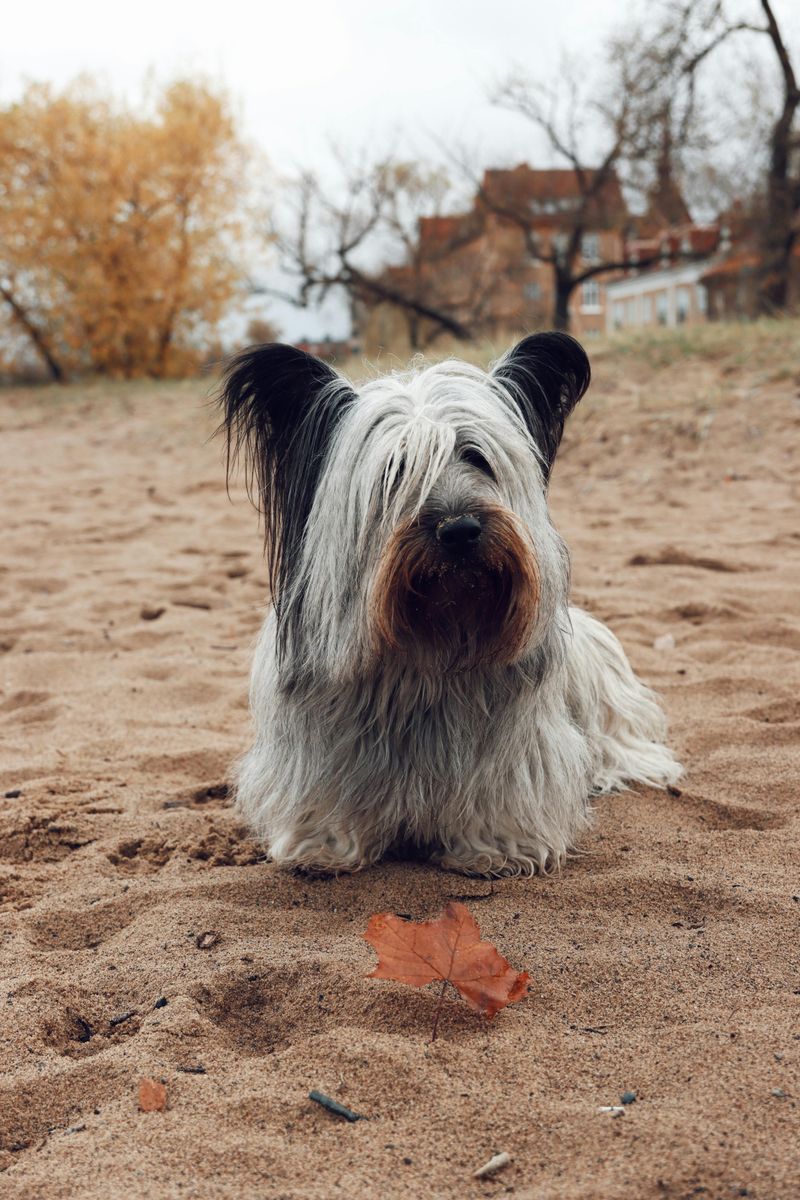
With their flowing hair and noble stance, Skye Terriers are quite the sight. Their long backs require gentle handling to avoid injury.
Supporting their bodies during lifting and ensuring they avoid jumping reduces the risk of spinal problems.
Regular grooming not only keeps them looking good but also gives an opportunity to check for any discomfort.
Swedish Vallhund
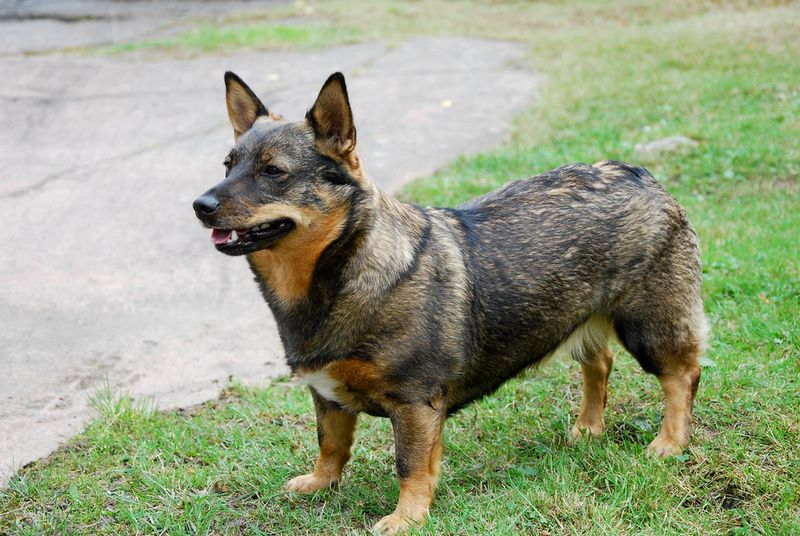
Swedish Vallhunds, often called “wolf corgis,” are agile and alert. Their long backs demand careful attention to prevent spinal strain.
Incorporating exercises that build core strength helps maintain their health. Avoiding excessive jumping or rough play reduces injury risk.
Their intelligence and lively spirit make them delightful companions with proper care.
Dandie Dinmont Terrier

Dandie Dinmont Terriers are known for their unique topknot and gentle demeanor. Their long bodies and short legs require attentive care.
Providing soft bedding and ensuring they don’t jump from heights helps protect their spines.
These terriers appreciate gentle play and regular, mild exercise, ensuring they stay fit and healthy.
Sealyham Terrier
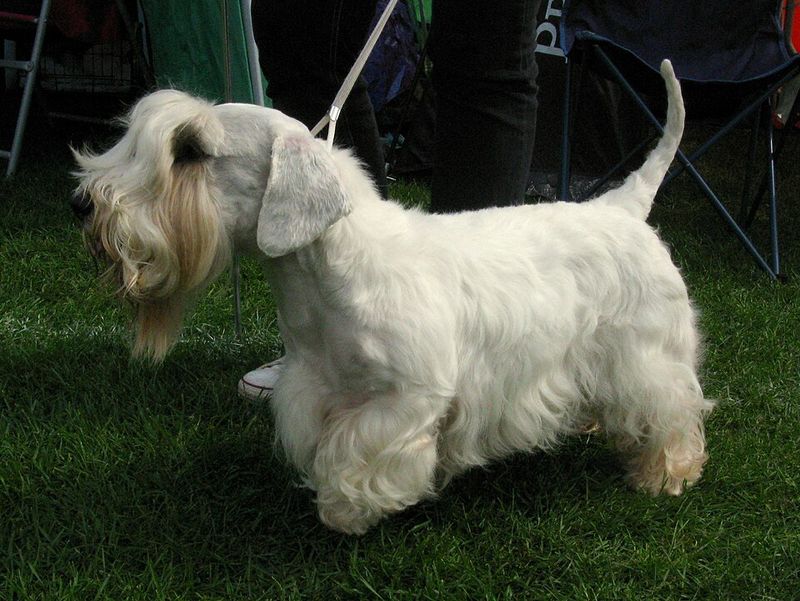
Sealyham Terriers, with their bright eyes and inquisitive nature, are tenacious little dogs. Their long backs need careful handling and support.
Training them to use ramps and avoiding sudden movements can prevent spinal issues.
These terriers thrive on companionship and structured activities, keeping them both mentally and physically engaged.
Pekingese
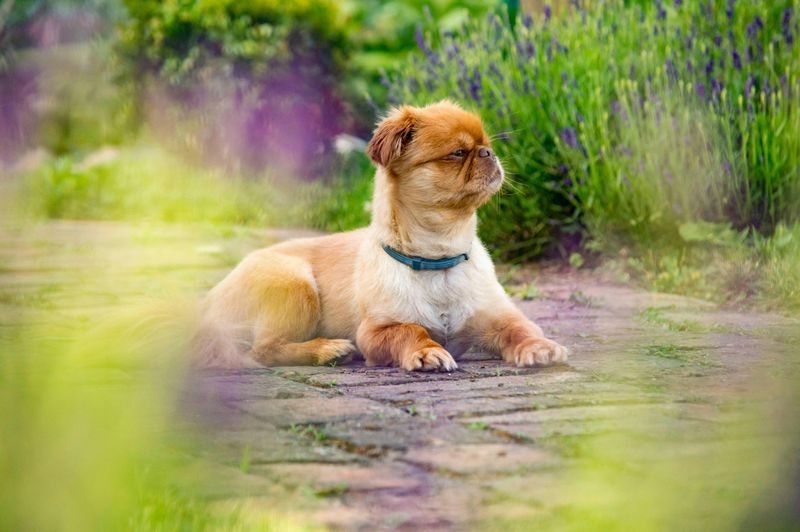
With their luxurious coats and dignified presence, Pekingese dogs are the epitome of elegance. Their long backs necessitate careful care.
Avoiding strenuous activities and providing supportive bedding is crucial for their comfort.
Regular grooming helps monitor their health while maintaining their majestic appearance.
Tibetan Spaniel
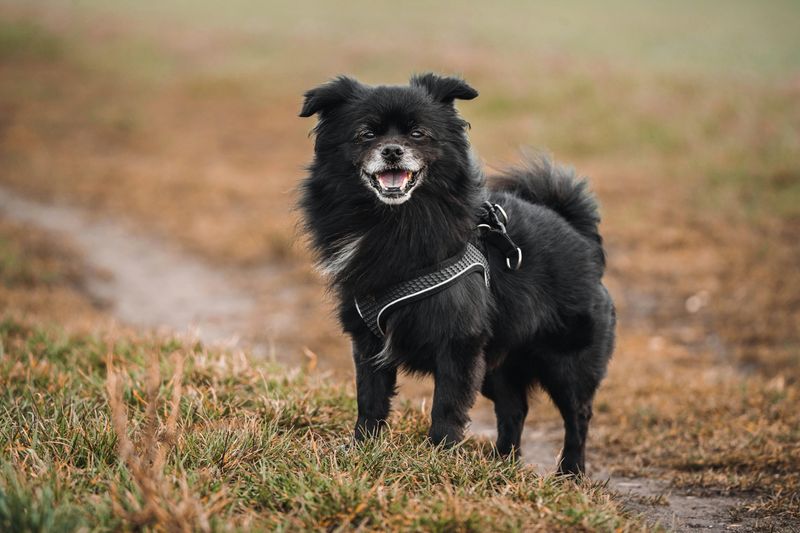
Tibetan Spaniels, known for their serene expressions, are small yet sturdy. Their long backs require spine-conscious routines.
Limiting jumping and supporting their bodies during handling is essential to prevent injuries.
These dogs enjoy observing their surroundings, making gentle walks and exploration their favorite activities.
Glen of Imaal Terrier
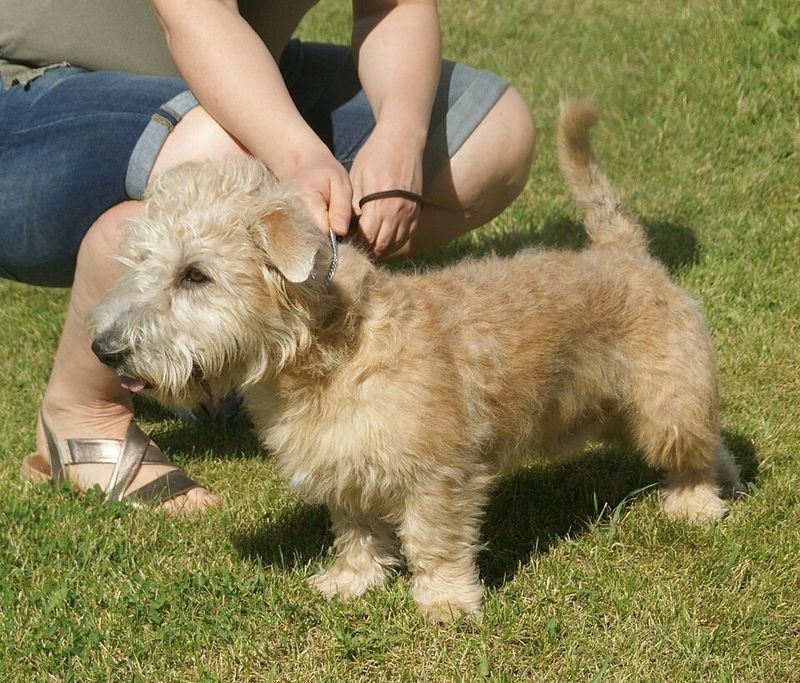
Glen of Imaal Terriers are spirited and sturdy companions. Their long backs need gentle care to prevent strain.
Regular, moderate exercise and avoiding excessive jumping keep their spines healthy.
Their playful nature and loyalty make them wonderful pets with the right attention to their physical well-being.