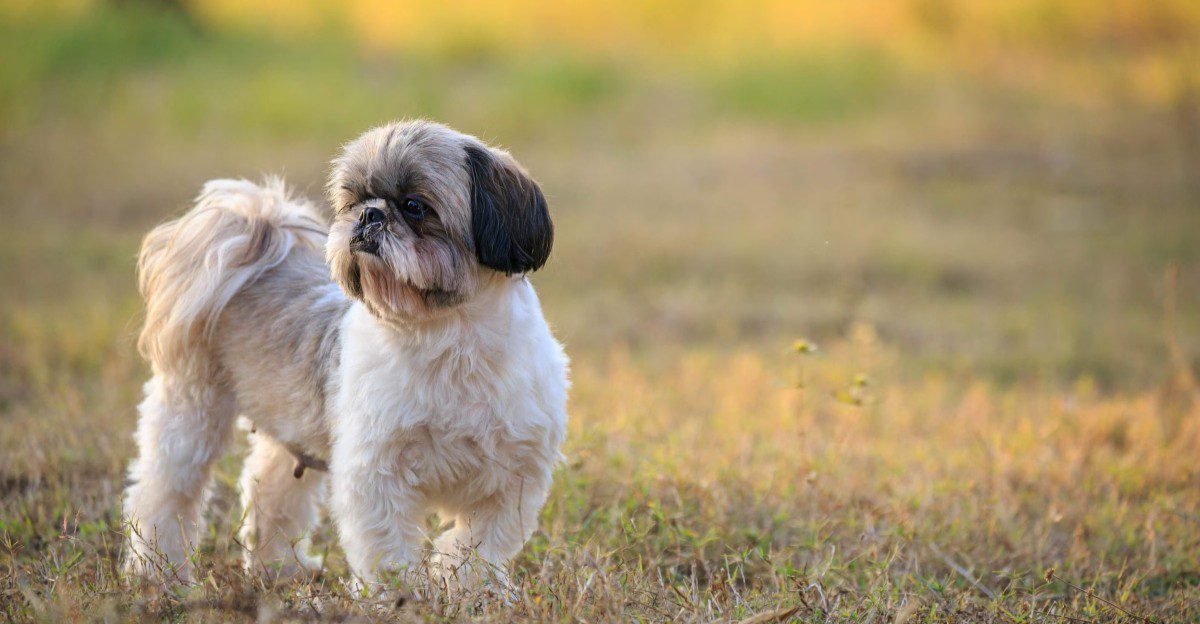
Some dogs are still chasing tennis balls at an age when many large breeds have already slowed down for good. Lifespan varies a lot from breed to breed, and size, genetics, and care all play a part.
Knowing which breeds tend to live longer can help you plan for the years ahead, from budgets to senior vet visits. Here are 11 breeds that often reach 15 or beyond, plus what helps them get there.
Chihuahua

Small size and a long life often go together in dogs, and the Chihuahua is a classic example. The AKC lists a typical lifespan of 14 to 16 years, and many individuals reach their late teens.
Dental care deserves special attention with this breed. Tiny mouths can crowd teeth together, which may lead to tartar buildup and gum disease over time.
Regular brushing and vet dental checks can make a real difference in later years.
Weight matters too. A single extra pound is a big percentage of a Chihuahua’s body, so measured meals and modest treats help protect joints and the heart as the dog ages.
Toy Poodle
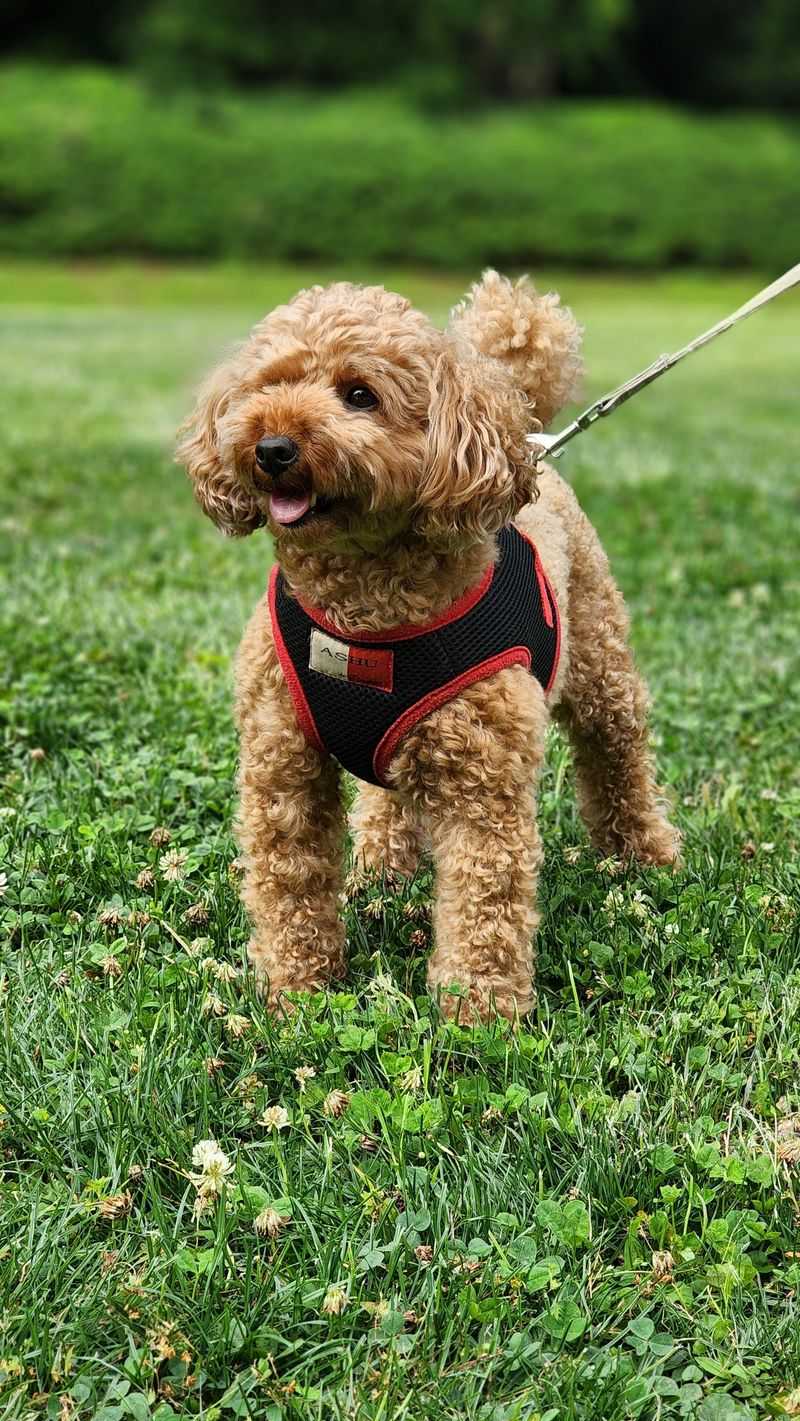
Curly coats get most of the attention, but the Toy Poodle’s sharp mind may be just as important to its long life. Toy Poodles commonly live 14 to 18 years, and staying mentally engaged can help keep older dogs active and interested.
Puzzle feeders, short trick sessions, and scent games are easy ways to keep a senior Poodle busy without straining aging joints.
Owners should watch for kneecap issues such as patellar luxation and eye changes, both seen in the breed. Catching a skipped step or cloudy eye early gives your vet more options.
Dachshund
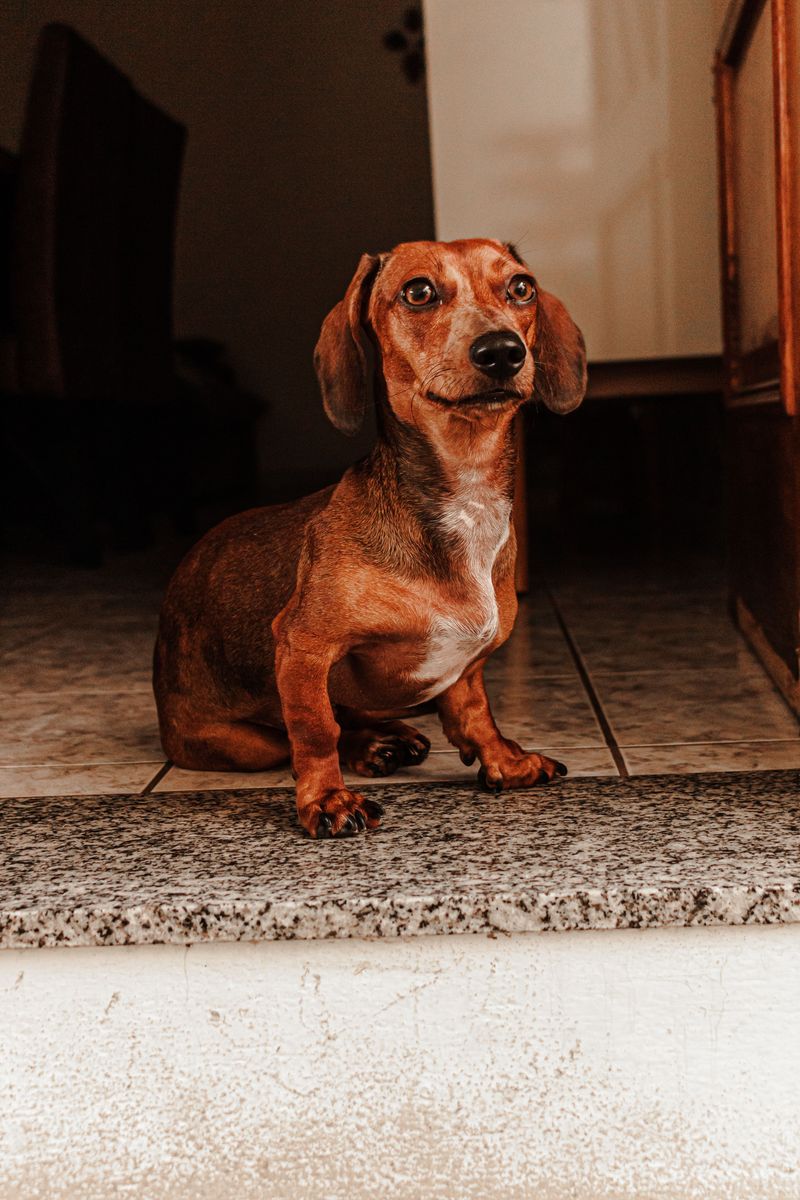
Long backs come with a long lifespan in this case. Dachshunds often live 12 to 16 years, and plenty of them make it past 15 with good care.
The biggest threat to that long life is back trouble. The breed is prone to intervertebral disc disease, so limiting jumps off couches and keeping a lean body weight are practical daily habits.
Ramps for furniture and a harness instead of a collar on walks can reduce stress on the spine. Any sudden reluctance to move or a hunched posture calls for a prompt vet visit.
Shih Tzu
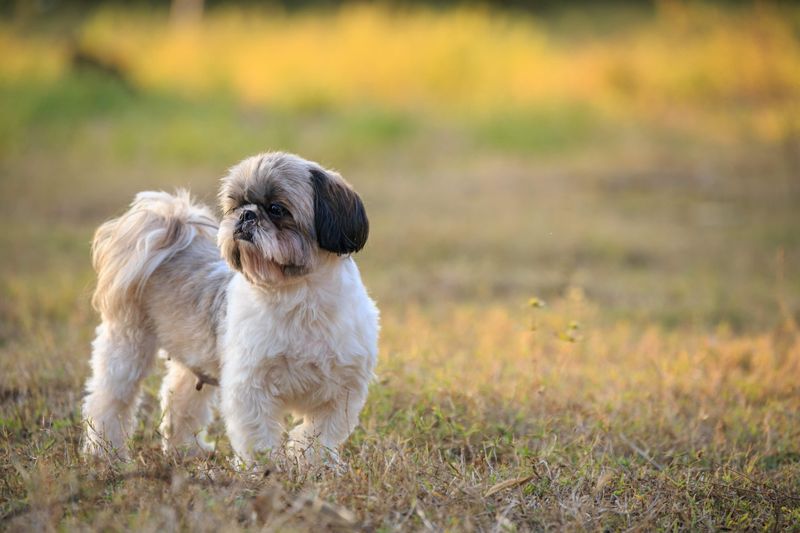
Bred as companions in Chinese imperial households, Shih Tzus spent centuries doing one main job: keeping people company. That easygoing role suits a long life, and the breed commonly reaches 10 to 18 years.
Their flat faces mean owners should pay attention to breathing in hot weather and avoid heavy exercise on warm days. Prominent eyes can also be prone to irritation or injury.
Daily brushing or a short puppy cut helps prevent painful mats. Regular grooming also gives you a chance to notice lumps or skin changes early.
Jack Russell Terrier
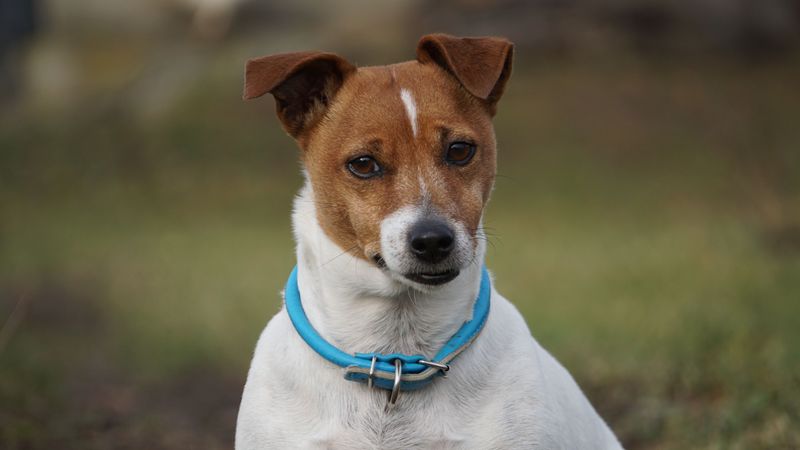
Ask anyone who has lived with a Jack Russell and you will likely hear the same thing: these dogs rarely act their age. Lifespans of 13 to 16 years are common, and some stay lively well into their teens.
Bred to chase foxes out of dens, they carry a strong prey drive and a lot of stamina. That drive may keep them fit, but it also means secure fences and solid recall work matter for safety.
A busy senior terrier still needs outlets. Shorter but frequent play sessions can keep an older Jack Russell content without overdoing it.
Australian Cattle Dog
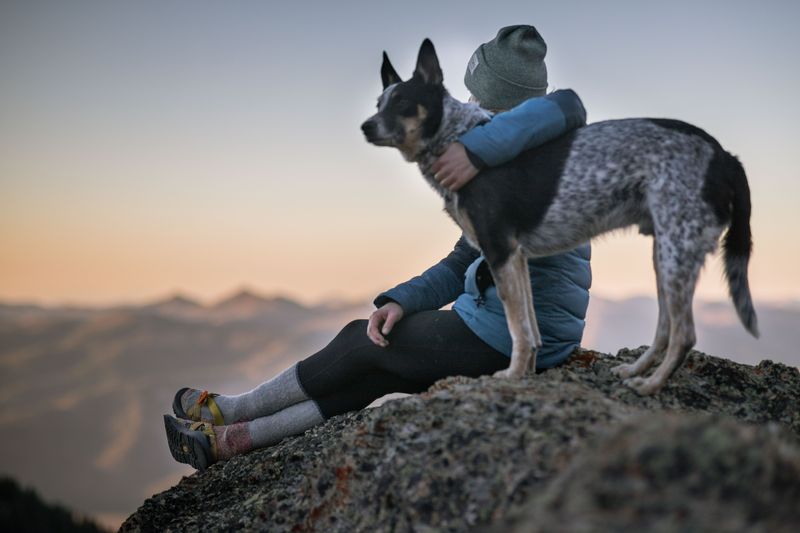
A medium-sized working dog holding a famous longevity record surprises many people. Bluey, an Australian Cattle Dog, is widely cited as living over 29 years, though that was an extreme exception.
More realistically, the breed often lives 12 to 16 years. Developed for driving cattle across long distances in Australia, these dogs are sturdy and built for endurance.
Their minds need work as much as their bodies. Without a job, they may invent one, like herding kids or nipping at heels.
Training games and structured activity help.
Inherited deafness and progressive retinal atrophy appear in the breed, so asking breeders about health testing is a smart step.
Beagle

Noses lead the way with Beagles, and a long life often follows. The breed typically lives 10 to 15 years, and many reach the upper end.
Food motivation is their weak spot. A Beagle may raid trash cans or counters, and extra weight can shorten lifespan and strain joints.
Securing food and measuring meals is half the battle.
Sniff walks are a great match for senior Beagles. Letting them follow scents slowly gives real mental exercise with less physical demand.
Lhasa Apso

Monasteries in Tibet once kept Lhasa Apsos as indoor sentinels that sounded the alarm at strangers. That watchful streak still shows up today, along with impressive longevity, often 12 to 15 years and sometimes into the late teens.
These dogs can be reserved with new people and may bark at unfamiliar sounds. Early, gentle socialization helps them stay calm instead of constantly on guard.
Owners should keep an eye on eyes and kidneys, since the breed can be predisposed to certain eye conditions and an inherited kidney disorder. Routine bloodwork as they age is worthwhile.
Miniature Schnauzer
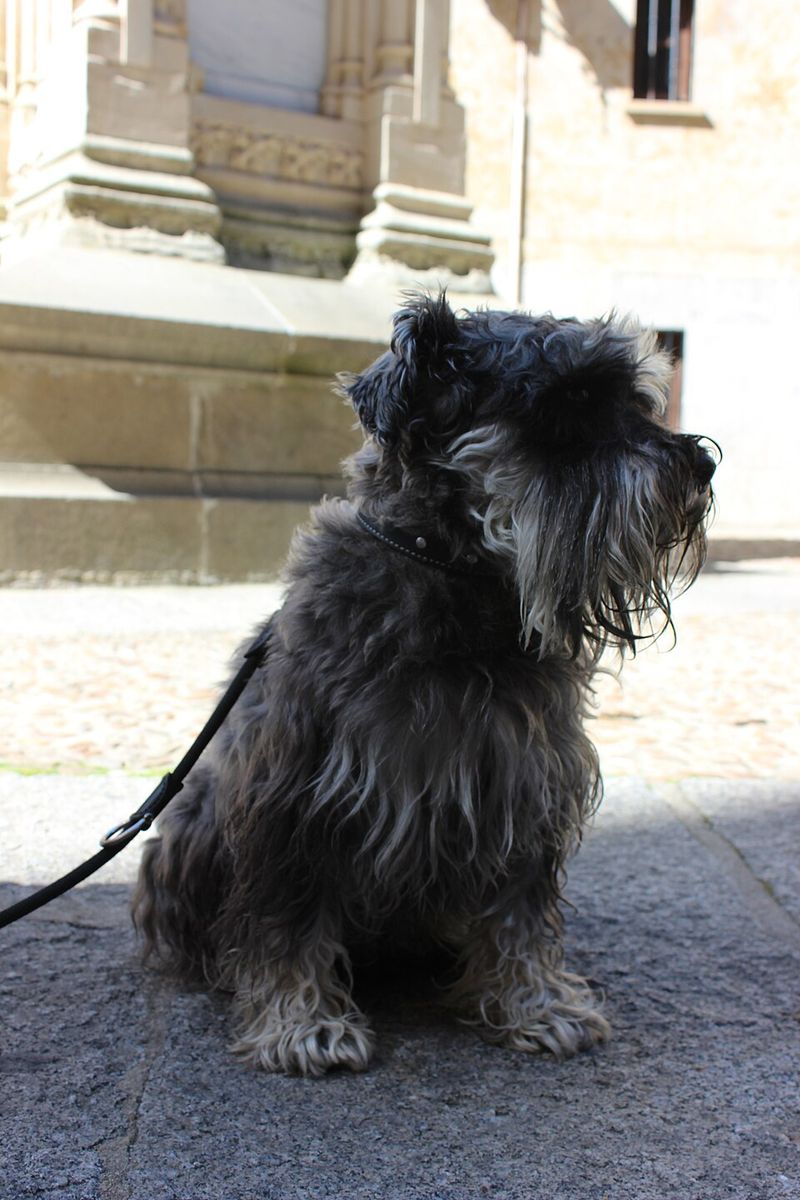
That bearded face may make a Miniature Schnauzer look like a wise old man even as a puppy. Plenty of them get to live up to the look, with typical lifespans of 12 to 15 years.
Diet deserves care here. The breed is associated with high blood fats and pancreatitis, so fatty table scraps are best avoided.
Your vet can suggest a suitable food.
Originally farm ratters in Germany, they tend to be alert and vocal. They often adapt well to apartments if they get daily walks and interaction.
Pomeranian
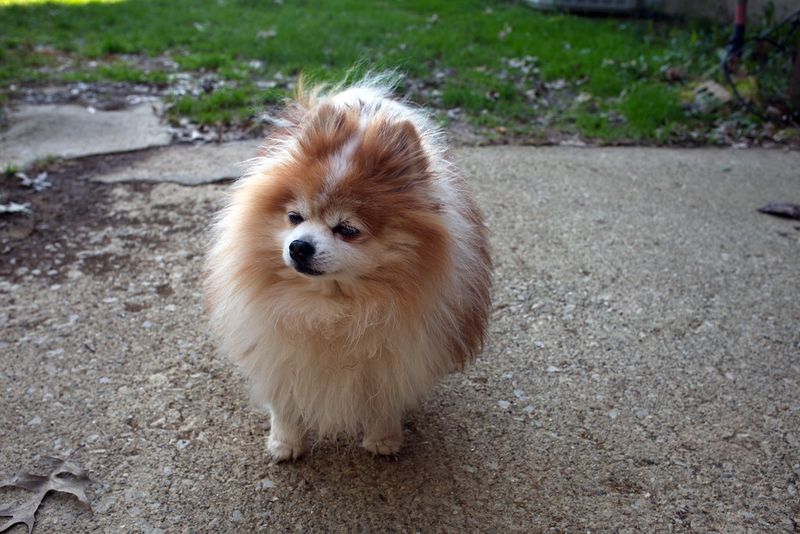
Under all that fluff is a dog that weighs only 3 to 7 pounds. Pomeranians commonly live 12 to 16 years, part of the small-breed longevity pattern.
Their compact build makes them vulnerable to falls, so supervising around stairs and high furniture helps prevent injuries. Collapsing trachea is also seen in the breed, which is another reason to choose a harness.
Coat changes may appear with age or certain conditions. If a Pom suddenly loses large patches of fur, a vet visit is wise.
Shiba Inu
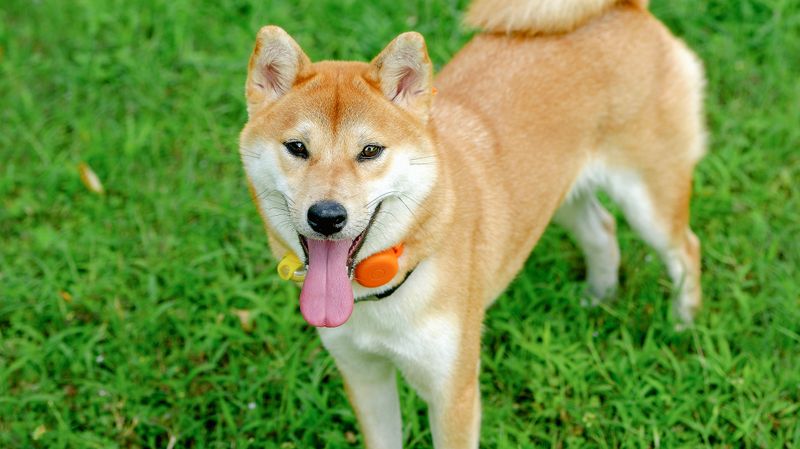
Cat-like grooming habits and an independent attitude set the Shiba Inu apart. One of Japan’s oldest breeds, the Shiba often lives 13 to 16 years.
Shibas may choose their own plans over your commands, especially around squirrels. Off-leash freedom in open areas can be risky, so a secure leash is often the safer bet.
Allergies and joint issues such as luxating patellas can appear. A healthy weight and regular checkups help keep this spirited breed going strong.