
Some dogs bark at every sound, while others save their voice for moments that matter. If you live in an apartment, have close neighbors, or just like a calmer home, breed choice can help.
Training, exercise, and routine still matter, but certain dogs are known for being more thoughtful with barking. Here are breeds that often speak up less often, but still have plenty of personality.
Basenji
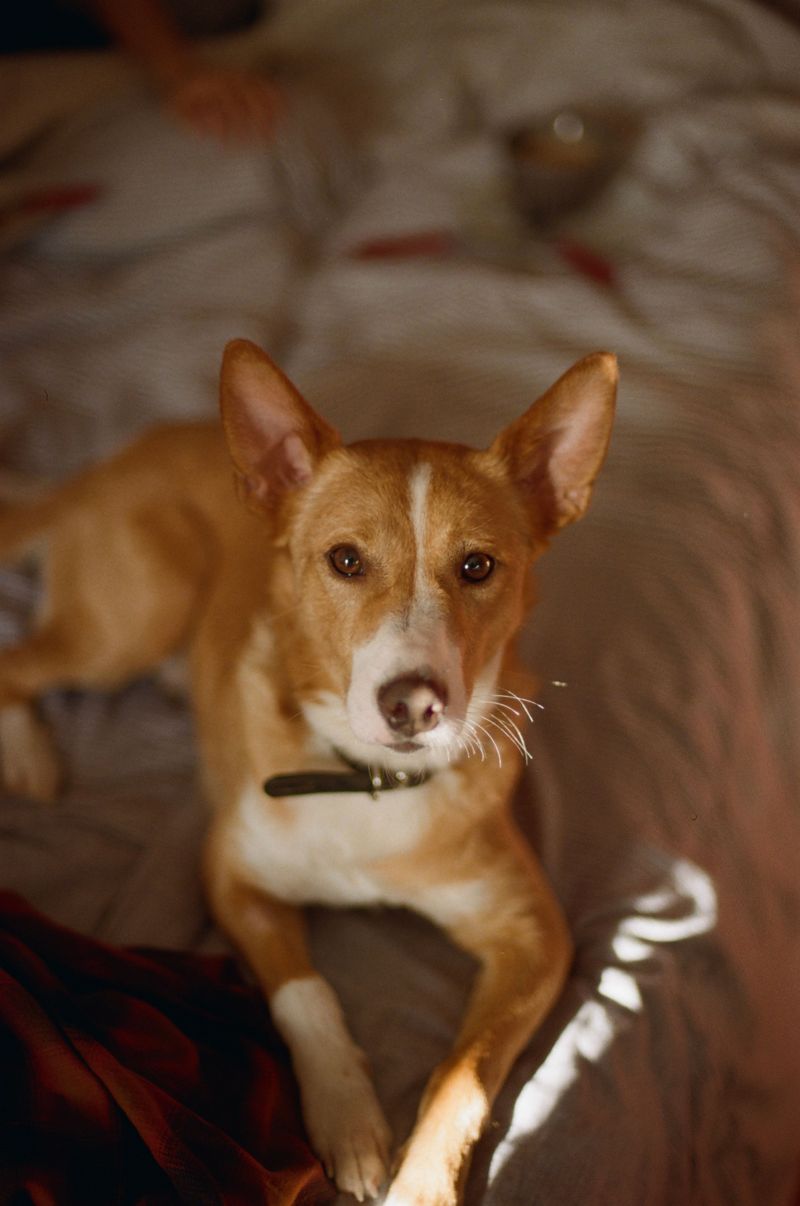
The Basenji has a famous party trick: it does not bark in the usual way. Instead, it may yodel, chortle, or stay completely quiet while watching the room like a tiny detective.
This clever breed needs games, walks, and safe chances to explore. Bored Basenjis can become noisy in other ways, such as whining or chewing.
Give puzzle toys, steady rules, and patient training, and you may enjoy a tidy, alert dog with a very selective voice.
Greyhound
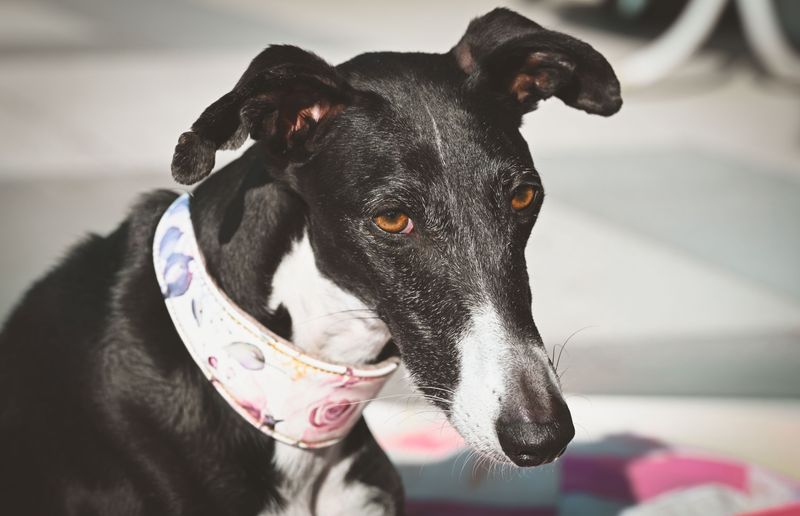
A Greyhound can look like a racing rocket outside, then turn into a couch ornament indoors. Many are surprisingly quiet because they were bred to chase by sight, not to announce every passing leaf.
Short walks and safe sprints usually satisfy them, followed by serious napping. They can be sensitive, so loud homes may make them uneasy.
Use gentle training, soft bedding, and a calm routine. When comfortable, a Greyhound often saves barking for true excitement.
Whippet
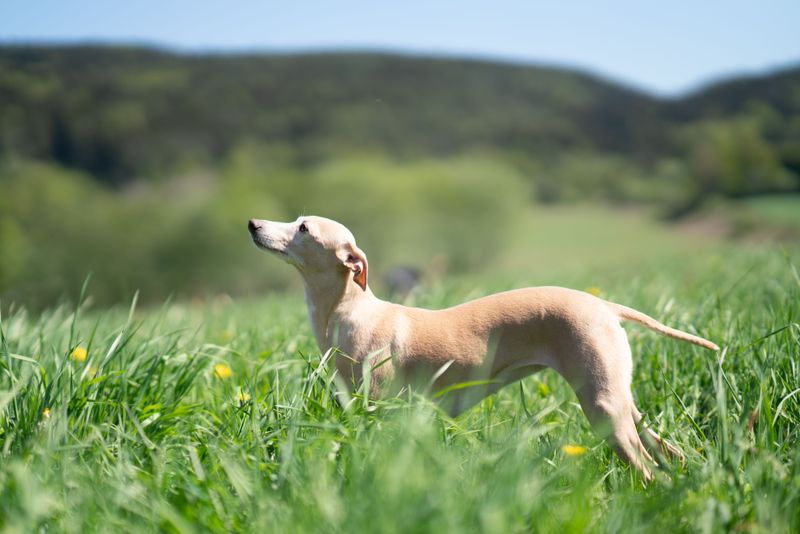
Whippets often act like polite houseguests, quick to play but happy to settle when the fun is over. Their thin bodies may zoom across a yard, yet their voices usually stay tucked away.
Because they bond closely, they do best with kind handling and enough time near their people. A lonely Whippet may complain, so practice short separations early.
Warm sweaters, comfy beds, and daily exercise help this speedy friend remain calm, cozy, and selective about barking.
Great Dane
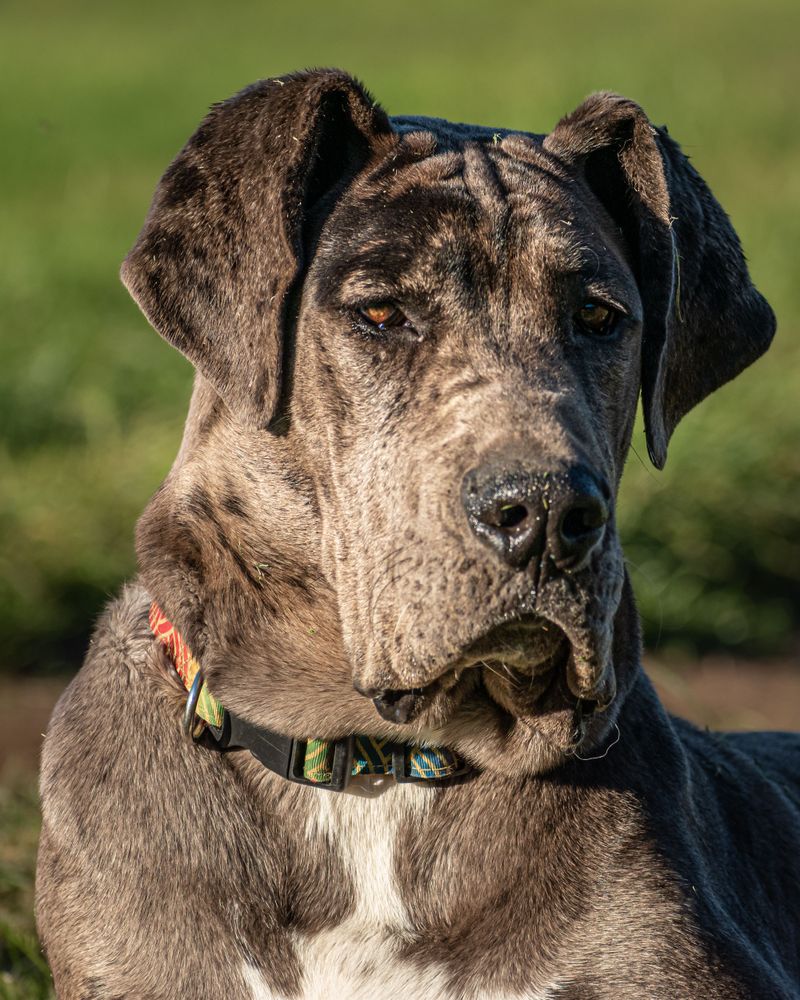
With paws like dinner plates, the Great Dane could make a lot of noise if it wanted. Luckily, many Danes prefer a calm, watchful style instead of constant barking.
Their deep bark is impressive, so teaching a quiet cue early is helpful. They need space, manners, and careful care while growing.
Despite their size, they often enjoy leaning on people and relaxing nearby. Regular walks and friendly social visits can keep their confidence steady and their barking purposeful.
Rhodesian Ridgeback

The Rhodesian Ridgeback carries a brave history, once helping hunters track lions in southern Africa. That serious background shows in a dog that often studies a situation before making noise.
This breed is strong, loyal, and independent, so early training is not optional. Clear rules and daily exercise help prevent restless behavior.
Ridgebacks may bark if strangers approach, but many are not casual yappers. Give them a job, respectful guidance, and social practice to shape their natural judgment.
Bullmastiff
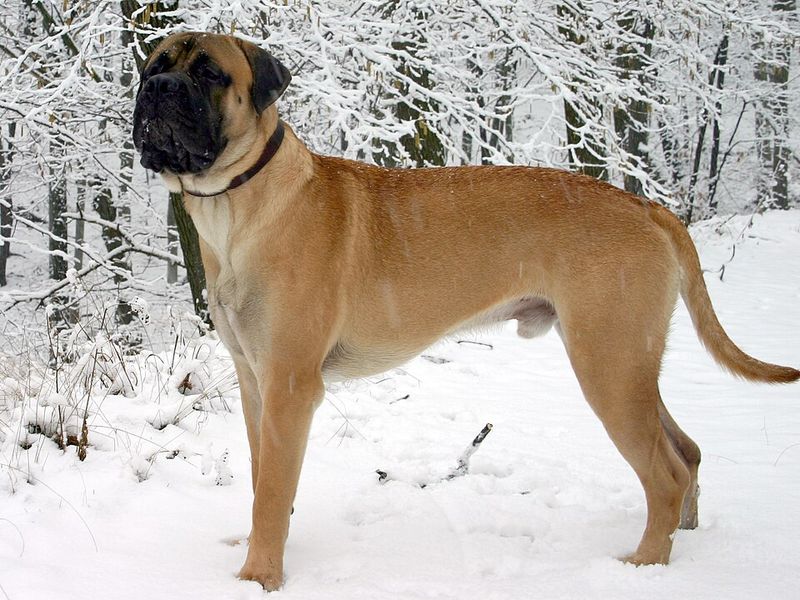
A Bullmastiff often gives off a quiet bouncer vibe, calm in the corner but fully aware of who enters. Historically, gamekeepers used them to help guard estates without raising useless alarm.
That background can mean fewer random barks, but size and strength require responsible ownership. Teach leash skills, greetings, and a reliable settle cue while young.
Bullmastiffs enjoy moderate walks, not endless running. With fair training and steady social time, they can be calm watchdogs rather than noisy neighbors.
Cavalier King Charles Spaniel

Cavaliers have a royal name and a lap-loving heart, which may explain their softer approach to household noise. Many would rather charm a visitor than shout at one.
Still, they are people-focused dogs, so they can bark if lonely or under-stimulated. Short walks, cheerful training, and cuddle breaks make a big difference.
Their friendly nature also benefits from meeting polite dogs and guests early. A Cavalier may not be silent, but it often chooses affection before alarm.
Japanese Chin
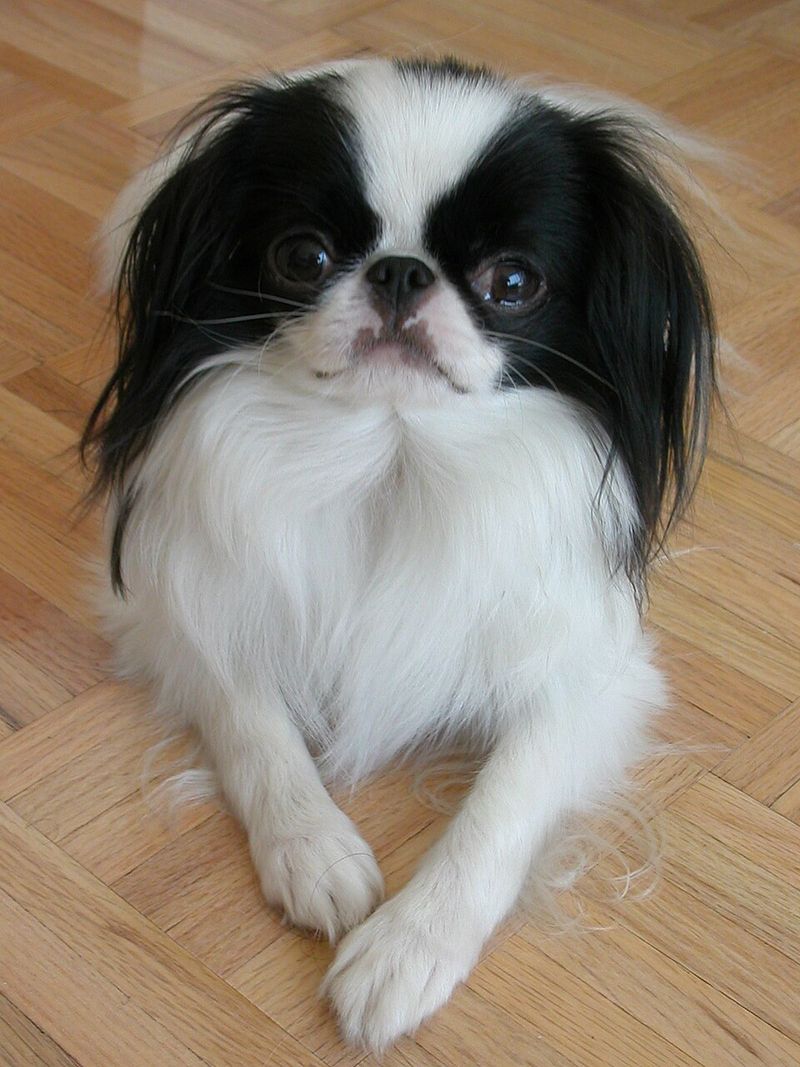
The Japanese Chin can seem almost catlike, perching on furniture and observing life with dramatic little eyes. Instead of barking nonstop, many prefer quiet supervision from a favorite pillow.
This small companion enjoys gentle play and does not need huge exercise sessions. Because of its short face, avoid hard activity in heat.
Teach visitors to greet calmly, since rough handling can make toy breeds nervous. With soft routines and kind attention, the Chin often keeps its opinions brief.
Newfoundland
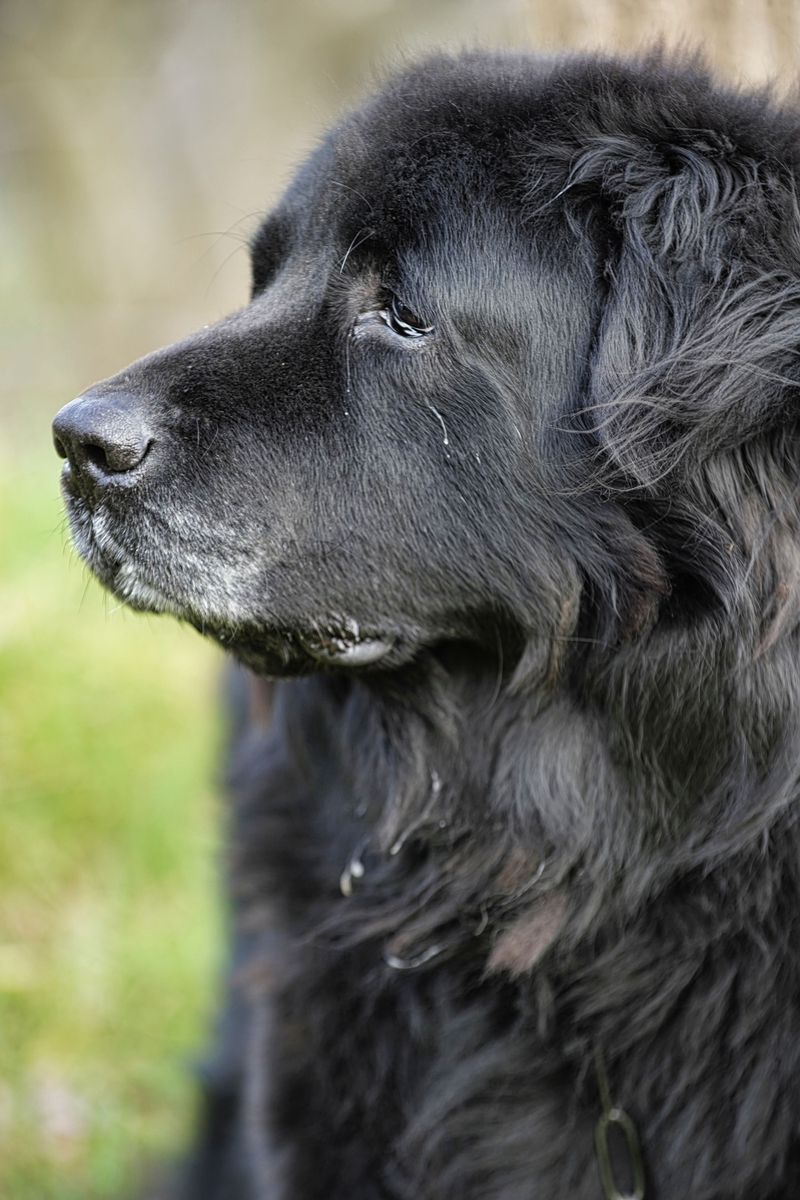
With a heart as big as its paws, the Newfoundland often brings a peaceful presence into the home. This water-rescue breed was built for strength, patience, and steady work, not endless barking.
Newfies need grooming, room to stretch, and careful weight control. Their size means training should begin early, especially for polite door manners.
Many will alert when something feels unusual, then settle again. Provide cool spaces, daily walks, and family time to support that mellow, thoughtful behavior.
French Bulldog

French Bulldogs often look like little comedians, complete with bat ears and a snorty soundtrack. Barking, however, is not usually their main hobby when their needs are met.
They fit many smaller homes because they need moderate exercise and enjoy hanging close to people. Watch heat carefully, since their short noses can make breathing harder in warm weather.
Training should reward calm greetings and quiet waiting. A Frenchie may grumble, snuffle, or announce guests, but often skips nonstop barking.
Shih Tzu

The Shih Tzu was bred for palace life, and some still act as if every cushion belongs to them. Many are alert without feeling the need to comment on every hallway sound.
Small dogs can learn noisy habits if people laugh or pick them up each time they bark. Reward quiet behavior and practice calm door routines.
Regular grooming, short walks, and play sessions keep them comfortable. A well-guided Shih Tzu can be cheerful, watchful, and pleasantly restrained.
Irish Wolfhound
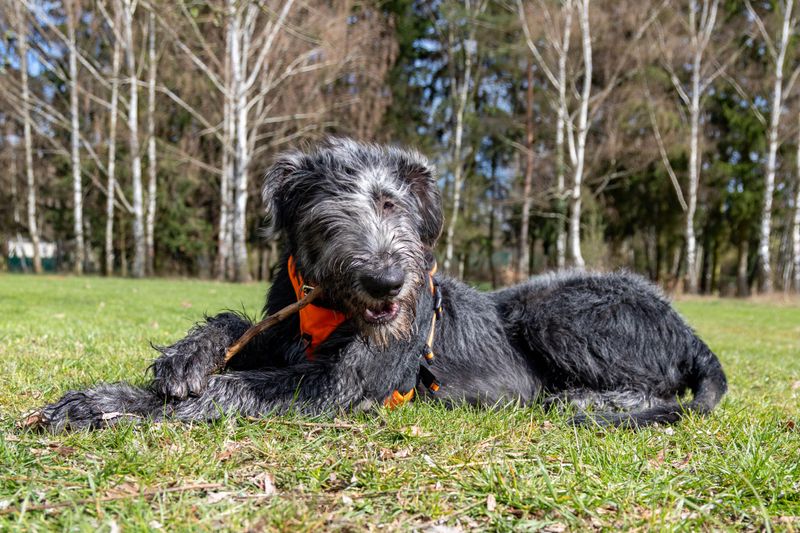
An Irish Wolfhound can tower over a coffee table yet move through a home like a thoughtful old soul. Despite its dramatic size, this breed is often known for a quiet, dignified manner.
Wolfhounds need space, soft resting spots, and careful exercise while young to protect growing joints. Their bark is deep, but many do not use it often.
Because they mature slowly, patient training matters. Calm social experiences help them judge new sights without unnecessary alarm.