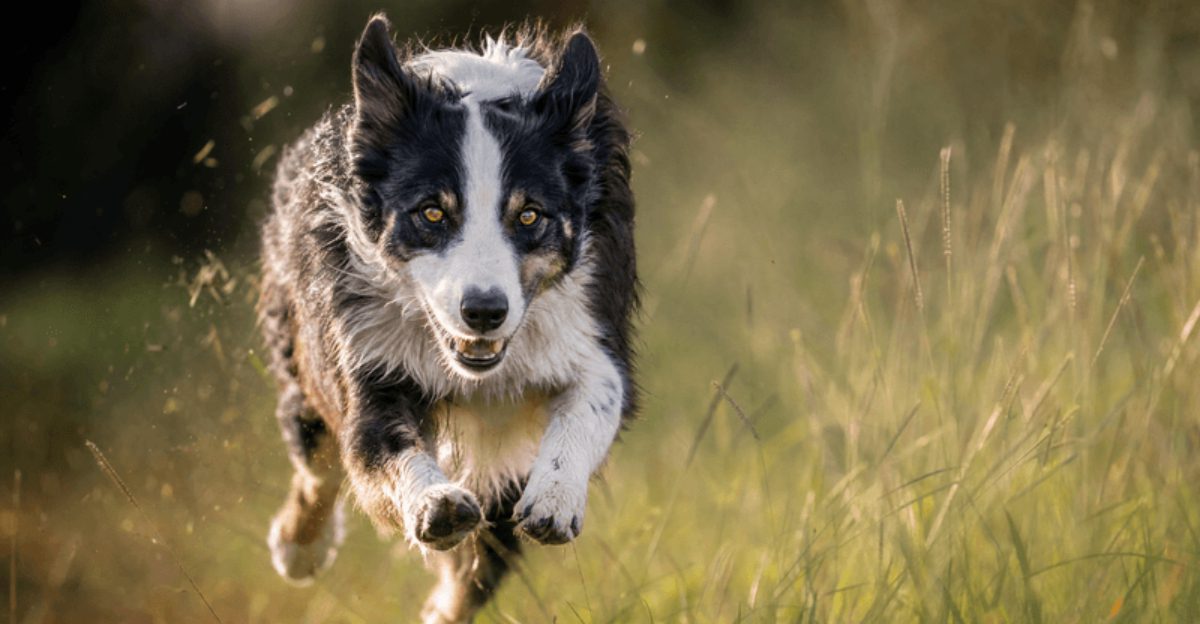
Some dogs win your heart the moment you meet them. The challenge comes when those sweet faces need nonstop exercise, training, and grooming to stay happy and healthy.
Knowing what each breed asks for can save your couch, your schedule, and your sanity. Here are popular pups that are easy to adore but demand real commitment.
Siberian Husky
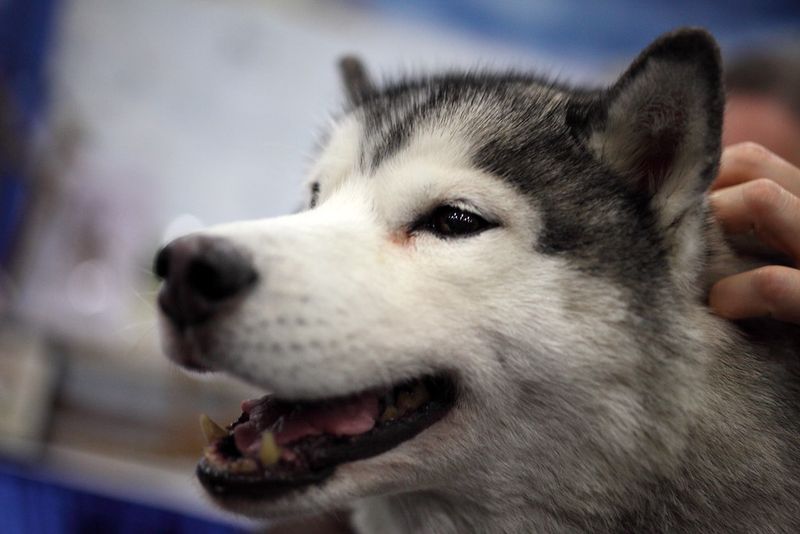
Blue eyes, howls at sirens, and endless zoomies tell the Husky story. Born to run, they need strong daily exercise and a secure yard, or they will invent their own adventures.
Grooming is a snowstorm when they blow coat, so plan steady brushing and a good vacuum. Training stays positive and clever, since stubborn streaks appear.
Give them a job like canicross, hiking with a pack, or nose work to satisfy that working brain daily.
Belgian Malinois
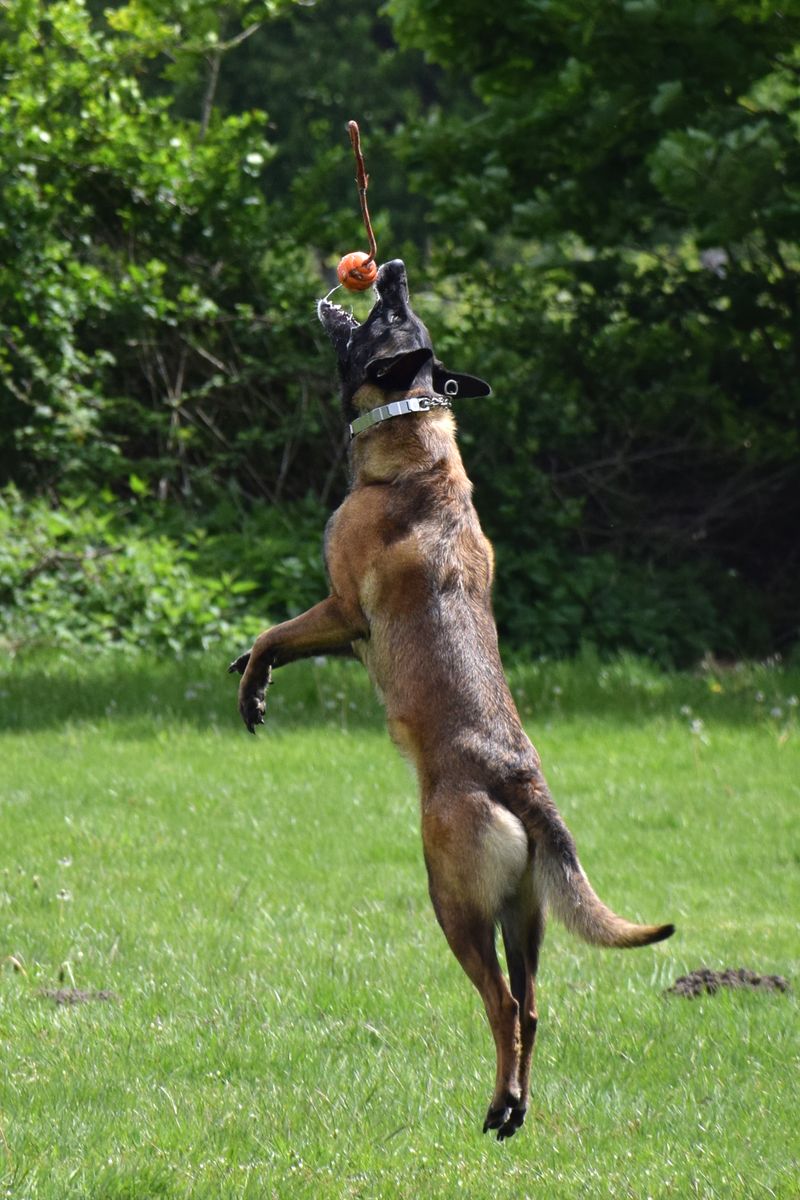
Like a caffeinated athlete in fur, the Malinois hits the ground ready. Police and sport work suit them because they crave structure, mental puzzles, and challenging drills.
Without that, they can chew through boredom fast.
Plan balanced training every day, mixing obedience, impulse control, tug, tracking, and restful place time. Clear rules help them relax.
Professional guidance during adolescence prevents overarousal and keeps that amazing drive pointed at good goals for home harmony and safety.
Border Collie
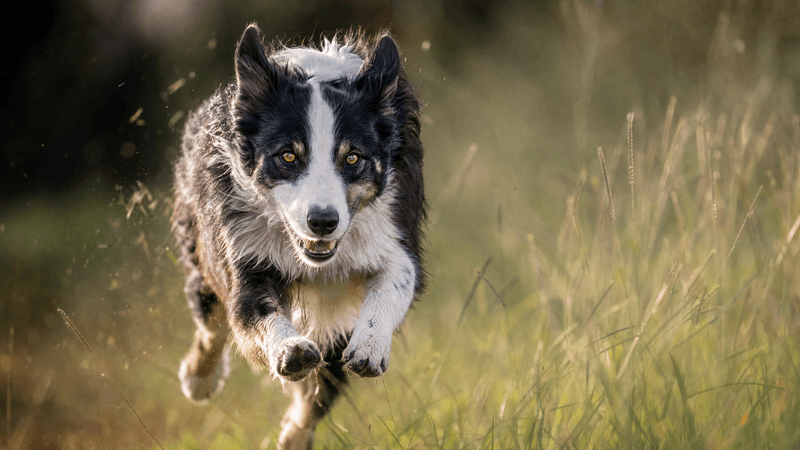
Watch those eyes lock on a moving ball. Border Collies are problem solvers that learn patterns faster than most people realize.
They shine with sheep, agility fields, and trick routines, but they still need calm downtime.
Create structure: short training sessions, decompression walks, and chew breaks. Scatter feeding and scent games burn mental fuel.
If they start herding kids or cars, redirect quickly and give a better job, like fetch on cue and heel work.
German Shorthaired Pointer
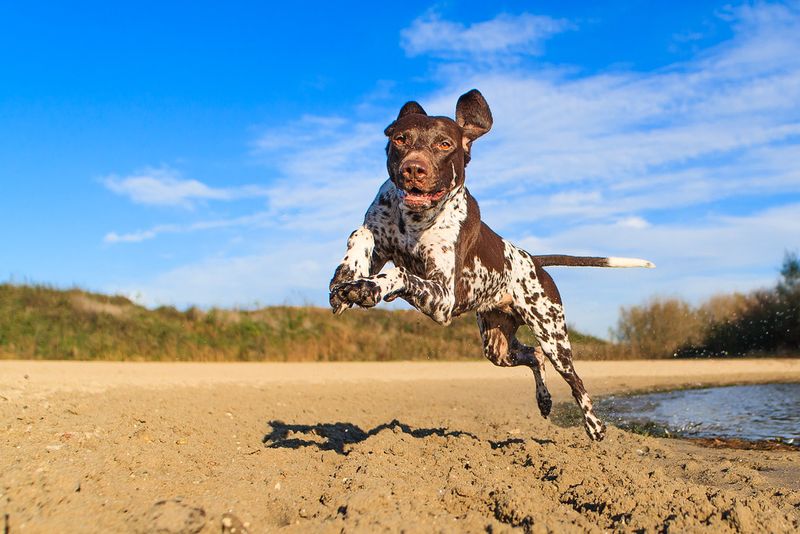
Bird dog energy meets family clown. GSPs love sprinting, sniffing, and splashing through any puddle they find.
They do best with long off-leash runs in safe areas or structured jogging, plus patient recall training.
Crates are helpful for mellow breaks after action. Give field-style games like fetch in tall grass, hide scented dummies, and practice steadiness.
Watch for counter surfing and jumping, then channel that bounce into cues like place, sit, and a solid down.
Australian Cattle Dog
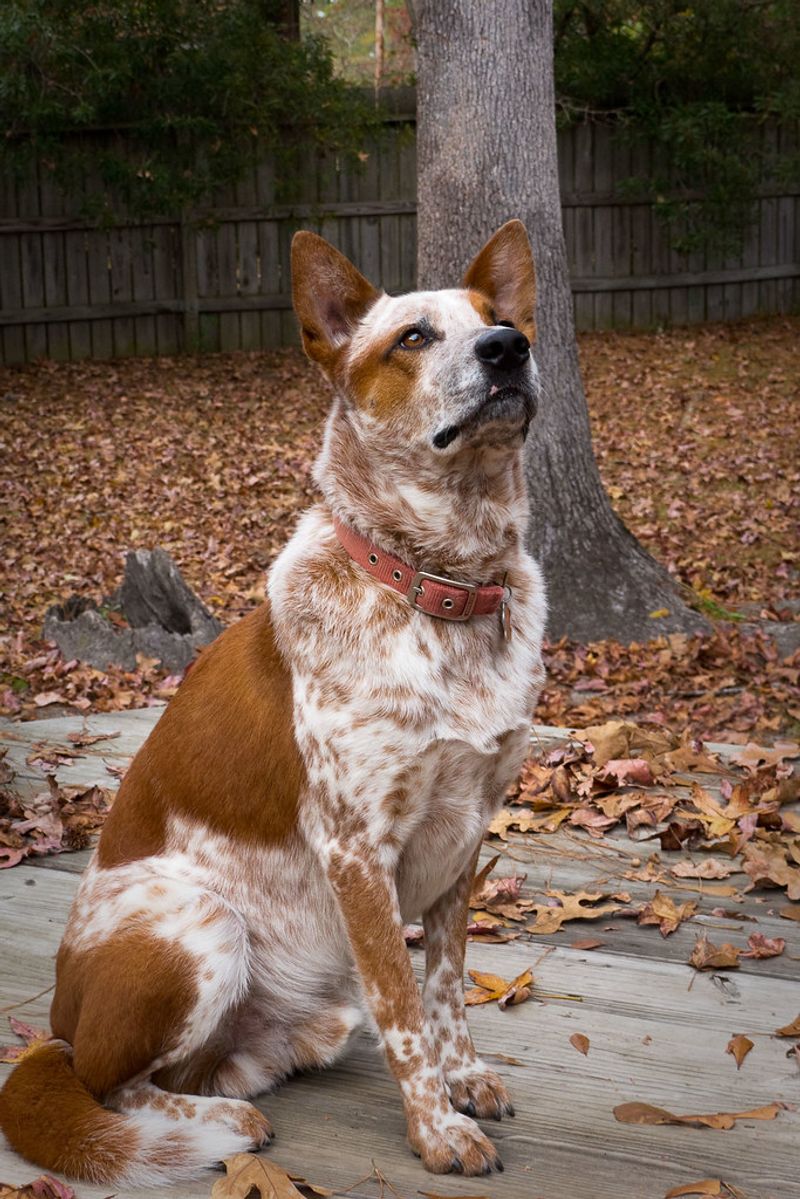
Tough as red dirt, the Heeler is a pocket powerhouse. Bred to move cattle, they nip and dash when bored.
That grit needs outlets like frisbee, structured tug, or treibball, paired with kind boundaries.
Socialization matters because they can grow suspicious without smart introductions. Short, sharp training with lots of thinking keeps them polite.
Rotate tough chews, teach a rock-solid out, and use a long line during farm-like distractions for safety in busy areas daily.
Weimaraner
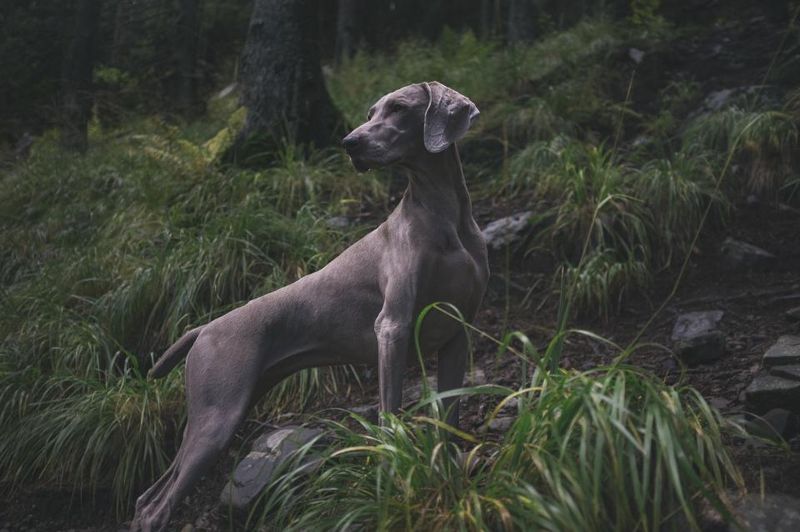
Silver ghost looks, velcro heart. Weimaraners thrive on human contact and can struggle with alone time if not trained for it.
Gentle exposure to crates and calm departures help prevent dramatic howling.
Daily runs, field games, and puzzle feeders keep the jitters away. Watch for counter surfing and door charging.
Teach place near family activity, practice recall with long lines, and use soft, consistent training instead of harsh corrections that shut them down too quickly.
Dalmatian
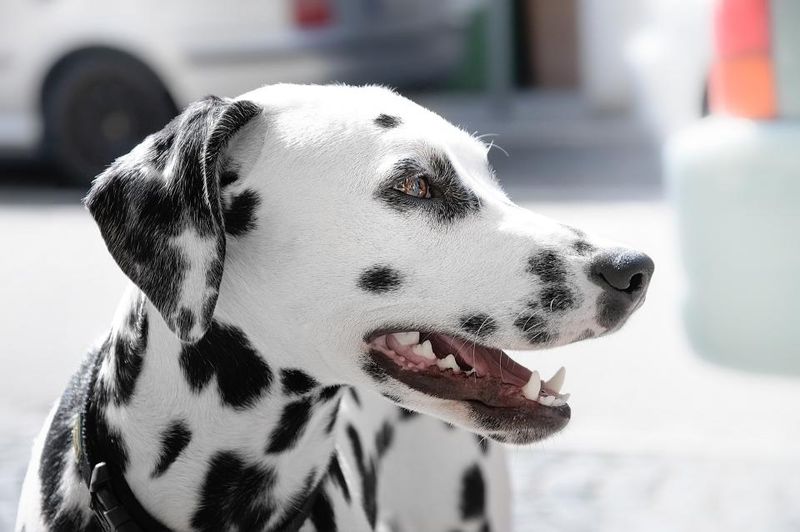
Spotted style turns heads on every walk. Dalmatians were carriage guards, so they can trot forever and remain watchful.
That makes structured miles, bike-joring practice, or jogs a great idea.
Consider diet needs, since some carry a gene that raises uric acid. Clean water and vet guidance help.
Socialize carefully to prevent reactivity, then teach calm greetings, steady loose-leash walking, and a go-to chin rest for exams or grooming at home and in public spaces.
Old English Sheepdog
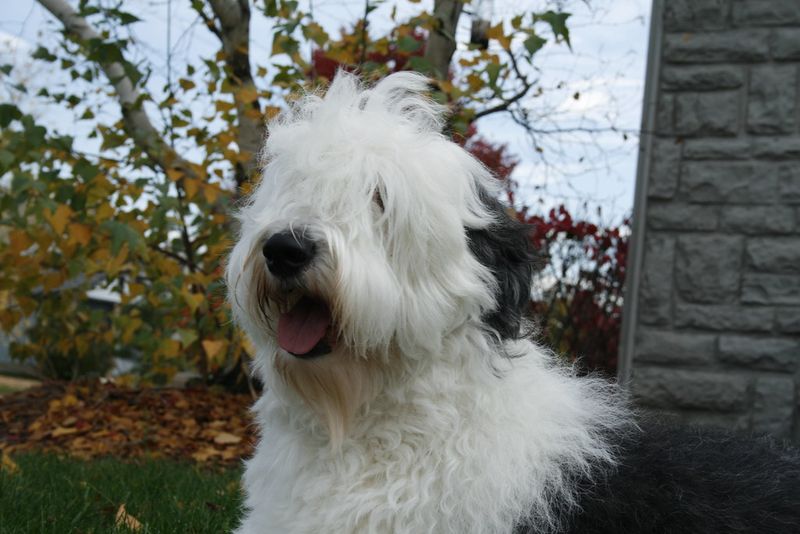
Shaggy charm hides a serious worker. The OES herded in rough weather, so they carry stamina and a playful mind.
Without guidance, bouncing and mouthy play can overwhelm gentle people.
Coat care is no joke. Plan regular brushing sessions, section by section, plus professional grooming.
Keep training light and upbeat with trick chains, perch work, and impulse control, then add mat time to teach calm while you cook, read, or watch shows with you nearby.
Samoyed
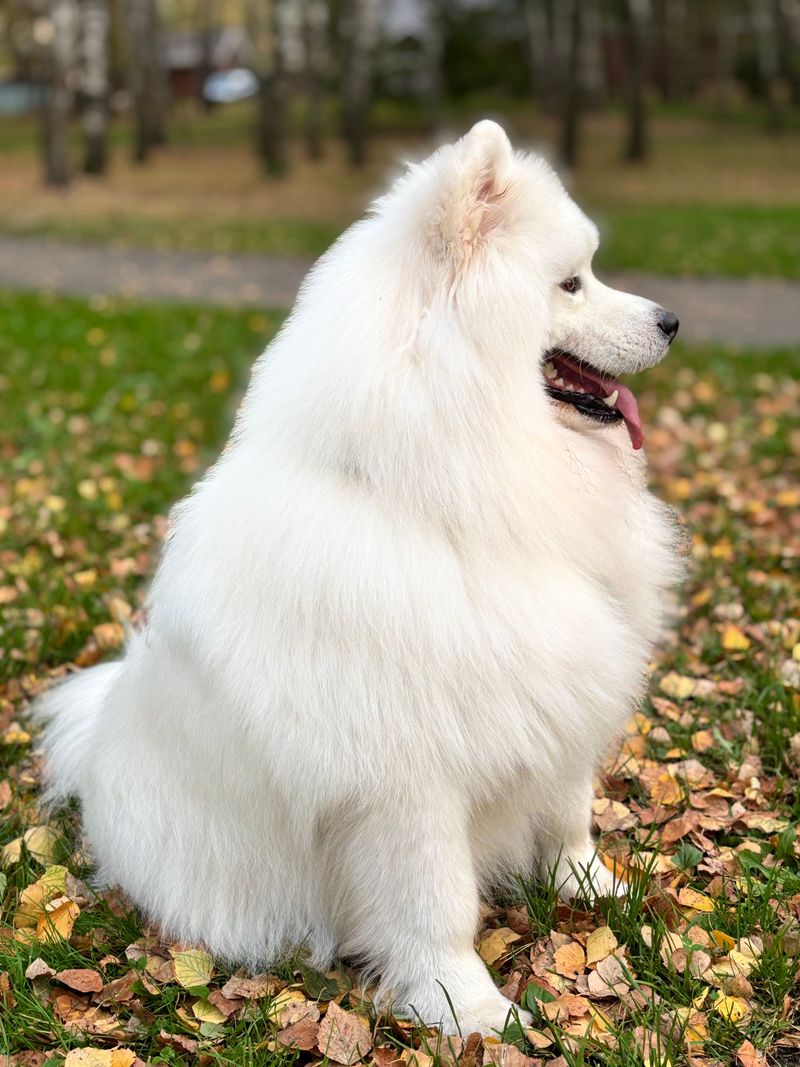
Smiles for days, fluff for years. Samoyeds were sled and reindeer helpers, which means strong teamwork and vocal opinions.
Expect friendly greetings that can turn into jumping if not practiced.
Daily brushing during shed seasons saves your couch. Use positive training with clear cues, since they dislike harsh methods.
Give pulling sports, winter hikes, and sniff work, then balance with quiet crate naps and chill hangs under your desk for better manners and focus at home.
Giant Schnauzer
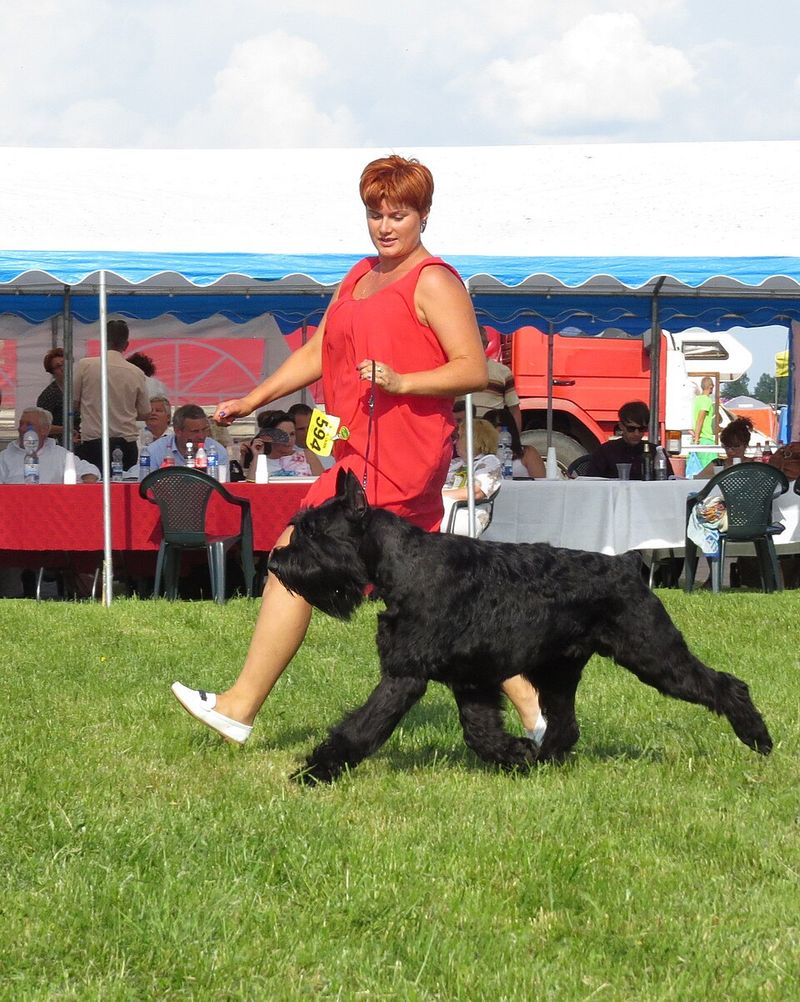
Big mind in a big body. Giant Schnauzers are guardians with sharp wits and serious presence.
They need leadership that is calm, fair, and consistent.
Think daily obedience, bite inhibition through tug rules, and boundary games around doors and guests. Heavy exercise is vital, but so are naps and settle drills.
Regular hand-stripping or professional grooming keeps the coat healthy, and clear routines reduce pushiness during adolescence for a cooperative adult family companion at home.