
Low energy dogs can be couch companions, but they still need smart structure to thrive. If you want a mellow buddy, plan for brains, bonding, and gentle movement instead of endless fetch.
A little daily training, enrichment, and predictable routines go a long way. Let’s match quiet temperaments with thoughtful care so you enjoy peace without creating problems later.
Basset Hound
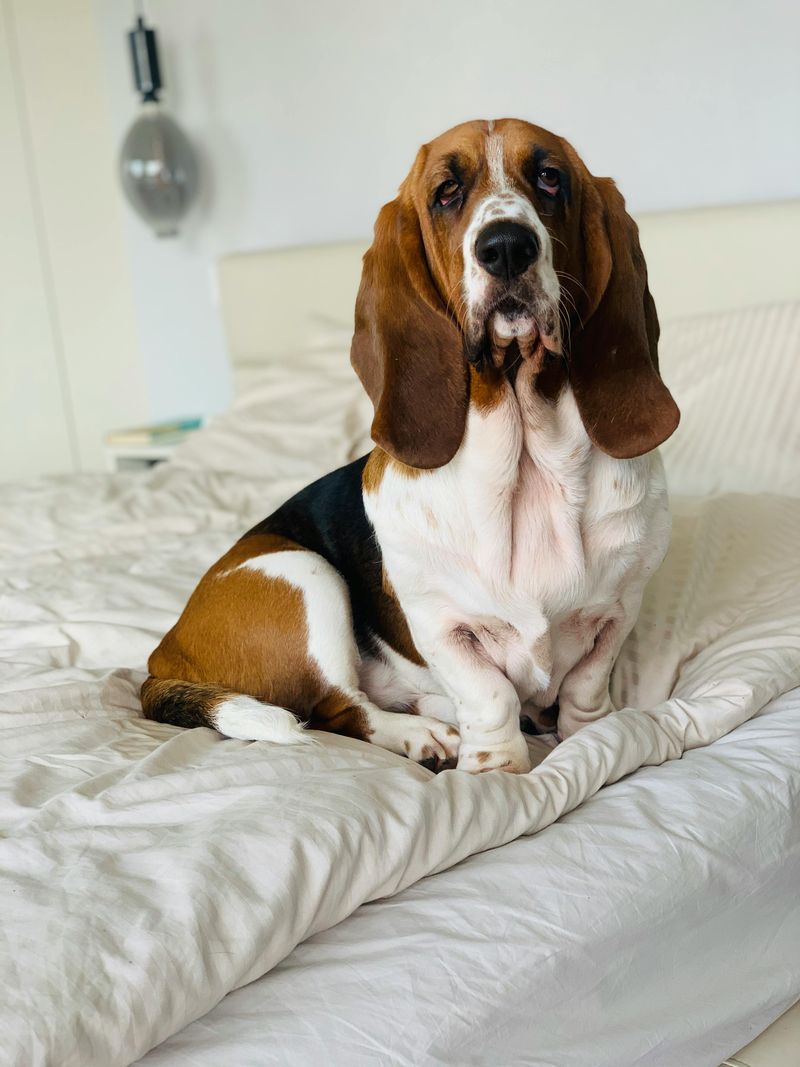
Basset Hounds bring mellow charm and heavy ears, but they need a plan. Short, sniffy walks satisfy their hunting nose while saving their joints.
Keep sessions low impact, and avoid stairs where possible.
Use scent games like hidden treats in boxes to let them track. Rotate chews and puzzle feeders to prevent boredom that leads to stubborn theatrics.
A simple routine helps curb selective hearing.
Daily ear checks are essential because those gorgeous ears trap moisture. Manage weight carefully to protect their backs and elbows.
Teach calm leash skills with high value snacks and patience.
Bloodhound
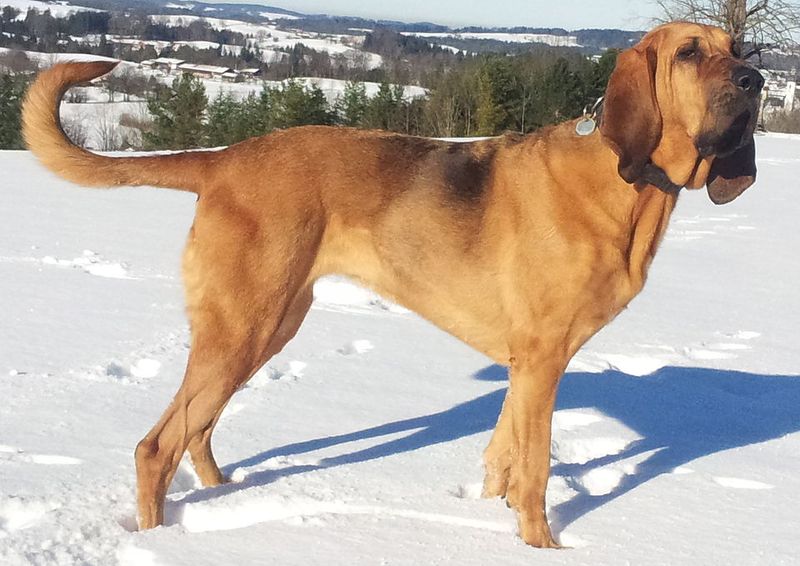
Bloodhounds look sleepy, but that nose is always on. Plan short tracking games rather than long runs.
Scatter food in grass, lay gentle scent trails, and reward methodical work.
Because of their size, focus on joint friendly movement and soft surfaces. Training should be brief and positive, since they can be independent.
A routine curbside sniff tour beats an aimless marathon walk.
Daily facial and ear care keeps skin folds clean. Fit a well padded harness to support their frame.
You will get calm behavior when their scent needs are met and their environment stays predictable.
Clumber Spaniel
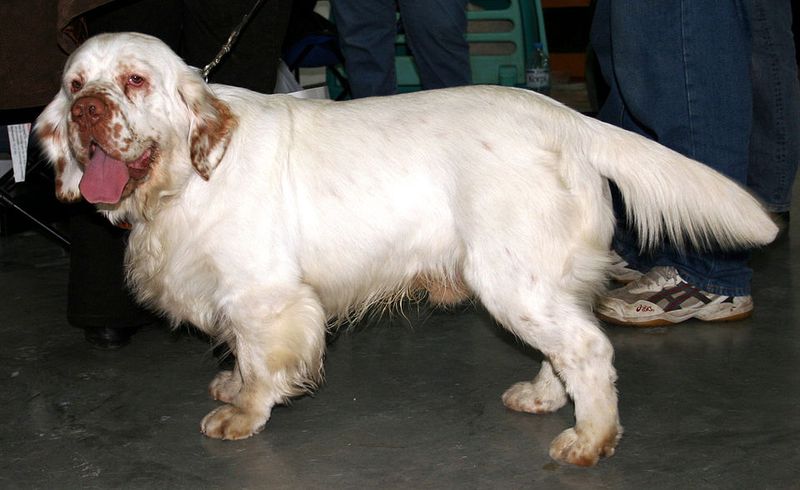
Clumber Spaniels are unhurried companions that thrive with purposeful puttering. Think gentle walks, brief retrieving in soft grass, and nose work indoors.
Keep activities low impact to protect hips and elbows.
They enjoy carrying things, so rotate soft dummies and tug toys. Use food puzzles to channel their appetite and prevent weight creep.
Short training bursts keep them engaged without overheating.
Regular grooming and ear checks matter because of dense coats. A cool resting area helps them nap deeply between small efforts.
With structure, they stay placid yet satisfied, a steady presence beside your feet.
Great Dane
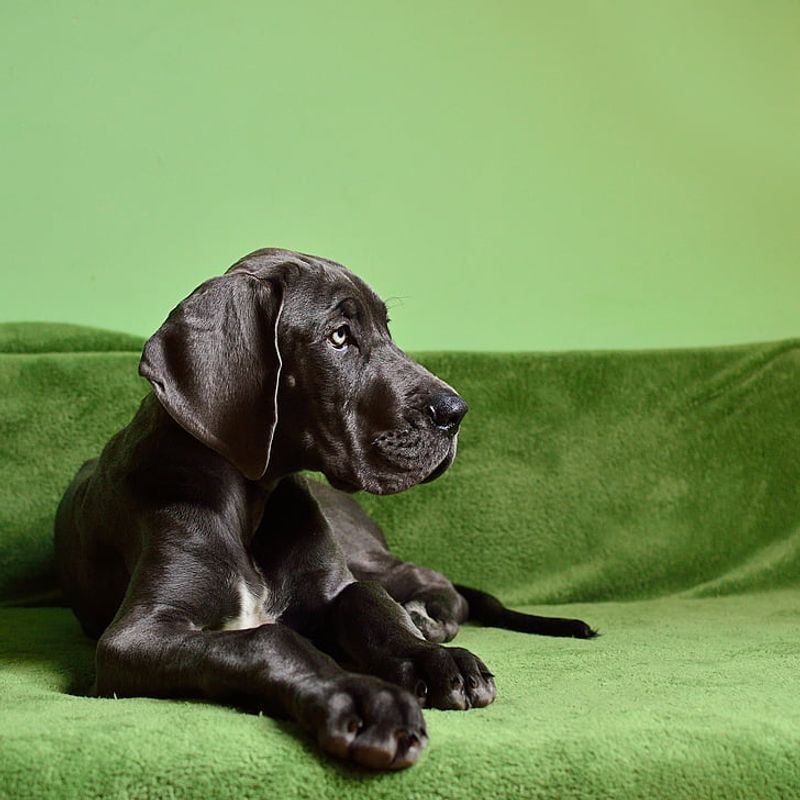
Great Danes are gentle giants who conserve energy, but they need thoughtful routines. Choose two to three short strolls on level ground.
Avoid rough play that stresses fast growing joints and massive frames.
Use food puzzles and simple obedience to engage their brains. Mat training builds impulse control and gives them a reliable off switch.
Provide a supportive bed and manage slippery floors.
Because of bloat risk, split meals and limit intense activity after eating. Socialize calmly with stable dogs to maintain confidence.
With predictable care and soft structure, a Dane’s quiet magic fills a home without chaos.
Newfoundland
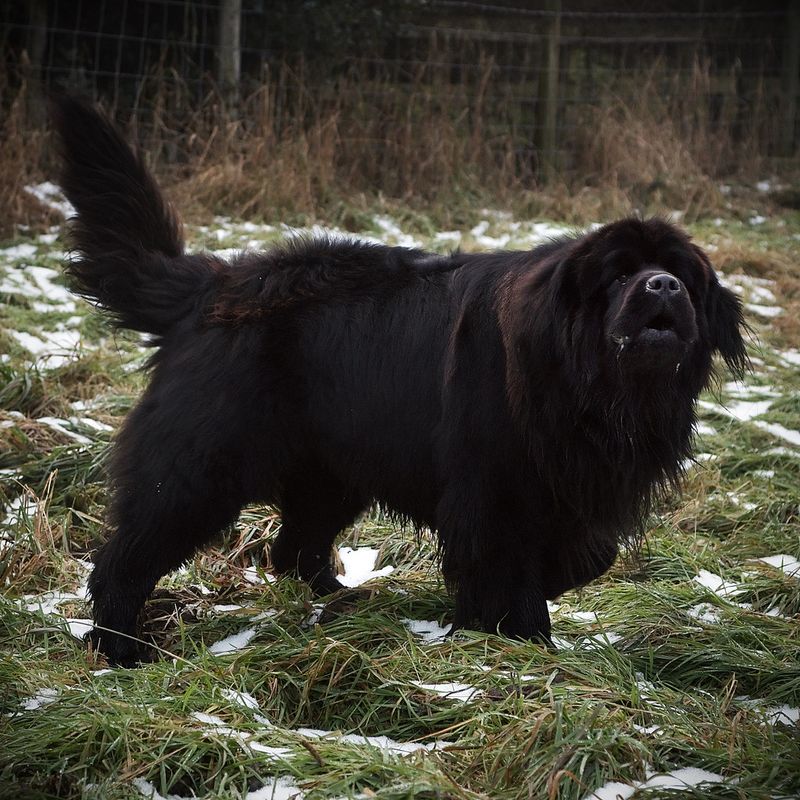
Newfoundlands are sweet and slow, but they still require a plan. Prioritize cool weather walks and brief swims if safe.
Keep sessions measured to protect joints and prevent overheating.
They excel with calm obedience, cooperative care training, and quiet place work. Enrichment can be scent games, snuffle mats, and slow chew sessions.
Grooming is exercise too, so pair brushing with treats.
Support their size with non slip floors and an orthopedic bed. Break meals into portions and monitor weight carefully.
When structure is gentle and predictable, you will enjoy a tranquil bear of a companion.
Bernese Mountain Dog
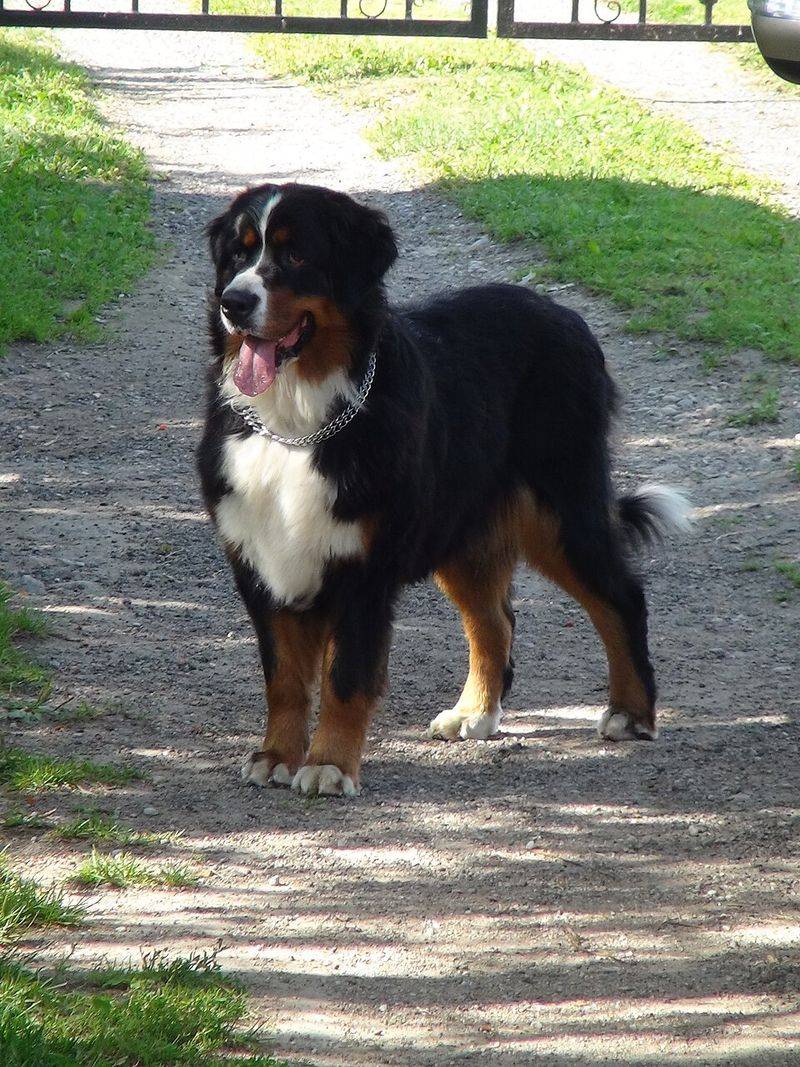
Bernese Mountain Dogs bring calm loyalty but need consistent, low strain plans. Aim for two short walks and one sniff session.
Protect joints with grass surfaces and avoid repetitive jumping.
They enjoy simple tasks like carrying a soft pack with vet approved weight. Rotate puzzles and easy obedience to keep minds engaged.
Grooming paired with rewards reduces shedding stress and builds trust.
Watch heat, since heavy coats trap warmth. Teach a settle cue for visitors and family time.
With a steady routine, your Berner stays mellow while feeling accomplished and comfortable.
Shih Tzu
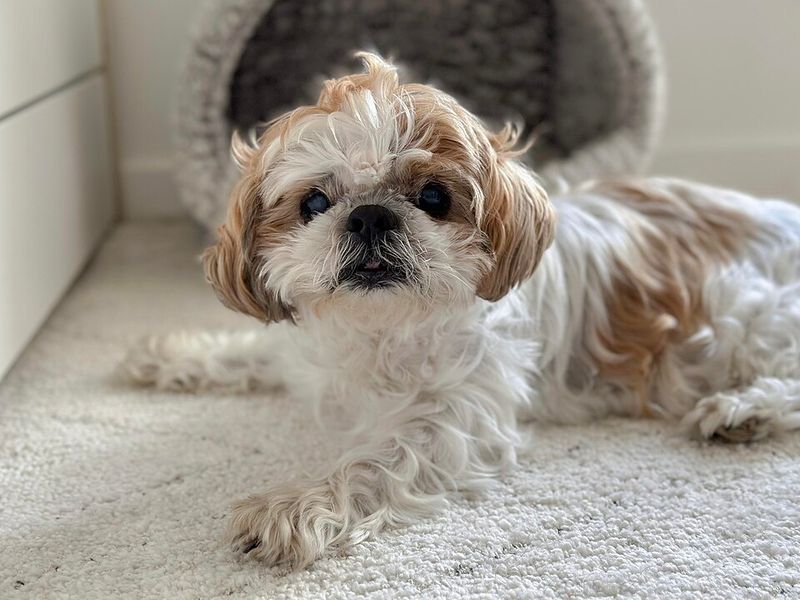
Shih Tzus are lap loving and lively in short bursts. Keep exercise gentle with hallway fetch and short neighborhood strolls.
Daily face and coat care doubles as bonding and structured routine.
Puzzle feeders, snuffle mats, and trick training satisfy busy little brains. Teach calm greetings to prevent yappy spirals.
Rotate soft toys to keep novelty without overstimulation.
Because of brachycephalic faces, avoid heat and intense exertion. Use a harness and keep walks unhurried with sniff breaks.
A predictable schedule and tiny challenges keep this charmer relaxed, clean, and confident.
Lhasa Apso
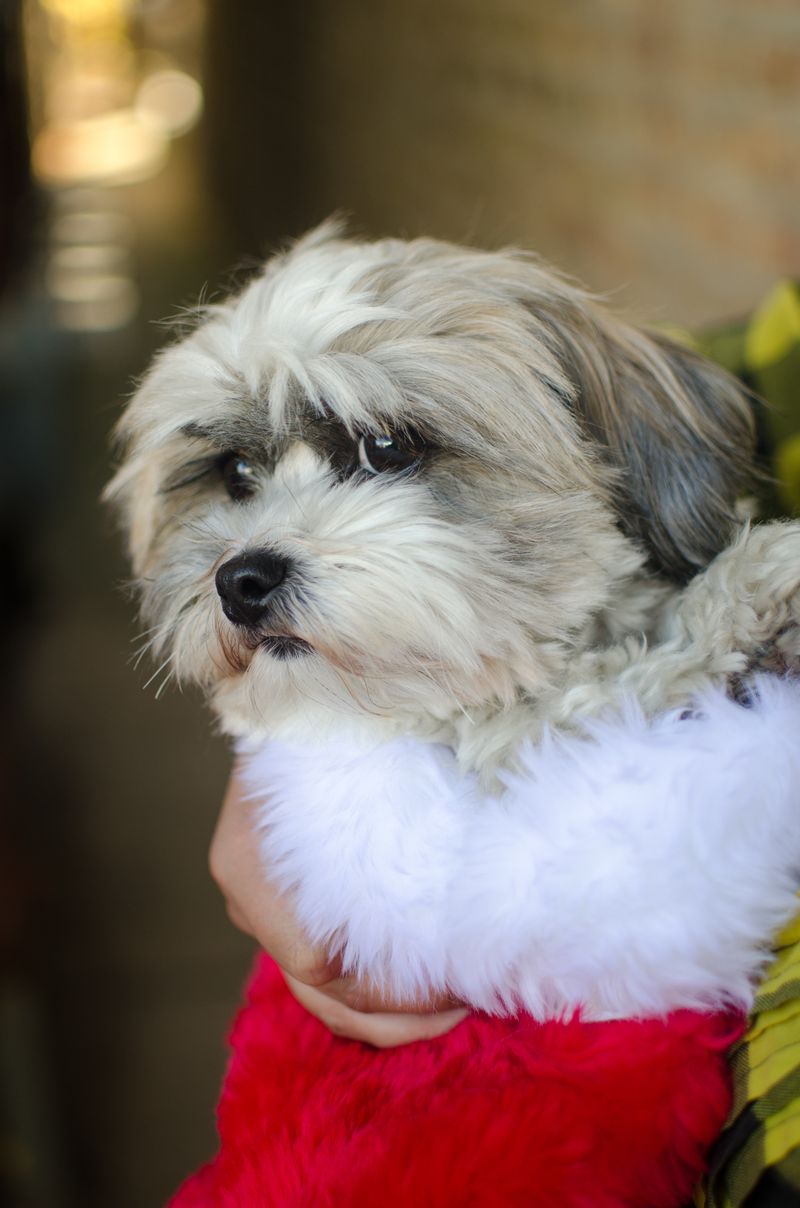
Lhasa Apsos carry quiet watchdog instincts alongside sofa cuddles. Plan brief, focused walks that include look at that training for passing stimuli.
Keep sessions calm to prevent nuisance alerting.
Grooming is a lifestyle, so schedule brushing with treats and breaks. Use hide and seek games, platform training, and short trick bursts.
Rotate lightweight chews to keep jaws satisfied without overdoing calories.
Protect their joints with ramps or steps for furniture. Teach a settle mat cue for visitors and deliveries.
With structure, this little sentinel stays serene, silky, and beautifully tuned to home rhythms.
Tibetan Spaniel
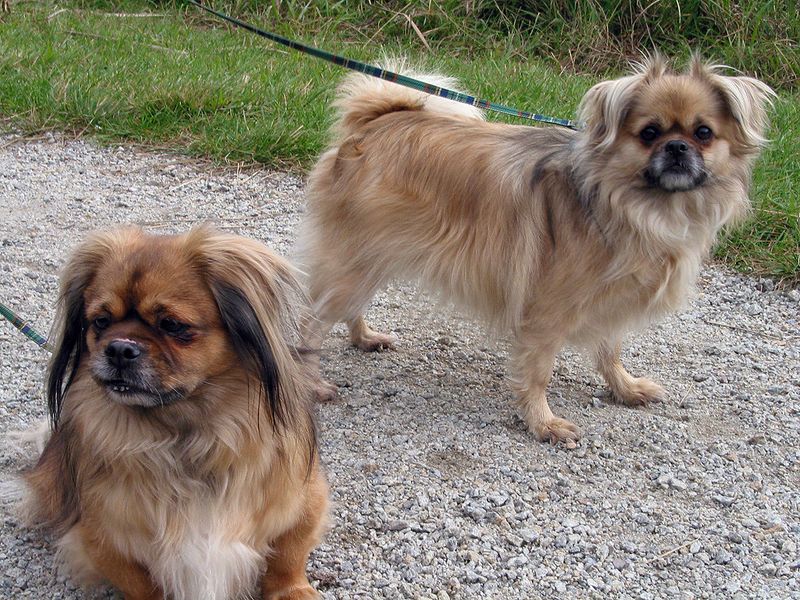
Tibetan Spaniels are observant perch sitters who enjoy quiet structure. Offer window time balanced with short, curiosity walks.
Keep training light and playful with targeting and platform games.
They can be sensitive, so use gentle reinforcement and breaks. Rotate puzzles to prevent boredom without amping them up.
Teach a solid recall and simple tricks to build confidence.
Groom weekly and inspect ears and feet. Provide cozy high spots and a designated settle place.
With steady routines and thoughtful enrichment, you get a calm companion who watches the world happily.
Japanese Chin
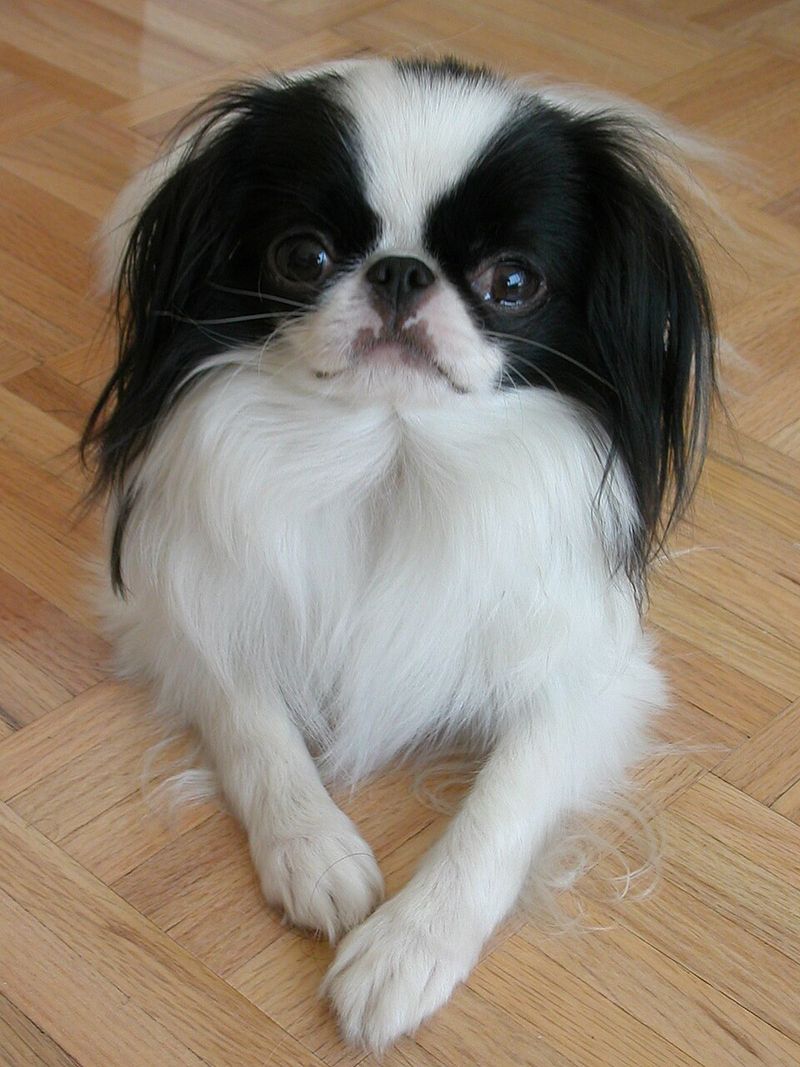
Japanese Chins are feather light charmers that prefer graceful, short activities. Plan two mini walks with sniff stops and gentle indoor play.
Trick training makes them sparkle without taxing stamina.
Because of short muzzles, avoid heat and sprinting. Use a comfortable harness and keep sessions brief and happy.
Rotate soft toys, small chews, and visual games like find it.
Regular eye and facial care keeps them comfortable. Provide quiet perches and calm guest introductions.
A predictable routine with tiny challenges keeps this elegant companion serene, social, and content.
Coton de Tulear
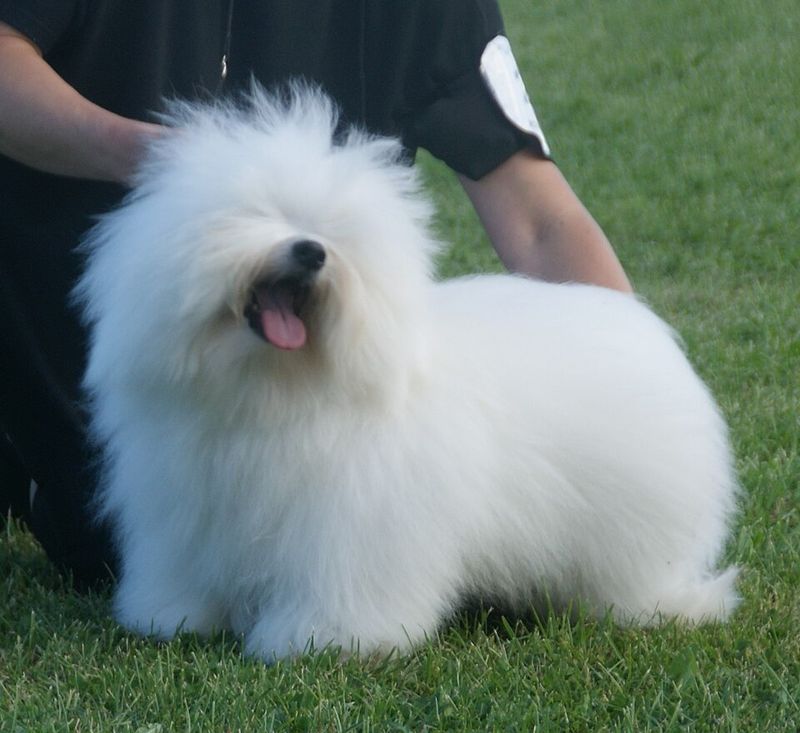
Cotons are cheerful cotton clouds with moderate needs and a love for routine. Short play bursts and strolls keep them fit without overdoing it.
Focus on engagement over mileage.
They thrive on trick training, nose work, and gentle tug. Rotate puzzle feeders and practice calm greetings to prevent yap fests.
Grooming rituals, paired with treats, build cooperation and keep coats plush.
Provide cozy rest spots and regular potty schedules. Avoid high jumps and slippery floors.
With a simple plan and consistent boundaries, your Coton stays buoyant, cuddly, and beautifully behaved.
Cavalier King Charles Spaniel
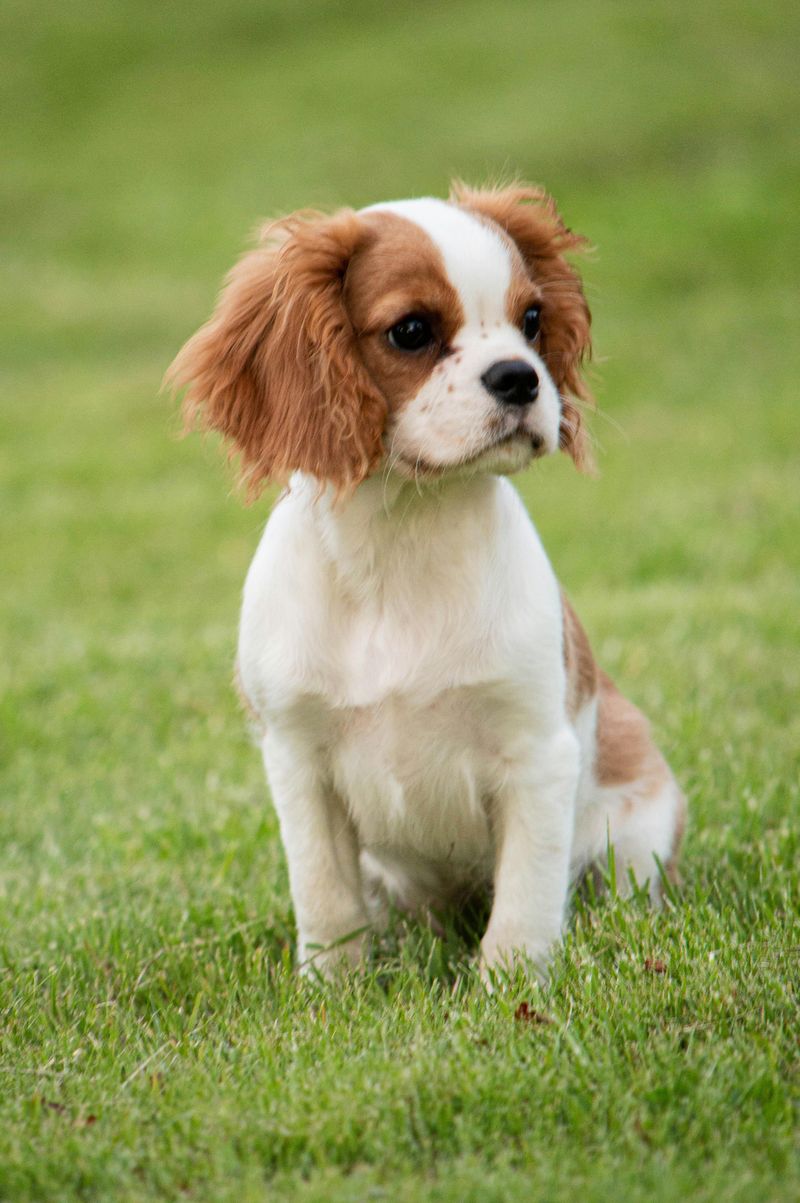
Cavaliers are affectionate and easygoing, but structure protects their hearts and minds. Keep walks short with plenty of sniffing.
Incorporate trick training and gentle fetch on grass to avoid strain.
Because of potential cardiac concerns, prioritize steady, low stress activity. Use puzzles, snuffle mats, and cooperative care practice for vet visits.
Social time matters, but manage excitement with settle cues.
Maintain a healthy weight and regular vet checkups. Provide soft bedding and calm routines between play.
With consistent, kind guidance, a Cavalier stays cuddly, confident, and pleasantly low key.