Choosing a dog by sex sounds simple, but the details can surprise you once real life begins. Small differences in hormones, social tendencies, and training style can shape daily routines more than you might expect.
Before you fall for a cute face, it helps to understand where sex matters and where it truly does not. If you want fewer surprises and a smoother fit, these insights will guide your choice with confidence.
Males are often physically larger
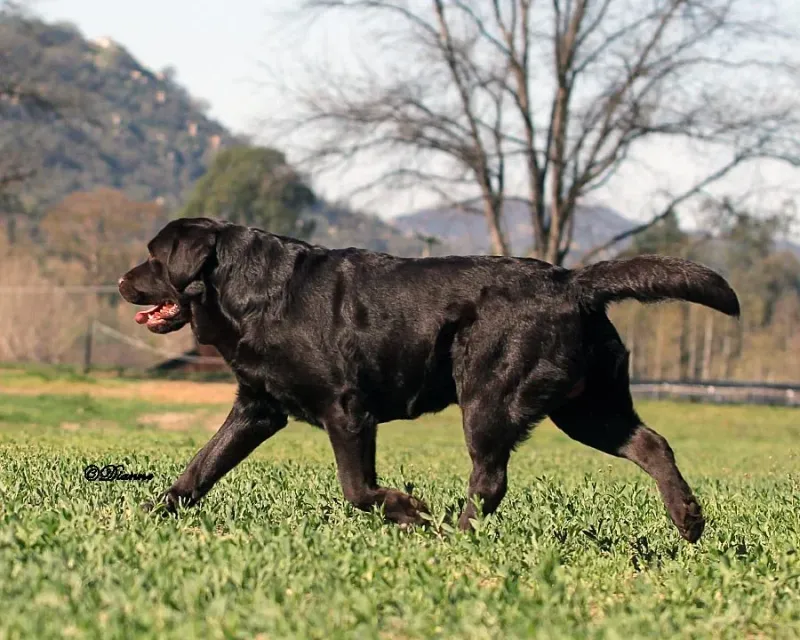
You will notice size first when comparing many male and female dogs. In numerous breeds, males grow a bit taller, carry broader heads, and pack extra muscle, which can affect leash handling and space needs at home.
That larger frame may come with heavier food costs and orthopedic considerations as joints mature.
If you prefer an easier lift into the car or onto the exam table, a smaller female in that breed might fit your lifestyle better. However, size overlaps are common, and well bred females can be quite sturdy too.
Focus on individual build, parents, and growth charts so you pick a companion your body can comfortably support. Over years, your back and schedule will quietly thank that choice.
Females may mature faster emotionally

Many adopters notice female puppies settle sooner during adolescence. They can display earlier impulse control, shorter tantrum phases, and a quicker willingness to check in during busy environments.
That early steadiness may help households with kids or apartments where calm recovery after excitement matters.
Do not assume this makes training automatic. You still need structure, clarity, and generous reinforcement to shape great habits that last beyond puppyhood.
If you like smoother day to day routines, a female from lines known for biddability could save headaches, but always meet the individual dog and confirm that her temperament matches your pace. Ask breeders or shelters about teenage behavior, noise sensitivity, and recovery after stress.
Those clues predict resilience in your everyday life.
Males are more likely to roam if intact

An intact male may follow his nose far beyond your fence when females are in heat nearby. Scent can overwhelm recall skills, turning a quick potty break into an unplanned neighborhood tour.
That drive also fuels marking along routes, so consistent management and early training become critical.
If you adopt a male, invest in secure fencing, a reliable long line, and a rock solid recall game. Neutering often reduces roaming, yet habit and reinforcement history still matter.
Plan enrichment that tires the brain and body, schedule sniffy walks, and reward check ins so staying close competes successfully with powerful instincts. Microchip, visible ID, and gate checks provide layered safety when curiosity spikes unexpectedly.
Practice door manners daily to prevent bolting.
Females can be more independent in some breeds
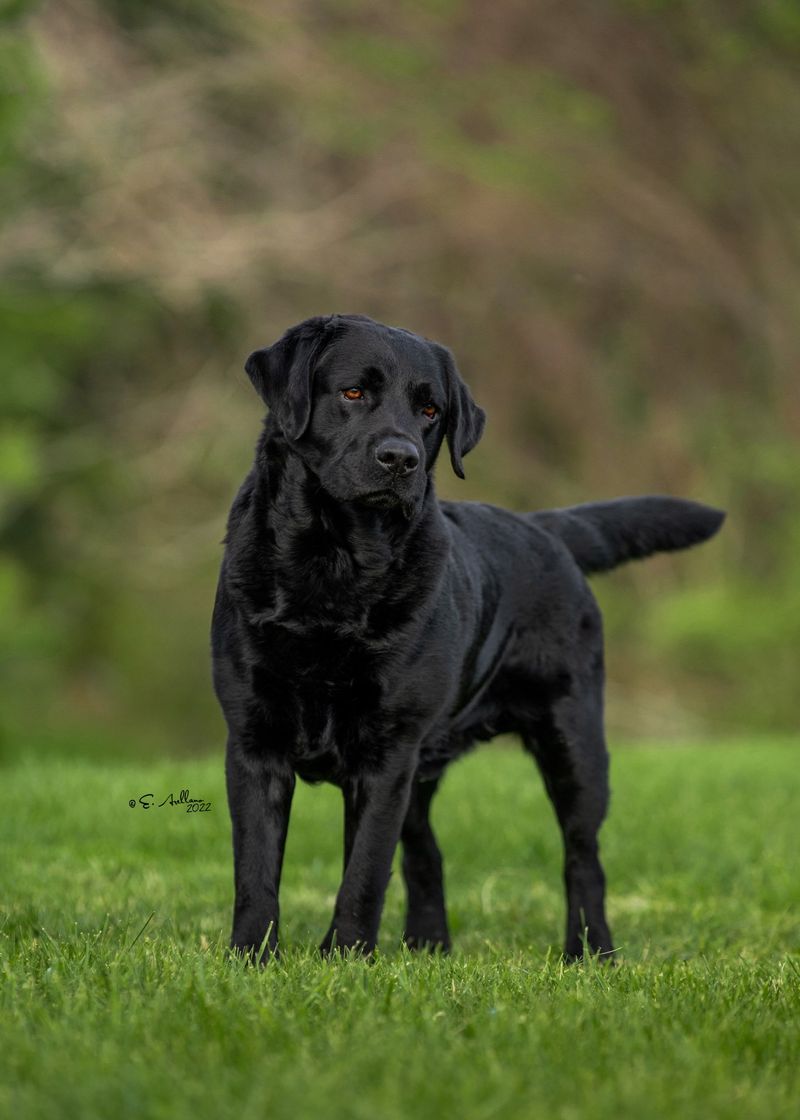
In several working and northern breeds, females can run more self directed, scanning terrain and choosing tasks without constant handler input. That independence feels brilliant when you want a dog that copes confidently in new places.
It can also mean slower response to cues during distractions if rewards are not valuable enough.
You can thrive with this trait by teaching strong lifeskills like settle, place, and cooperative care. Use novel food puzzles, scent games, and choice based training so your dog buys into teamwork.
If you prefer velcro vibes, ask for a female from lines known for softness, or consider a male in that same breed. Meet parents, observe independence, and match energy to your daily plans before you commit.
Males often seek more physical affection
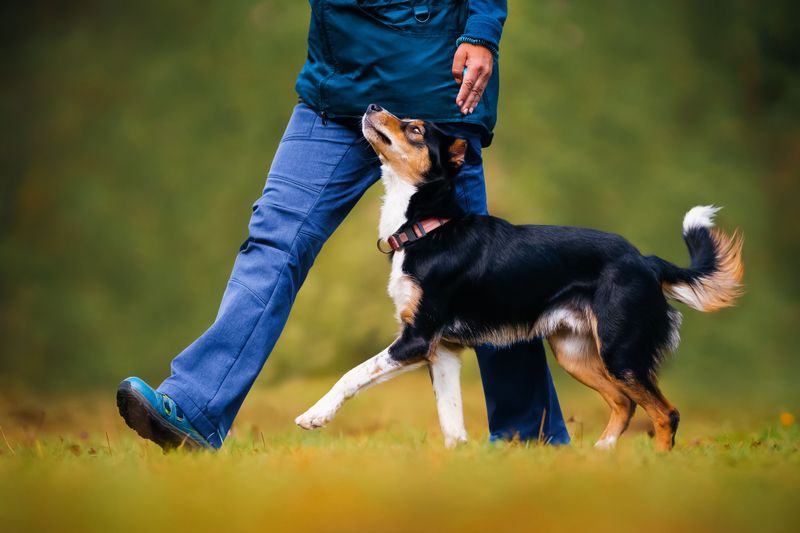
Plenty of males lean hard into cuddles, belly rubs, and sprawling right against your legs during movie night. That contact seeking can feel rewarding after a long day, especially if you enjoy a shadow following from room to room.
It may also raise separation frustration, so practice alone time early.
Balance affection with training that builds independence, like settle on a mat and relaxed crate hangs. Offer play, sniffing, and problem solving so touch is not the only currency your dog values.
If constant cuddles sound perfect, a friendly male from stable lines could be a dream, provided boundaries and routines stay consistent. Teach a go to bed cue for visitors and busy work from home days.
It helps everyone.
Females may be easier to manage around other females

In group settings, some females negotiate social space with fewer blustery displays, especially when spayed and well socialized. That can simplify playdates and boarding if your circle includes several female dogs.
Still, personalities drive outcomes, and resource guarding or tension around high value spots can appear in any sex.
Set clear rules for toys, gates, and food areas, and rotate high value items. Choose neutral meeting locations, support loose body language, and interrupt sticky moments early with cheerful redirection.
If your household already has a queen bee, plan slow introductions and parallel walks so trust accumulates before close contact changes the vibe. Consult a trainer if tension lingers, and prioritize safety over speed during every transition.
Small wins build confidence.
Hormonal behaviors differ significantly
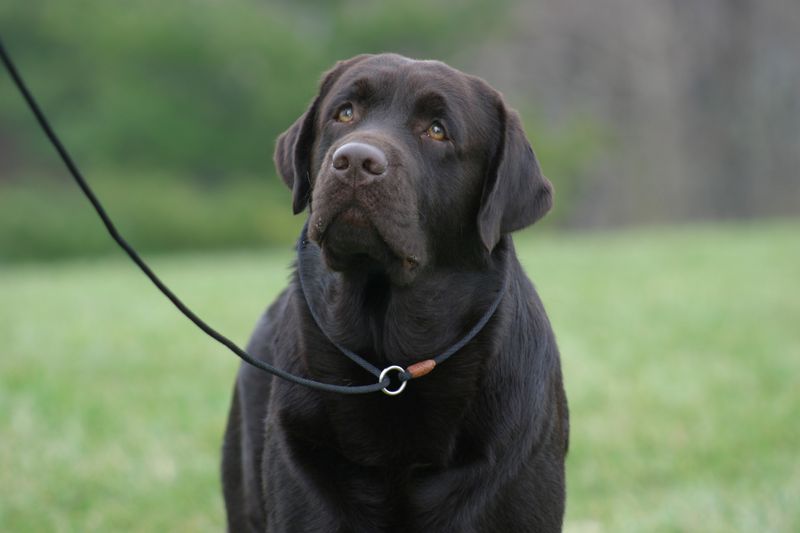
Sex hormones influence behaviors like marking, mounting, reactivity, and sensitivity to other dogs. Intact males may advertise boldly, while intact females can cycle with mood shifts, appetite changes, and altered sociability.
Those patterns ebb and flow, so what you see in spring might differ from late summer or after a false pregnancy.
Talk with your vet about timing for spay or neuter based on growth plates, cancer risks, and behavior goals. Track behavior in a simple journal so you can separate training gaps from hormone waves.
If family routines require stability, plan management around cycles, and use enrichment to soften spikes in arousal or frustration. Communication with breeders or shelters can clarify history and expected timelines for typical cycles ahead.
Training responsiveness varies by individual and breed
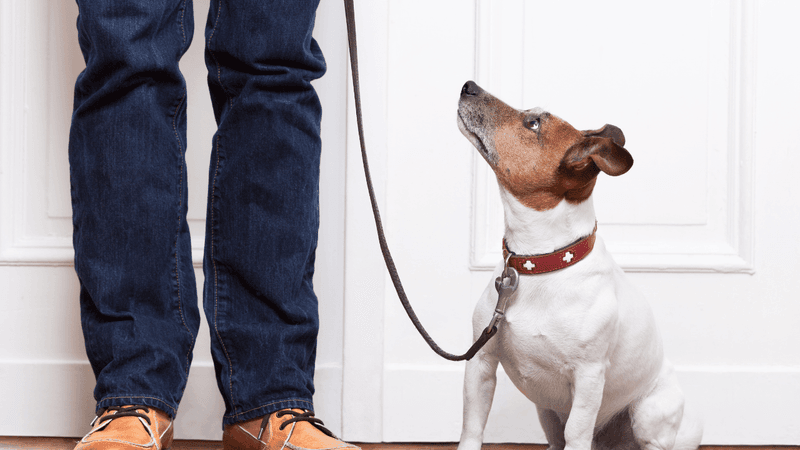
Some dogs snap to cues like magnets, while others pause to evaluate the deal on the table. Breed tendencies play a role, yet reinforcement history and clarity from you shape most outcomes.
If rewards are meaningful and criteria are fair, many so called stubborn dogs learn with enthusiasm and surprising speed.
Test drives help. Try short sessions with varied treats, toys, and sniff breaks to see what unlocks focus.
If you crave quick responsiveness, target lines bred for cooperation, but remember to maintain novelty, break tasks down, and celebrate tiny wins so responsiveness stays strong under stress, strangers, rain, and squeaky distractions. Document progress weekly, adjust reinforcers, and protect confidence by keeping failure rates low.
Consistency multiplies every finished behavior.
Same-sex dog conflicts can occur in both sexes

Households sometimes experience friction between two males or two females, especially around maturity or resources. Conflicts are not guaranteed, but they can escalate if pressure builds without release valves.
Early pattern recognition helps you step in before hard stares, blocking, or repeated scuffles become a dangerous new normal.
Choose compatible personalities, create decompression time, and manage thresholds with gates and leashes. Teach clear recalls, stationing, and swaps so you can pivot smoothly during hot moments.
If tensions rise, bring in a qualified trainer sooner rather than later, and prioritize safety planning, insurance checks, and vet rule outs for pain. Record incidents, note triggers, and adjust routines before resentment hardens into patterns that are tough to unwind.
Prevention beats repair every.
Energy levels depend more on breed than sex

When you picture daily life, breed energy tells the real story far more than gender. A high drive herding dog will outpace a laid back toy breed regardless of being male or female.
Matching energy to your schedule protects sleep, furniture, and relationships with neighbors who prefer quiet evenings.
Audit your week honestly. Minutes of exercise, hours of rest, typical noise, and access to green spaces all influence success.
If you crave long hikes and sports, pick a worker and plan outlets. If movie nights rule, choose a calmer companion, then enrich with puzzles so needs are met without constant motion.
Talk to owners in the breed, visit activities, and watch off switch behavior in everyday homes before deciding anything.
Personality matters far more than gender alone

When the dust settles, you are adopting an individual with quirks, strengths, and coping strategies, not a stereotype. Meeting dogs in varied contexts reveals curiosity, resilience, sociability, and recovery time after stress.
Those snapshots tell you whether adventures, kids, or downtime fit best for that one unique heart.
Ask thoughtful questions, review history, and trust your gut while still honoring professional guidance. Prioritize fit over labels, then write training plans that celebrate what your companion does well.
If a spark appears, pause, breathe, and imagine daily life together. The right match feels easy in moments and manageable during challenges.
Choose with compassion, commit to learning, and your dog will meet you more than halfway, across seasons, setbacks, triumphs, and routines.