
Bringing home a dog is exciting, and a little scary too. Training helps your new friend learn how to live in your world, and it helps you understand them.
Some breeds make this teamwork feel natural because they are curious, eager, and enjoy working with people. Here are friendly dogs that often help beginners succeed.
Labrador Retriever
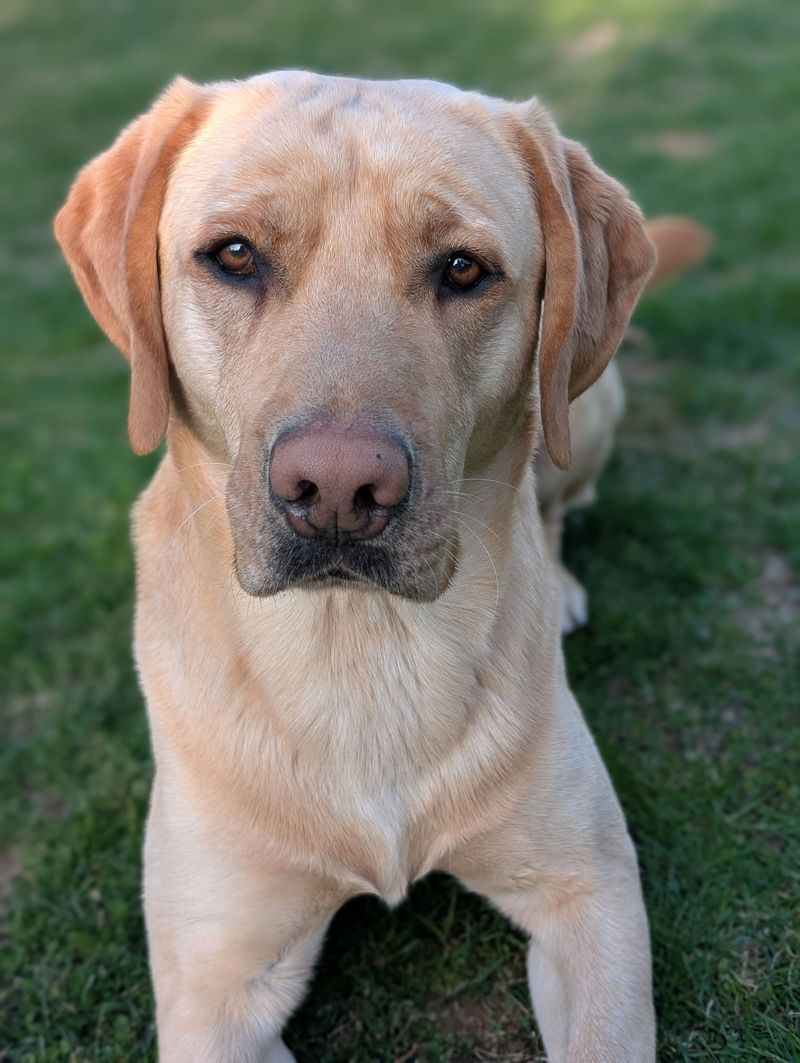
With a smile that greets the whole block, Labradors make training feel like playtime outdoors. Food rewards and a cheerful voice keep their tails going too.
Short, daily lessons fit their really big energy and curious noses.
Start with sit, stay, and leash manners around mild distractions. Puzzle feeders and fetch breaks prevent boredom, and many families love how Labs read feelings and try again.
Consistency, kindness, and clear cues turn that eagerness into habits.
Golden Retriever
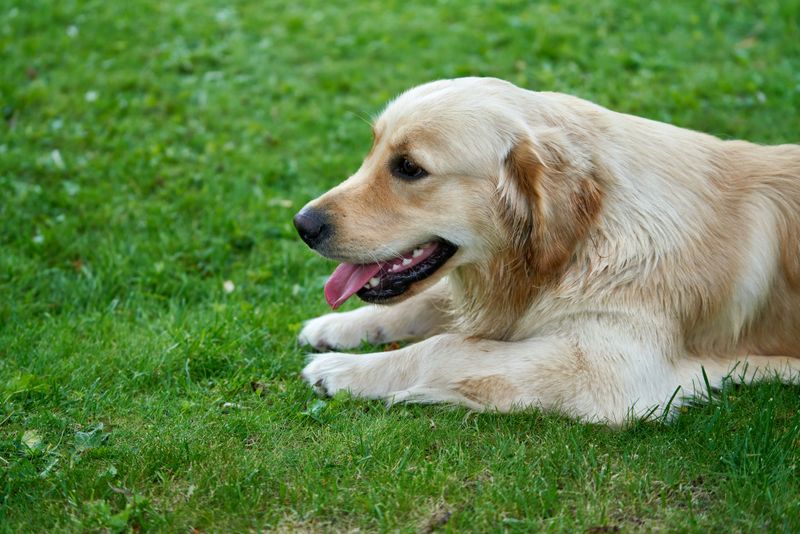
A gentle grin and soft eyes invite you to teach one more trick. Goldens love praise almost as much as they love your company.
Keep sessions upbeat, and they will shine back at you.
Introduce calm greetings, loose-leash walking, and reliable recall in quiet spots first, then add kids, bikes, or doorbells slowly. A soft mouth makes toy rewards easy.
Brush often, wipe ears, and schedule breaks so excitement stays balanced and learning feels steady.
Havanese
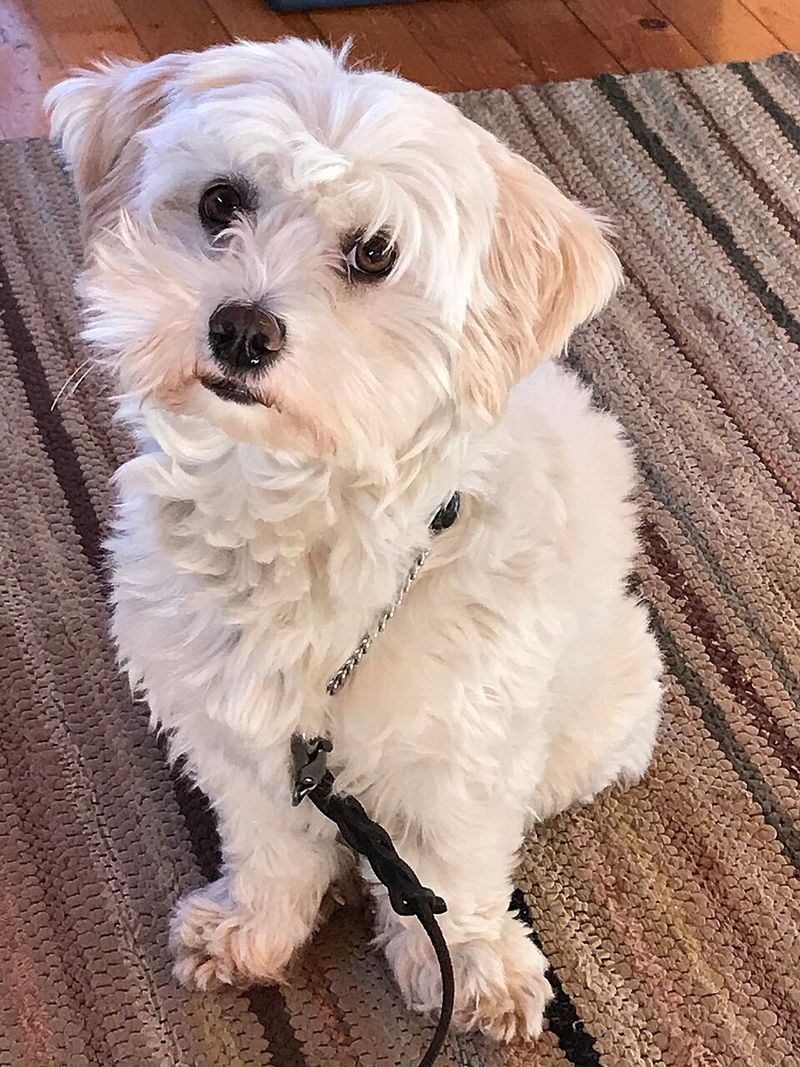
Tiny paws, big heart, and a love for eye contact make the Havanese a classroom buddy at home today, happily. They follow your mood closely, so gentle coaching builds trust fast.
Practice short tricks like touch, spin, and down on soft rugs, and rotate squeaky toys and treats to keep attention. Because they can be clingy, teach place and cheerful alone-time games.
A travel-friendly size helps you train in cafes, parks, and hallways without stress.
Papillon
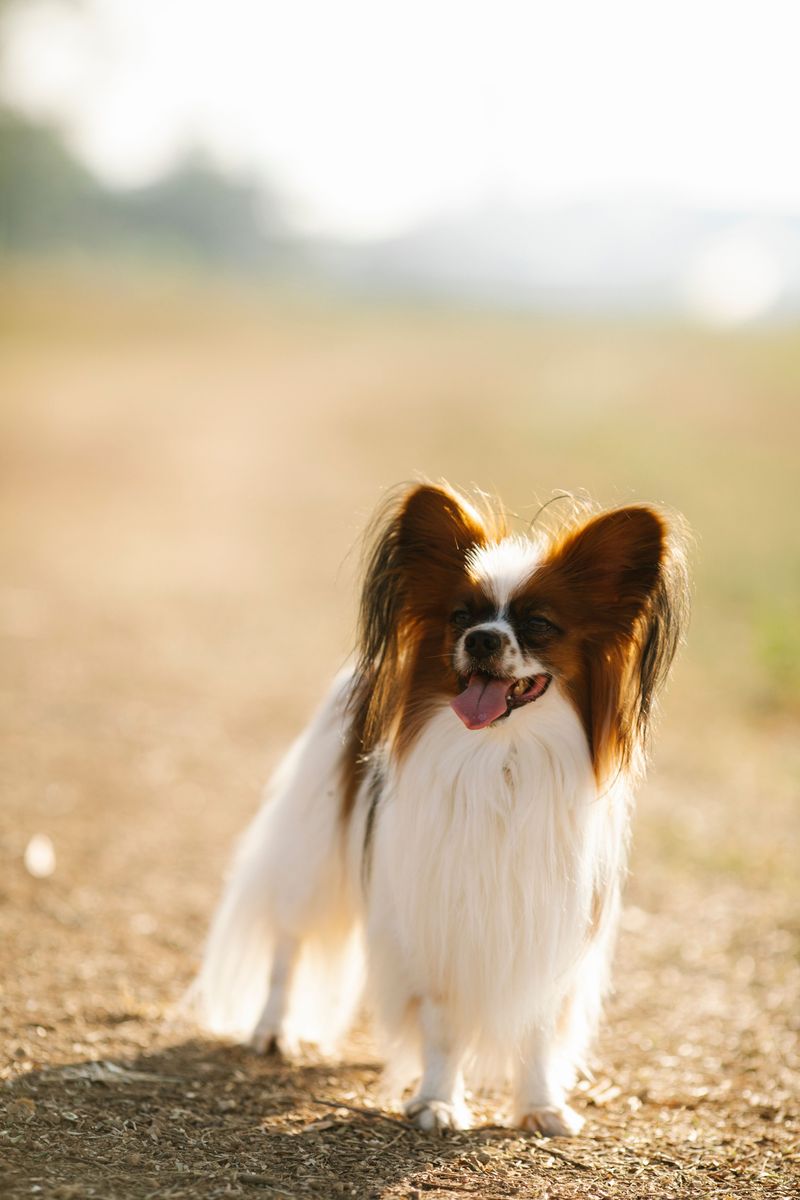
Butterfly ears are not just very cute, they act like little radar dishes during training. Quick learners by nature, Papillons enjoy puzzles and light-footed games.
Teach targeting with a spoon, tiny jumps with books, and confident stays on a mat. Keep sessions breezy and reward curiosity, and because they are small, protect joints by using low heights and soft landings.
A stroller or backpack lets you practice behavior in busier places without overwhelming your partner.
Miniature Schnauzer
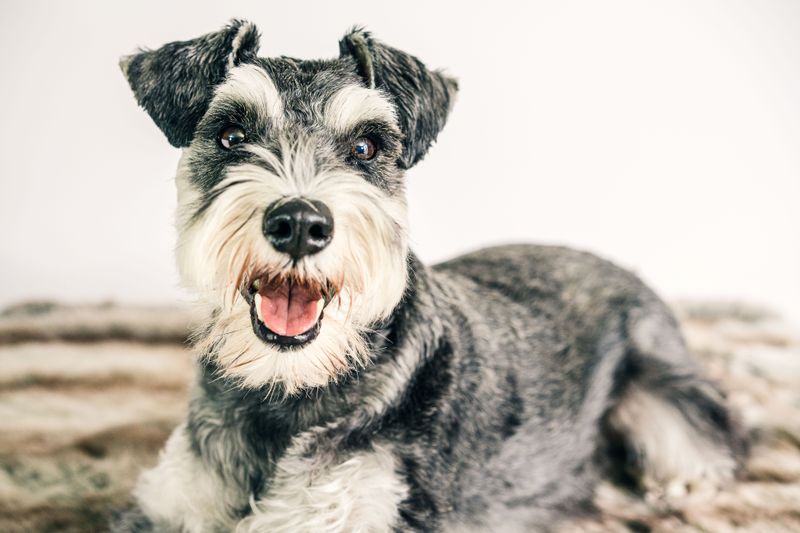
Those eyebrows look like a tiny professor, and the brain matches the outfit. Mini Schnauzers love clear jobs, brisk walks, and a bit of chatter from you.
Begin with impulse control games before fetch or tug; ask for a sit, then release to the fun. Barking can spike with excitement, so reward quiet moments and provide sniffy routes.
Grooming time doubles as training time, as you teach stand, chin rest, and calm paws for clippers.
Standard Poodle
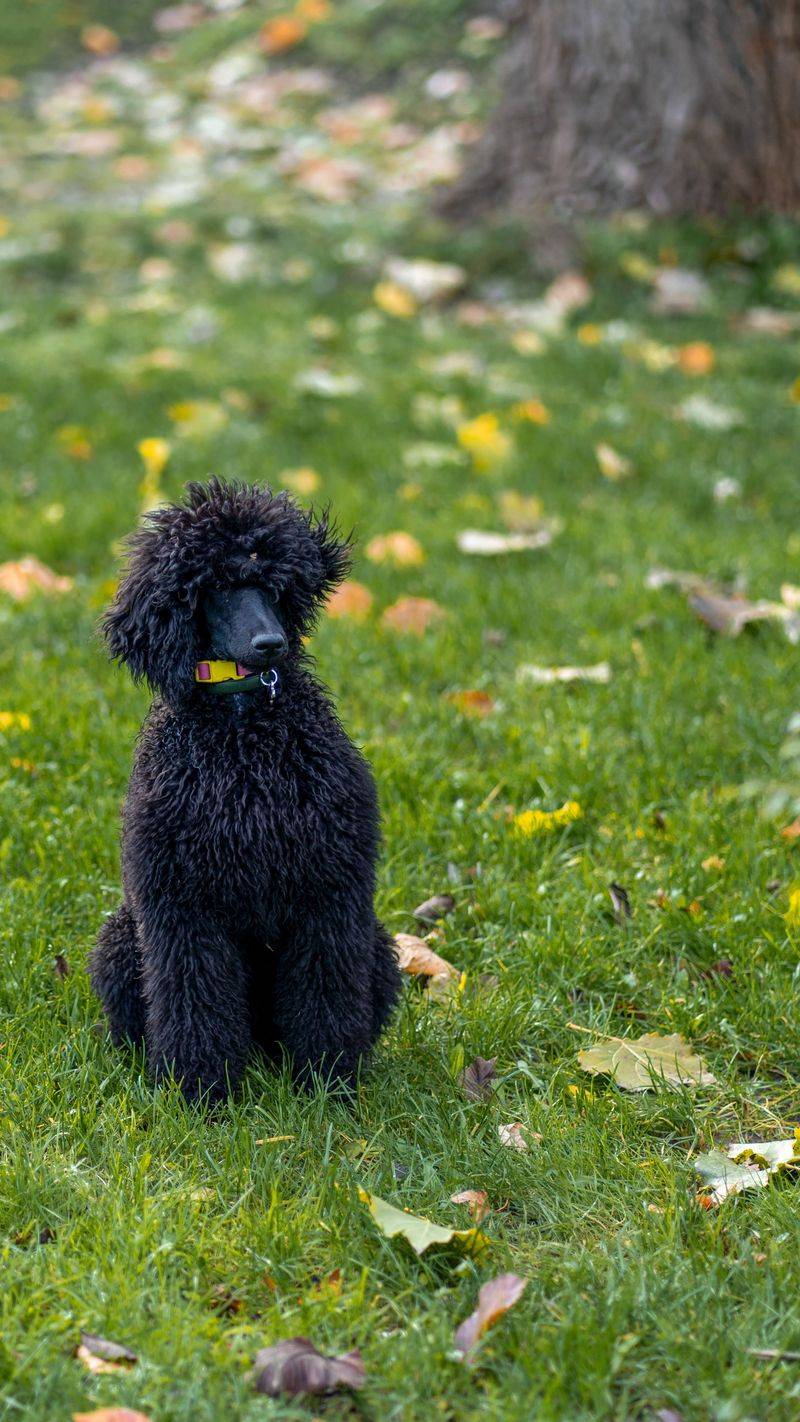
Elegance meets goofball during training sessions with a Standard Poodle. They notice patterns fast and thrive when lessons feel like a clever game.
Mix obedience with nose work, hide-and-seek, and trick chains, then rotate rewards from tug to treats to a splash if your dog likes water. Their coat needs maintenance, which becomes easier when you teach cooperative care.
Try chin targets, consent cues, and grooming stations so appointments feel calm and your bond grows.
English Cocker Spaniel
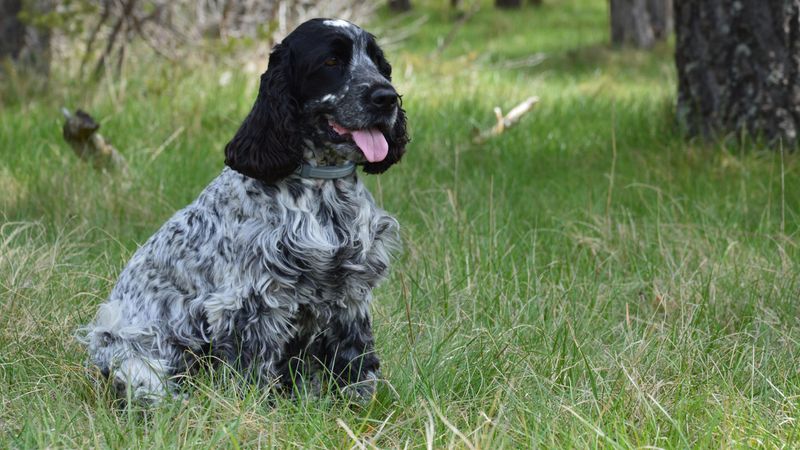
Those soulful eyes hide a spirited student who loves a good field romp. Cockers learn best when lively movement and sniffing join the lesson.
Teach recall with playful chases, then swap to you as the prize, using soft treats, gentle handling, and regular ear checks to prevent tangles and soreness. To calm excitement, add settle on a mat between games.
A long line in parks gives freedom while you build safety, trust, and beautiful responsiveness.
Boston Terrier
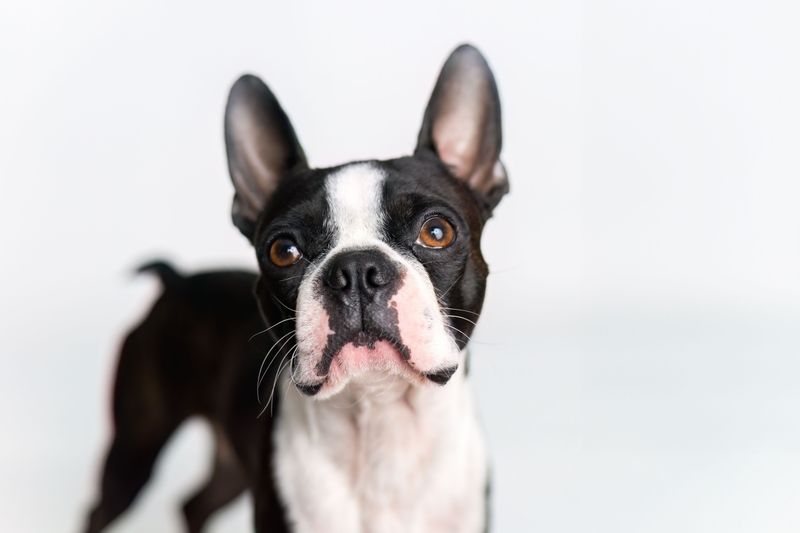
A clown in a tuxedo, the Boston Terrier turns lessons into laughter. Big eyes watch your hands carefully, so gestures help a lot.
Keep training short and breezy to match their bursts of energy. Teach polite greetings and calm settle spots to balance zoomies.
Because snub noses can overheat, practice indoors on hot days and use frequent water breaks; toys that squeak or bounce add focus, and a harness protects their neck during city walks.
Bichon Frise
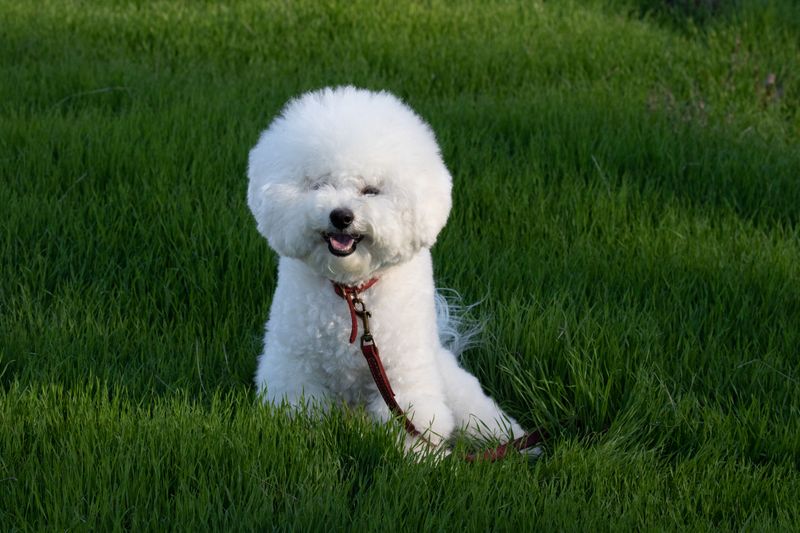
Cloud-soft curls and a happy bounce make the Bichon a natural for cheerful lessons. They thrive on attention and light humor from their people.
Shape behaviors with many tiny wins, marking quiet, sit, and check-ins, then celebrate with a toy parade. Because grooming is frequent, train table manners early using treats and calm music, and teach chin rests for combs.
Short sessions with breaks work best, and pet-friendly store visits build confidence and social skills.
Pembroke Welsh Corgi
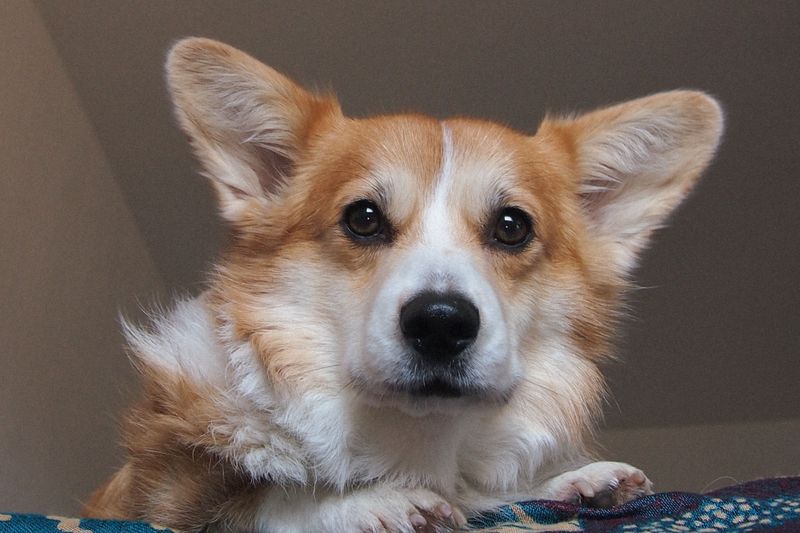
Short legs, big opinions, and a sparkle that says teach me something fun today. Corgis are quick thinkers who enjoy clear rules and silly games.
Use herding roots to your advantage by practicing heel, front, and go to mat, and use food puzzles to burn brain energy, with tug as a reward after focus. To prevent nipping during excitement, cue a toy grab and reward calm.
Keep joints safe with low jumps and stair habits.