
If your dog struggles to settle, mat training might become your favorite everyday superpower. Think of it as teaching an off switch your dog can use anytime, anywhere.
With a simple mat and consistent cues, high-octane breeds learn to relax on cue without constant micromanaging. Here are the dogs owners say benefit most and exactly how a chill spot can change your daily routine.
Dalmatian

Dalmatians are energetic road companion dogs who can ping around the house when excitement spikes. A mat gives structure, telling your spotted athlete that off-duty time has started.
Start by rewarding any foot touching the mat, then build duration and calm breathing. Pair a clear cue like place and add quiet treats to reinforce stillness.
Practice during predictable triggers, like doorbells or post-walk zoomies, so your Dalmatian rehearses settling instead of pacing. Keep sessions short and upbeat, then release with a cheerful break word.
Over time, the mat becomes a portable pause button you can bring to cafes or friends’ homes. Consistency and patience turn that spark into steady glow.
Doberman Pinscher
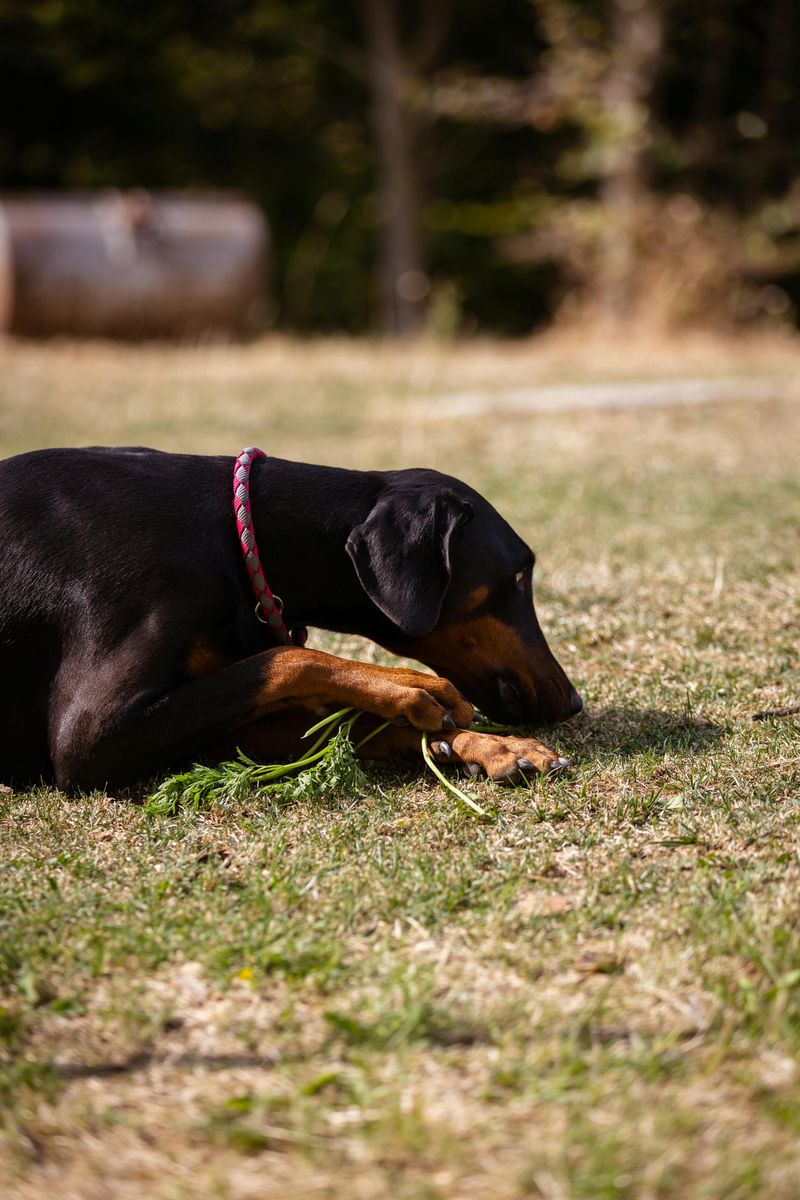
Dobermans are brilliant problem solvers who often anticipate your next move. Without structure, they can become restless watchdogs inside the home.
Teach the mat as a job: go, lie down, breathe, and observe quietly. Pay generously for calm eyes, soft hips, and chin on paws.
Use low-arousal treats to prevent revving up during rewards.
Gradually add distractions, like family members walking by or light kitchen noise, while your Doberman stays anchored. Keep criteria clear and avoid nagging.
A reliable release cue helps them switch modes smoothly. Bring the mat to training classes and patios so the off switch generalizes.
The result is a confident guardian who can fully relax when nothing demands action.
Boxer
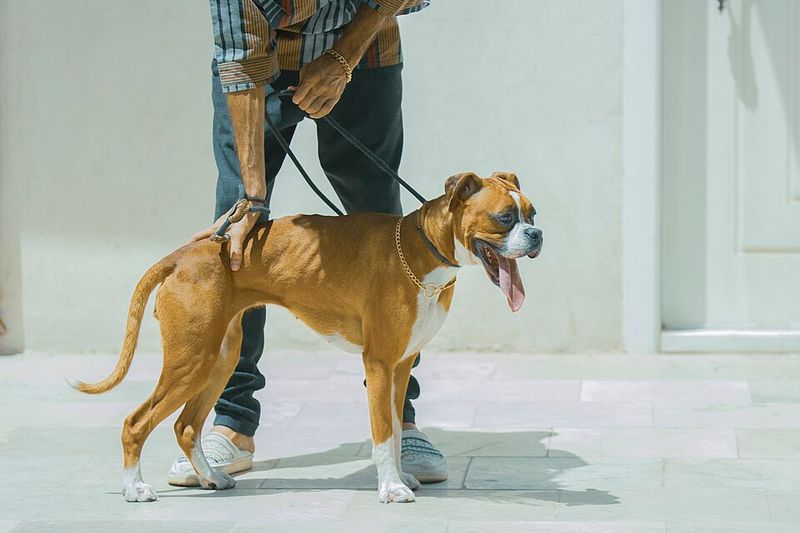
Boxers are joyful clowns with spring-loaded energy. That same bounce can make downtime hard without a clear target.
Introduce the mat as a party zone for calm: treat the first steps on, then add a down and soft petting when relaxed. Keep your voice gentle and your movements slow to avoid triggering play.
Use the mat during TV time, meal prep, and guest arrivals, creating predictable rest rituals. Reward longer exhales and flopped hips.
If your Boxer pops up, calmly reset rather than scolding. Short, frequent sessions outperform marathons.
Once the pattern sticks, bring the mat to breweries or soccer sidelines. You will see faster transitions from go-go-go to polite chill.
Belgian Malinois
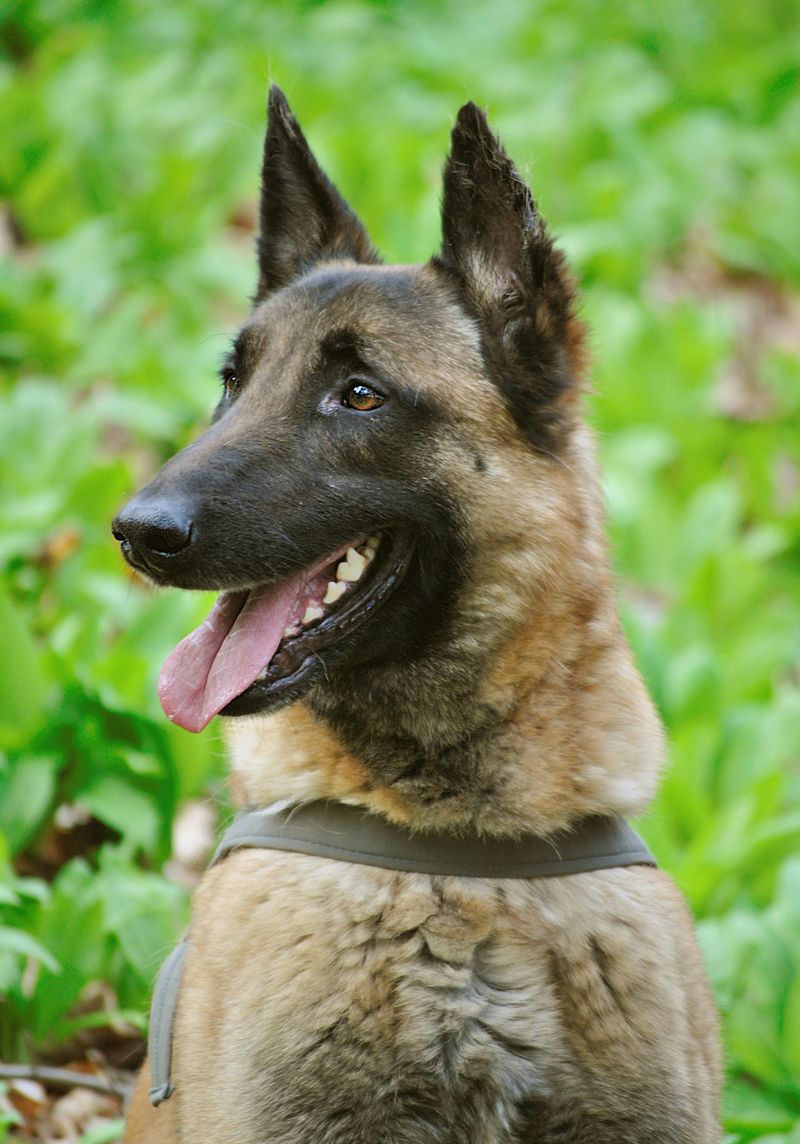
Malinois thrive on work and can struggle to downshift without direction. A mat provides that essential boundary, converting drive into composure.
Start with high-value rewards for rapid downs on the mat, then reinforce stillness rather than intensity. Keep tug toys out of sight initially to avoid arousal spikes.
Use place while you move around purposefully.
Add duration through micro-challenges: light footsteps, door opens, picking up gear, then sitting quietly. If tension creeps in, lower criteria and breathe with your dog.
Balance exhausting drills with soothing mat sessions. Eventually, the mat becomes a mobile control station you can rely on anywhere.
This gives your Malinois clarity and your household peaceful balance.
Australian Shepherd
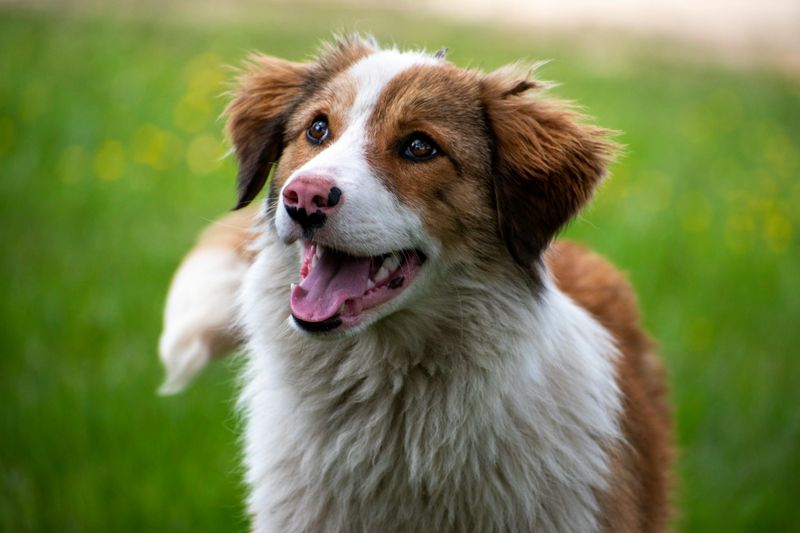
Aussies love supervising everything, which can keep them mentally buzzing long after activity ends. The mat becomes a quiet job that channels that need to work.
Mark and reward any contact, then reinforce a relaxed down with slow feeding. Gradually add movement, like you walking to the fridge, while your dog maintains position.
Use the mat during chores, kids’ homework time, and when guests arrive. Incorporate sniffable chews sparingly to extend duration without overstimulating.
Avoid making the mat a punishment. Instead, make it the easiest route to comfort and attention.
With consistency, your Aussie will start choosing the mat independently, proving that off duty can be just as satisfying as herding your living room.
German Shepherd Dog
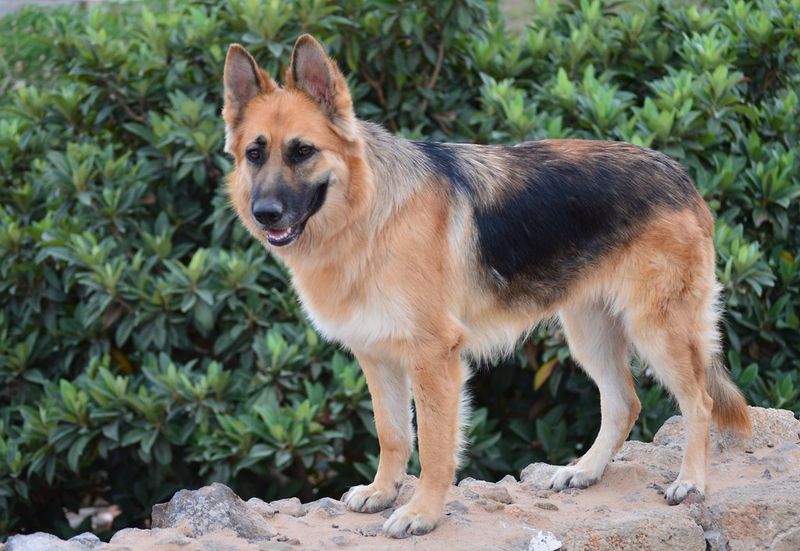
German Shepherds are perceptive and loyal, often monitoring every sound. That vigilance can become restlessness without a clear off switch.
Teach the mat as a safe observation post. Reward eyes softening, ears relaxing, and steady breathing.
Use calm, consistent cues and avoid repeating commands. Short, frequent rehearsals build automatic responses faster than marathon sessions.
Introduce mild distractions like opening cabinets or walking past windows, then gradually increase intensity. Pair mat time with a predictable evening routine to help your dog decompress.
Bring the mat to training class and outdoor seating so the behavior generalizes. Soon, your Shepherd will settle confidently on cue, conserving energy for real tasks and giving your home a peaceful rhythm.
Vizsla
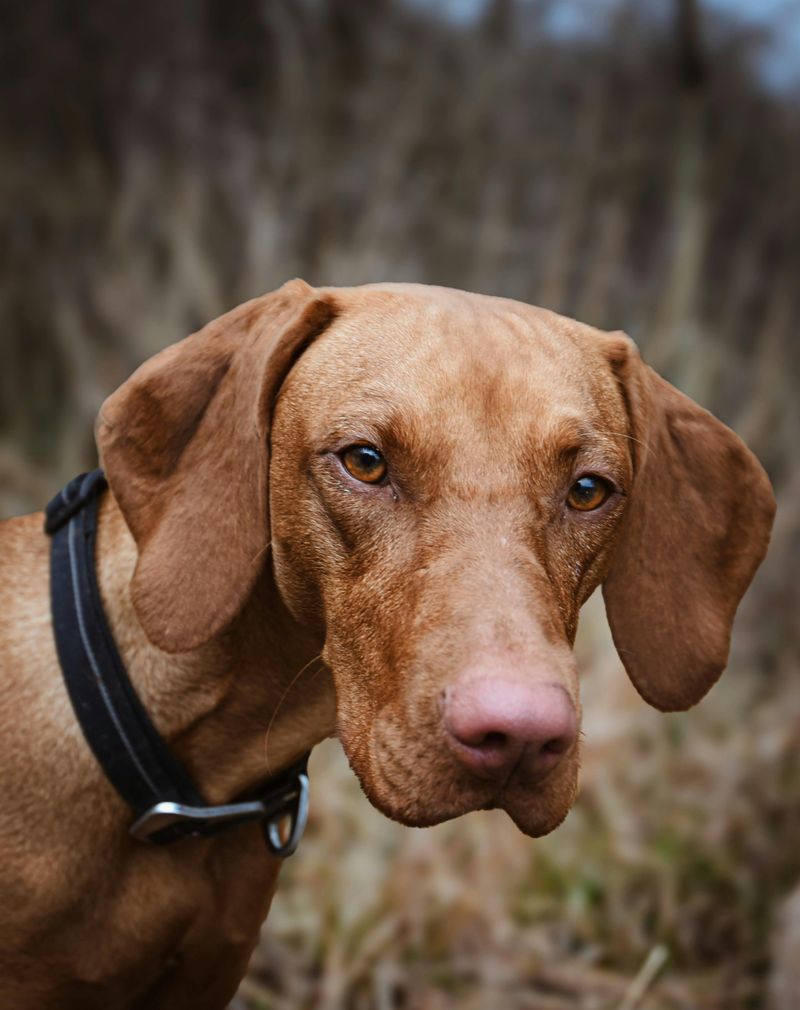
Vizslas are affectionate shadows who love staying glued to you. That closeness can translate into pacing or whining when you need stillness.
A mat creates gentle distance without emotional disconnection. Lure onto the mat, reward a down, then drip-feed calm treats as long as elbows stay anchored.
Breathe slowly to set the tone.
Build duration while you answer emails or read. If your Vizsla breaks, simply reset with minimal chatter.
Keep sessions positive and brief, increasing difficulty gradually. Travel with the mat to help in hotels or at relatives’ houses.
Over time, the mat becomes a comforting signal of predictability and safety, giving you both space while preserving that tender bond.
Weimaraner
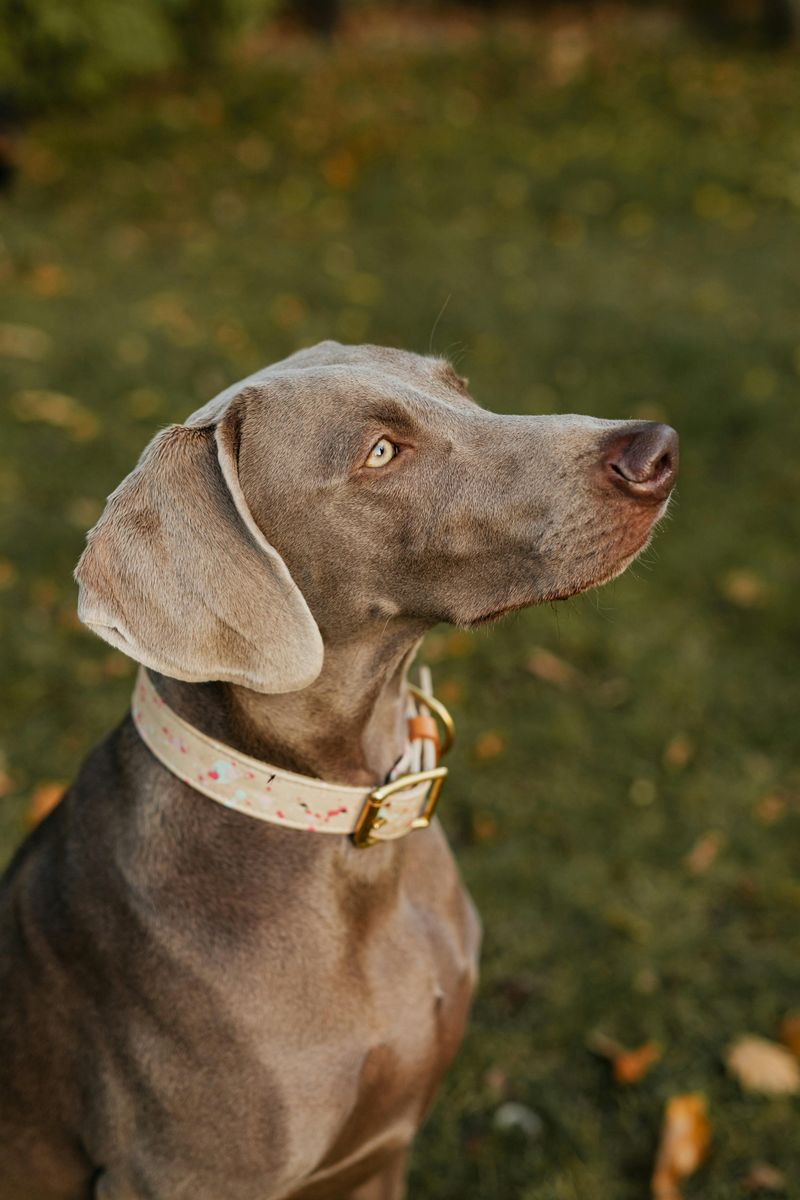
Weimaraners are smart, sensitive athletes who can struggle to power down after adventures. The mat offers a soothing anchor that reduces roaming and interference seeking.
Shape the behavior step by step: touch, step on, down, then relax. Reward quietly for softer eyes and loose muscles.
Avoid high-pitched praise that reignites excitement.
Practice after exercise when your Weim is more receptive. Add light distractions, like you folding laundry, to strengthen impulse control.
If anxiety surfaces, drop your criteria and shorten sessions. Bring the mat to waiting rooms or outdoor cafes as a portable reset.
The payoff is a composed companion who can switch gears quickly, protecting energy for the moments that really matter.
Rhodesian Ridgeback
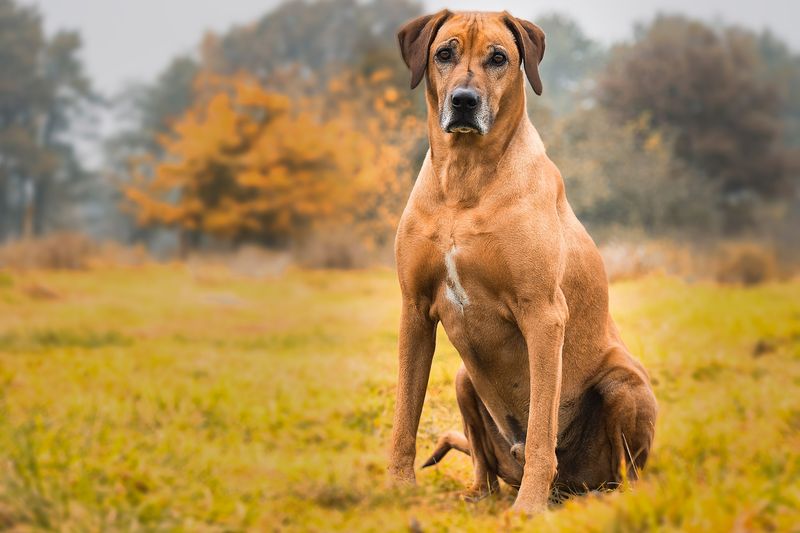
Ridgebacks are independent thinkers with serious athleticism. They can go from couch to sprint in a heartbeat, which complicates downtime.
Teach the mat as an on-purpose rest. Feed for choosing the spot, then for staying while life moves around them.
Use relaxed body language and low-key treats to keep arousal manageable.
Work near windows or doors where distractions are common. Gradually increase duration as your Ridgeback discovers rest can be rewarding.
Keep corrections minimal and information clear. Introduce a release cue so on and off become predictable.
Take the mat to barbecues and parks to prevent wandering. You will build a dog who can conserve energy without losing that noble composure.
American Pit Bull Terrier

APBTs are enthusiastic people dogs who thrive on engagement. Without direction, that enthusiasm can become fidgeting or persistent nudging.
Make the mat a positive landing pad. Reward for finding it, then for choosing a down.
Use scatter feeding on the mat to reinforce staying put while you move around the room.
Practice during meals, TV time, and guest hellos. Keep tone neutral and expectations consistent.
If excitement spikes, pause, breathe, and lower criteria. Offer chews occasionally to lengthen sessions without over arousal.
Bring the mat on errands where waiting happens. Soon, your dog will display beautiful impulse control, proving that friendly can also be wonderfully calm.
Staffordshire Bull Terrier
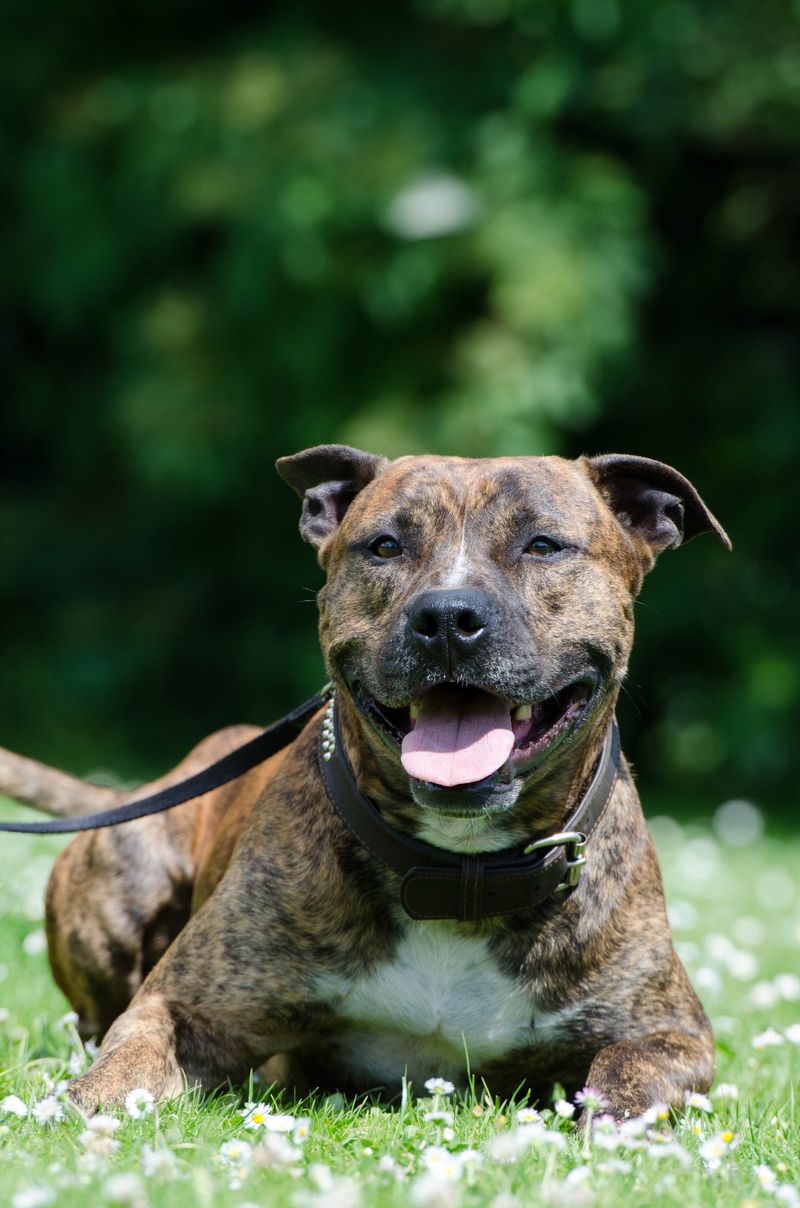
Staffies are affectionate comedians with serious enthusiasm for life. Teaching a mat settle helps channel that joy into polite stillness.
Start by clicking any step onto the mat, then pay for downs and relaxed shoulders. Keep sessions upbeat but brief to avoid frustration.
Add small challenges like you walking to the sink or opening the fridge.
Expect occasional pop-ups and simply reset without drama. Encourage slow breathing with quiet praise.
Use the mat during family movie nights and when deliveries arrive. Consistency turns the mat into a reliable cue for calm.
Over time, your Staffie will choose it independently, soaking up compliments for good manners while keeping that trademark grin.
Miniature American Shepherd
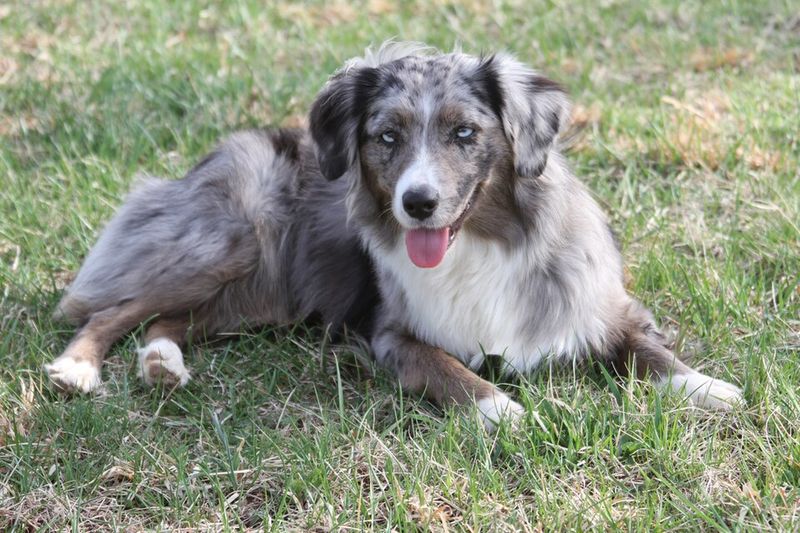
Minis are clever, busy herders who love to anticipate your plans. Without an assignment, they can fuss or shadow every step.
Turn the mat into a job that pays for stillness. Mark paw touches, then reward downs and quiet eye contact.
Keep treats tiny to avoid over excitement and reinforce longer exhales.
Practice near windows, kids’ play, or light chores to build resilience. Vary positions of the mat so your dog generalizes the cue.
Release often at first, then stretch duration. Pack the mat for travel, classes, and coffee shops to maintain predictable routines.
You will see faster settling, less micromanaging, and a happier partnership built on clarity and calm.