
You have probably seen those shocking rescue cuts on your feed, where a fluffy pup emerges from a dense, felted shell. Matting sneaks up fast, especially on certain coated breeds that look low shed but demand daily care.
Before you blame the groomer, learn what these coats need and how to prevent that heartbreaking shave. Let’s walk through the breeds owners most often underestimate, and what to do now to keep your dog comfortable and camera ready.
Old English Sheepdog
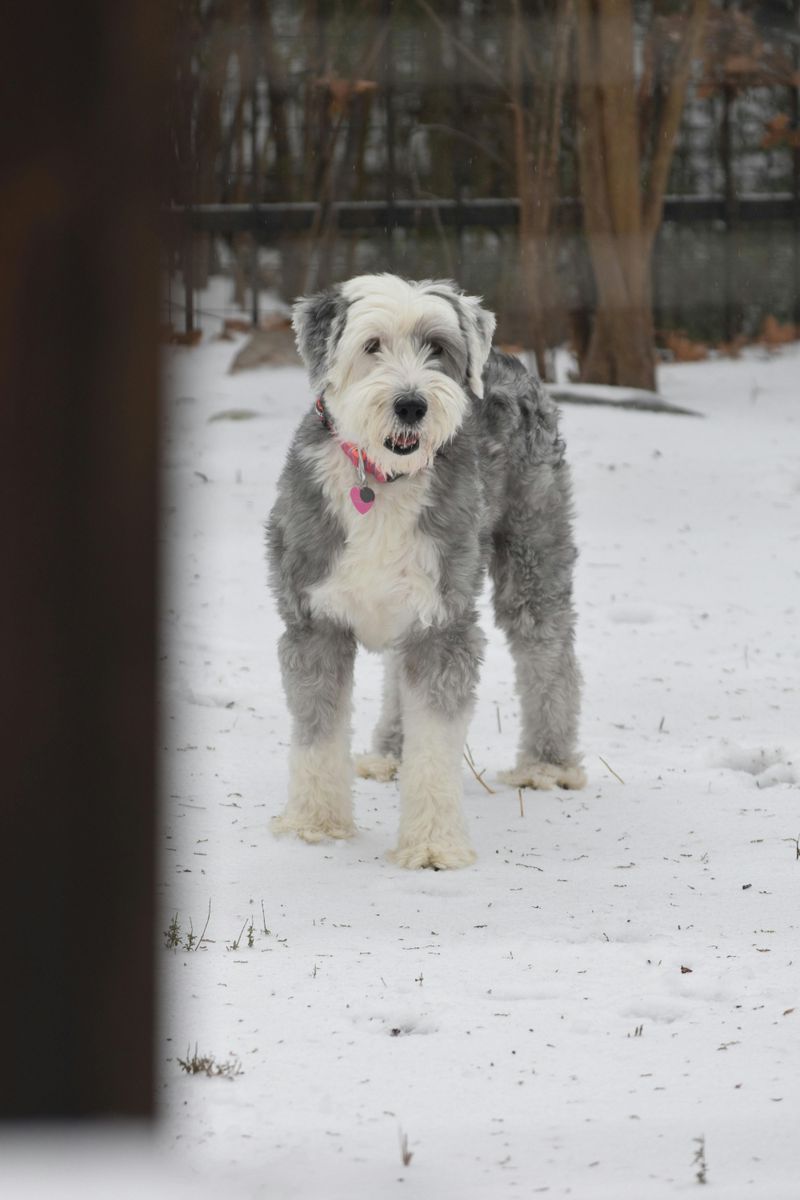
That shaggy, teddy bear coat tangles the moment dampness and friction meet. Under the cute fluff lives a dense undercoat that traps shed hair and debris, binding into tight mats behind ears, armpits, and thighs.
Weekly baths help, but only if followed by a full blow dry while line brushing from skin to tips.
Use a high velocity dryer to separate hair and a long pin brush to detangle sections. Then confirm with a stainless steel comb that glides to the skin.
Skipping tools or letting coats air dry invites pelted mats that force the dreaded rescue cut.
Bearded Collie
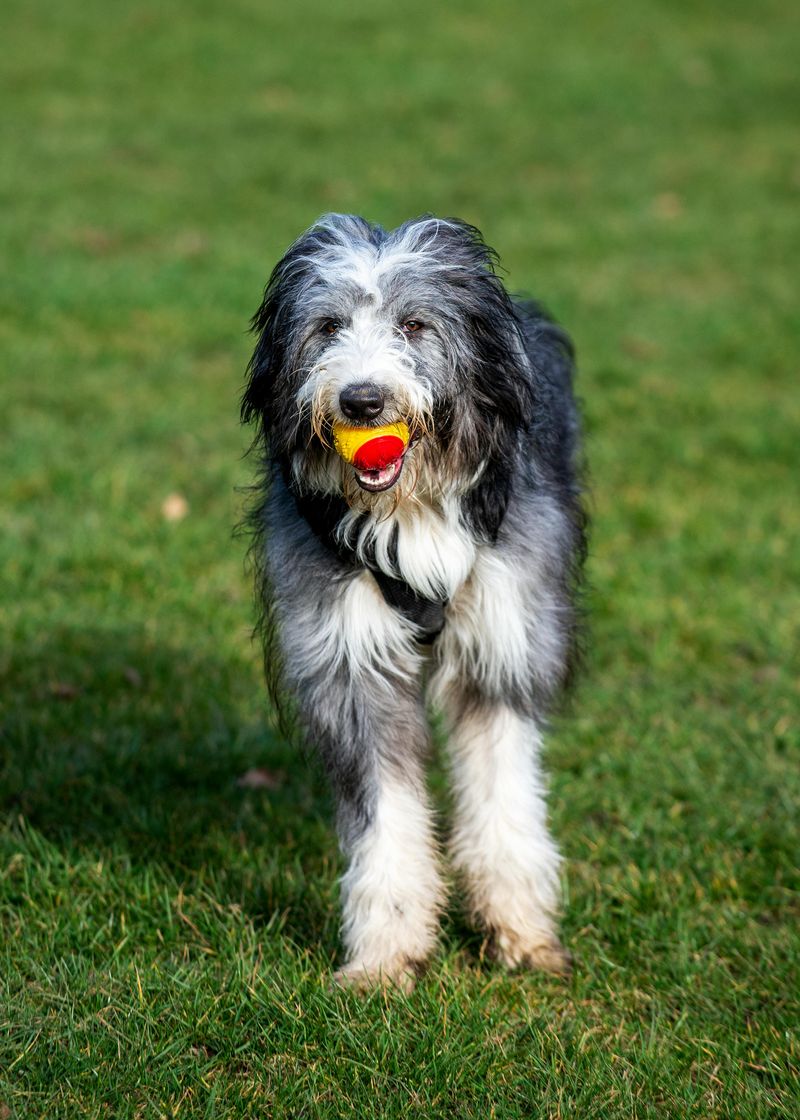
Beardies look effortless, but their silky outer coat hides a soft undercoat that weaves into knots overnight. Daily misting with a light detangling spray plus line brushing prevents friction mats around the collar, elbows, and belly.
After hikes, check the beard, feathering, and tail for burrs that start micro tangles.
Bathe every three to four weeks and blow dry completely, brushing against and with the grain. Use a conditioning rinse to reduce static and breakage.
If you fall behind, do not rip through. Work in small sections, stabilizing skin, and use a dematter sparingly.
Severe pelting calls for a humane reset cut.
Briard
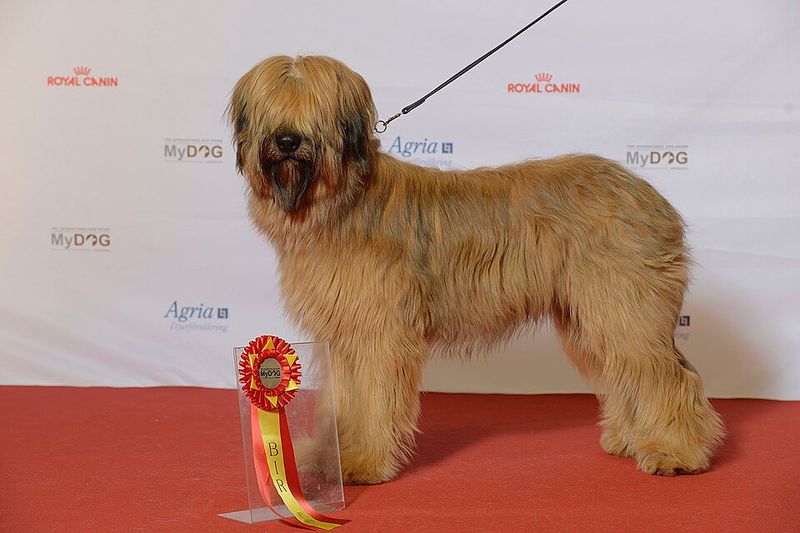
A Briard’s goat like texture fools people into thinking it is low maintenance. The coat forms felted sheets at friction points where harnesses sit and where legs meet the body.
Dirt and moisture glue fibers together if you skip a thorough dry after rain or snow.
Brush to the skin in layers weekly, then comb to confirm. Use a detangling spray and your fingers to open knots before tools.
Keep harness time short or use fleece lined gear to reduce rubbing. When mats win, shaving under the pelt is kinder than yanking.
Your dog’s comfort beats the fantasy of instant show coat perfection.
Bouvier des Flandres
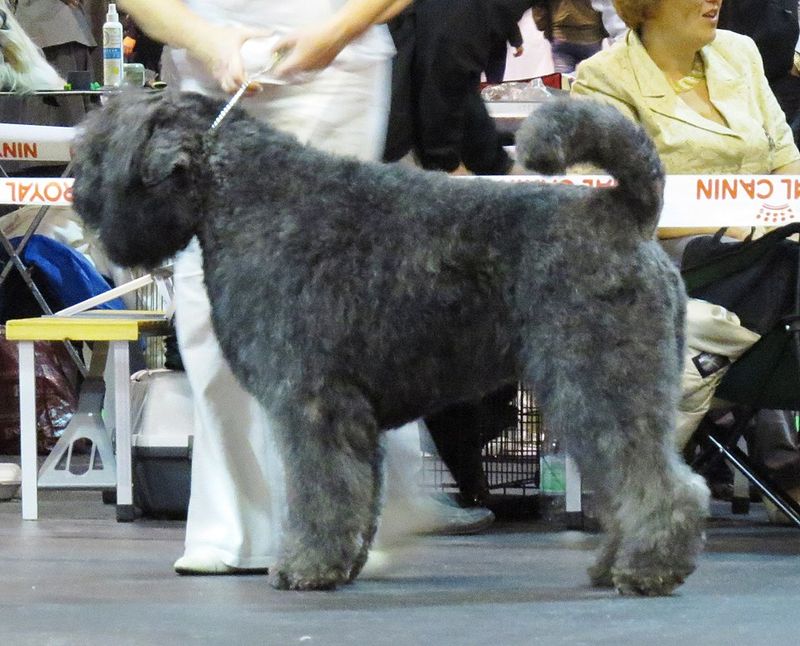
Bouviers pack density into every inch, combining a harsh outer coat with a thick undercoat that compacts quickly. Without routine carding to remove dead hair, the undercoat binds and forms stubborn mats, especially around the neck ruff and thighs.
After muddy play, dry thoroughly while brushing or risk felted panels.
Plan weekly de shedding with a coarse comb, slicker, and undercoat rake. Line brush in sections, then comb until it reaches the skin cleanly.
Keep sanitary and paw areas trimmed to reduce clumping. If pelting occurs, a reset trim spares the skin and starts fresh.
Maintenance is kinder than wrestling with pain and frustration later.
Komondor
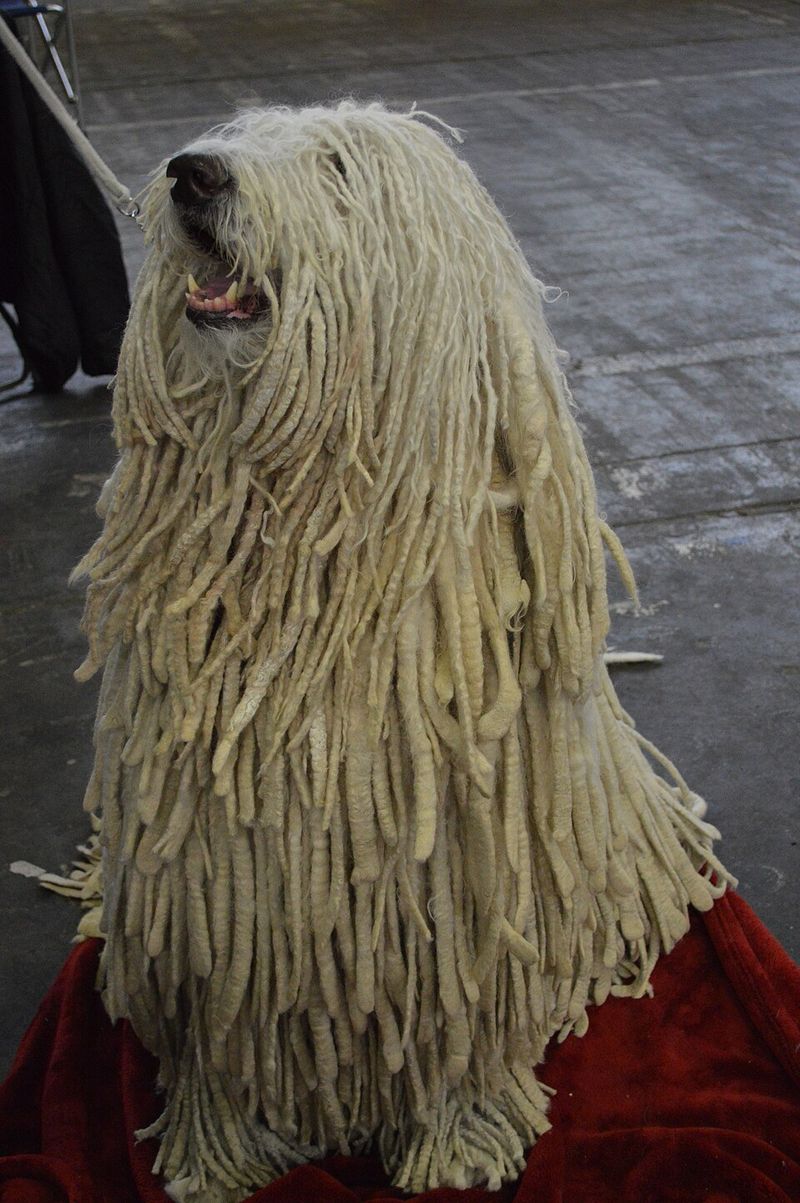
The signature cords do not appear on their own. You must guide the coat by separating fluffy mats into tidy cords as the puppy transitions.
Neglect leads to giant felted blankets that trap moisture and odor against the skin, inviting hot spots and infections.
Start cord formation gradually, working small clumps from the skin downward. Keep cords clean, fully dried, and trimmed at the tips to prevent dragging.
Regularly separate at the base to stop fusion. Bathing takes time, and drying can take hours with fans.
If matting merges beyond saving, a full clip may be the only humane choice. Comfort first, aesthetics second.
Puli
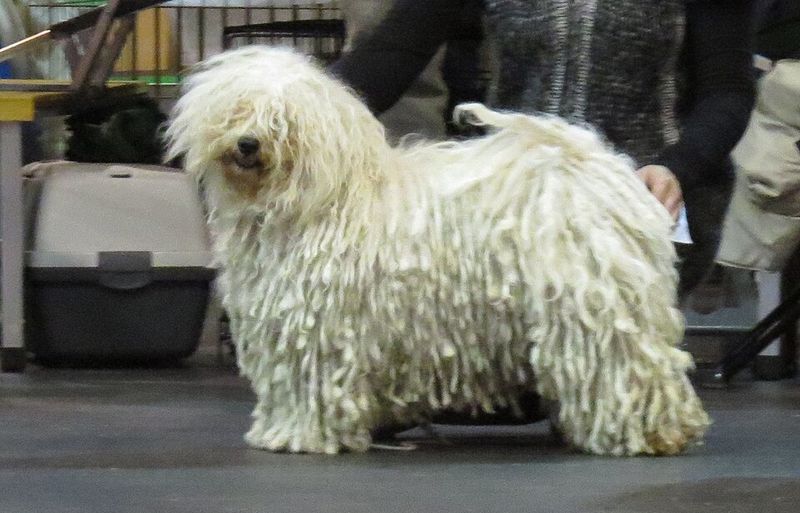
Pulik share the corded challenge, but with a springy, woolly texture that tangles quickly during adolescence. If cords are not separated at the base, the coat mats into one heavy shell that stays damp.
Regular bathing is fine, but only with meticulous squeezing and drying afterward.
Work cords with fingers, adding a bit of conditioner diluted in water when stubborn. Keep areas behind ears, armpits, and groin well managed to avoid painful clumping.
Trim cord lengths for hygiene and practicality. Expect maintenance several times a week, especially during coat change.
If you fall behind, choose a reset clip and start anew rather than pulling at stuck cords.
Bergamasco Sheepdog
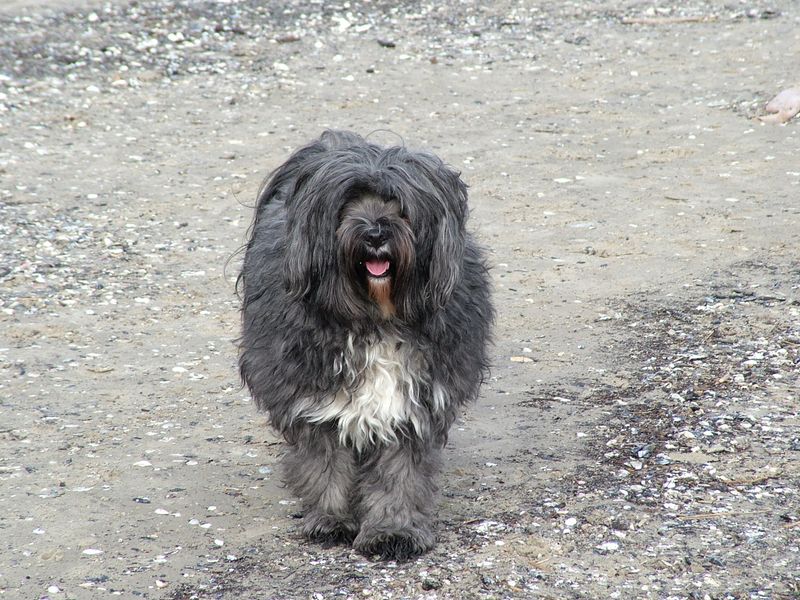
Bergamascos develop flocks, not tight cords. Those wide mats must be shaped and separated by hand as the coat matures.
Dirt and grit hide inside, so rinsing and thorough drying are non negotiable. If flocks merge at the base, the coat becomes an immovable blanket that tugs painfully at the skin.
Split flocks vertically with fingers, never tearing skin. Keep high friction zones short and clean.
Use fans and patience to dry the thick felt thoroughly after bathing. Regular checks prevent fusion and allow airflow.
When neglect wins, shaving is kinder than months of discomfort. Your dog will thank you for comfort over Instagram aesthetics every single time.
Tibetan Terrier
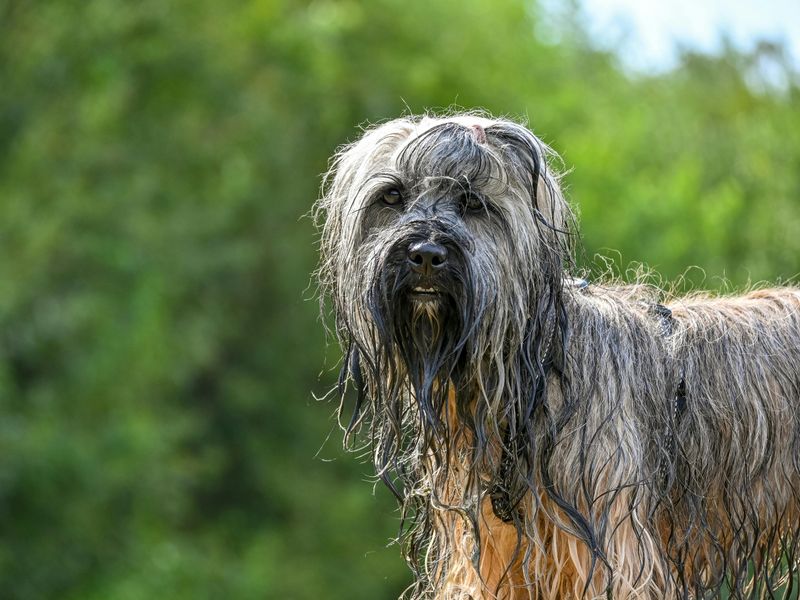
That sleek, floor length look tempts owners to skip the hard work. The coat mats at the collar, behind ears, and where legs swing, especially if air dried after walks.
Daily light misting plus line brushing keeps strands sliding instead of locking.
Schedule baths every two to four weeks. Blow dry section by section while brushing, and confirm with a fine comb at the skin.
Switch to a rolled leather collar or harness covers to reduce friction. Keep sanitary trim neat for cleanliness.
If you discover a pelted underlayer, ask for a comfort clip. Hair regrows, but damaged skin takes longer to heal and hurts more.
Shih Tzu
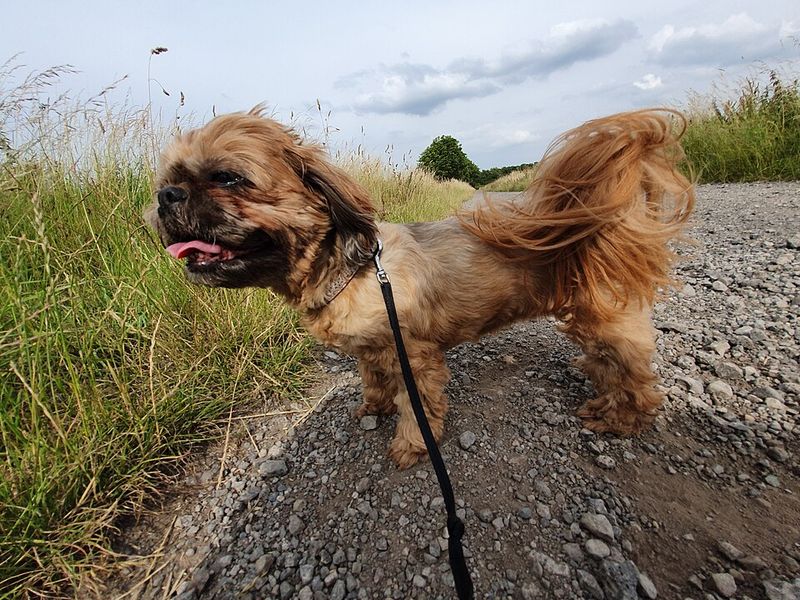
Shih Tzu coats transition from puppy fluff to adult hair, and that change is mat city. Tears and food make sticky spots on the face, while harness rub creates knots behind the shoulders.
Bath every two to three weeks, then fully blow dry while brushing in tidy sections.
Use a face wash daily, then comb the mustache and ears to prevent cord like twists. Keep armpits and groin short for comfort.
A comb should pass to the skin without snagging. If it catches, you have more work.
When mats are tight at the skin, choose a reset trim instead of painful dematting. Comfort beats cute bows every time.
Lhasa Apso
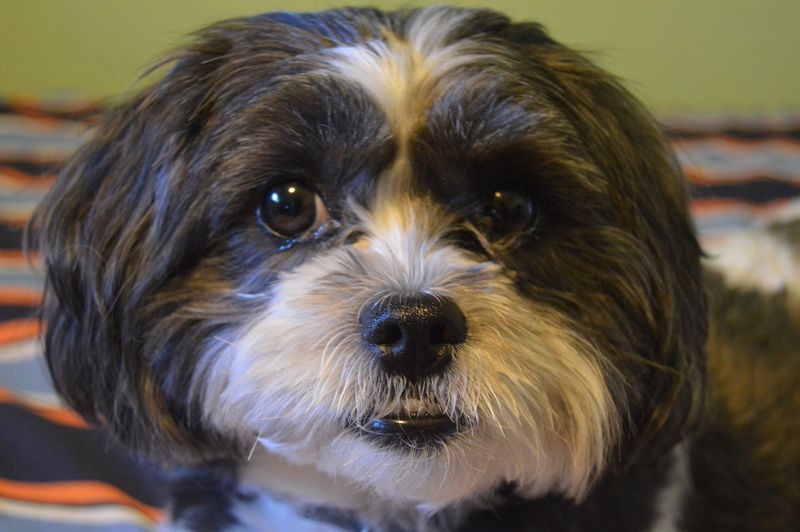
Lhasas carry a heavy fall of hair that tangles quickly where movement and moisture meet. Skipping a thorough dry leaves hidden moisture that glues strands into stubborn mats.
A daily spritz and five minute brush through can save you hours later, especially around ears, armpits, and skirt.
Every few weeks, bathe and blow dry completely while brushing from roots outward. Check with a greyhound comb that reaches skin without snagging.
Use soft collars or rotate to harness free indoor time. If clumps have merged at the base, ask your groomer for a comfort cut.
The goal is healthy skin, not a fantasy show coat that requires constant vigilance.
Havanese
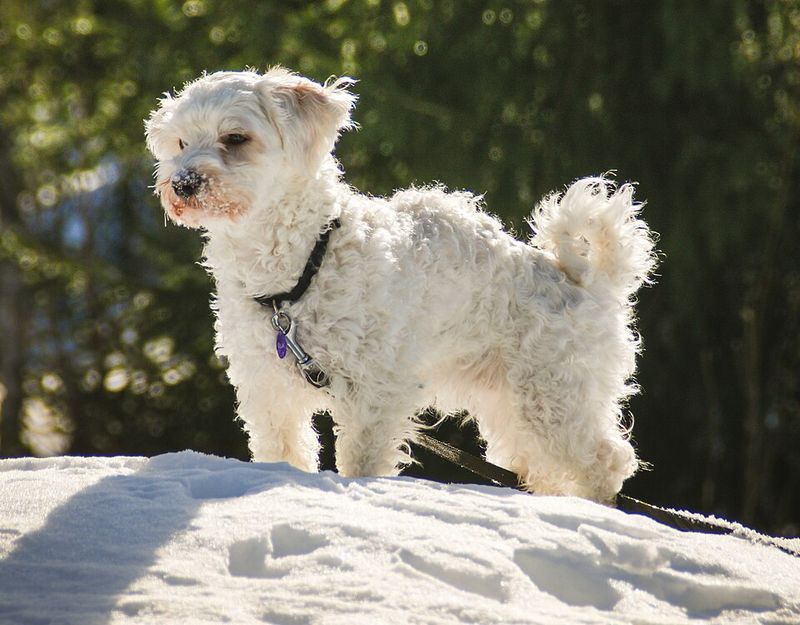
Silky and light, the Havanese coat forms sneaky webs under the cute fluff. Playtime, sweaters, and raincoats cause friction that twists hairs into knots.
Keep layers dry and brushed, and consider shorter practical styles if your schedule is tight.
Brush in sections three to four times weekly, then comb to the skin. Bathe every two to four weeks and blow dry thoroughly.
Rotate clothing and remove harnesses indoors to reduce rubbing. Tackle small tangles with your fingers first, then a slicker.
When you find tight mats close to skin, a reset trim is humane. Your dog’s joy and comfort matter more than length.
Coton de Tulear
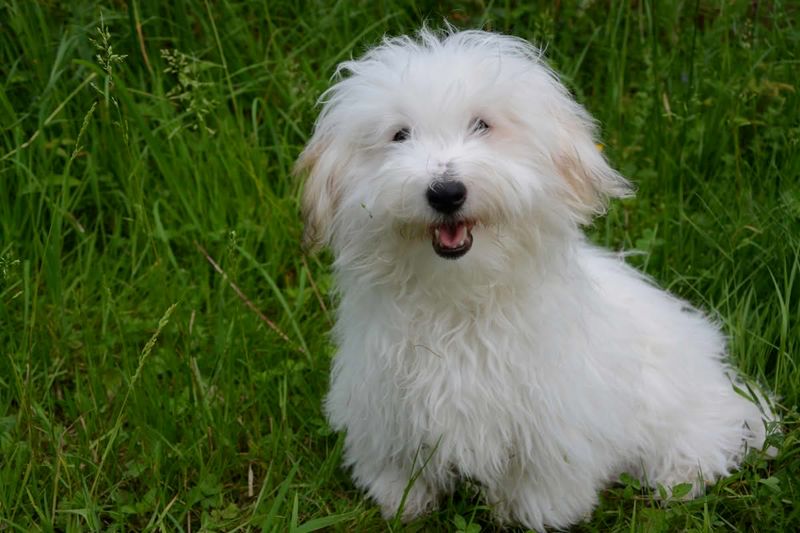
The Coton’s cloud like texture tangles if you breathe on it wrong. Static, humidity, and collars all conspire to mat the armpits, ears, and behind legs.
Misting with a light conditioner reduces friction and helps the brush glide. Air drying forms hidden knots, so plan a full blow dry every bath.
Line brush from the skin outward, confirming with a fine comb. Keep sanitary areas tidy and trim paw pads.
Check daily after playdates and rainy walks. If mats are felted to the skin, ask for a comfort clip and rebuild length slowly with consistent care.
Happy skin equals a happy cuddle bug, which is the whole point anyway.