
Some dogs love people, yet too many meet-and-greets can be tiring. Healthy limits help friendly breeds feel safe, focused, and calm.
Teaching short, polite hellos makes walks smoother and training easier. Here are breeds that shine when owners guide who they meet and when.
Boxer
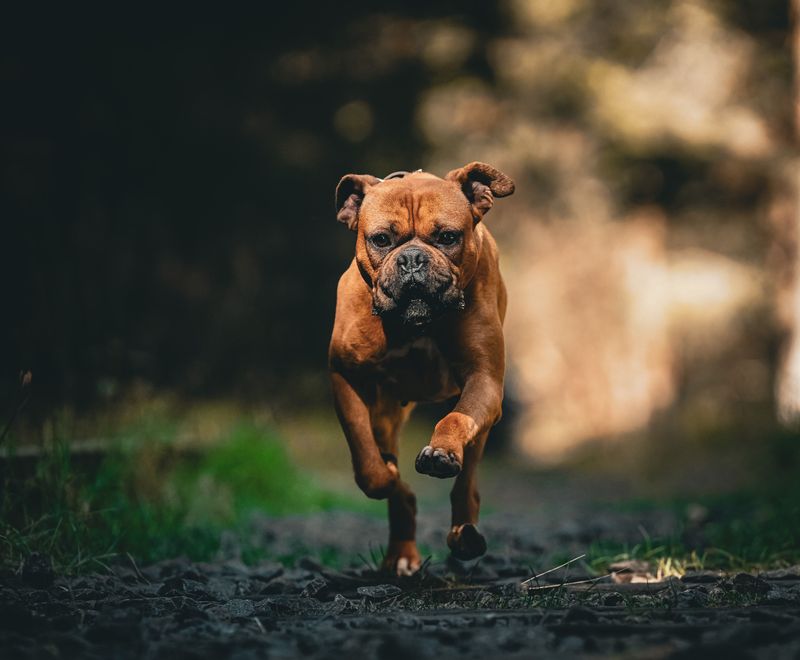
Big smiles and wiggle-butts make Boxers crowd favorites, yet they thrive when greetings are short and chosen. Teach a calm sit before anyone approaches, and reward turning away from excitement.
That habit protects their joints and keeps arousal from boiling over.
Neighborhood walks work best with a loose leash, sniff breaks, and space from pushy dogs. Try meet-and-greets with familiar people.
A five-second pet, then a treat and move on, builds focus without draining the battery.
Flat-Coated Retriever
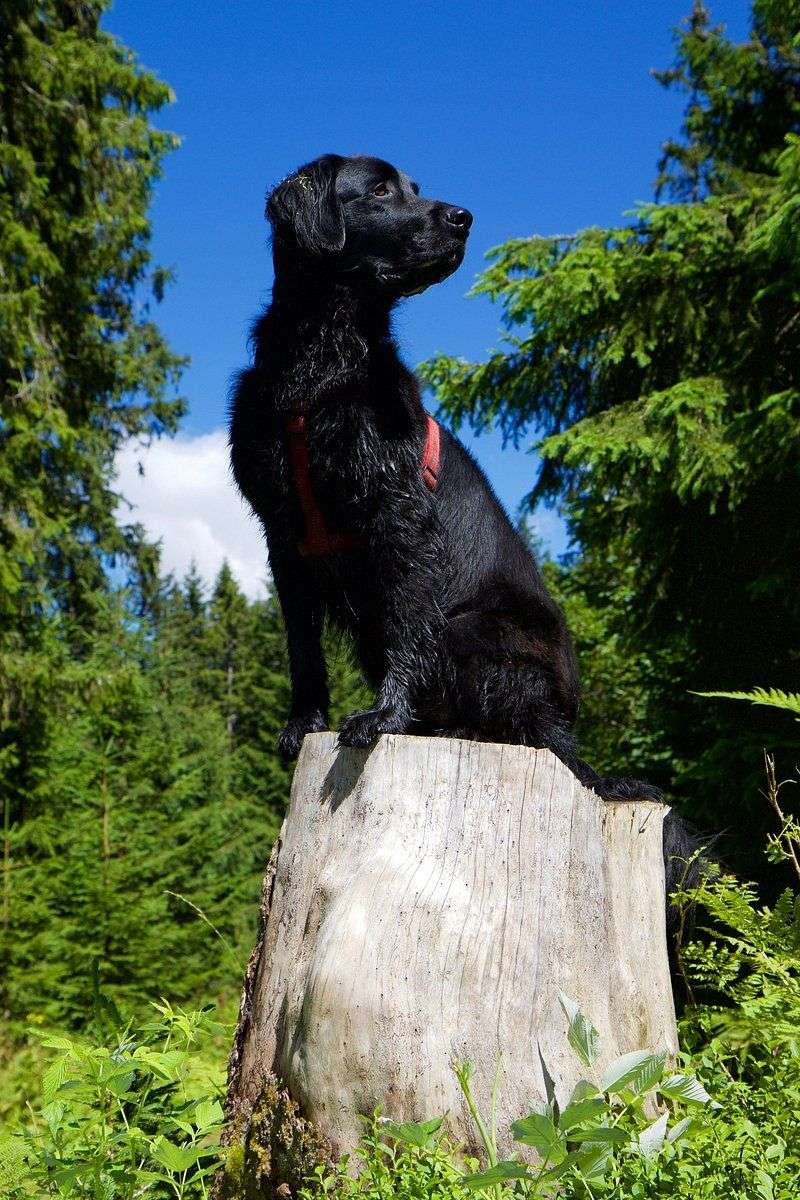
Forever-young energy gives Flat-Coats a joyful sparkle, but hellos can teach rude habits. Start with a recall away from people, then pay with play or food.
Practice “look at that” for passersby so curiosity turns into eye contact with you.
Short social sessions beat marathon outings. Rotate between sniffing, heeling, and tricks to lower excitement.
Fun fact: this breed once served as a gamekeeper’s helper. That worker focus appears when you set limits and jobs.
Irish Setter
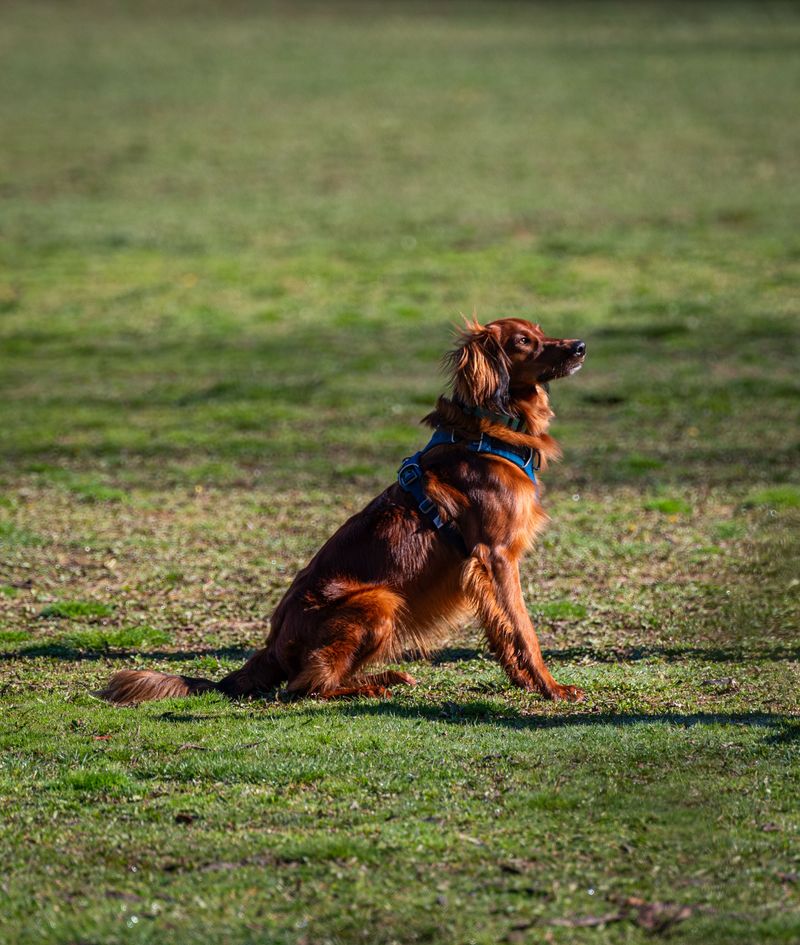
A red blur at the park, the Irish Setter loves people almost as much as motion. Channel that charm into structure.
Ask for a sit-stay before any greeting, count to five, then release. If excitement spikes, step aside and let calm return.
Jog-and-sniff intervals tire the mind and body. Schedule specific playdates instead of constant mingling.
History note: Setters were bred for bird work. Purposeful tasks like finding tossed treats scratch that ancient itch respectfully.
Labrador Retriever
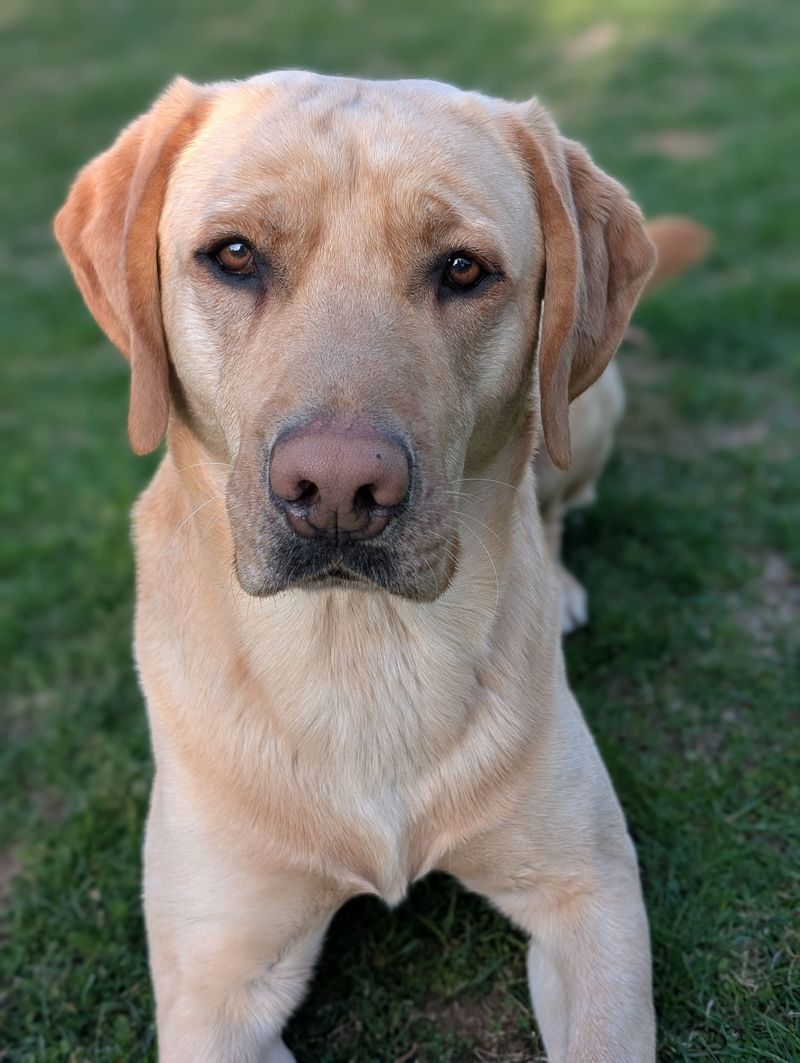
Everyone thinks Labs want to greet the whole block, yet Labs learn to choose. Use a hand target to redirect from strangers, then pay with a tossed kibble away from traffic.
That curve breaks the staring and keeps greetings brief.
Structured fetch followed by a relax-on-mat routine teaches on-and-off switches. Keep meetings short and positive, not endless.
Fun fact: despite the name, Labs came from Newfoundland. Roots explain why boundaries and jobs keep them happiest.
Golden Retriever
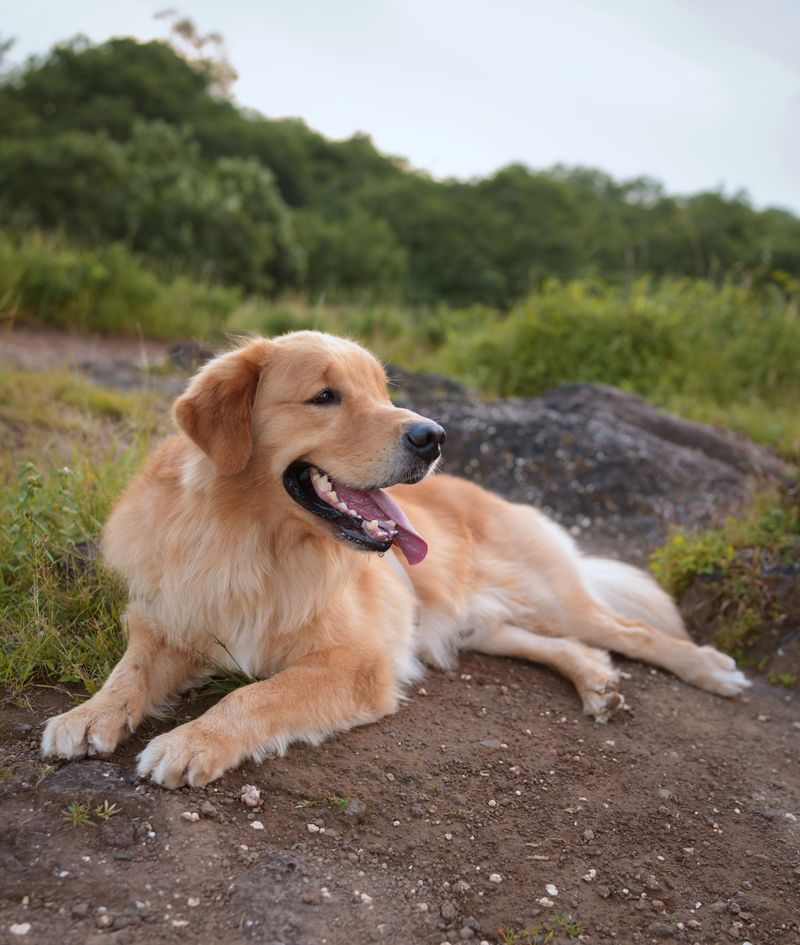
Sunshine on four legs, the Golden loves making friends, but unlimited access can wear them out. Teach a greeting window.
Count to three while someone pets, then call away for a treat and a shake-off. Repeat in low-distraction spots first.
Calm games like find-it in grass build patience. Skip chaotic dog parks and pick steady buddies.
A fun tidbit: Goldens worked with Scottish hunters. Giving small tasks at home, like carrying mail, satisfies that helper heart.
Beagle
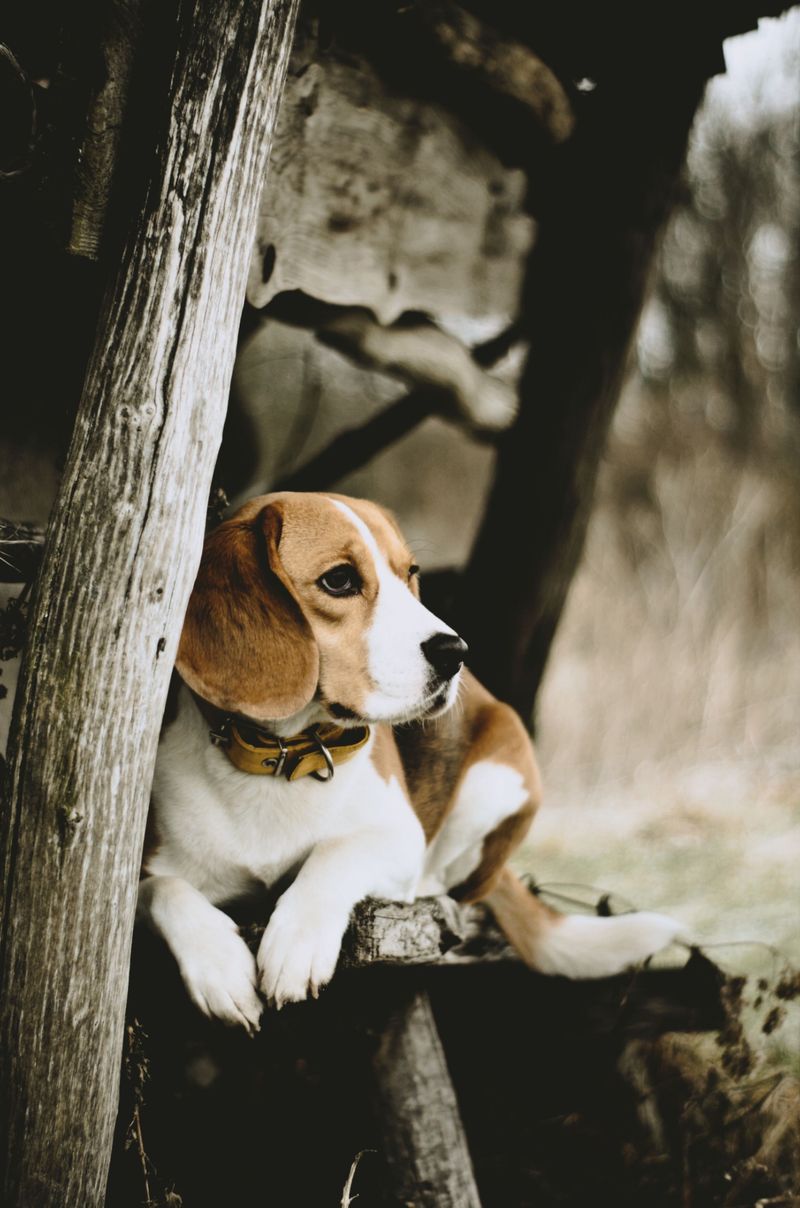
Nose first, Beagles often reach strangers before their brains catch up. Interrupt gently with a happy cue, then scatter a few treats to sniff out near you.
That game rewards coming back and resets the mood.
City life improves when you teach a pause at curbs and doorways. Organize greeting days and rest days so energy not snowball.
Tidbit: Beagles tracked rabbits in packs. Cooperative work shines when you guide who, when, and how long.
Boston Terrier
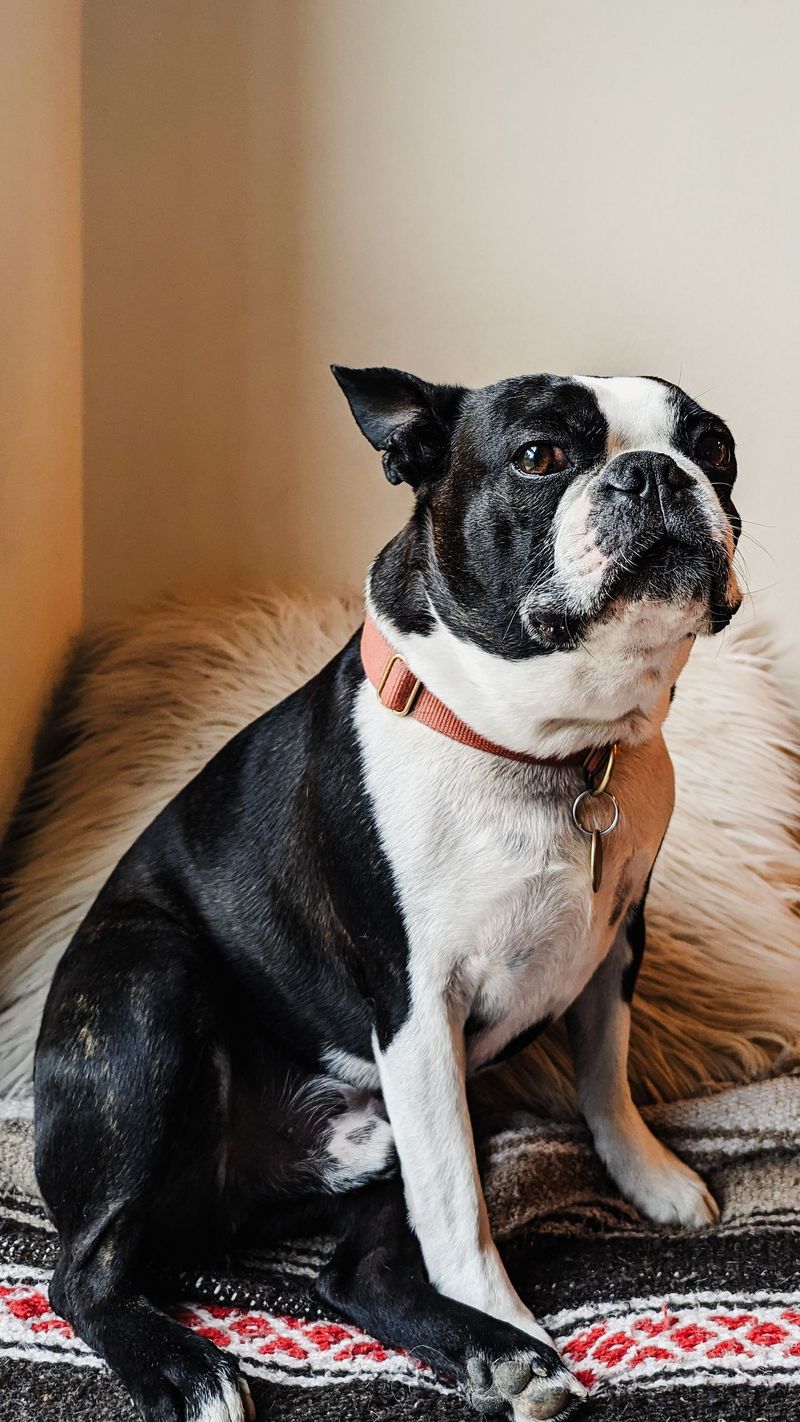
A comic face and legs can make Boston Terriers the life of the party. Keep sparkle by setting a greeting rule.
Ask for two feet on the floor, then mark and reward calmly. If wiggles rise, take a sniff break.
Quiet cafés suit them when you bring a mat and chewy. Short, hellos beat constant squeals and grabs.
Fun note: nicknamed the American Gentleman, they carry a tuxedo coat. Manners grow fastest with small, meetings.
Samoyed
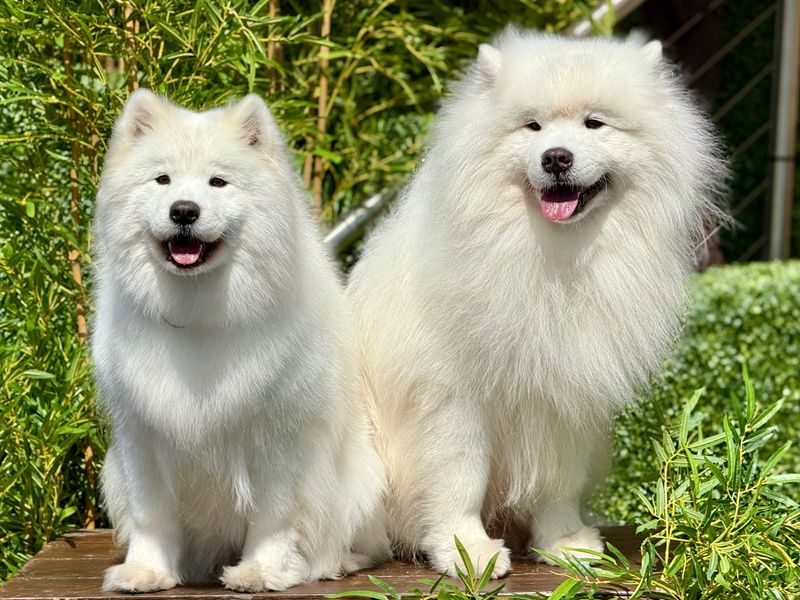
That smiling cloud looks cuddly, yet Sammies can get overwhelmed by endless petting. Build consent skills.
Offer your hand, wait for a lean, then pet briefly and stop. If they return, repeat.
If they pause, give space and reward calm choosing.
Outdoor time shines with sniffing paths and fans. Teach a greeting to kids using slow hands and side approaches.
Tidbit: Samoyeds sledded and herded with nomadic families. Balanced connection plus limits keep the sparkle.
Soft Coated Wheaten Terrier
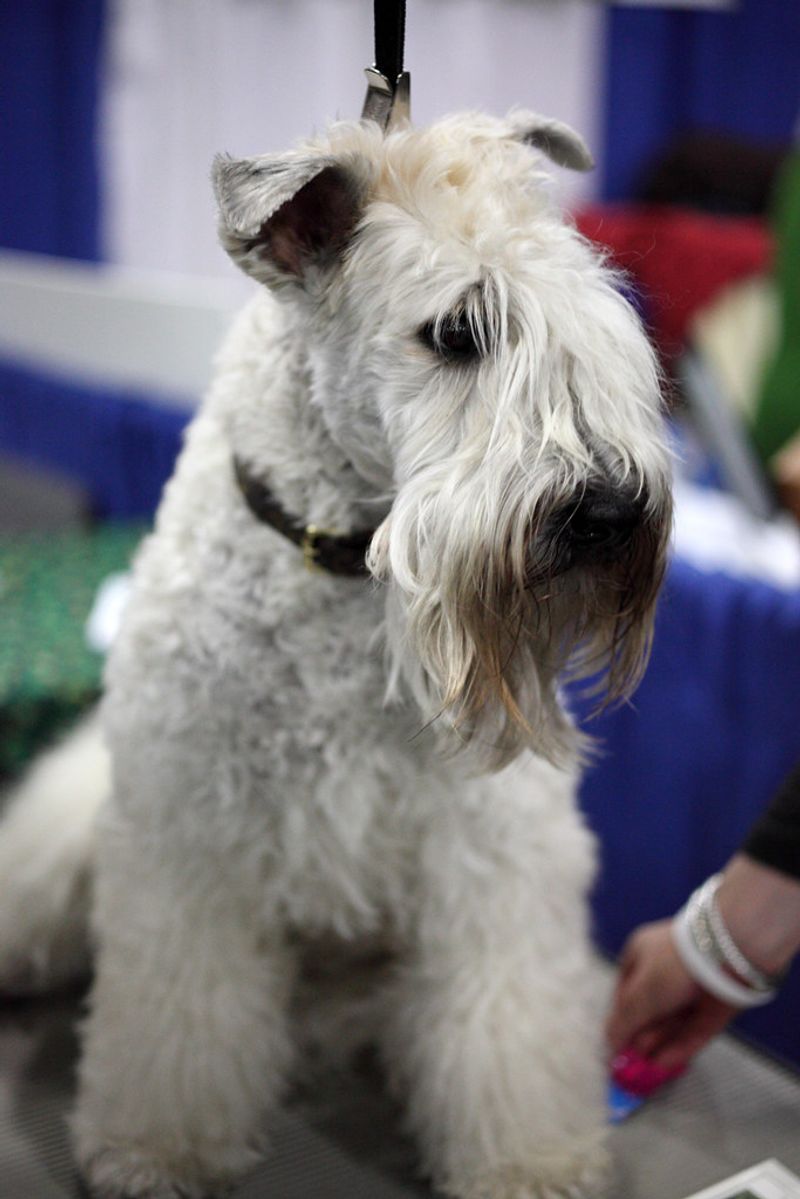
Wheatens greet like bouncing bread loaves, happy and springy. Capture that joy with structure.
Ask for a sit to unlock attention, then reward with a short hello and a quick game of touch. Over time, they learn that waiting brings the fun.
Threshold training helps most at gates and elevators. Step out, pivot back, and treat for staying with you.
Origin note: Irish farm dogs needed self-control around livestock. Your boundaries mirror that steady work.
English Springer Spaniel
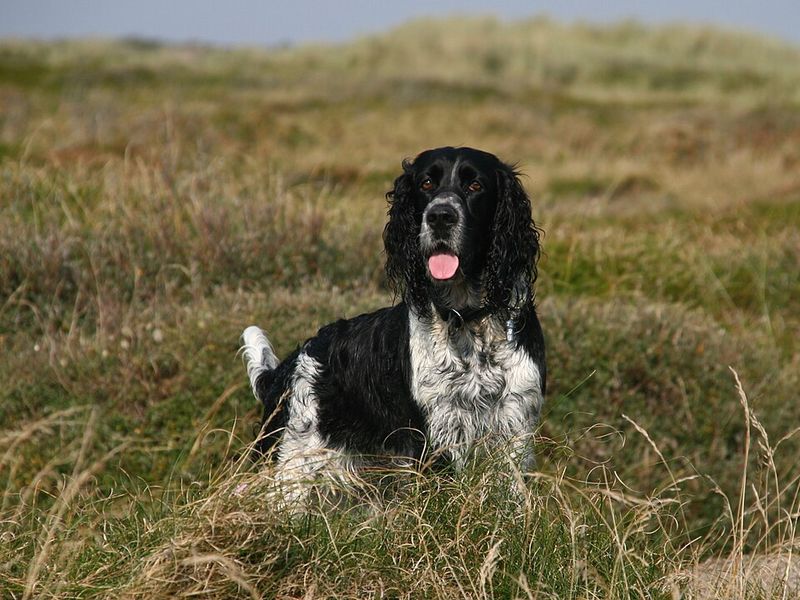
Springers often wag first and think later. To avoid frantic meetings, teach a default heel past people, then release to greet only when the leash is slack.
Calm choices earn the party, not pulling.
Field-bred roots make them love jobs. Hide a toy in brush, search together, then relax on a mat near activity.
Schedule quiet days after busy ones. A simple rhythm of work, rest, and selective hellos keeps confidence high without constant buzz.
Brittany
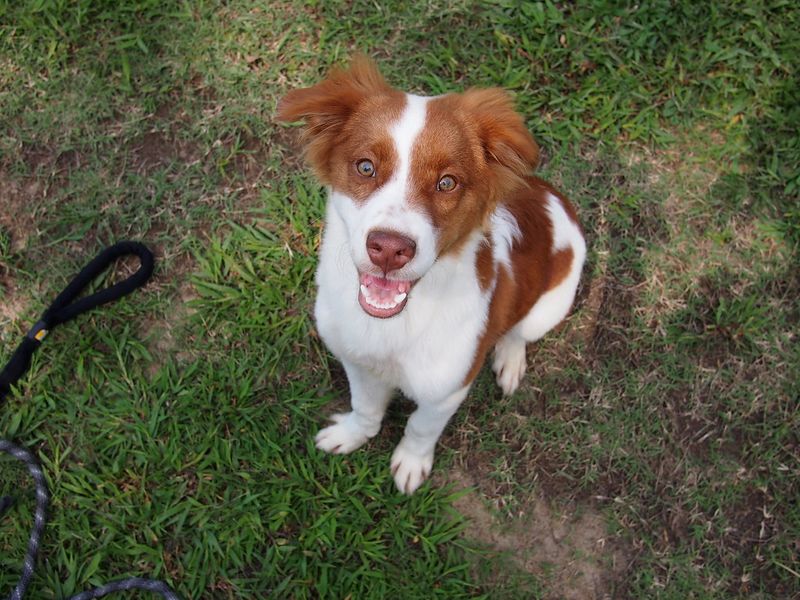
Light-footed and keen, the Brittany reads the world like a story. Too many strangers add confusing pages.
Build a stop-and-check habit: pause, look to you, earn a treat, then move. Long lines in fields let them range safely without collecting fans.
Plan meets with hikers or runners who respect space. Mix nosework with obedience bursts to settle arousal.
A fun nugget: Brittanys once pointed birds hunters. Today, small boundaries protect that sharp mind and energy.
Dalmatian
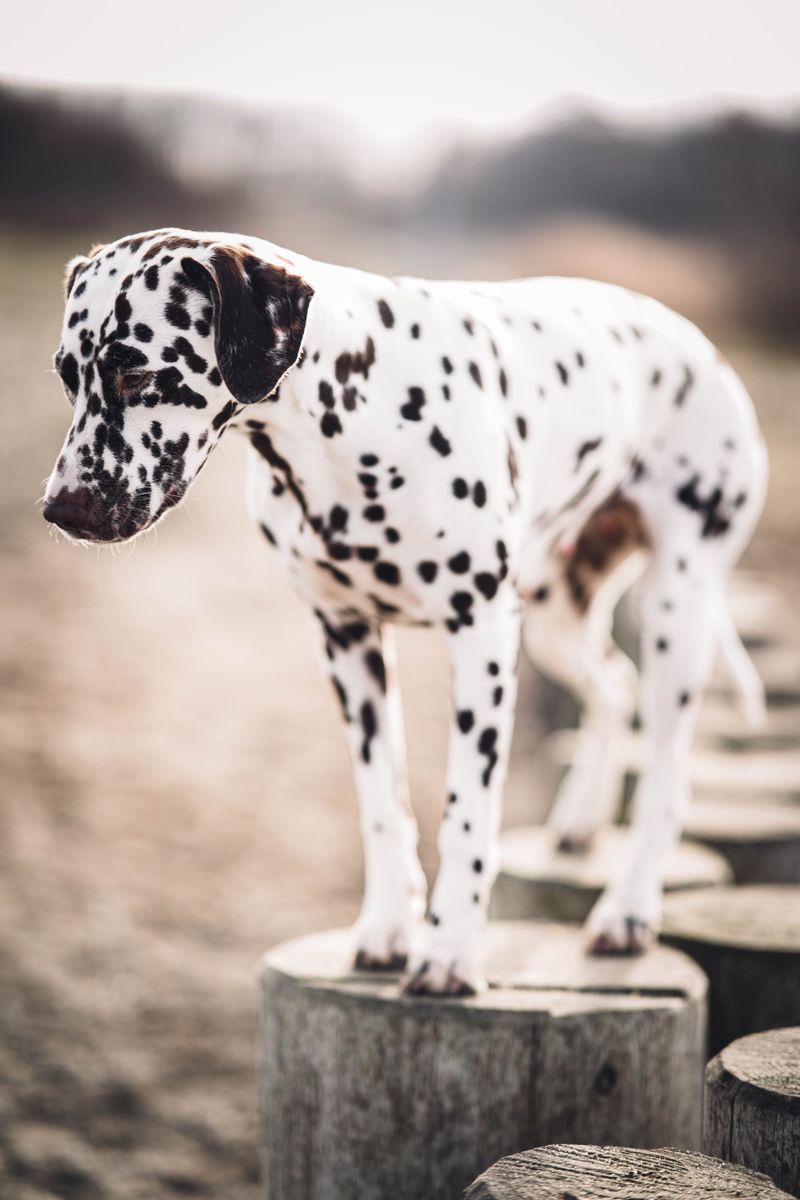
Spotted charm turns heads, which can flood Dalmatians with attention. Protect their focus by teaching a side position when crowds appear.
Feed calm breathing, then walk on. If someone asks to pet, you choose yes or not today.
Brain games matter as much as miles. Try scent puzzles at home, then a loop outside.
Note: coach dogs trotted with horses, ignoring noise. That heritage shines when owners guide which meetings happen and which pass politely.