
You are not imagining it. Dogs everywhere are buzzing with energy, and mental stimulation is the new secret ingredient making home life calmer and happier.
Trainers say it is not about more hours outside, but smarter minutes that satisfy your dog’s brain. Use these field tested trends to turn daily chaos into focused contentment without buying a closet of gear.
Decompression sniff walks
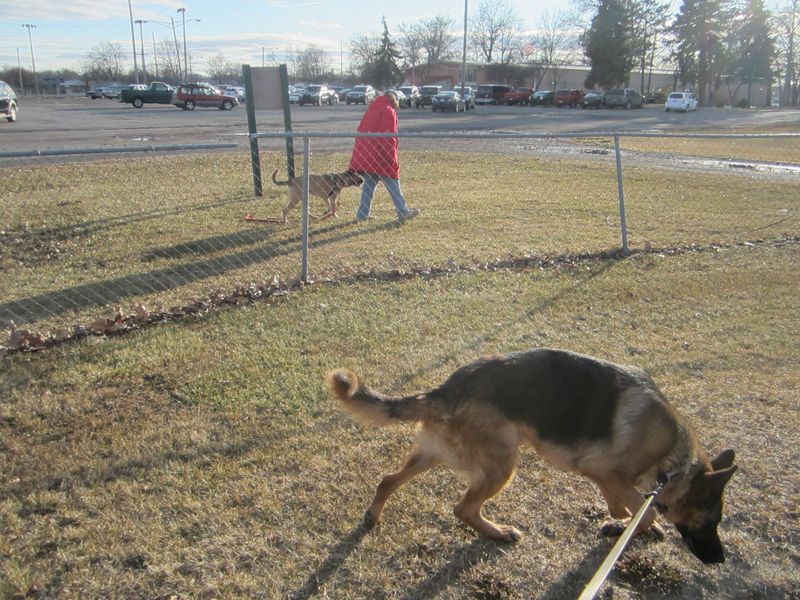
Think of decompression walks as your dog’s spa day. You move slowly on a long line, letting the nose lead while you follow and breathe.
There is no heel, no agenda, just sniffing and exploring at a dog’s pace.
This resets stress and builds resilience after busy days. Choose quiet trails, field edges, or even a calm neighborhood route with grass.
Watch for soft eyes, loose gait, and gentle tail sways as signs it is working.
Bring high value treats to reinforce check ins and polite leash manners. Keep sessions 20 to 45 minutes, depending on fitness.
If your dog is reactive, pick wider paths and maintain visual distance so curiosity stays turned on, not alarm.
Scatter feeding
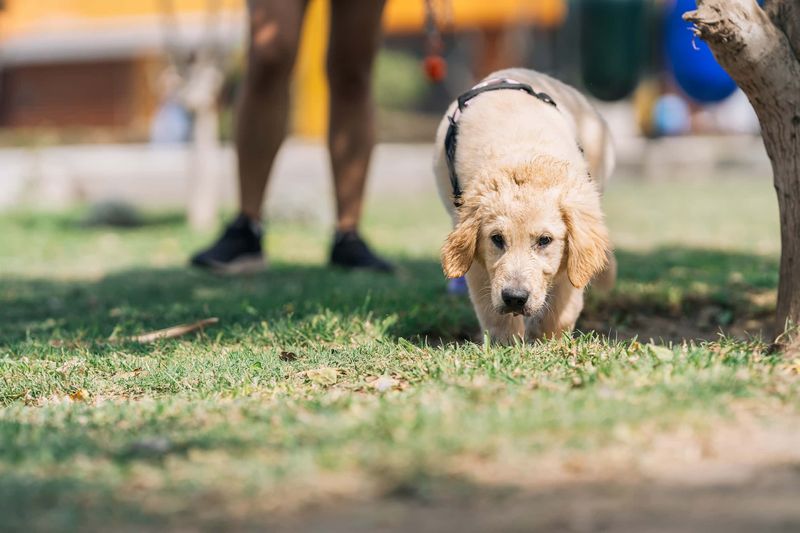
Scatter feeding transforms mealtime into a brain tease. Instead of a bowl, toss kibble across grass or a snuffle mat so your dog hunts with purpose.
Sniffing naturally lowers arousal and lengthens engagement without adding more calories.
Start easy on short grass or a rug, then expand the search area. You can mix crunchy kibble with a few high value bits to keep motivation high.
Try indoor scatter on towels during bad weather.
For multiple dogs, separate spaces to avoid resource guarding. Keep portions measured to maintain weight.
This simple habit satisfies foraging instincts, slows eating, and reduces boredom related mischief while buying you a few peaceful minutes to sip coffee.
Lick mats for downshifting
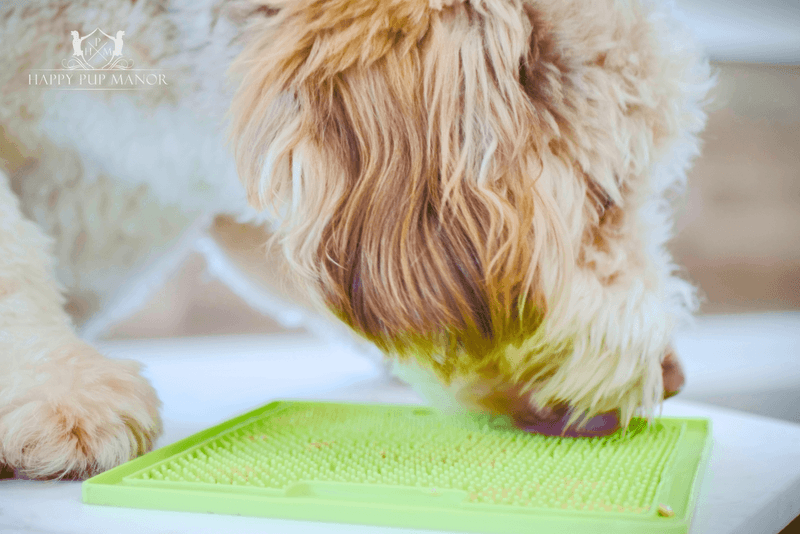
Licking is rhythmic and soothing, which is why lick mats are gold for downshifting. Smear with yogurt, pumpkin, or xylitol free peanut butter, then freeze to extend duration.
Use during storms, nail trims, or when guests arrive.
Choose silicone mats with varied grooves to increase challenge. Supervise early sessions to prevent chewing.
If your dog licks aggressively, thin the spread and freeze harder so it lasts longer without frustration.
Rotate flavors to keep novelty fresh. For sensitive stomachs, stick to bland toppers and small amounts.
This ritual teaches your dog to self settle while building positive associations with tricky moments like crate time, car rides, or quiet evenings.
Shredding boxes (safe ripping)

Dogs love to rip things, so give them a safe outlet. Save clean cardboard boxes, stuff with crumpled paper, and sprinkle a few treats inside.
Close lightly with painter’s tape so tearing feels exciting but not frustrating.
Always supervise and remove any plastic, staples, or tape strips after the session. If your dog eats cardboard, switch to thicker boxes or paper bags and limit duration.
Keep the goal sensory and satisfying, not consumption.
Pair a cue like rip time to signal when it is allowed. End by trading for a chew or tug toy.
This channeling of destruction reduces pillow crimes and provides a quick confidence boost for nervous dogs.
Puzzle feeders (difficulty ladders)
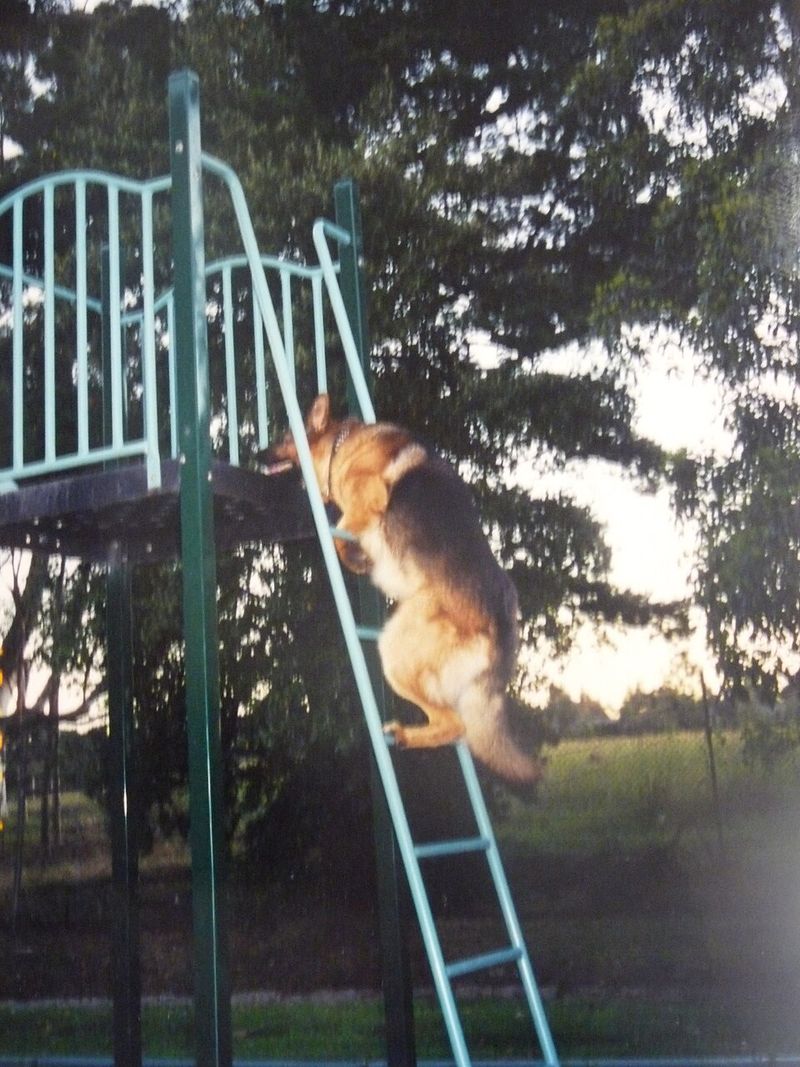
Puzzle feeders shine when you scale difficulty thoughtfully. Start with simple wobble bowls, then graduate to sliders, swivels, and multi step puzzles.
If your dog stalls, drop back a level and rebuild confidence.
Meal portions go inside to avoid extra calories. Time attempts and note sticking points so you can coach small wins.
Rotate puzzles every few days to prevent pattern solving on autopilot.
For power chewers, pick sturdy materials and supervise. Mark progress like a ladder: easy, medium, hard, expert.
The right challenge zone builds frustration tolerance, focus, and problem solving stamina while transforming breakfast into a 10 minute brain workout.
Food hunts (“find it”)
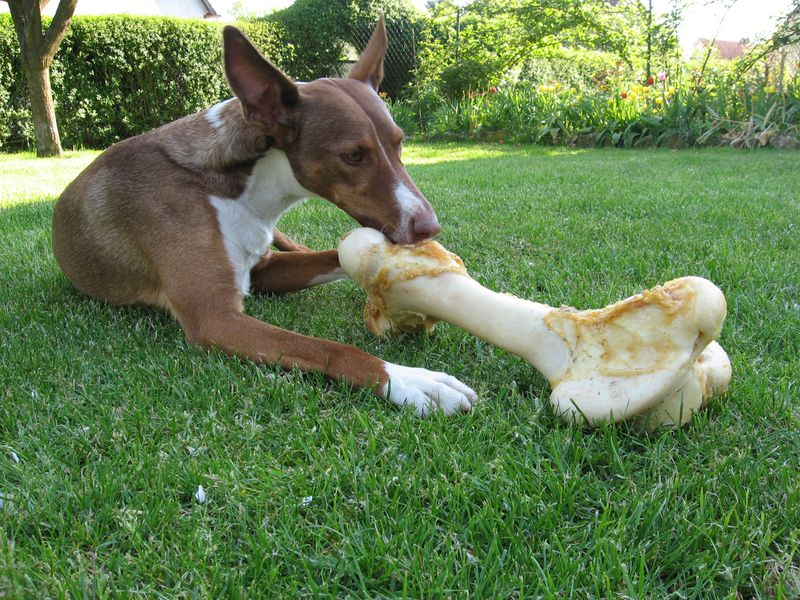
Teach a snappy find it cue to turn food hunts into indoor adventures. Start by tossing a visible treat, say find it, then gradually hide pieces under cups or behind chair legs.
Keep it fair with easy wins early.
Once your dog understands, send to another room while you hide a small jackpot. Vary heights and textures for richer searches.
Use soft treats that do not crumble into carpets.
End on success and celebrate. Short, high success rounds prevent frustration and maintain drive.
This game burns mental energy fast, especially on rainy days, and gives you a fun way to redirect pre dinner zoomies into focused sniff work.
Scent games indoors
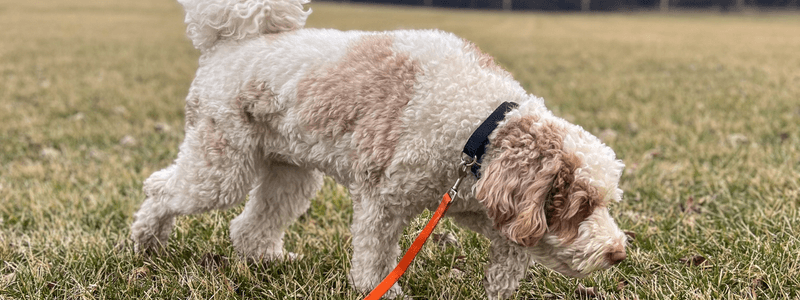
Bring nosework home with simple scent games. Pick a target odor like birch or start with a favorite tea bag.
Hide scented tins in boxes, on shelves, or under chairs, then pay generously when your dog commits to the source.
Use a clear start line and release cue to build ritual. Keep hides accessible and gradually increase difficulty by changing elevation or airflow.
Video sessions to track progress and reduce handler chatter.
For multi dog homes, work one dog at a time. Short searches prevent overheating and keep motivation high.
The nose is a supercomputer, and giving it a job transforms restless energy into quiet, satisfying focus.
Toy rotation to prevent boredom

Constant access makes toys dull. Create a small capsule collection for the week and stash the rest.
Rotate every three to five days so each reappearance feels new and exciting without buying more stuff.
Mix textures and functions: squeak, tug, plush, chew, and fetch. Pair a toy with a context, like tug for training breaks or plush for calm evening play.
Retire damaged toys promptly for safety.
Keep a special jackpot toy for high value rewards only. Track favorites and swap in seasonal items.
This system stretches engagement, reduces random shredding, and keeps motivation fresh for training without cluttering your living room.
Short training bursts (micro-sessions)
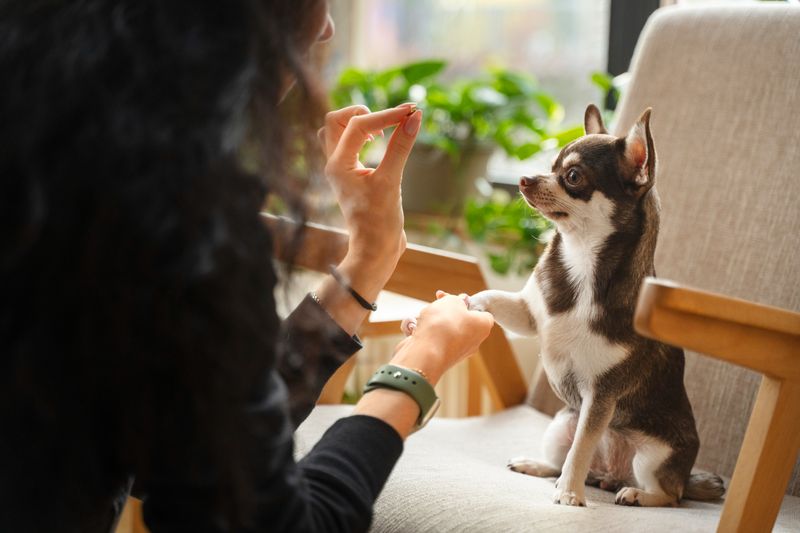
Micro sessions turn training into tiny wins that stack. Two minutes of sits, chin rests, or hand targets sprinkled through the day beat one marathon drill.
Pick one behavior, five to eight reps, then end before interest dips.
Use soft treats and a marker like yes or a clicker. Park sessions around daily cues: door manners, leash clip calm, or go to mat.
Keep criteria clean and celebrate progress, not perfection.
Track reps on your phone to spot trends. If frustration appears, lower criteria and capture easy successes.
Frequent, playful practice builds fluency fast and teaches your dog that working with you is always worthwhile.
Rest protocols (planned off-switch time)
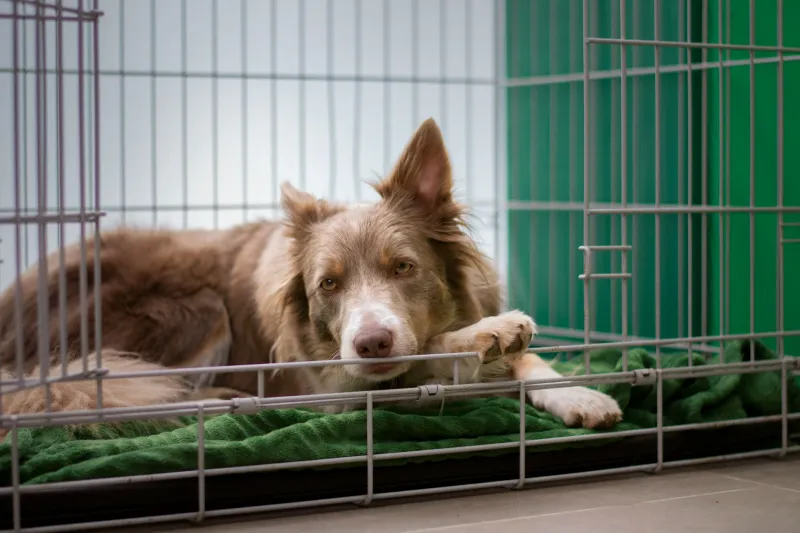
Enrichment is incomplete without rest. Build an off switch routine with predictable naps, dim lights, and a comfy bed zone.
Use white noise, closed curtains, and a chew before sleep to smooth the transition.
Teach a settle on mat and reward stillness. After intense activities, schedule decompression and hydration before the next event.
Puppies and high drive dogs often need far more sleep than expected.
Protect downtime with household rules: no rough play during rest blocks, and offer quiet chews instead. Good recovery prevents reactivity and keeps learning sticky.
Treat rest like training, and you will see calmer behavior, steadier focus, and easier days overall.