
Some dogs thrive when you let them take the lead, trusting their instincts without constant hand holding. Minimal cue dogs make decisions on the move, reading terrain, scent, and subtle body language from you.
If you want a partner that works alongside you rather than waiting for every command, these breeds will impress. Let’s explore 11 self-driven hounds that excel with quiet guidance and confident independence.
Bavarian Mountain Scent Hound
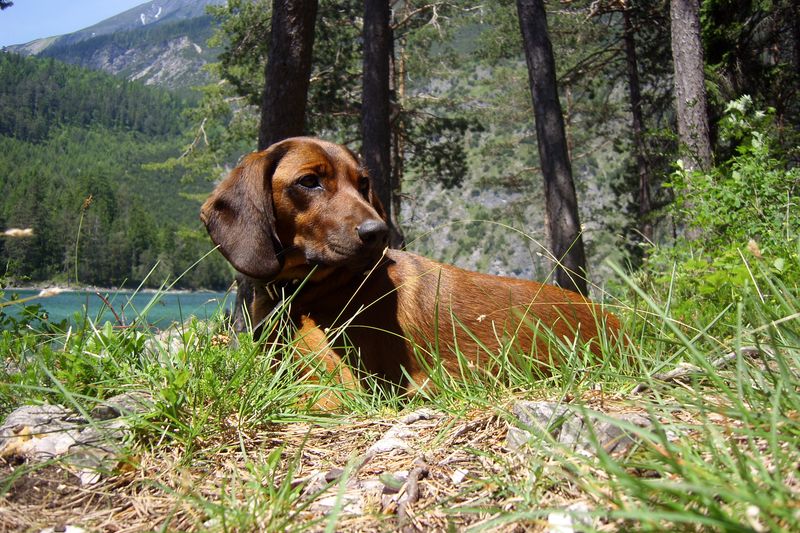
This breed excels when you whisper directions with your posture instead of constant words. Bred to track wounded game in rugged Alpine forests, it reads terrain, scent drift, and your pace.
Expect a methodical worker that checks in without being clingy, thriving on mutual trust and clear routines.
Outdoors, it follows a cold trail with persistence, conserving energy until the final push. At home, it is calm and reserved, forming deep bonds with patient handlers.
Give structured exercise, scent games, and low drama feedback, and you will see quiet brilliance.
Minimal cues work best: a nod toward cover, a gentle hand signal, and this dog understands. Reliability grows from consistent expectations, not chatter.
Hanoverian Scenthound
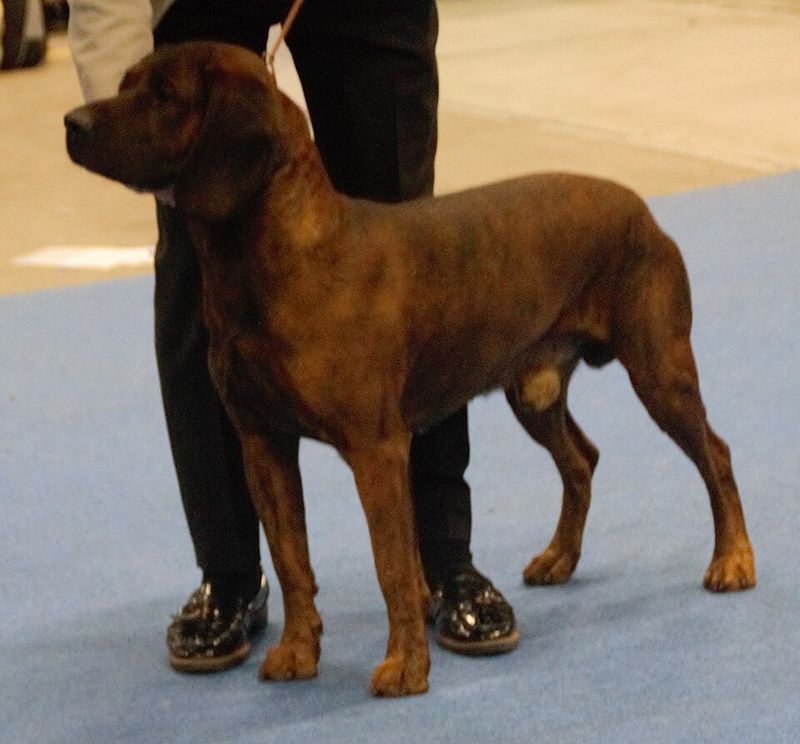
The Hanoverian Scenthound is built for long, deliberate tracking where patience beats speed. You will notice a deep nose, steady temperament, and a knack for interpreting subtle guidance.
This breed prefers clarity over chatter, working best when your body language and timing stay consistent and calm.
On a line, it evaluates scent puzzles thoughtfully, seldom rushing. In the field, it values partnership but not micromanagement, making eye contact when decisions matter.
At home, it is reserved yet affectionate, thriving with purposeful exercise and straightforward boundaries.
Minimal cue handling suits its style: a small pause, a directional shift, and it adjusts. Reward persistence and precise problem solving.
Keep training focused, short, and scent rich to unlock its best work.
Alpine Dachsbracke
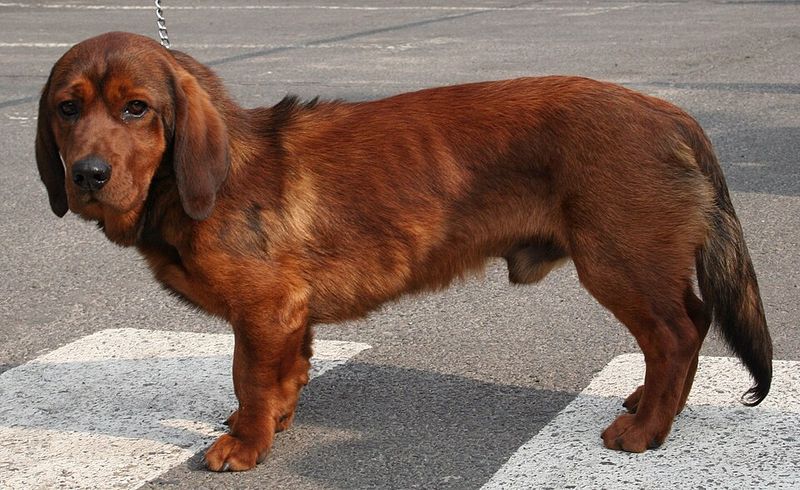
Compact and tough, the Alpine Dachsbracke brings big-drive energy in a small, trail-ready body. It was bred for blood tracking and flushing in mountainous terrain, where handlers give sparse direction.
Expect a gritty worker that reads the slope, wind, and scent like a map, needing only small signals.
This dog thrives with jobs that require persistence and problem solving. Keep sessions purposeful and upbeat, with clear start and finish rituals.
At home, it is loyal and surprisingly easygoing when exercise needs are met.
Minimal cue training suits its independent brain: simple hand signals, consistent footwork, and a steady pace. Offer scent games and terrain walks to satisfy instincts.
You will get enthusiasm without chaos, drive without nagging.
Drever
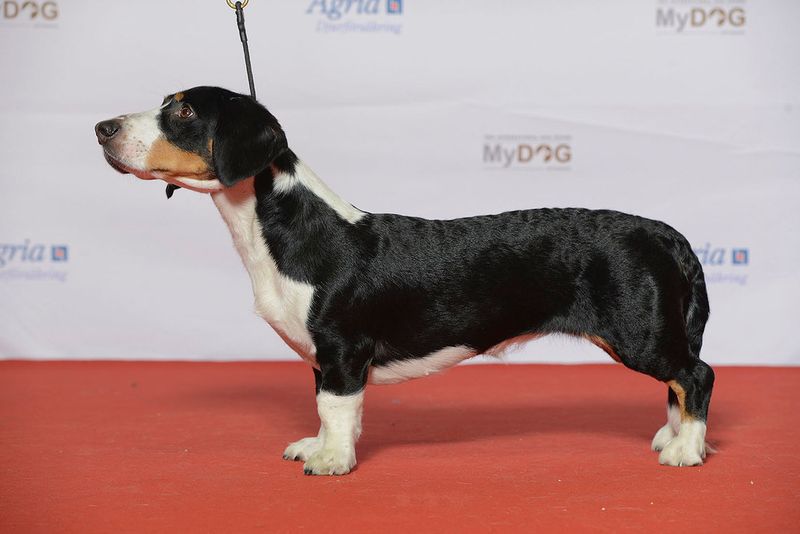
The Drever is a Swedish scenthound known for levelheaded stamina and confident independence. It was developed to drive deer and other game at a manageable pace, using terrain savvy over speed.
With a handler who keeps signals brief and consistent, the Drever settles into reliable, rhythmic work.
It benefits from structured routines, scent trails, and low-pressure repetition. Expect a friendly, practical companion at home, provided exercise and mental tasks are steady.
Barking can be purposeful in the field, so channel it with start-stop cues.
Minimal cues like a quiet directional gesture are plenty. Reinforce check-ins and calm focus.
You will appreciate its unflashy, honest style, especially when the goal is steady progress rather than dramatic bursts.
Westphalian Dachsbracke
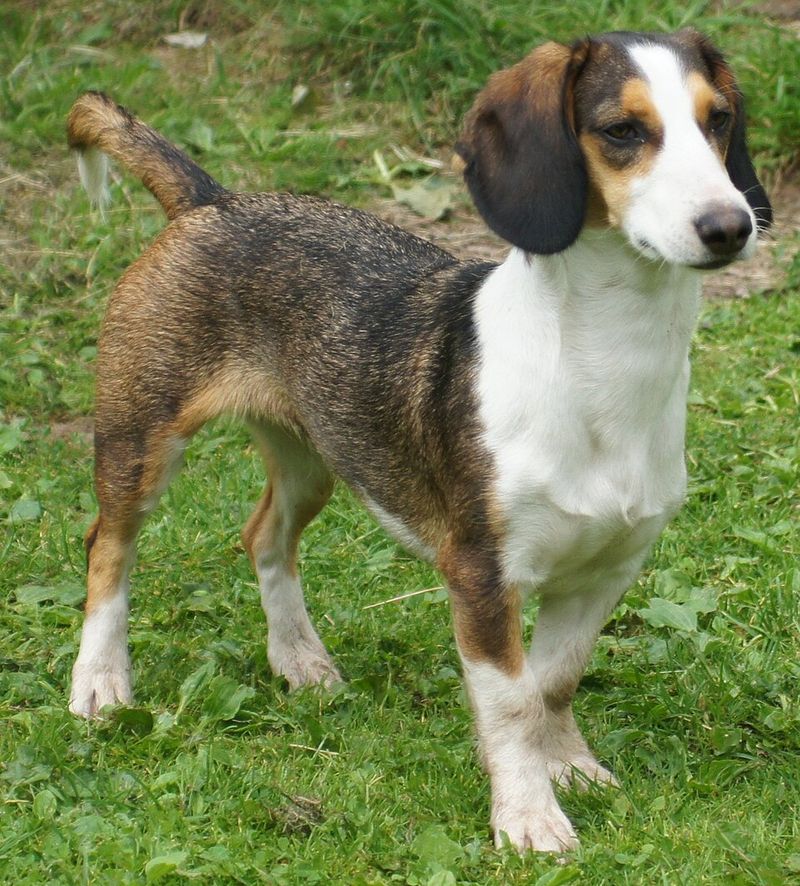
Developed in Germany, the Westphalian Dachsbracke pairs short legs with a determined nose. It excels when handlers set boundaries, then get out of the way.
This breed favors minimal chatter and steady routines, following faint scent with persistence rather than flash.
Expect a loyal partner that appreciates clear start cues, simple direction changes, and timely rewards. It handles rough cover well and keeps a sustainable pace.
At home, it is affectionate and manageable, provided you honor its need to explore scent.
Use short, consistent verbal markers and readable body language. Terrain walks, line tracking, and puzzle feeders keep its mind engaged.
With quiet guidance, the Westphalian Dachsbracke delivers dependable, thoughtful work day after day.
Hamiltonstövare
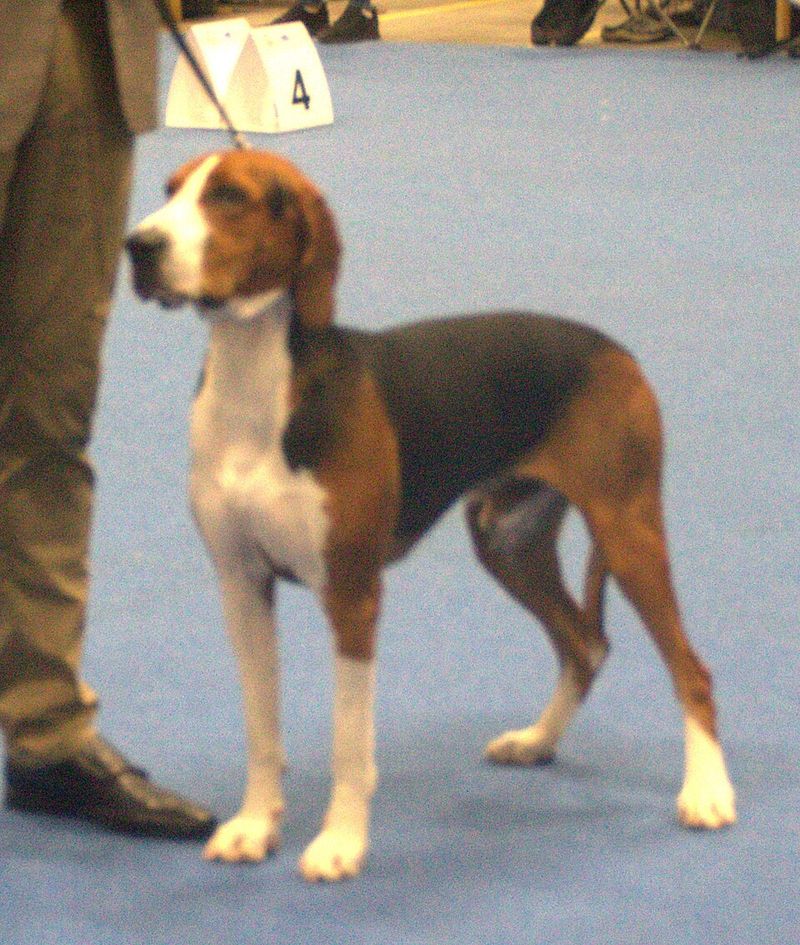
The Hamiltonstövare is a stylish Swedish foxhound built for open country voices and cooperative independence. It hunts with musical drive yet checks back naturally when terrain or scent shifts.
Handlers who keep commands sparse and precise get smooth teamwork without overhandling.
Endurance and balance define this breed’s work style. Give long line sessions, directional hand signals, and consistent release cues to shape clean patterns.
At home, it is social and good natured when exercise needs are met.
Minimal cues shine here: a small motion, a whistle, and it arcs into new ground. Reinforce steady pace and timely returns.
The result is a graceful partner that reads the hunt while staying connected.
Schillerstövare
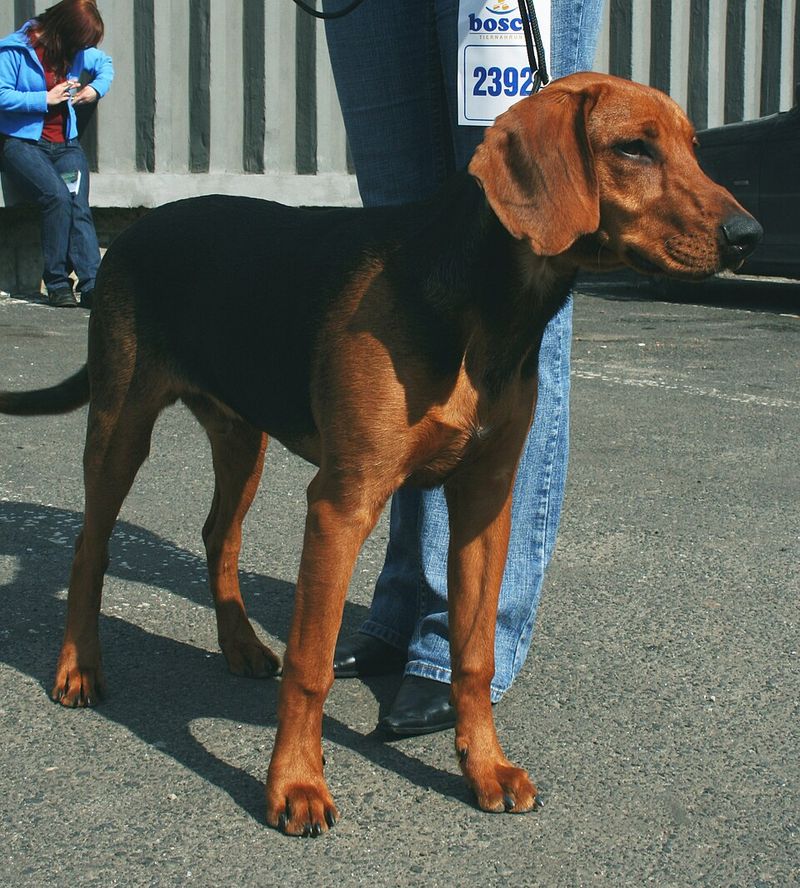
Lean and athletic, the Schillerstövare was bred in Sweden for fox and hare across varied terrain. It thrives when you set the plan, then allow smart autonomy.
With minimal cues, it covers ground efficiently, shifting gears based on scent quality and wind.
Training should emphasize recall patterns, directional gestures, and calm starts. Expect a courteous housemate if daily runs and scent tasks are nonnegotiable.
This breed enjoys work that feels purposeful and fair rather than micromanaged.
Use brief signals that do not disrupt momentum. Reward timely check-ins and clear changes of direction.
You will see a cooperative yet independent dog that treats your guidance like signposts, not a running commentary.
Smålandsstövare
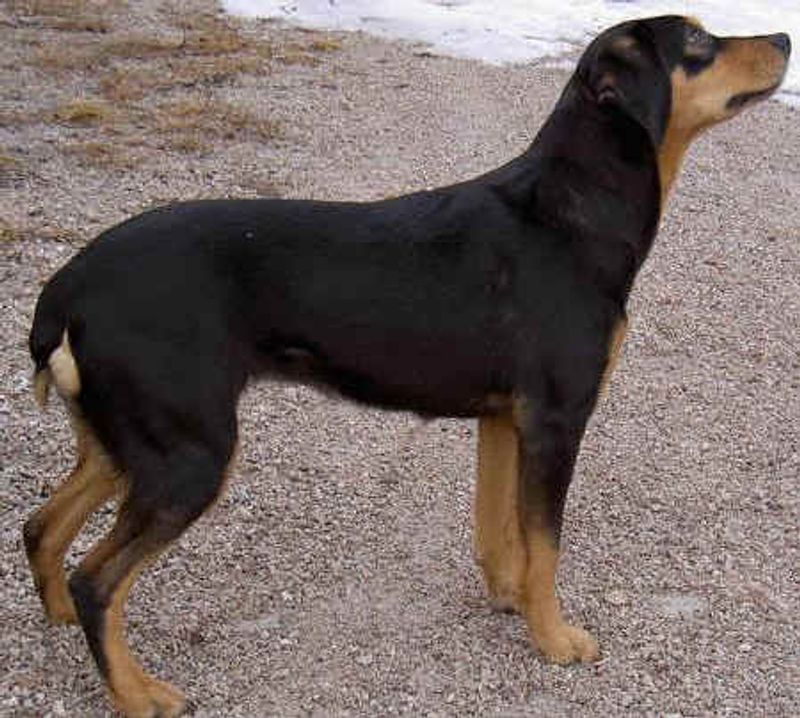
Sweden’s Smålandsstövare is compact, versatile, and notably self-possessed. It was bred as an all-around scenthound for farm and forest, comfortable making decisions with sparse direction.
With a handler who values calm structure, this breed becomes a reliable partner that seldom needs repeats.
Focus on boundary games, line work, and scent puzzles to channel its curiosity. It responds well to predictable routines and neutral body language.
At home, it is loyal and grounded, provided exercise and rest are balanced.
Minimal cues are enough: a hand sweep, a change of pace, and it reads the message. Reinforce quiet focus and smooth transitions.
You gain a thoughtful worker that keeps momentum without constant steering.
Finnish Hound
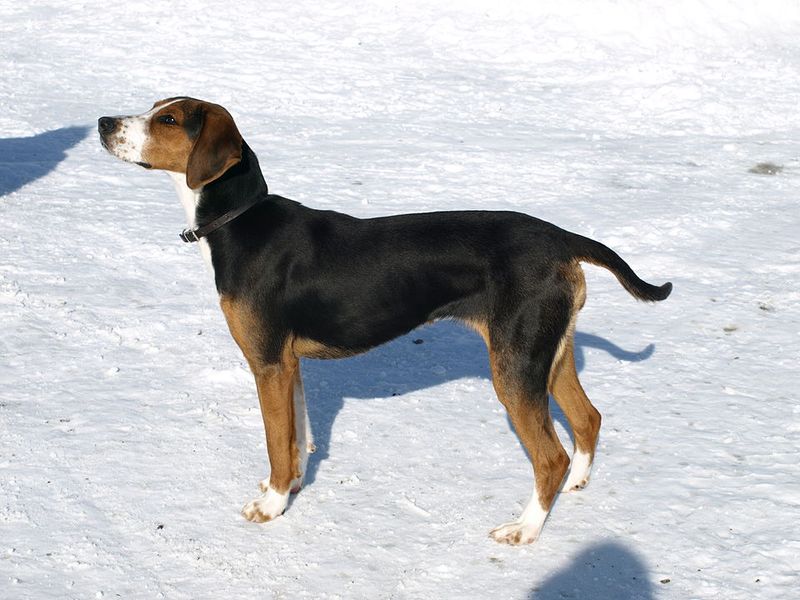
The Finnish Hound brings steady drive and clearheaded problem solving, ideal for handlers who prefer less talk. Known for hare and fox hunting, it maintains a consistent pace while evaluating scent honestly.
Minimal cues help it stay in flow, making teamwork feel almost unspoken.
Training should reinforce recall, check-ins, and directional changes using simple gestures. This breed values routine and plenty of aerobic exercise.
At home, it is agreeable and even tempered when mental needs are met.
Use whistle patterns and predictable release cues rather than constant commands. Reward measured persistence and clean transitions between tasks.
You will get a diligent partner that respects your plan yet thinks for itself in the field.
Hygen Hound
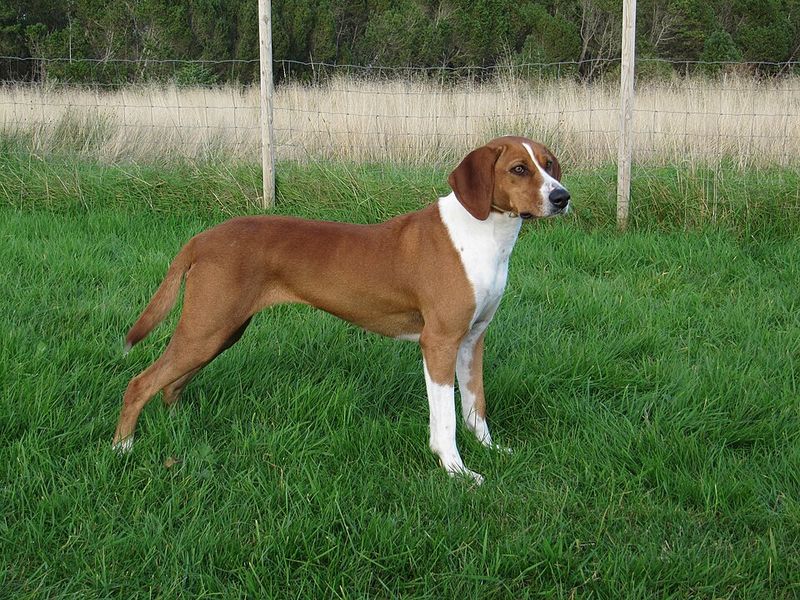
Norway’s Hygen Hound is an endurance specialist that thrives with clear starts and minimal mid run chatter. Bred for tough conditions, it keeps composure while tracking variable scent.
Your job is to set the objective, then let this dog solve the route with periodic check-ins.
Training should include long aerobic outings, line work, and whistle direction changes. It appreciates fair expectations and consistent timing.
At home, it is steady and undemanding if exercise is sufficient.
Minimal cue handling suits its focused mindset: a small hand signal or change of gait communicates volumes. Reward sustained effort and accurate problem solving.
Expect professional, no-drama work ethic from a dog that respects quiet leadership.
Halden Hound
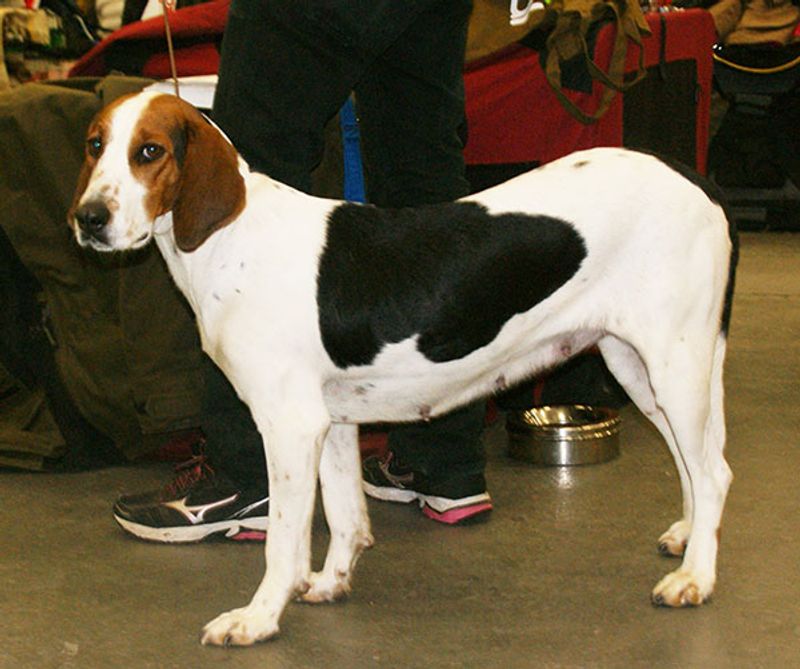
The Halden Hound is a Norwegian hare specialist prized for logical pacing and cooperative independence. It works best when you set clear parameters, then let it process scent without interruption.
With minimal cues, it navigates terrain cleanly and checks back at decision points.
Build training around long line control, recall patterns, and calm pre run rituals. It is friendly and stable at home when exercise is reliable.
Mental work like track laying and scent discrimination keeps it sharp.
Use brief signals that respect its concentration. Reward timely returns and efficient route choices.
In the field, you get a thoughtful partner that treats your guidance like guideposts, maintaining momentum without constant direction.