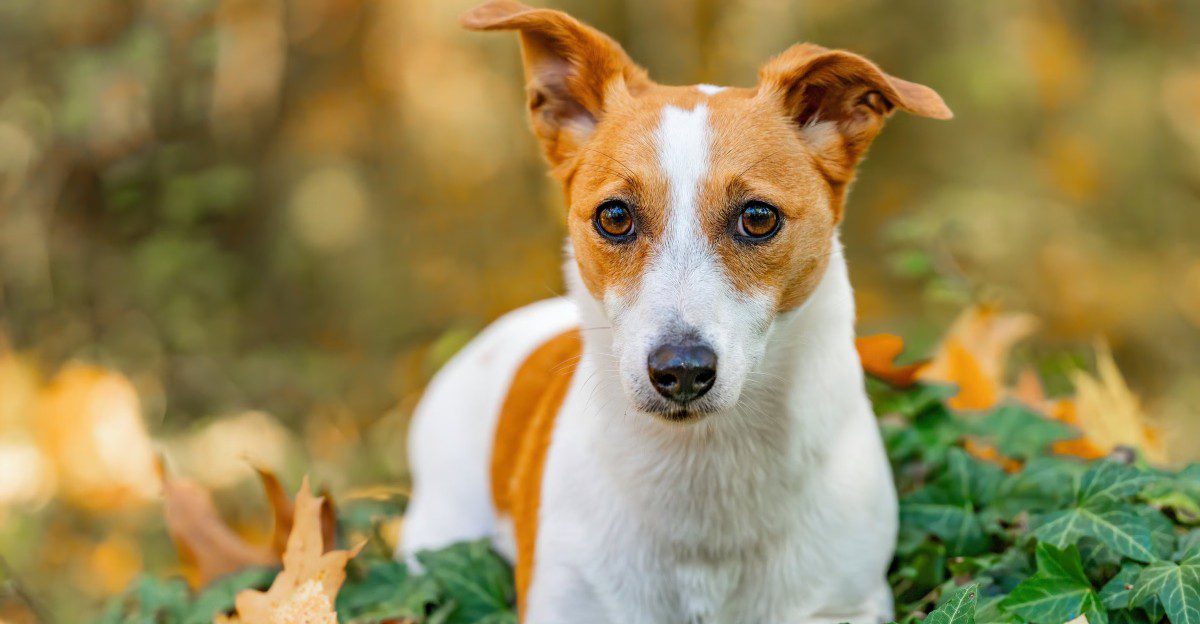
Some dogs seem like they could run all day and still beg for more. But even the most energetic breeds need rest to stay healthy and happy.
Too much exercise can lead to sore muscles, injuries, and even stress. Here is a look at ten high-energy breeds and why downtime matters just as much as playtime for each of them.
Belgian Malinois
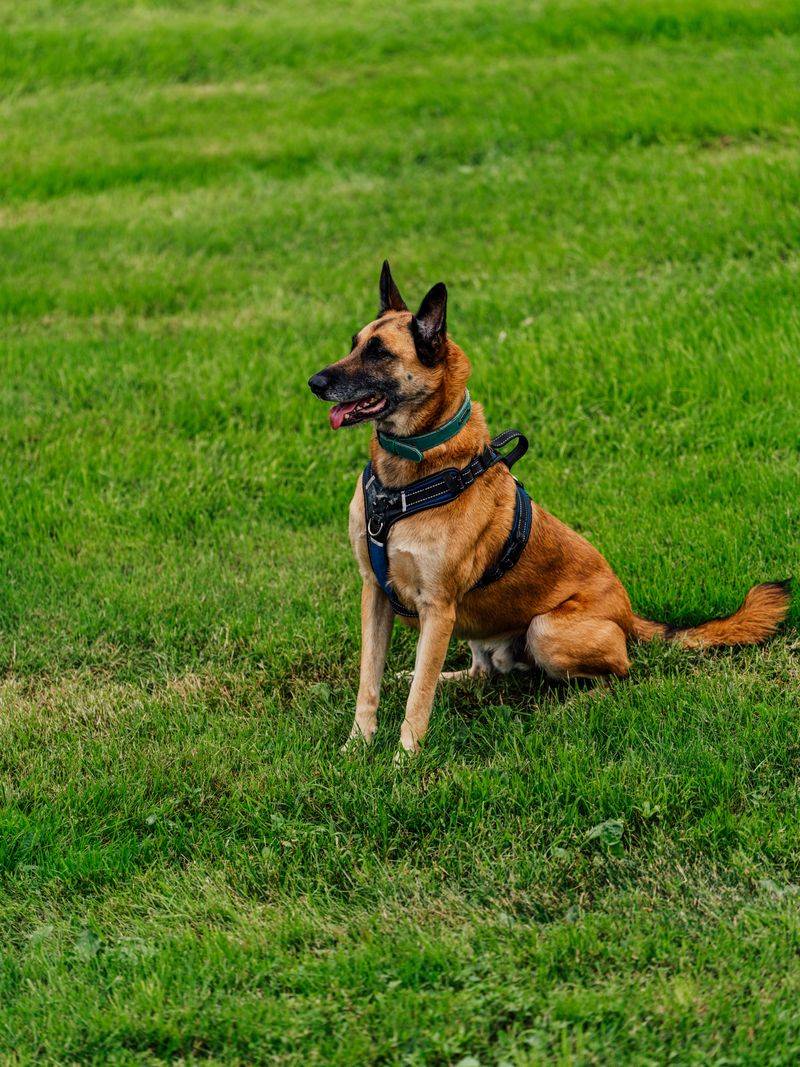
Police officers love the Malinois for its drive, but that drive has a downside. Many of these dogs will keep working long after their bodies are tired.
Owners should plan true rest days, not just lighter workouts. Quiet chew toys and calm sniffing games help their busy minds unwind.
Watch for limping, heavy panting, or restlessness at night. Those signs often mean your Malinois needs a break, even if it acts ready for more.
Border Collie
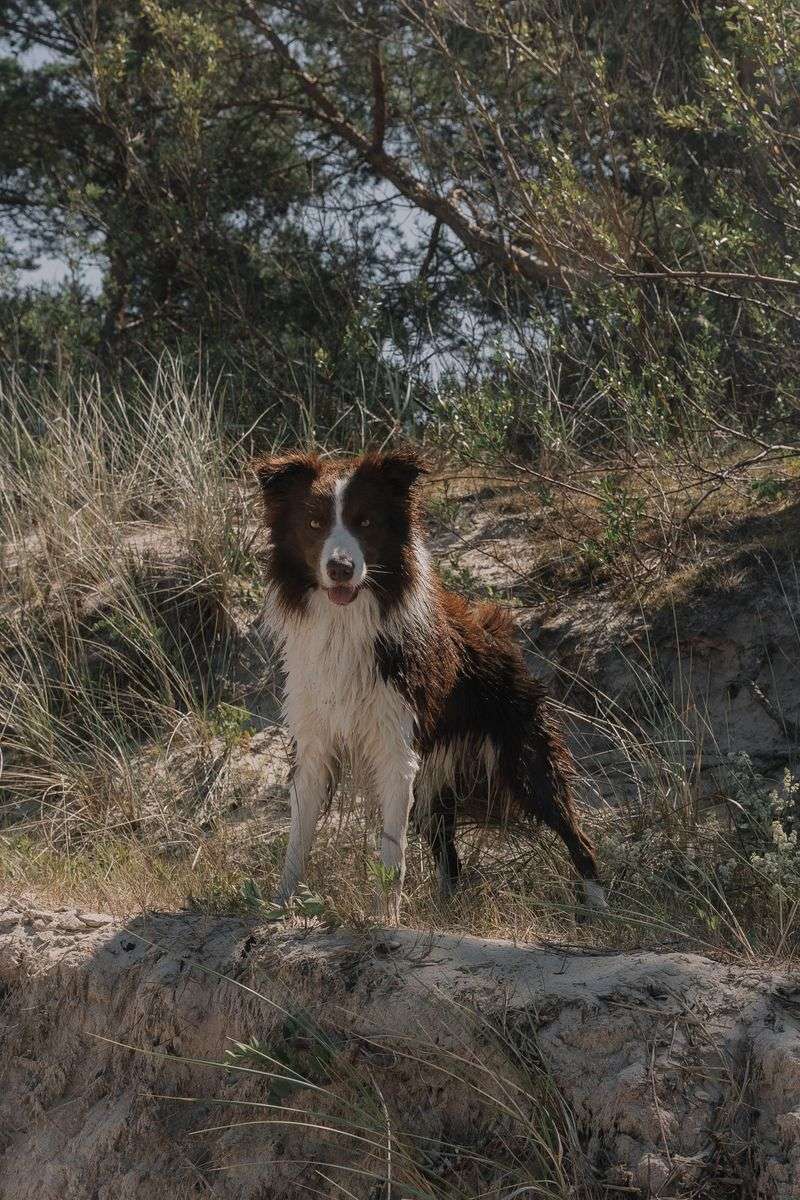
Picture a Border Collie chasing a frisbee for two straight hours. Sounds like fun, right?
Sadly, repeated jumping and sharp turns can strain joints and paws.
Known as the smartest breed, these herders also get mentally fried. Overworked collies may become anxious or start obsessive habits like shadow chasing.
Mix short play sessions with puzzle feeders and nap time. A well-rested collie learns faster and stays sharper during its favorite games.
Siberian Husky
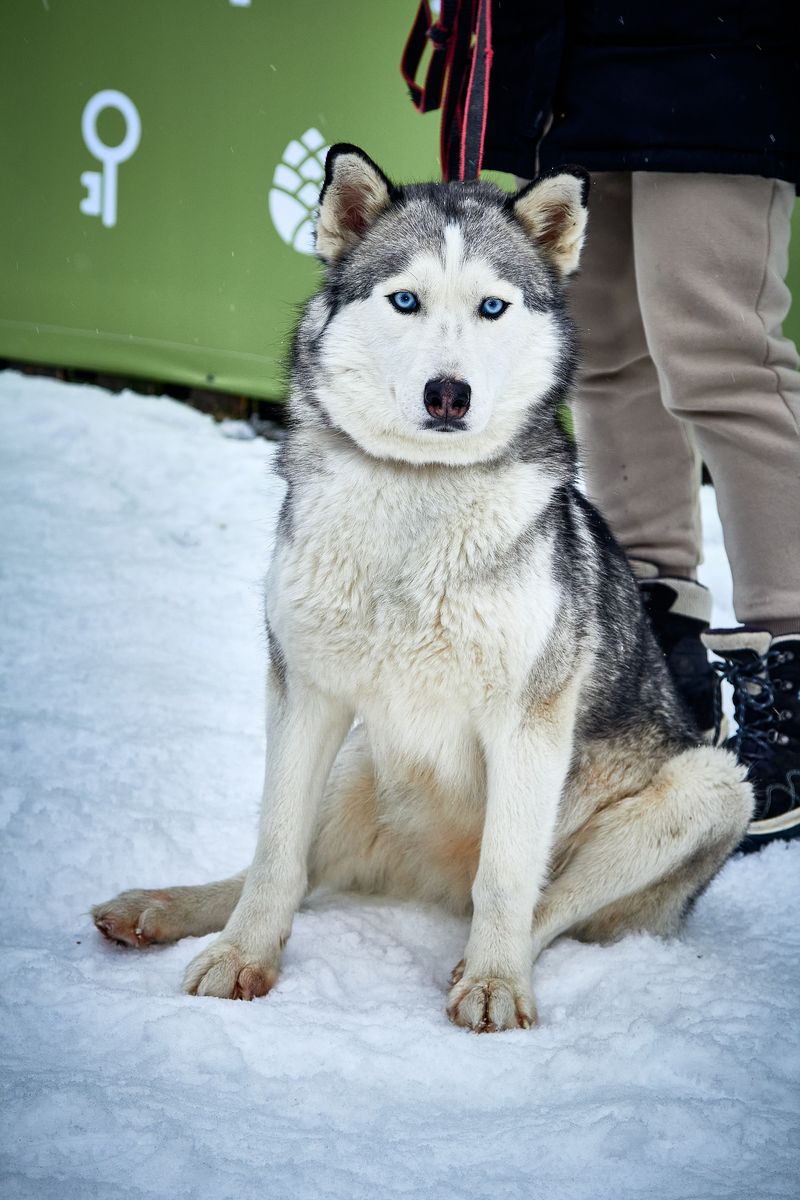
Bred to pull sleds across frozen Siberia, Huskies have legendary stamina. Even sled teams, though, rest between long runs.
Heat is a big concern for this breed. Running a Husky hard on a warm day can cause dangerous overheating fast.
Fun fact: Huskies often curl their fluffy tails over their noses while sleeping to stay warm. Give yours cool shade, fresh water, and plenty of snooze time after big adventures.
Australian Shepherd
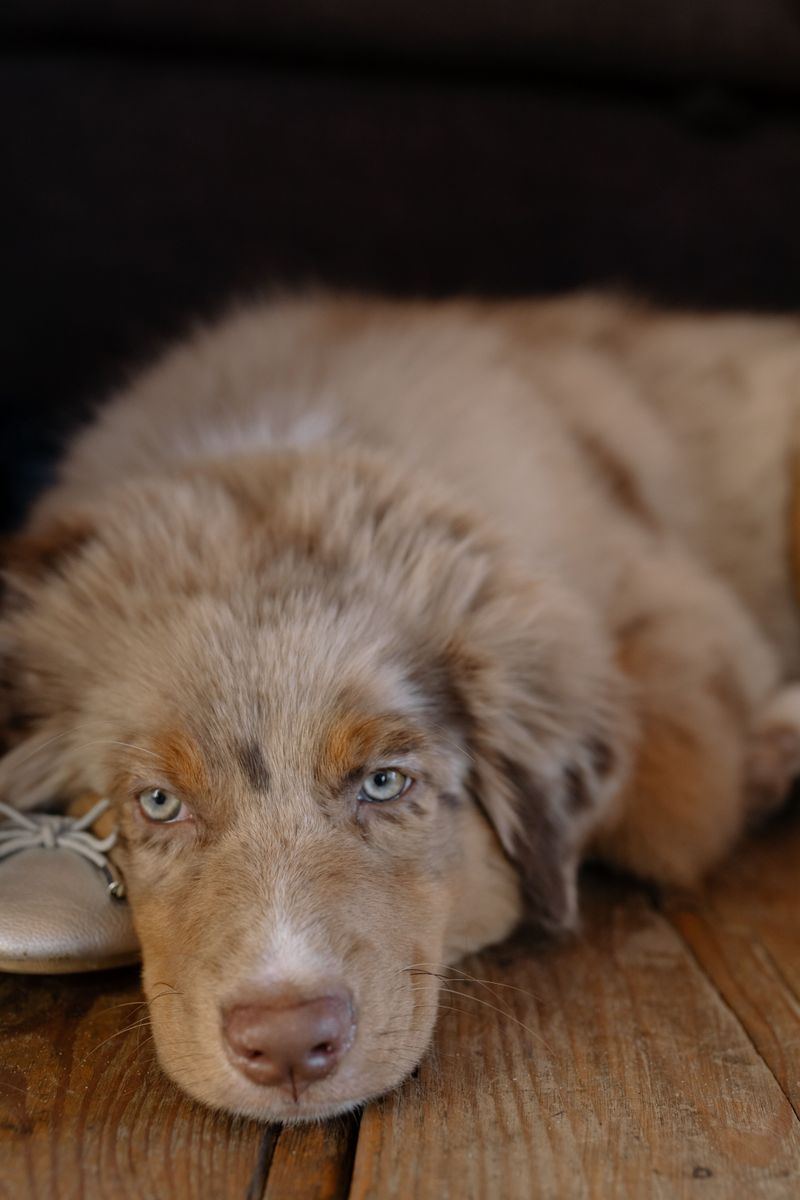
Ask any Aussie owner and you will hear the same story. Their dog would hike every trail in the state if allowed.
Still, growing Aussie puppies are at real risk. Too much running before their bones finish developing can cause lasting joint problems, including hip issues.
Adults benefit from rest too. Try alternating hard days with easy strolls and training games.
Your shepherd will stay loyal, lively, and much less sore.
German Shorthaired Pointer
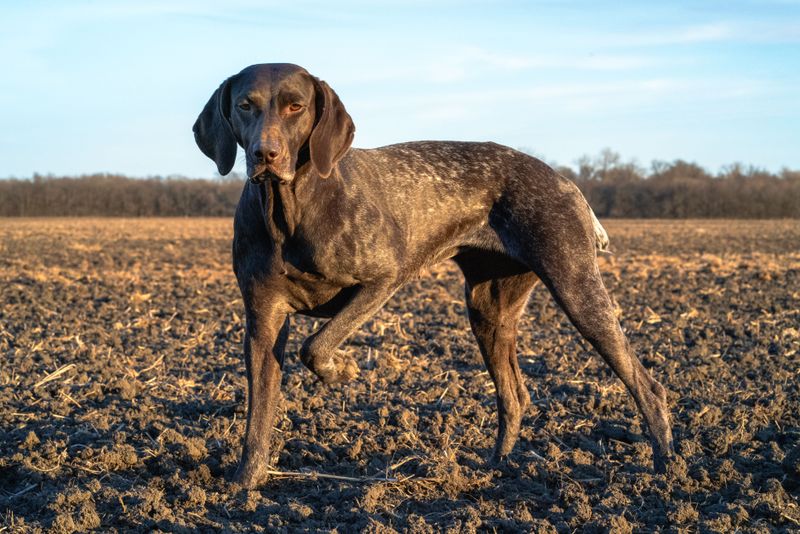
Hunters in Germany created this pointer to work in fields, forests, and water all day long. That toughness can fool owners into thinking rest is optional.
GSPs are prone to muscle strains and torn toenails from hard running. They also have deep chests, so avoid heavy exercise right after meals to lower bloat risk.
A cozy blanket and a quiet hour after dinner make a surprisingly big difference.
Vizsla
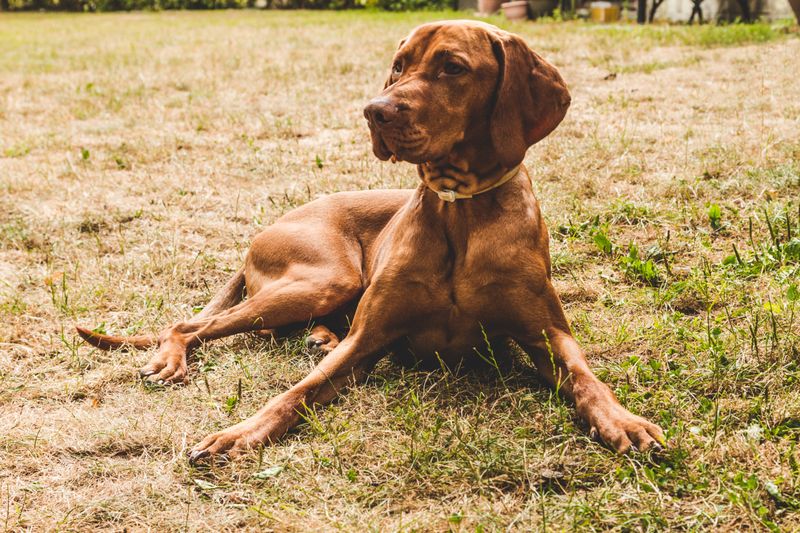
Nicknamed the Velcro dog, the Vizsla wants to stick to you through everything, including long runs. Their short coats and lean bodies, however, offer little padding.
That means sore muscles and scrapes show up quickly after rough outings. Cold weather adds even more strain.
Luckily, these Hungarian sweethearts adore cuddling. Recovery days can simply be couch days under a warm blanket, which most Vizslas consider a perfect reward.
Australian Cattle Dog
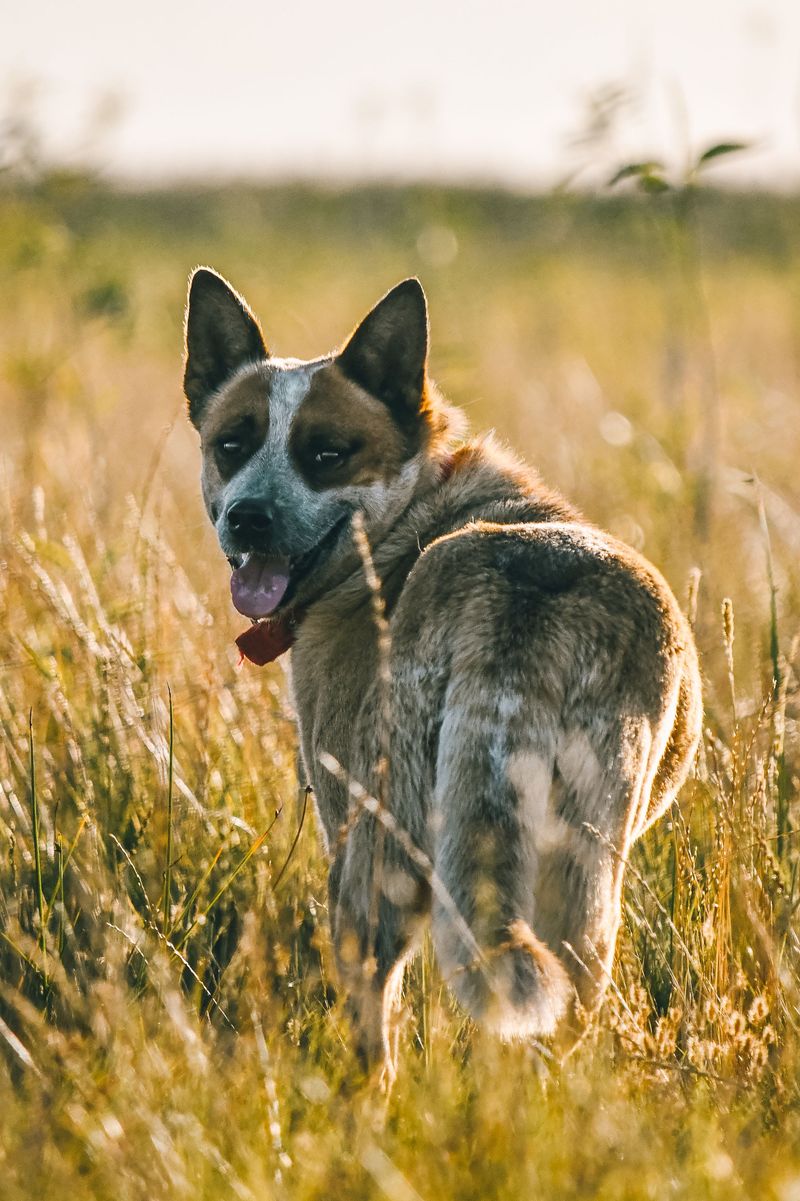
Tough as old boots, the Blue Heeler was bred to herd stubborn cattle across the hot Australian outback. These dogs rarely show pain.
Hiding soreness is exactly why owners must pay close attention. Stiffness in the morning or slower stair climbing can be quiet warning signs.
Build in rest days and gentle stretching walks. Did you know?
A Cattle Dog named Bluey lived almost 30 years, proving good care pays off.
Weimaraner
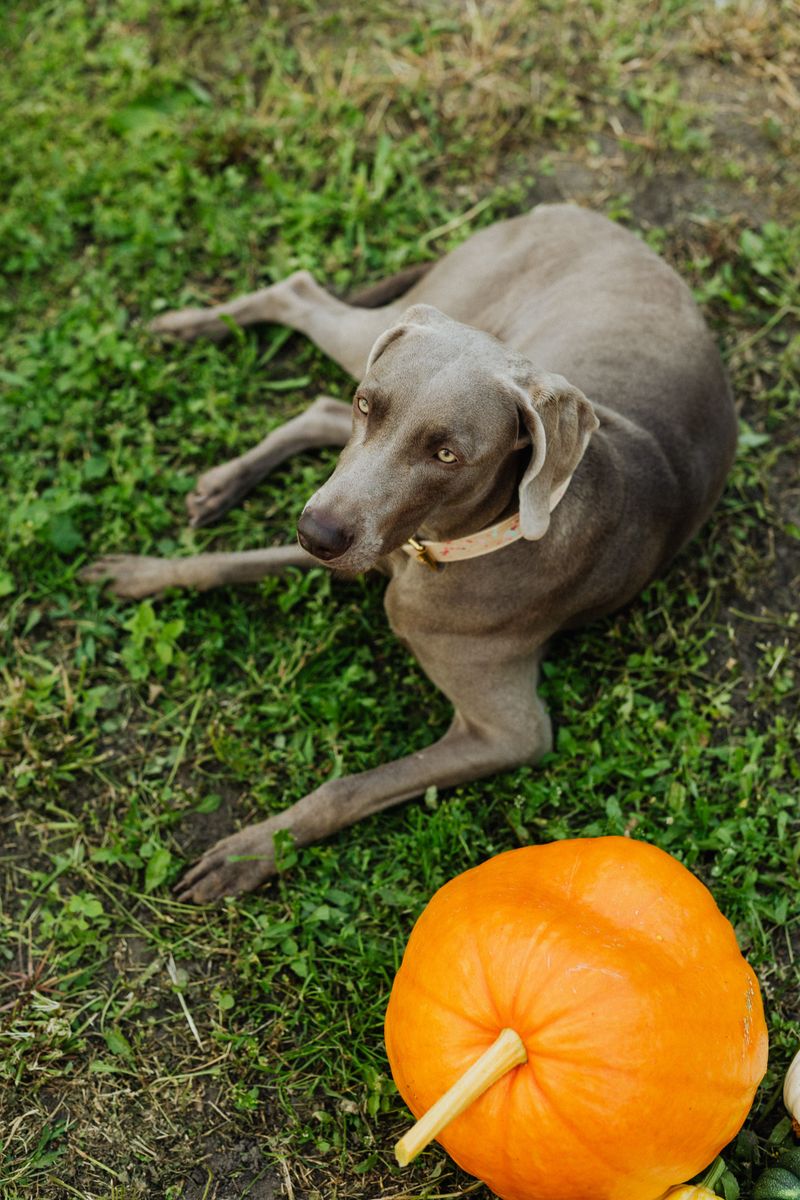
With its ghostly silver coat and amber eyes, the Weimaraner looks elegant. Behind those looks is an athlete that can run for miles.
Overdoing it often leads to injuries in their long legs. Many Weims also get clingy and anxious when overstimulated, which surprises new owners.
Balance matters here. A calm routine with steady walks, brain games, and a comfy bed helps this sensitive hunter recharge both body and mind.
Dalmatian
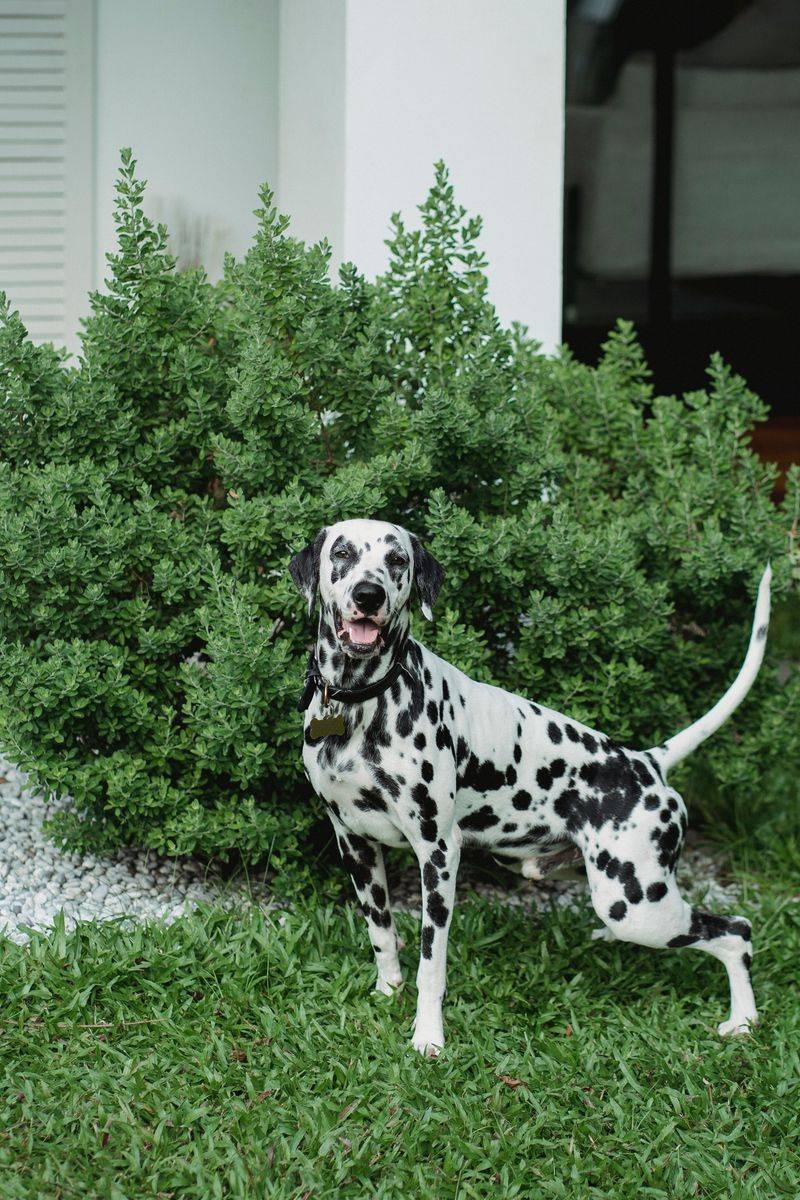
Long ago, Dalmatians ran beside horse-drawn fire wagons for miles. Their endurance is part of history.
Modern Dals still love to move, but they need recovery just like firefighters needed breaks. Too much pounding on pavement can hurt their paws and joints.
Hydration is extra important for this breed because they can form urinary stones. Offer lots of water after exercise, then let your spotted friend enjoy a peaceful nap.
Jack Russell Terrier
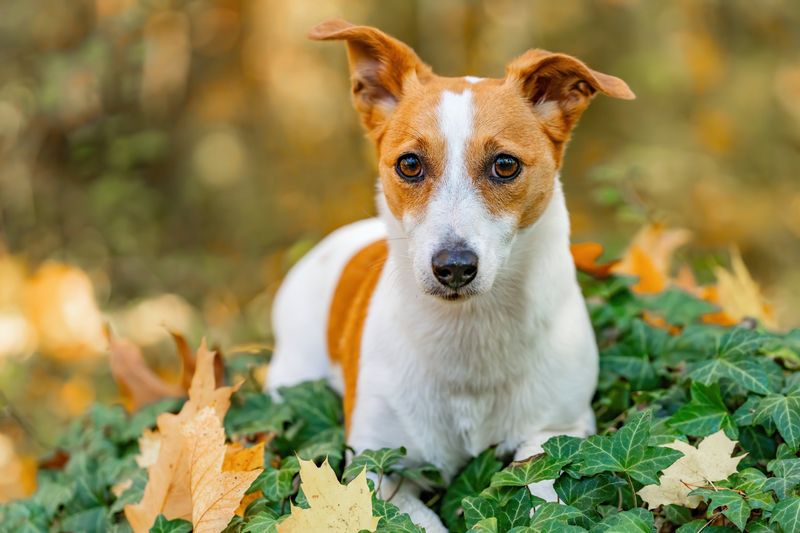
Small body, giant battery. Jack Russells bounce, dig, and chase balls like tiny tornadoes.
All that jumping takes a toll on little knees. The breed is prone to kneecap problems, so endless ball throwing is not always kind.
Try swapping some fetch time for scent games or hiding treats around the house. Your terrier still gets to hunt and explore, while its joints get a much-needed breather.