
Scrolling gut-flare threads and thinking your dog might be next? You are not alone.
Certain breeds seem to pop up again and again when owners vent about surprise diarrhea, late-night yard runs, and vet dashes. Here are the breeds most mentioned, why they could be sensitive, and practical steps you can try before the next messy episode sneaks up.
German Shepherd Dog
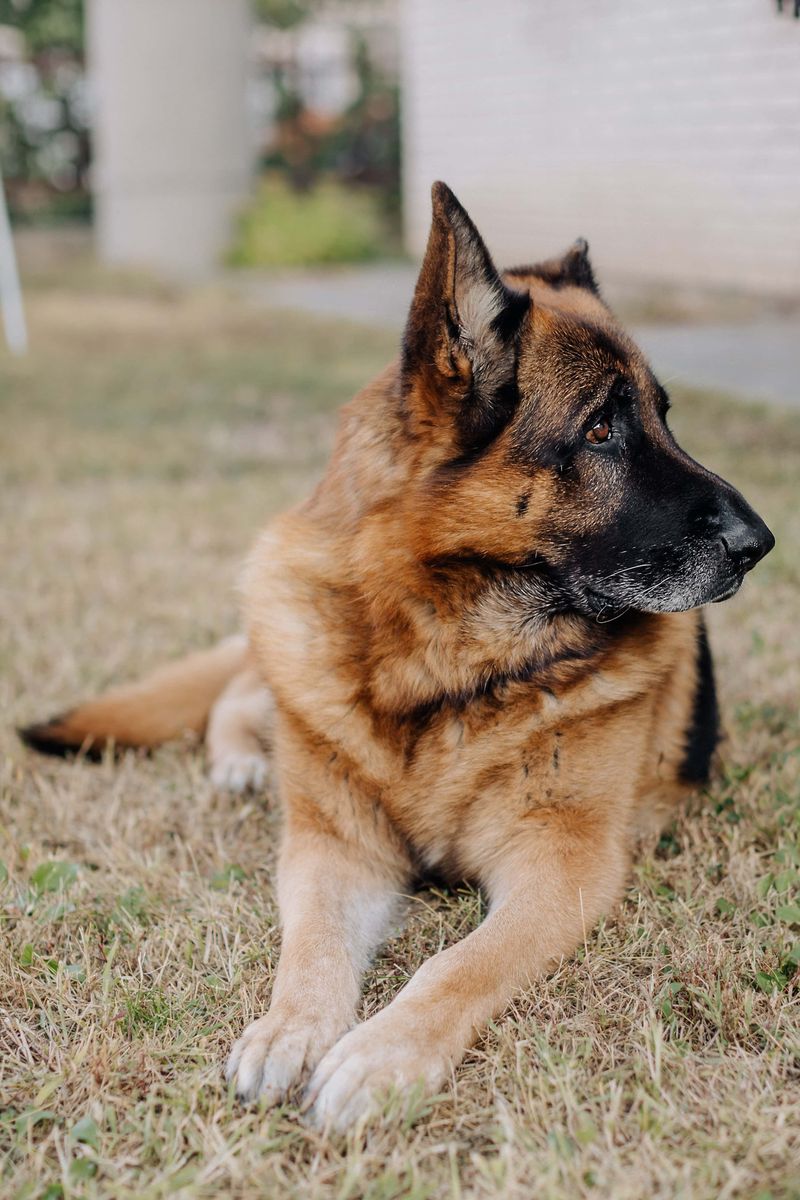
German Shepherds show up constantly in gut-flare threads, and it is not just random. Their sensitive digestive systems can wobble with diet changes, stress, or intense training days.
You will see owners swapping probiotics, bland meals, and slow transitions to new foods when diarrhea suddenly hits.
Try a limited-ingredient diet and add fiber like canned pumpkin or psyllium under your vet’s guidance. Hydration is critical, especially after messy episodes.
Keep high-fat treats minimal, and introduce any novel proteins cautiously.
Track patterns with a simple journal: activity spikes, treats, and stressors. If flares repeat, ask your vet about B12 testing, parasites, and EPI screening.
A steady routine, measured portions, and consistent brands can make the difference you are hoping for.
Boxer
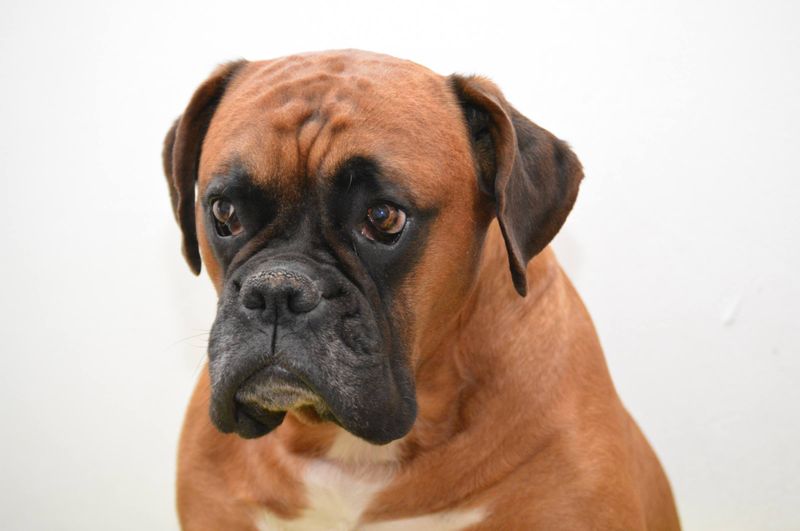
Boxers are energetic goofballs, but their guts can be dramatic. Many owners report sudden loose stools after excitement, heavy exercise, or rich treats.
You will hear about gas too, which often signals a food sensitivity or too-fast eating.
Slow things down: use a slow feeder and smaller meals. Choose a moderate-fat formula and consider a single protein source.
Probiotics tailored for dogs can help stabilize the gut microbiome during stress or travel.
If diarrhea keeps returning, ask your vet about ruling out parasites and inflammatory bowel disease. Keep a list of safe treats and ditch table scraps.
A predictable routine and careful transitions between foods often stop those surprise evening cleanups you dread.
Great Dane
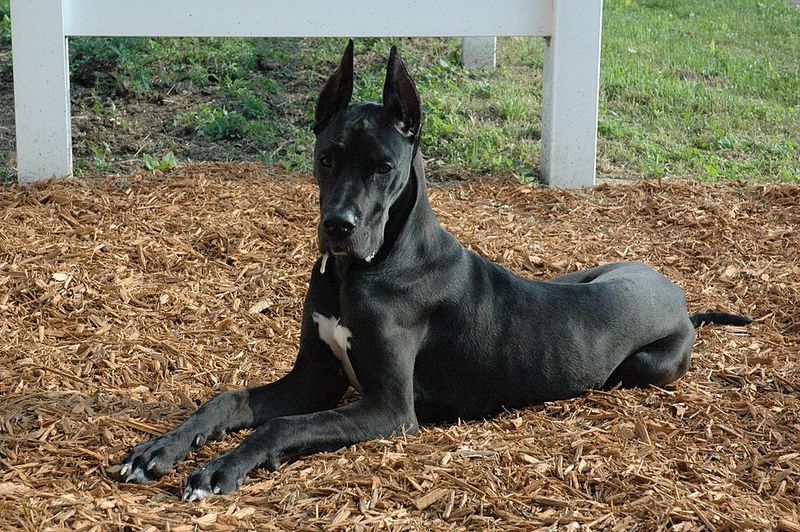
Great Danes have big hearts and big digestion needs. Owners often mention sudden diarrhea after portion mistakes or rapid diet switches.
Their size can hide dehydration risk, so you will want to watch water intake closely during flares.
Break meals into two or three portions to reduce gut overload. Choose easily digestible formulas with clear ingredient panels.
Add soluble fiber if your vet approves, and avoid heavy-fat toppers that can tip things over.
Stress reduction matters for this sensitive giant. Keep exercise steady and calm around feeding times.
If episodes persist, request a fecal exam and discuss pancreatic or malabsorption screening. A steady routine, slow transitions, and consistent protein sources can tame those surprise blowouts.
French Bulldog
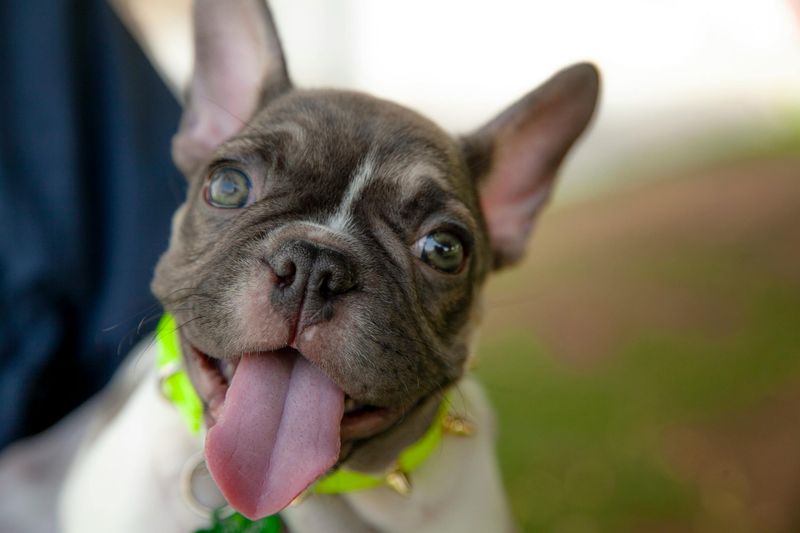
Frenchies are adorable, but their guts can be touchy. Owners often notice random diarrhea after scarfing treats or when heat and stress spike.
Food sensitivities to certain proteins or additives are common culprits mentioned in threads.
Try a vet-guided elimination diet to find safe proteins. Keep treats simple and avoid dairy.
Probiotics and prebiotic fiber can help regularity, and a slow feeder reduces air gulping that worsens gut discomfort.
Monitor skin and ear issues alongside stool quality, since allergies often travel together. Hydration and electrolyte support during flares speeds recovery.
If patterns repeat, ask your vet about bile acid diarrhea or small intestinal bacterial overgrowth. Consistent routines can keep your Frenchie far more comfortable.
English Bulldog
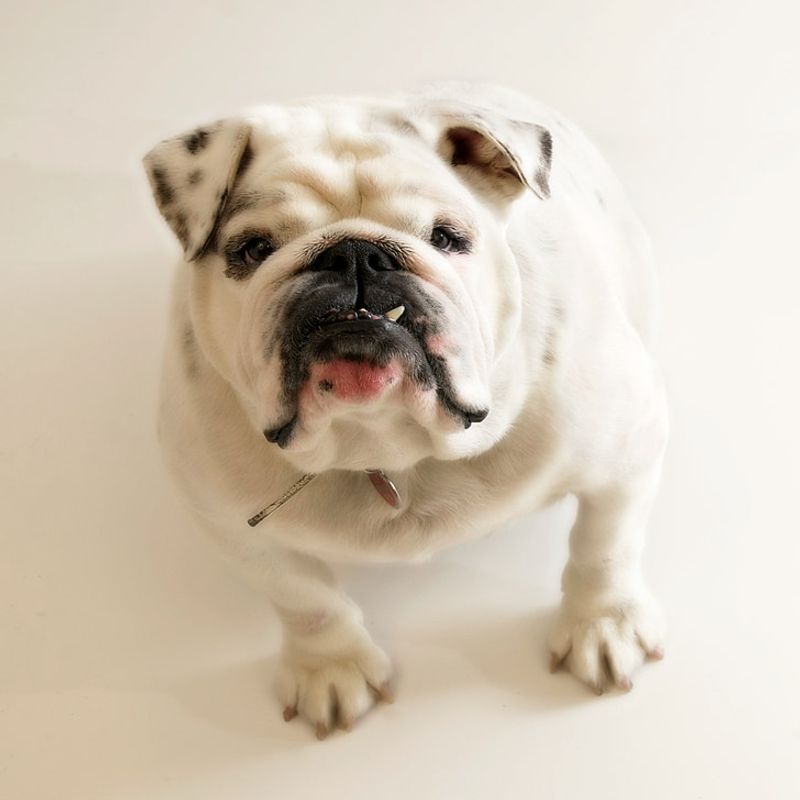
English Bulldogs frequently appear in gut-flare chats, especially when diets swing or rich snacks sneak in. They can be sensitive to high-fat foods, and heat stress often worsens stool issues.
You will see success stories around steady routines and bland recovery meals.
Keep meals portioned and choose a digestible formula with balanced fiber. Pumpkin or psyllium, under vet guidance, can firm things up.
Avoid greasy table scraps and watch for lactose sensitivity.
Monitor for concurrent skin or ear flares that hint at allergies. A slow transition between foods over 10 to 14 days helps prevent setbacks.
If diarrhea returns often, ask your vet about parasites, colitis, and thyroid checks. Patience and consistency usually pay off for bulldog bellies.
Pug
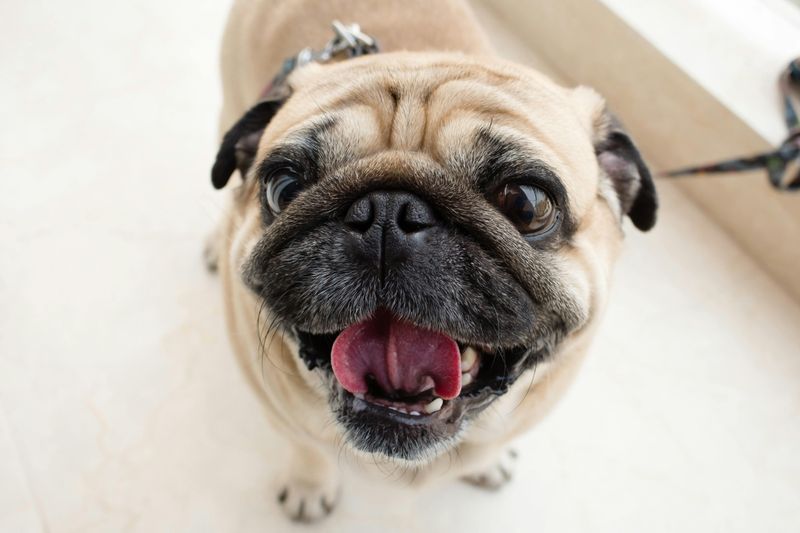
Pugs are little clowns with surprisingly sensitive stomachs. Owners describe random loose stools after excitement, new treats, or scavenging.
Because Pugs can be food motivated, overfeeding is a frequent trigger you can control.
Stick to measured meals, and consider a sensitive-stomach formula. A slow feeder helps pace eating and reduce swallowed air.
Talk to your vet about adding canine probiotics and a dab of soluble fiber when flares happen.
Watch for concurrent coughs or respiratory strain, since stress can ripple through digestion. Keep walks calm after meals and limit fatty snacks.
If problems repeat, ask your vet about fecal testing and food intolerance trials. Small, consistent changes often stop the late-night carpet emergencies.
Miniature Schnauzer
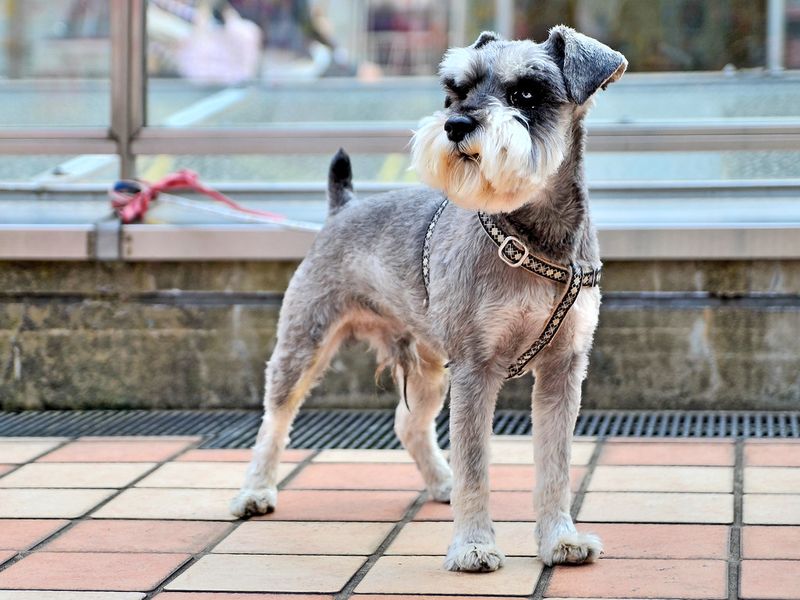
Miniature Schnauzers frequently get flagged for tummy upsets, especially when fat runs high. Owners often report random diarrhea following indulgent treats or holiday scraps.
This breed can be prone to pancreatitis, so extra caution with dietary fat is smart.
Choose a low to moderate fat food and keep treats lean. Feed smaller, more frequent meals if your vet agrees.
Probiotics plus a consistent routine help stabilize stools.
Track episodes alongside any vomiting or abdominal discomfort. If flares persist, discuss enzymes, pancreatic testing, and a fecal workup.
Hydration is key after bad bouts. With careful fat management and slow food transitions, many Schnauzers settle into reliable, firm stools again.
Cocker Spaniel

Cocker Spaniels pop up in gut threads when stress or diet shifts hit. Many owners note soft stool swings alongside skin or ear issues, hinting at allergies.
You will see people recommending bland diets, then gradual reintroduction of proteins.
Start a food diary to track triggers and stool quality. Ask your vet about hypoallergenic options if symptoms repeat.
Probiotics and omega-3s may help calm gut and skin together.
Keep exercise steady and avoid high-fat chews. Hydrate, and consider electrolytes during bad episodes.
If diarrhea keeps returning, request fecal testing and discuss inflammatory conditions. Consistency, careful treat choices, and slow transitions usually bring Cockers back to wagging comfort.
West Highland White Terrier
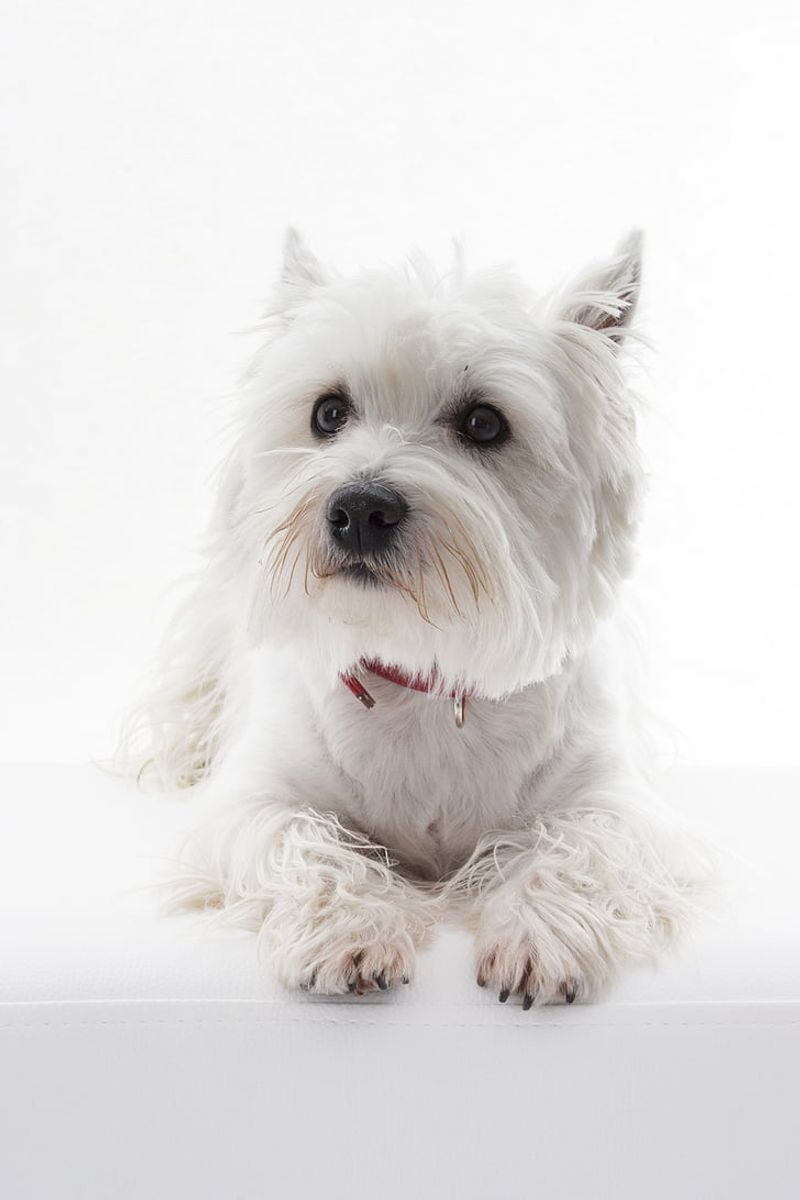
Westies are cheerful, but many owners mention recurring diarrhea tied to suspected allergies. Skin itch and ear gunk often tag along, pointing toward food sensitivities.
You will see recommendations for limited-ingredient diets and strict treat control.
Try a single protein and single carb formula, with your vet guiding trials. Keep a log of flare days and environmental changes.
Probiotics may support gut resilience, while omega-3s can soothe inflammation.
Wipe paws after walks to reduce allergen load. Avoid high-fat table food and keep portions consistent.
If episodes persist, discuss fecal tests and bile acid diarrhea with your vet. With patience and careful ingredient management, Westie stomachs generally stabilize well.
Labrador Retriever
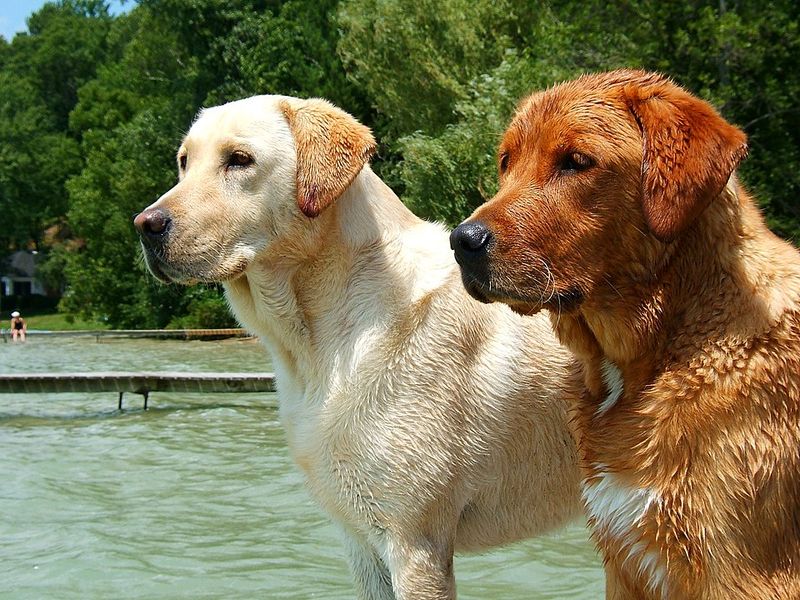
Labs love food, and that enthusiasm can backfire with diarrhea. Owners report surprise flares after counter surfing, park snacks, or abrupt brand changes.
Because Labs are active, training treats can add up faster than you realize.
Measure meals, stash food securely, and use consistent treat options. Choose a digestible formula and transition slowly between brands.
Probiotics and a touch of soluble fiber can help during stressful periods or travel.
Hydrate thoroughly after any episode. If recurring, ask your vet for fecal checks and consider a limited-ingredient trial.
Keep post-meal play mellow to avoid gut jostling. With structure and predictable feeding, most Labs regain dependable digestion and you can enjoy calmer walks.
Golden Retriever
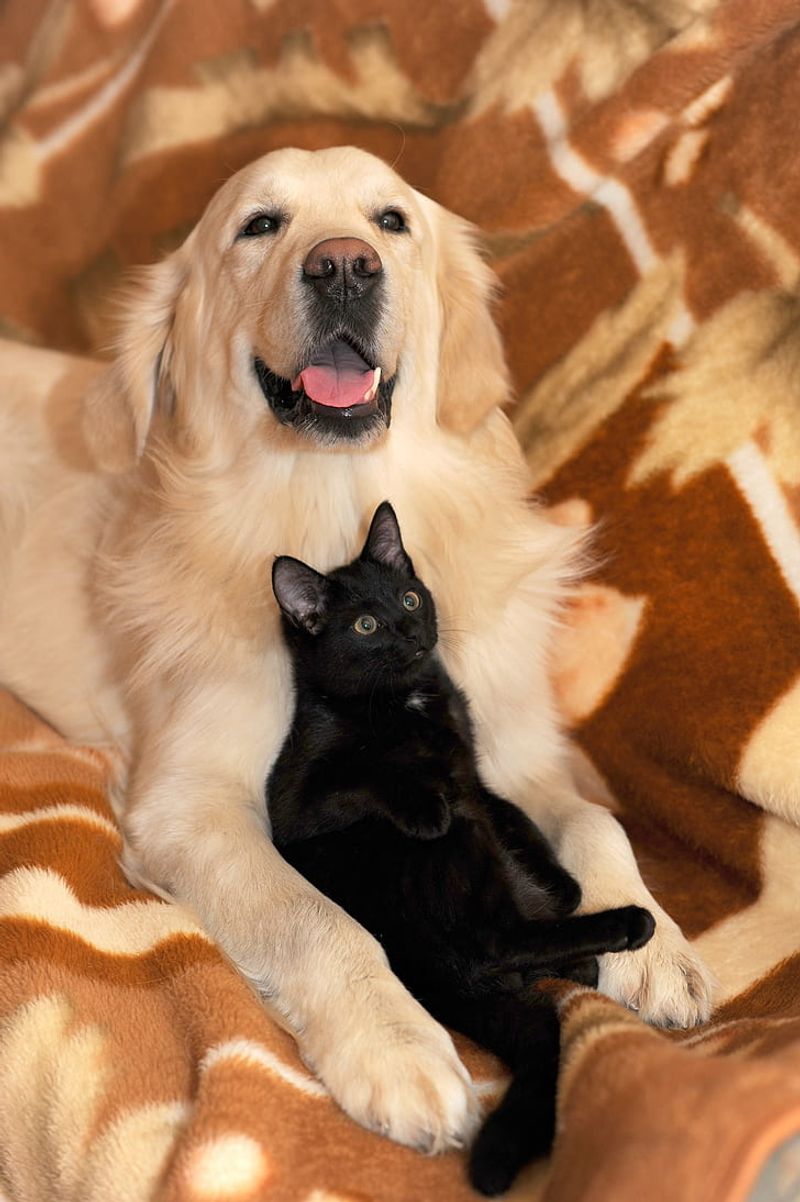
Golden Retrievers frequently appear in gut-flare threads, especially when stress and diet shifts combine. Many owners report soft stools with skin itch, hinting at sensitivities.
You will hear success stories featuring gradual transitions and simple, predictable menus.
Consider a limited-ingredient or hydrolyzed diet if flares persist. Add probiotics and discuss omega-3s with your vet.
Keep treats consistent and cut fatty extras that sneak in during training or holidays.
Track episodes with a simple log to spot patterns. Hydration and brief bland diets can reset the system.
If diarrhea continues, request fecal tests and talk about inflammatory causes. With steady routines and focused ingredient control, most Goldens return to happy, swishy-tail normal.
Dachshund
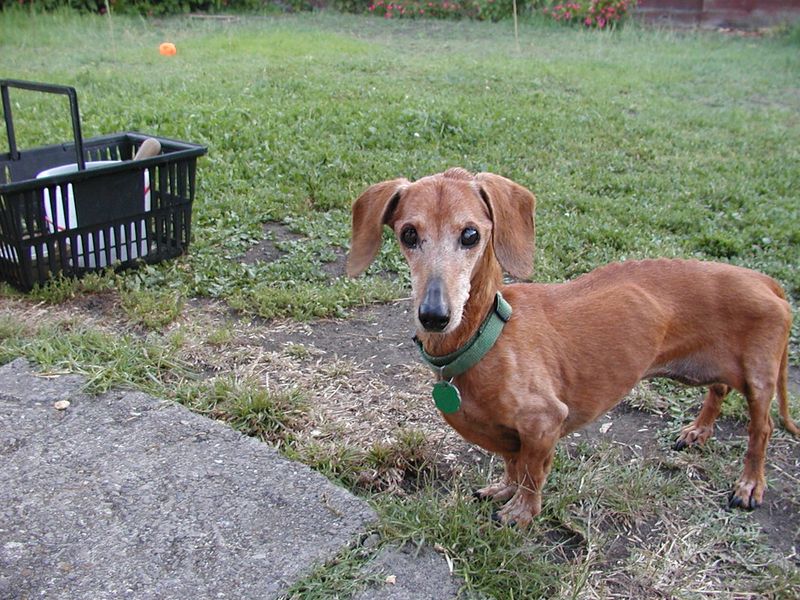
Dachshunds can surprise you with random diarrhea after scavenging or quick diet changes. Their long backs mean you will want calm routines, including gentle activity around meal times.
Owners often mention success with simple foods and tight portion control.
Use measured meals and consider a limited-ingredient diet if flares repeat. Add soluble fiber like pumpkin when your vet approves.
Probiotics can help stabilize the microbiome after stress or travel.
Prevent access to trash and high-fat leftovers. Keep a log of treats, walks, and stool quality to spot triggers.
If issues continue, schedule fecal testing and ask about pancreatic or bile acid problems. Consistency and small adjustments usually bring reliable results for doxie tummies.