
That perfect off leash angel can morph into a sled dog the second a clip snaps shut. If you have muttered why is this happening you are not alone.
The leash frustration conversation is exploding because so many energetic breeds hit the pavement with rocket fuel. Keep reading for bite size insights and calm boosting strategies tailored to ten famously spirited walkers.
Vizsla
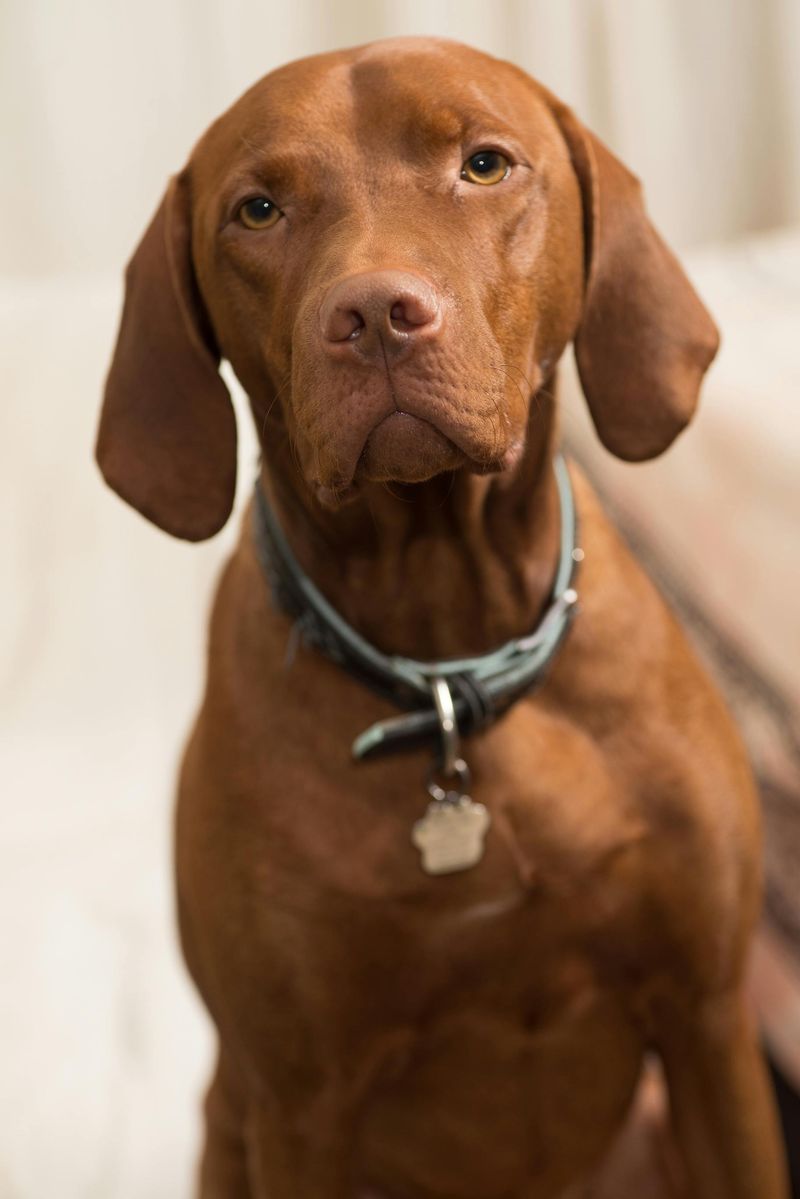
Vizslas are sunshine powered athletes with hearts as big as their strides. On leash, that zest often translates to ski tow physics, especially when birds, joggers, or leaves make cameo appearances.
You are not dealing with stubbornness so much as an enthusiasm overload that needs a smarter outlet.
Try pattern games like one two three walk and rapid treat scatter resets. A front clip harness and six foot leash give steering without a tug of war.
Short training sprints, then sniff breaks, prevent frustration.
Layer in find it cues before distractions appear, and reward any slack leash moment like a jackpot. Ten minutes of nose work pre walk is magic.
Your elegant red shadow will float instead of fly.
Weimaraner
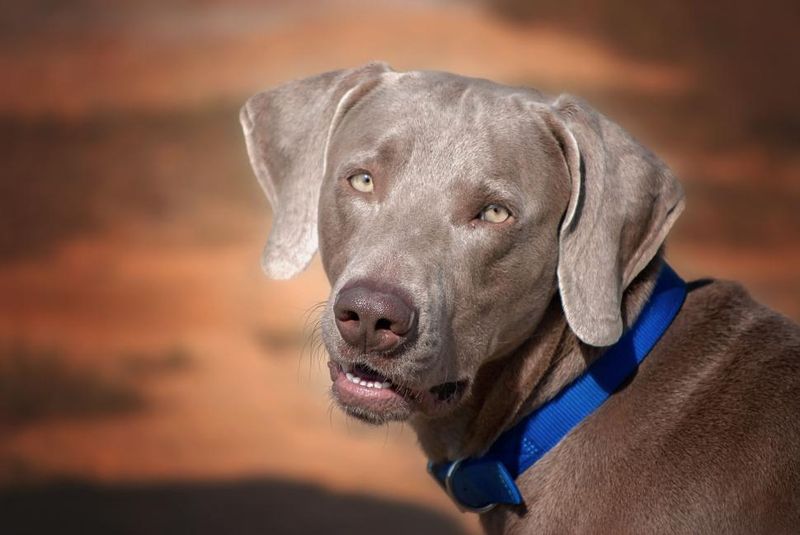
Weimaraners read the world like mission briefings. Clip the leash and their scanning radar kicks on, pulling you toward every movement and scent.
That intensity is genetic, not rude, so plan walks like training sessions rather than afterthoughts.
Start with hand targets to pivot away from triggers and pay generously for heel magnets. Use variable rewards, food and a tossed toy into grass, to keep engagement sticky.
A well timed u turn becomes your secret escape hatch.
Pre load the calm with fetch or flirt pole reps in the yard, then slip into structured walking. Practice at quiet times to rehearse wins.
Once their brain softens, the silver ghost glides instead of drags.
German Shorthaired Pointer
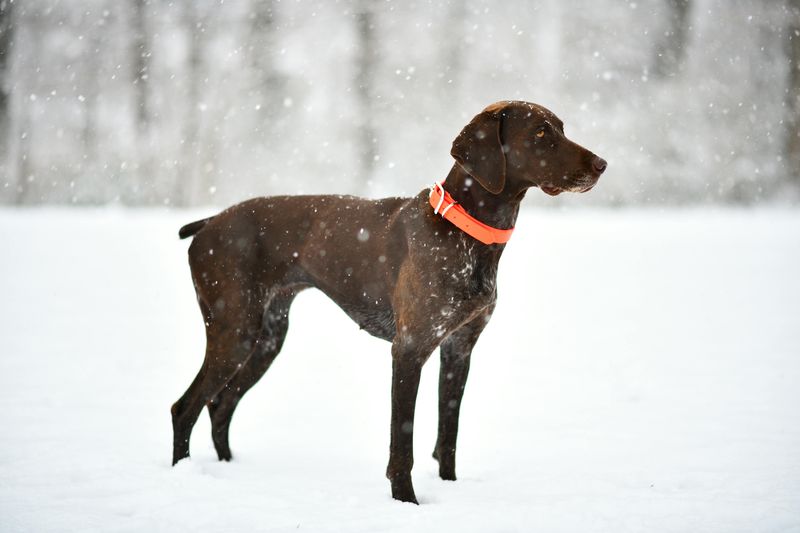
GSPs are turbocharged scent computers, and the leash can feel like a speed limiter they want to jailbreak. Forward momentum is self rewarding, so every pull that moves you teaches more pulling.
Flip the script by making slack leash the green light.
Take one step, feed. Two steps, feed.
If the leash tightens, stop, reset with a circle, and try again. Alternate heel work with deliberate sniffaris to respect their nose driven joy.
Mark head turns toward you long before birds appear. Add find a post cues to pause and breathe.
With clarity and consistency, your spotted athlete learns that cooperation opens the map faster than yanking ever could.
German Wirehaired Pointer
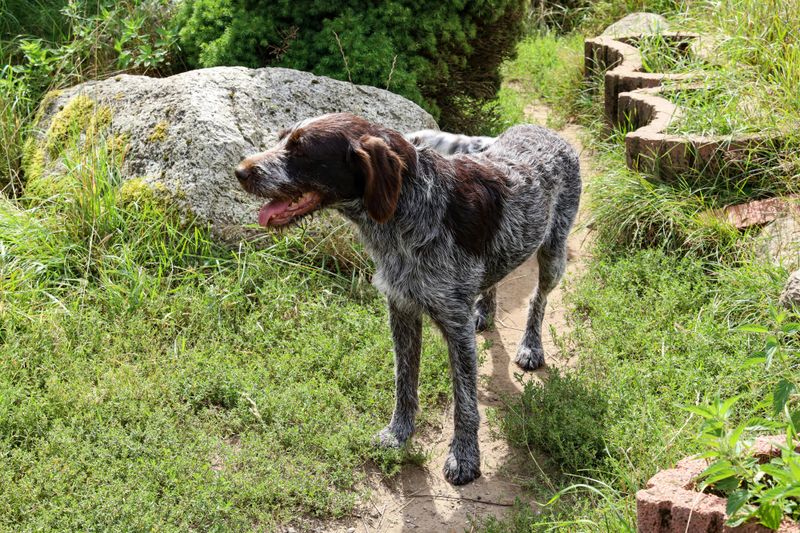
That scruffy beard hides a professor of persistence. German Wirehaired Pointers problem solve under pressure, so a static heel can feel pointless to them.
Give structure and a job or the leash becomes a tugging thesis defense.
Use sniff checkpoints every block and mix in platform training at curbs. Ask for two seconds of stillness, mark, then release to sniff as payment.
Gentle pressure and release techniques pair well with a front clip harness.
Teach a hunt together cue, keeping them within a six foot bubble while tracking. Reward nose up check ins heavily.
When partnership makes the path interesting, your wirehaired strategist chooses teamwork over torque.
Brittany
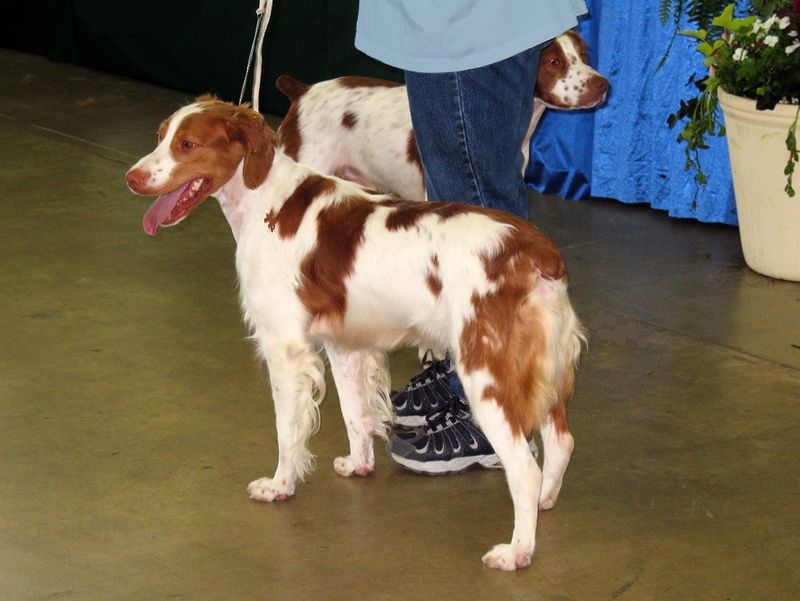
Brittanys bounce like champagne bubbles, which is adorable off leash and chaotic on pavement. They ping between scents and sights, turning your arm into a shock absorber.
Channel that joy into quickfire engagement and frequent releases.
Use three step pattern walks and mark every voluntary glance your way. Slot in ten second sniff tickets as earned rewards.
Keep sessions brisk, then switch environments before boredom morphs into pulling.
Trick breaks matter: spin, sit, touch, then walk. The brain reset trims the fizz without dulling their sparkle.
Soon your Brittany learns that polite rhythm gets them to the next adventure faster than ricochet walking.
English Pointer
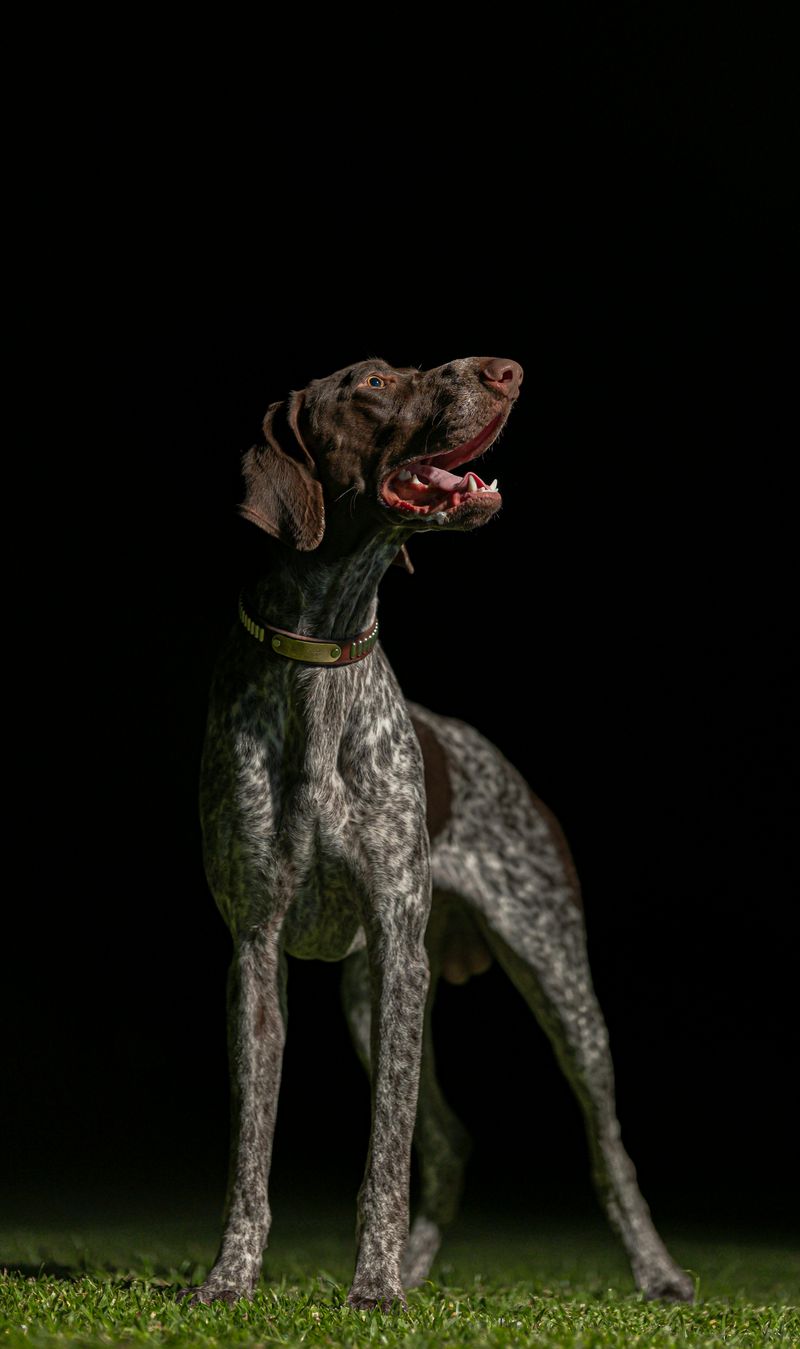
English Pointers freeze then blast, a start stop dance that shreds leash manners. The sight of birds or squirrels can hijack their brain in a blink.
Teach escape hatches you can use before lift off.
Install a look cue with big payouts and practice at a distance from wildlife. Use wide arcs and u turns to avoid conflict, praising any tension release.
A lightweight long line during decompression walks protects training.
Balance field style searches with city etiquette by setting intentional point and release moments. When they realize you control the hunt, cooperation blooms.
Your elegant athlete will float beside you until it is time to work.
Dalmatian
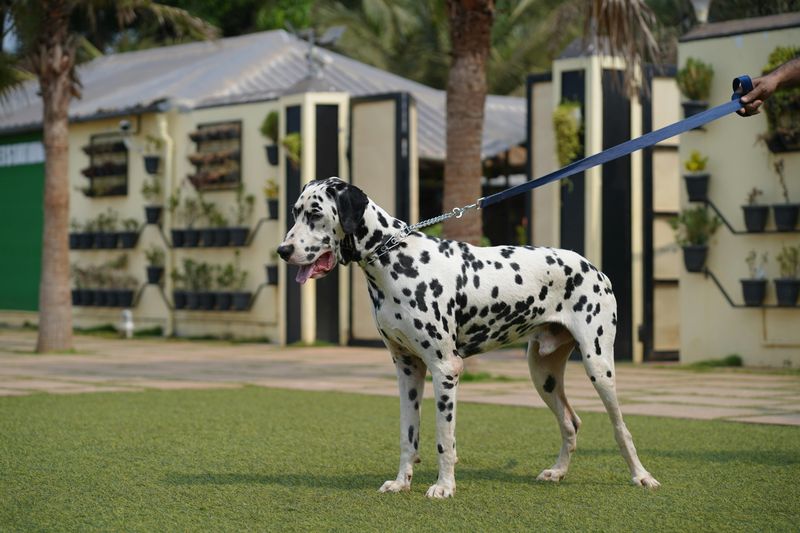
Dalmatians are endurance machines with a curious streak, and that combo can turn sidewalks into relay tracks. They anticipate forward motion, so consistent pace changes teach them to check in.
Think playful instead of punitive.
Run ten slow steps, then three quick, then stop and feed when the leash droops. Sprinkle in find it confetti to drain energy.
A well fitted Y harness keeps shoulders free and discourages towing.
Enrich the day off leash in safe areas or with carting sports to meet their work history. When their needs are met, politeness becomes easy.
Soon your spotted co pilot syncs to your rhythm and the tug fades away.
Plott Hound
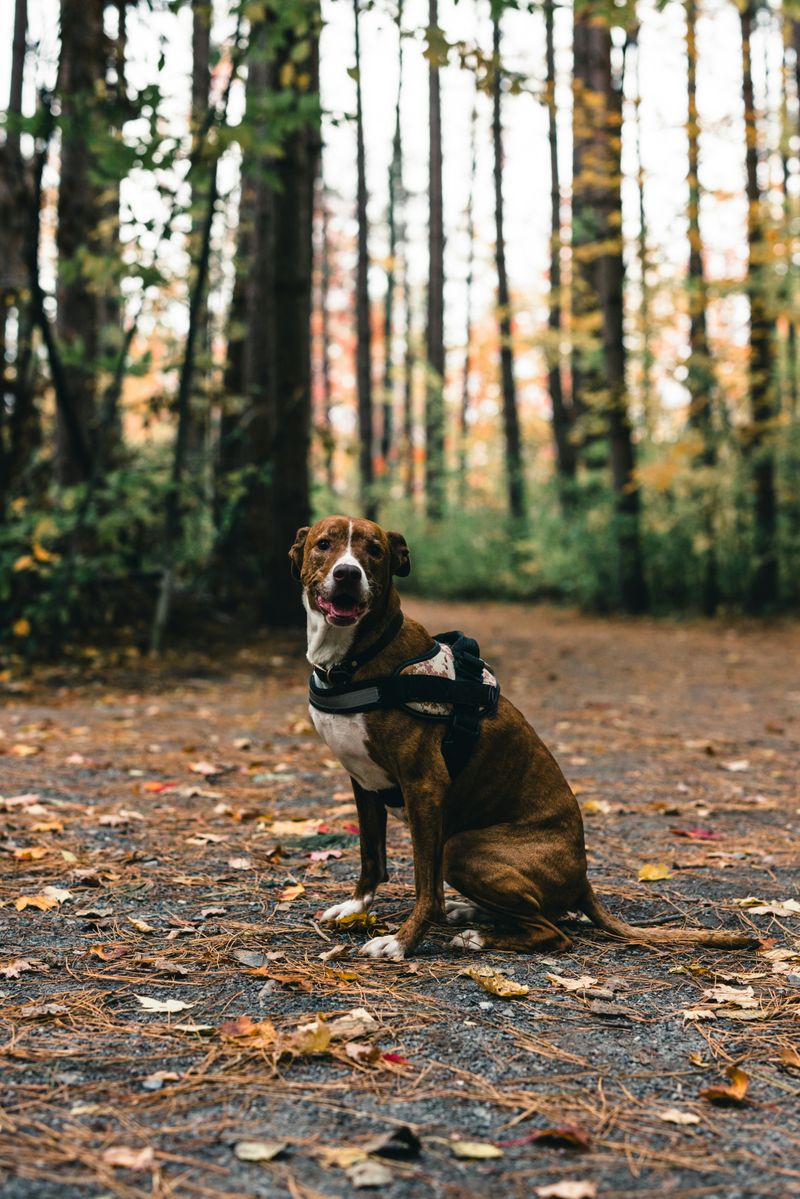
Plott Hounds follow scent narratives like epic novels, and the leash interrupts chapters mid sentence. That is why you feel the steady tractor pull.
Honor the nose while teaching boundaries.
Use a fifteen to twenty foot long line in safe spaces and practice check ins with scatter rewards. Cue go sniff as the paycheck for calm walking and for pausing when you ask.
Break trails into short story segments with planned stops.
Back at sidewalks, shorten the line and keep the same rules. The consistent grammar translates.
Your brindle storyteller learns you are the editor, not the censor, and the plot thickens without pulling.
Black Mouth Cur
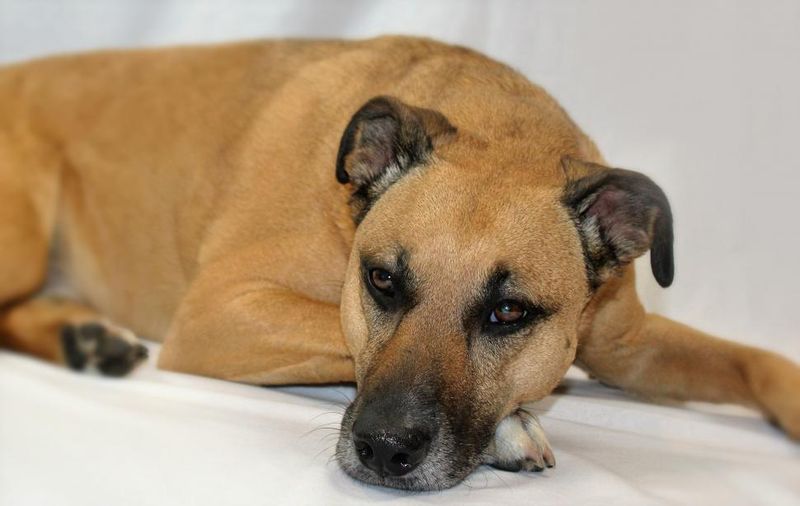
Black Mouth Curs are duty oriented guardians with go power to spare. On leash, they often surge to manage space, scanning for surprises.
Give them a clear job so the leash becomes a guideline, not a debate.
Practice boundary games at curbs and driveways. Sit, look, release, then walk.
Reward calm observation of strangers at a safe distance. A sturdy harness and predictable routes help them relax into routine.
Add tug or retrieve sessions before walks to bleed tension. Teach a behind cue for narrow passes.
With responsibilities clarified, your steady partner settles in beside you and saves that horsepower for chosen tasks.
Catahoula Leopard Dog
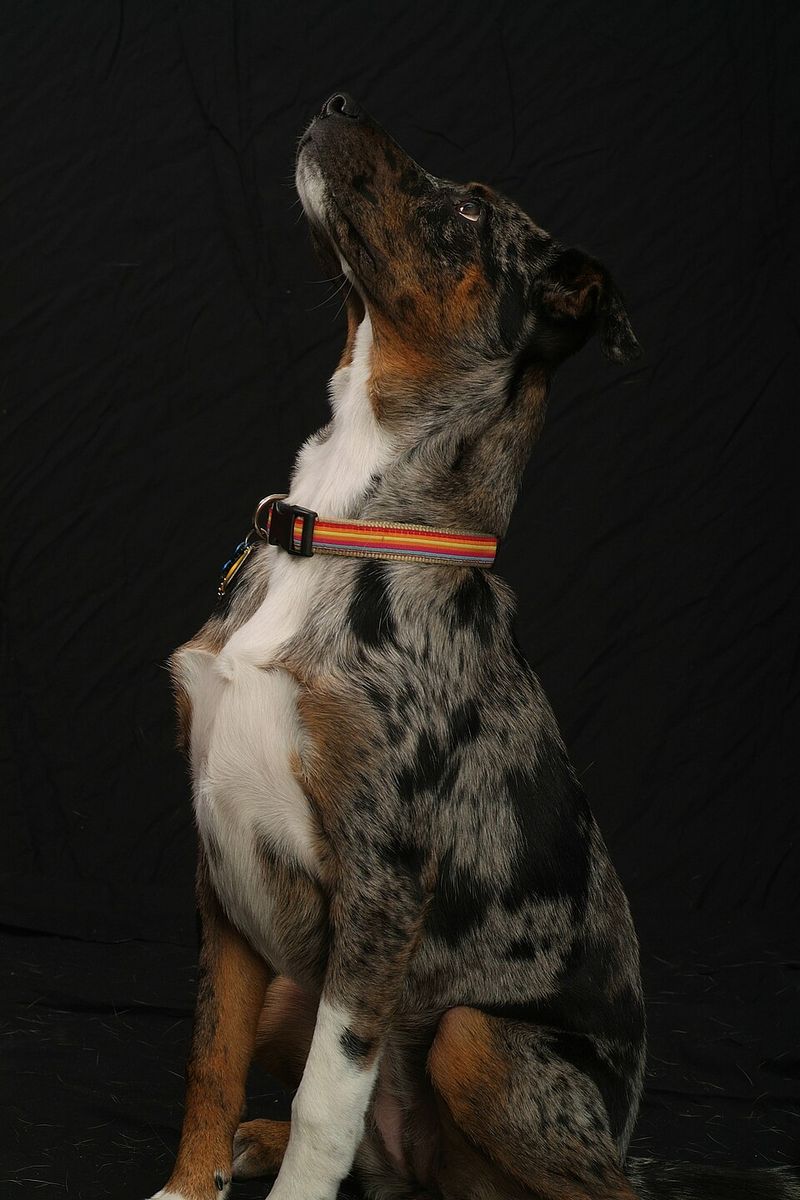
Catahoulas are problem solvers with a big engine and bigger opinions. Clip the leash and they might debate directions while towing you toward the next data point.
Make cooperation the fastest route to exploration.
Use premack power: walk politely, then earn a sniff or climb on a legal boulder. Reinforce check ins with high value food and surprise toy tosses.
Keep sessions short, multiple micro walks beat one marathon.
Teach a center cue to park between your legs during high traffic moments. Practice at quiet times first.
With strategy and respect for their brains, your merle mastermind shifts from negotiator to teammate.