
Cold sidewalks can hide a painful hazard for pups, and more owners are sounding the alarm. Road salt may seem harmless, but it can sting paws, irritate skin, and upset stomachs when licked.
If your dog loves snow days, you need a plan before heading out. Here are the breeds people mention most in winter irritation threads, plus what to watch and what to do fast.
Bernese Mountain Dog

Berners love snow, but road salt can quickly turn playtime into paw licking and limping. You might see red pads, cracked skin, or a sudden urgency to chew at toes after a walk.
If they lick salt, watch for drooling, vomiting, or thirst that seems unusual for your dog.
Rinse paws in lukewarm water the moment you get inside, then pat dry. A thin layer of paw balm helps create a protective barrier before heading out.
Consider booties if your dog tolerates them, and avoid heavily salted intersections when possible.
Choose pet safe deicers around your home to reduce exposure. Carry water to redirect licking.
If symptoms persist or worsen, call your vet promptly.
Greater Swiss Mountain Dog
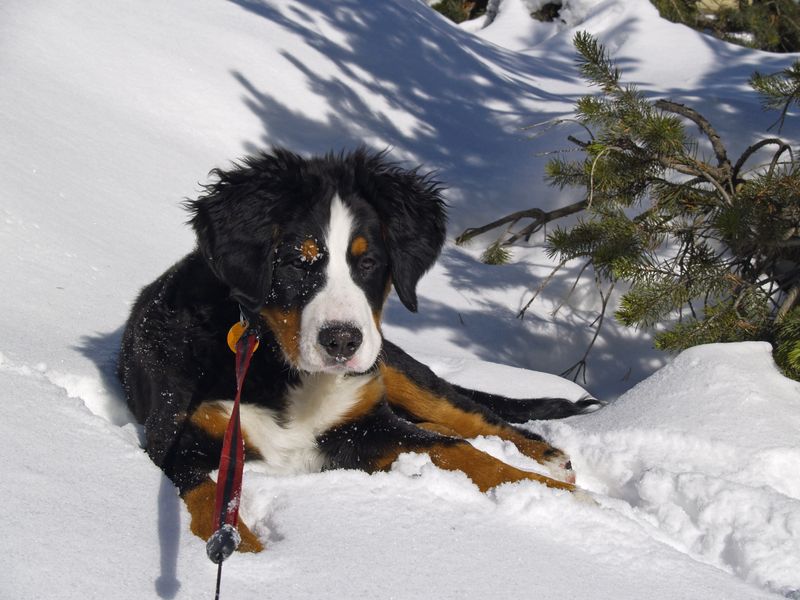
Greater Swiss Mountain Dogs have sturdy builds, but road salt still bites. After a walk, you may notice head tilts, paw flicks, and sudden licking as the sting kicks in.
Hard packed snow between toes can trap gritty salts, leading to redness, micro cuts, and raw pads.
Before walks, trim excess fur around toes to reduce clumping. Apply a wax style paw protectant and bring a small towel for quick wipe downs at curbside.
If your Swissy ingests brine, expect possible drooling, nausea, or diarrhea within hours.
Rinse every paw with lukewarm water, not hot, to avoid irritation. Offer fresh water to dilute accidental intake.
Persistent limping or bleeding warrants a vet visit, especially if cracking worsens.
Newfoundland
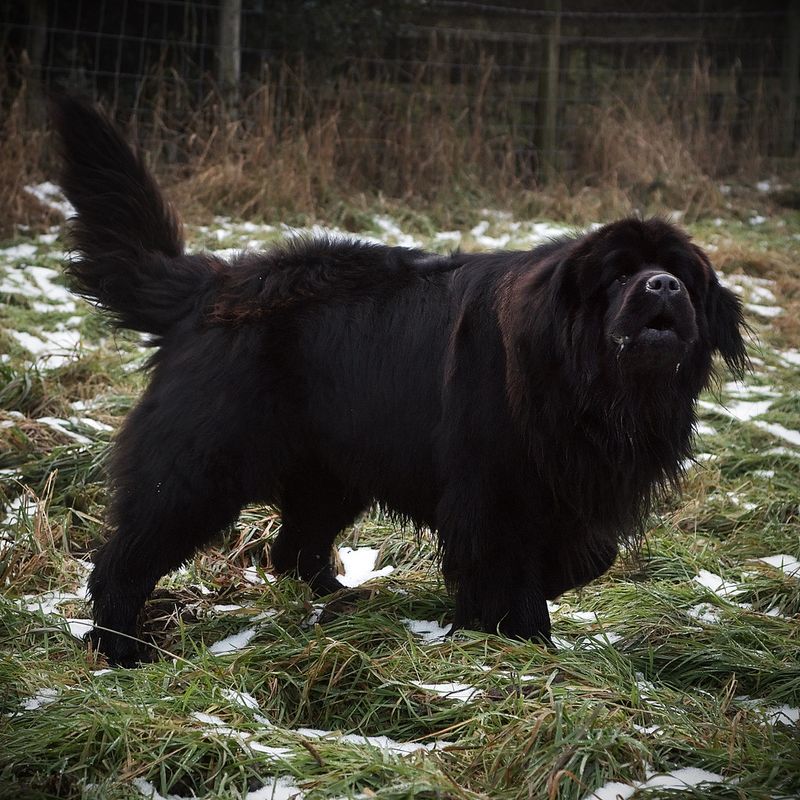
Newfoundlands are gentle giants built for cold, yet road salt can undo that comfort fast. Their webbed feet collect slush, trapping gritty crystals that abrade soft tissue.
You might catch paw lifting, soft whimpering, or sudden refusal to walk across bright white patches.
Start with a pre walk paw balm and keep nails short to limit splitting under stress. Post walk, soak each paw in a shallow basin of lukewarm water to dissolve residue.
Blot thoroughly, then air dry to keep the skin calm.
If your Newfie licks salt, watch for vomiting, lethargy, or awkward drooling. Provide water, and offer a bland meal only if your vet approves.
Severe cracking or bleeding needs professional care.
Saint Bernard
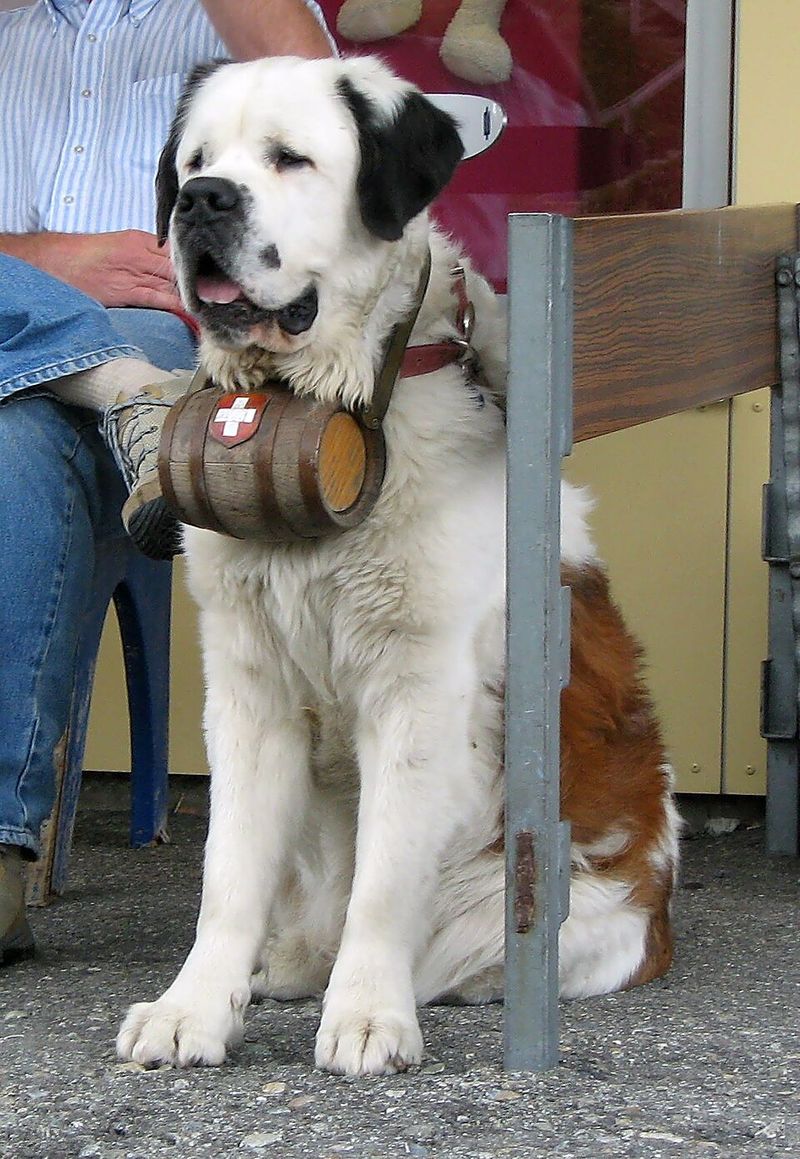
Saint Bernards power through snowdrifts, but salt turns that strength into discomfort. Look for paw splaying, hesitant steps, and rapid licking after a salted block.
Skin folds on their feet can hide salt lines, so irritation sneaks up even when you check quickly.
Before winter outings, apply a thin wax barrier and carry a squirt bottle for quick rinses. Avoid black ice zones where salt brine collects.
If they lick salty slush, mild gastrointestinal upset can escalate to vomiting and dehydration.
Rinse, dry, and inspect pads with a flashlight after each walk. Swap routes to less treated paths when storms hit.
For ongoing redness, try booties that fit snugly and consult your vet about soothing topical options.
Samoyed
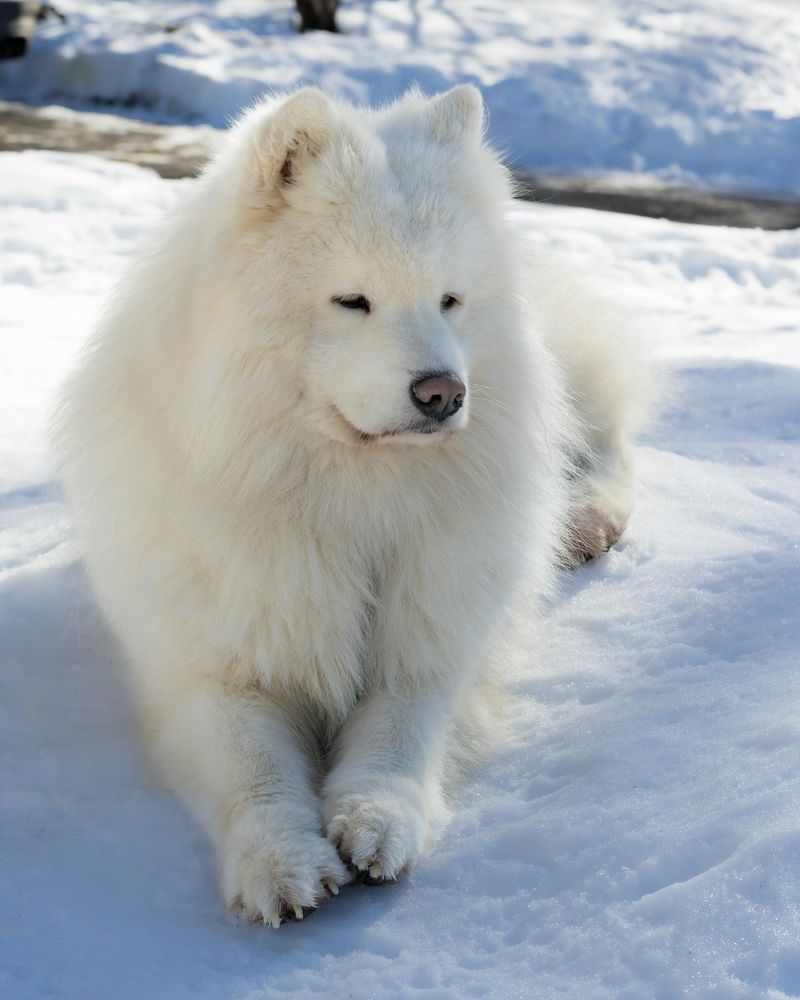
Samoyeds float through snow with cheerful energy, yet road salt can flatten the fun. Their fluffy feet hold icy slush, and salt hides inside, causing stinging and obsessive licking.
You may see pink staining, slight swelling, or sudden sit downs mid walk.
Comb out foot fur regularly and trim lightly for less buildup. Pre walk paw wax plus post walk lukewarm rinses make a big difference.
If your Sammy tastes salty puddles, watch for nausea or diarrhea later in the day.
Offer fresh water immediately to discourage licking. Rotate routes toward parks that use pet safe deicer.
If irritation persists, try breathable booties and call your vet about anti inflammatory guidance tailored to your dog.
Alaskan Malamute
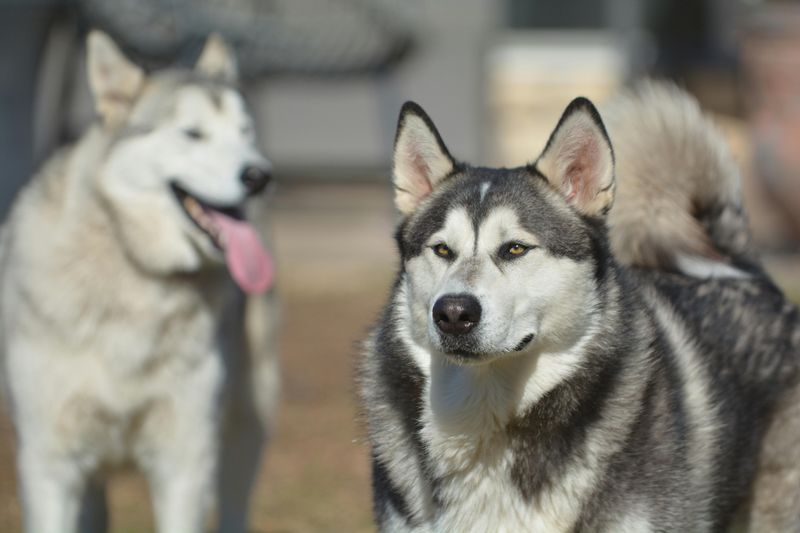
Alaskan Malamutes are winter athletes, but salt can sideline them quickly. Expect paw flicking, icy clumps between toes, and sudden refusals to pull or jog on treated streets.
Ingestion may cause drooling, belly discomfort, and extra thirst later.
Prevent problems by trimming toe fur and using a beeswax based barrier before heading out. After walks, rinse every paw, check for micro cuts, and dry thoroughly.
Avoid deep salted parking lots where brine pools and splashes up legs.
If your Mal licks a lot, offer water and monitor for vomiting or diarrhea. Simple booties can help, but introduce them indoors first with treats.
Persistent limping or cracked pads deserve a vet check and soothing topicals.
Siberian Husky
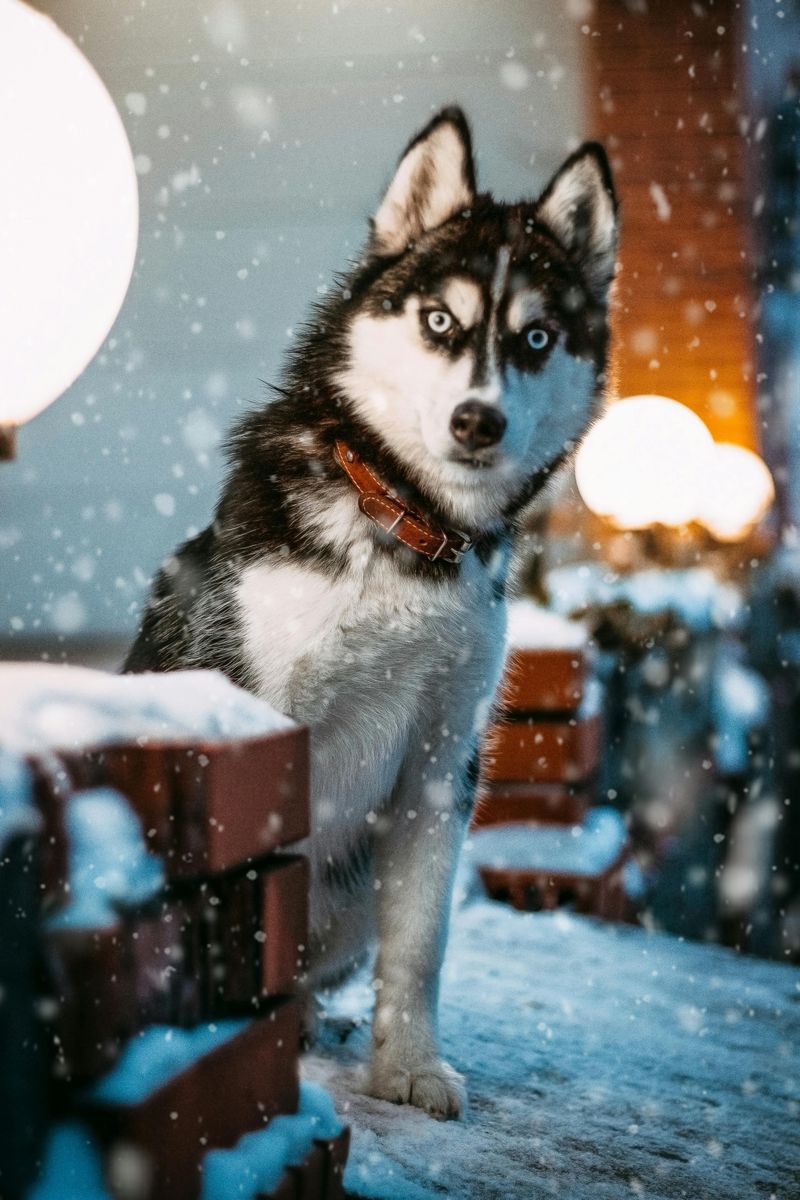
Siberian Huskies thrive in cold, but salt turns dashes into discomfort. You might notice high stepping, paw chewing, or sudden sit strikes near intersections.
Gritty residue can scratch pads and wedge into nail beds, causing redness and minor bleeding.
Apply paw wax before walks and rinse afterward with lukewarm water. Keep a small microfiber towel in your pocket for quick curbside wipes.
If your Husky drinks slushy brine, expect possible drooling or loose stools within hours.
Offer water right away to dilute any salt intake. Choose routes with fresh snow instead of scraped asphalt.
If irritation keeps flaring, try breathable booties, and contact your vet for guidance on soothing rinses and safe topicals.
Akita
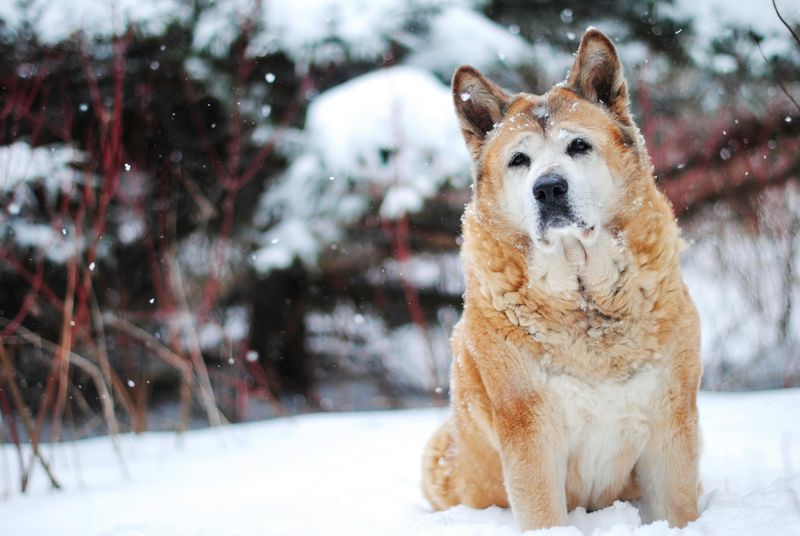
Akitas are stoic, so signs of salt irritation can be subtle. Watch for slight paw shaking, brief pauses, and stealthy licking once inside.
Salt can irritate between toes and along the pad edges, especially after longer, brisk walks.
Protect paws with a wax layer and trim feathering around the toes. Rinse and pat dry thoroughly, then let paws air out on a towel.
If your Akita licks salty snow, monitor for nausea, drooling, or fatigue later that evening.
Steer clear of heavily treated sidewalks when storms hit. Offer fresh water and redirect licking with a chew.
If redness or limping remains by morning, schedule a vet consult to rule out deeper cracks or infections.
German Shepherd Dog
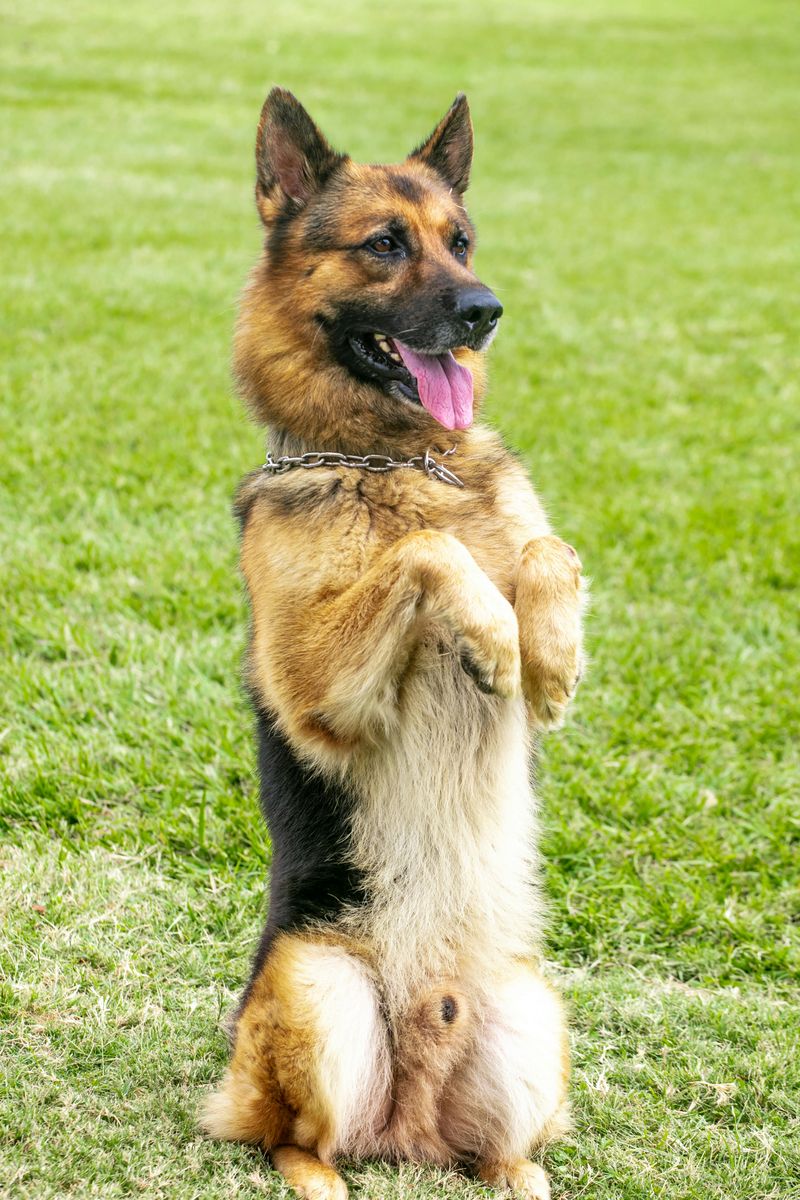
German Shepherd Dogs are focused workers, but salt discomfort can break concentration. You may notice quick paw checks, shortened strides, or a refusal to heel across white crusts.
Crystals can wedge into hairline pad cracks and create a burning sensation.
Before walks, apply paw balm and plan shorter loops on heavily treated days. Rinse paws afterward, inspecting the pad edges and between every toe.
If salty slush gets licked, watch for drooling, vomiting, or restless pacing.
Provide fresh water immediately and keep meals bland if the stomach seems off. Consider breathable booties for city blocks.
Persistent soreness, bleeding, or swelling deserves a vet visit and possibly a topical antimicrobial recommended for dogs.
Golden Retriever
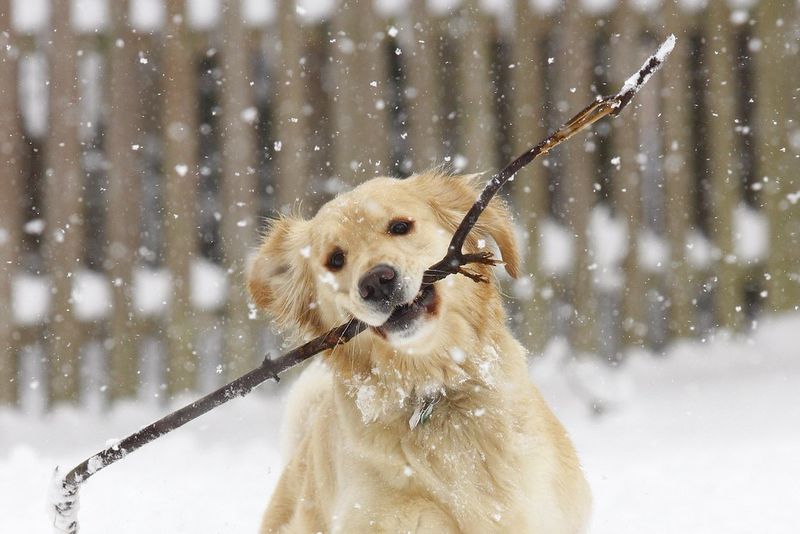
Golden Retrievers adore winter fetch, but salt can cut the fun short. Signs include paw hopping, licking, and pink irritated pads after the game.
Some Goldens drink from slushy puddles, which can bring on drooling, nausea, or mild diarrhea later.
Use a paw wax barrier before heading out and rinse paws afterward with lukewarm water. Keep fur trimmed between toes to reduce packed snow and grit.
Carry a towel for quick curbside wipes if you cross salted intersections.
Offer fresh water to discourage licking. Choose parks that use pet safe deicers when possible.
If redness lingers, try soft booties, and call your vet for guidance on soothing rinses, hydration, and when to seek in person care.