
If you have ever shouted their name while they vanished nose first into the brush, you are not alone. Some breeds are wired to follow a trail like it is their personal treasure map, and recall becomes a high stakes game.
This guide breaks down the dogs most likely to drift when a scent hits, plus practical tips to keep adventures safe. Read on so the next “they are gone” moment turns into a confident, quick return.
Beagle
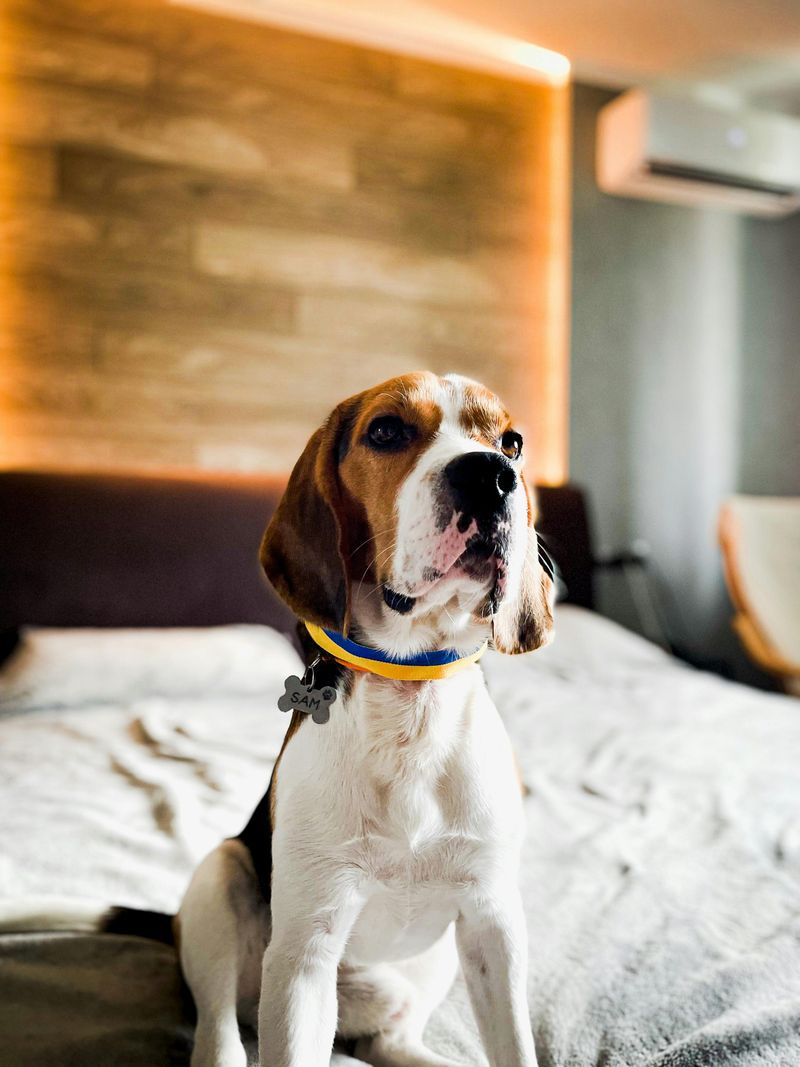
Beagles read the world through their noses, and that superpower can hijack recall fast. Once a rabbit trail sparks up, they tune out background noise, including you calling.
Expect sudden zigzags, head down, tail flagging, ears tuned to nothing but the hunt.
Managing a Beagle means structured freedom. Long lines, fenced fields, and whistle recall practice turn impulse into a game you can win.
Use high value rewards and fast, energetic praise to break through scent lock.
Nose work sports help satisfy their drive while building focus under distraction. Track sessions start short and end with jackpots.
If panic posts feel familiar, plan routes, double check gates, and attach an ID tag plus GPS tracker for peace of mind.
Basset Hound
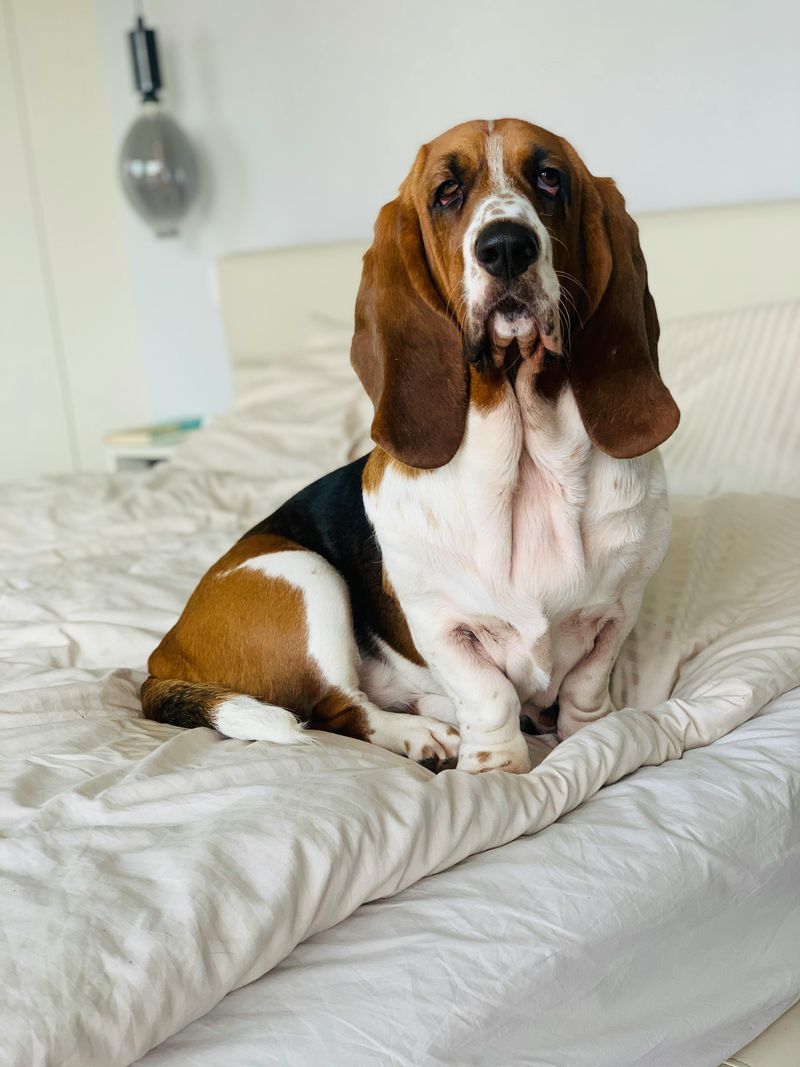
Basset Hounds glide close to the ground, amplifying scent like rolling radar. Their long ears funnel odors, and that classic droop hides a stubborn streak when a trail heats up.
You might feel ignored, but they are simply deep in the data stream.
Train recall with patience and short sessions. Use scent based rewards, like food scatters or hidden treats, to redirect focus to you.
A sturdy harness and long line give safe exploration while building reliable check ins.
Keep outings cool and unhurried, since Bassets tire but refuse to quit a juicy trail. Practice “find me” games behind trees to make you part of the scent fun.
Backup ID, bright tags, and a tracker help prevent those frantic neighborhood searches.
Dachshund
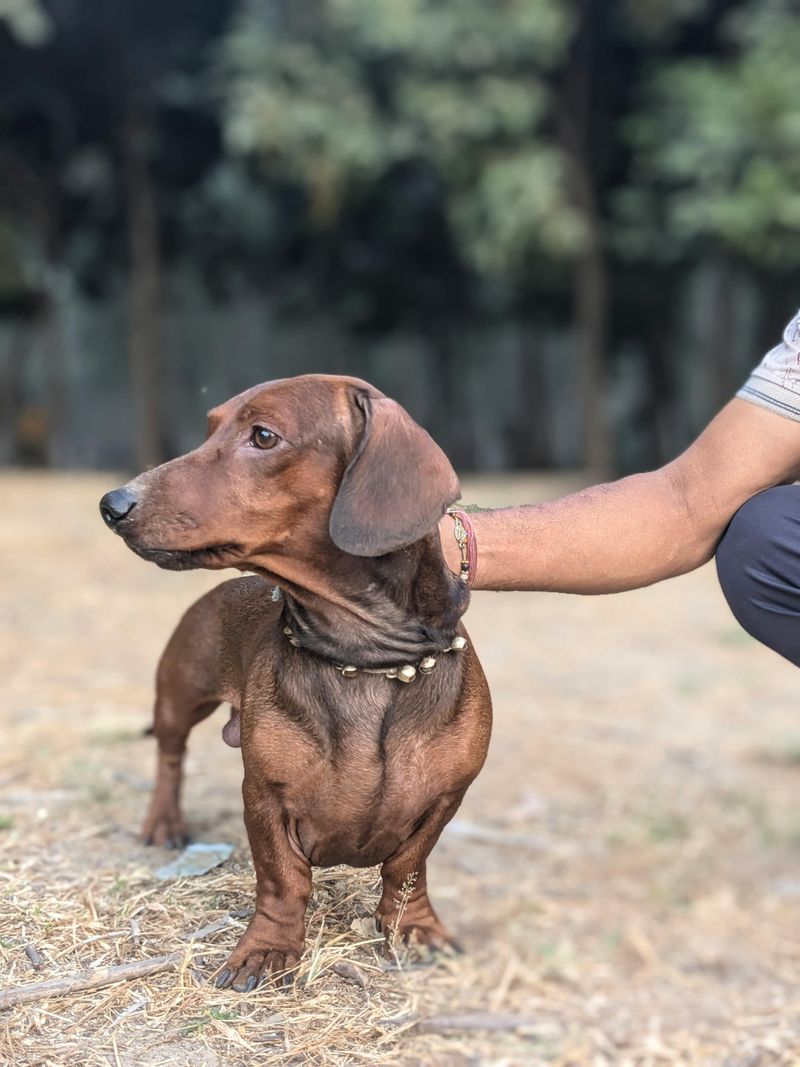
Dachshunds were bred to go to ground, chasing scent into tight tunnels. That drive translates into laser focus and selective hearing when a critter trail appears.
The small size hides big determination, so recall can crumble in an instant.
Channel instincts with earthdog style games and scent puzzles at home. Practice recall from easy to hard, adding distractions slowly.
Use upbeat cues, quick releases back to sniff, and delicious rewards that beat the thrill of pursuit.
Safety first: a long line and fitted harness protect that delicate back while giving controlled freedom. Trim hedges and block fence gaps to avoid surprise escapes.
When alarms rise, a rehearsed emergency cue and scatter of high value treats can flip their attention fast.
Bloodhound
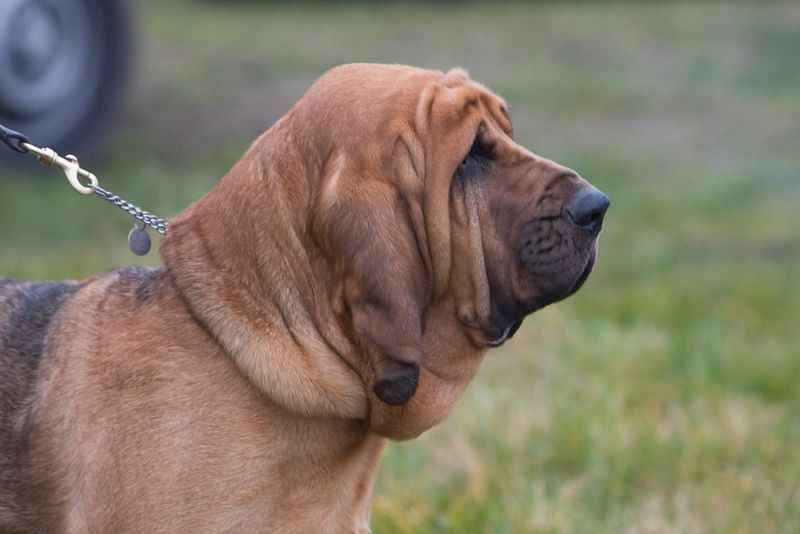
Bloodhounds are legends of the trail, designed to lock onto micro scents for miles. Once engaged, their deep focus makes them deaf to ordinary cues.
That droopy elegance hides an engine that keeps pulling, and panic posts often start here.
Structure is essential. Work with a long tracking line, allowing controlled following while rehearsing stop and check in behaviors.
Use a powerful reinforcer schedule, pairing a whistle with premium food or toy rewards.
Introduce mantrailing or scent detection classes to satisfy their working brain. Teach an “all done” cue that predicts a new job with you, not just the end of fun.
Identification, reflective gear, and GPS are must haves, because a committed Bloodhound can travel far before noticing distance.
German Shorthaired Pointer
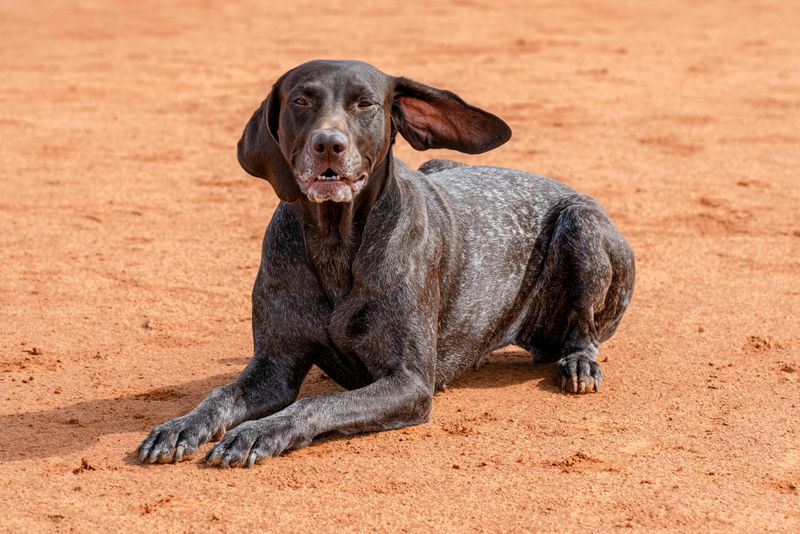
German Shorthaired Pointers scan landscapes like living radar, switching from scent to sight in a blink. The instant they catch game odor, they stretch forward and the world narrows.
That athletic drive is thrilling but can bulldoze recall without structure.
Balance their energy with field style training. Practice recalls from a controlled point, release again to hunt as the reward, and keep sessions short and upbeat.
A whistle cue carries well in wind and brush.
Off leash freedom works best in safe, open spaces with a long line during proofing. Add steadiness drills and impulse control games around birds or decoys.
Regular tracking workouts and enrichment at home help prevent the “see you never” sprint when excitement spikes.
Vizsla
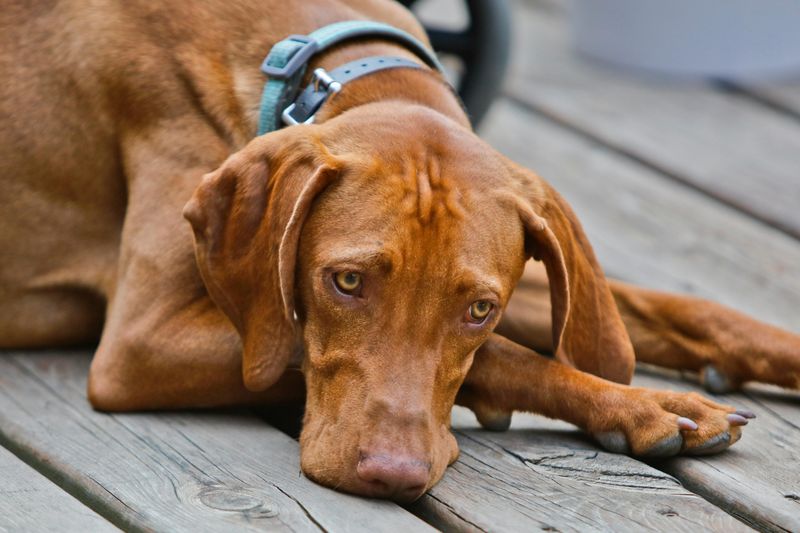
Vizslas are velcro dogs until a scent ribbon flutters past. Then the silky rocket launches, elegant and focused, chasing invisible currents.
Their sensitivity means harsh cues backfire, while consistent games make recall shine.
Use high energy play as payment: sprint to you, tug, then release. Whistle recall paired with jackpots builds a strong habit under arousal.
Practice in varied terrain, from meadows to pine trails, layering distractions gradually.
Daily mental work matters as much as running. Nose work boxes, hidden food trails, and brief tracking sessions satisfy curiosity.
For safety, rotate between fenced fields and long line hikes to keep confidence high while preventing those gut dropping disappearances when deer scent lifts out of the brush.
Weimaraner
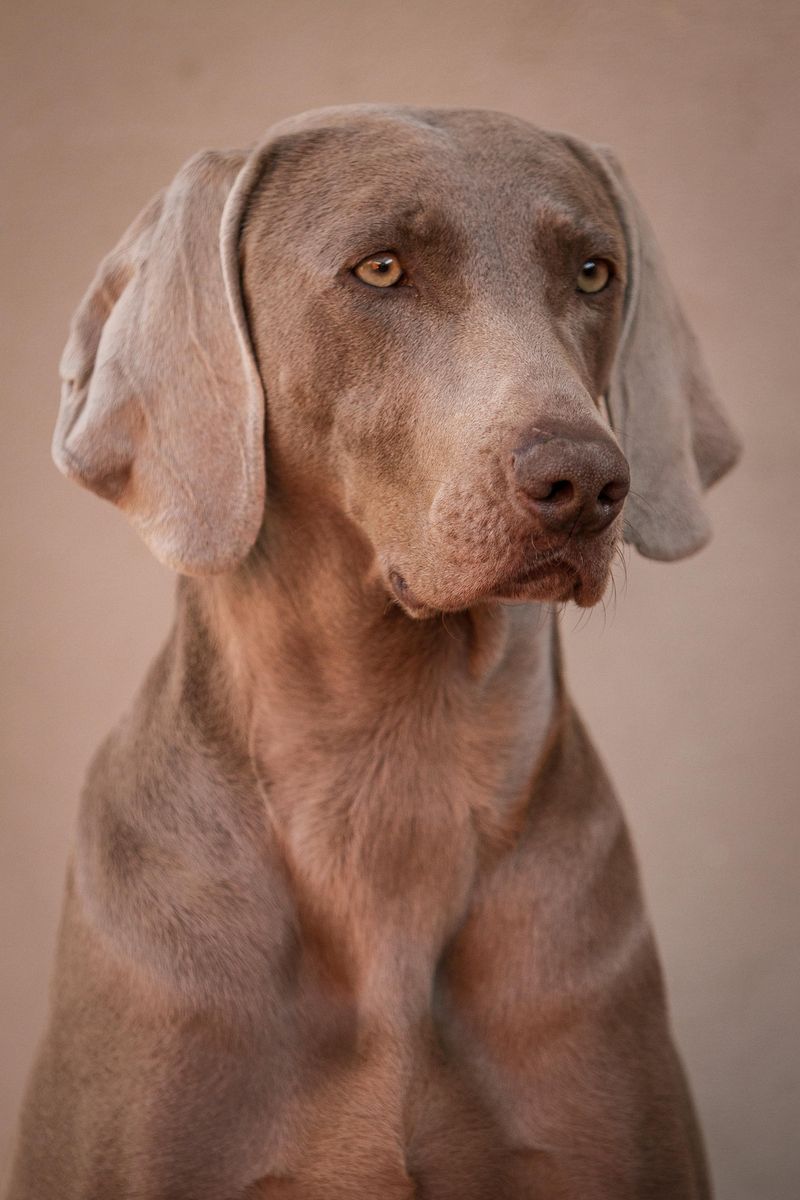
Weimaraners combine intensity with brains, scanning for scent, motion, and opportunity. When a trail lights up, they power forward with sleek confidence, leaving voices behind.
Owners often feel ghosted until the hunt impulse settles.
Build a recall that pays better than the chase. Rotate rewards, mixing food, chase games with a toy, and quick release to sniff again.
Whistle cues and directional hand signals help at distance.
Condition a rock solid check in habit every few minutes during hikes. Use long lines while proofing around birds or fresh deer sign.
A GPS collar, reflective vest, and pre hike routine reduce panic, and structured exercise plus sniffy walks at home prevent the restless door darting that starts many runaway stories.
Cocker Spaniel
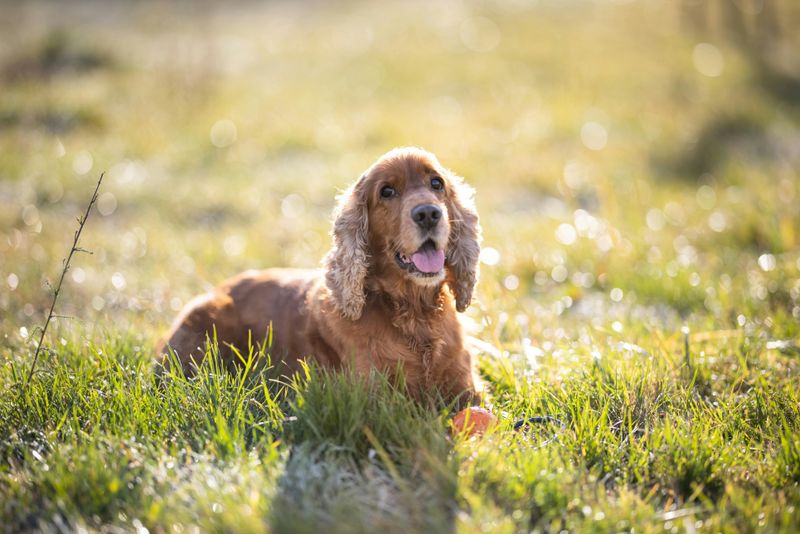
Cocker Spaniels weave through brush like feathered torpedoes, using nose and ears to flush birds. That joyous hunt drive can drown out your voice when scent pools around hedgerows.
They are sweet, but sweetness does not cancel instinct.
Turn recall into a fun pattern: call, treat, release to sniff. Add games of hide and seek so you become the prize.
Keep sessions brief and varied, mixing park paths, fields, and quiet streets for generalization.
Teach a solid sit before release to build impulse control. Long lines protect progress while allowing exploration.
Regular grooming around ears and paws prevents discomfort that can push fussiness outdoors, and a bright ID tag plus tracker helps you breathe easier during off leash adventures.
English Springer Spaniel
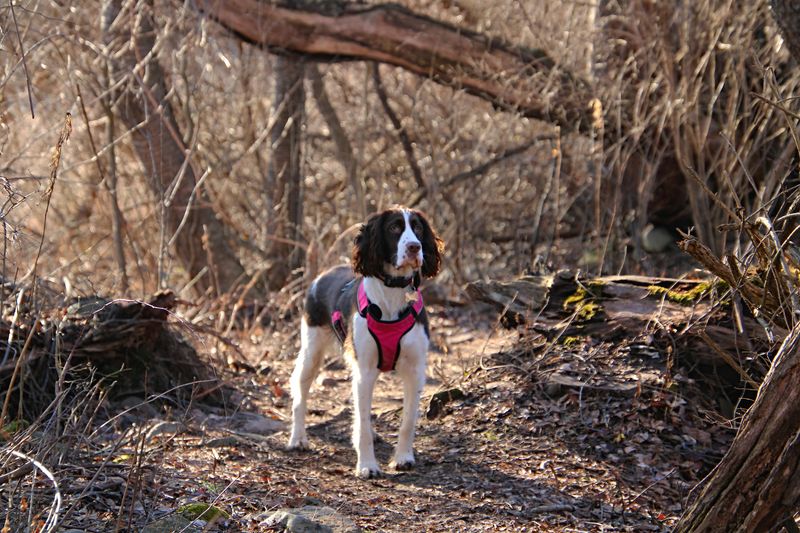
English Springer Spaniels are built to quarter fields, nose twitching, springing birds into the air. Once scent catches, they slice across your path in figure eights, laser focused.
It is joyful chaos, and recall can vanish in the excitement.
Harness that energy with structured quartering and frequent check ins. Reward returns with a quick release back to the search.
A sharp whistle cue cuts through wind and rustling grass better than voice.
Proof around real distractions, starting at distance from birds or rabbit runs. Mix food, toy retrieves, and praise to keep engagement high.
Keep ID up to date, use reflective gear near dusk, and pair long line practice with safe off leash areas to prevent those heart hammering disappearances.
Siberian Husky
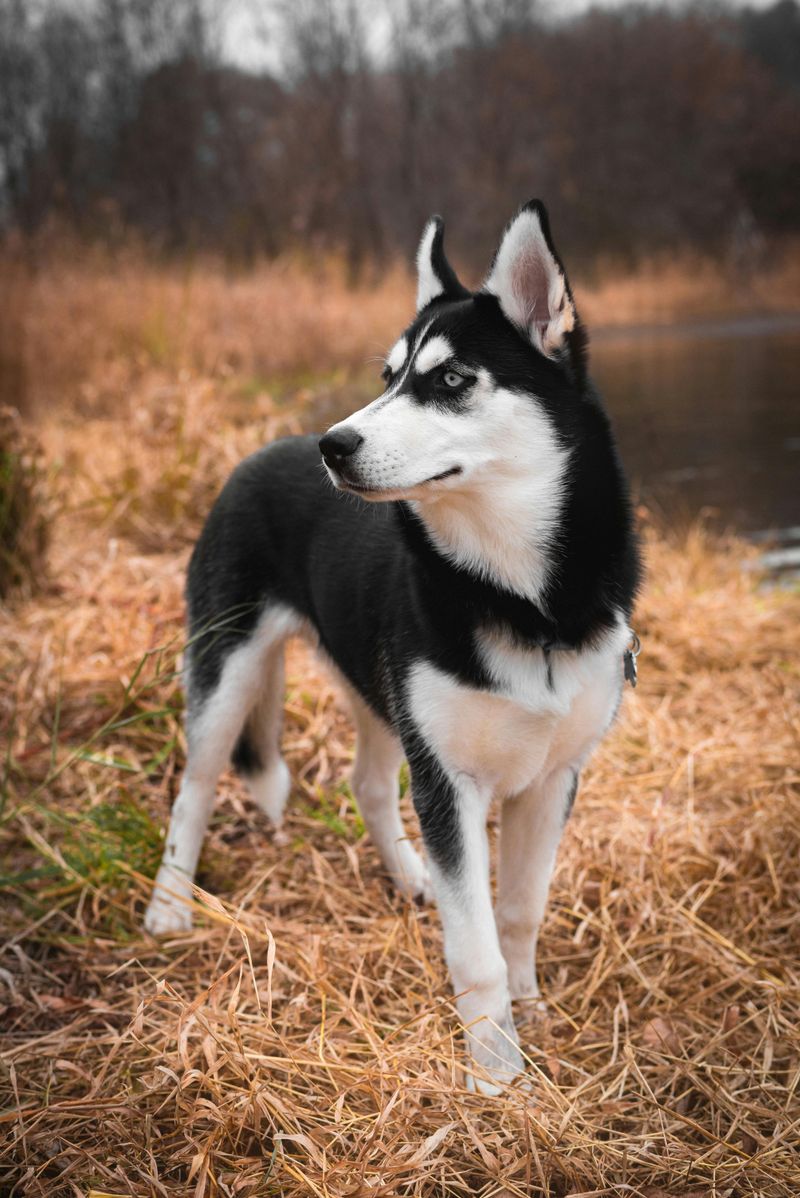
Siberian Huskies are scent curious and freedom forward, blending nose, sight, and wanderlust. Trails plus wind often flip a switch, and they glide away like silver ghosts.
Many panic posts start with a quiet yard and end two miles later.
Prioritize secure fencing and double gate habits. Train a powerful emergency recall, paying with hot, irresistible rewards and immediate play.
Practice on a long line in wide, open spaces, gradually layering distractions.
Mental workouts matter: scent games at home, puzzle feeders, and structured runs on leash. A GPS tracker, bright tags, and microchip give backup.
When a scent trail calls, having rehearsed check ins and reliable cues can turn a potential runaway into a proud, safe return instead of a frantic search.
Jack Russell Terrier
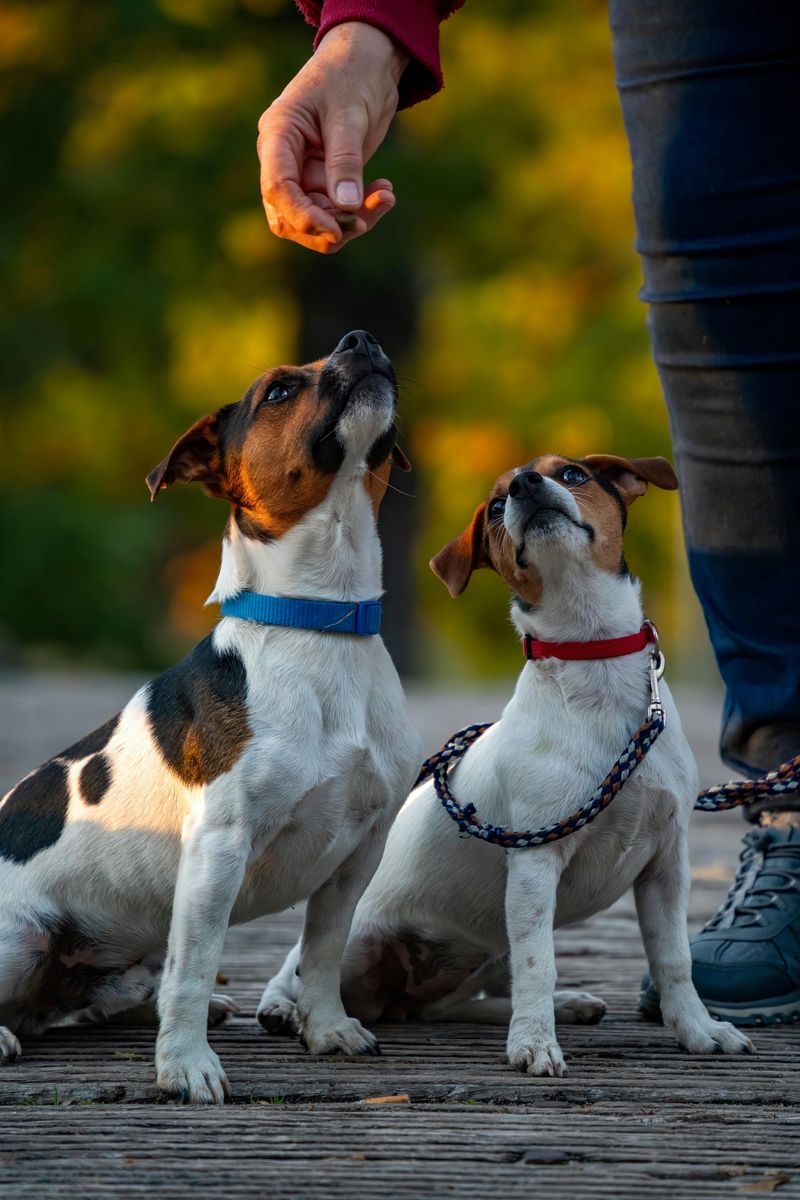
Jack Russell Terriers are pocket rockets with noses wired for action. A whiff of rodent scent and they dive, dig, and disappear under hedges before you blink.
Their intensity makes recall feel optional unless it is practiced smart.
Keep sessions short, fast, and fun. Use chase games toward you, tug rewards, and rapid releases back to sniff.
Layer distractions slowly, starting with low scent environments before tackling fresh trails.
Give legitimate jobs: barn hunt, scentwork classes, or backyard search games to drain that drive. Secure fences and a long line protect progress while they learn.
A well rehearsed emergency cue and tasty scatter can interrupt the tunnel vision, turning potential chaos into a quick, triumphant return to your side.