
Breakfast standoffs are back in the spotlight, and dog people everywhere are comparing notes. If your pup sniffs the bowl, sighs dramatically, then saunters off, you are not alone.
Some breeds are sweet little meal negotiators who prefer delayed dining, extra toppings, or a side of applause. Let’s look at the ten usual suspects and how you can outwit the breakfast pause without stress.
Italian Greyhound
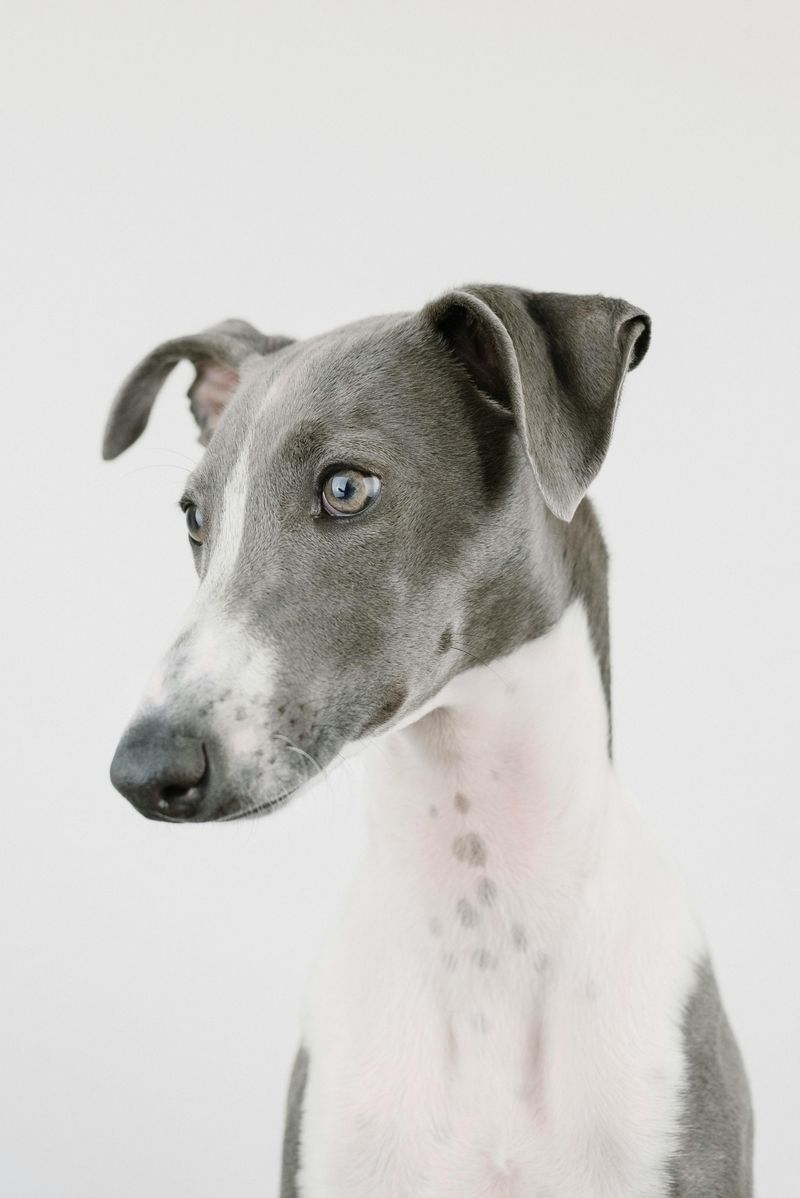
Italian Greyhounds are elegant little breakfast skeptics who often prefer sunshine and snuggles over food at dawn. Their slim build and sensitive tummies can make morning meals feel heavy.
You might notice more enthusiasm for lunch or a lightly warmed dinner.
Try tiny portions first, then follow with play to spark appetite. A spoon of warm water or bone broth can release aroma and coax interest.
Many owners rotate textures, like moistening kibble or offering soft toppers.
Routine matters for this thoughtful breed, so feed after a short potty walk to reduce nerves. Keep bowls at quiet stations with non slip mats.
If stubborn streaks persist, track calories across the day rather than forcing breakfast.
Whippet
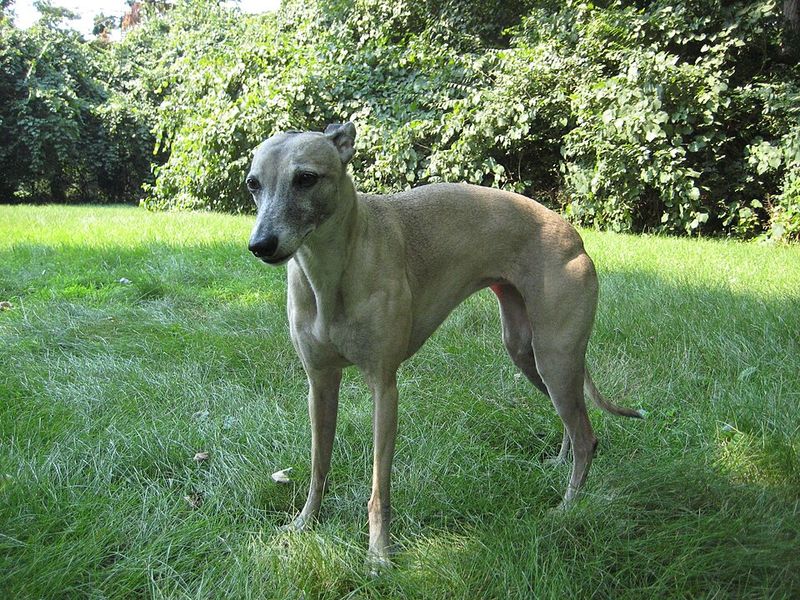
Whippets wake slowly and often treat breakfast like a casual suggestion. Many prefer to stretch, sprint, and then eat.
That post zoomie appetite is real, especially if you keep portions light and fragrant.
Offer a small pre walk bite, then the main meal afterwards. Warmed food or a sprinkle of freeze dried crumbs can help.
Keep mealtimes calm because Whippets read your vibe and mirror it.
Watch the weight line since this breed is lean. If mornings flop, split calories into late morning and evening.
Gentle consistency usually wins over theatrics, and you will see cleaner bowls once routine, movement, and scent cues align.
Papillon
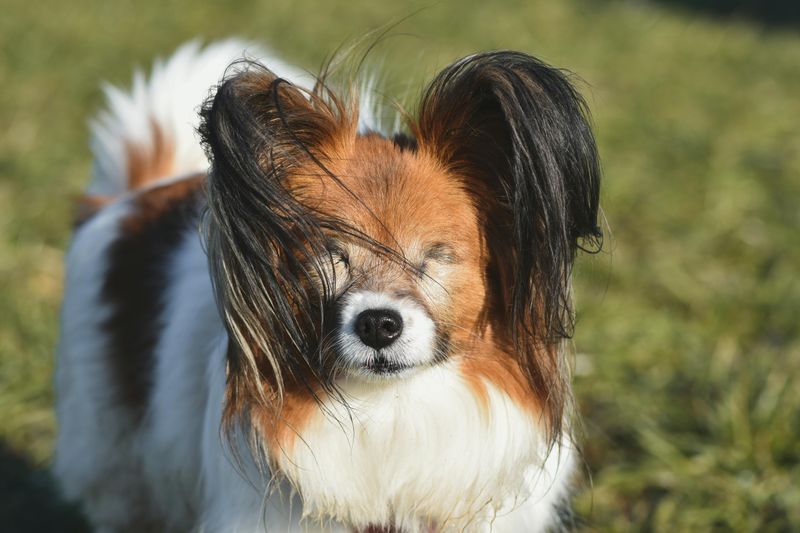
Papillons are bright little strategists who know how to negotiate with their eyes. Many wait you out for tastier options, especially in the morning.
Because they are petite, even a few missed bites feel dramatic.
Use predictable schedules and measured portions so hunger cues build. Add warm water to release aroma from kibble, or rotate a safe topper for novelty.
Training a few easy behaviors before food can flip their focus from picky to eager.
Keep the bowl on a non slip mat and avoid hovering, which invites games. If your Papillon guards energy for later, split meals into three.
Consistency and small wins prevent the breakfast bluff from turning into a daily stalemate.
Japanese Chin
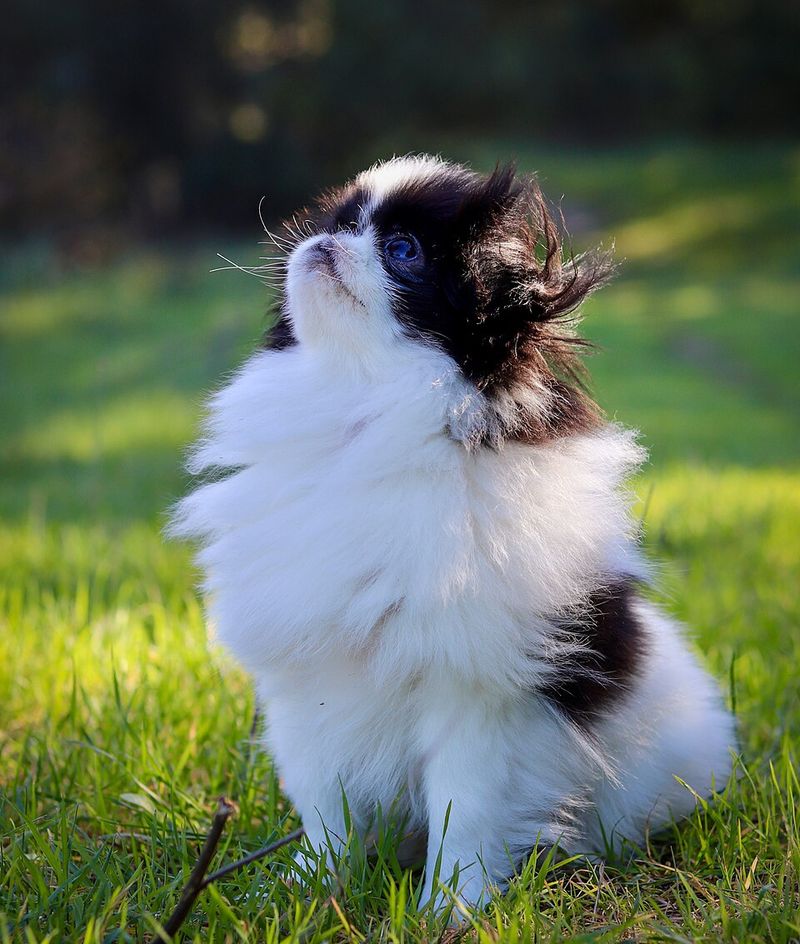
Japanese Chins are refined companions who often prefer a calm, unhurried start. Loud kitchens or rushing family routines can shut down their appetite.
They respond well to quiet spaces and a predictable order of events.
Try a peaceful pre meal cuddle, short potty break, then a warmed portion. Soft textures and mild flavors usually tempt them more than crunchy bites.
Rotating bowls to a low traffic corner can be the game changer.
If your Chin samples and walks away, remove the bowl after ten minutes and offer again later. This prevents grazing drama.
Respect their delicate vibe, but keep boundaries firm, and breakfast becomes a simple, gentle ritual instead of a negotiation.
Brussels Griffon
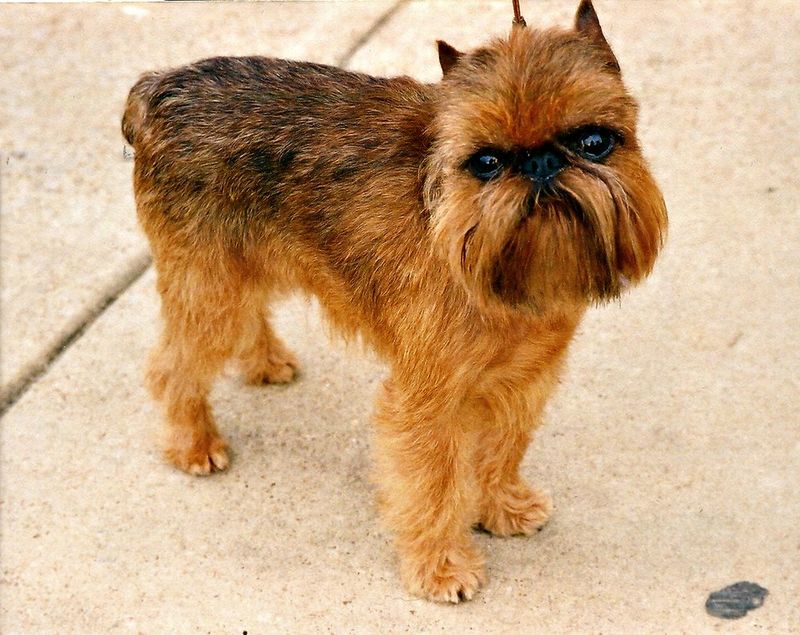
Brussels Griffons are expressive little comedians who treat breakfast like stage time. They might snort, pout, and inspect each bite.
Underneath the theatrics, they often have sensitive tummies and strong opinions about texture.
Offer smaller, more frequent meals and use gentle warm ups to boost scent. A bit of moisture turns crunchy into friendlier bites.
Keep mealtime short and cheerful so it does not become a performance.
Griffs thrive on human connection, so a quick training session before the bowl can spark appetite. If they wander off, end the scene and try later.
With clear routine and playful structure, breakfast becomes less drama and more dependable fuel.
Chinese Crested
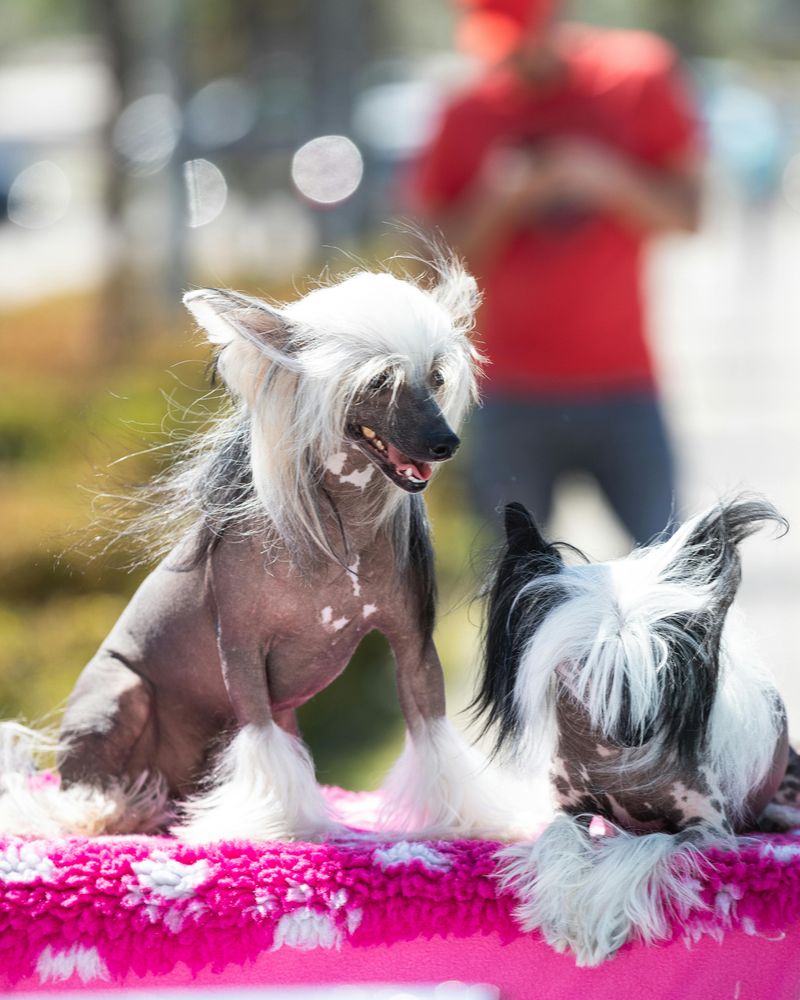
Chinese Cresteds can be delicate about morning food, especially hairless types who feel temperature shifts. Warmth matters, from cozy sweaters to slightly warmed meals.
Gentle aromas often invite their curiosity without overwhelming them.
Try tiny servings first, then a second portion after light movement. Moist textures or softly rehydrated food sit easier.
Keep bowls low and stable to reduce fussing.
Because they bond closely, hovering can accidentally pressure them. Place the bowl, step back, and let them choose.
If breakfast still stalls, move calories to late morning and evening, track totals, and celebrate steady patterns over perfect schedules. Comfort and consistency usually win this thoughtful breed.
Pomeranian
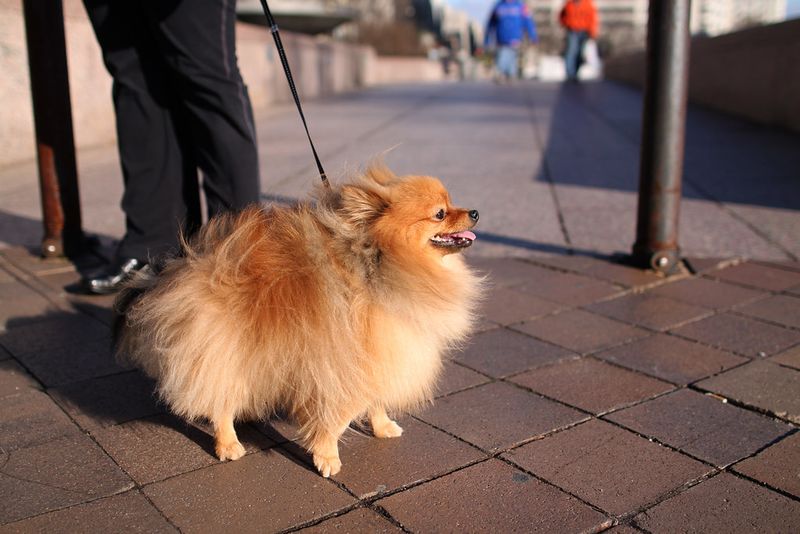
Pomeranians love attention and quickly learn that pausing at breakfast brings extras. Their tiny tummies and fluffy bravado make them convincing negotiators.
But too many toppers can create a cycle of refusal.
Use measured portions and a two minute rule, then remove the bowl until the next window. Lightly warming food can boost aroma without adding richness.
A brief trick session before meals flips the script to focus and reward.
Watch dental care and kibble size because mouth comfort affects enthusiasm. If mornings are a struggle, split into three mini meals.
With structure, your Pom will stop bargaining and start eating consistently, protecting that featherweight frame without skipping vital calories.
Maltese
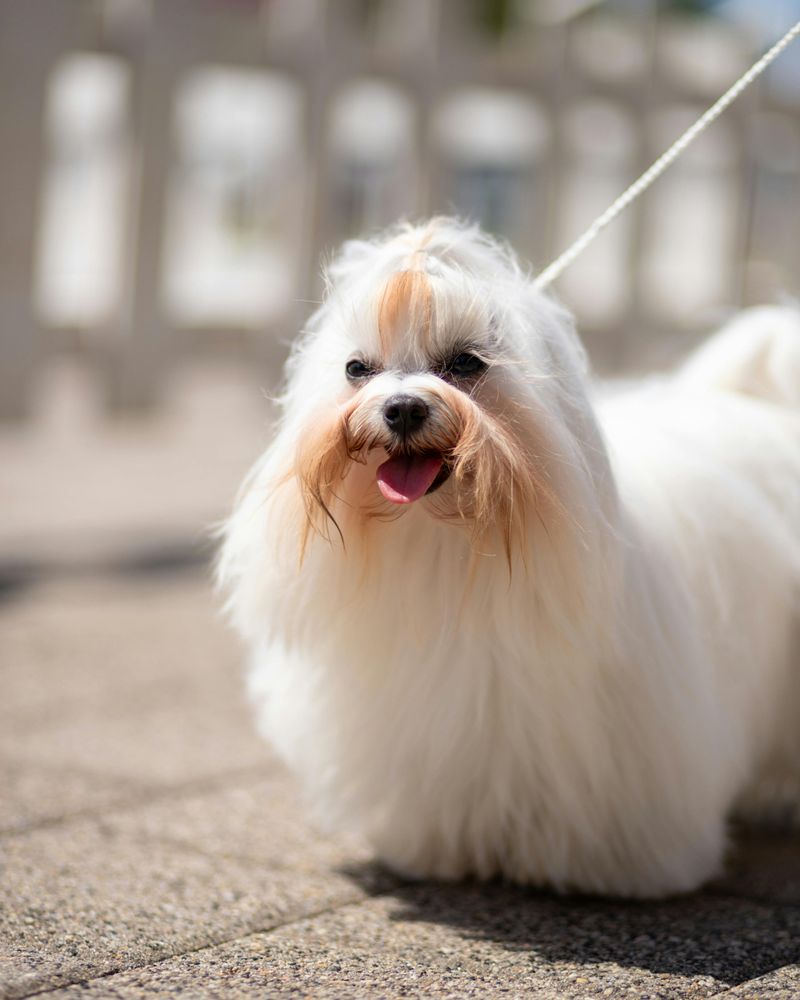
Maltese pups can be sensitive about texture and timing, especially on busy mornings. They prefer quiet, clean spaces and freshly warmed bites.
Strong smells or chaos can turn them off quickly.
Offer a calm routine: potty break, a few sits, then a small portion. Add moisture to make food softer and more aromatic.
Use a shallow bowl to protect whiskers and prevent slow nibbling standoffs.
If your Maltese stalls, remove the bowl and try again later without pressure. Track hydration because silky coats shine with steady nutrition.
With gentle structure and consistent cues, breakfast becomes predictable, and your little cloud stops negotiating and starts finishing meals.
Yorkshire Terrier
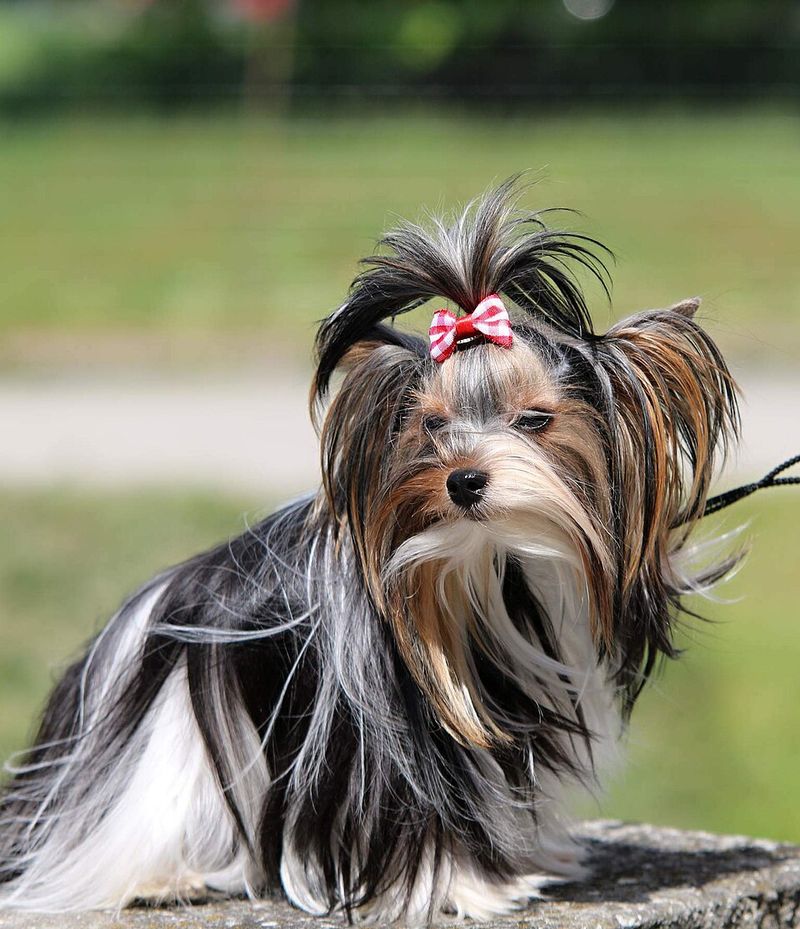
Yorkshire Terriers are tiny divas who can spot a topper trap from across the room. They love variety and quickly test boundaries.
Morning reluctance often improves with predictable rituals and slightly warmed portions.
Keep treats low outside mealtimes to build appetite. Offer a brief sniff window, then pick up the bowl, avoiding endless grazing.
A training micro session primes focus and makes food feel earned.
Check kibble size and dental comfort because Yorkies are prone to mouth issues. If your pup eats better later, shift more calories to lunch and dinner while keeping breakfast symbolic.
Steady expectations turn breakfast debates into easy wins without drama.
Shih Tzu

Shih Tzus adore comfort and may not rush to eat before their world feels just right. Their flat faces can prefer softer or slightly elevated bowls.
Mornings run smoother when you pair grooming, potty, and a calm vibe before food.
Warm, aromatic meals help, and gentle moisture keeps bites easy. Offer ten minutes, then lift the bowl to discourage games.
A short walk can unlock appetite without stress.
Because this breed charms us into adding extras, hold firm with portions and routine. If breakfast is still meh, divide calories across the day.
Consistent boundaries turn those soulful eyes from bargaining to happy munching.