
If you have ever apologized to a neighbor through a fence, this list will feel painfully familiar. Some breeds just light up the soundboard faster than others, and that can strain even the friendliest block.
The good news is you can channel that energy with training, routines, and smart management. Let’s break down the usual suspects and how to keep the peace without losing your mind.
Beagle
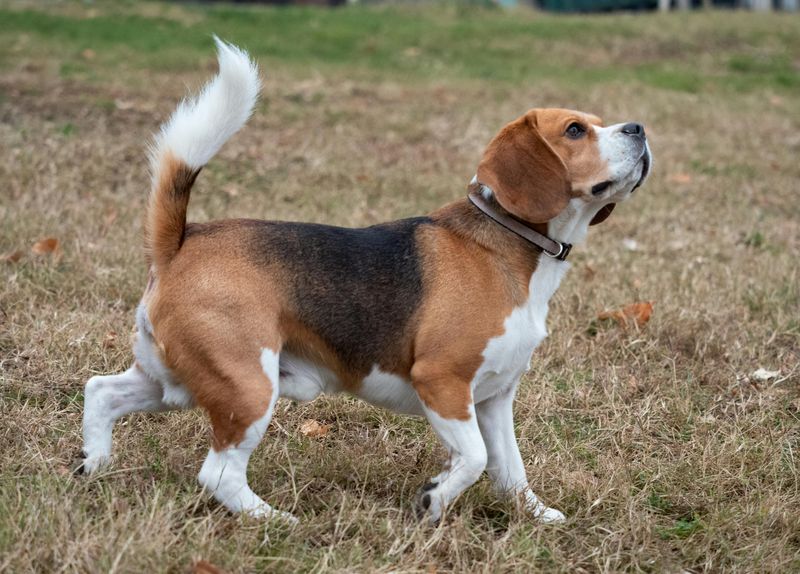
Beagles were bred to bay, not whisper, so that musical howl often turns into neighborhood headlines. They alert to everything, from a squirrel twitch to a delivery truck idling half a block away.
Without structured sniff sessions and mental work, that nose becomes a siren.
Give yours scent games, longer sniff walks, and a job like tracking treats around the yard. Teach a quiet cue right after a single alert bark, then reward the silence generously.
Use window film or curtains to reduce visual triggers and keep them from monitoring the street.
Crate training helps during busy hours, paired with chews that occupy the brain. A predictable schedule keeps excitement lower.
A tired Beagle hums instead of hollers.
Basset Hound

Basset Hounds possess opera-level lungs in a low-slung package. Originally used in packs, they communicate with booming voices that carry through walls.
Their deep bays usually follow scent changes, doorbells, and separation frustration.
Daily sniff-led walks and nosework puzzles can deflate that pressure before it erupts. Keep departures boring and predictable, and leave stuffed frozen chews to prevent anxious choirs.
Train a place command near a window-free corner, so curiosity does not feed the soundtrack.
When they do alert, mark a single bark as “thank you,” then redirect to a mat and pay for quiet. Avoid yelling, which sounds like you joining the chorus.
Low-key leadership plus routines work wonders.
Miniature Schnauzer
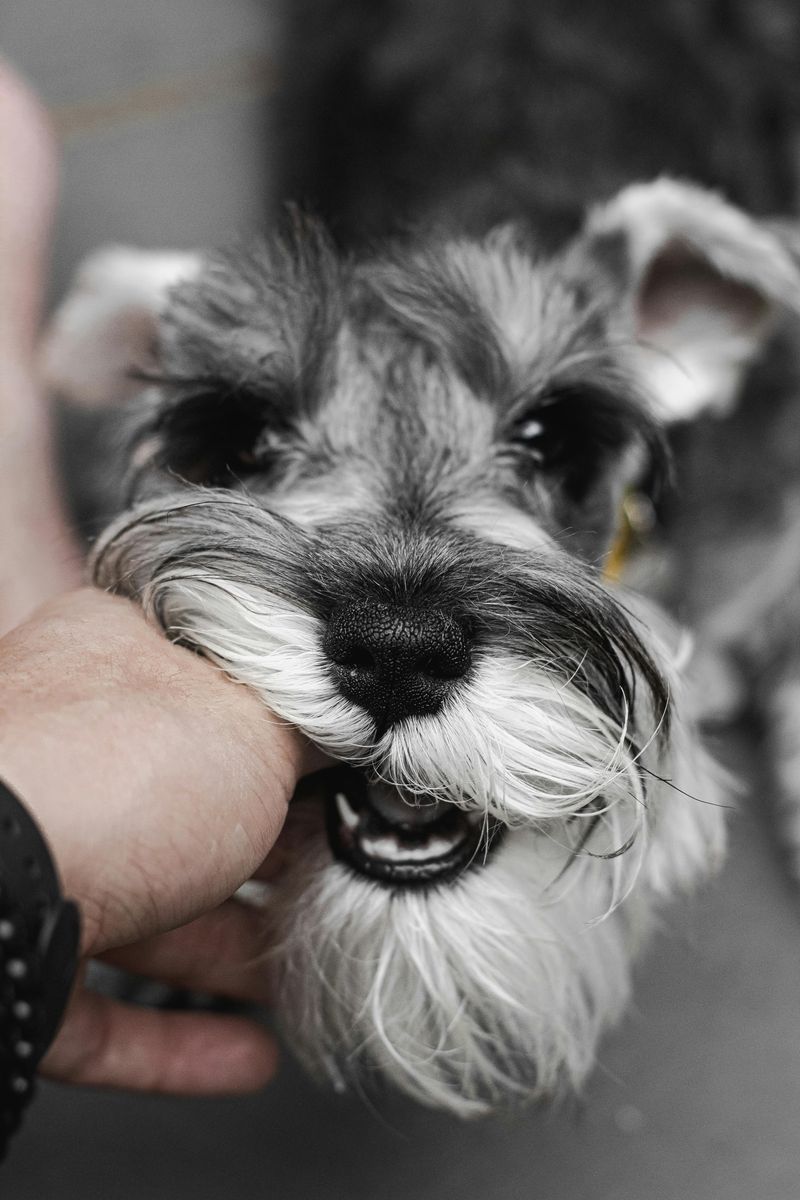
Miniature Schnauzers are vigilant watchdogs with a hair-trigger for motion. That means footsteps in halls, elevator dings, and bicycles flip their bark switch fast.
They are clever, vocal, and proud to report every suspicious leaf.
Control the view with frosted film or move furniture away from windows. Teach a quiet on cue using rapid mark-and-reward when the first bark pauses.
Provide high-intensity play and short obedience drills to burn mental fuel.
Rotate puzzle feeders and teach a settle on a bed when guests arrive. If reactivity to noises persists, use recorded sound desensitization at low volume, paired with treats.
Consistency trims the commentary without dulling their sparkling personality.
American Eskimo Dog
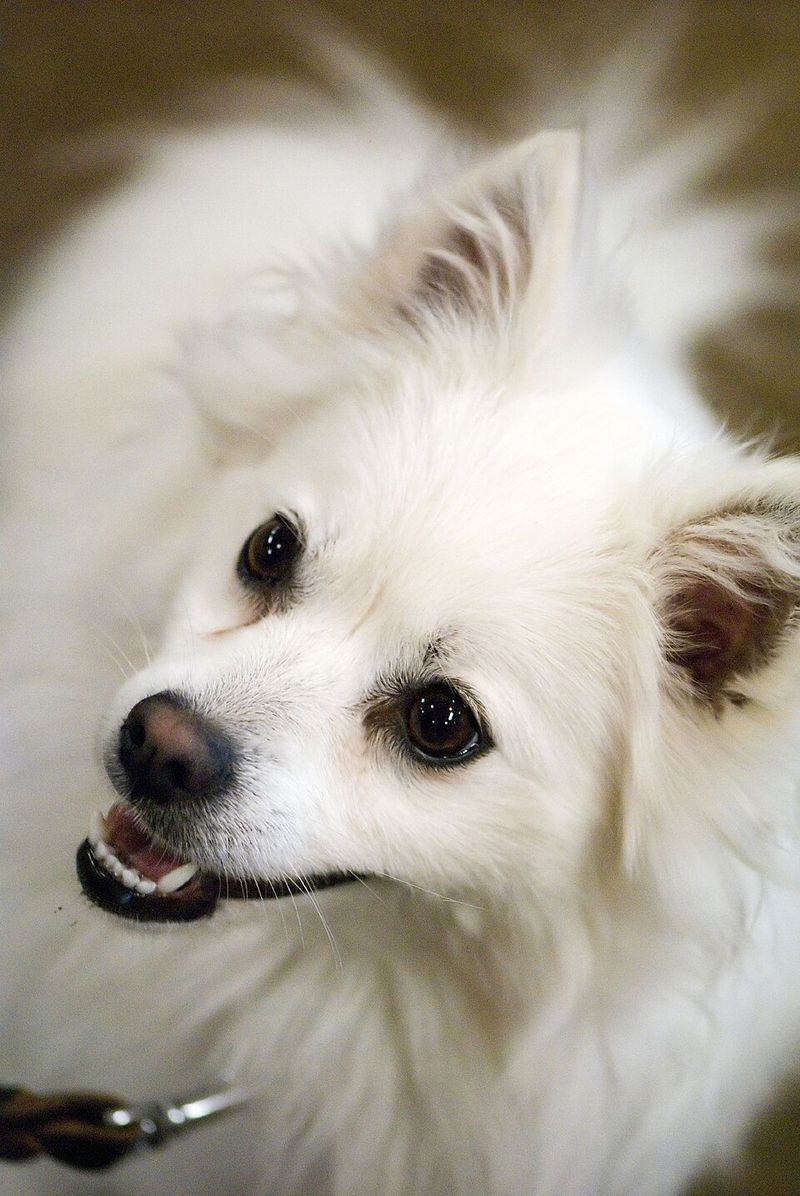
American Eskimo Dogs are bright, energetic, and wired to announce everything. Their alertness makes them excellent watchdogs but tough for thin-walled housing.
Boredom amplifies barking, especially without daily mental challenges.
Plan multiple training micro-sessions, trick work, and structured fetch or agility-style games. Reinforce quiet after one or two alerts, then redirect into a down-stay.
White noise or a fan masks hallway sounds and keeps arousal lower.
Give them jobs like carrying a toy during greetings or sniffy walks to decompress. A tired Eskie chooses listening over lecturing.
Pair boundaries with affection, and you will get more sparkle and fewer sound complaints.
Keeshond
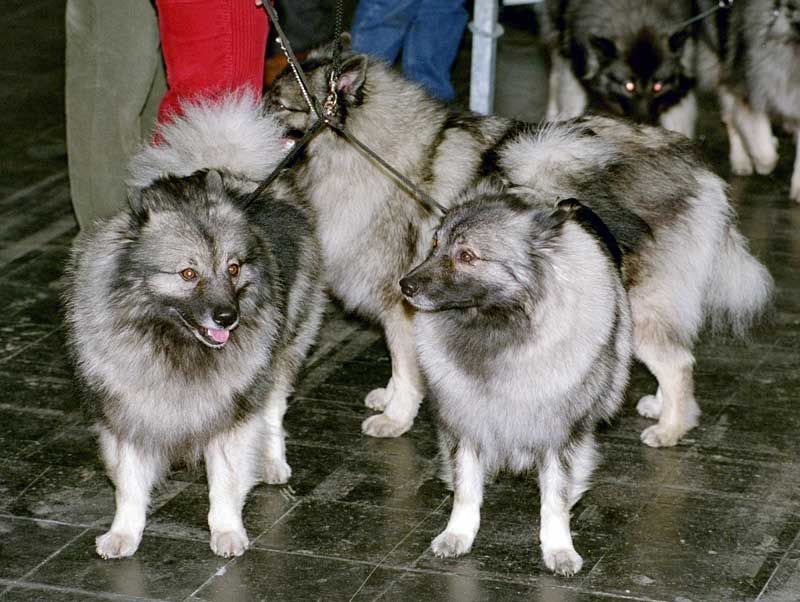
Keeshonden are social, sensitive, and wonderfully chatty companions. They thrive on being near you and alert when anything changes in their environment.
Door knocks, laughter next door, even a drifting scent can trigger ongoing commentary.
Daily engagement is the antidote. Practice stationing on a mat near the door, then reward calm while someone knocks lightly.
Increase difficulty slowly until your dog chooses quiet for treats and praise.
Enrich with brain games, scatter feeding, and calm decompression walks. Use management: block views, add white noise, and schedule rest after play.
Teach visitors to ignore initial barks and reward silence. Balanced structure lowers neighborhood echo.
Finnish Spitz
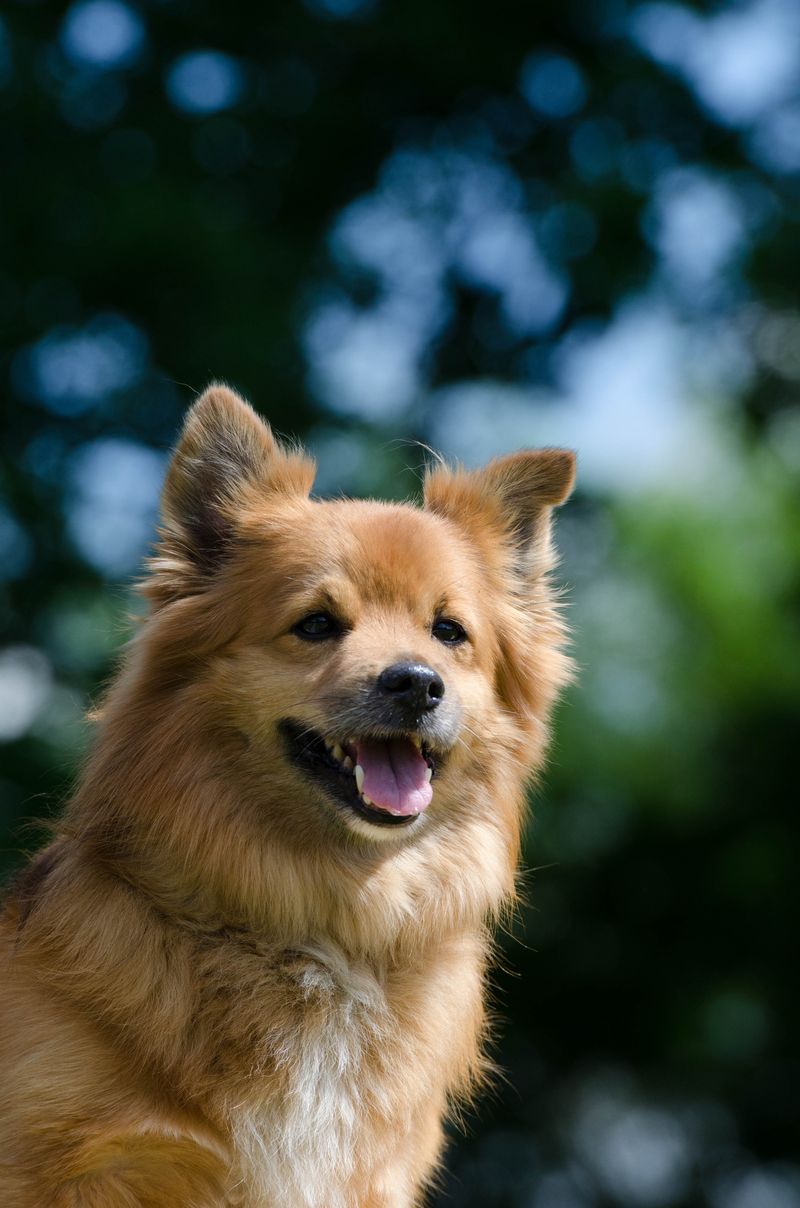
Finnish Spitz are famous for their unique hunting style that relies on frequent barking. That makes them radiant storytellers at home, especially around wildlife and movement.
Without outlets, the soundtrack can overwhelm thin fences.
Lean into breed instincts with controlled fetch, chase games, and recall drills. Teach a speak cue, then a quiet cue, paying heavily for silence.
Short training bursts throughout the day prevent the pressure build that leads to long sessions.
Limit unsupervised yard time and block wildlife views. Enrich with scent trails and problem-solving toys.
When their needs are met, the voice becomes punctuation rather than paragraphs.
Chihuahua
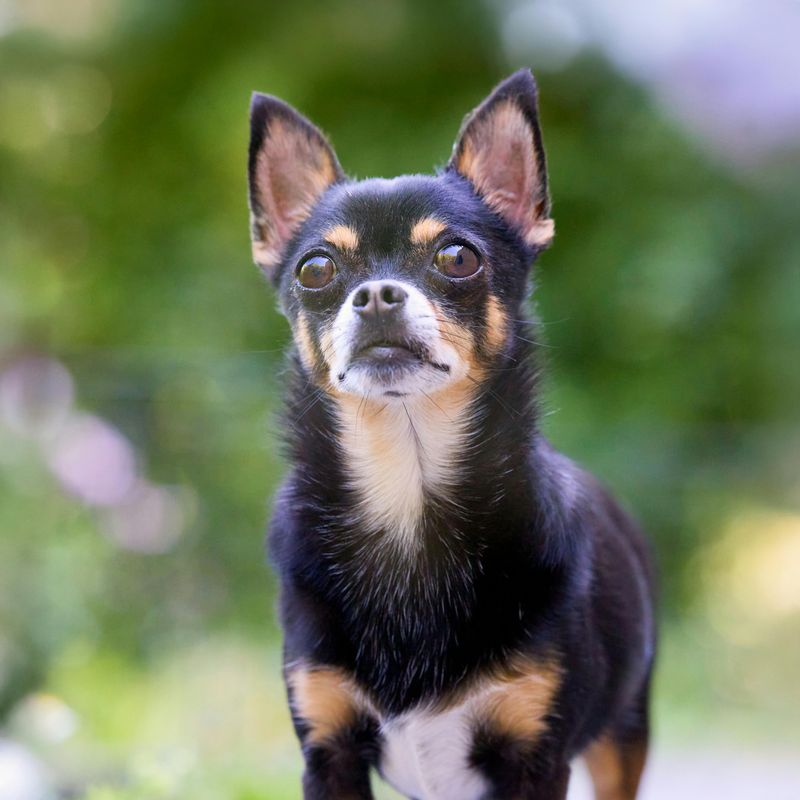
Chihuahuas pack watchdog confidence into a pocket frame. They bark to control space, warn off strangers, and narrate every elevator ding.
Because they are carried often, they miss chances to practice calm greetings.
Lower arousal with predictable routines and plenty of sniff walks on the ground. Teach a quiet cue paired with treats tossed on a mat.
When guests arrive, keep them on leash for a slow, reward-based introduction.
Reduce window access and run short training games before trigger times, like delivery hours. Tiny dogs still need big exercise for a quiet mind.
Respect their bravery while reinforcing silence as the winning strategy.
Pomeranian
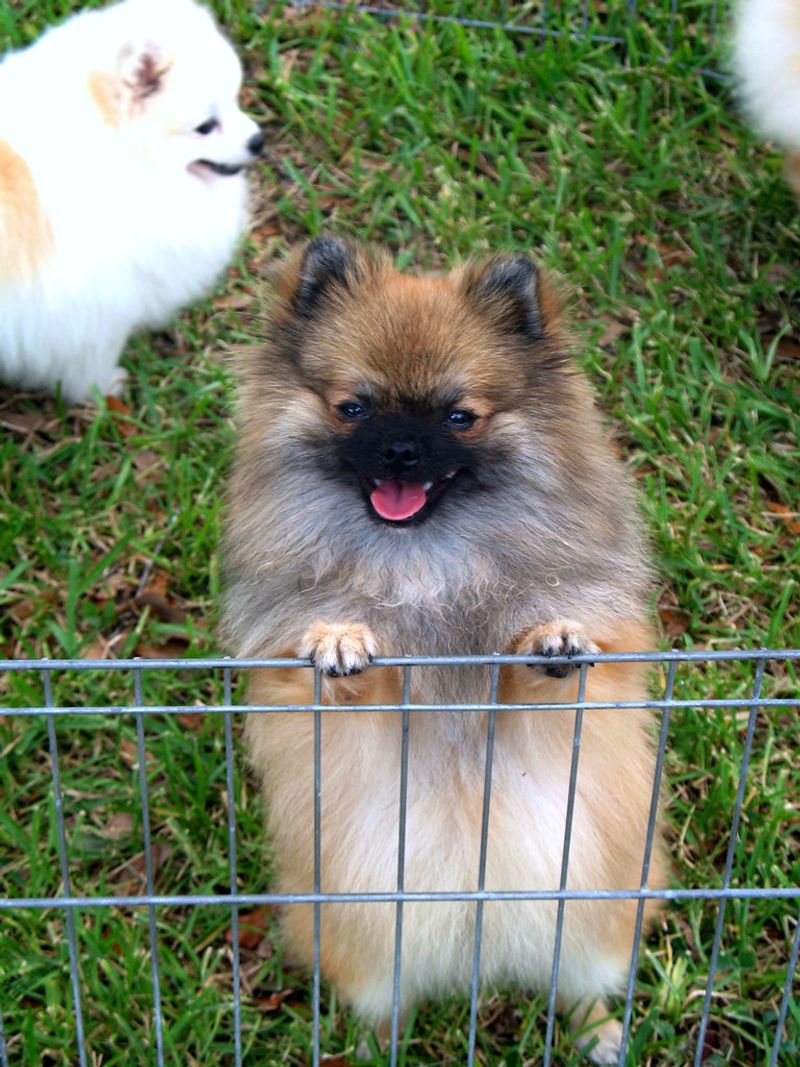
Pomeranians are spirited extroverts who love to narrate life. Their sharp, quick barks travel surprisingly far, prompting neighbor complaints in tight spaces.
Visual stimuli from windows or balconies keep them on duty all day.
Give frequent play breaks, trick training, and tug sessions to channel energy. Use a place command and reward calm during street noise.
Frosted film on balcony glass can reduce visual triggers without sacrificing light.
Teach a reliable quiet cue and pay generously for success. Rotate chews and puzzles to settle the mind after excitement.
With structure and fun, the vocal sparkle becomes a soft glow instead of fireworks.
Yorkshire Terrier

Yorkies were bred as bold little ratters, so confidence and commentary come standard. They are quick to report doorbells, footsteps, and rustling bushes outside.
Without clear boundaries, they take over neighborhood security.
Work impulse control with sit-stays before anything exciting: walks, meals, greetings. Practice quiet after one alert bark and deliver rapid rewards for silence.
Manage sightlines and add soft background noise to blunt triggers.
Offer daily enrichment: nosework, mini agility, and short training intervals. Keep walk routes varied to drain curiosity.
A busy Yorkie mind leaves less bandwidth for play-by-play announcements.
Boston Terrier

Boston Terriers are people-focused clowns with a surprising bark when aroused. Noises in shared buildings, fast greetings, and pent-up energy can all spark vocal bursts.
They often benefit from clear routines and calm introductions.
Use leash-on greetings, rewarding quiet pauses before saying hello. Teach a settle on a bed with chew rewards, especially during peak hallway traffic.
Brief training games throughout the day maintain focus and reduce vocal pop-ups.
Mask sounds with a fan and limit monitor duty by blocking window perches. If excitement barks persist, practice relaxation protocols.
The right structure keeps the jokes coming while the volume stays neighbor-friendly.
Cocker Spaniel

Cocker Spaniels are sensitive, affectionate, and highly attuned to changes around home. Their alert bark can escalate if doors, wildlife, or strangers keep popping up.
Emotional dogs need clear routines and decompression built into the day.
Try scenting games, retrieve sessions, and simple obedience to build confidence. Reinforce quiet after one alert bark with high-value treats.
Provide a cozy den area for downtime during busy neighborhood hours.
Limit fence running, which fuels arousal and more barking. Use pattern games on walks to reduce scanning.
Calm leadership and predictable comfort help a Cocker swap noise for connection.
Dachshund

Dachshunds are fearless scent hounds built to announce underground drama above ground. That courage translates into persistent barking at footsteps, critters, and door sounds.
Left to decide, they claim full-time security shifts.
Prevent window patrol by moving furniture and adding frosted film. Create excavation-style games with snuffle mats and buried toys to meet digging instincts.
Train a quiet cue and a place command, rewarding calm in short bursts.
Keep yard time supervised and avoid fence racing. Short, frequent sniff walks drain energy better than one long sprint.
When they have a job and boundaries, the volume drops and confidence stays.